
Used 2005 Mack Trucks For Sale
Compare used 2005 Mack trucks by model, engine, suspension, and specs. Pre-DPF EGR power, Granite and Vision options, and key checks before you buy.
Selling a used 2005 mack truck? List your used 2005 mack truck for sale and reach thousands of commercial buyers.
Used 2005 Mack Trucks
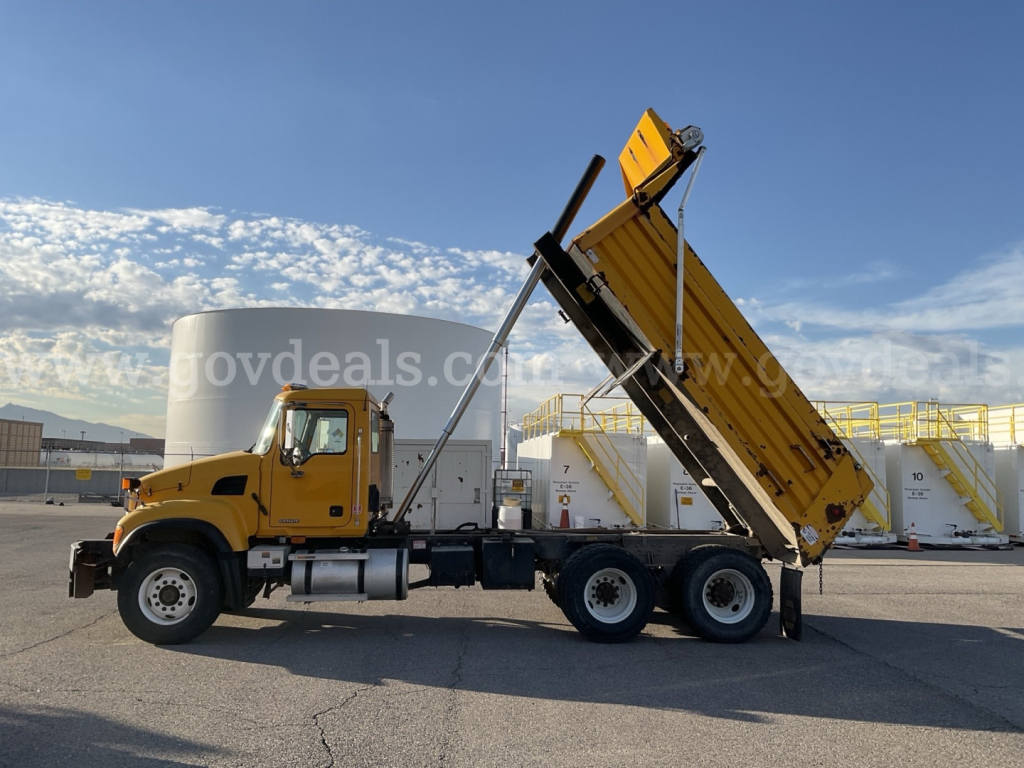
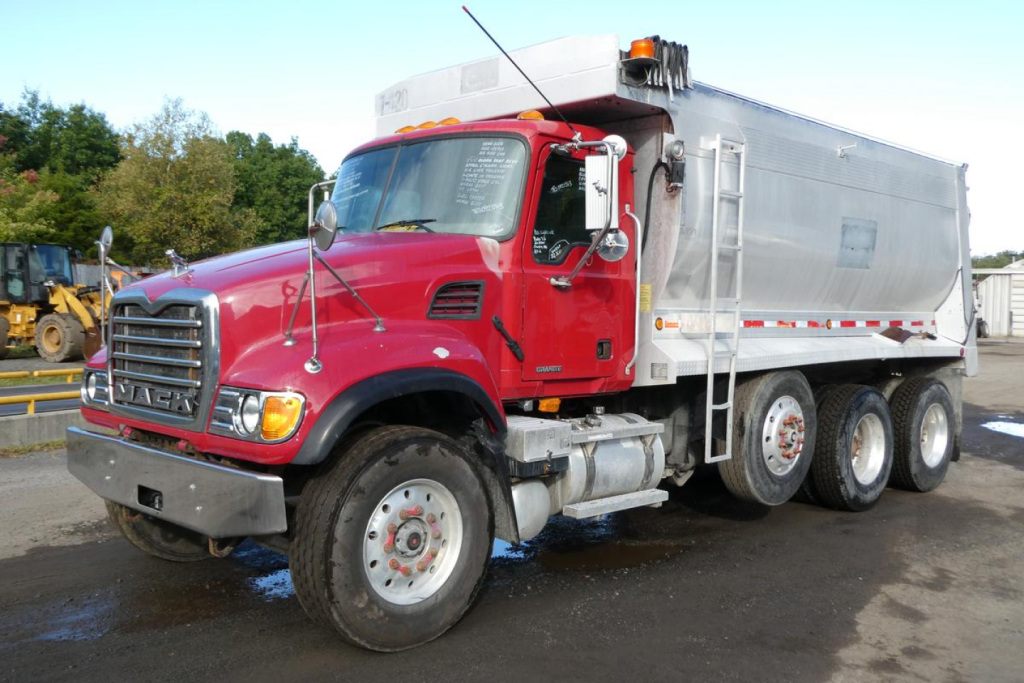
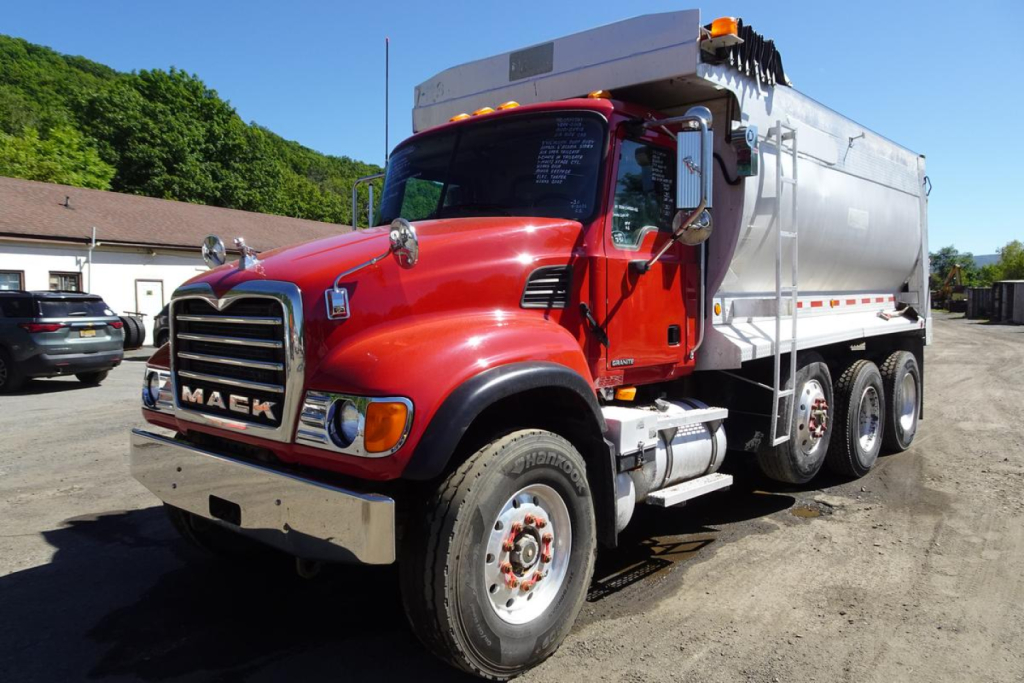
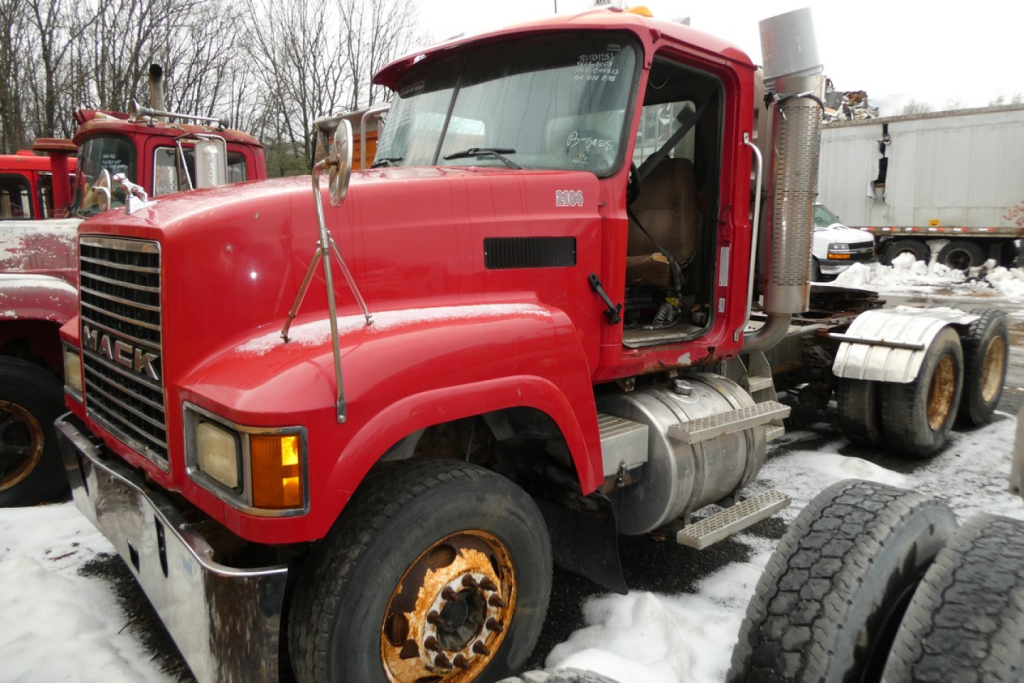
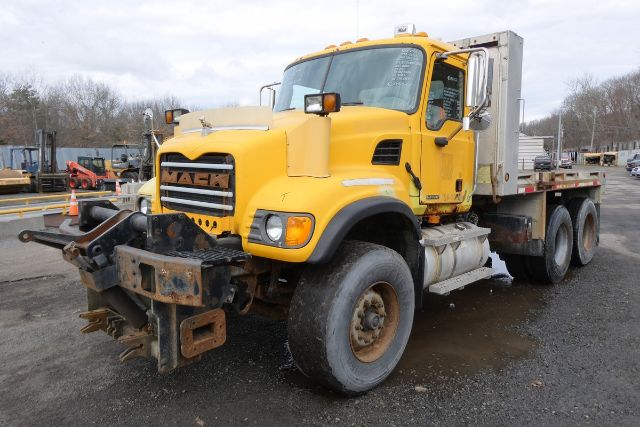
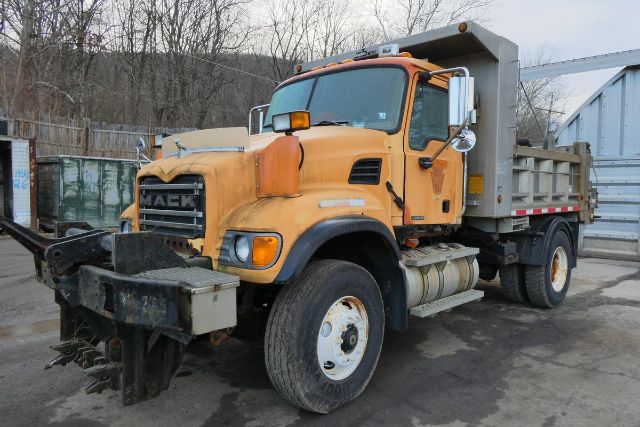
Model choice drives the work you can do. Granite vocational trucks, including popular CV713 specs, are common as dump, mixer, roll-off, and plow builds with set-forward or set-back steer axles to meet bridge requirements. Highway duty often centers on Vision and CH tractors in day cab or sleeper configurations. Expect steel cabs, stout single or double-frame rails, and a mix of Mack proprietary components and vendor options suited to regional haul, construction, bulk, and municipal work.
Drivetrains vary. Many units run Mack ASET AC/AI engines in the 350 to 460 horsepower range with 1350 to 1650 lb-ft, paired to Maxitorque 10 or 18 speeds or Eaton Fuller 10/13/18 speeds. Rear ratios on tractors commonly fall between 3.25 and 3.90 depending on tire size and gearbox, while vocational specs use deeper gearing and inter-axle locks for off-road traction. Camelback suspensions are prized for durability and stability on uneven ground, though ride quality is firm. Air ride improves driver comfort and helps protect sensitive freight. Vocational fronts typically range from 14k to 20k with 38k to 58k rears; tri-axle dumps and lift axles are frequent in states with bridge formula incentives. Brakes are drum with ABS, and you’ll see 11R22.5 or 11R24.5 rubber with steel or aluminum wheels.
When comparing 2005 Macks, match spec to route and weight. Verify wheelbase for trailer swing clearance, fifth wheel or pintle setup, PTO provisions for bodies, and cooling package condition for EGR longevity. Inspect double frames for rust jacking, camelback bushings for wear, and power dividers and axle carriers for metal in the oil. For tractors, evaluate clutch life, air system leaks, and any sleeper HVAC repairs. Check electronics for V-MAC IV fault history and confirm that any aftermarket add-ons were wired cleanly. Buyers operating in California and other strict regions should review local rules, since pre-2010 engines face restrictions without approved retrofits. Solid parts support and a strong dealer network keep these trucks serviceable, and resale remains steady for well-spec’d vocational rigs in construction markets.
Frequently Asked Questions about Used 2005 Mack Trucks
What engines are common in 2005 Mack trucks and how do they compare?
Most 2005 units use Mack ASET AC or AI engines rated roughly 350 to 460 hp with 1350 to 1650 lb-ft. They meet EPA 2004 using cooled EGR and no DPF or SCR. You may also find some models with Eaton Fuller transmissions behind these engines and occasional vendor-engine options depending on the original order. ASET engines are durable with proper cooling system care, but EGR valves and coolers are maintenance items. Fuel economy is typically a bit lower than later SCR-era MP engines.
Are 2005 Mack trucks compliant in California or port drayage work?
Most 2005 engines are not eligible for unrestricted operation in California or port drayage without an approved diesel particulate filter retrofit, and many programs now require 2010 or newer engines. Always check the current CARB Truck and Bus Regulation and any local exemptions, as rules can change by vocation, mileage, or fleet size.
What suspensions should I look for on a 2005 Mack and what are the trade-offs?
Camelback leaf is common on Granite dumps and roll-offs and is known for stability, high articulation, and low maintenance under heavy loads. The ride is firmer and bushings should be inspected. Air ride is more common on highway tractors and offers better driver comfort, helps protect freight and equipment, and can reduce vibration-related wear, but it introduces more air system components to maintain.
What are key inspection points on a 2005 Mack before purchase?
Check cooling system integrity due to EGR heat load, including radiator, CAC, hoses, and EGR cooler. Inspect frame rails and any double-frame sections for rust jacking, cab mounts for corrosion, and driveline seals. On vocational units, verify PTO operation, body hydraulics, hoist cylinder condition, and brake lining thickness. For tractors, match axle ratios and tire size to your cruising speed, and confirm smooth shifting and healthy clutch engagement. Review ECM data for fault codes and idle time.
What gearing works best for a 2005 Mack tractor in regional haul?
For mixed highway and regional routes with 10 or 13 speeds on 11R22.5 tires, ratios from about 3.25 to 3.70 balance startability and cruise RPM. Heavier or hilly routes may benefit from 3.70 to 3.90. Deep vocational ratios fit off-road work but raise highway RPM. Always align rear ratio with transmission gearing, tire size, and typical road speed to keep the engine in its torque band while minimizing fuel burn.