
Used 2004 Trucks For Sale in New York
Used 2004 trucks in New York, pre-DPF powertrains explained, plus tips on floor strength, thermal integrity, tare weight, and corrosion for smarter buys.
Learn more
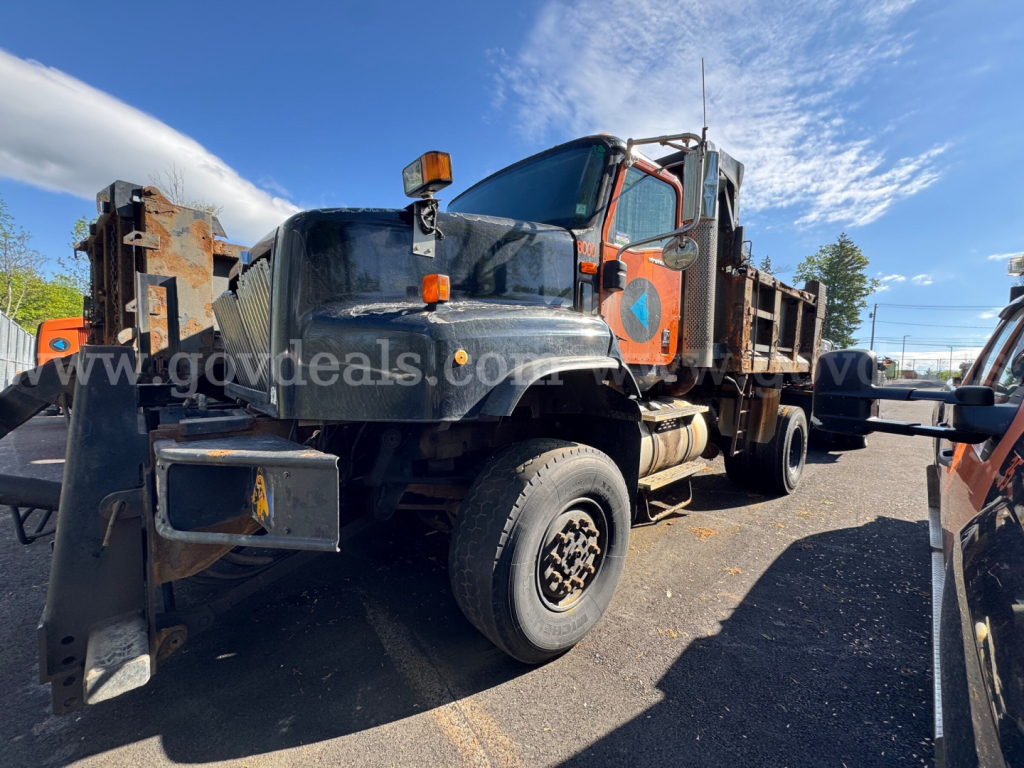
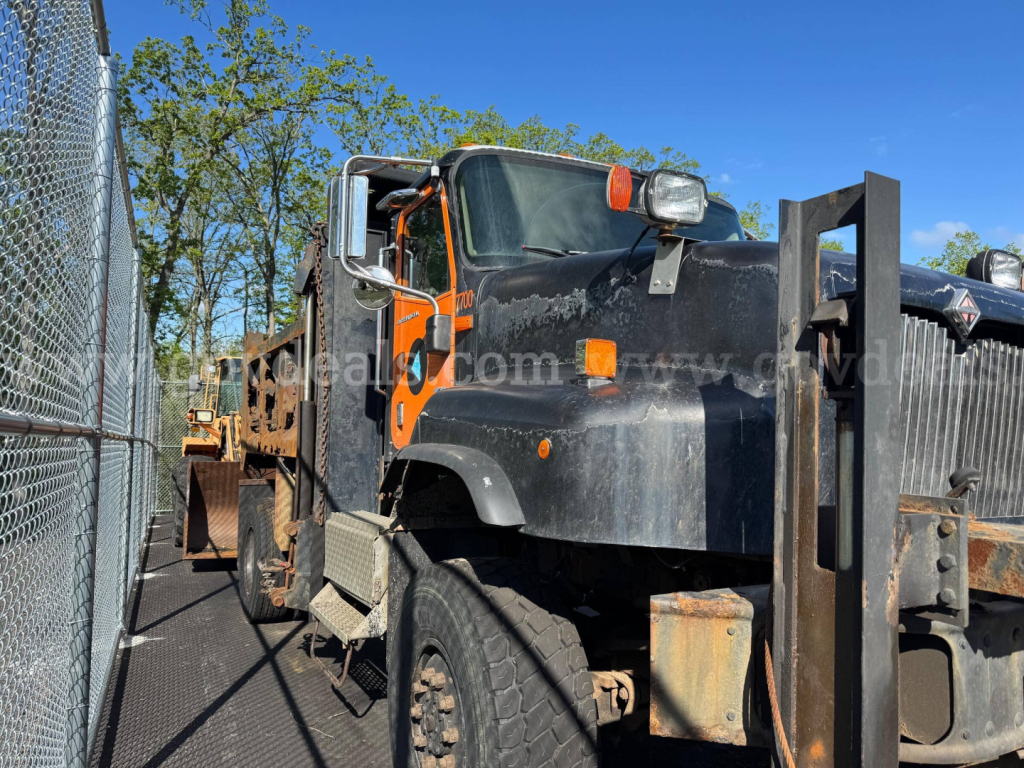
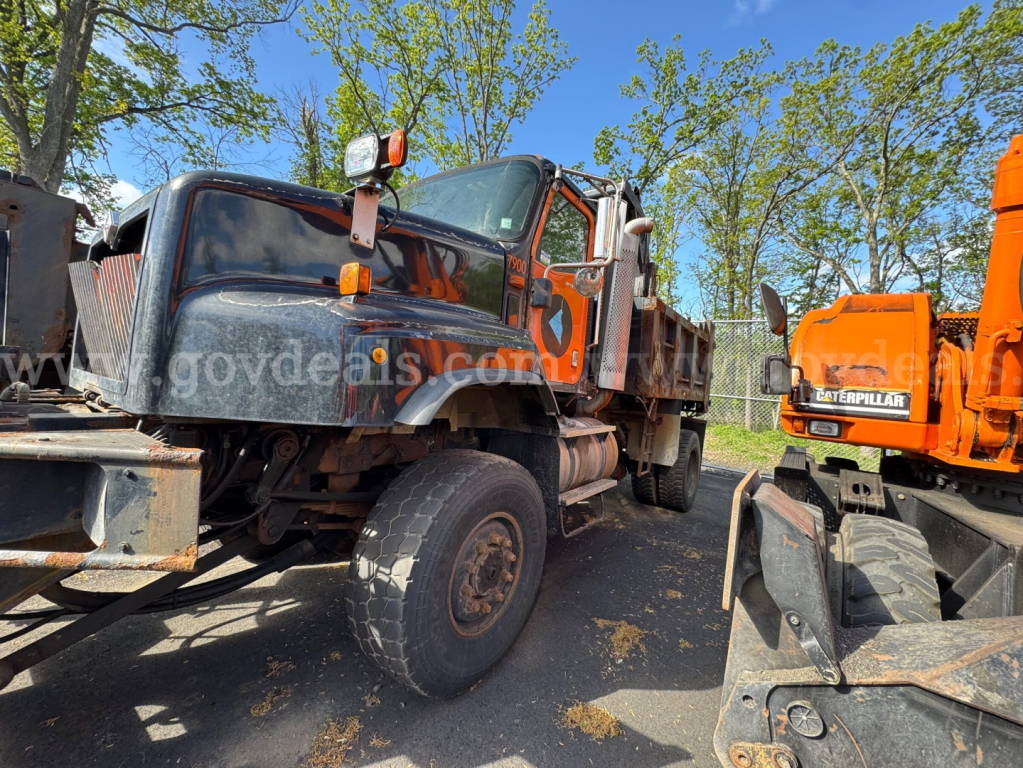
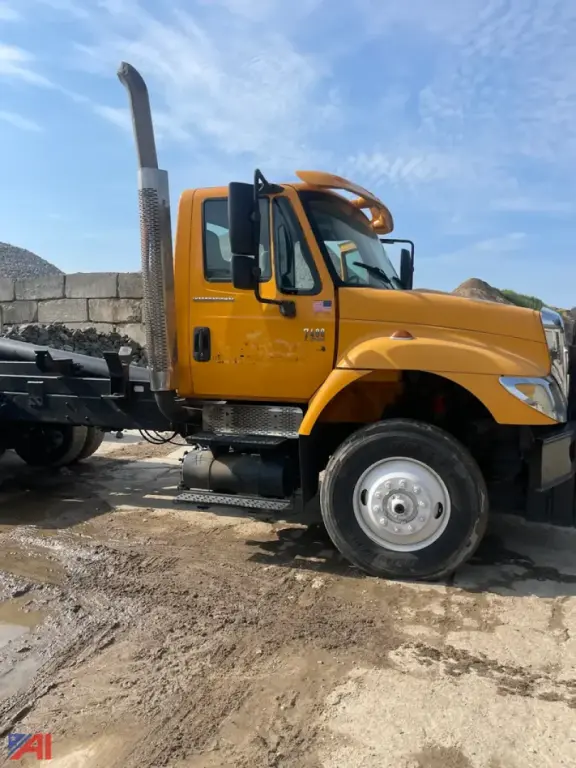

Showing 1 to 12 of 21 results
Have used 2004 truck to sell? List it here to reach thousands of buyers.
About Used 2004 Trucks in New York
Floor strength is central on 2004 van bodies, reefers, and dumps. Many dry van and reefer straight trucks of this vintage use laminated hardwood or aluminum plank floors over crossmembers on 12 or 10 inch centers, with scuff liners and logistics posts protecting sidewalls. A sound floor will show even fastener lines, minimal forklift tire depressions, and no dark soft spots near the rear threshold. On dumps and flatbeds, look for apitong or aluminum decking with minimal knife edging at the tail, straight crossmembers, and tight hinge pins. Forklift point load history tells the story, if the floor deflects or oil cans under load, budget for sectional replacement.
Thermal integrity matters on insulated and reefer trucks, especially after a New York duty cycle with temperature swings. Foam-in-place polyurethane loses performance if it has taken on moisture, door gaskets compress with age, and rear frame thresholds can become heat bridges if the stainless or aluminum sill is loose. Evaluate with a pre-cool and hold test, confirm rapid pulldown, stable box temperature, uniform sidewall temps with an IR thermometer, and even airflow with no bypass at the bulkhead. Check drains, liner seams, and nose mounting points for frost trails or staining, and verify the unit’s compressor performance, condenser cleanliness, and controller fault history.
Tare weight and corrosion drive lifecycle economics on 2004 trucks in New York. Without DPF and DEF hardware, many 2004 tractors are lighter than later models, and can be trimmed further with aluminum wheels, hubs, battery boxes, and a smaller fuel split to hit legal payload targets. Single axle tractors and class 6–7 box trucks can offer meaningful payload in dense urban lanes, while tandem tractors bring GCW flexibility for regional work. Road salt is the wildcard, inspect frame flanges for scale and pitting, crossmembers near the suspension for section loss, cab mounts and radiator supports for rust jacking, aluminum component oxidation at dissimilar metal joints, and harness connectors for green corrosion. Stainless fasteners, epoxy frame coatings, and periodic undercarriage washing slow the decay, and a clean inspection report is worth real money at purchase.
Frequently Asked Questions
What emissions equipment is on a 2004 truck and how does it affect maintenance?
Most 2004 heavy-duty diesels use cooled EGR, with no DPF and no DEF. This reduces aftertreatment complexity, but demands attention to EGR coolers, VGT actuators, intake and charge air plumbing, and coolant quality. Expect to service sensors, inspect for soot tracking at joints, pressure test the CAC for leaks, and monitor oil analysis for fuel dilution. Keeping the cooling system clean and correctly dosed with supplemental coolant additives protects EGR components and cylinder liners.
How can I judge floor strength on a 2004 box or reefer truck?
Inspect crossmember spacing, look for 12 or 10 inch centers, check hardwood or aluminum plank thickness, and examine the rear 6 feet where forklift loads are highest. Walk the floor to feel for soft spots, check for screw pops or pulled fasteners along logistics posts, and look at the rear threshold for cracked welds or loose sills. If the floor visibly deflects under a pallet jack, plan for section repair or a full re-deck depending on cargo weight and duty cycle.
How do I evaluate thermal integrity on a 2004 reefer body?
Perform a pulldown test and a hold test, confirm the box drops to setpoint quickly and maintains temperature without excessive cycling. Use an IR thermometer to scan sidewalls, ceiling, and floor for cold or warm streaks that indicate wet insulation or voids. Inspect door seals, hinge alignment, drain lines, bulkhead integrity, and the rear frame area for air leaks. Review the reefer unit’s service records, run hours, and alarm history to verify compressor health and consistent capacity.
Are 2004 tractors lighter than newer models, and how does that impact payload?
Many 2004 tractors are lighter because they do not carry DPF canisters, DEF tanks, and associated hardware. Depending on spec, this can net a few hundred pounds of payload, which matters on dense commodities. Further reduce tare with aluminum wheels and hubs, a lightweight fifth wheel, optimized fuel capacity, and single 80 gallon tanks for local work. Balance reduced tare with required range and traction considerations for New York routes and weather.
What corrosion issues are common on 2004 trucks that operated in New York?
Road salt accelerates frame flange pitting, crossmember rot near suspension hangers, rust jacking at cab mounts and radiator supports, and oxidation of aluminum near steel fasteners. Air tanks, brake chambers, and ABS wiring at the axles often show early damage. Inspect thoroughly with a hammer and pick, look behind suspension brackets, and check electrical connectors for verdigris. Mitigation includes stainless or coated hardware, epoxy or waxed frame coatings, and regular undercarriage washes during winter.