
Used 2004 Mack Trucks For Sale in New York
Browse used 2004 Mack trucks for sale in New York, including highway and vocational models known for durable drivetrains and serviceable specs.
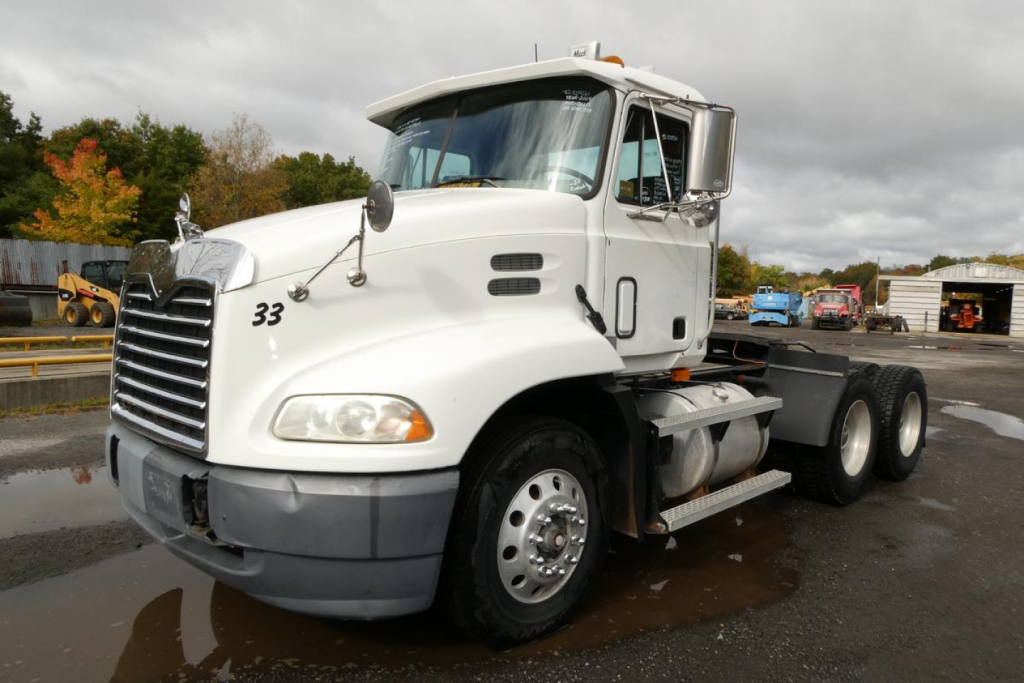
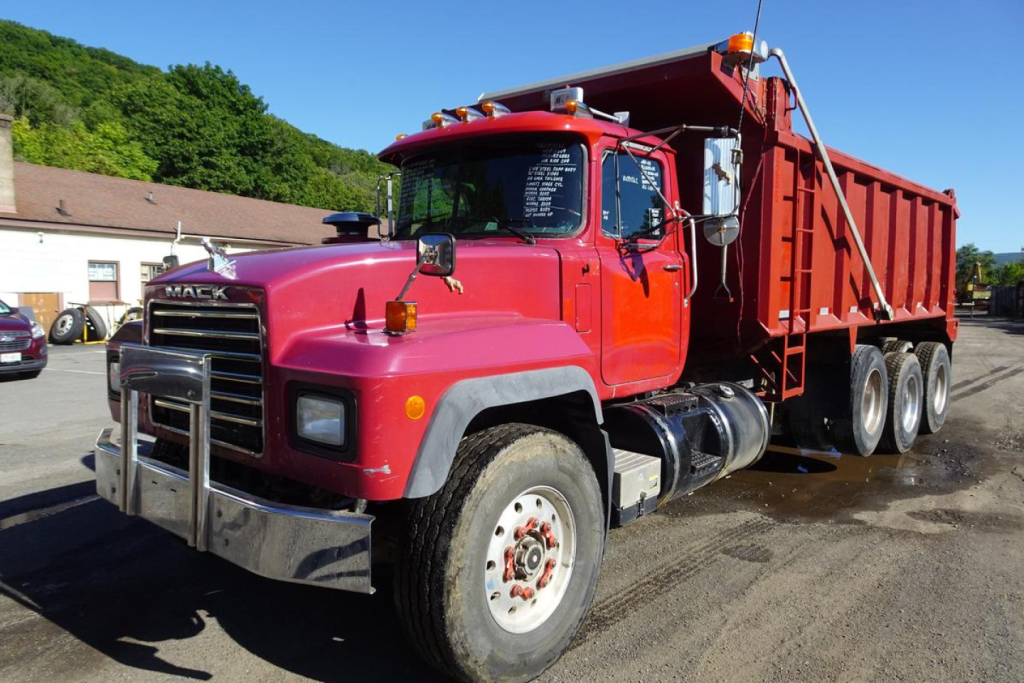
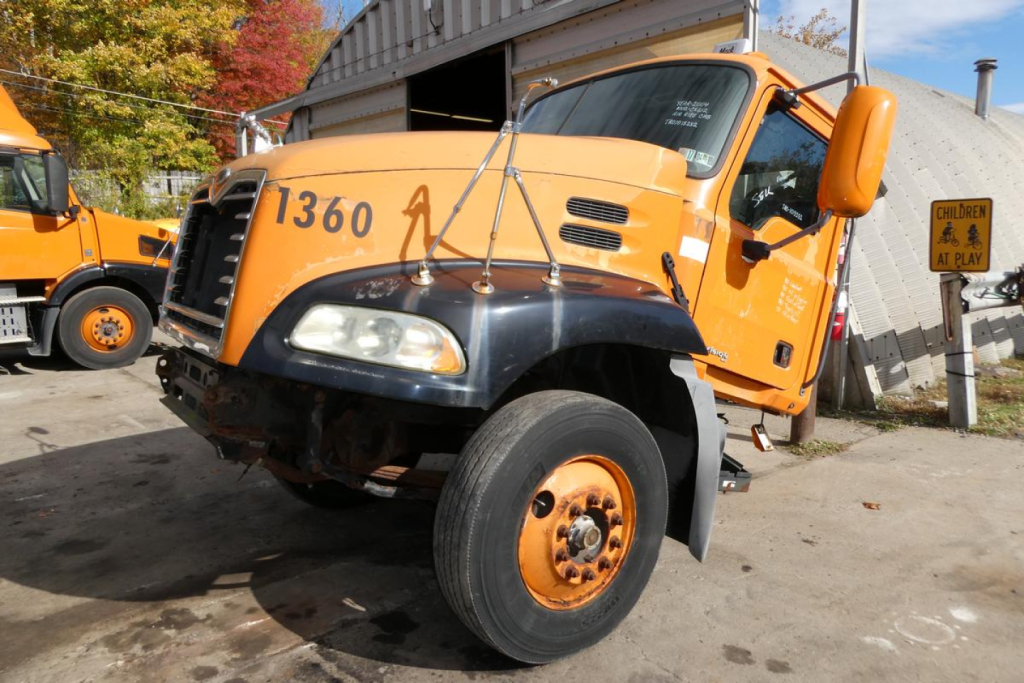

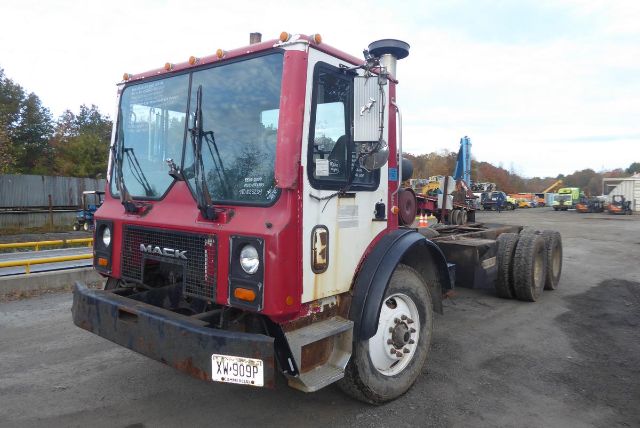
Selling a used 2004 mack truck? List your used 2004 mack truck for sale and reach thousands of commercial buyers.
Used 2004 Mack Trucks in New York
Engine and drivetrain specs vary widely, so buyers should focus less on the badge and more on the exact powertrain. Many 2004 Mack trucks were built with Mack E7 or ASET-family engines in horsepower ranges suited for local vocational work up through highway service, often paired with Fuller 8-speed, 9-speed, 10-speed, or Mack manual transmissions. Rear axle ratings, suspension type, and ratio will tell you more about the truck’s real job fit than horsepower alone. A Camelback or Mack air ride setup, 3.91 to 4.64-style gearing, 12,000 to 14,000 lb front axles, and 23,000 to 44,000 lb rear capacities are common ranges you may see depending on whether the truck was spec’d as a road tractor, dump, or municipal unit. Double-frame construction, wetline setups, lift axles, power dividers, and PTO provisions are especially relevant on vocational chassis.
For New York buyers, corrosion history deserves close attention. Road salt, municipal service, and winter operation can age cab mounts, battery boxes, crossmembers, brake hardware, airlines, and body attachment points faster than engine internals. A clean frame matters, but so do spring hangers, suspension saddles, steering components, and the condition of any dump body, hoist, tailgate, or refuse equipment. On highway tractors, check sleeper structure, fifth wheel wear, frame drilling, and signs of hard regional use. On vocational trucks, verify axle ratings against the intended payload, inspect hydraulic system condition, and confirm the transmission, clutch, and engine brake still match the application. Mileage is only part of the story on a 2004 truck. Idle hours, PTO hours, and prior municipal or construction duty can matter just as much.
The appeal of a 2004 Mack is that these trucks were built for work and are still supported by a large used-parts and service network. Buyers comparing listings should look closely at engine family, suspension type, wheelbase, cab-to-axle, brake configuration, and whether the truck has a single or double frame. A day cab with moderate gearing may fit local and regional hauling, while a Granite or RD-style vocational chassis may be better suited for dump, plow, roll-off, or heavy municipal work. The best used 2004 Mack truck is the one whose axle, frame, suspension, and drivetrain specs match the job without expensive rework after purchase.
Frequently Asked Questions about Used 2004 Mack Trucks in New York
What should I inspect first on a used 2004 Mack truck in New York?
Start with the frame, cab structure, suspension mounts, brake components, and any corrosion-prone areas affected by road salt. New York trucks often show rust at crossmembers, spring hangers, battery boxes, fuel tank mounts, and body attachment points before major drivetrain issues appear. After that, confirm engine condition, transmission operation, differential noise, steering play, and the working condition of any PTO or hydraulic equipment.
Are 2004 Mack trucks good for vocational work like dump, refuse, or municipal service?
Yes, many 2004 Mack trucks remain popular in vocational service because of their heavy chassis construction, durable suspensions, and application-focused drivetrains. Models spec’d with Camelback suspension, double frames, power dividers, lift axles, PTOs, and lower rear-end ratios are especially well suited for dump, refuse, transfer, and municipal work. The key is verifying that the current axle ratings, frame setup, and hydraulic provisions still match the job you need the truck to do.
Which drivetrain specs matter most when comparing used 2004 Mack trucks?
The most important specs are engine family, transmission model, rear axle ratio, suspension type, axle ratings, and whether the truck has a single or double frame. Horsepower alone does not tell you how the truck will perform under load or in stop-and-go service. For example, a lower ratio and heavy suspension may be ideal for dumps and municipal work, while a highway tractor may benefit from gearing and suspension tuned for fuel economy and ride quality.
Is mileage enough to judge a 2004 Mack truck?
No. On a truck of this age, mileage should be reviewed alongside engine hours, idle time, PTO use, service records, and the type of work the truck performed. A lower-mile municipal or construction truck can still have significant wear from heavy loads, frequent starts and stops, and extensive idle time. A higher-mile road tractor with documented maintenance may be the better unit if its drivetrain and chassis were used in a less abusive application.
Are parts and service still available for a used 2004 Mack truck?
In many cases, yes. One reason older Mack trucks remain active in the used market is the broad availability of aftermarket parts, salvage components, and technicians familiar with these platforms. Availability depends on the exact engine, transmission, axle, and cab configuration, so buyers should confirm support for the specific truck they are considering, especially if it has a less common vocational body or specialized municipal equipment.