
Used 2004 Dump Trucks For Sale in New York
Shop used 2004 dump trucks for sale in New York. Compare body specs, PTO setups, axle ratings, plow prep, and municipal-ready configurations.
Looking for the easiest place to sell your used 2004 dump truck? List it here to reach thousands of buyers.
Used 2004 Dump Trucks in New York
In this age range, powertrains vary widely. It is common to see medium-duty and vocational diesel engines from Caterpillar, Mercedes, International, Cummins, Mack, and others paired with Fuller manual transmissions or Allison automatics. For New York buyers, transmission choice matters. Automatic-equipped dump trucks are often preferred for snow and ice work, stop-and-go municipal routes, and drivers cycling plow, spreader, and dump functions. Manual transmissions can still be attractive for straightforward aggregate hauling or owner-operator applications where simplicity and lower acquisition cost matter. Rear axle ratings in the 21,000 to 23,000 lb range are common on single-axle units, and axle ratio plays a major role in low-speed pulling power versus road speed.
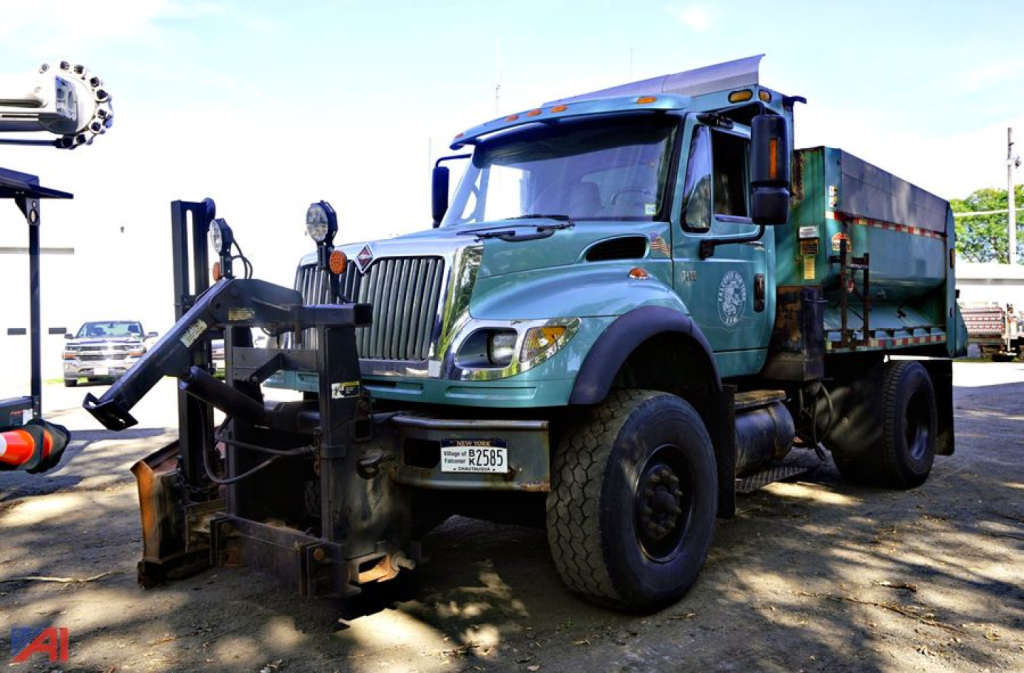
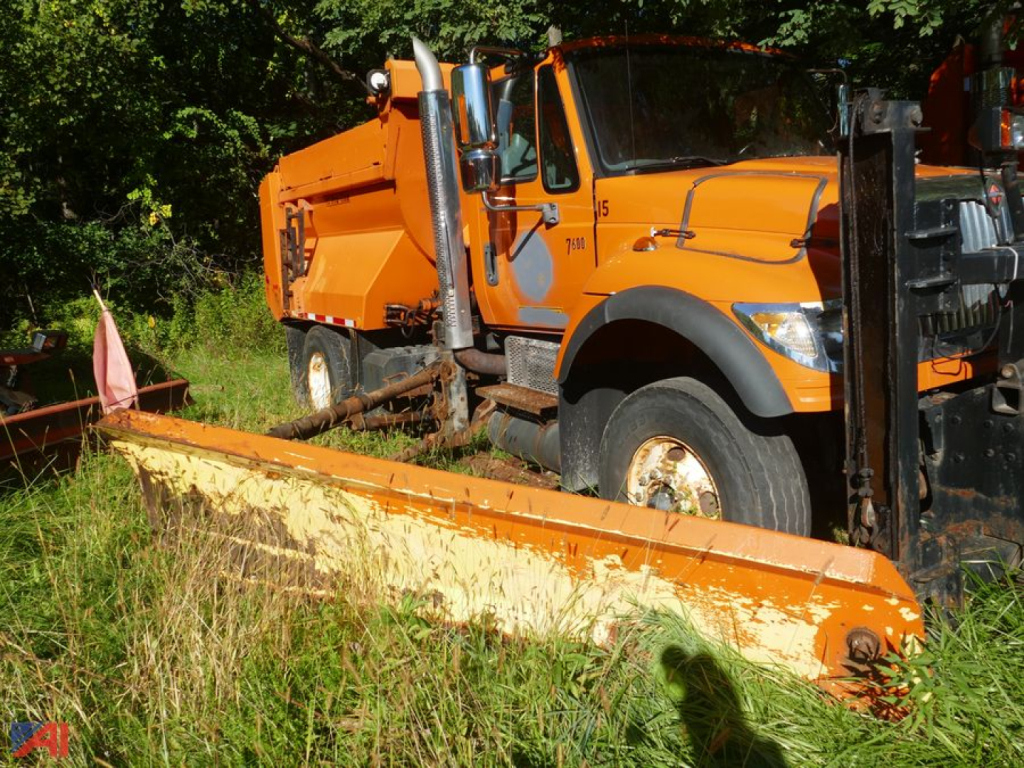
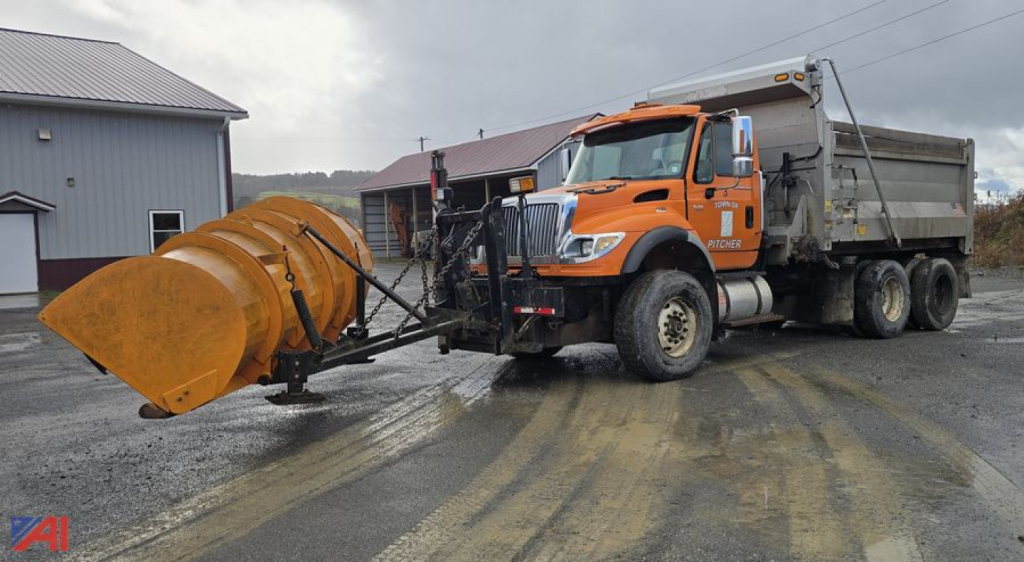
A 2004 dump truck can also be a strong fit for contractors who need one chassis to do multiple jobs year-round. In New York, many used dump trucks in this class were ordered with front plow hydraulics, central hydraulics for spreaders or sanders, air-operated tailgates, electric tarp systems, and stainless or aluminum bodies to hold up better against salt exposure. That makes frame condition especially important. Check for corrosion around spring hangers, crossmembers, hoist mounts, cab corners, floor supports, and underbody structure. If the truck has been used for snow service, inspect the front frame horn area, hydraulic plumbing, wiring repairs, and evidence of hard seasonal wear. A clean body is helpful, but a sound frame, functional hydraulics, and a straight chassis matter more.
The best used 2004 dump trucks are the ones with a spec that matches the work. A short wheelbase single-axle truck is easier to place in urban jobs, paving crews, and municipal yards. A larger body with higher sides may suit mulch, demolition debris, or light bulk material, while a heavier steel body is usually better for stone, millings, and harsher loading conditions. Buyers should compare wheelbase, cab-to-axle measurement, body material, brake type, tire size, and whether the truck has a single frame or double frame. On older dump trucks, service records, rust level, and the condition of the hoist, hinges, and tailgate hardware usually tell more about future operating cost than the odometer alone.
Frequently Asked Questions about Used 2004 Dump Trucks in New York
What should I inspect first on a used 2004 dump truck?
Start with the frame, dump hoist, and hydraulic system. On a 2004 dump truck, corrosion, hoist wear, leaking cylinders, cracked mounts, and damaged hydraulic lines can create larger repair costs than normal engine wear. After that, inspect the body floor, tailgate, hinge points, PTO operation, rear suspension, brake system, and any plow or spreader hydraulics if the truck was used in municipal or snow-service work.
Are 2004 dump trucks still practical for municipal or contractor use in New York?
Yes, if the truck has the right vocational spec and the chassis is structurally sound. Many 2004 dump trucks remain practical for local hauling, snow removal, paving support, landscaping material delivery, and yard work. In New York, the biggest deciding factors are rust level, hydraulic reliability, and whether the truck was maintained through repeated winter service. A well-kept older dump truck can still be productive in seasonal or lower-mileage applications.
Is an automatic or manual transmission better in a used dump truck from this year?
It depends on the application. Allison automatic transmissions are often preferred for plowing, spreading, and heavy stop-and-go work because they reduce driver fatigue and make it easier to manage multiple hydraulic functions. Manual transmissions such as Fuller 8-speed or 9-speed units can be a solid choice for hauling stone, dirt, or asphalt where buyers want mechanical simplicity and lower purchase cost. The better option is the one that matches the route, driver pool, and seasonal use.
What body material is better on an older dump truck, steel, aluminum, or stainless?
Steel bodies usually handle abrasive material and loader impact better, which makes them common for aggregate, demolition, and tougher construction use. Aluminum bodies reduce empty weight and can be useful where payload matters, but they are not always ideal for severe loading conditions. Stainless steel bodies are popular in municipal and snow-service applications because they resist salt corrosion better than painted steel. On a 2004 truck, actual condition matters more than material alone.
Why do plow prep and auxiliary hydraulics add value on a used dump truck?
Plow prep, front hydraulics, and central hydraulic systems increase the truck's versatility. A dump truck equipped to run a plow, sander, or spreader can work across multiple seasons instead of sitting idle outside of hauling months. In New York, that can make a major difference in utilization. Buyers should still verify that the hydraulic controls, wiring, pump setup, and mounting points are complete and functional, because older trucks sometimes have partial or non-working snow equipment systems.