
Ford Service/Utility Trucks For Sale
Ford service and utility trucks for work fleets. Compare F-250 to F-750 chassis, gas or diesel, 4x4, SRW/DRW, service or mechanics bodies, crane-ready.
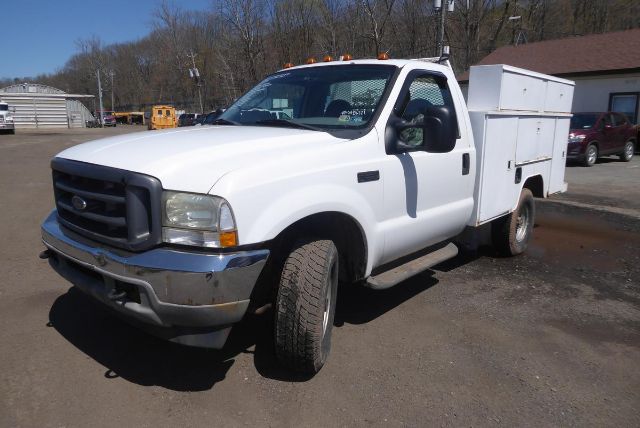
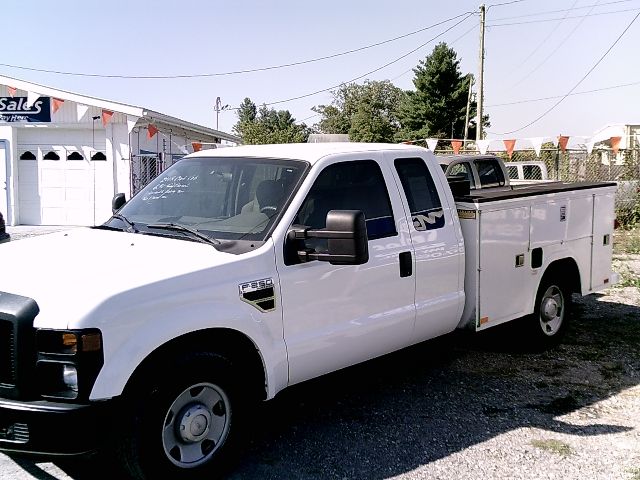

Showing 25 to 32 of 32 results
Have ford service/utility truck to sell? List it here to reach thousands of buyers.
Ford Service/Utility Trucks
Engine and driveline choices are straightforward but consequential. Gas options like Ford’s 7.3L V8 reduce upfront cost and simplify emissions service, ideal for high idle and short-trip duty cycles. The 6.7L Power Stroke diesel delivers higher torque, longer range, and better performance under heavy PTO or towing loads, with DEF and regen to manage. Most Super Duty chassis run TorqShift 10-speed automatics with live-drive or stationary PTO provisions, while medium-duty models use heavy-duty automatics with PTO openings. Specify axle ratios that fit your use case: lower numerics for highway service, higher ratios like 4.30 or 4.88 for frequent stops, grades, or crane operation. Choose SRW for lighter weight and narrow footprints, DRW for stability and payload; 4x4 adds jobsite access and snow capability at the cost of weight and ride height.
Bodies and upfits define productivity. Steel service bodies offer durability and lower acquisition cost, while aluminum drops hundreds of pounds for added payload and corrosion resistance in coastal or rust-belt fleets. Look for deep compartments with adjustable shelves and dividers, slam-latch doors, LED compartment lighting, master locking systems, and work-bench bumpers with vise plates. Mechanics bodies integrate cranes from 3,000 to 14,000 pounds, outriggers, torsion boxes, and reinforced subframes; verify front and rear GAWR, frame RBM, and outrigger spread to keep within ratings. Common add-ons include inverter/shore power, high-output alternators, idle management, rotary-screw or reciprocating air compressors, welder/generators, hose and cord reels, and ladder or conduit racks. Ford’s factory upfitter switches, Upfitter Interface Module, and telematics through Ford Pro streamline electrical integration and fleet oversight.
Buying decisions often come down to lifecycle math and compliance. Gas trucks shine in low-mile, high-idle routes with predictable maintenance and lower fuel system complexity; diesels earn back on heavy towing, long routes, and high PTO duty cycles. Plan payload with real numbers: start with GVWR, subtract curb weight and the full upfit weight, then verify axle reserves after tool and fluid loads. Consider regional corrosion packages, undercoating, and aluminum bodies for salt exposure. If you need air brakes or plan a heavier crane, F-650/F-750 open up higher ratings and options like air ride. Keep CDL thresholds in mind at 26,001 GVWR and above, and remember overall height with ladder racks or cranes when working garages or underpasses. A well-matched Ford service or utility truck balances GVWR, CA length, drivetrain, and body spec to keep crews efficient and compliant.
Frequently Asked Questions about Ford Service/Utility Trucks
How do I choose between an F-350, F-450/F-550, and an F-600 for a service body?
Start with payload and upfit weight. Add the body, tools, fluids, crew, and any crane or compressor, then ensure you have axle and frame reserve. F-350 works for lighter 8 to 9 foot bodies and modest tool loads. F-450/F-550 are common for 9 to 11 foot bodies, heavier drawers and reels, and small cranes. F-600 pushes GVWR to around 22,000 while keeping a similar footprint to F-550, useful when you’re close to capacity but want to avoid medium duty.
Gas or diesel for a Ford utility truck?
Gas engines usually cost less up front, have simpler emissions systems, and handle frequent starts, short trips, and high idling well. They’re a strong fit for municipal, residential trades, and urban routes. Diesel excels when you tow frequently, run highway miles, need long PTO operation, or operate in high-altitude regions. Factor DEF cost, DPF regens, and maintenance intervals against fuel economy and torque needs.
What cab-to-axle length do I need for my service body?
Pair CA to body length to keep axle loads and departure angles in check. As a general guide, 60 inch CA fits many 9 foot bodies, 84 inch CA matches most 11 foot bodies, and 108 inch CA is typical for 12 foot builds. Always confirm with the body manufacturer’s mounting guide and verify clearances for outriggers, wheel cut, and fuel/DEF tank placement.
Can a Ford mechanics body run a crane without outriggers?
Small service cranes can sometimes operate without outriggers at limited ratings, but most mechanics bodies with 6,000 pound and larger cranes require outriggers and a reinforced subframe for stability. Verify the crane chart, chassis RBM, axle ratings, and upfitter guidelines. Many builds also specify higher-capacity rear suspensions, work-bench bumpers with integrated stabilizers, and a live-drive PTO for consistent hydraulic flow.
Do I need 4x4 on a utility truck?
4x4 improves traction on jobsites, in snow, and on unpaved access roads, but adds weight, height, and cost. If most routes are paved and you carry heavy loads, 4x2 with quality tires, a locking rear differential, and proper ballast may be more efficient. Northern fleets and utility companies often standardize 4x4 for uptime in winter and off-road rights-of-way.