
Ford Service/Utility Trucks For Sale in Alabama
Browse Ford service and utility trucks for sale in Alabama. Compare body setups, GVWR, cab styles, drivetrains, and work-ready upfit options.
Learn more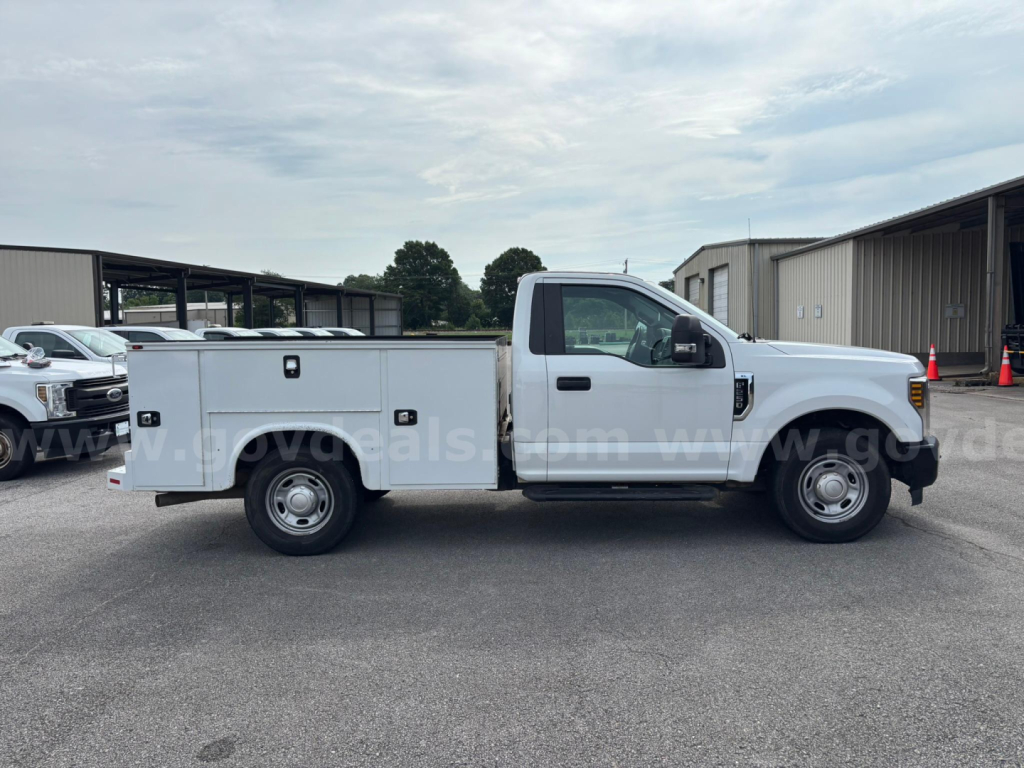
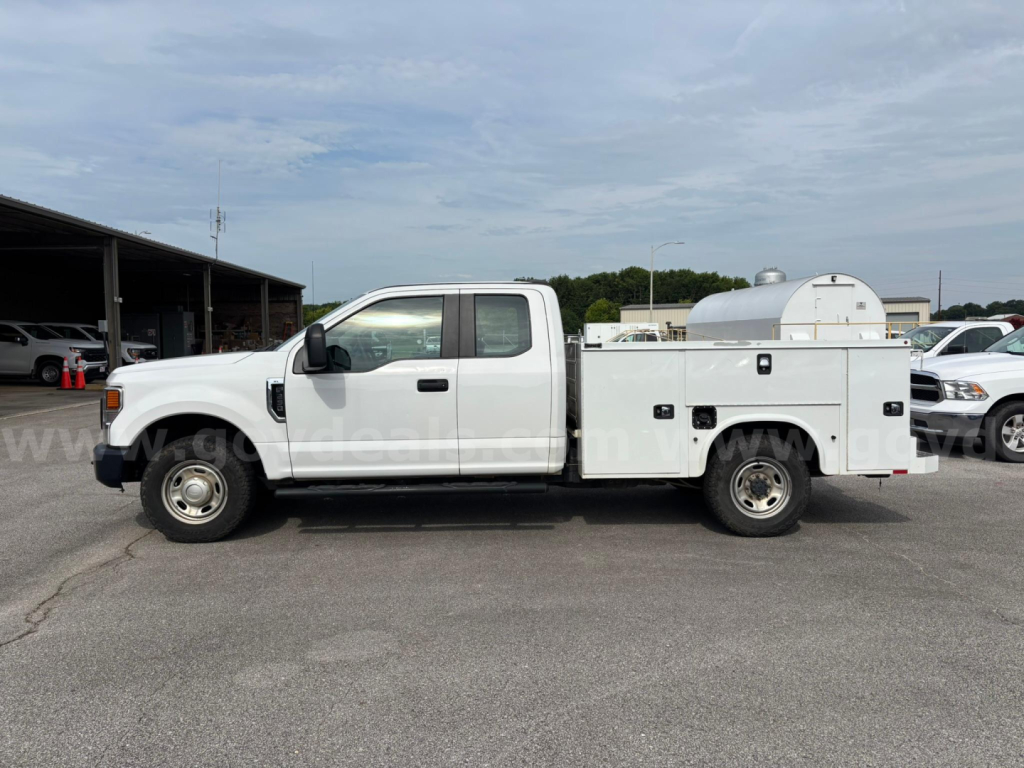
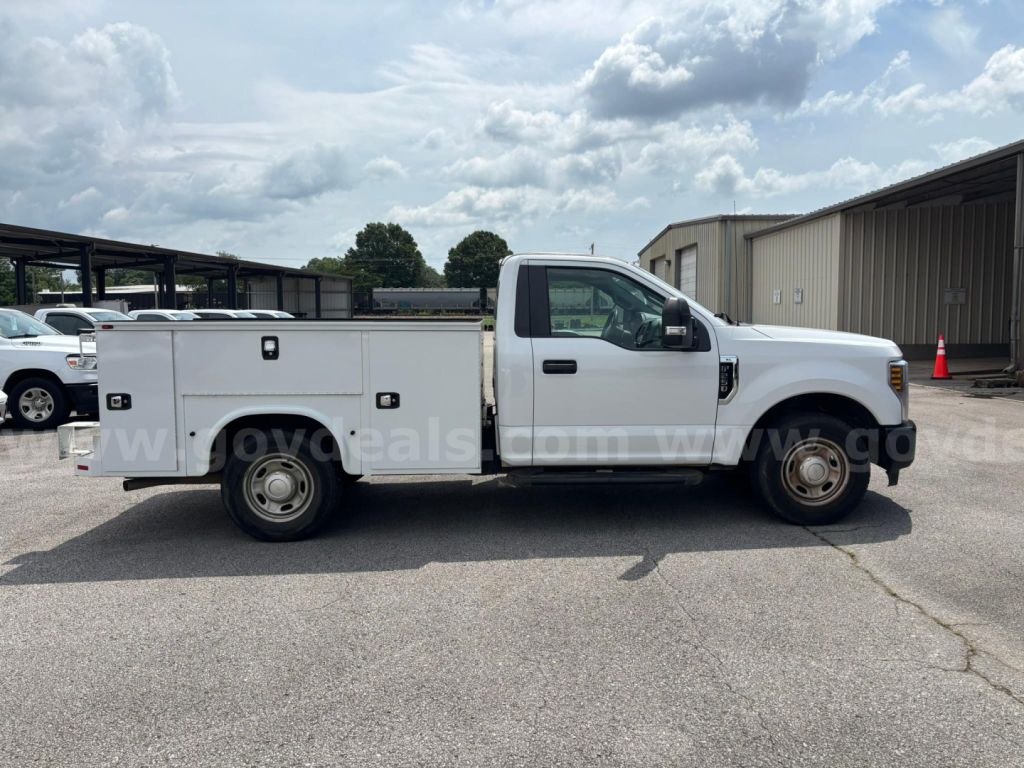
Have ford service/utility truck to sell? List it here to reach thousands of buyers.
About Ford Service/Utility Trucks in Alabama
The first buying decision is usually payload and body style. A lighter-duty F-250 or F-350 service truck can make sense for technicians carrying parts, tools, compressors, and small equipment without stepping up to a larger chassis. If the job requires cranes, welders, generators, air compressors, or dense inventory loads, buyers typically move into F-450 or F-550 territory for higher GVWR, stronger rear axle capacity, and better support for heavier upfits. Cab choice also affects usefulness. Regular cab trucks maximize body length in a shorter overall footprint, while SuperCab and Crew Cab layouts add passenger space for crews and supervisors. In Alabama, 4x4 is often preferred for utility easements, construction access roads, and wet ground conditions, while 4x2 can reduce acquisition cost and simplify maintenance for mostly paved-road service.
Body details matter as much as the chassis. Buyers should look closely at compartment layout, shelving, drawer systems, latch condition, weather sealing, and whether the body includes inverter power, onboard air, PTO provisions, or crane reinforcement. Common service body features include steel or aluminum construction, top-opening compartments, receiver hitches, backup cameras, beacon lights, ladder or conduit racks, and integrated bumpers. Rust is usually less severe in Alabama than in northern markets, but body corrosion can still show up around compartment floors, door edges, and mounting points, especially on trucks that have seen utility, municipal, or coastal use. Tire condition, brake life, idle hours, and evidence of electrical accessory work are all worth reviewing because service trucks often spend long periods idling at job sites.
Ford remains a strong fit in this segment because parts support, dealer coverage, and familiarity across fleet maintenance shops are all well established. Powertrain selection depends on the truck series and model year, but buyers commonly compare gas and diesel options based on annual miles, idling patterns, towing needs, and expected repair costs over the life of the truck. The best Ford utility truck is usually the one whose upfit matches the trade, not just the one with the newest cab or lowest odometer reading. A properly spec'd service truck should carry the tools you use every day, leave room for growth in payload and electrical demand, and hold up to repeated stop-and-go jobsite duty without turning storage and access into a bottleneck.
Frequently Asked Questions
What Ford models are most common for service and utility truck applications?
Ford Super Duty models are the most common platforms, especially the F-250, F-350, F-450, and F-550. F-250 and F-350 trucks are often used for lighter field service and technician work, while F-450 and F-550 chassis are better suited for heavier service bodies, cranes, compressors, generators, and higher payload requirements. The right model depends on body weight, cargo weight, towing needs, and how much reserve capacity the operation wants built into the truck.
Is a gas or diesel Ford service truck better for field service work?
Gas engines often make sense for shorter routes, lower annual mileage, and applications with frequent stops where simplicity and lower upfront cost matter. Diesel engines are usually favored when the truck spends more time on the highway, tows regularly, or carries heavier loads over longer distances. Buyers should also account for idle time, emissions-system service, local technician familiarity, and total operating cost instead of focusing only on fuel economy.
What should I inspect on a used Ford utility truck before buying?
Start with the service body itself, not just the cab and chassis. Check compartment doors, hinges, latches, seals, floors, shelving, ladder racks, lighting, wiring, and any inverter, compressor, crane, or generator installation. Then confirm GVWR and axle ratings against the upfit, inspect suspension wear, tires, brakes, and frame condition, and review signs of excessive idling or hard fleet use. On work trucks, body condition and upfit quality often affect day-to-day value as much as engine and transmission condition.
Why do many buyers in Alabama choose 4x4 Ford service trucks?
A 4x4 setup gives a service truck better access on muddy job sites, utility easements, unpaved roads, and wet grass or clay surfaces that are common after heavy rain. That extra traction is useful for construction, powerline, telecom, and municipal work across mixed terrain. A 4x2 truck can still be the better value for pavement-based routes, but many Alabama buyers prefer 4x4 for flexibility and fewer limitations during bad weather or off-road access work.
How do I choose the right service body configuration?
Choose the body around the trade and daily workflow. Electricians and telecom crews often prioritize small-parts organization, conduit storage, and ladder rack access, while mechanical service operations may need deeper compartments, compressor space, welder provisions, or crane reinforcement. Body material also matters, with steel offering durability and aluminum reducing weight and corrosion risk. The best setup is the one that supports tool access, payload needs, and safe loading without overcrowding the compartments.