
Ford Service/Utility Trucks For Sale in Minnesota
Browse Ford service and utility trucks for sale in Minnesota, including F-350 and Transit upfit units built for mobile repair, fleets, and field work.
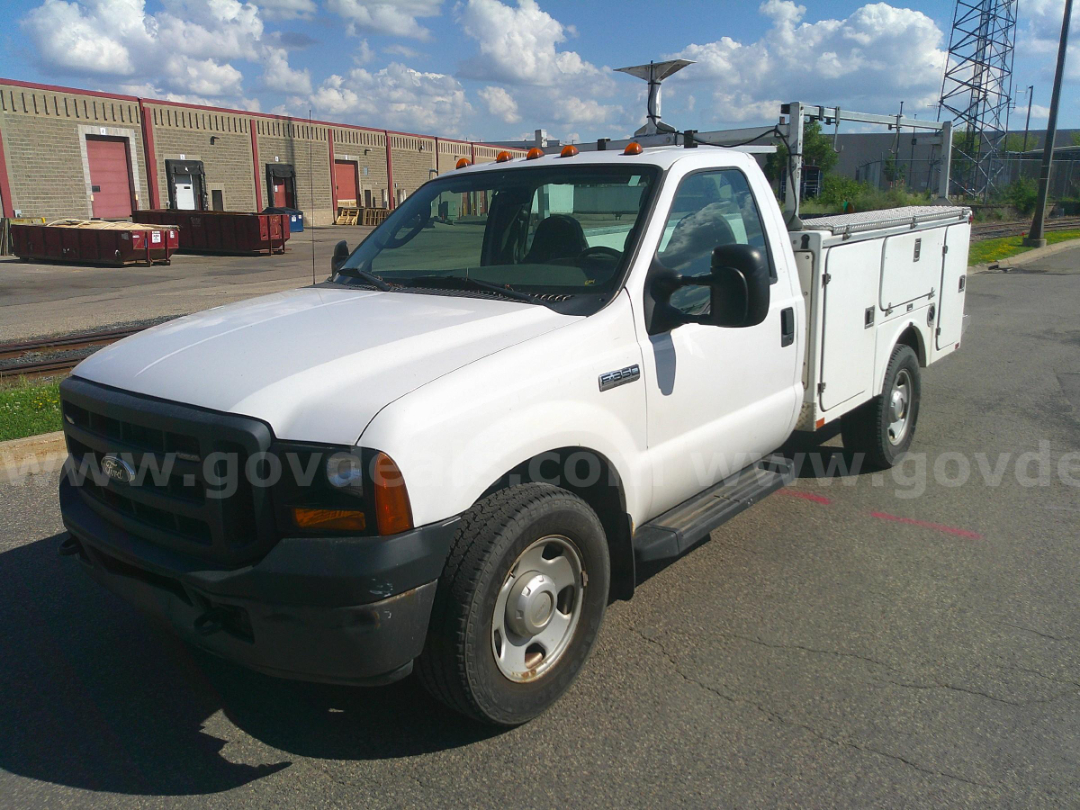
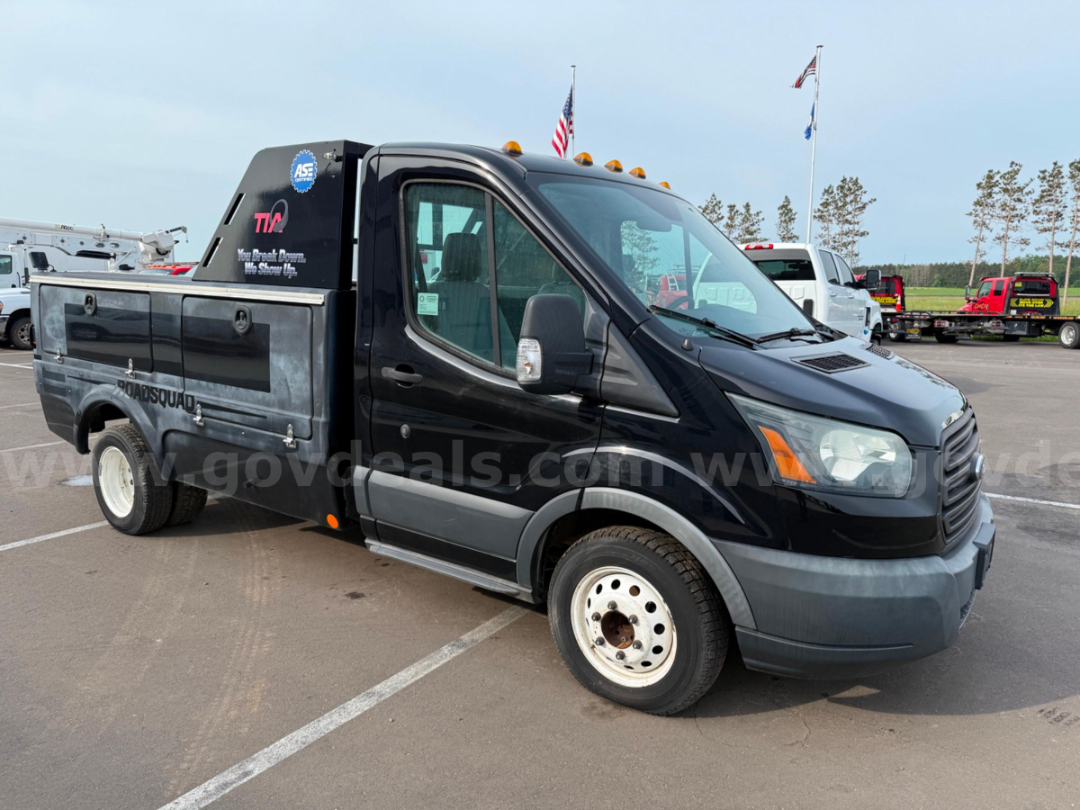

Have ford service/utility truck to sell? List it here to reach thousands of buyers.
Ford Service/Utility Trucks in Minnesota
The first buying decision is usually chassis size and payload. A Ford F-350 service truck is a common sweet spot for general contractors, municipal departments, electricians, plumbers, and maintenance fleets that need enclosed side compartments, ladder or material carrying ability, and enough GVWR for tools and parts without stepping into a much larger truck. F-450 and heavier configurations make more sense when the truck carries compressors, generators, welders, cranes, or other permanently mounted equipment. Transit-based utility trucks fill a different role, with lower step-in height and strong urban maneuverability for tire service, roadside assistance, telecom, and light repair operations. Gas engines such as Ford’s 6.2L V8 or 3.7L V6 are common in this class and are often favored for lower acquisition cost and simpler fleet maintenance, while diesel power may matter more when the body is heavy or the truck tows regularly.
Body layout matters as much as the badge on the hood. Buyers should look at compartment depth, shelf adjustability, drawer systems, locking hardware, and whether the body is steel, aluminum, or fiberglass. In a northern state, rust around compartment doors, fenders, underbody mounts, and tailgate or liftgate structure deserves close attention. Many Ford utility trucks are upfitted with cranes, air compressors, inverters, hose reels, fuel reels, welders, plows, liftgates, trailer brake controllers, and warning lighting. Those additions increase capability but also change payload, axle loading, and maintenance demands. If the truck will support roadside tire work or field repair, confirm reel condition, PTO or compressor setup, electrical capacity, and how easily the layout lets a technician work from both curbside and streetside compartments.
A good Ford service truck should match the job route, not just the spec sheet. Tight city work favors a shorter wheelbase and easier access to bins and drawers. Highway repair, municipal service, and utility contractor work may justify a larger body, crane package, or snow-duty accessories. Review GVWR, wheelbase, cab configuration, driveline, service body manufacturer, and any installed auxiliary equipment as one system. The best value in this category usually comes from a truck with a clean, functional upfit, predictable maintenance history, and a body layout that reduces downtime for the crew using it every day.
Frequently Asked Questions about Ford Service/Utility Trucks in Minnesota
What is the difference between a Ford service truck and a Ford utility truck?
The terms are often used interchangeably, but service truck usually refers to a work truck with external compartments for tools, parts, and jobsite equipment, while utility truck can also include fleet and municipal applications with specialized bodies or accessories. In practice, both describe Ford chassis fitted with a service body, utility body, mechanic body, or roadside-assist body. The right choice depends less on the label and more on payload, compartment design, and installed equipment such as compressors, cranes, reels, or liftgates.
Which Ford chassis is best for a service body in Minnesota?
For many fleets, the Ford F-350 is the most versatile choice because it balances payload, maneuverability, and service body compatibility. It suits general field service, contractor support, and municipal maintenance well. A Transit-based unit can be a better fit for urban tire service or lighter roadside work where interior access and lower loading height matter more. If the truck carries a crane, welder, heavy compressor, or tows regularly, an F-450 or heavier configuration is usually the better long-term match.
What should I inspect on a used Ford service or utility truck?
Start with the body and upfit, not just the engine and transmission. Check compartment doors, hinges, latches, seals, shelves, drawer slides, and any signs of rust at mounts, crossmembers, rocker areas, and underbody structure. Inspect auxiliary systems closely, including cranes, compressors, inverters, hose reels, plows, liftgates, and warning lights. Confirm that the truck’s payload and axle ratings still make sense with all mounted equipment. In Minnesota, corrosion, heater performance, battery condition, and cold-weather wear are especially important.
Are gas engines a good choice in Ford utility trucks?
Yes. Gas-powered Ford service trucks are common and often make strong fleet sense, especially for stop-and-go duty, moderate annual mileage, and applications that do not require maximum towing. Engines like the 6.2L V8 and 3.7L V6 are widely used in service body and roadside-assist applications because they are familiar to many maintenance departments and avoid some of the added complexity associated with emissions-equipped diesel trucks. Diesel may still be the better option when the truck is heavily upfitted, runs long distances, or tows substantial loads.
Why does the service body matter as much as the Ford chassis?
The body determines how efficiently the truck works in the field. Compartment size, shelf layout, drawer access, locking security, roof or rack configuration, and material type all affect technician productivity and daily uptime. A well-designed body can reduce time spent searching for tools, improve weight distribution, and make roadside or jobsite service safer. Buyers often focus on engine, miles, and transmission first, but the body and installed equipment usually have the biggest impact on how useful the truck will be once it is put to work.