
New 2027 Rollback Trucks For Sale
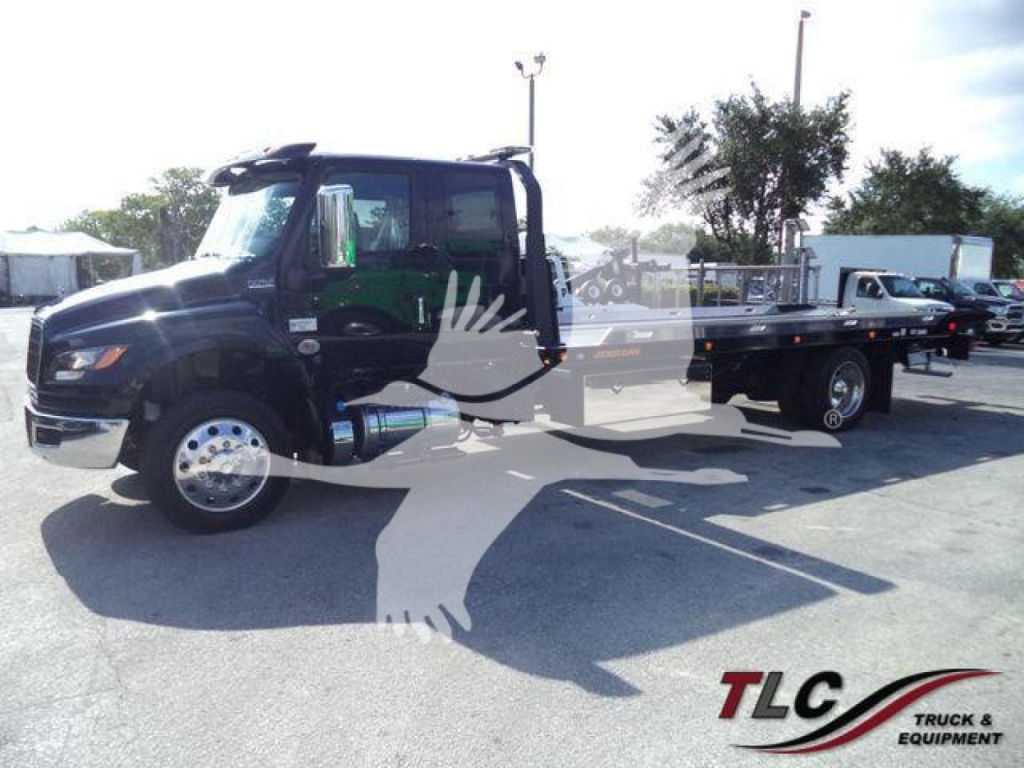
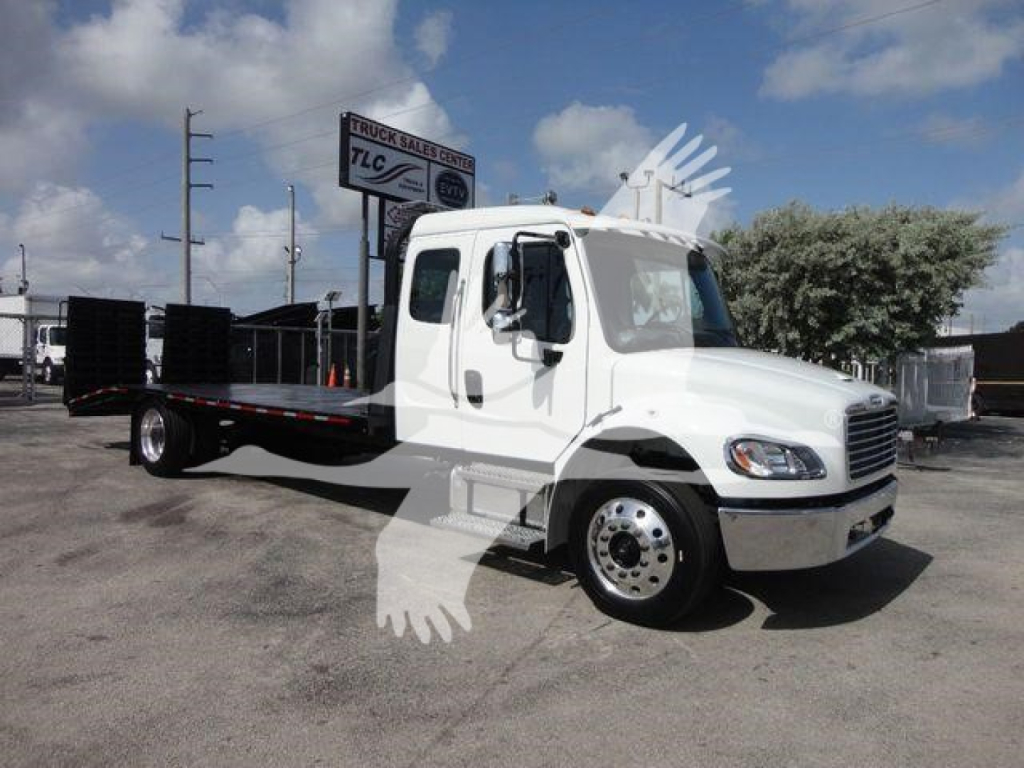
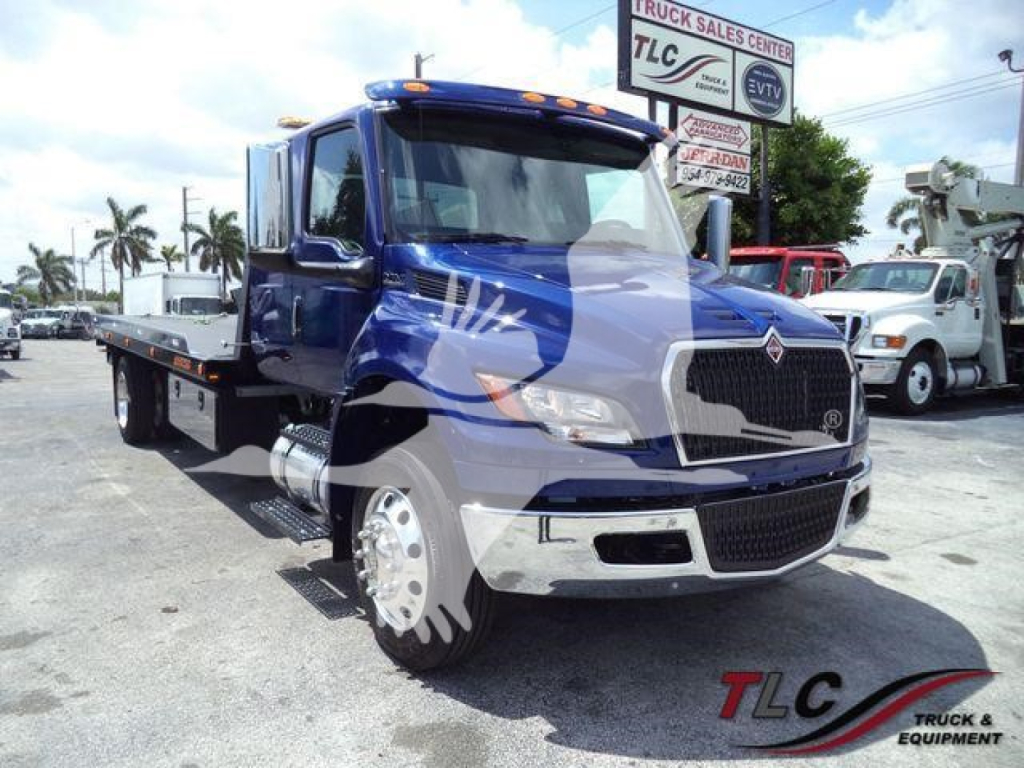
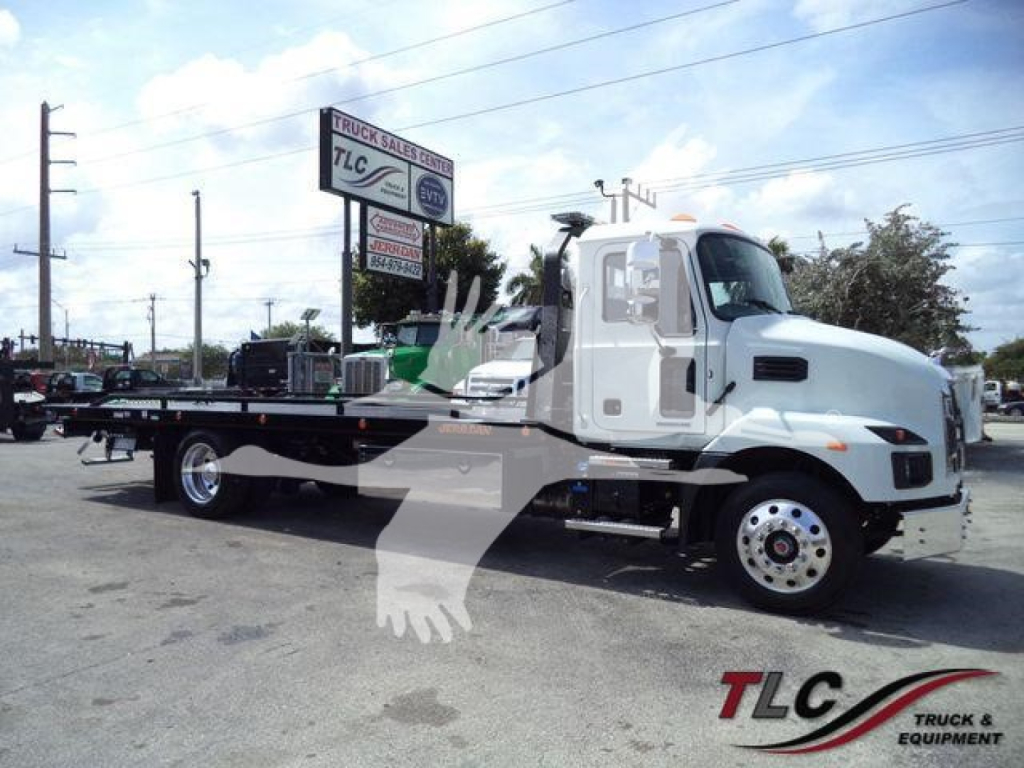
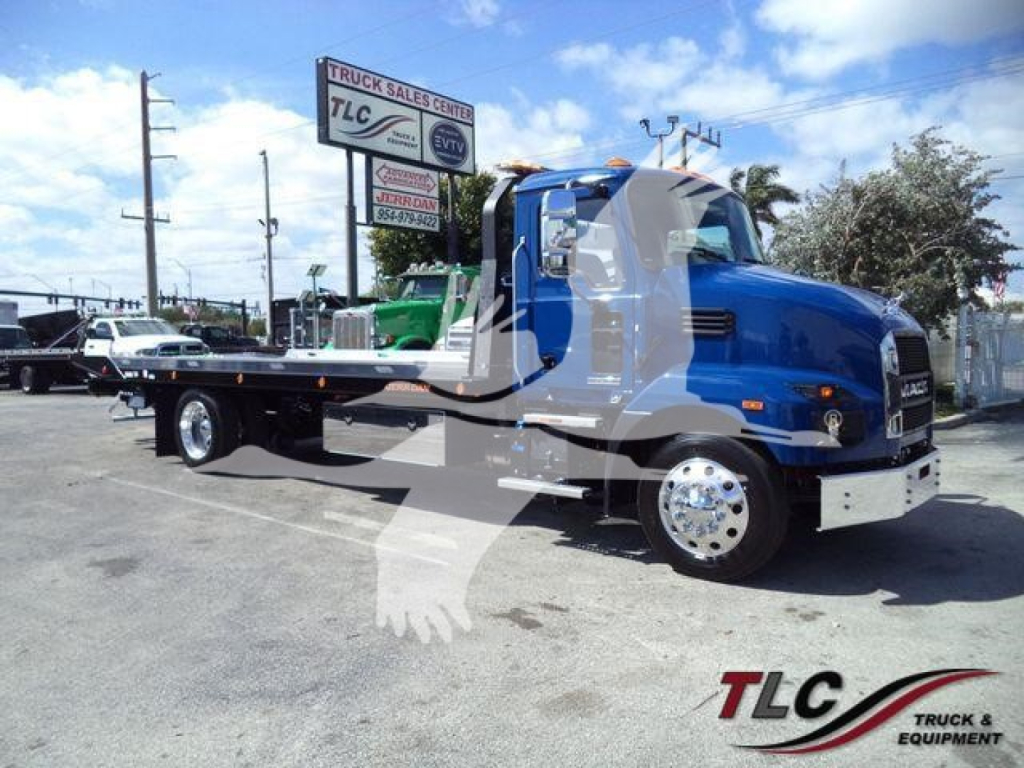
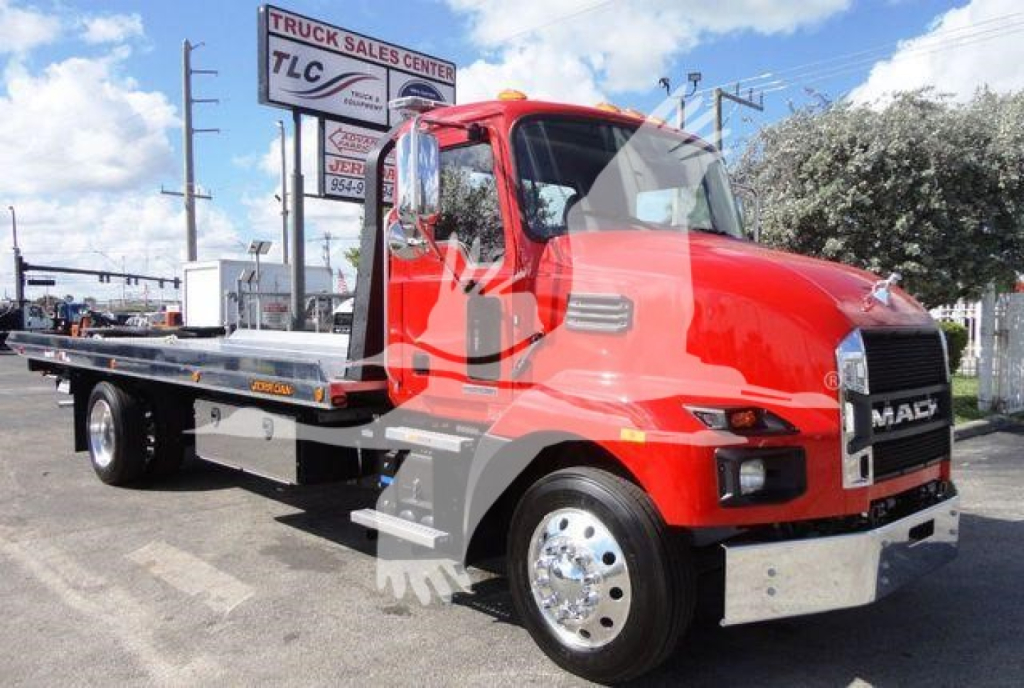
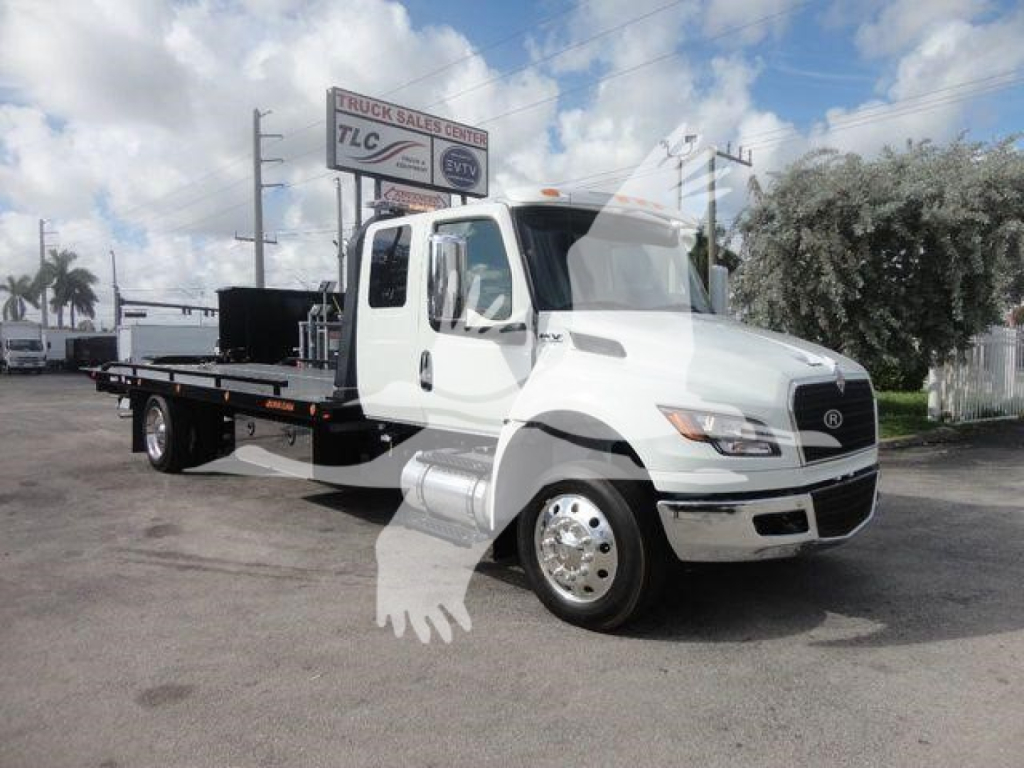
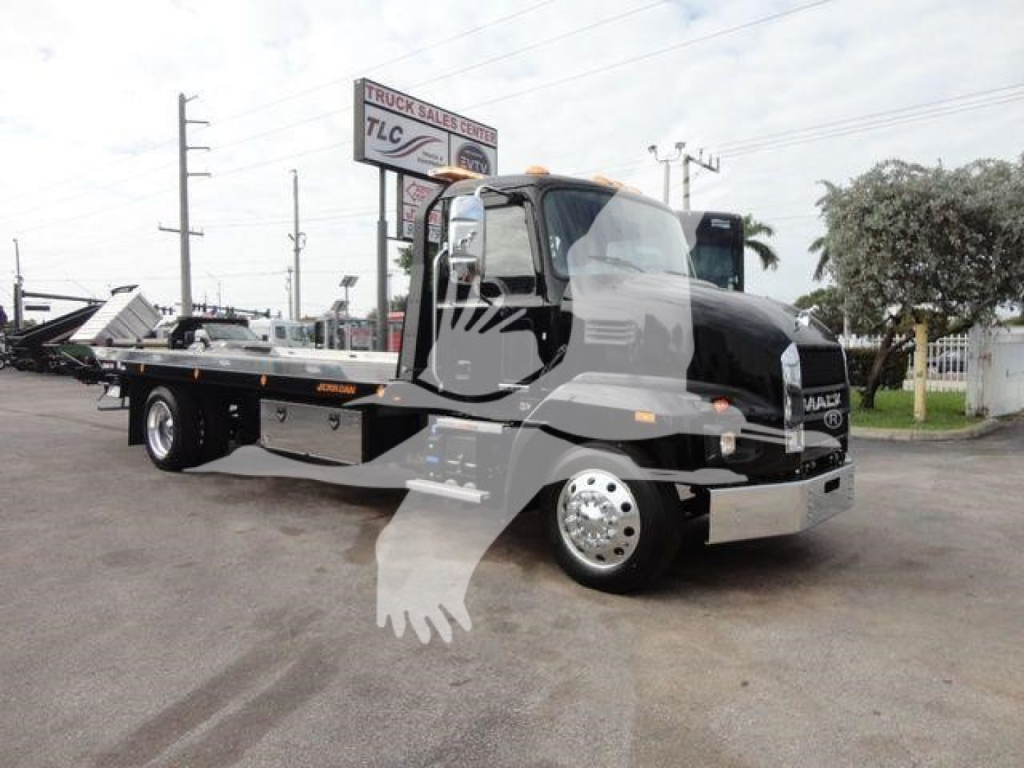
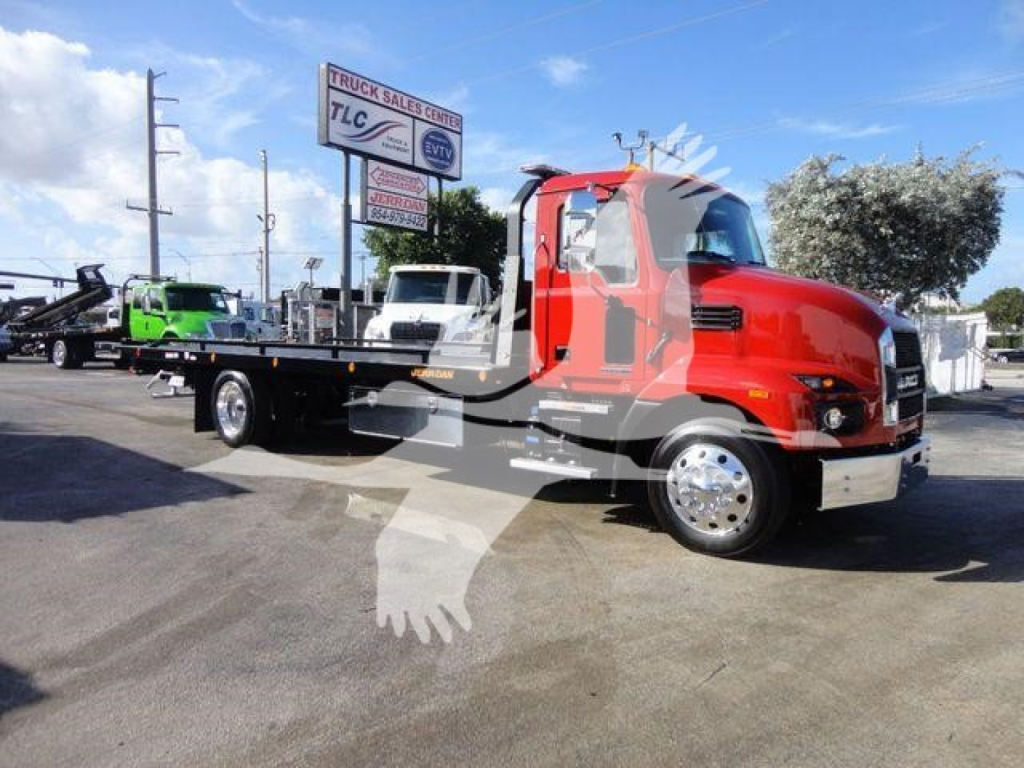
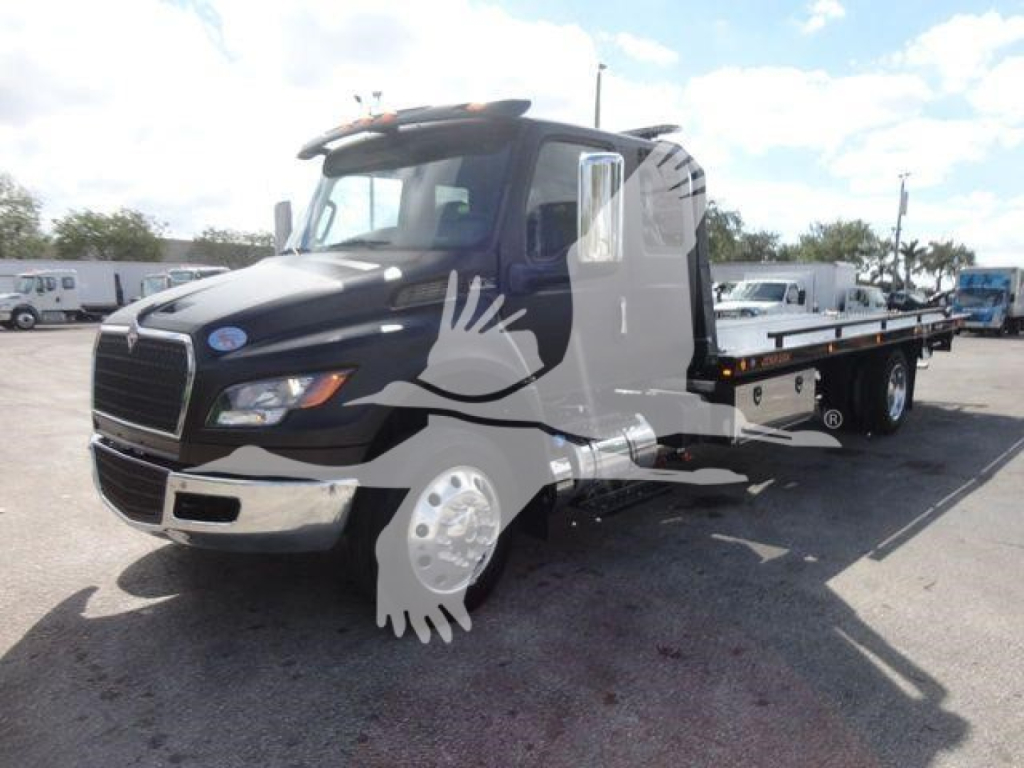
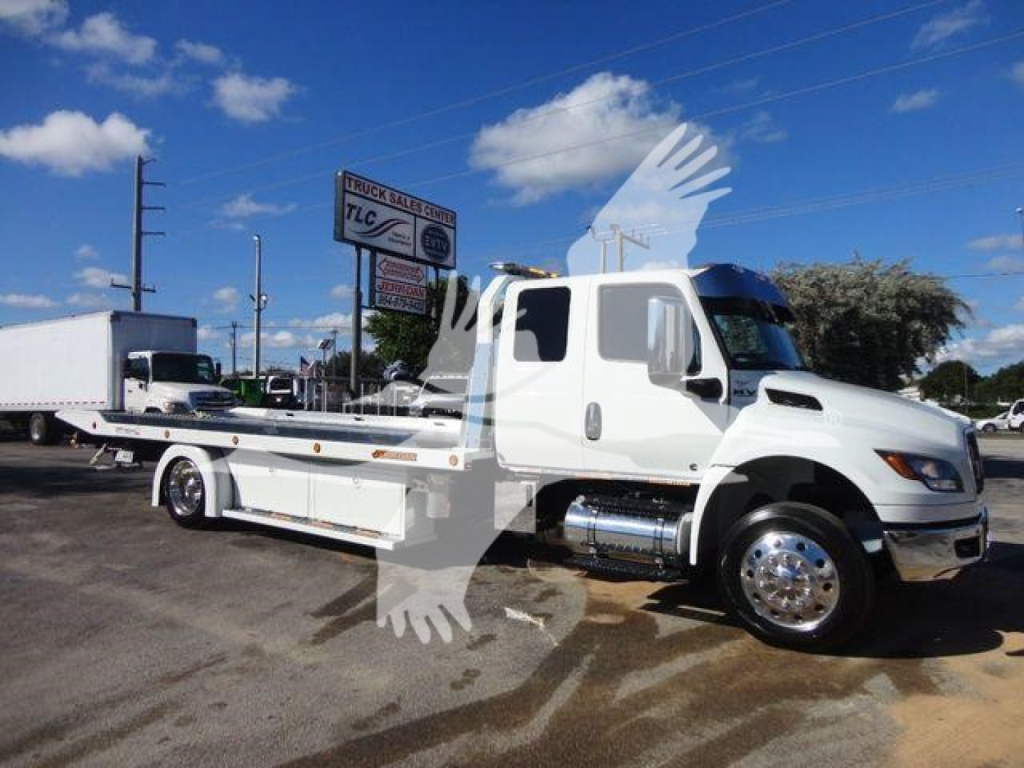
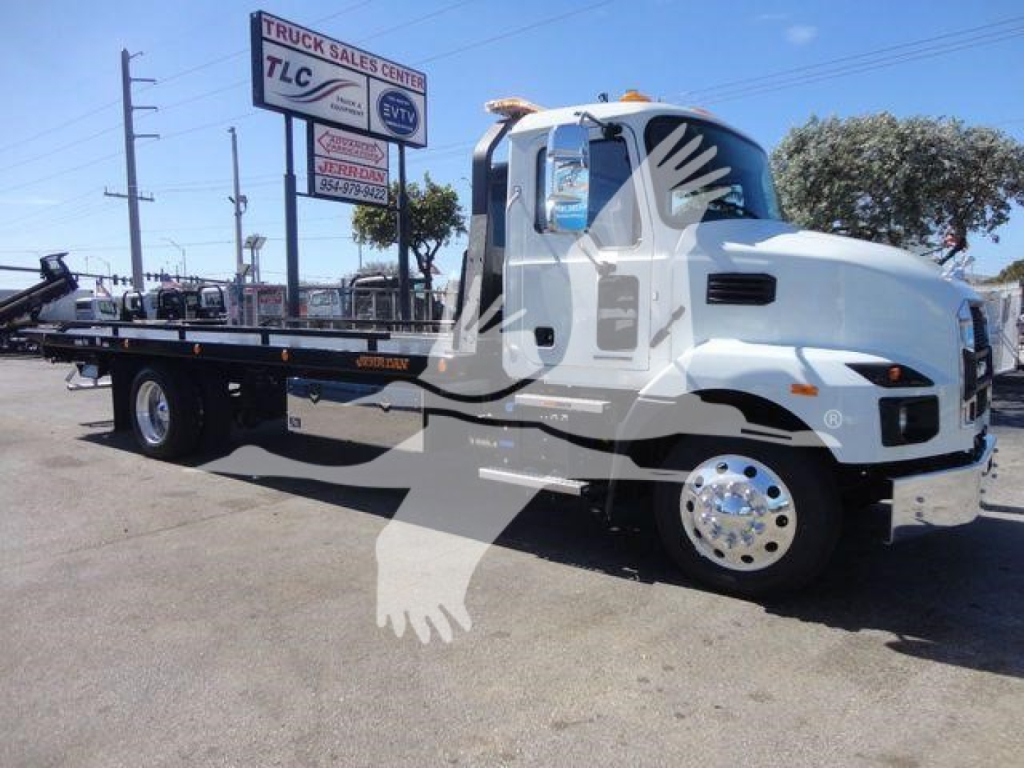
Showing 25 to 41 of 41 results
Have new 2027 rollback truck to sell? List it here to reach thousands of buyers.
New 2027 Rollback Trucks
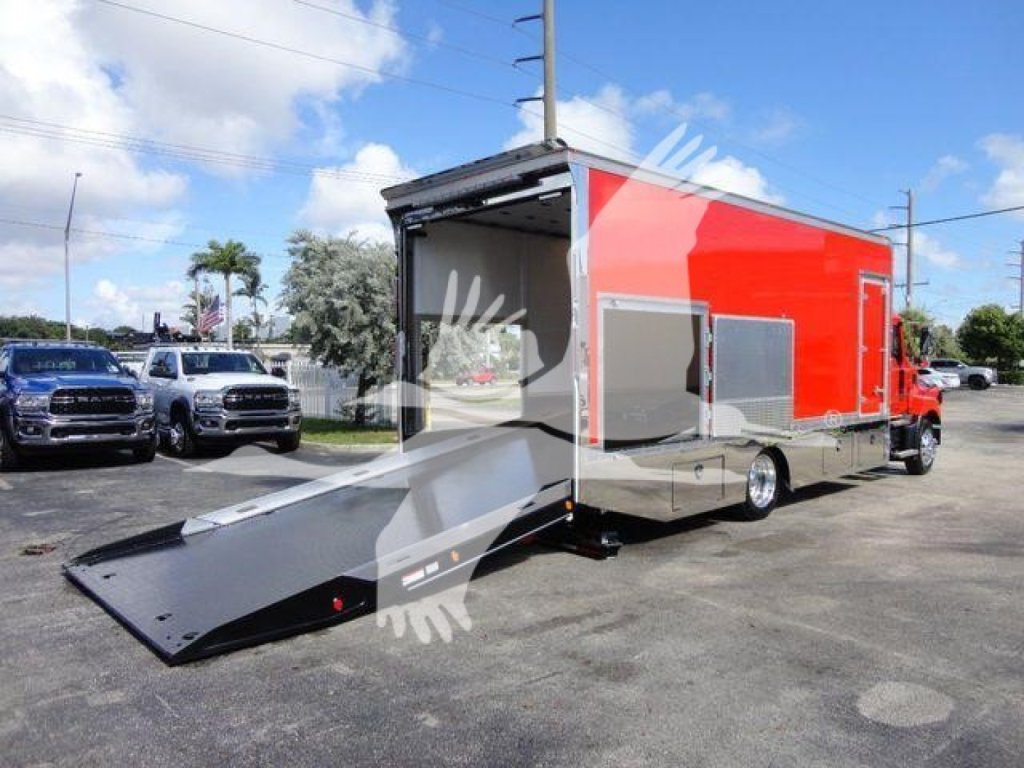
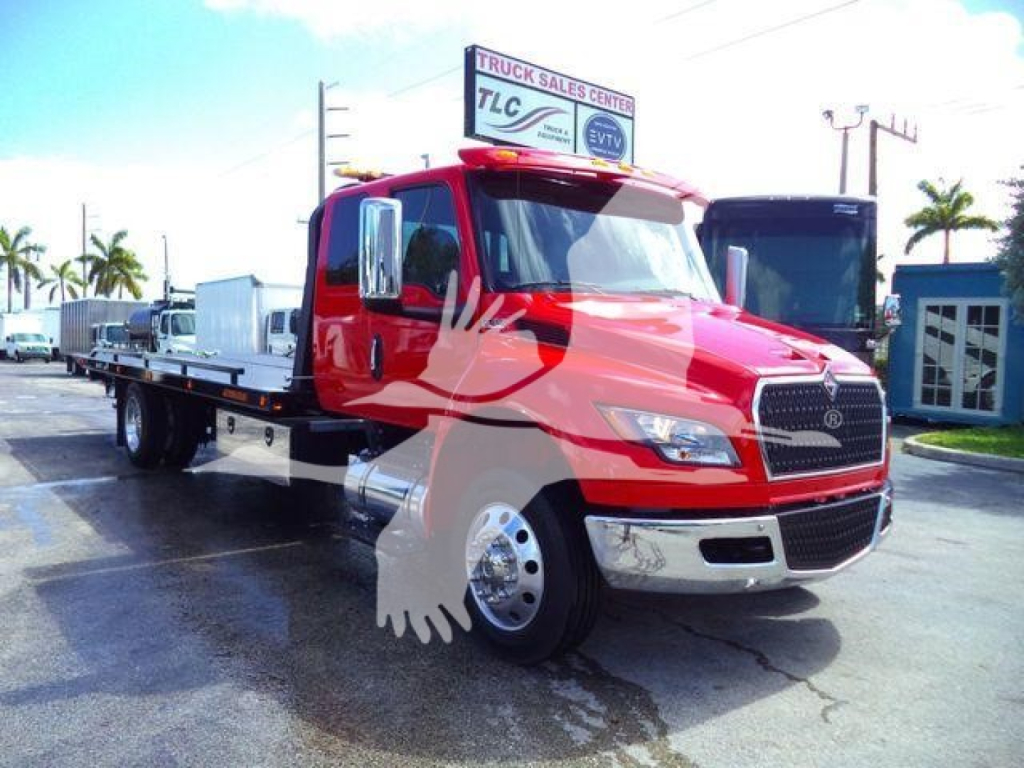
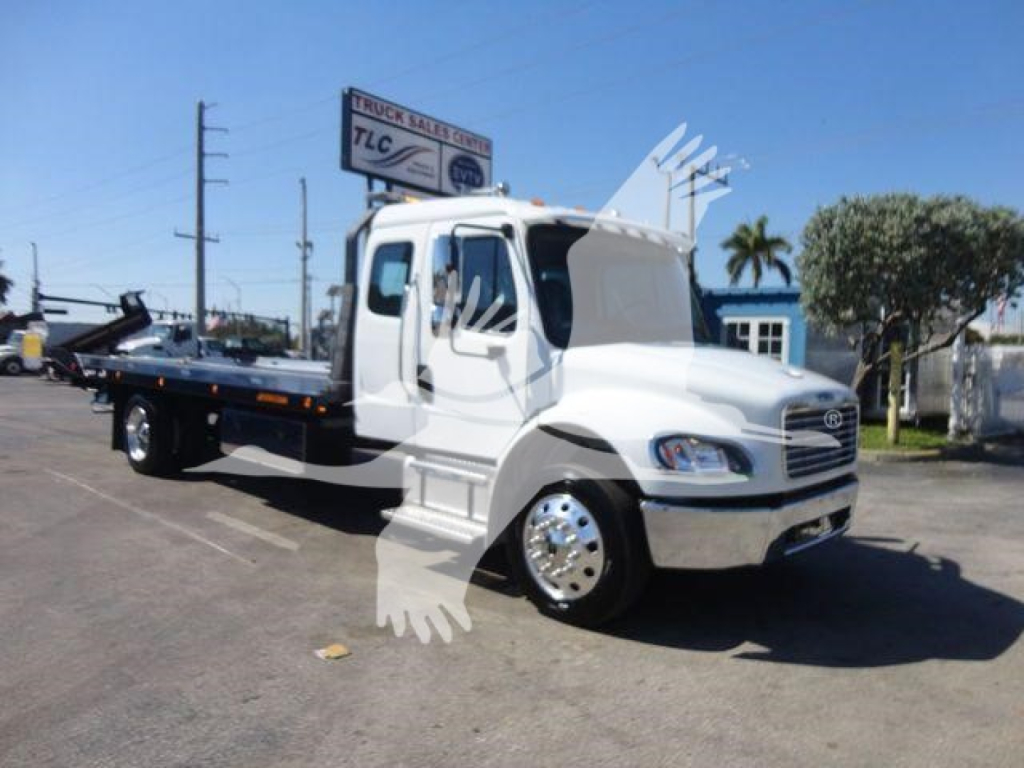
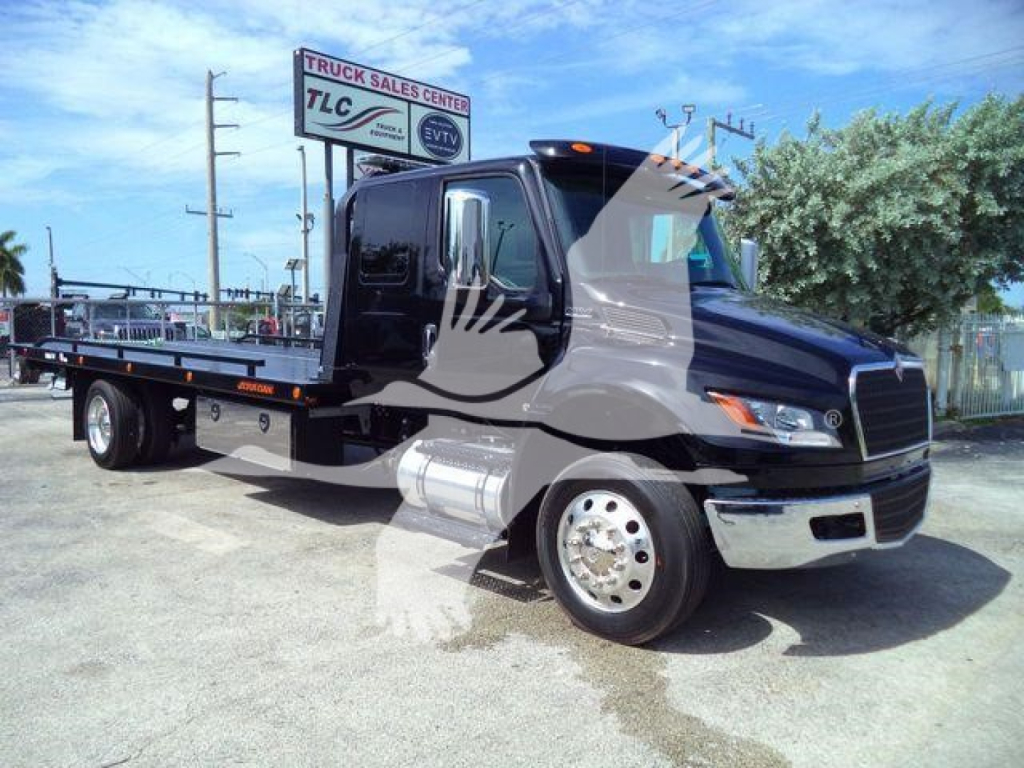
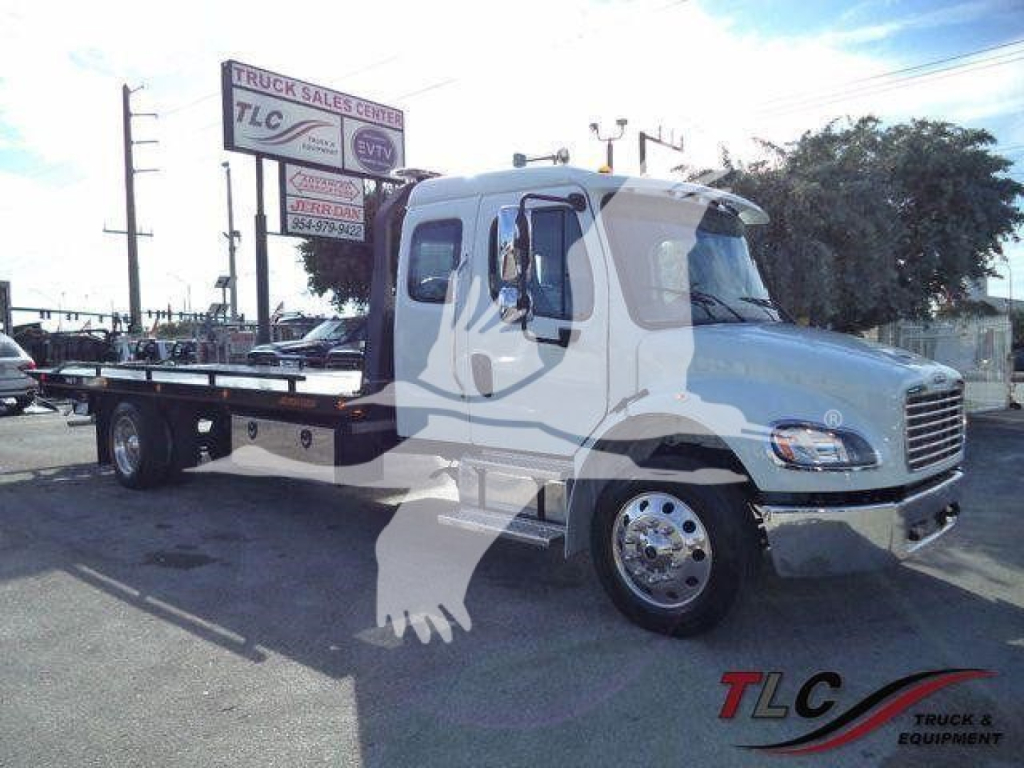
Deck design matters more than many first-time buyers expect. Most rollback trucks in this class use 20-foot or 22-foot decks at 102 inches wide, and low-profile or extra-low-profile carrier bodies are popular because they improve loading angle for cars, crossovers, lowered vehicles, and equipment with limited ground clearance. Steel decks remain common for durability and lower upfront cost, while aluminum decks reduce body weight and can improve payload capacity and corrosion resistance. Buyers should also compare fixed rails versus removable side rails, stationary headboards, deck approach angle, and the style of wheel lift. A 3,500-pound hydraulic wheel lift with L-arms is a typical spec and adds flexibility for towing a second vehicle position or moving disabled units without fully loading them onto the deck.
Winch and recovery equipment should match the actual work mix, not just the body rating. Many rollback trucks in this segment are rated around 6 tons on the deck and commonly use 8,000-pound to 10,000-pound winches. Wireless remotes, dual free spool, side recovery systems, work lights, strobes, and well-laid-out toolbox space all affect productivity on a live tow. If the truck will spend time on highways, police rotation work, or after-hours recovery, visibility and scene lighting become major spec items, not accessories. Toolboxes, top trays, chain racks, hose reels, jump connections, dollies, and push bumpers can also make a noticeable difference in daily use and crew efficiency.
A new 2027 rollback buyer should pay close attention to wheelbase, cab style, suspension, and regional operating conditions. Extended cab and crew cab layouts help if the truck carries extra operators or roadside gear, while low-profile 19.5-inch or 22.5-inch tire packages can change deck height and loading performance. Air ride suspension is common on medium-duty carrier builds because it improves ride quality and can help protect transported vehicles. In northern climates, corrosion protection, aluminum components, and lighting durability deserve extra attention. In urban towing, a shorter overall length and tighter turning radius can matter more than maximum deck length. The best rollback trucks are the ones spec'd around the actual vehicles being hauled, the road conditions they work in, and the dispatch demands they see every day.
Frequently Asked Questions about New 2027 Rollback Trucks
What is the difference between a rollback truck and a standard wrecker?
A rollback truck uses a hydraulic slide-and-tilt deck to load the entire vehicle onto the carrier body, while a standard wrecker typically tows a vehicle with a boom, underlift, or wheel lift while the towed vehicle remains on the road. Rollbacks are preferred for all-wheel-drive vehicles, damaged vehicles, low-clearance cars, and transport jobs where keeping all four wheels off the ground reduces risk of drivetrain or body damage.
What deck length is most common on a rollback truck?
The most common rollback deck lengths are 20 feet and 22 feet, usually at 102 inches wide. A 20-foot deck is common on lighter Class 5 and 6 chassis and works well for passenger vehicles, pickups, and small equipment. A 22-foot deck is more common on medium-duty chassis with higher GVWR and gives more flexibility for longer-wheelbase vehicles, better load placement, and some commercial applications.
Is an aluminum rollback bed better than a steel bed?
An aluminum rollback bed usually offers lower weight and better corrosion resistance, which can improve usable payload and long-term appearance. A steel bed is often chosen for lower initial cost and rugged durability in hard-use towing environments. The better choice depends on climate, expected corrosion exposure, weight priorities, and how the truck will be used over its service life.
What does XLP or low-profile deck mean on a rollback truck?
XLP, low-profile, or extra-low-profile deck design refers to a carrier body built with reduced deck height and a shallower loading angle. That makes it easier to load low-clearance cars, specialty vehicles, and damaged units without scraping bumpers, valances, or underbody components. For operators who regularly handle passenger cars, luxury vehicles, or modified vehicles, this is often one of the most important body features.
What should I look for when buying a new 2027 rollback truck?
Focus first on GVWR, chassis class, engine and transmission pairing, deck length, deck material, and wheel lift capacity. After that, compare winch rating, toolbox layout, lighting package, remote controls, suspension type, and how the truck's wheelbase and turning radius fit your service area. A rollback truck should be spec'd around the type of vehicles you haul most often, not just the heaviest vehicle it might handle once in a while.