
New 2027 Rollback Trucks For Sale in Florida
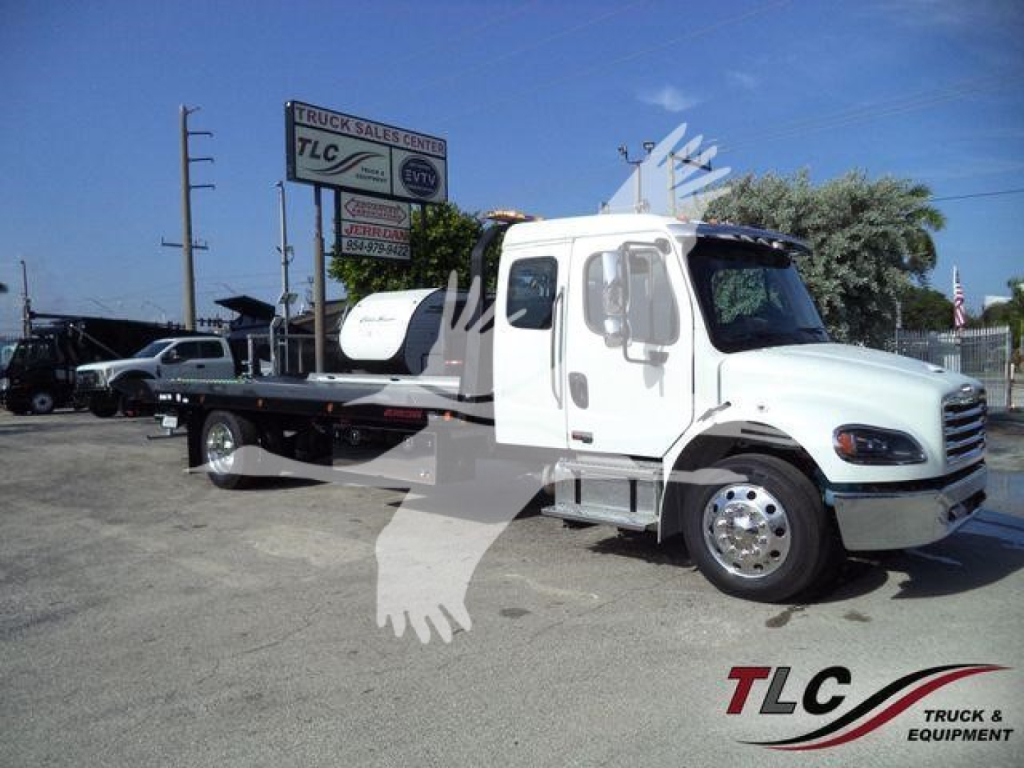
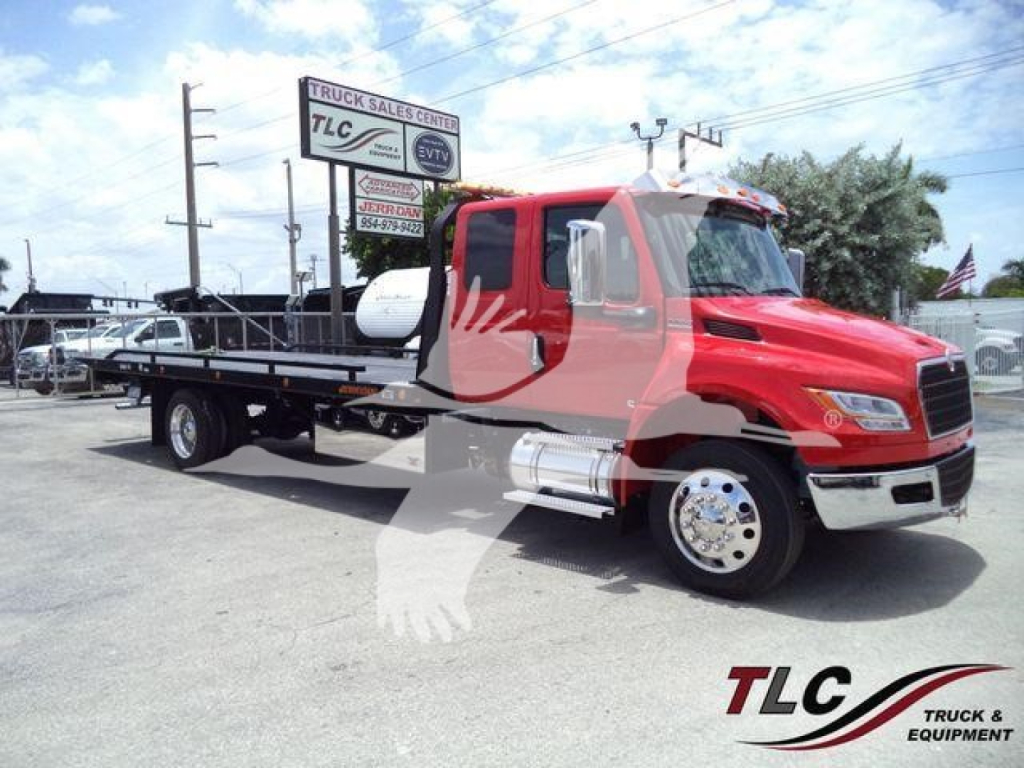
Shop new 2027 rollback trucks in Florida. Compare car carrier tow trucks by chassis, deck length, wheel-lift setup, GVWR, and bed design.
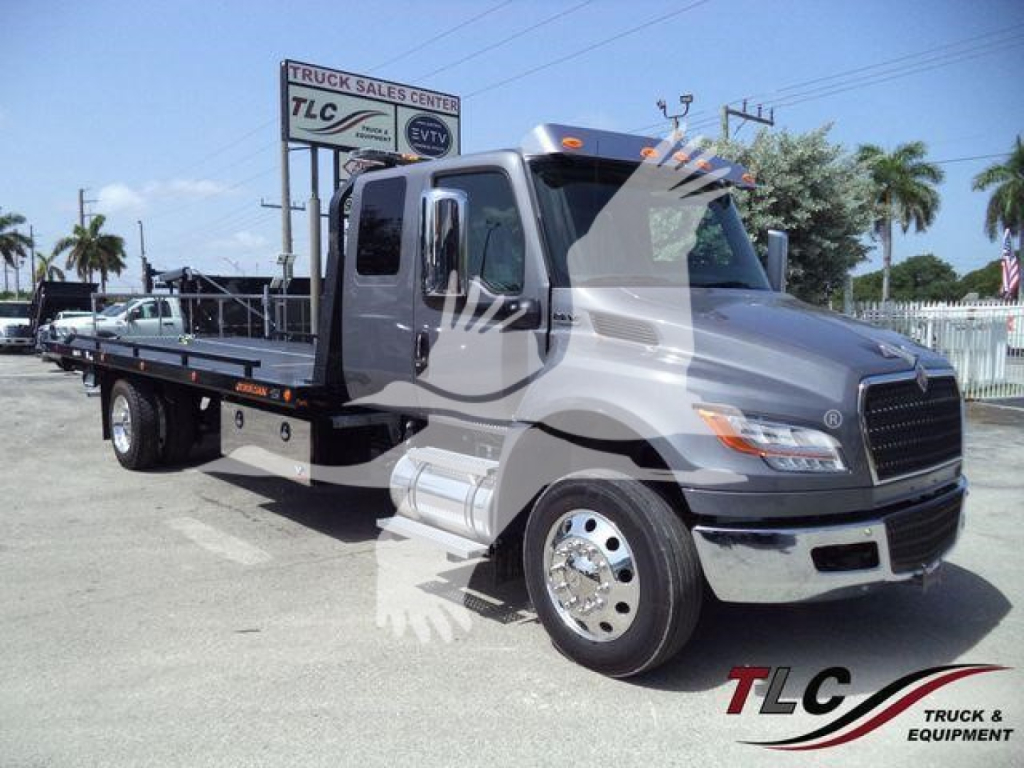
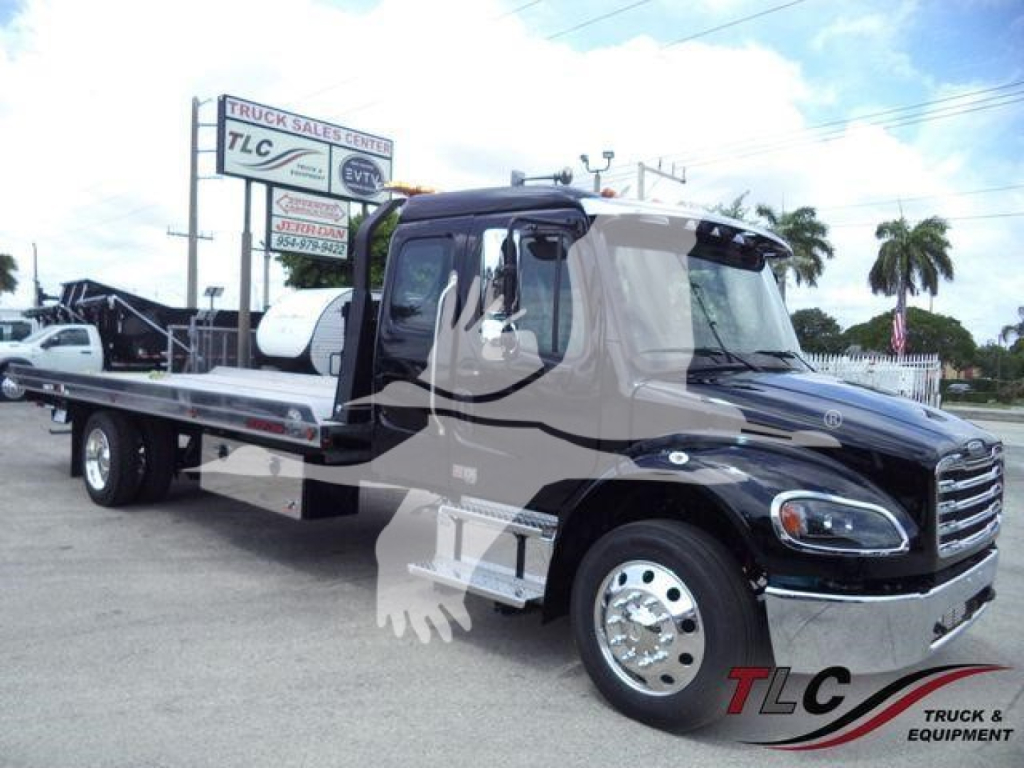
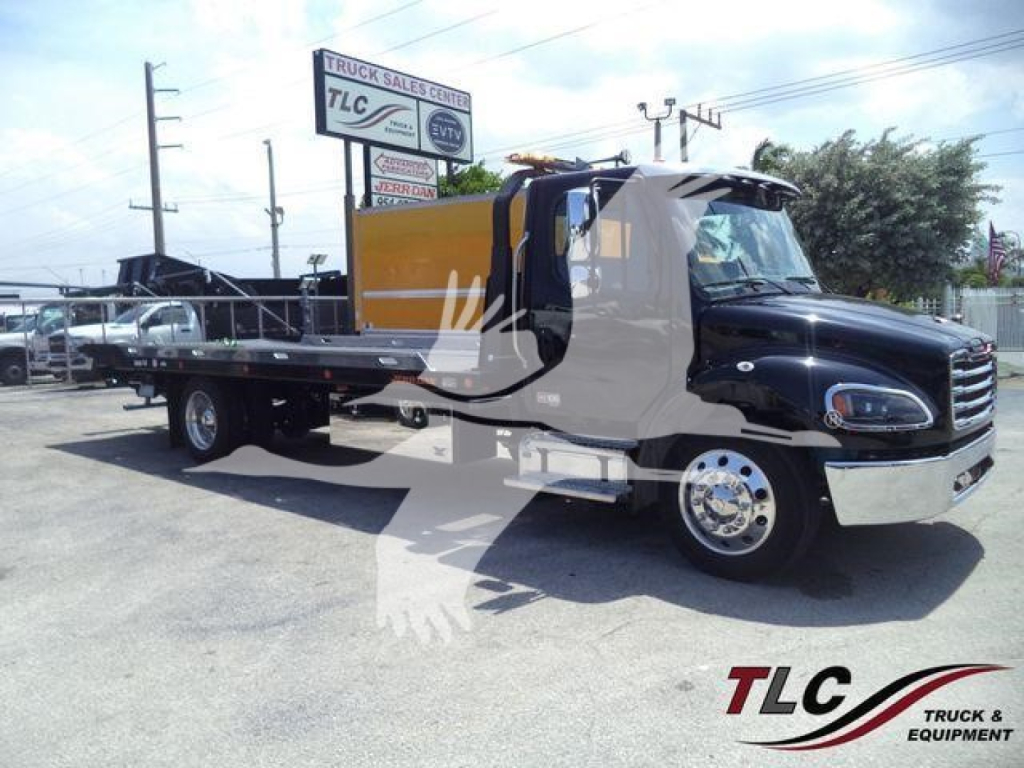
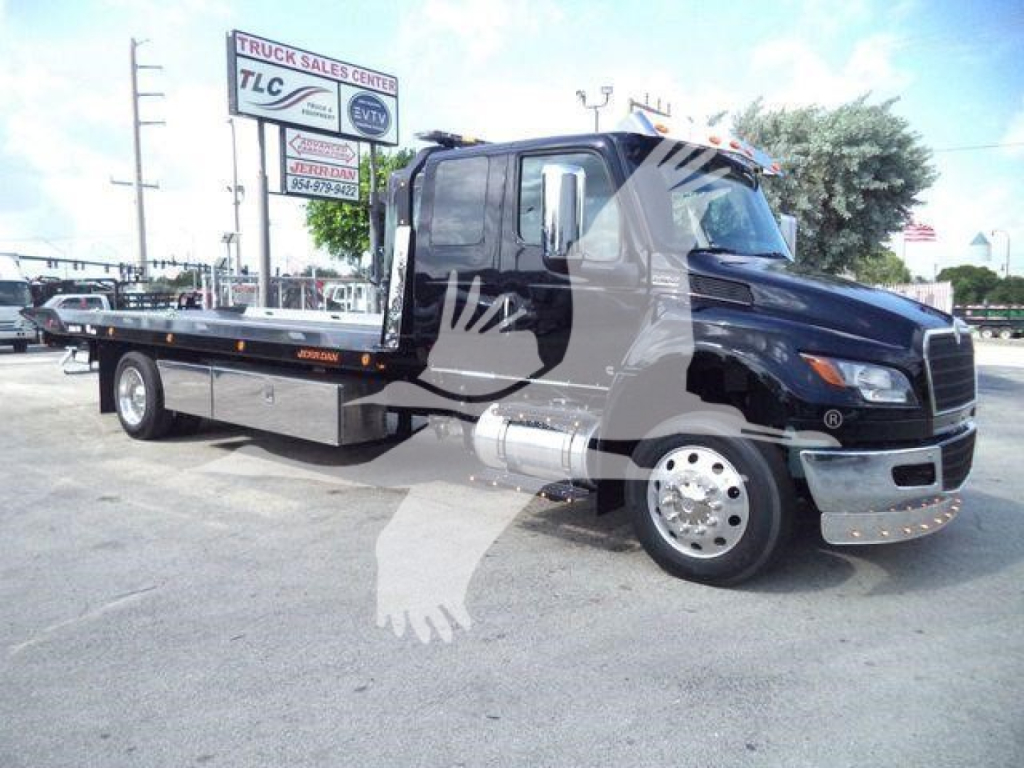
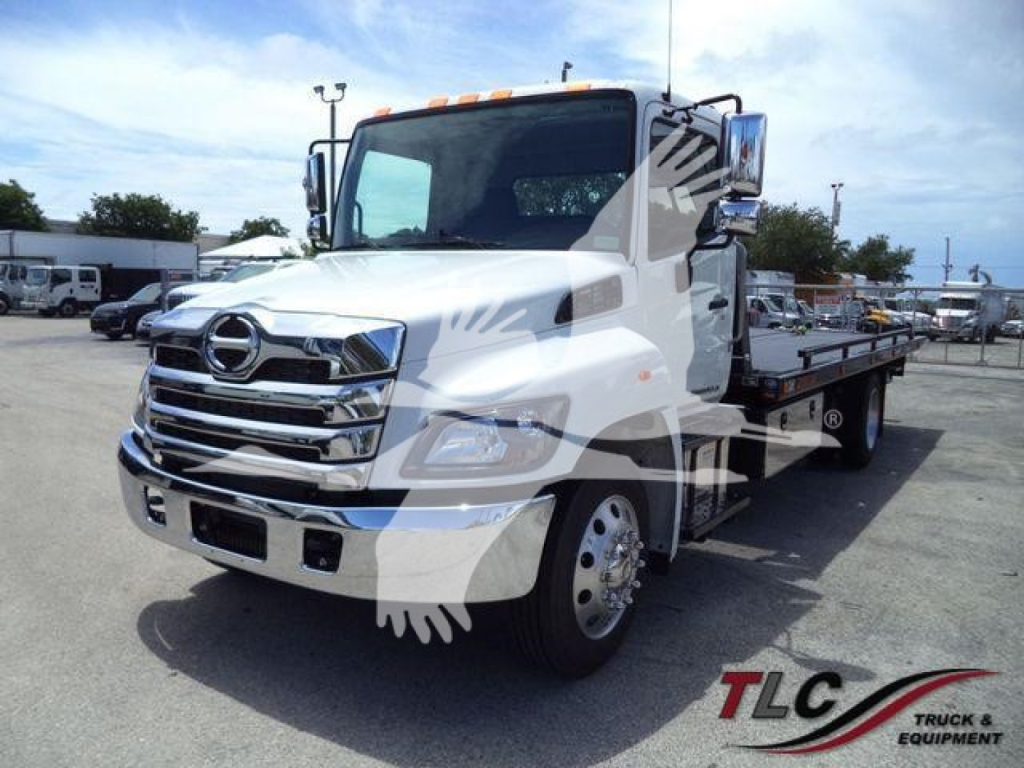
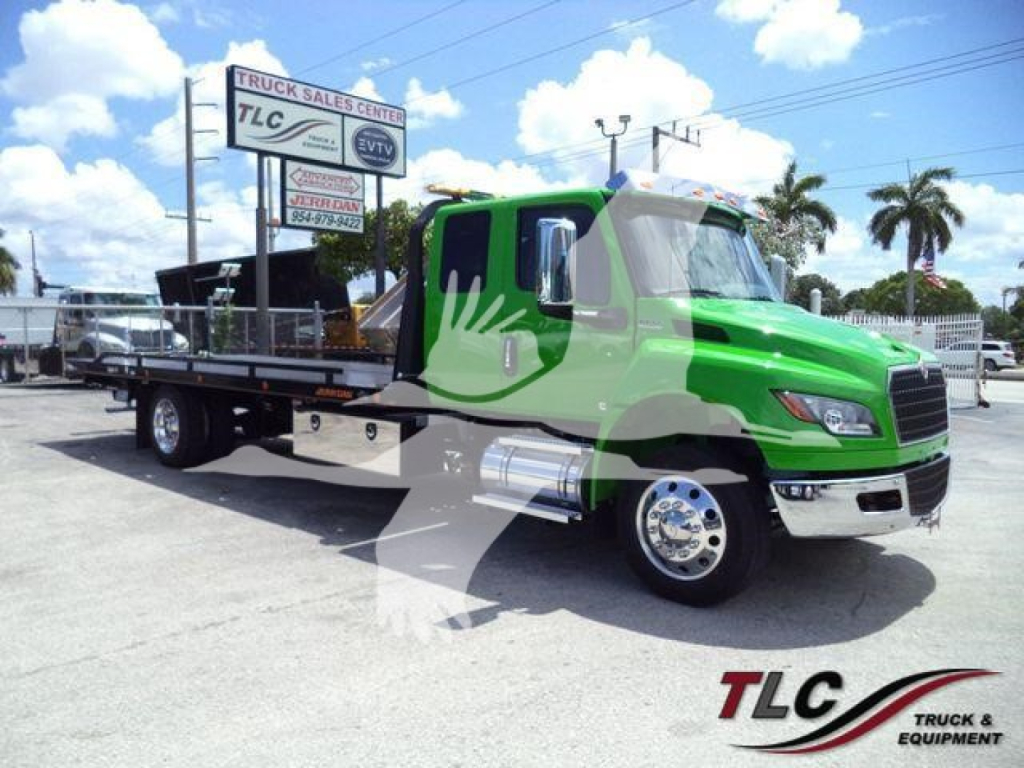
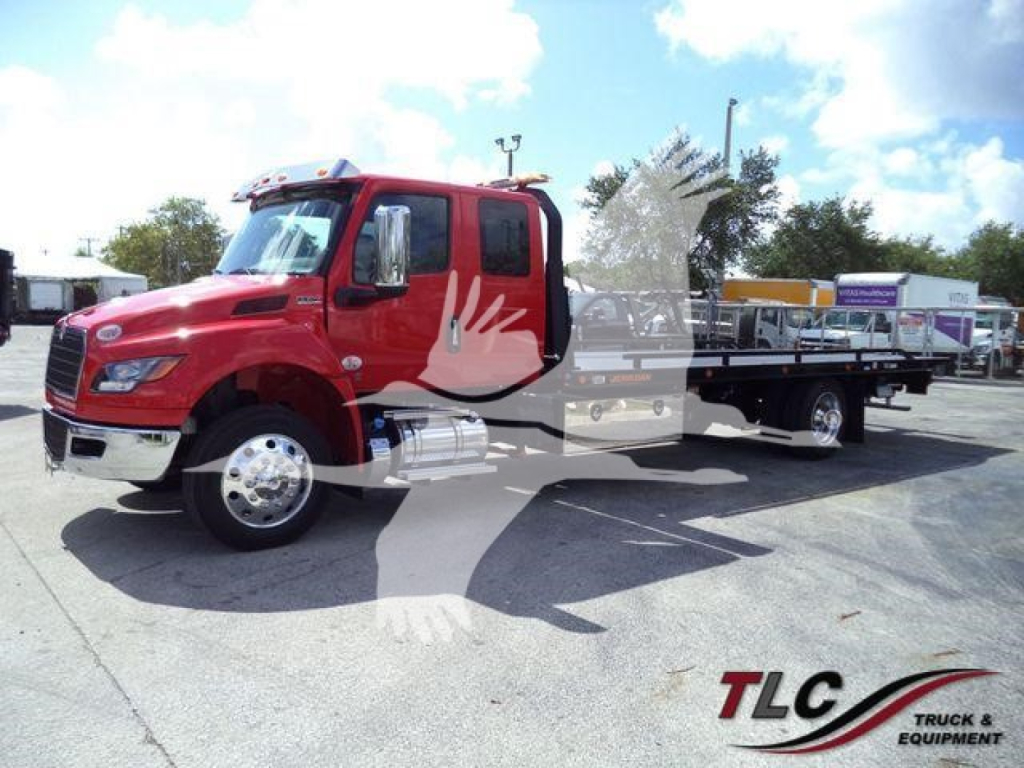
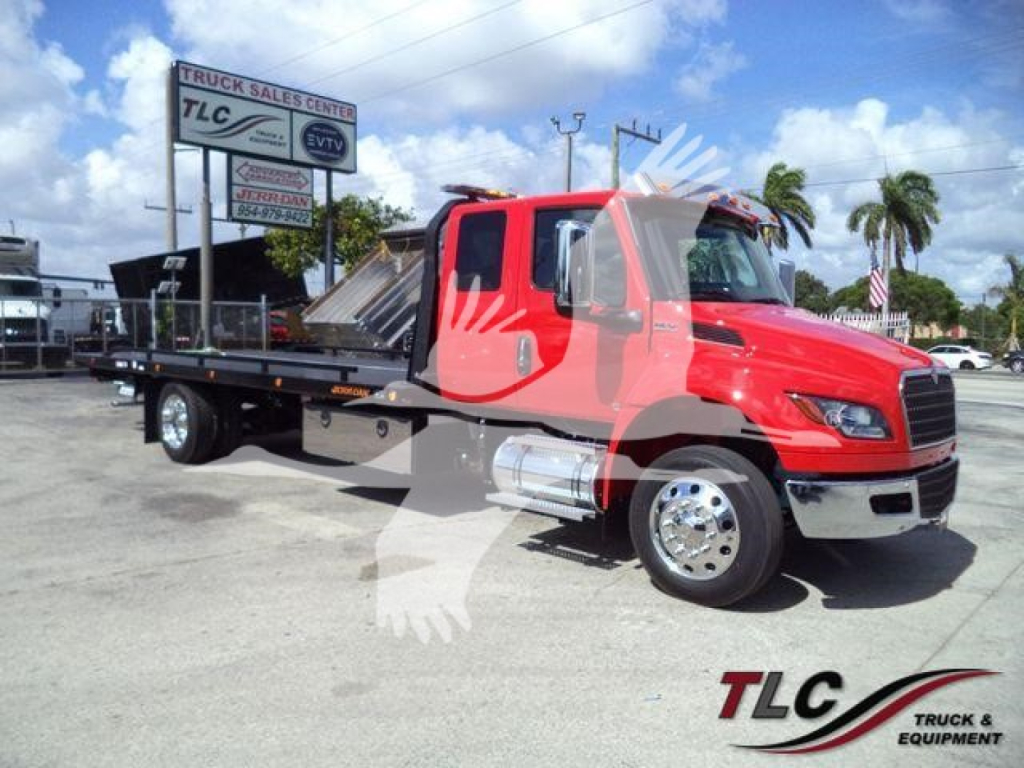
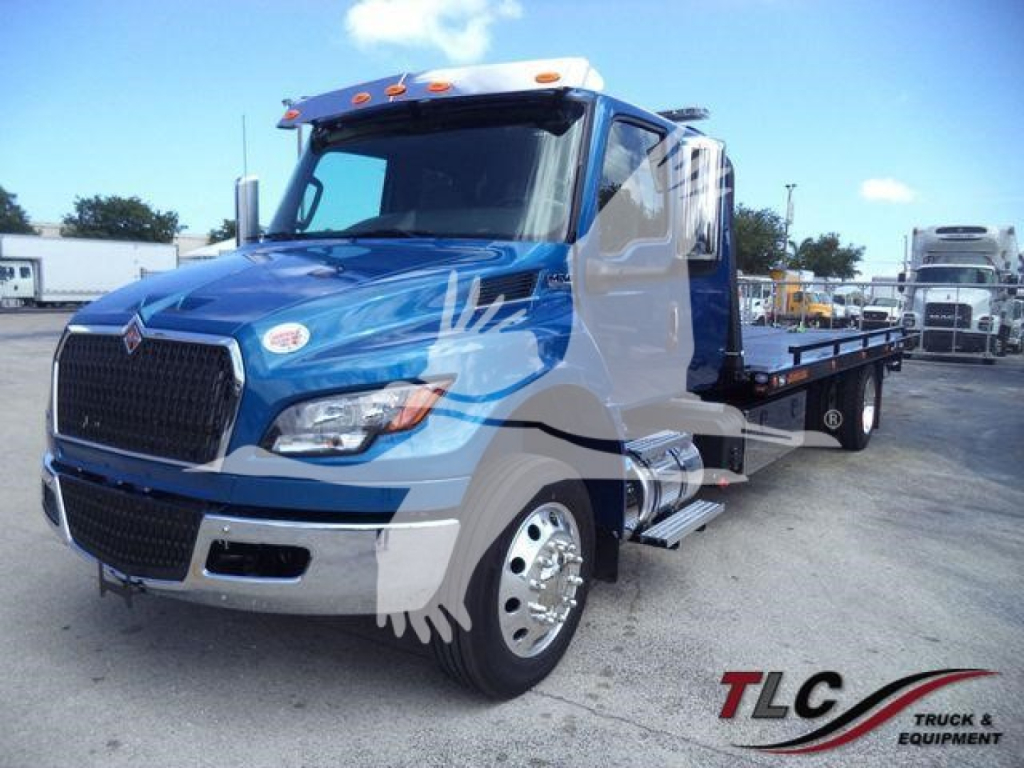
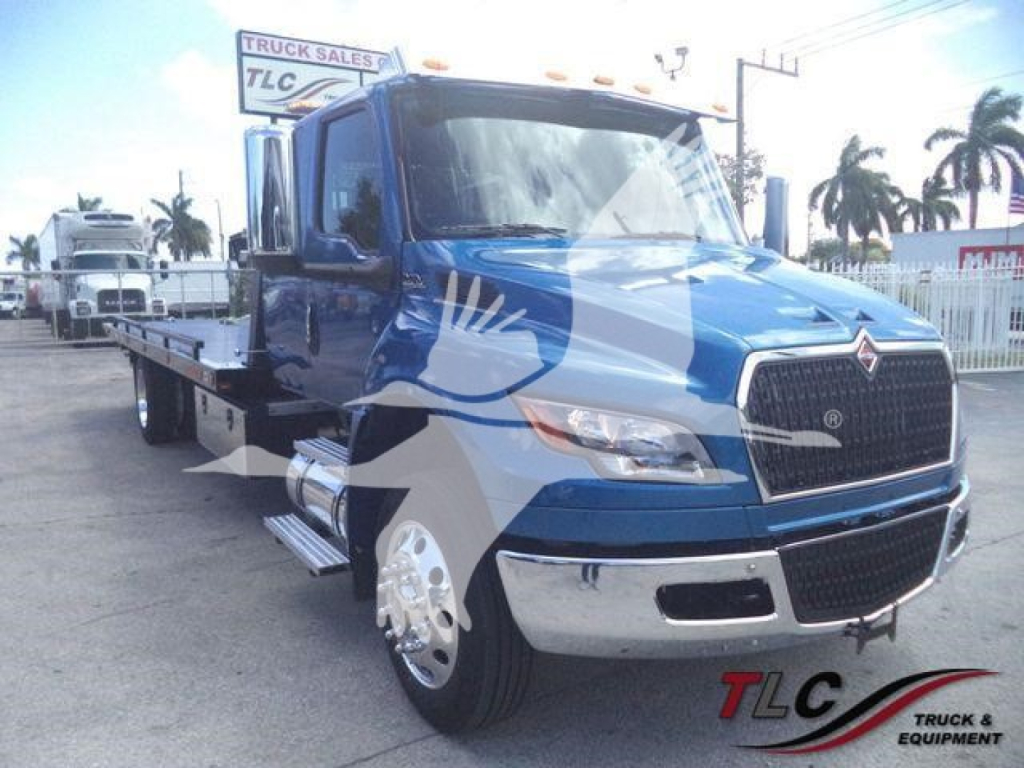
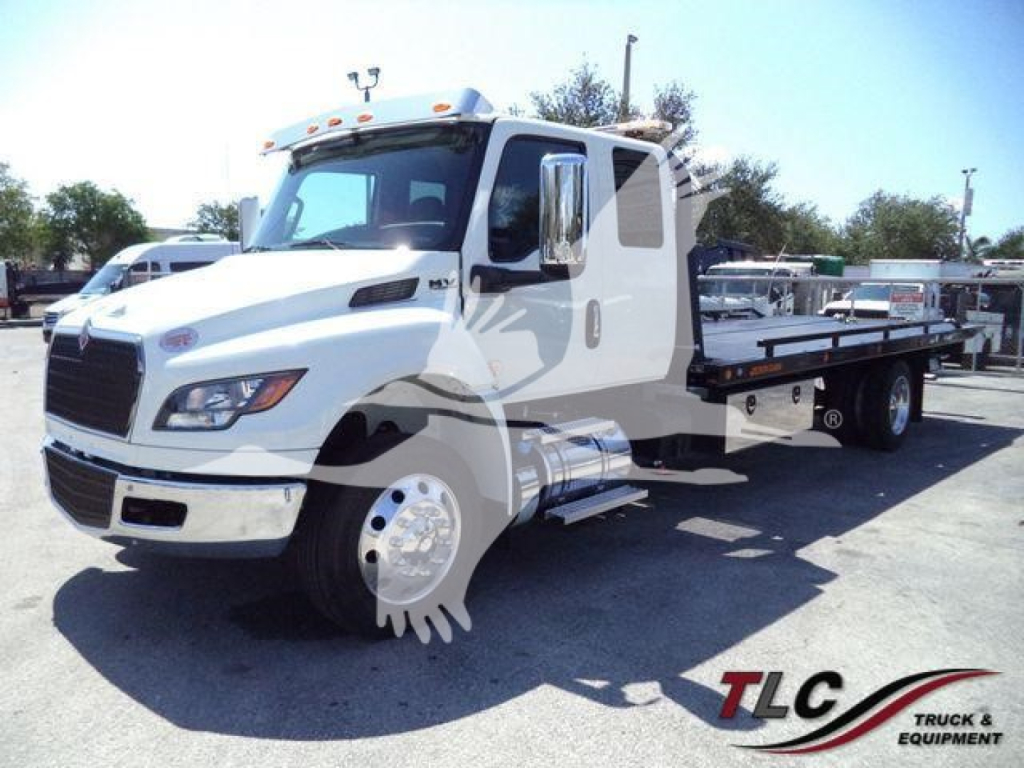
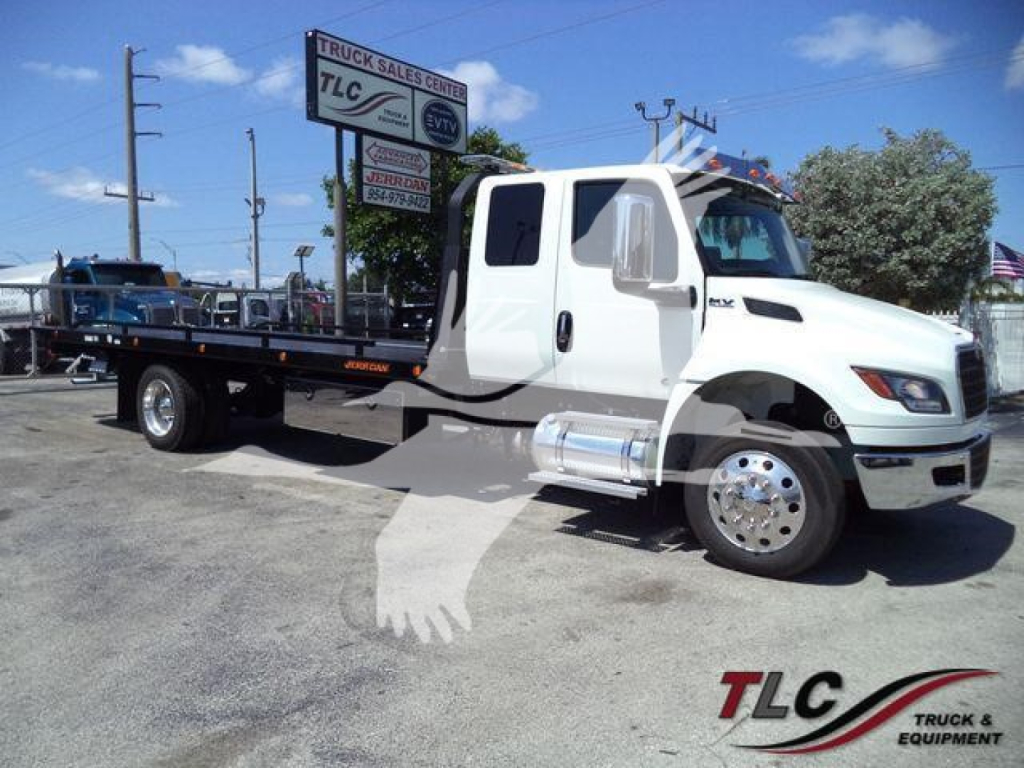
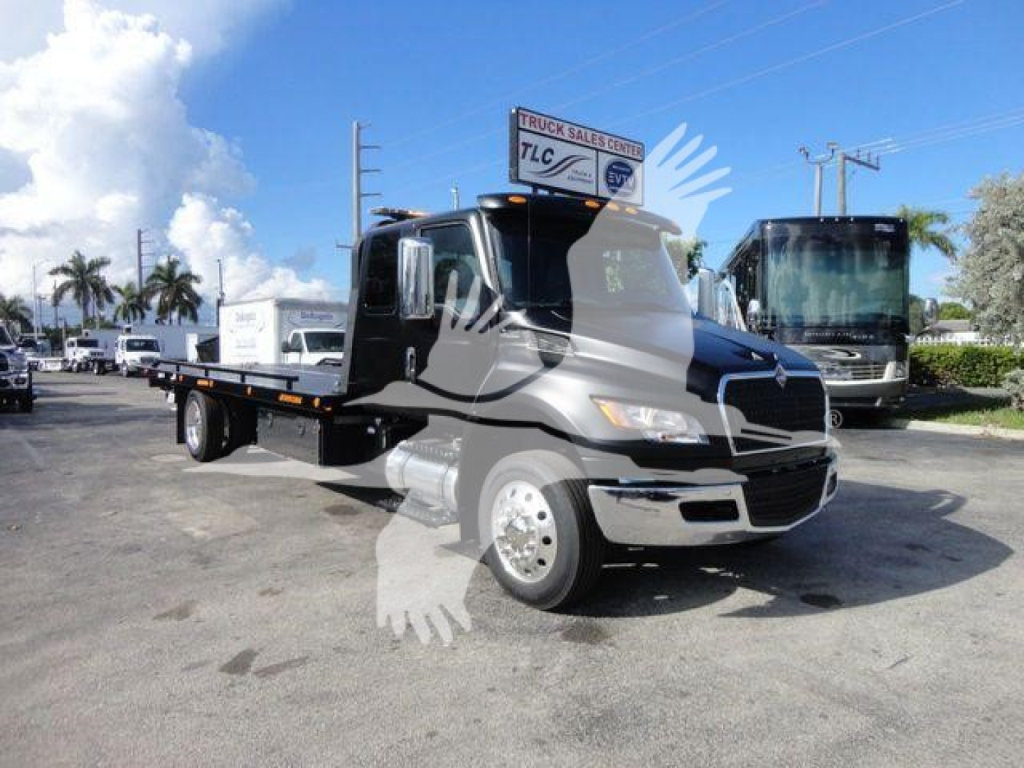
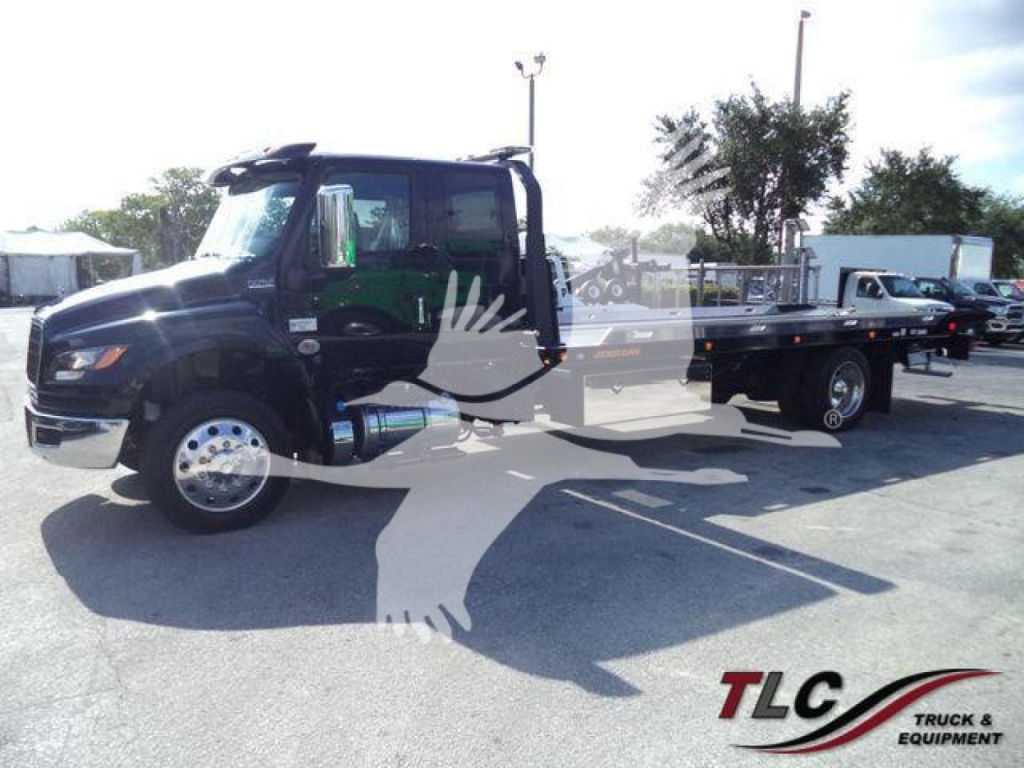
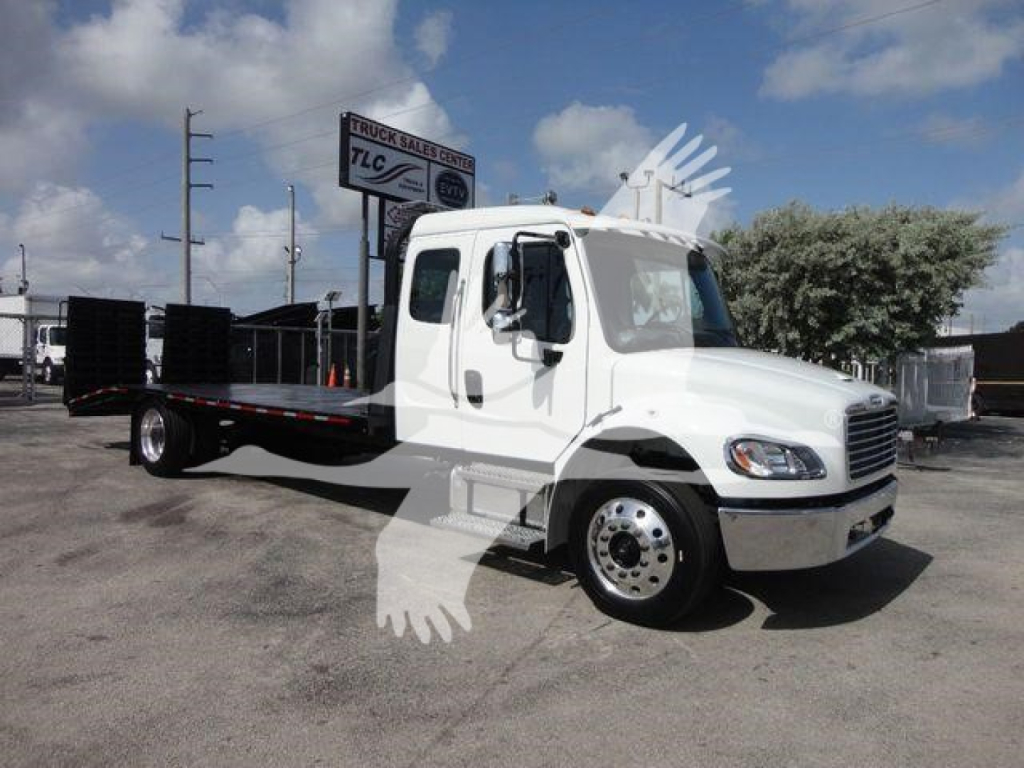
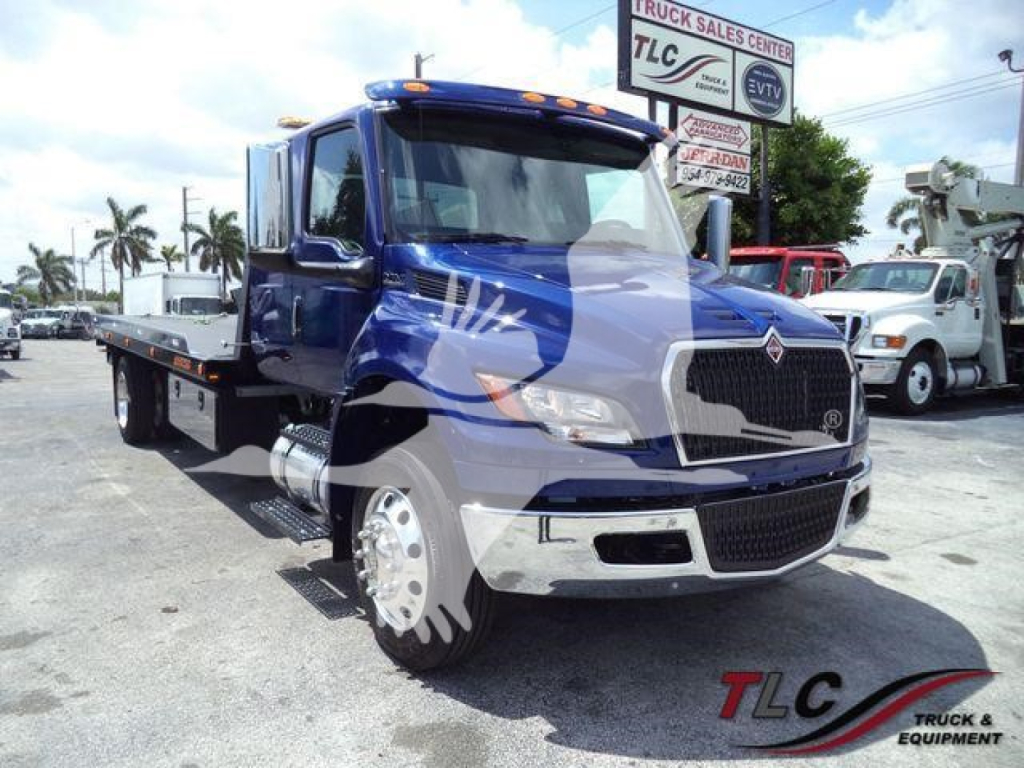
Showing 1 to 28 of 42 results
Selling a new 2027 rollback truck? List your new 2027 rollback truck for sale and reach thousands of commercial buyers.
New 2027 Rollback Trucks in Florida
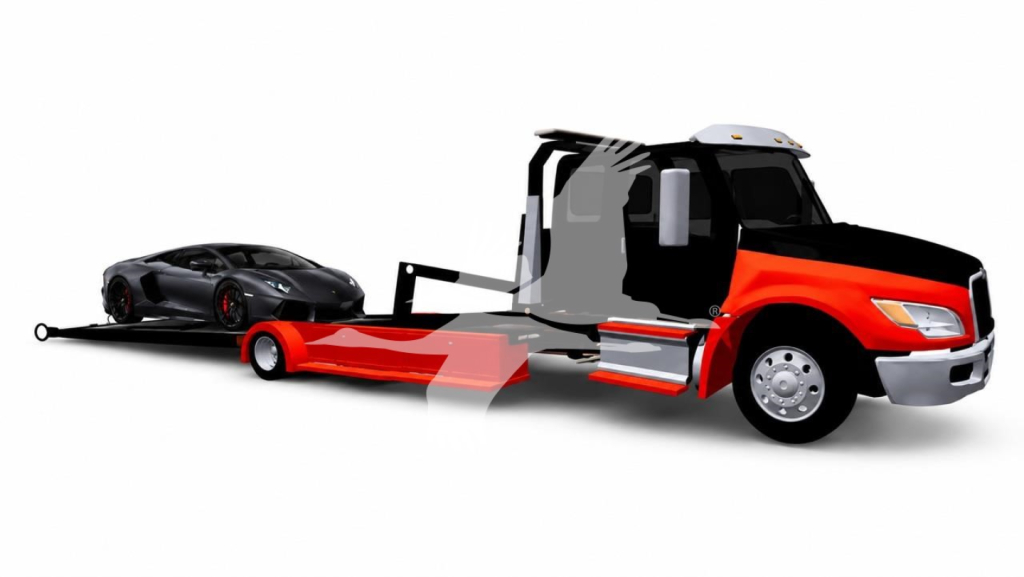
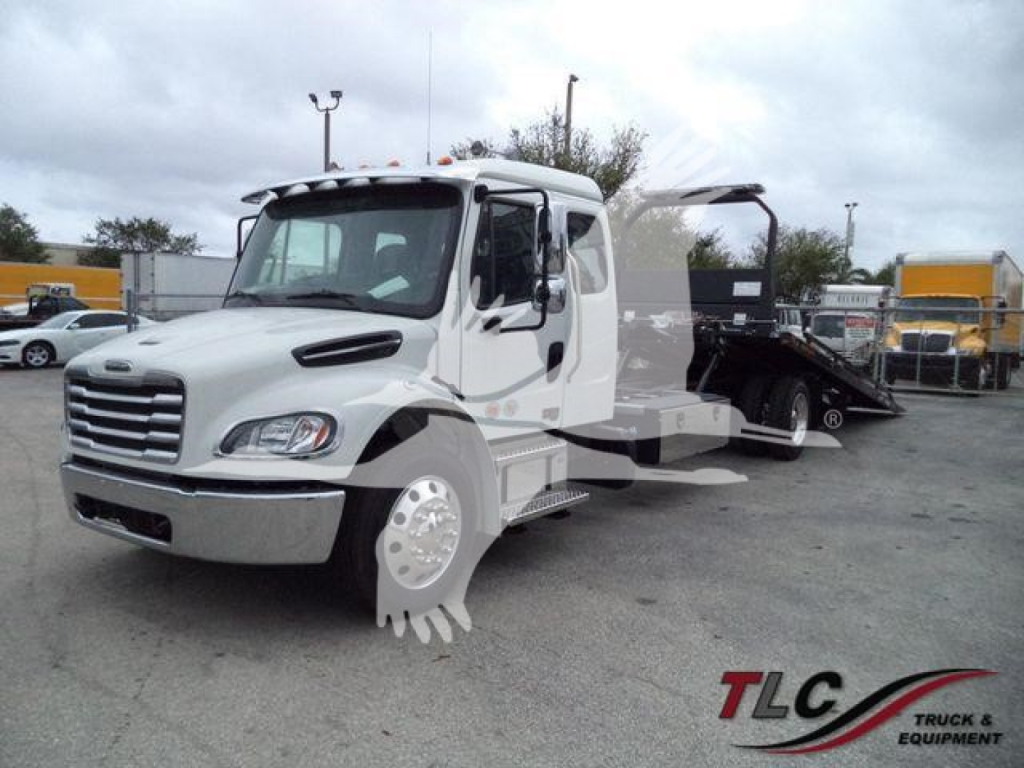
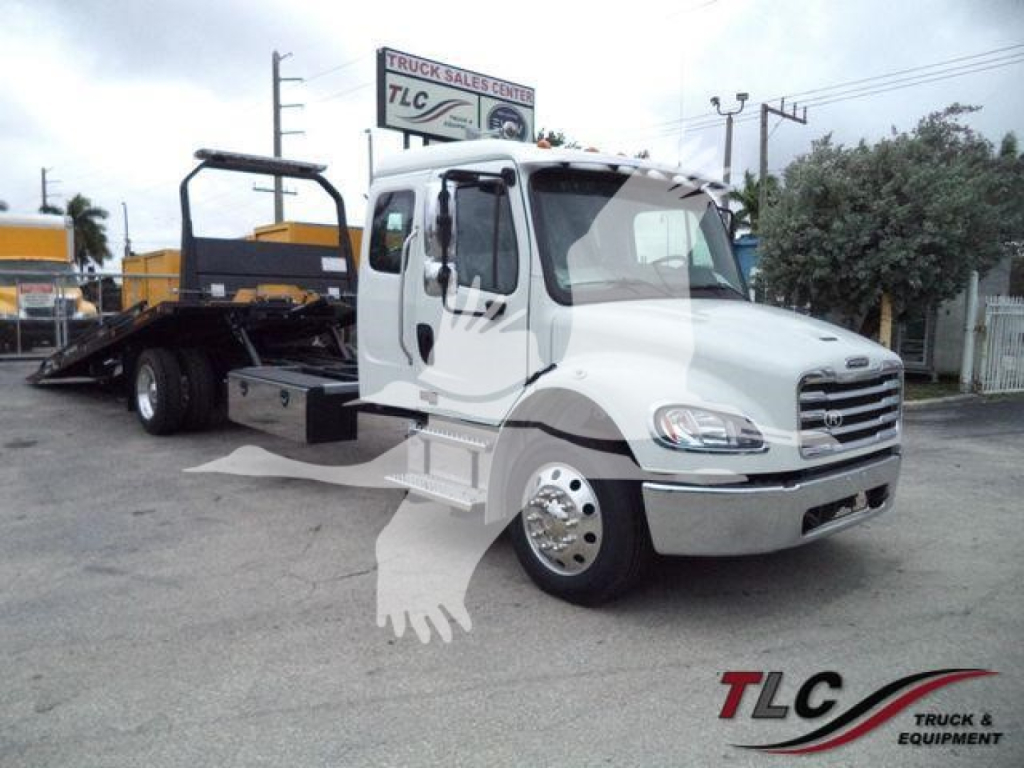
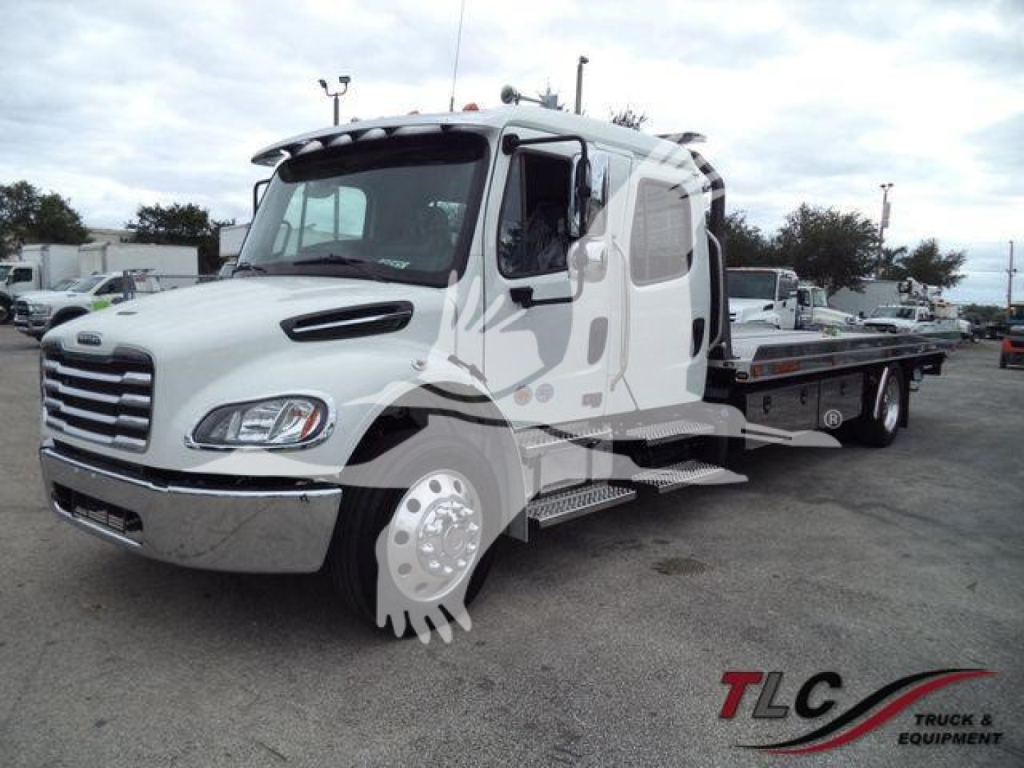
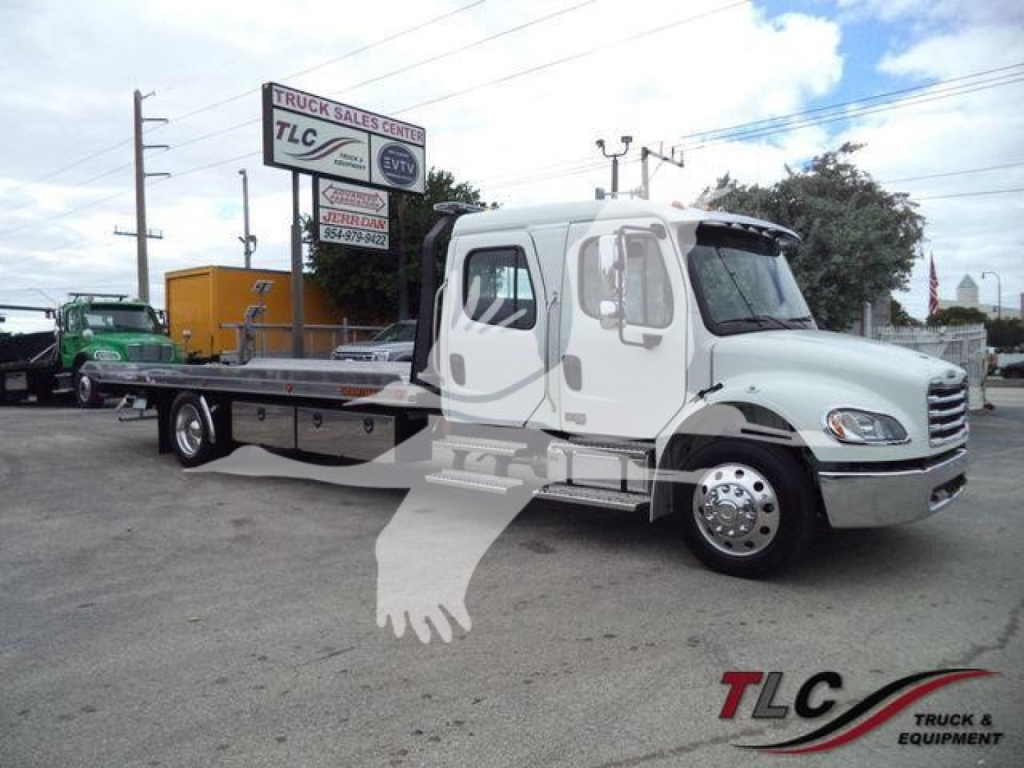
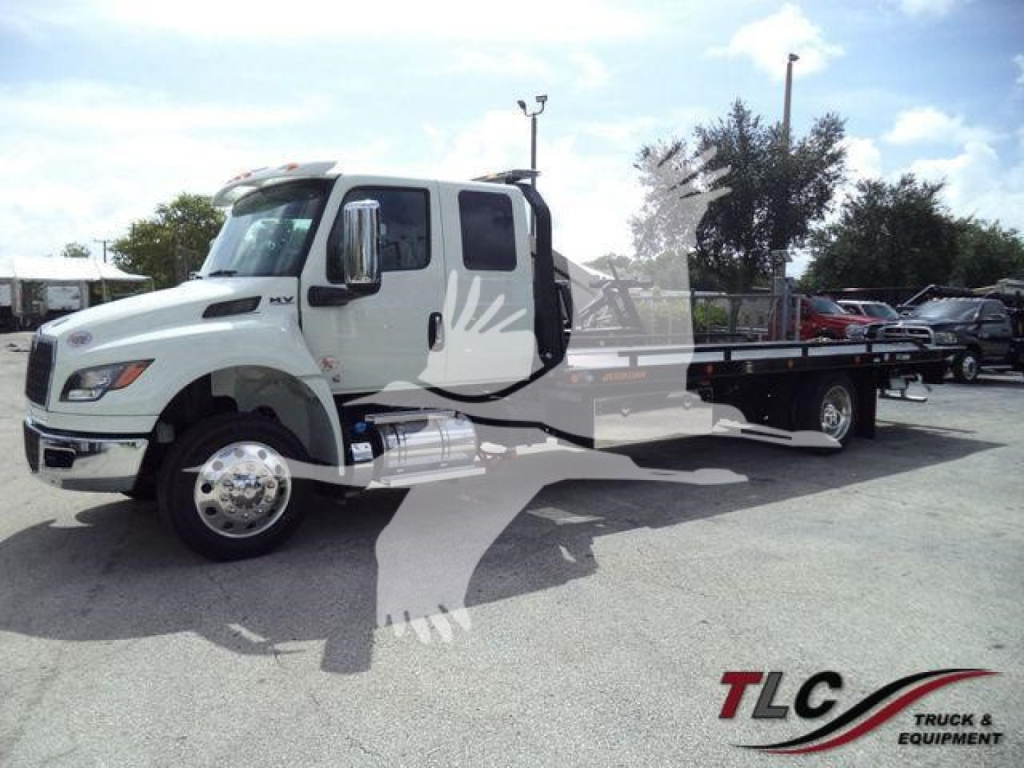
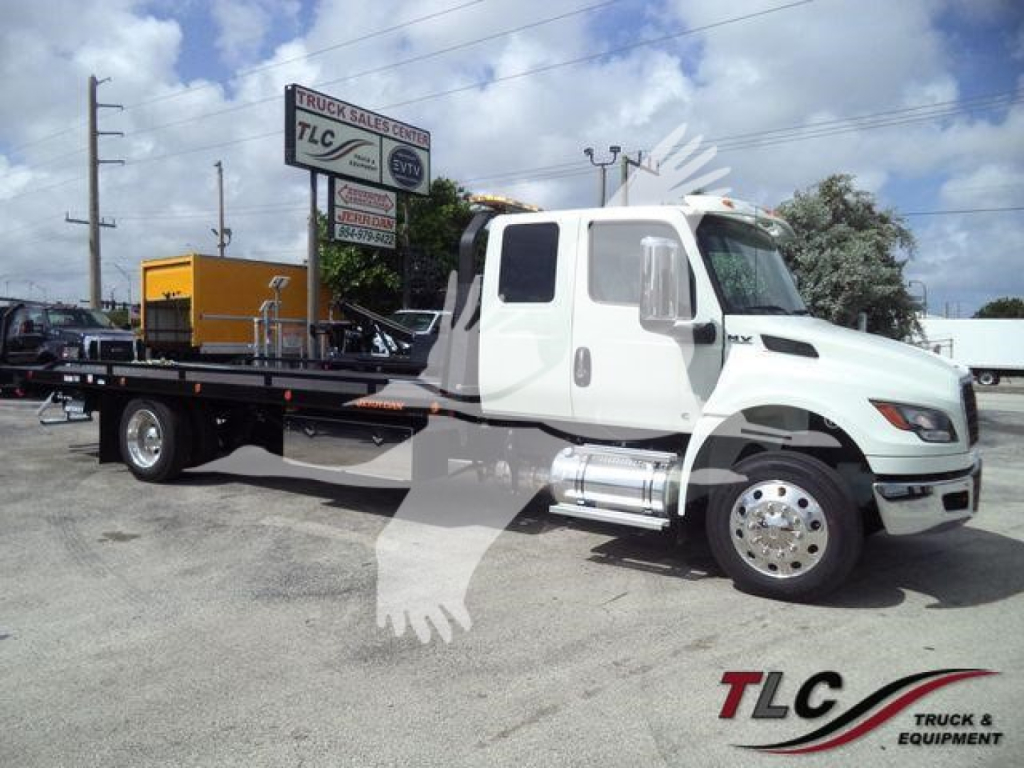
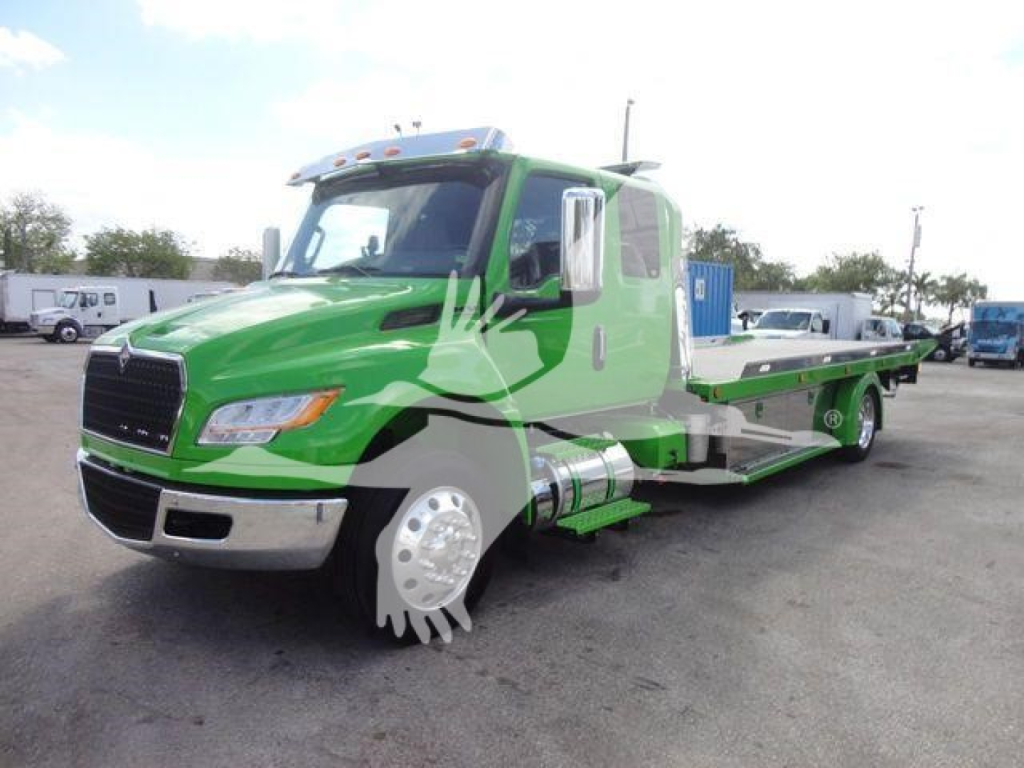
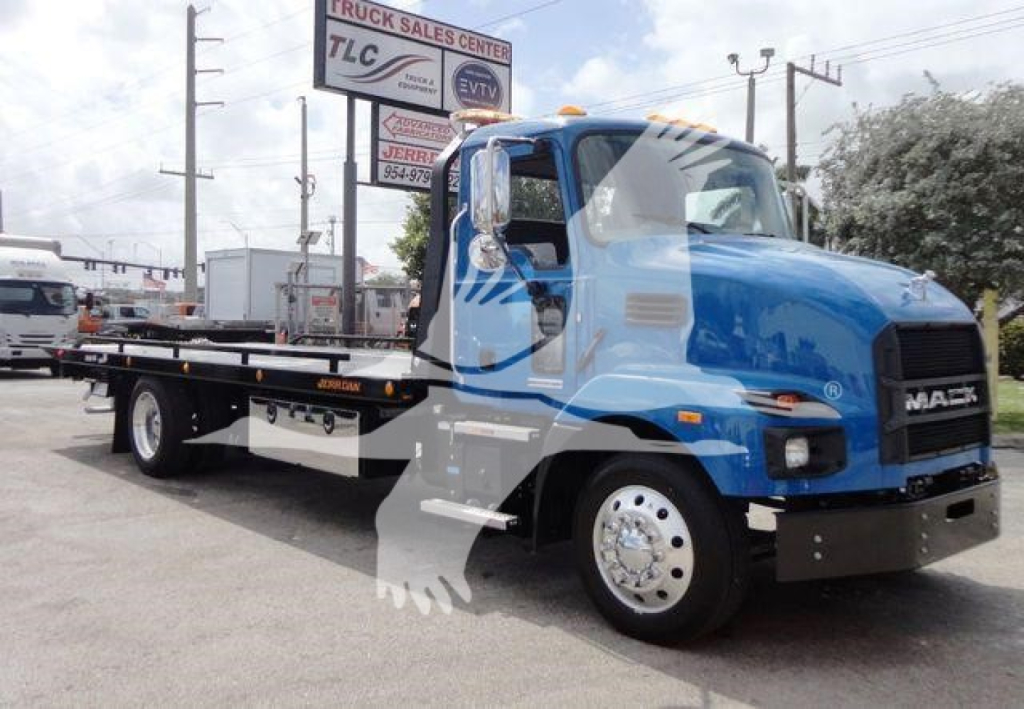
Most buyers in this segment will be comparing Class 4 through Class 6 chassis, commonly in the 19,500 to 25,950 GVWR range. Popular configurations include Ram 5500, Chevrolet Silverado 5500HD or 6500HD, International CV, and medium-duty platforms such as the Kenworth T280. Engine choices are typically diesel, paired with automatic transmissions such as Allison or heavy-duty 8-speed units. On the carrier side, a 20-foot deck is the most common size, often 96 to 102 inches wide, with a 6-ton rated bed and a 3,500-lb hydraulic wheel-lift with L-arms. Extra low profile, or XLP, decks matter if your work includes sports cars, EVs, or lowered vehicles because load angle and breakover are often the difference between a clean pickup and underbody damage.
Bed construction and body layout directly affect durability, payload, and day-to-day usability. Steel decks are common for hard commercial use and can take abuse, but aluminum bodies reduce curb weight and can help with available payload and corrosion resistance in Florida's humid, coastal environment. Buyers should also look at rail design, stationary versus removable pylons, winch rating, toolbox placement, wireless remote controls, lighting packages, and camera systems. A rollback set up for high-volume city towing may prioritize fast cycle times, secure wheel-lift operation, and storage access. A truck used for transport work may put more emphasis on deck surface, tie-down points, ride quality, and keeping overall weight under control.
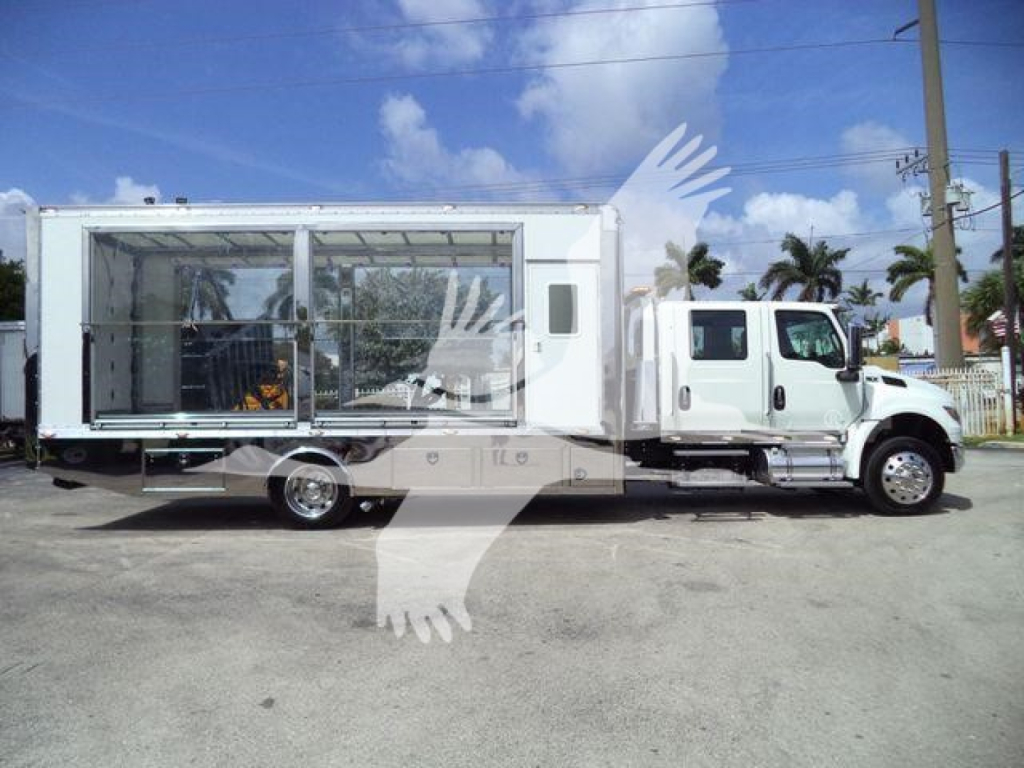
The right 2027 rollback truck depends on what you load most often and how far you carry it. If the work is mostly passenger vehicles and light-duty pickups, a 6-ton carrier on a 5500 or 6500 chassis is often the sweet spot. If your routes include heavier commercial units, longer runs, or enclosed specialty transport, moving up to a medium-duty chassis with air ride, air brakes, and a stronger suspension can make sense. Check published payload, axle ratings, wheelbase, cab-to-axle dimensions, and body integration before comparing price. A rollback that looks similar on paper can perform very differently once deck angle, wheel-lift geometry, storage, and GVWR are matched against real towing work.
Frequently Asked Questions about New 2027 Rollback Trucks in Florida
What is the difference between a rollback truck and a wrecker?
A rollback truck uses a tilting, sliding deck to load the entire vehicle onto the bed, while a traditional wrecker lifts one end of the vehicle and tows it with the other end on the road. Rollbacks are generally preferred for all-wheel-drive vehicles, low-clearance cars, damaged vehicles, and transport jobs where tire wear or driveline damage must be avoided. Many rollback trucks also include a wheel-lift, which gives the operator added versatility for short tows and vehicle positioning.
What deck size is most common on a new rollback truck?
A 20-foot deck is the most common setup in the light and medium-duty rollback market, usually paired with a deck width between 96 and 102 inches. That size works well for passenger vehicles, pickups, small vans, and general roadside recovery. Some trucks list total body length differently if they include a pylon or headboard structure, so buyers should confirm usable deck length, not just overall body length.
Should I choose a steel or aluminum rollback body?
Steel rollback bodies are typically chosen for rugged daily towing because they are durable and familiar to service. Aluminum rollback bodies reduce body weight, improve corrosion resistance, and can help preserve payload capacity. In Florida, aluminum can be especially attractive because of moisture, salt air, and long-term appearance, but the best choice depends on your duty cycle, repair preferences, and how closely you need to manage empty weight.
Why does an XLP or extra low profile deck matter on a rollback?
An XLP deck lowers the loading angle and improves clearance during loading, which is important for sports cars, EVs, luxury vehicles, and any vehicle with a low front fascia or long wheelbase. A lower deck can reduce the need for extra ramps or blocking and can help prevent bumper, valance, or underbody contact. For operators doing dealer transport, accident recovery, or high-end vehicle work, deck profile is often one of the most important specs on the truck.
Is 4x4 worth it on a rollback truck in Florida?
A 4x4 rollback can be worthwhile if the truck will work in soft shoulders, flooded areas, construction zones, rural properties, or coastal environments where traction changes quickly. It also adds confidence during storm season and off-pavement recoveries. A 4x2 chassis is often lighter and may offer a simpler, lower-cost setup for highway towing and urban service, so the right answer depends on how often the truck leaves paved surfaces and how demanding the recovery conditions are.