
Pickup 4wd Trucks For Sale
4x4 pickup trucks with strong bed floors, corrosion-resistant frames, optimized tare weight, and diesel or gas power for confident towing and traction.
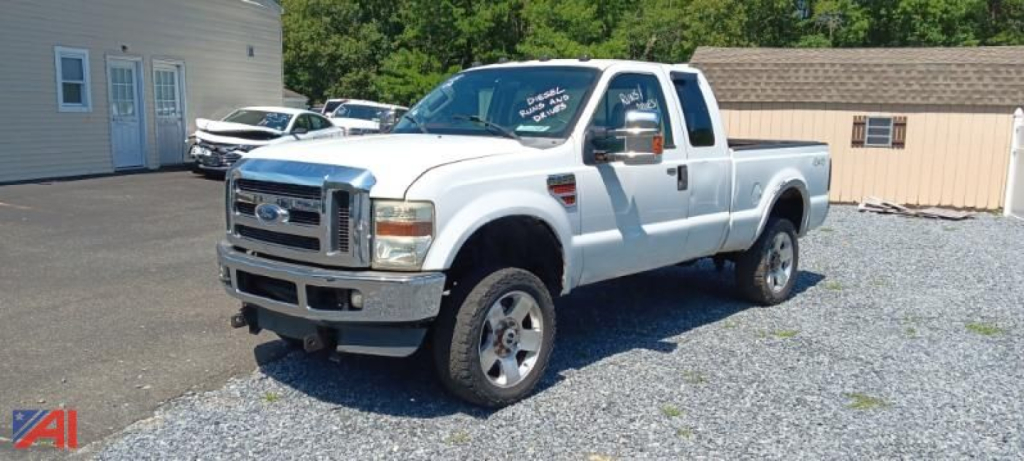
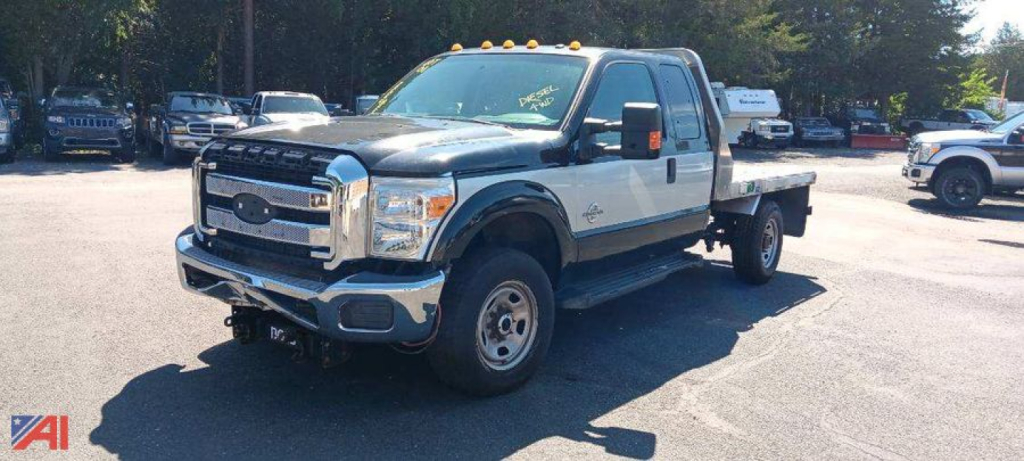
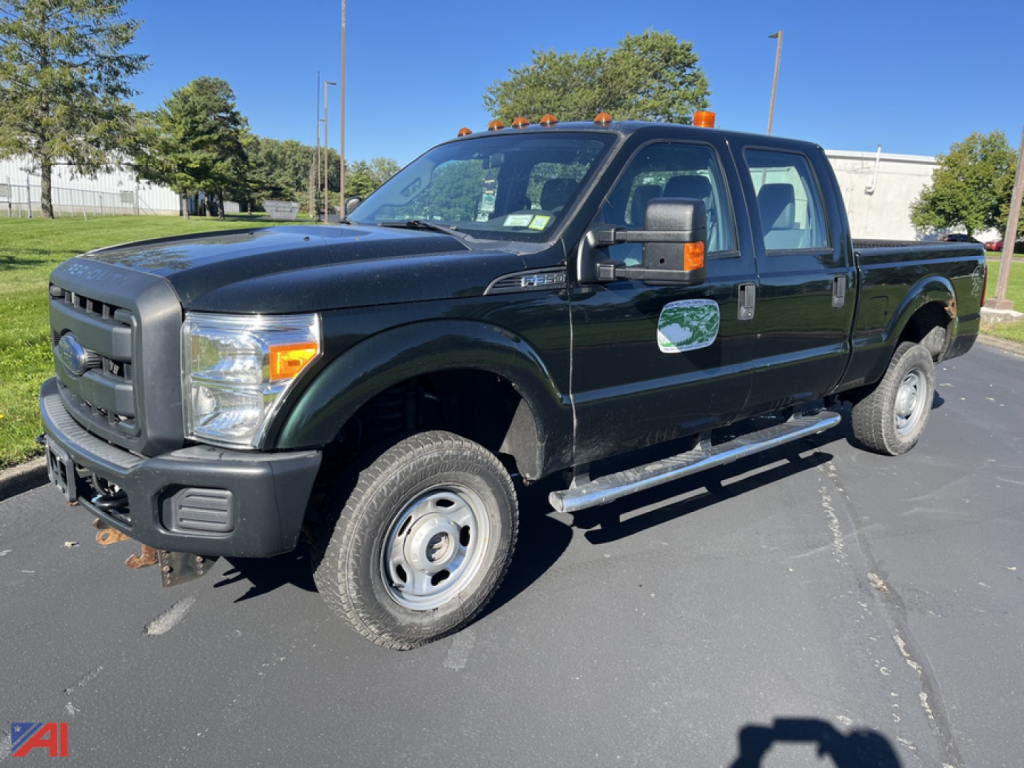
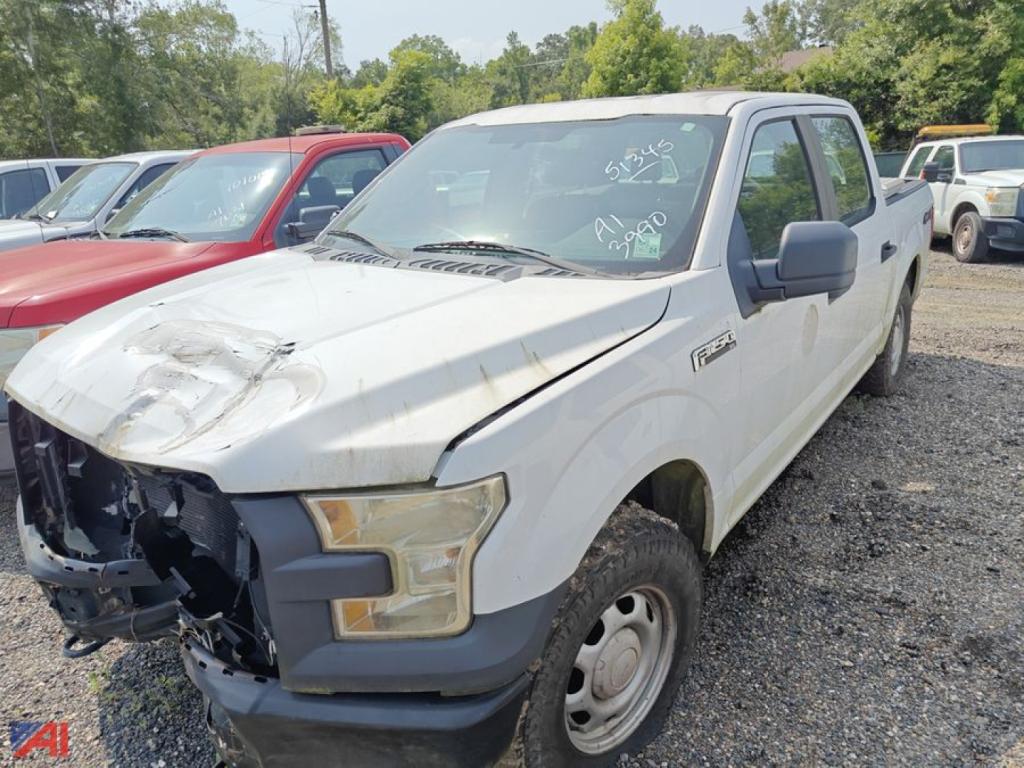
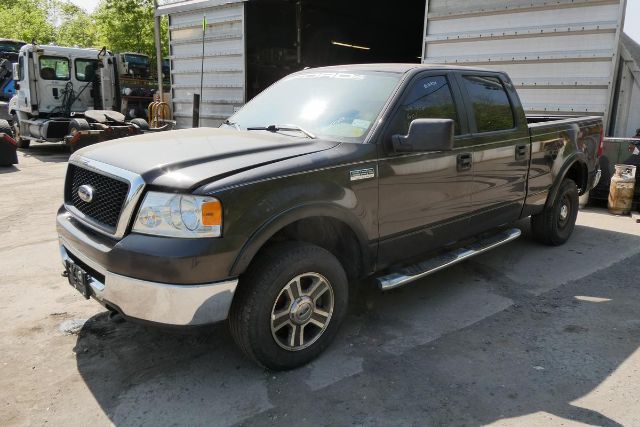
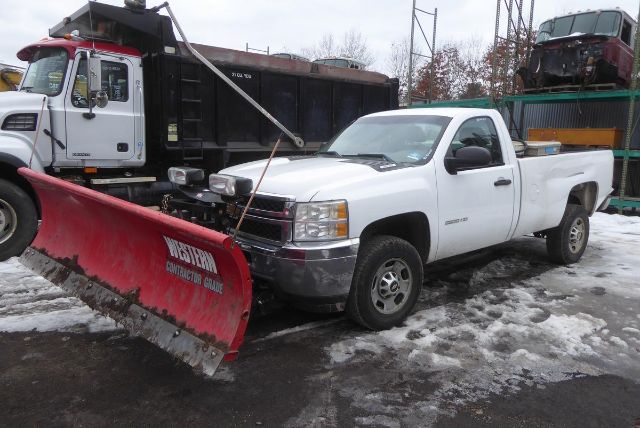
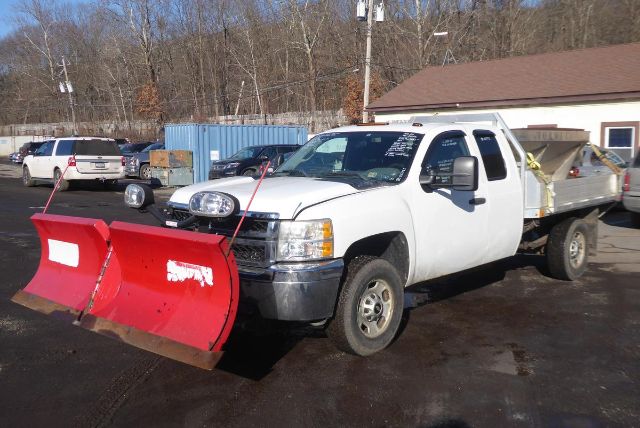
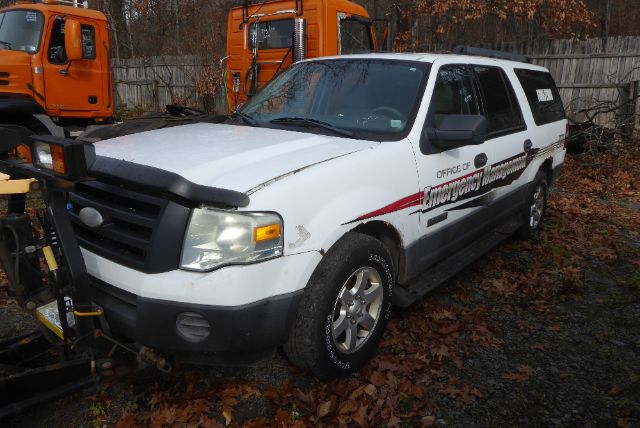
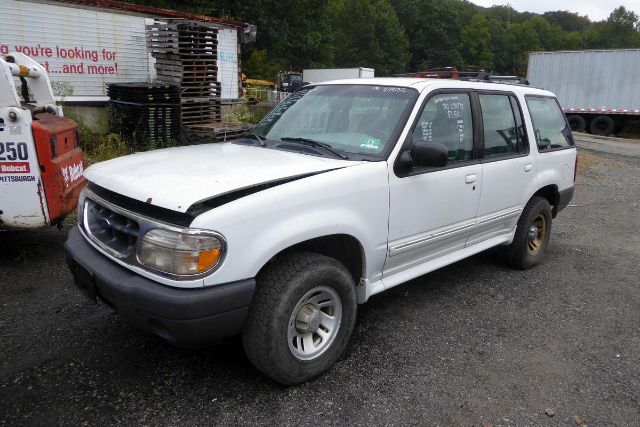

Showing 29 to 39 of 39 results
Looking for the easiest place to sell your pickup 4wd truck? List it here to reach thousands of buyers.
Pickup 4wd Trucks
Capacity starts with GVWR and GAWR, then payload and towing ratings. A 4WD system typically adds 150 to 350 pounds to tare weight, which reduces available payload, so verify door jamb labels against the build. Half-ton, three-quarter-ton, and one-ton trucks offer progressively stronger frames, axles, and brakes, and axle ratios like 3.55, 3.73, or 4.10 balance pull versus fuel economy. For towing, seek integrated trailer brake controllers, factory gooseneck or fifth-wheel prep, extendable tow mirrors, and rear suspension tuned for pin weight control. Diesel options deliver higher torque at low rpm and often include exhaust brakes for downhill thermal control, while modern multi-speed automatics manage gear spacing to keep coolant and transmission temperatures stable.
Bed floor strength is critical for palletized freight and jobsite gear. Steel or aluminum beds with robust cross sills, reinforced stake pockets, and high-rated tie-downs resist point loads and racking. Spray-in liners protect the floor and help prevent cargo slip, while bed mats cushion impact from buckets and attachments. Check tailgate load ratings if you load with ramps, and confirm in-bed hitch reinforcement plates for gooseneck duty. Toolboxes, ladder racks, and auxiliary tanks should mount without crushing bed rails, and sealed pass-throughs help maintain corrosion protection.
Corrosion resistance drives long-term value, especially in salt states. Frames with e-coat primers, wax-injected rails, and sealed harness connectors hold up better, and aluminum body panels avoid red rust but require proper isolation from steel fasteners to prevent galvanic corrosion. Inspect frame flanges, cab mounts, brake and fuel lines, and front differential housings for coating integrity. Managing tare weight pays dividends in payload and fuel cost, so compare cab and bed configurations, off-road packages with skid plates and larger tires, and winch or bumper add-ons that add mass. Choose tires with appropriate load index, consider on-board air and TPMS recalibration for consistent contact patches, and maintain cooling and aftertreatment systems so thermal performance stays consistent over time.
Also known as: 4x4 Pickup Truck, Four-Wheel-Drive Pickup Truck
Frequently Asked Questions about Pickup 4wd Trucks
What is the difference between part-time and full-time 4WD on a pickup truck?
Part-time 4WD uses a selectable transfer case that locks front and rear drivelines together, ideal for loose surfaces or snow but not for dry pavement, and it includes a low range for crawling. Full-time 4WD or AWD systems use a center differential or clutch pack to allow driveline slip on pavement, improving all-weather traction at speed. Many heavy-duty work trucks favor part-time 4WD for simplicity and durability, while some light-duty models offer full-time modes for mixed-surface driving.
How does 4WD affect payload and towing capacity?
Adding 4WD increases tare weight by roughly 150 to 350 pounds due to the front differential, transfer case, and additional shafts, which reduces available payload. Towing capacity can change with driveline and axle ratio selections, but the bigger impact is payload, since tongue or pin weight counts against the payload figure. Always verify the specific truck’s GVWR, GAWR, payload label, and GCWR, and match axle ratio, cooling package, and brake setup to the trailer weight you plan to pull.
Should I choose a gas or diesel 4x4 for work towing?
Diesel 4x4 pickups offer higher torque at low rpm, better grade performance under heavy load, and integrated exhaust brakes that help with downhill speed control and brake thermal management. They carry a higher initial cost and add weight, which can slightly reduce payload, and aftertreatment systems require proper duty cycles. Gas engines are lighter, cost less to buy and maintain, warm up faster in short-trip use, and pair well with moderate trailers. Match the engine to your trailer weight, route profile, and annual miles.
What should I inspect for corrosion on a used 4WD pickup?
Focus on frame rails, crossmembers, spring hangers, cab mounts, and the rear bumper structure. Look at brake and fuel lines for pitting, and inspect the front differential housing, transfer case, and skid plate fasteners for scale. Check the bed floor seams and under-bed cross sills, especially on trucks that hauled salt or fertilizer. Aluminum body panels resist rust, but watch for paint bubbles around mixed-metal fasteners that can indicate galvanic activity. Consistent underbody washing and intact coatings are good signs.
How do I evaluate bed floor strength and hitch compatibility?
Confirm the bed’s material and cross sill spacing, then check the rating of factory tie-downs and any in-bed hitch prep kit. A spray-in liner protects against abrasion without trapping moisture, while a drop-in liner can hide corrosion if not sealed. If you need a gooseneck or fifth-wheel, verify the presence of factory reinforcement plates or certified aftermarket brackets tied into the frame, and review tailgate load ratings if you plan to load via ramps or support long materials on the gate.