
2020 Pickup 4wd Trucks For Sale
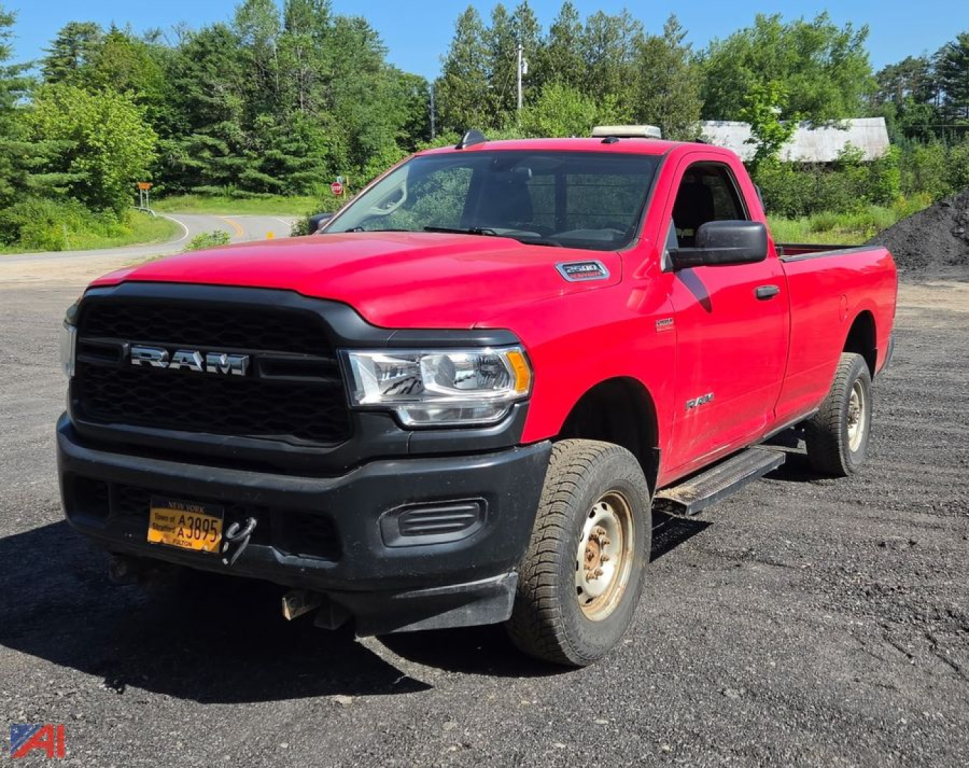
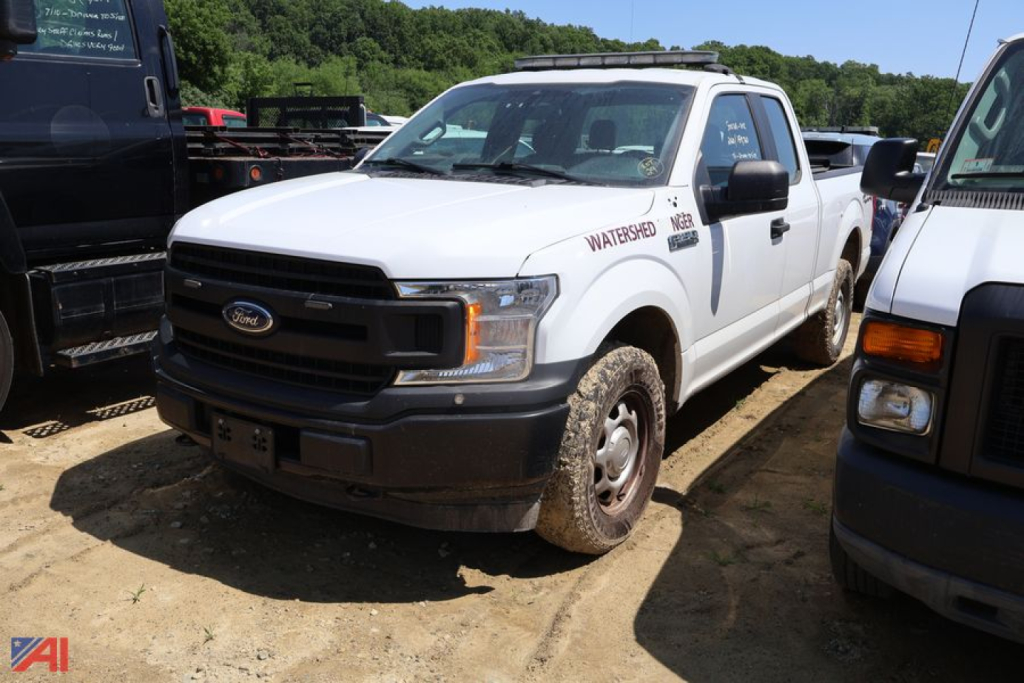
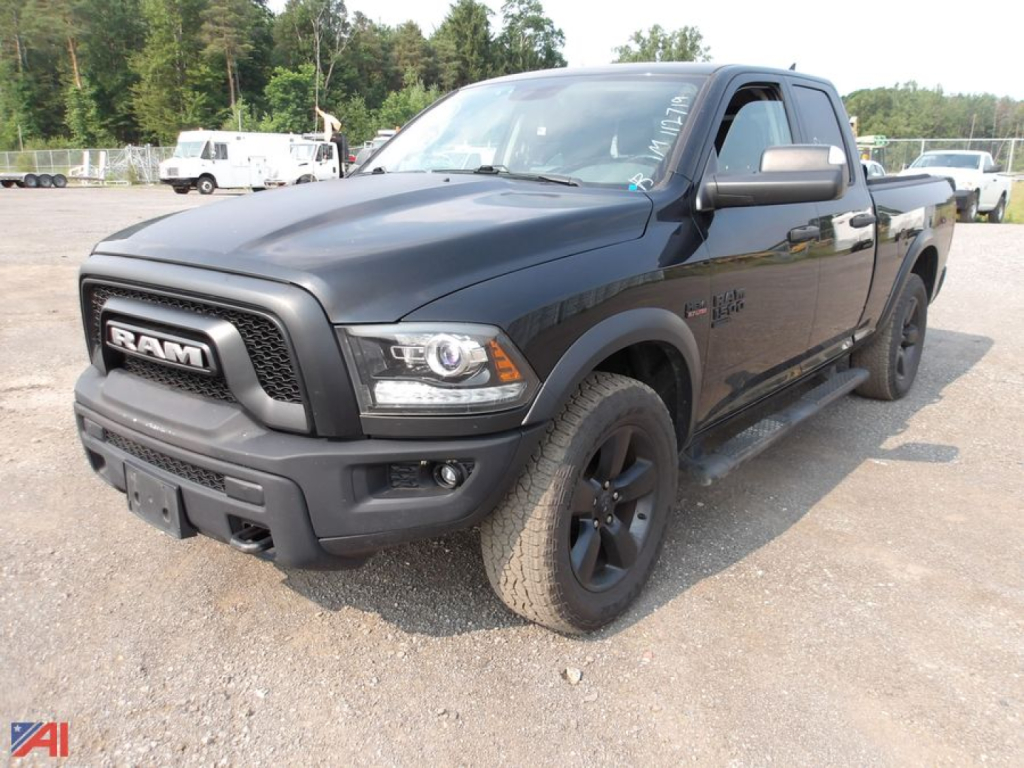
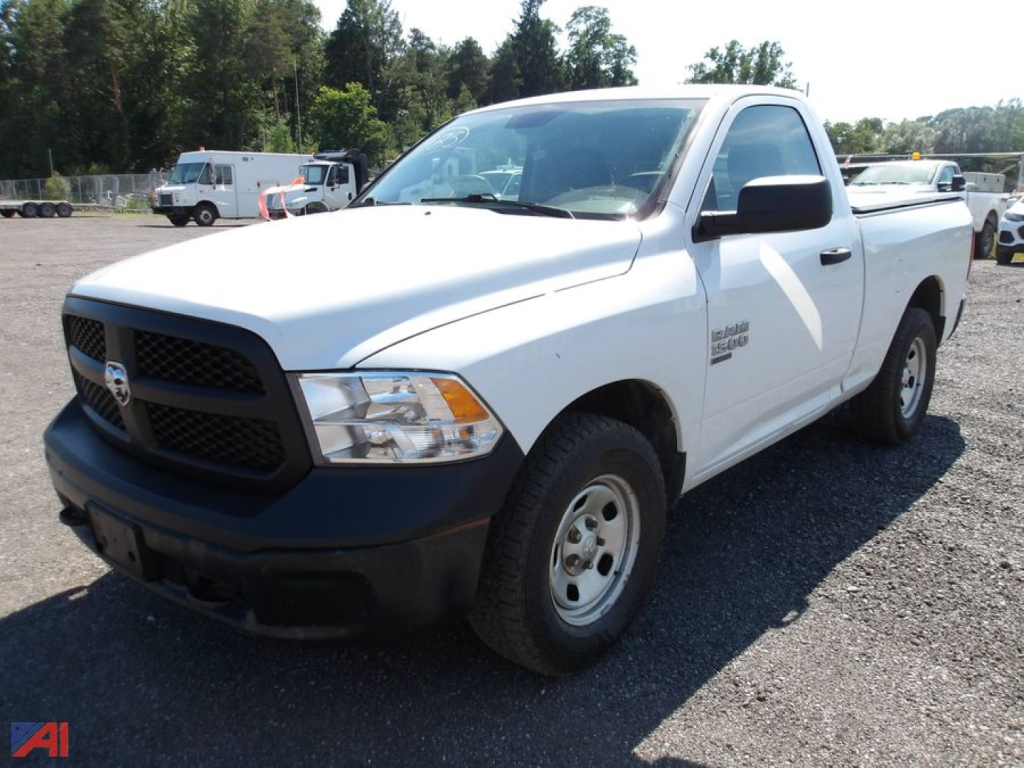
Have 2020 pickup 4wd truck to sell? List it here to reach thousands of buyers.
2020 Pickup 4wd Trucks
The first decision is usually weight class. A 2020 half-ton 4x4 pickup, such as an F-150, Silverado 1500, Sierra 1500, Ram 1500, or Tundra, generally fits buyers focused on mixed daily driving, moderate payloads, and bumper-pull trailer duty. A 3/4-ton or 1-ton 4WD pickup, such as an F-250, Silverado 2500HD, Sierra 2500HD, or Ram 2500, is better suited for heavier trailers, plow use, service bodies, and recurring payload demands. Cab style and bed length also affect usability. Regular cabs maximize bed-to-wheelbase efficiency, extended cabs balance storage and maneuverability, and crew cabs give the best passenger space but reduce agility in tighter yards and urban routes. Bed length choices influence tool storage, pallet fitment, and hitch clearance with certain trailers.
Powertrain choice is a major value driver in 2020 pickups. Gas V8 engines usually cost less to buy and maintain, and they make sense for fleets with lighter annual mileage or shorter trip cycles. Diesel engines bring more low-end torque and stronger performance under sustained towing loads, but they also add emissions-system complexity, higher service costs, and more weight over the front axle. Buyers comparing listings should verify GVWR, payload sticker, max conventional towing rating, fifth-wheel or gooseneck compatibility, rear axle rating, and brake setup rather than relying only on model badge. Locking differentials, integrated trailer brake controllers, factory tow packages, skid plates, snow plow prep packages, and upfitter switches are valuable options on 2020 4WD trucks, especially in commercial use.
Condition matters as much as spec on a used 2020 pickup 4wd truck. Check for frame corrosion, transfer case operation, front differential noise, uneven tire wear, ball joint and steering component play, and signs of hard plow service or overloaded towing. On higher-trim trucks, electronic features such as backup cameras, trailer assist systems, lane alerts, and infotainment screens should be tested because repairs can be expensive. Also look closely at bed damage, hitch wear, service body or plow wiring, and any evidence of aftermarket lift kits that may affect driveline angles, ride quality, or legal load handling. A properly spec’d 2020 4WD pickup can serve as a dependable work truck, tow vehicle, or all-purpose fleet unit when the chassis, drivetrain, and equipment package are aligned with the job.
Frequently Asked Questions about 2020 Pickup 4wd Trucks
What should I check first when comparing 2020 4WD pickup trucks?
Start with GVWR, payload capacity, towing rating, cab configuration, bed length, and axle ratio. Those specs determine whether the truck fits your actual workload. A crew cab 4x4 with a shorter bed may be comfortable and versatile, but it can have less payload than a simpler regular cab work truck. The door-jamb sticker and factory towing information are more reliable than assumptions based on model name alone.
Is a gas or diesel 2020 4WD pickup better for commercial use?
Gas engines are often the better fit for lighter-duty commercial service, lower annual miles, and operations that want simpler maintenance and lower upfront cost. Diesel is usually the better tool for frequent heavy towing, long highway runs, and applications where torque under load matters every day. The tradeoff is higher purchase cost, more expensive repairs, and emissions-system components that need proper operating conditions and maintenance.
Are 2020 half-ton 4WD pickups enough for towing and jobsite work?
Many 2020 half-ton 4x4 pickups are highly capable and can handle moderate trailers, tools, and daily field use very well. They are often the best choice for contractors, estimators, supervisors, and operators who need a blend of comfort and utility. If the truck will regularly carry heavy payloads, push a plow, or pull larger equipment trailers, a 3/4-ton or 1-ton platform is usually the safer and more durable choice.
How important is four-wheel drive on a pickup truck?
Four-wheel drive is important when the truck operates in snow, mud, soft ground, steep access roads, wet fields, or undeveloped jobsites. It improves traction and control when launching boats, crossing rough terrain, or recovering from slippery conditions. It does not increase payload or braking capacity, so buyers should treat 4WD as a traction advantage rather than a substitute for proper chassis capacity.
What are common signs of hard use on a used 2020 4WD pickup?
Look for rust on the frame and underbody, dents in the bed floor, heavy wear around the receiver hitch, loose steering, noisy front-end components, transfer case issues, and irregular tire wear. Plow prep holes, extra wiring, auxiliary switches, and front suspension sag can indicate snow service. None of those automatically disqualify a truck, but they should lead to a closer inspection of maintenance history, drivetrain condition, and previous upfitting work.