
2018 Pickup 4wd Trucks For Sale
Browse 2018 4WD pickup trucks for work, towing, fleet use, and off-road duty, including light-duty and heavy-duty configurations.
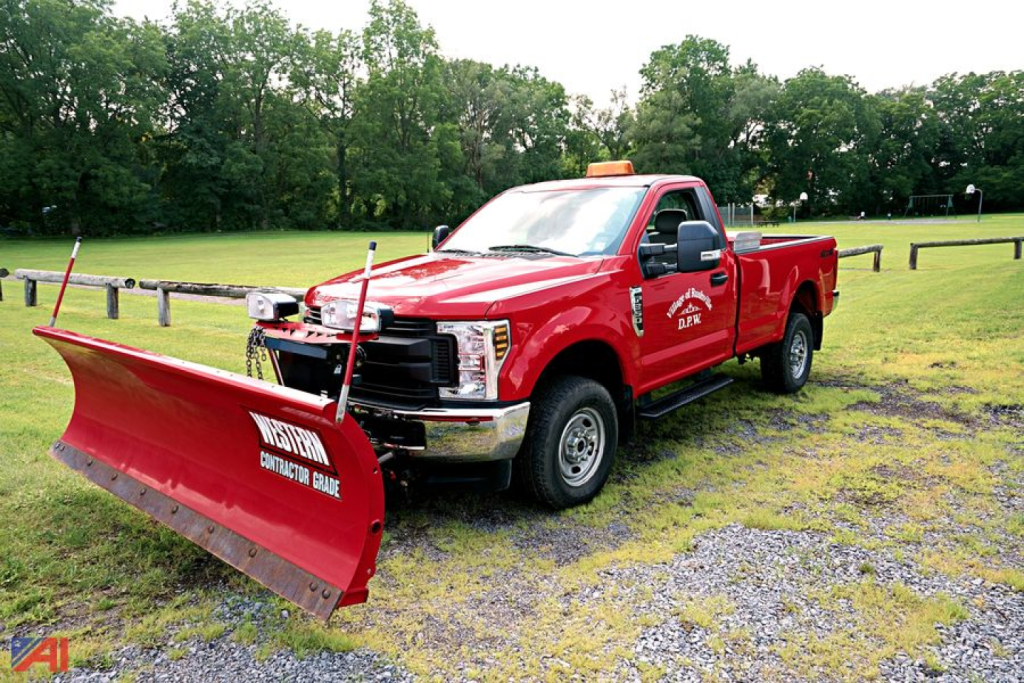
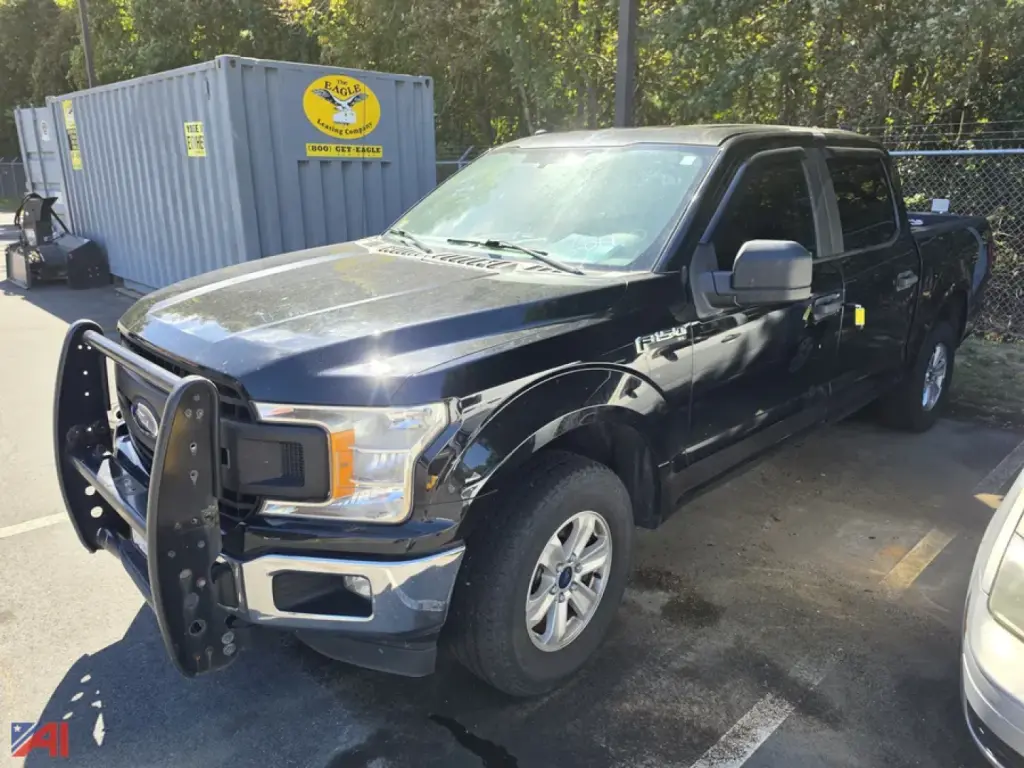
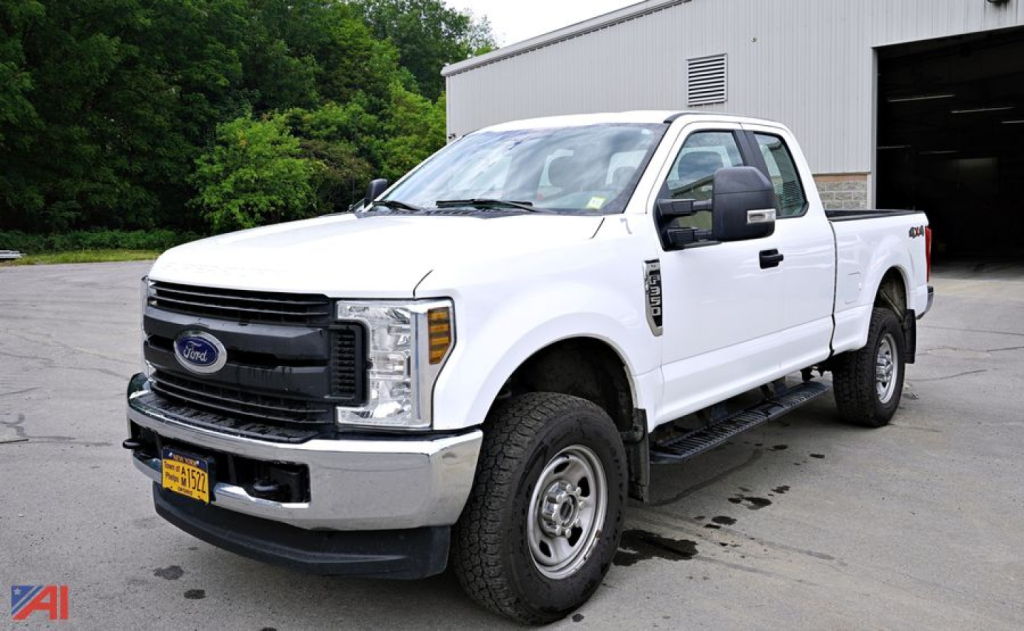
Looking for the easiest place to sell your 2018 pickup 4wd truck? List it here to reach thousands of buyers.
2018 Pickup 4wd Trucks
On a 2018 4x4 pickup, the core buying points are cab configuration, bed length, powertrain, and axle setup. Regular cab, extended cab, and crew cab layouts each change usable interior space and wheelbase, while short bed and long bed options affect maneuverability, payload balance, and fifth-wheel or gooseneck clearance. Gas engines are often preferred in fleet service for lower upfront cost and simpler maintenance, especially if the truck sees shorter routes, idle time, or seasonal use. Diesel power makes more sense when the truck will spend its life towing, running loaded, or covering higher annual miles. Buyers should also check for electronic shift-on-the-fly 4WD operation, axle ratio, integrated trailer brake controller, factory towing package, locking or limited-slip differential, and tire size, since those details have a real effect on how the truck performs under load.
A lot of 2018 4WD pickups on the market were used in municipal, contractor, agricultural, utility, and snow removal service. That means many carry practical upfit value such as ladder racks, toppers, toolboxes, bed liners, plows, spreaders, hitch packages, auxiliary lighting, or transfer tanks. Those extras can save money if they match the intended application, but they also add wear points. On heavier-duty units, pay attention to front end components, transfer case operation, evidence of plow use, frame condition, brake and tire wear, and any signs of repeated overloading. On light-duty trucks, common inspection points include cab corners, rocker panels in rust-belt regions, bed floor condition, 4WD engagement, transmission shift quality, and suspension sag if the truck towed regularly.
For a buyer comparing listings, the best value usually comes from matching the truck's original job to the next job. A crew cab half-ton 4WD works well as a general contractor or supervisor truck, while a single rear wheel or dual rear wheel heavy-duty pickup is more appropriate for equipment trailers, hotshot support, or winter maintenance work. If the truck will carry a slide-in, tow near max ratings, or live on rough access roads, suspension spec and rear axle capacity matter more than trim level. A clean 2018 4WD pickup with the right GVWR, tow equipment, and service history will usually outperform a nicer-looking truck that was spec'd too light for the work.
Frequently Asked Questions about 2018 Pickup 4wd Trucks
What should I look for first when buying a 2018 4WD pickup truck?
Start with the truck's weight class and intended workload. A half-ton truck is fine for lighter payloads, mixed driving, and occasional towing, while a 3/4-ton or 1-ton truck is better for consistent trailer weight, snowplow use, and heavier commercial service. After that, focus on cab style, bed length, engine type, axle ratio, and towing equipment. Those specs matter more than appearance because they determine how well the truck will handle the work.
Is a gas or diesel engine better in a 2018 4x4 pickup?
Gas engines are often the better fit for fleets and owner-operators who run lower annual miles, shorter trips, and lighter trailer weights. They usually cost less to buy and can be less expensive to maintain. Diesel engines make more sense when the truck is used for frequent towing, higher mileage, or heavy loads where torque and long-pull efficiency matter. The right choice depends on duty cycle, not just preference.
Are 2018 4WD pickup trucks good for plowing and winter service?
Many are, but the truck has to be equipped correctly. Front axle rating, cooling capacity, charging system output, suspension condition, and transfer case function all matter on a plow truck. Buyers should inspect for front end wear, frame corrosion, hydraulic or electrical add-on quality, and signs of hard municipal or contractor use. A truck already set up with a plow or spreader can be valuable if the installation was done properly and the chassis has not been overstressed.
How important is cab and bed configuration on a 2018 pickup 4WD?
It has a direct effect on productivity. Crew cabs provide better passenger and crew space, but they add wheelbase and can reduce maneuverability on tighter jobsites. Regular cabs and extended cabs often make more sense for fleets that prioritize payload, turning room, or lower cost. Bed length also matters because short beds are easier to live with in town, while long beds are better for tool storage, material hauling, and trailer clearance.
What are common wear points on used 2018 4WD pickups?
Common wear areas include transfer case engagement, front differential noise, steering and suspension components, brake wear, tire condition, and rust on the frame, cab corners, and rocker panels in northern markets. Trucks used for towing or plowing may also show transmission wear, rear suspension sag, or accelerated front end wear. Service records, underbody condition, and evidence of proper maintenance are usually better indicators of value than trim level or cosmetic add-ons.