
2023 Pickup 4wd Trucks For Sale

Have 2023 pickup 4wd truck to sell? List it here to reach thousands of buyers.
2023 Pickup 4wd Trucks
The first decision is usually weight class. A 1500 or 150/1500-series 4WD pickup is typically the right fit for lighter equipment hauling, service-body use, mixed personal and commercial driving, and moderate trailer duty. A 2500 or 250/2500HD truck moves into heavier suspension, stronger frame components, and higher conventional or gooseneck towing capability. A 3500 or 350/3500 class truck is built for serious trailer weights, bed-mounted hitches, and higher GVWR requirements. In 2023 models, buyers will commonly compare gas V8 and diesel options, rear axle ratios, integrated trailer brake controllers, tow-haul modes, fifth-wheel or gooseneck prep packages, and bed length. For snow and municipal use, front axle rating, plow prep packages, and transfer case durability matter just as much as advertised tow numbers.
Four-wheel drive is a major advantage for contractors, utility crews, agricultural use, oilfield work, forestry, snow removal, and rural operations where traction is not optional. A 2023 4x4 pickup may include electronic shift-on-the-fly systems, automatic 4WD modes, locking rear differentials, hill descent control, off-road suspension packages, skid plates, and all-terrain tire setups. Buyers should still look past trim level and focus on the work side of the truck: payload sticker, spring capacity, tire load range, hitch rating, wheelbase, bed access, and whether the truck has a spray-in liner, upfitter switches, auxiliary lighting provisions, or factory camera views for hitching and backing. On heavy-duty models, transmission calibration and cooling capacity are especially important if the truck will spend long hours pulling near rated capacity.
Condition and spec alignment matter more than appearance in this category. A 2023 truck may have relatively low miles, but buyers should still review service history, idle hours if available, brake and tire wear, emissions system maintenance on diesel models, and signs of hard towing or commercial use. It also helps to confirm cab-and-bed combination, exact drivetrain, axle ratio, and GVWR before comparing listings, since two trucks that look similar can have very different real-world capabilities. For buyers narrowing down late-model pickups, the best 2023 4WD truck is the one whose chassis rating, bed setup, and drivetrain match the actual load, terrain, and trailer demands of the job.
Frequently Asked Questions about 2023 Pickup 4wd Trucks
What should I look for first when comparing 2023 4WD pickup trucks?
Start with the truck’s actual weight class and ratings, not the trim name. Check GVWR, payload capacity, axle ratings, tow rating, bed length, and cab configuration before comparing comfort features. A 2023 4WD pickup can vary widely in capability even within the same model line, especially between half-ton and heavy-duty versions. The right match depends on trailer weight, cargo in the bed, passenger count, and how often the truck will operate off-pavement or in winter conditions.
Is a diesel engine worth it in a 2023 4x4 pickup?
A diesel is usually worth the premium when the truck will tow heavy trailers regularly, carry sustained commercial loads, or rack up high annual mileage. Diesel pickups generally deliver stronger low-end torque and better performance under load, especially in 2500 and 3500 class trucks. Gas engines often make more sense for lighter-duty use, lower annual miles, easier maintenance, and lower upfront cost. The decision should come down to duty cycle, operating cost, and how close the truck will run to its rated capacity.
Are 2023 4WD pickups good for plowing and municipal work?
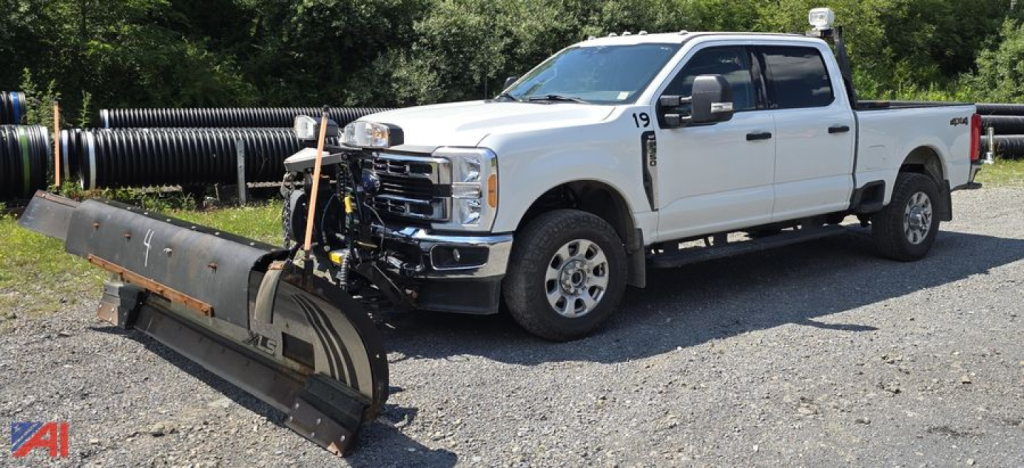
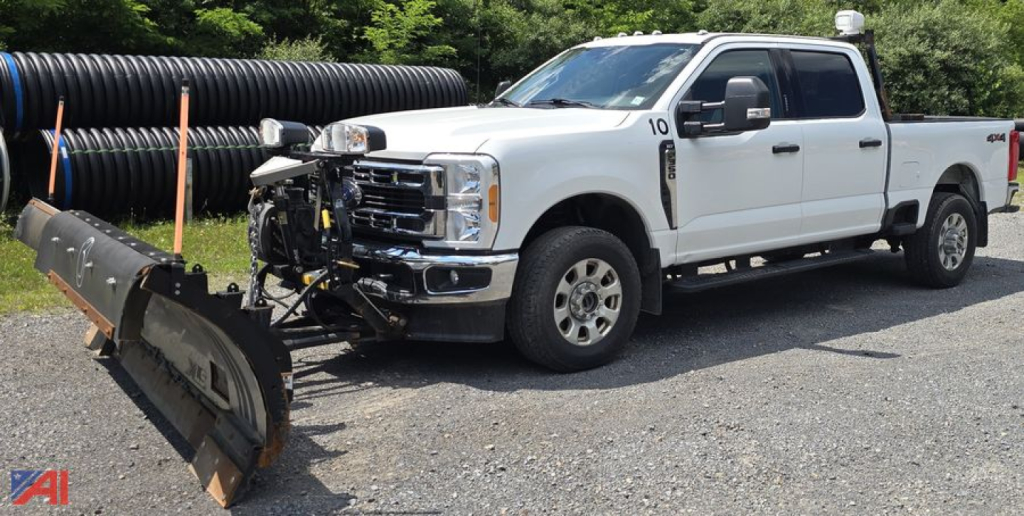
Yes, many 2023 4WD pickups are well suited for plowing, municipal service, and highway department use, but the truck needs the right front axle capacity and equipment package. Buyers should verify plow prep or snow prep packages, alternator output, cooling system capacity, suspension setup, and tire load range. Heavy-duty trucks are commonly preferred for front-mounted plows because they better handle the extra weight and repeated stop-and-go operation. Transfer case performance and corrosion condition also matter in salt-heavy regions.
What is the difference between a 2500 and a 3500 4WD pickup?
A 2500 is typically aimed at heavy general-purpose work, while a 3500 is built for higher payload and more serious trailer pin weight. The 3500 may offer stronger rear suspension, higher GVWR, available dual rear wheel setups, and greater fifth-wheel or gooseneck capability depending on brand and configuration. If the truck will carry a service body, haul dense materials, or tow large equipment trailers consistently, the extra capacity of a 3500 can be a practical advantage rather than an upgrade for its own sake.
How important is axle ratio on a 2023 four-wheel-drive pickup?
Axle ratio has a direct effect on towing performance, launch under load, and highway engine speed. Lower gearing, such as a numerically higher axle ratio, generally improves pulling power and helps with heavy trailers, grades, and off-road work. Taller gearing can improve fuel economy and cruising behavior when the truck is lightly loaded. On a 2023 4WD pickup, axle ratio should be considered alongside transmission gearing, tire size, and engine choice because all of those factors shape how the truck performs in real working conditions.