
2011 Pickup 4wd Trucks For Sale
Shop 2011 4WD pickup trucks with common cab, bed, engine, and towing configurations for work, fleet use, off-road, and all-weather hauling.
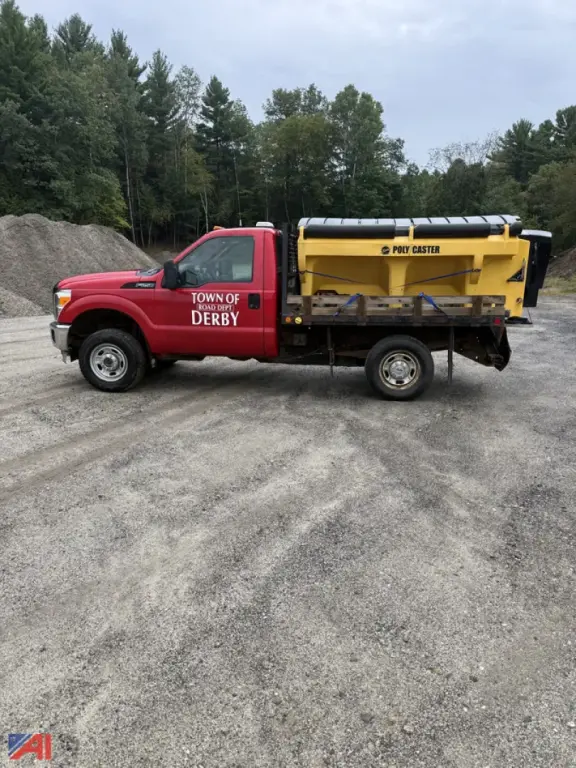
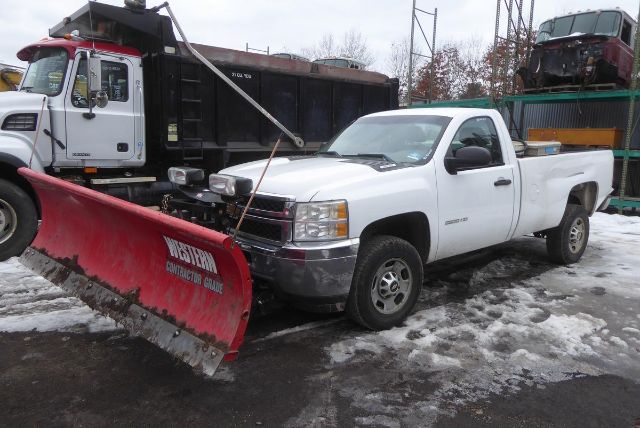
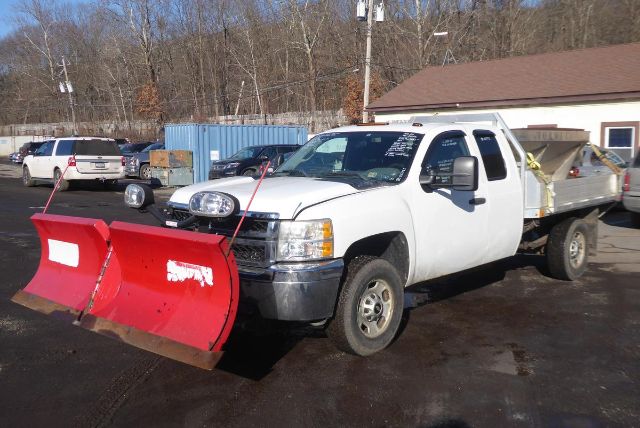
Selling a 2011 pickup 4wd truck? List your 2011 pickup 4wd truck for sale and reach thousands of commercial buyers.
2011 Pickup 4wd Trucks
The biggest buying decision is usually weight class and powertrain. A 2011 half-ton 4WD pickup is typically suited for mixed personal and jobsite use, while 2500 and 3500 series trucks are built for heavier payloads, trailer tongue weight, and more demanding duty cycles. Gas V8 engines were common in this year range, and diesel options remain important for buyers prioritizing torque, sustained towing, and highway efficiency under load. Transmission condition, transfer case engagement, axle ratio, suspension wear, and signs of prior towing or plow service deserve close attention on any 2011 model.
Cab and chassis details matter more than many buyers expect. Crew cabs add passenger room and storage but reduce bed length on some wheelbases, while regular cabs often deliver a simpler, lower-cost work truck setup. Common equipment in this category includes trailer brake controllers, receiver hitches, tow mirrors, bed liners, running boards, limited-slip or locking differentials, and off-road packages. If the truck was used in winter service, inspect the front end, frame, brake lines, rocker panels, and electrical connections for corrosion. On trucks with plows, look closely at front suspension components, charging system upgrades, and evidence of frame or mount stress.
A well-matched 2011 4WD pickup truck can still serve as a dependable work asset when specs line up with the job. Buyers should compare GVWR, payload rating, tow rating, cab style, bed length, engine type, and drivetrain condition instead of shopping by badge alone. Tire size, transfer case operation, 4WD selector function, service records, and underbody condition can tell you as much as the odometer. For buyers balancing price with capability, this model year remains relevant because it offers proven truck platforms, broad parts support, and a wide range of work-ready configurations.
Frequently Asked Questions about 2011 Pickup 4wd Trucks
What should I check first on a used 2011 4WD pickup truck?
Start with the drivetrain and underbody. Confirm that 4WD engages properly in all modes, listen for transfer case or front differential noise, and inspect for leaks at the transmission, transfer case, and axle seals. Check the frame, brake lines, cab corners, rocker panels, and bed supports for rust, especially on trucks from snow-belt regions. Suspension wear, steering play, uneven tire wear, and signs of hard towing or plow use can quickly affect operating cost.
Is a 2011 half-ton pickup enough, or should I step up to a 2500 or 3500 series truck?
That depends on payload, trailer weight, and duty cycle. A half-ton 4WD pickup works well for lighter trailers, mixed commuting, and general contractor use. A 2500 or 3500 series truck is the better fit for heavier equipment trailers, bed-mounted tools, salt spreaders, or frequent towing under load. Buyers should compare the truck’s actual GVWR, axle ratings, payload sticker, and tow rating rather than relying only on the series name.
Are diesel engines worth it in a 2011 4WD pickup?
Diesel power is usually worth considering if the truck will spend a lot of time towing, running long highway miles, or carrying heavier loads. Diesel pickups typically offer stronger low-end torque and better performance under sustained load. Gas engines can still be the better value for lighter-duty service, shorter trips, and lower upfront purchase cost. Engine choice should match the work, maintenance history, and expected annual mileage.
What are common signs that a 2011 pickup was used for snow plowing?
Look for plow mounts, extra wiring at the front bumper, upfitter switches, upgraded alternators, front suspension sag, and uneven front tire wear. Also inspect the frame horns, steering linkage, ball joints, and transmission cooling setup. Trucks that handled plows or sanders can still be solid units, but they often show more front-end wear and greater exposure to corrosion from salt and winter service.
Which cab and bed configuration is best for work use?
The best setup depends on how the truck will be used day to day. A regular cab with a long bed is efficient for carrying tools and materials and usually costs less to maintain. An extended cab provides extra interior storage without the full size of a crew cab. A crew cab works best when the truck carries a full crew or doubles as a personal vehicle, but bed length and turning radius should be weighed against passenger space.