
New Peterbilt Trucks For Sale
Shop new Peterbilt trucks for sale, including medium-duty and vocational models with Cummins power, clean interiors, and durable work-ready specs.
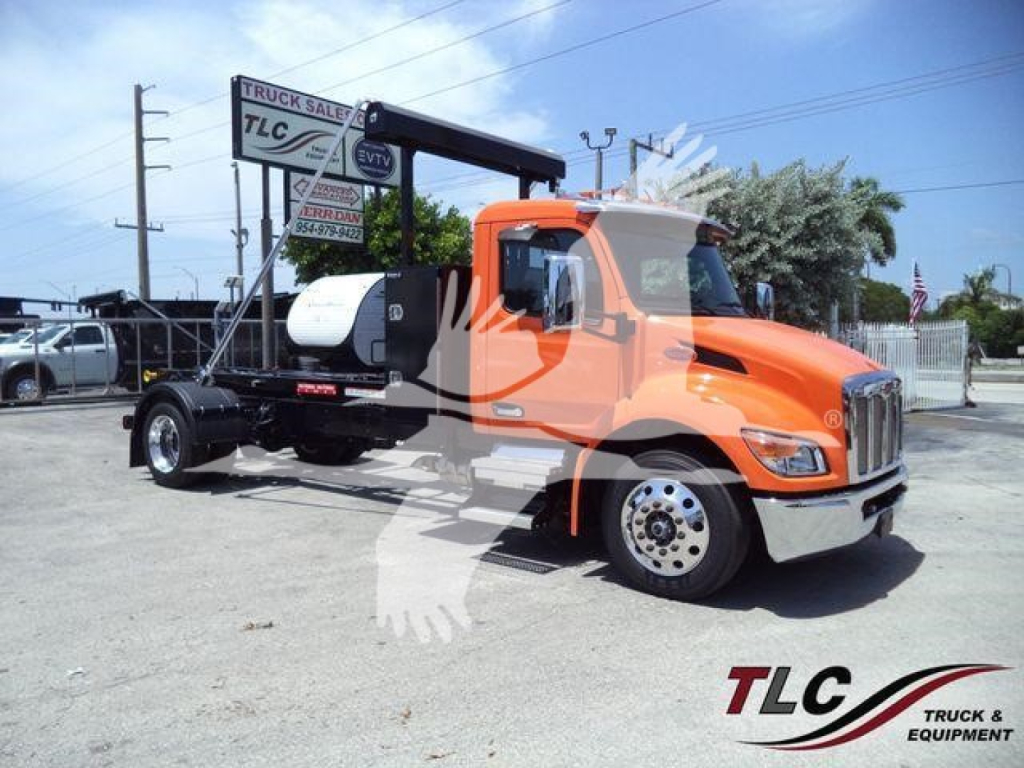
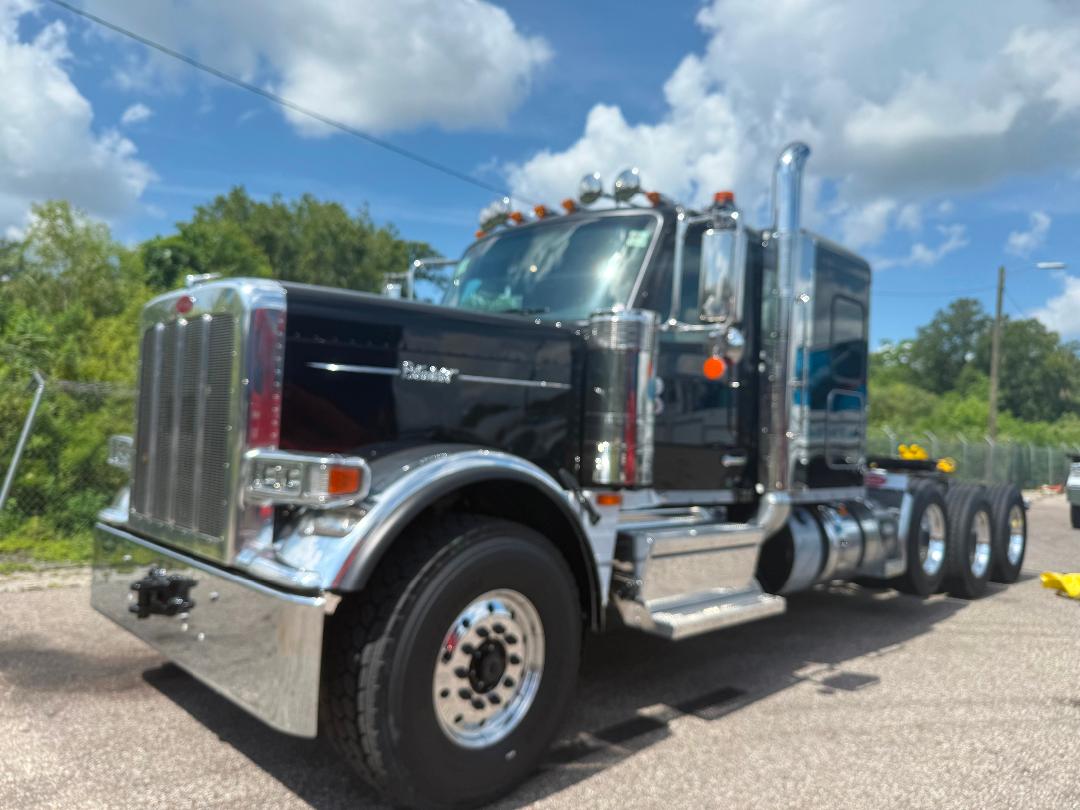
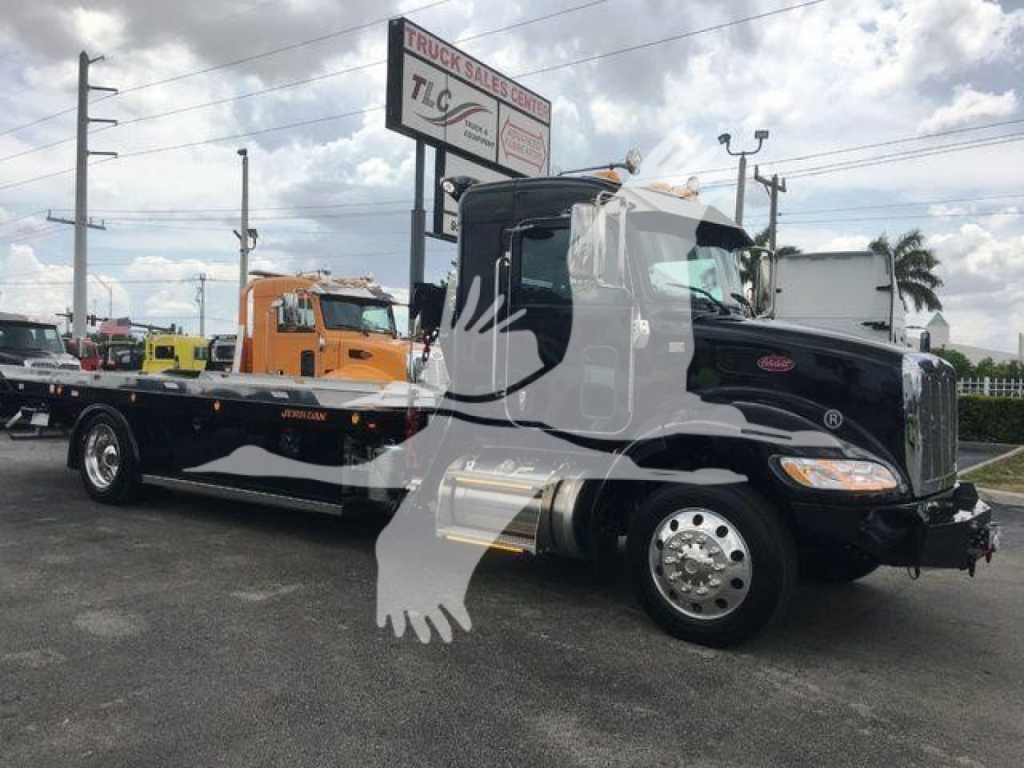
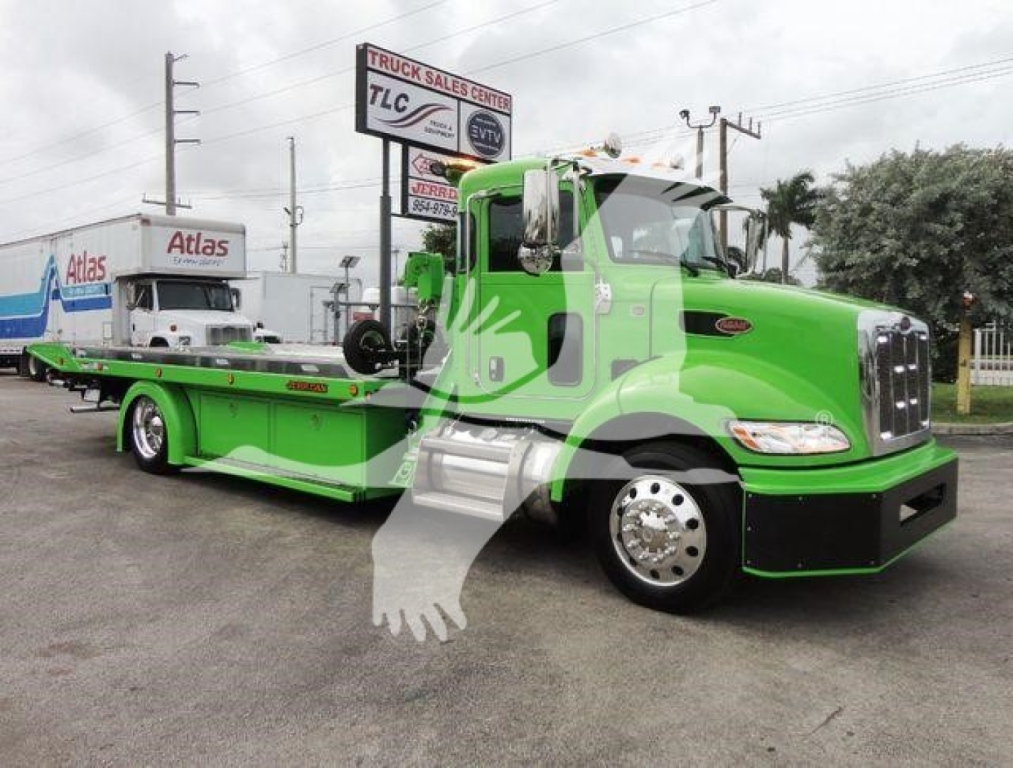
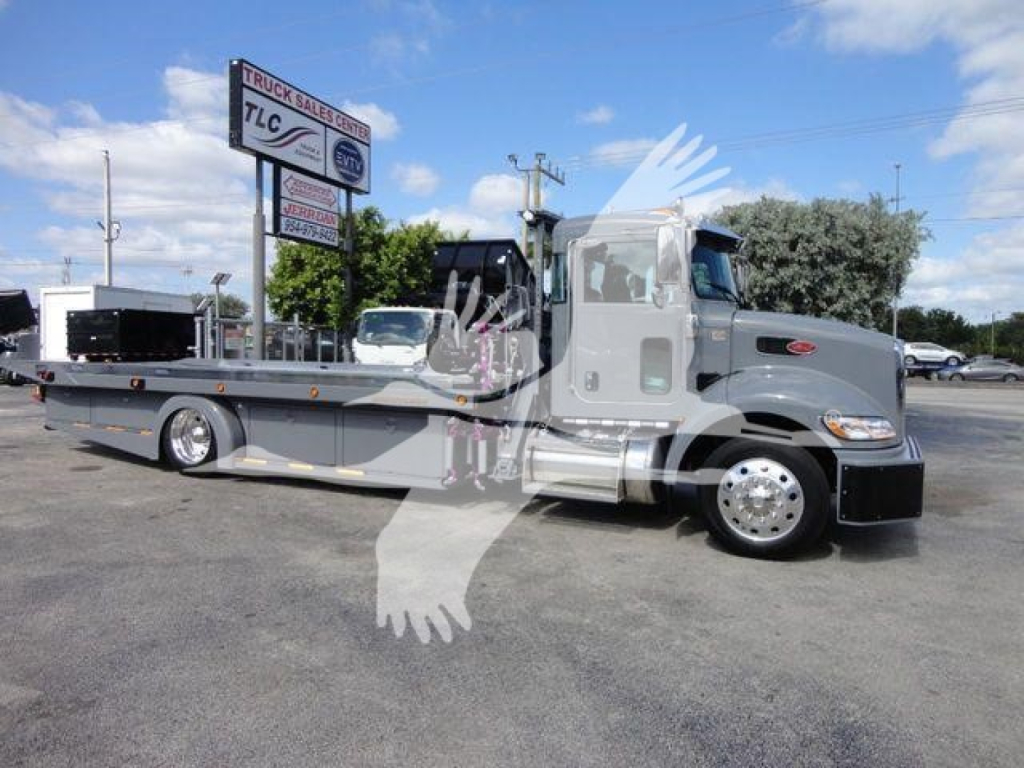
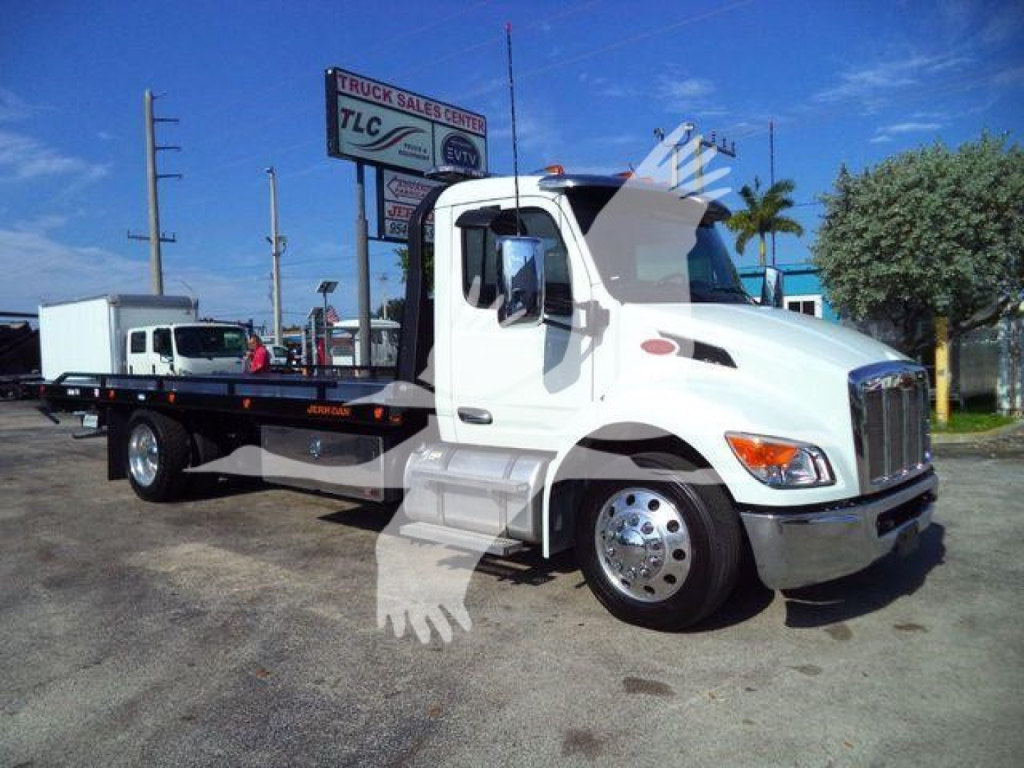
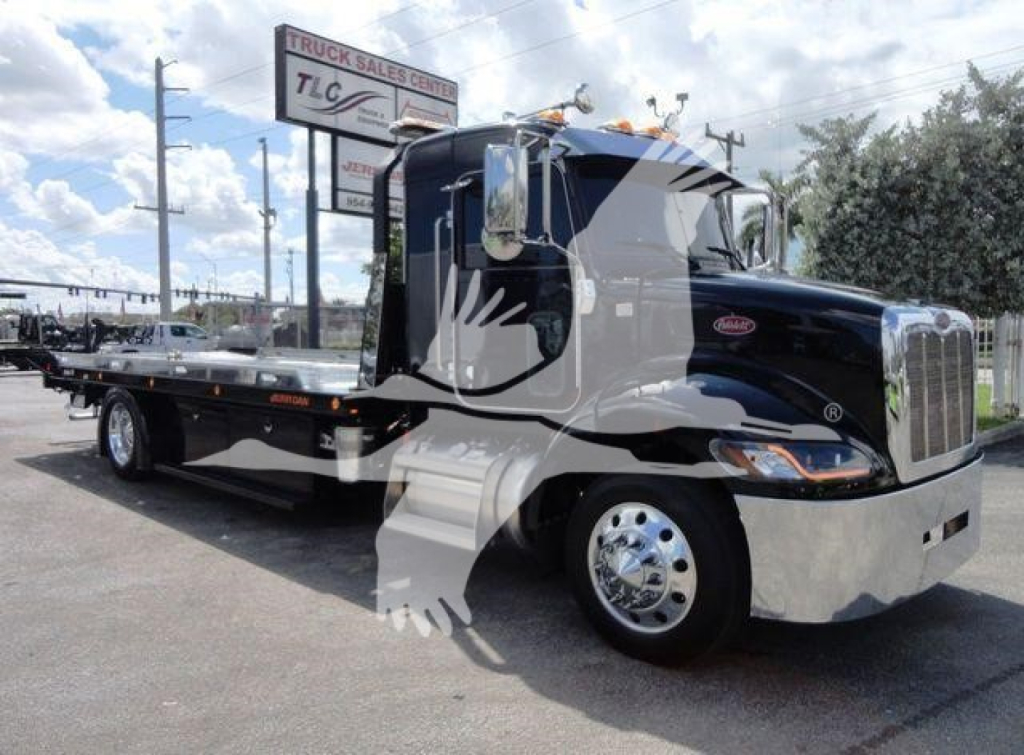

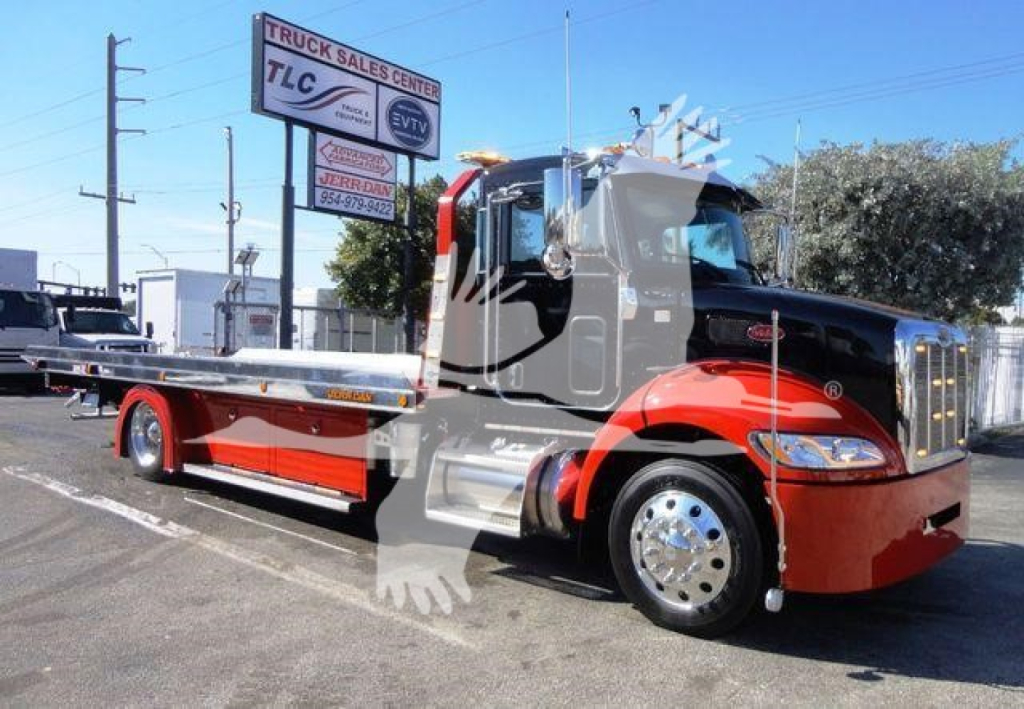
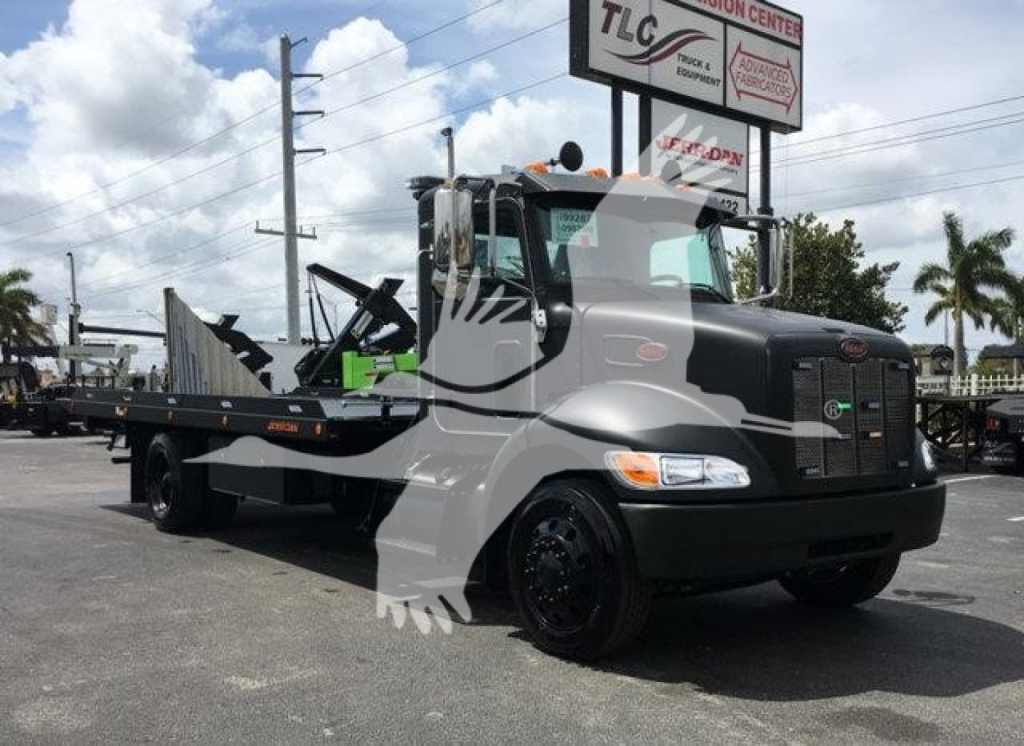
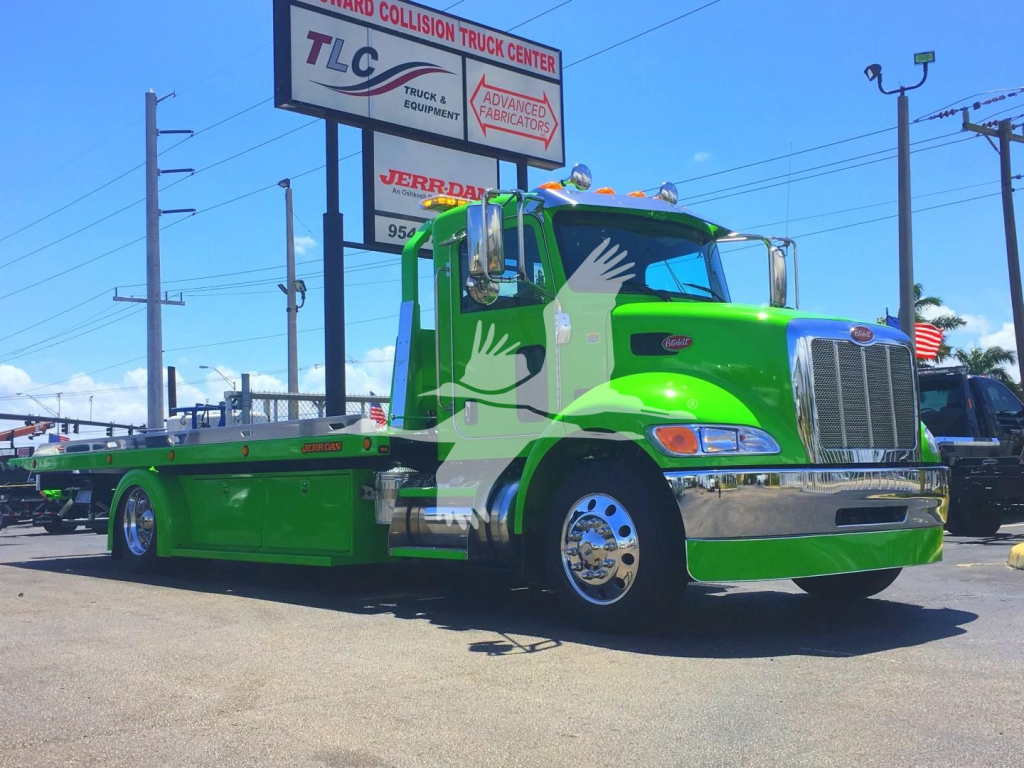
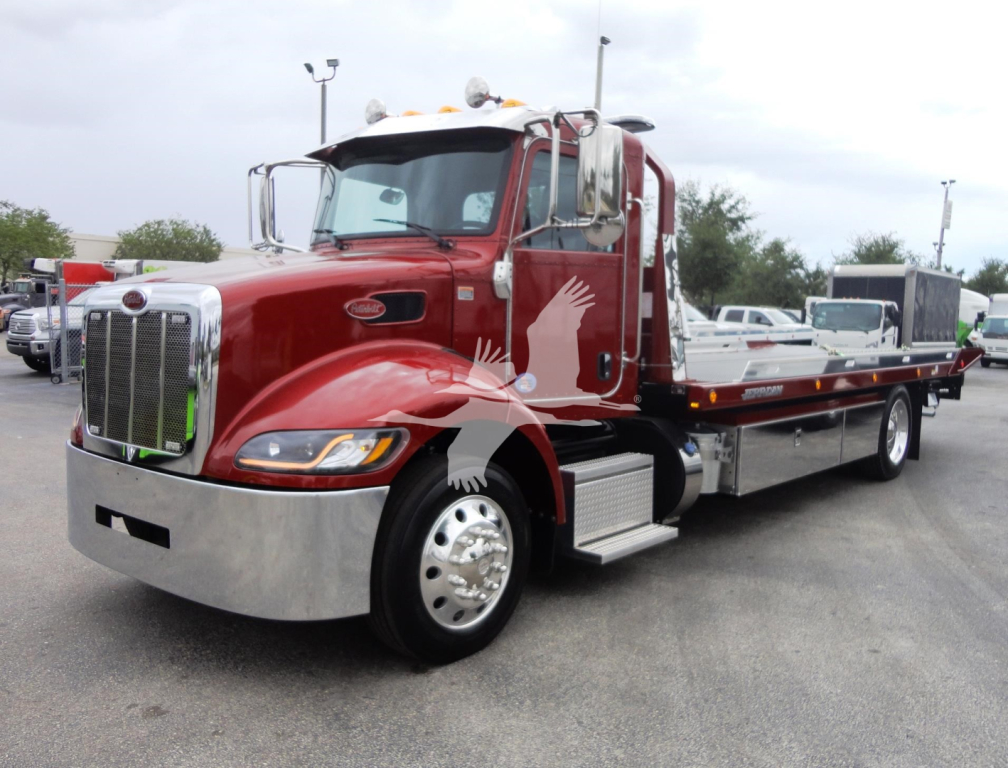
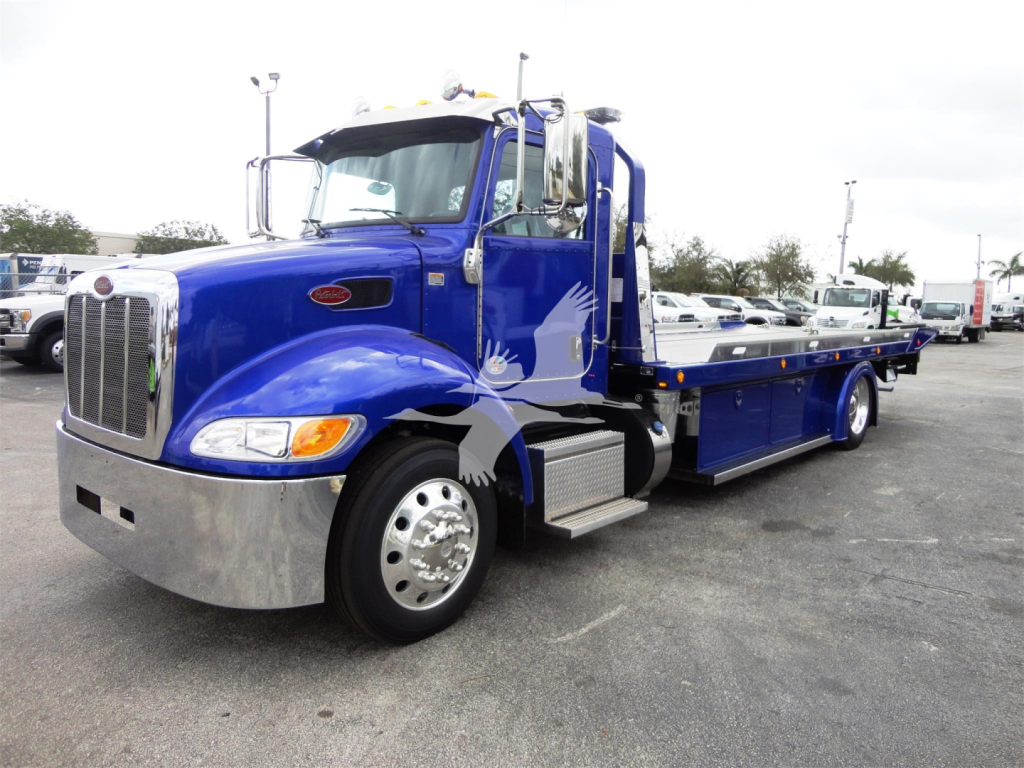
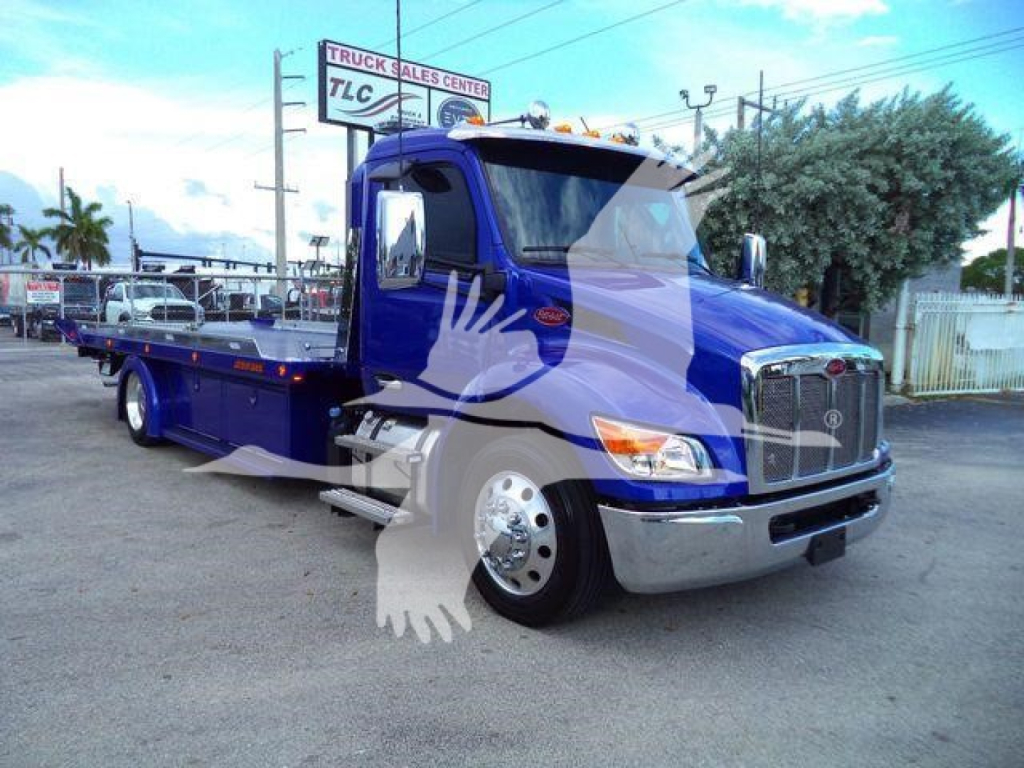
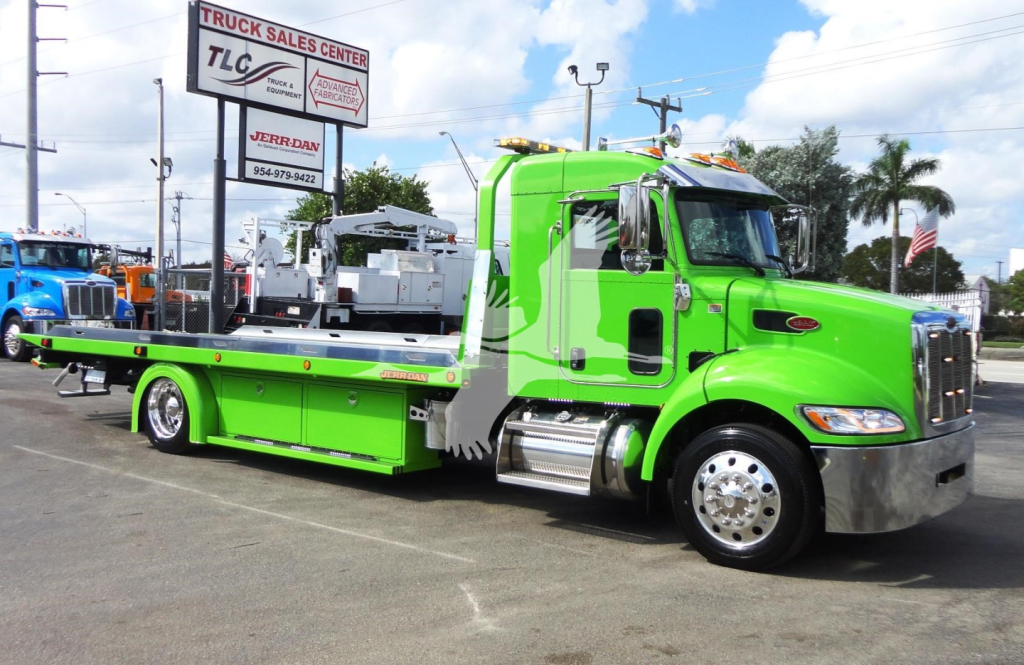
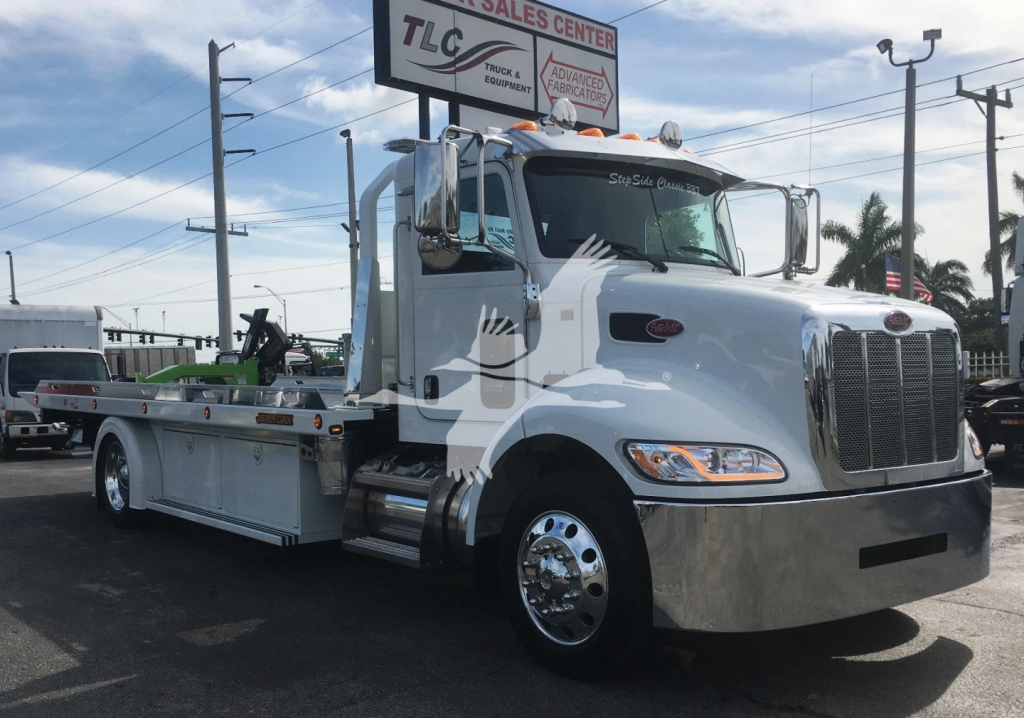
Showing 1 to 24 of 30 results
Have new peterbilt truck to sell? List it here to reach thousands of buyers.
New Peterbilt Trucks
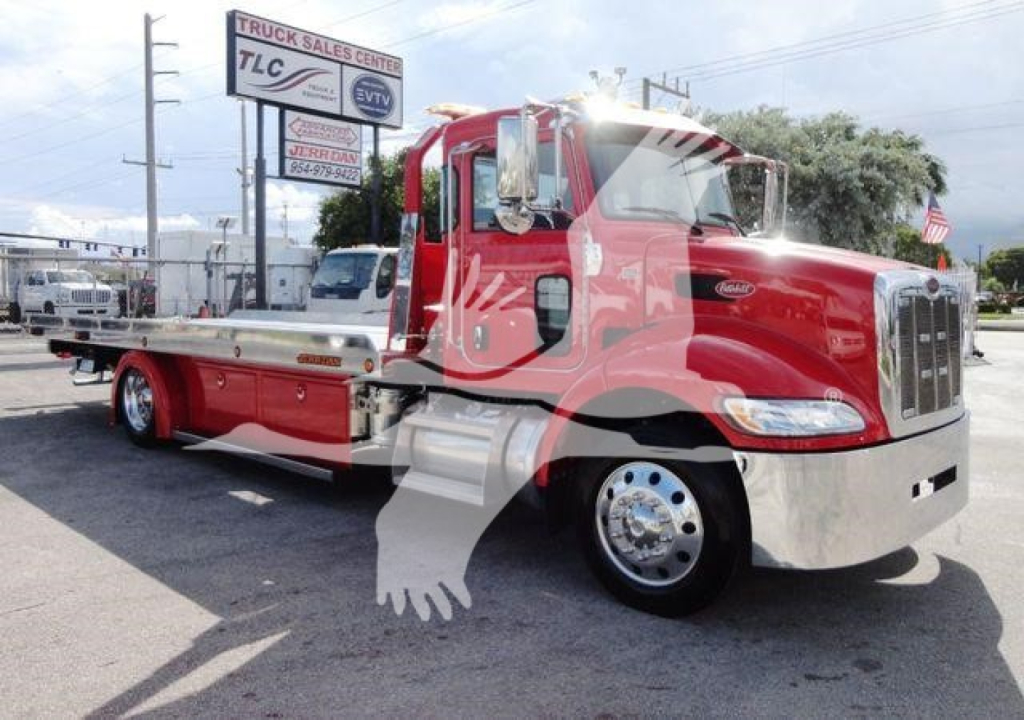
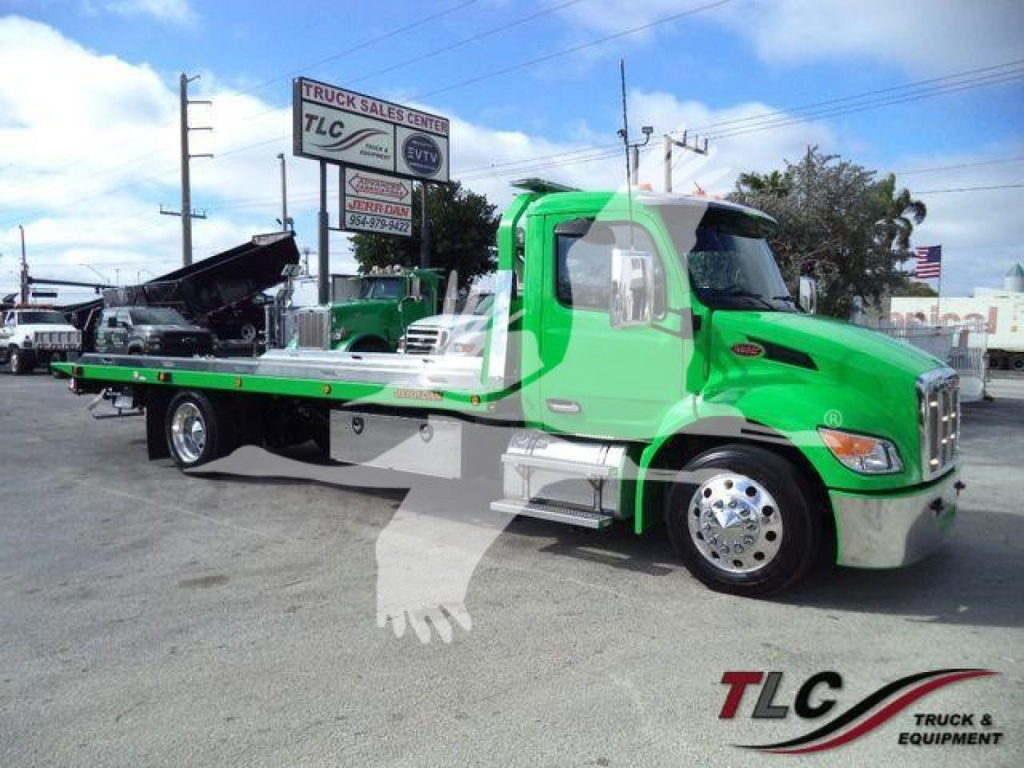
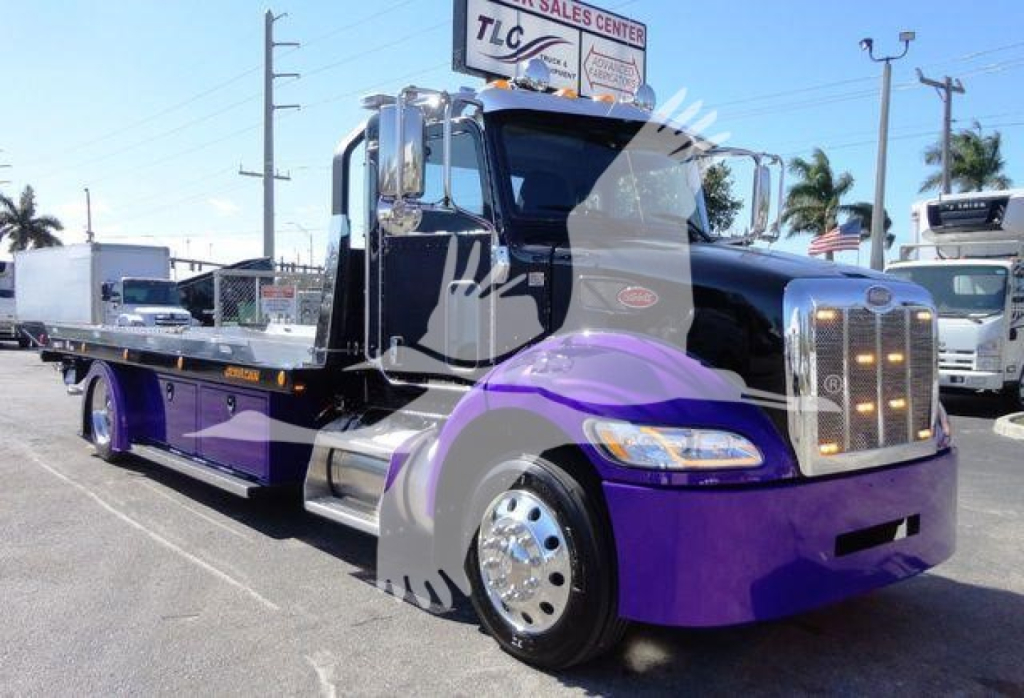
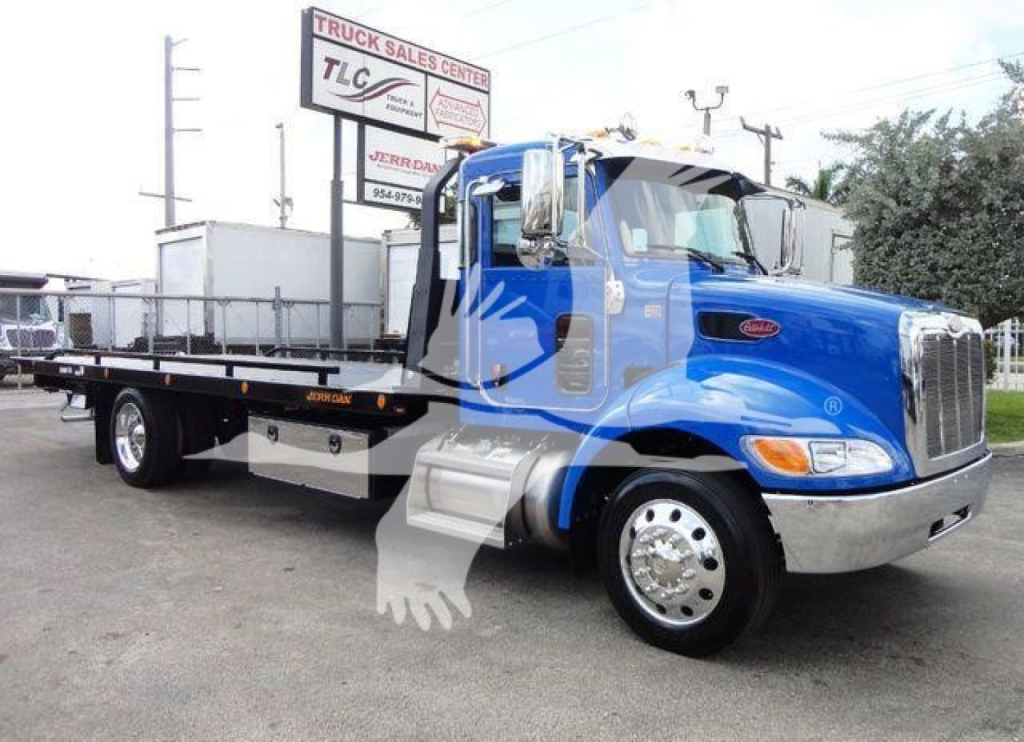
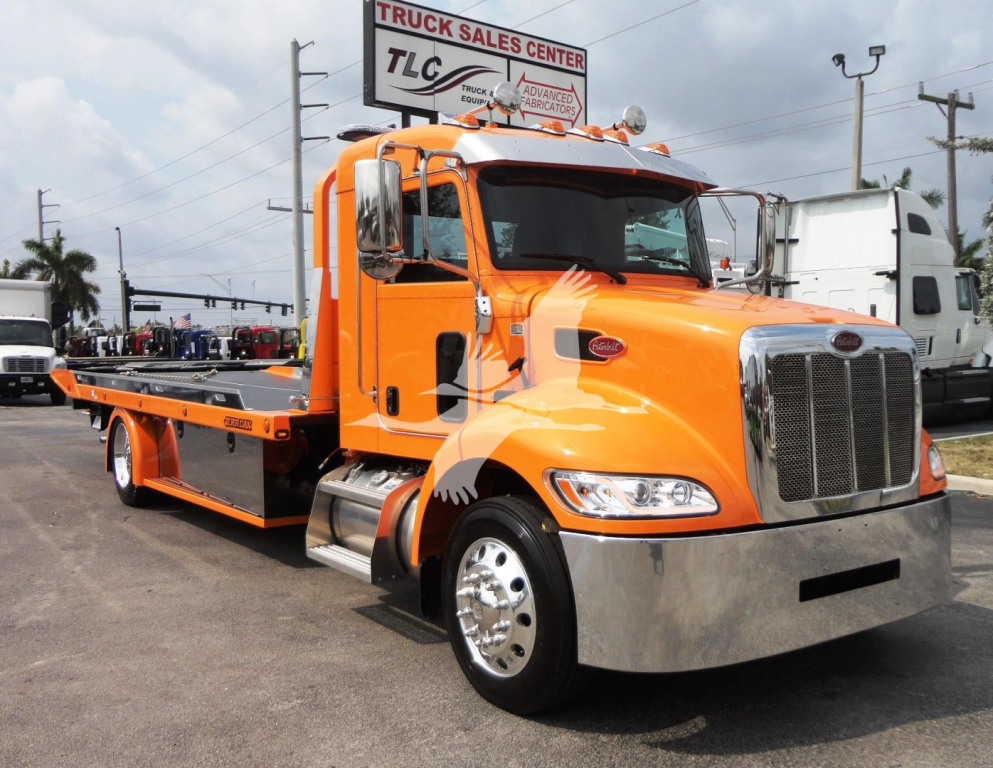
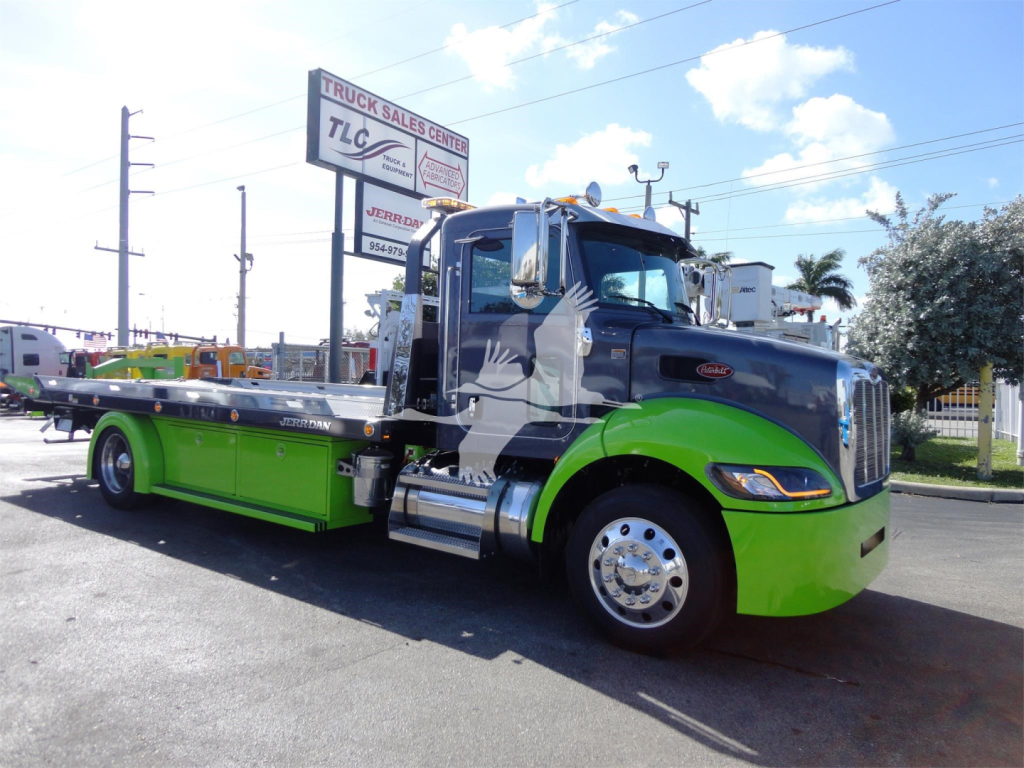
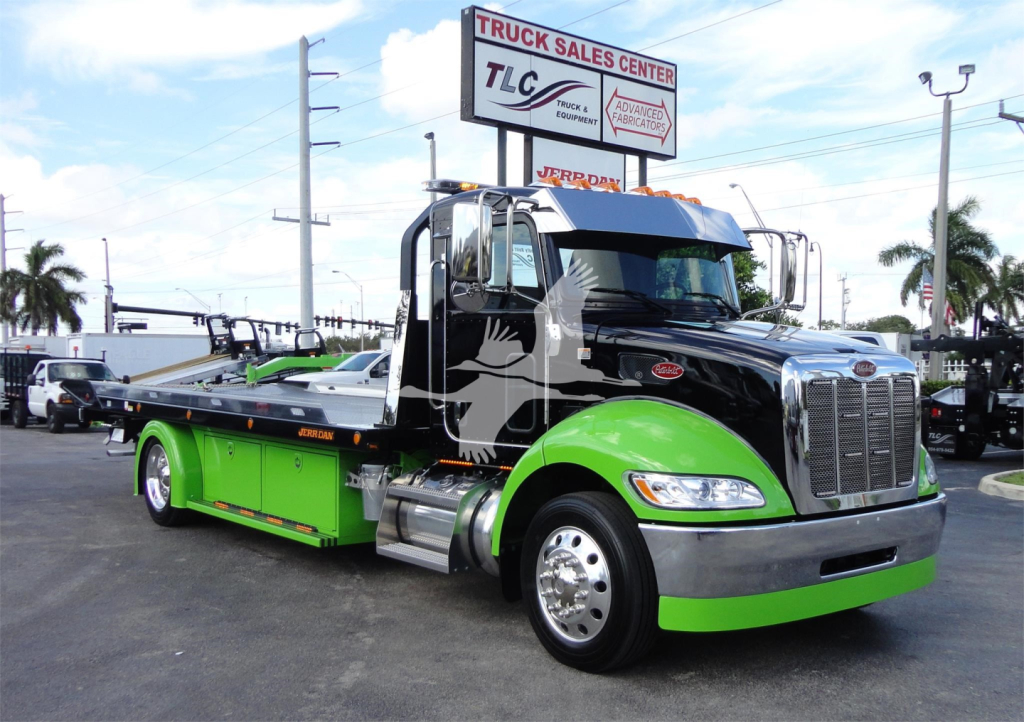
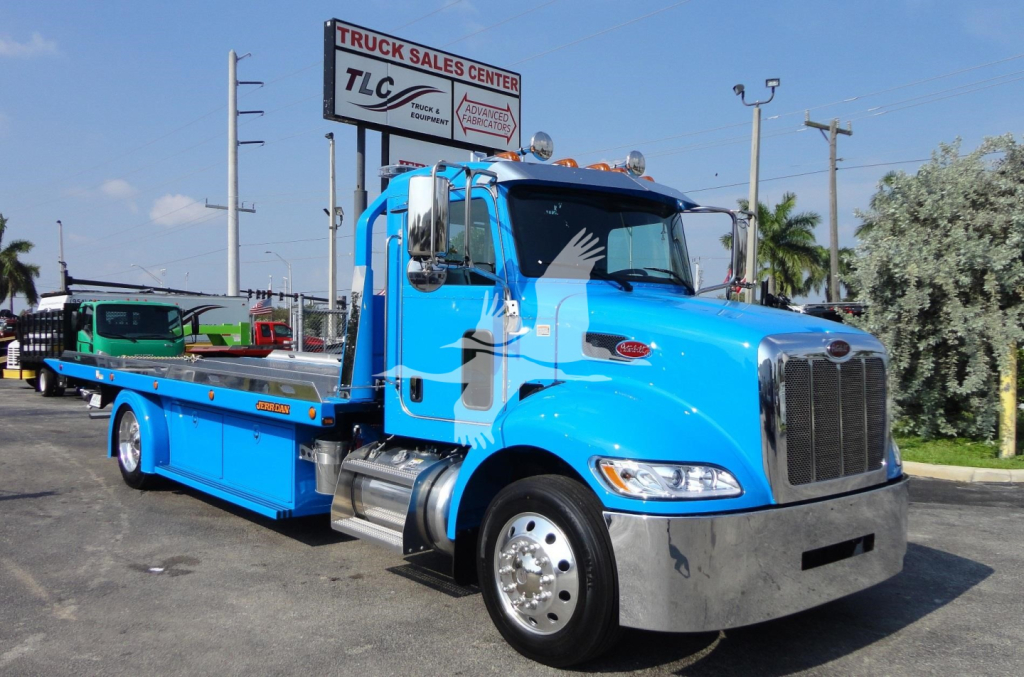
For many buyers, the real decision starts with intended body type and GVWR. Medium-duty Peterbilt trucks are commonly ordered in Class 6 through Class 8 ratings, with diesel power from Cummins and automatic transmissions from Allison or PACCAR/ZF depending on the application. In rollback and carrier use, 4x2 single-axle setups with air brakes, air ride suspension, 22.5-inch rubber, and front axles around 10,000 lbs are common. Rear axle ratings in the 19,000 to 20,000 lb range are typical on 26,000 GVWR builds. If the truck will spend its life in stop-and-go urban service, transmission programming, wheelbase, turning radius, and PTO compatibility deserve as much attention as horsepower.
Cab configuration and vocational upfit integration are also important on a new Peterbilt. Standard cabs are common when body length is the priority, while extended cabs add secure interior storage and more room for crews, gear, and recovery equipment. Buyers comparing new Peterbilt trucks should look closely at frame layout, clear back-of-cab dimensions, suspension type, fuel tank placement, and electrical provisions for body builders. On tow and carrier chassis, common specs include low-profile tires, polished or aluminum wheels, engine brakes, heated power mirrors, air ride seats, and factory-ready switch integration for lighting and hydraulic controls. A well-spec'd new chassis reduces upfit complications and helps protect payload, drivability, and service access.
Peterbilt's value is strongest when the spec matches the route and the body. A truck that looks right on paper can still be wrong if axle spacing, cab-to-axle measurement, or suspension capacity does not fit the equipment being installed. Buyers should also weigh warranty coverage, emissions system service access, cooling package size, and the availability of local parts and dealer support. New Peterbilt trucks generally command attention because they combine brand reputation, operator appeal, and application flexibility, but the best purchase is still the one built around duty cycle, legal weight, and body integration from day one.
Frequently Asked Questions about New Peterbilt Trucks
What are the most common applications for new Peterbilt trucks?
New Peterbilt trucks are widely used in towing, rollback service, box truck delivery, dump work, utility fleets, municipal service, refuse, and regional hauling. Medium-duty models such as the 337 and 536 are especially common in vocational applications where maneuverability, body-builder compatibility, and a premium cab are important. The right application depends on GVWR, axle ratings, wheelbase, and how the chassis will be upfitted.
What engine and transmission options are common on new Peterbilt medium-duty trucks?
Cummins diesel engines are common in new Peterbilt medium-duty trucks, often paired with Allison automatic transmissions or PACCAR/ZF automated options depending on the model and build. In vocational service, buyers often prioritize low-end torque, simple operation, PTO compatibility, and service familiarity over peak horsepower. Matching the powertrain to stop-and-go duty cycles, terrain, and body weight is more important than choosing the highest advertised rating.
How do I choose the right new Peterbilt truck for a vocational body?
Start with the body manufacturer’s requirements for cab-to-axle, frame space, axle ratings, PTO needs, and total installed weight. Then confirm the truck’s GVWR, suspension, fuel tank placement, and wheelbase will support the body without compromising turning radius or service access. On rollback, wrecker, dump, and utility builds, proper chassis-body integration matters more than cosmetic options because it affects payload, durability, and legal compliance.
Are new Peterbilt trucks a good choice for driver retention and resale?
Peterbilt has long held strong appeal with both owner-operators and fleet drivers because of its styling, cab comfort, and brand reputation. That matters in vocational markets where drivers spend long hours in the truck and presentation can influence customer perception. Strong resale is also part of the equation, but resale depends heavily on clean specs, maintenance history, engine choice, and how closely the truck matches common market demand.
What specs should I pay closest attention to on a new Peterbilt truck?
Focus on GVWR, front and rear axle ratings, wheelbase, cab-to-axle measurement, engine output, transmission type, brake system, suspension, and tire size. If the truck will be upfitted, also review frame layout, PTO provisions, electrical interface points, and body-builder clearances. These core specs determine whether the truck will carry the intended body correctly, stay legal on weight, and remain easy to service over the life of the unit.