
New 2027 Commercial Trucks For Sale in Georgia
Shop new 2027 trucks for sale in Georgia, including medium-duty and heavy-duty models for vocational, regional, and long-haul work.
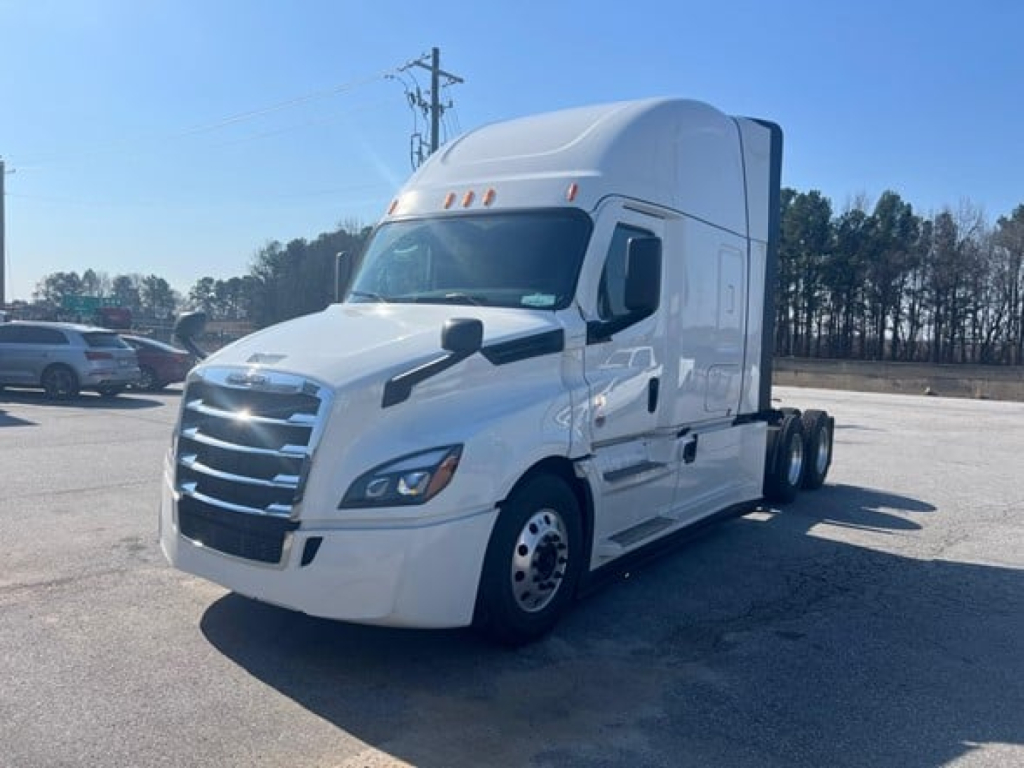
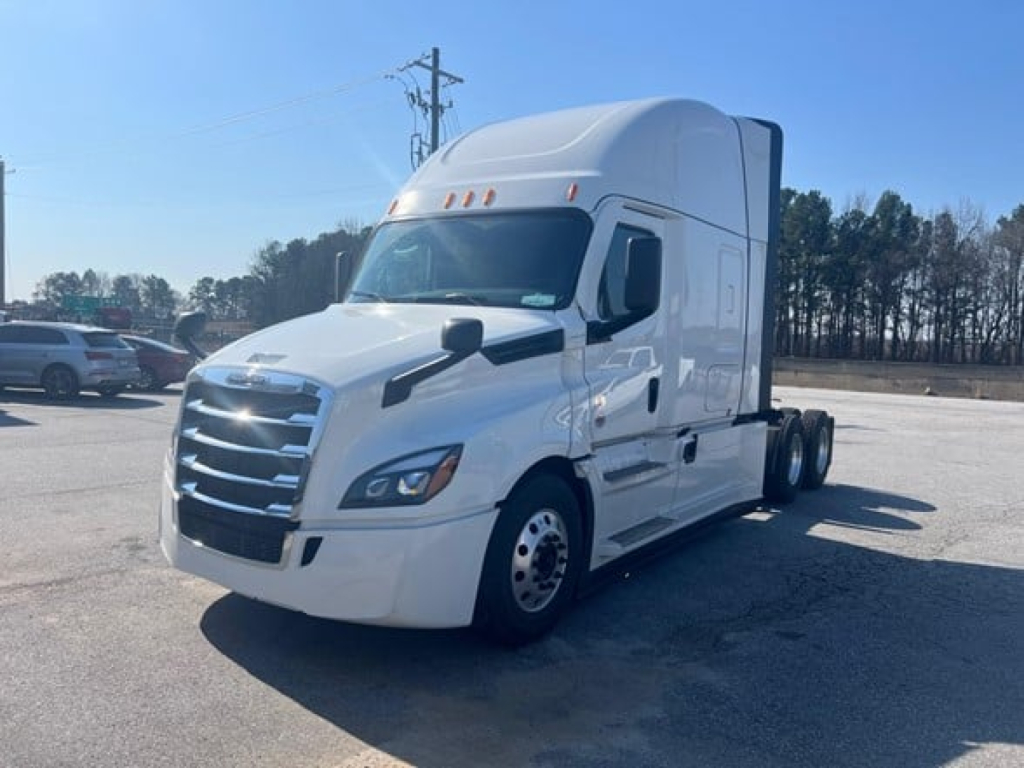
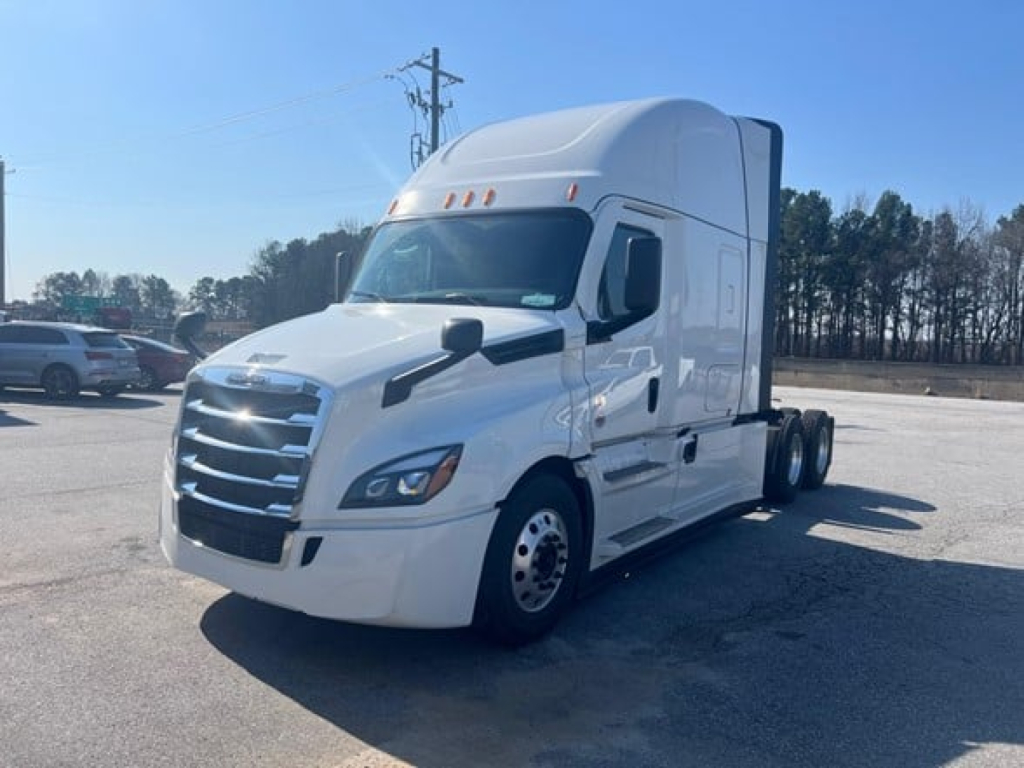
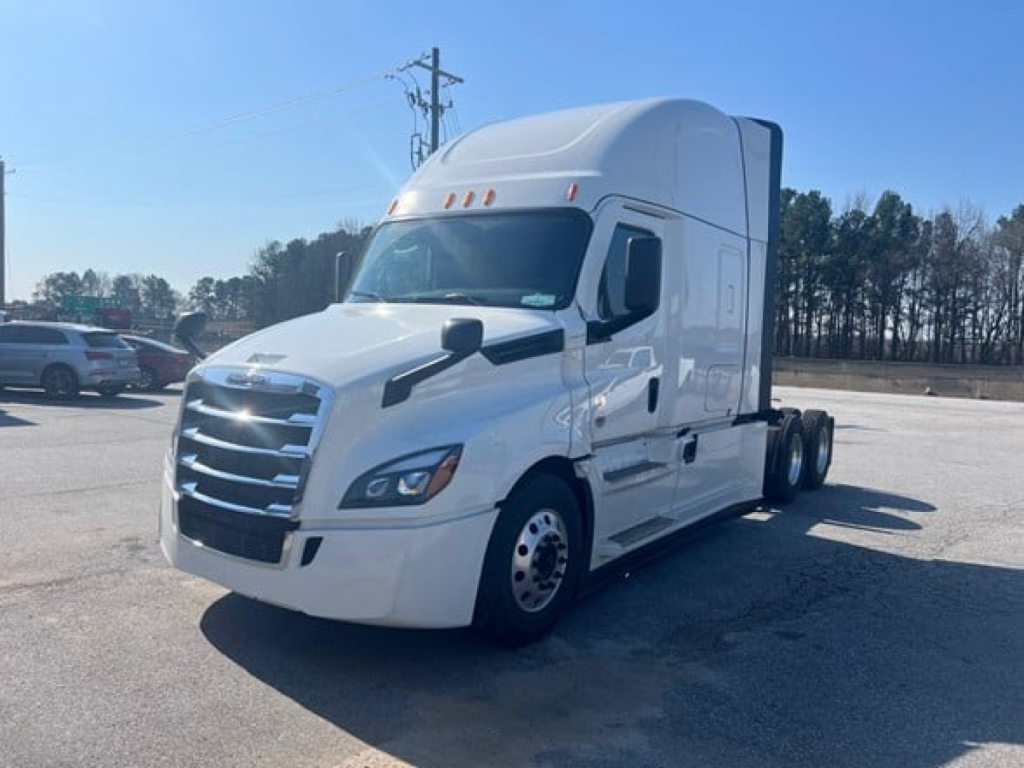
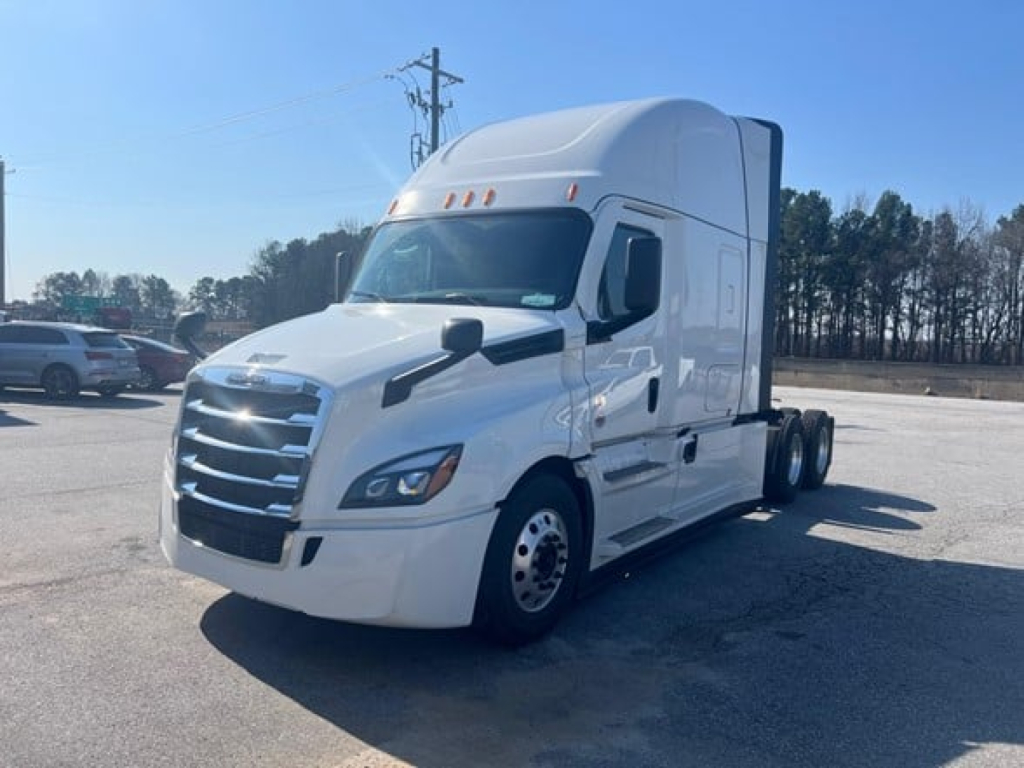
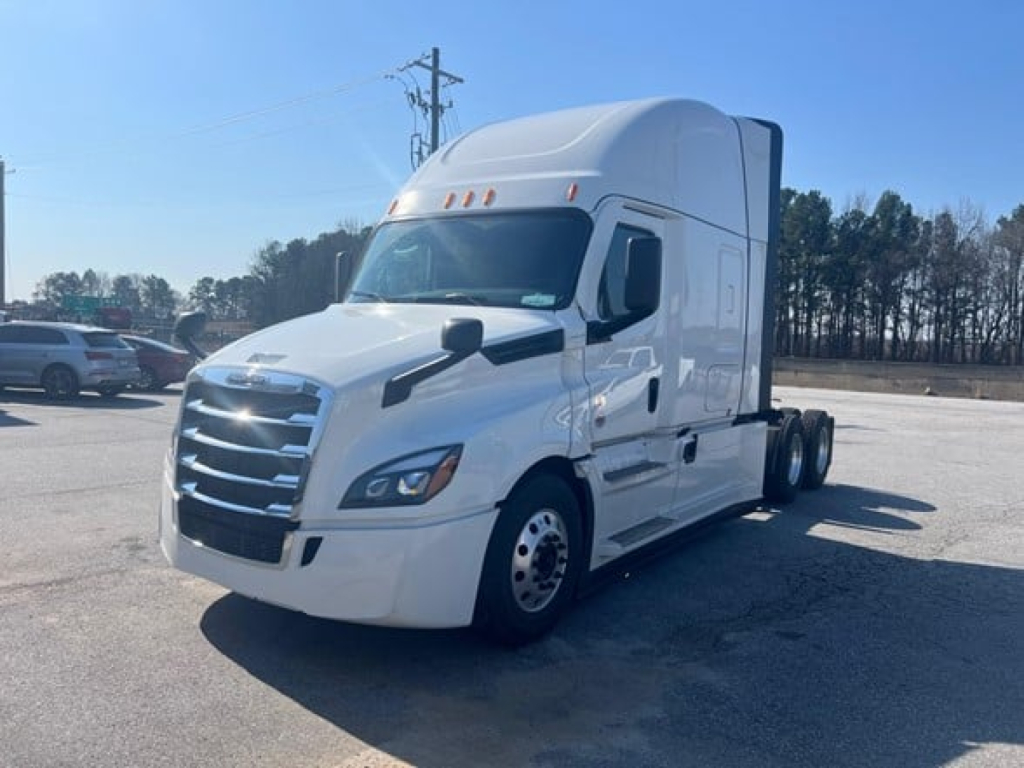
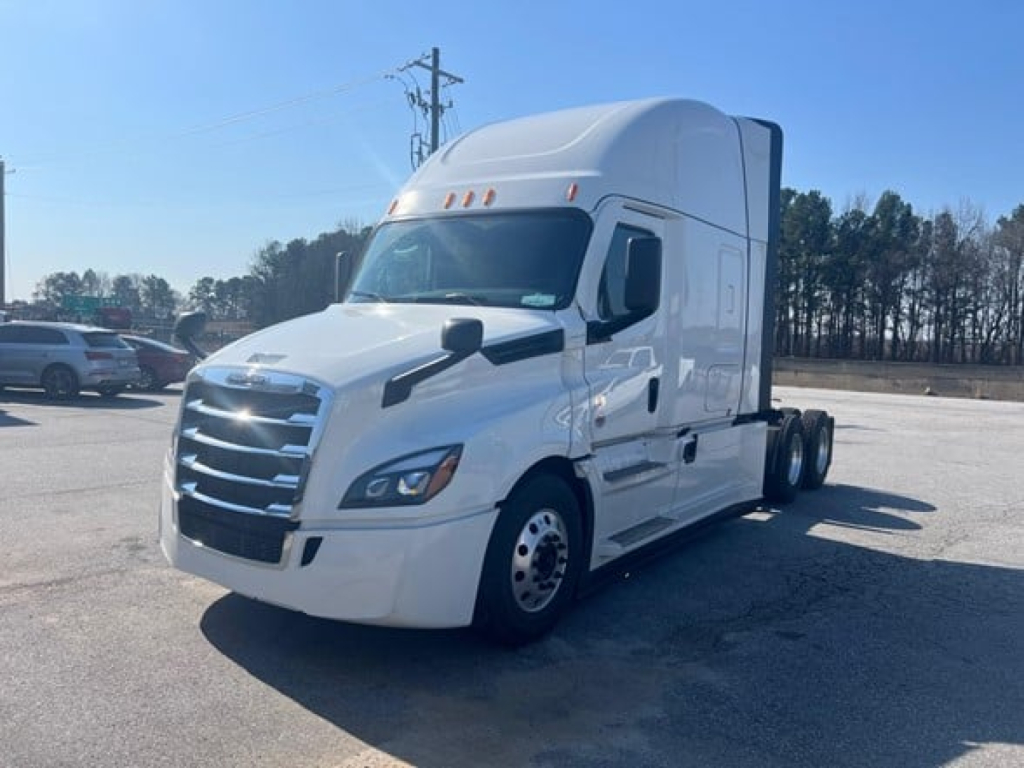
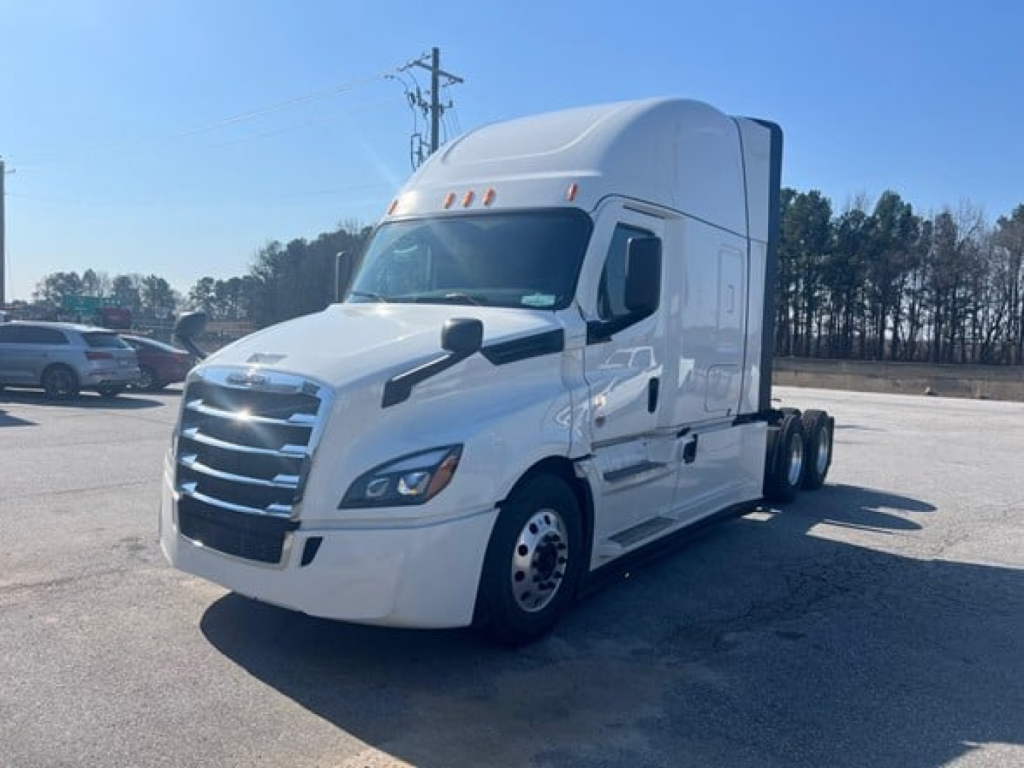
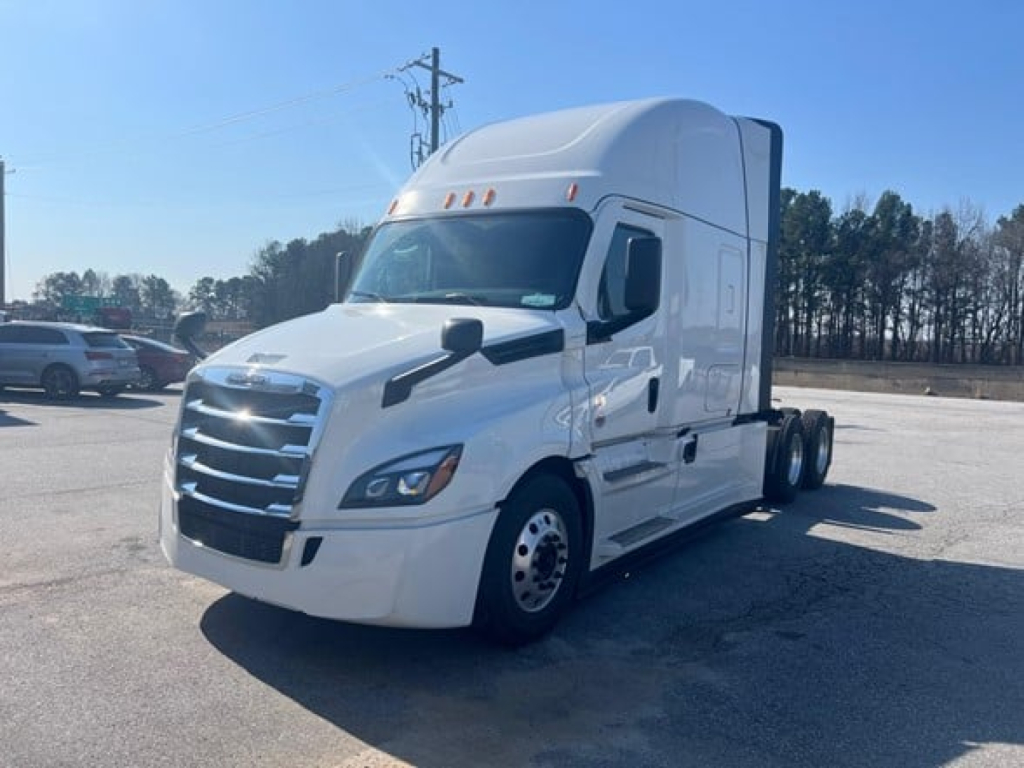
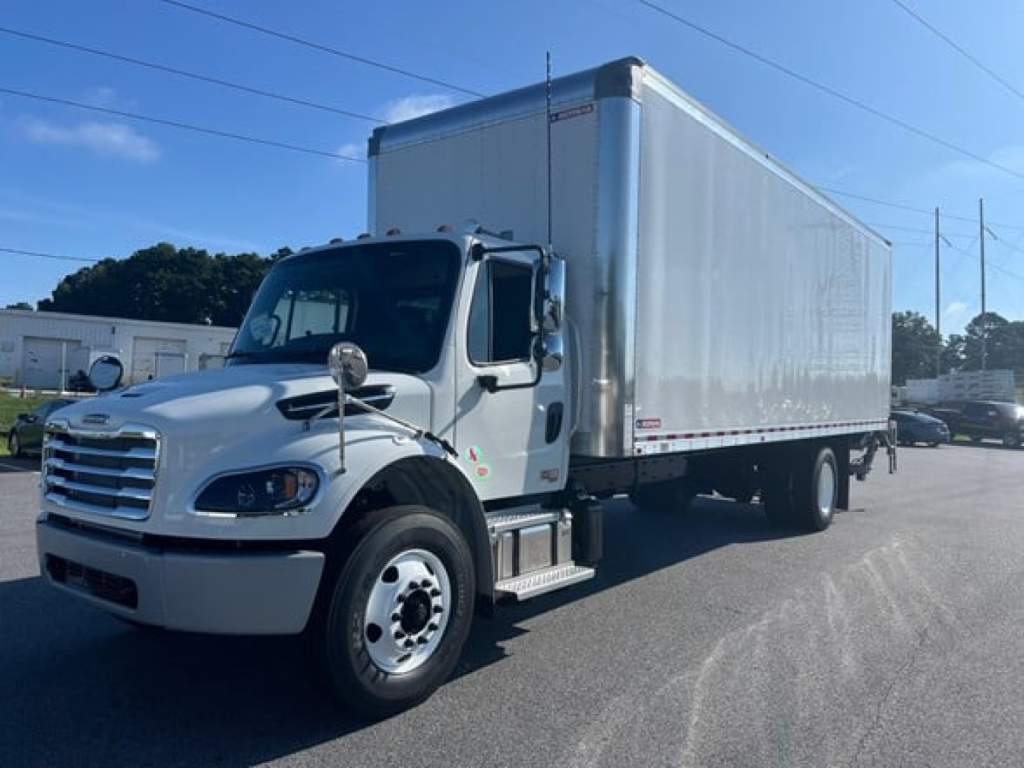
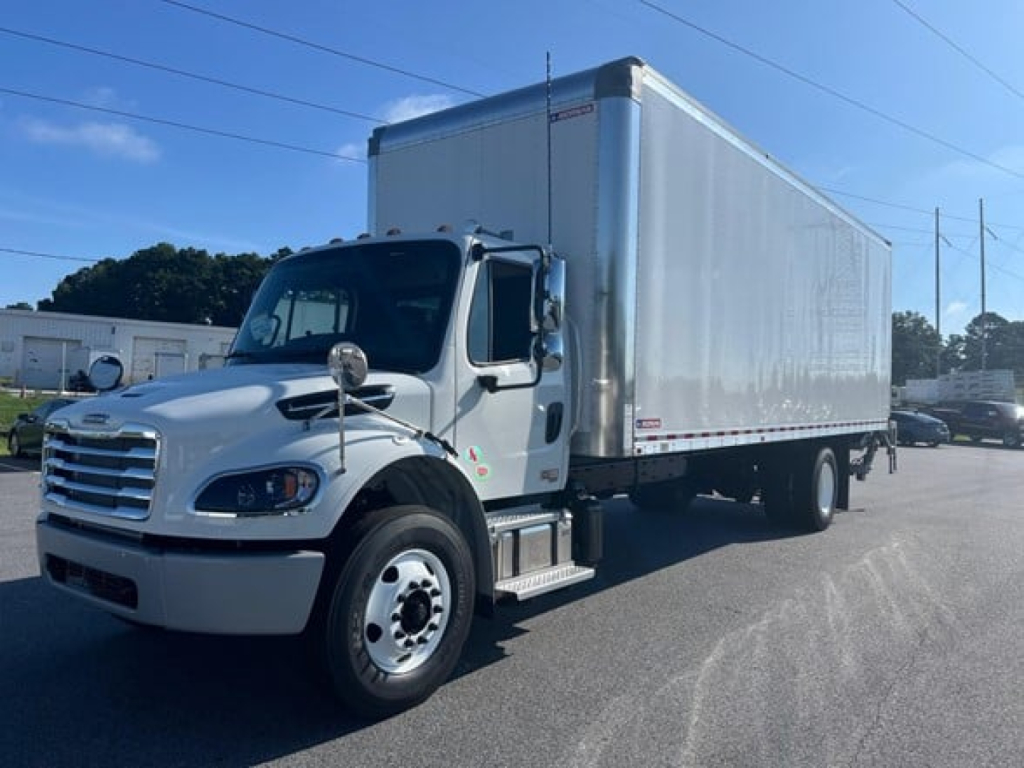
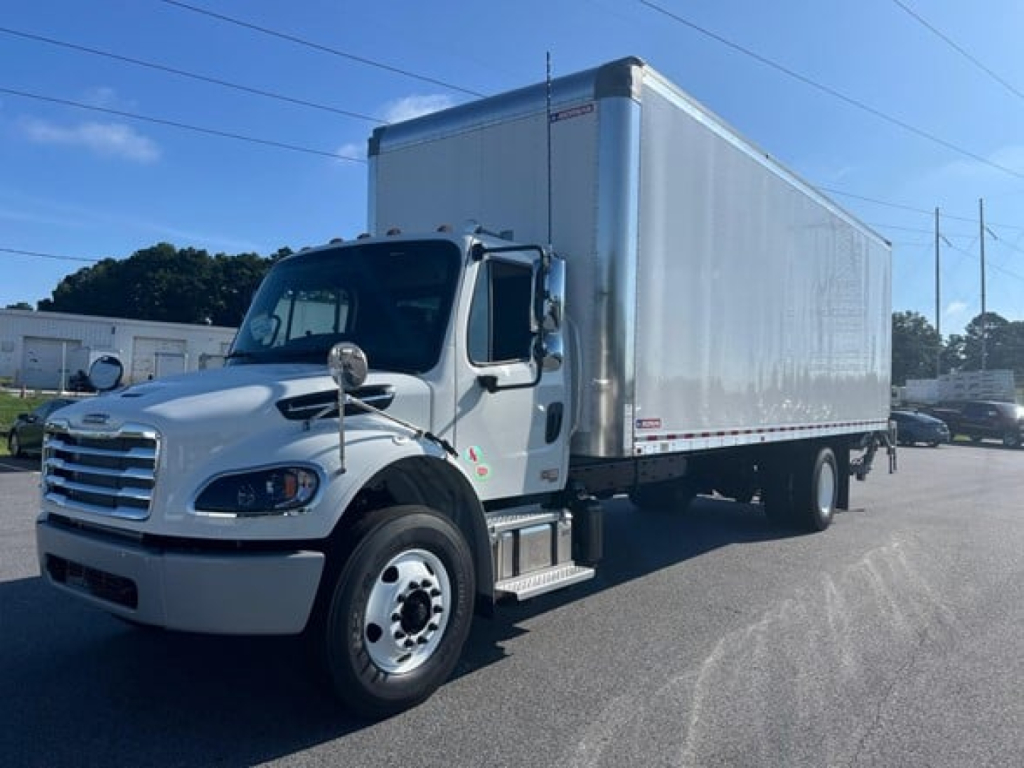
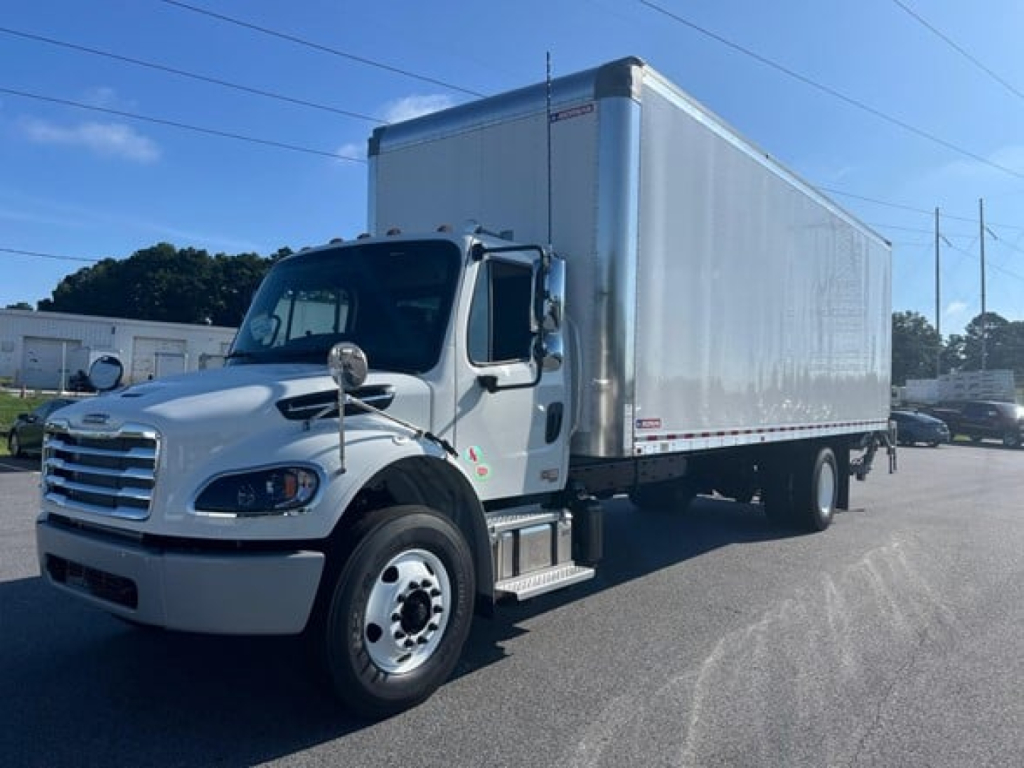
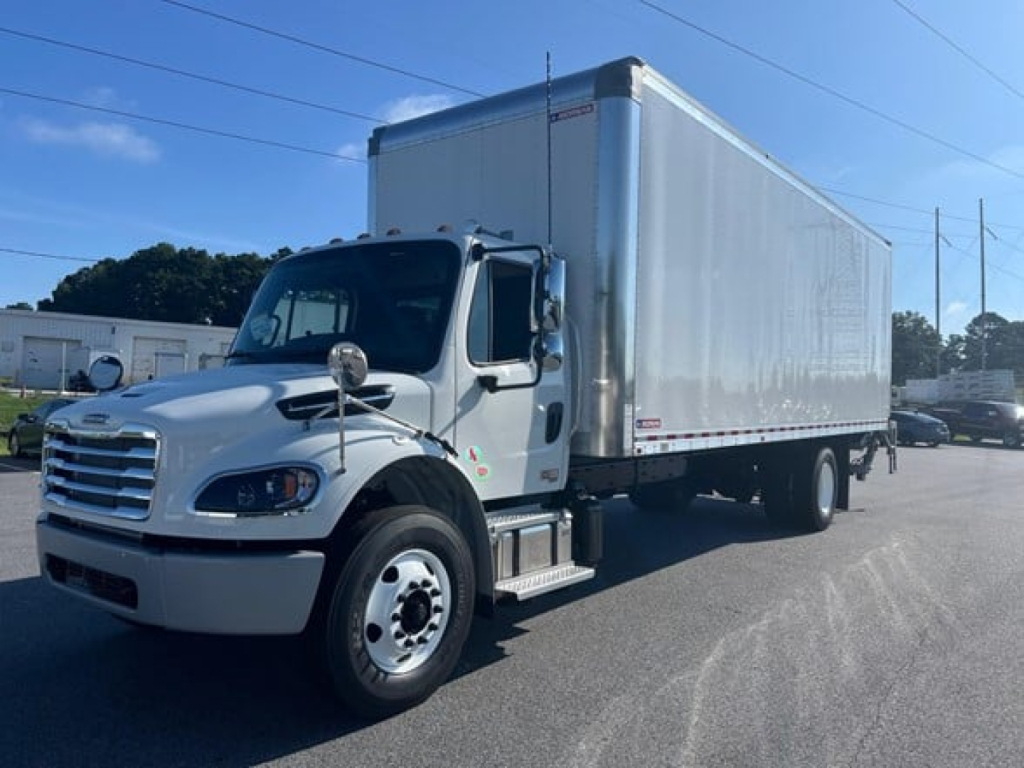
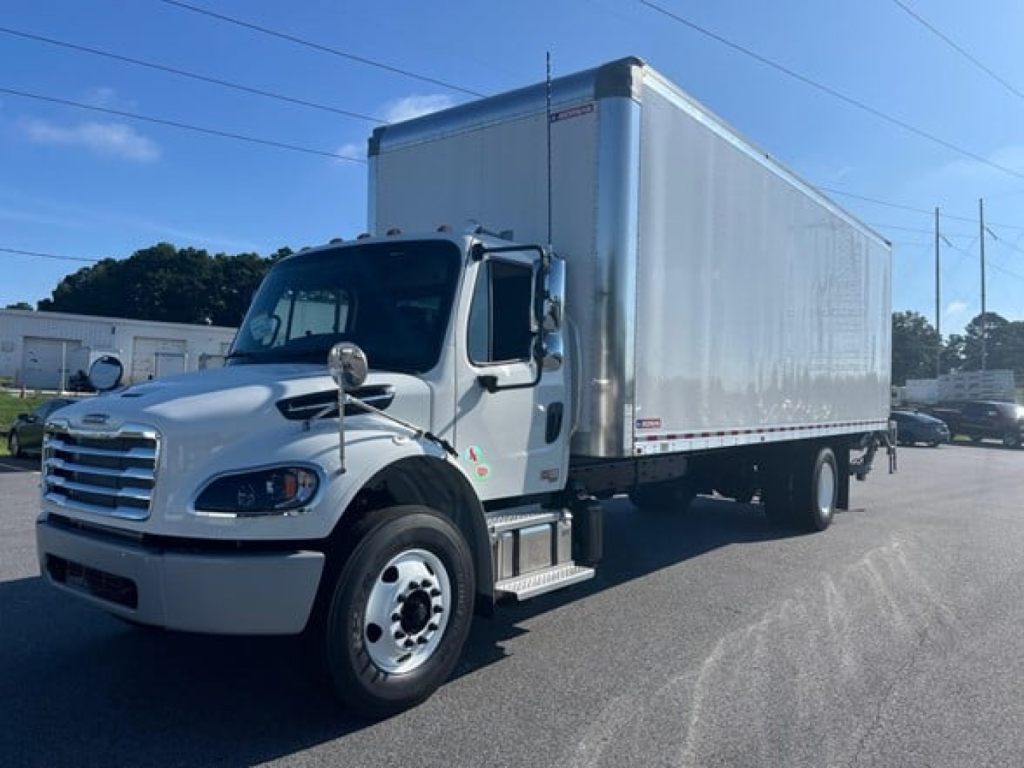
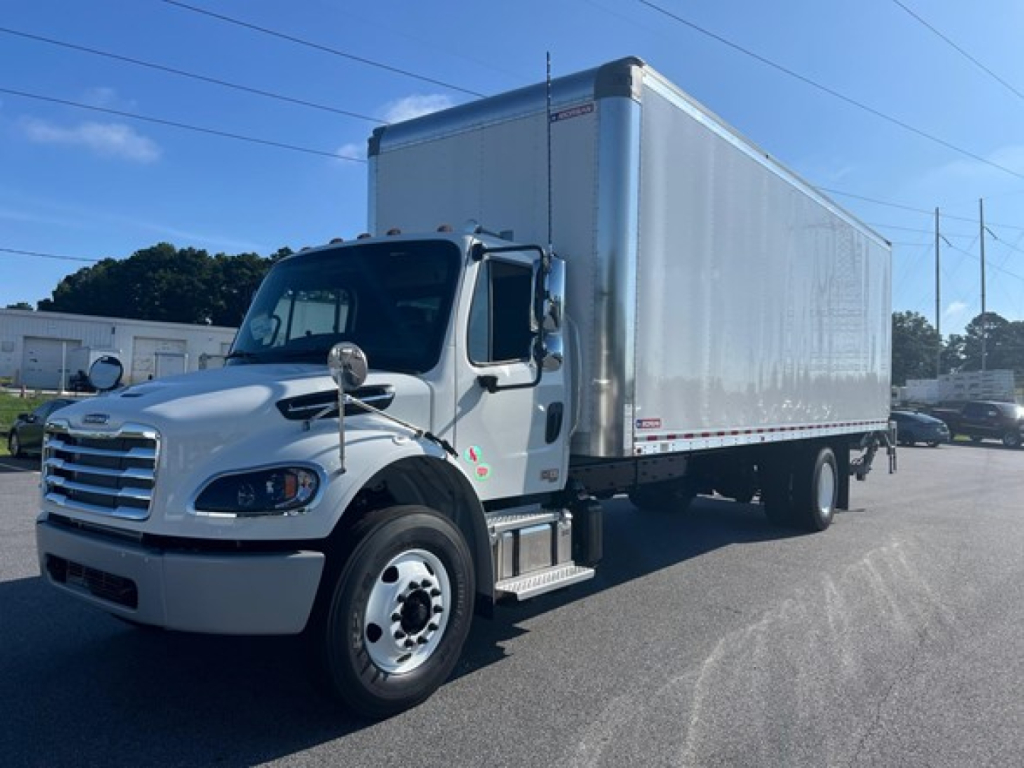
Showing 25 to 41 of 41 results
Have new 2027 commercial truck to sell? List it here to reach thousands of buyers.
New 2027 Commercial Trucks in Georgia
The powertrain decision drives long-term operating cost as much as purchase price. New 2027 trucks commonly feature diesel engines from Cummins, Detroit, and major OEM platforms, paired with Allison automatic transmissions or automated manual transmissions such as the DT12 in highway tractors. Medium-duty buyers often focus on GVWR, rear axle ratio, wheelbase, PTO readiness, and body upfit dimensions for mechanics trucks, refrigerated bodies, stake beds, or box trucks. Heavy-duty buyers usually zero in on horsepower, torque, suspension type, front axle set-back or set-forward layout, and wheelbase to match trailer swing clearance, bridge law targets, and expected payload.
Georgia fleets and owner-operators also pay close attention to cooling performance, corrosion resistance, and driver-assistance features because trucks here may see dense metro traffic, hot summer temperatures, and a mix of interstate and jobsite use. Air ride suspension is common on regional and long-haul specs, while spring suspension still has a place in dump and severe-service applications. Aluminum wheels, collision mitigation systems, lane departure warning, adaptive cruise control, cameras, and side object detection are increasingly common on new models. For refrigerated and delivery applications, reefer capacity, body insulation, door configuration, and liftgate or ramp requirements matter just as much as engine and transmission specs.
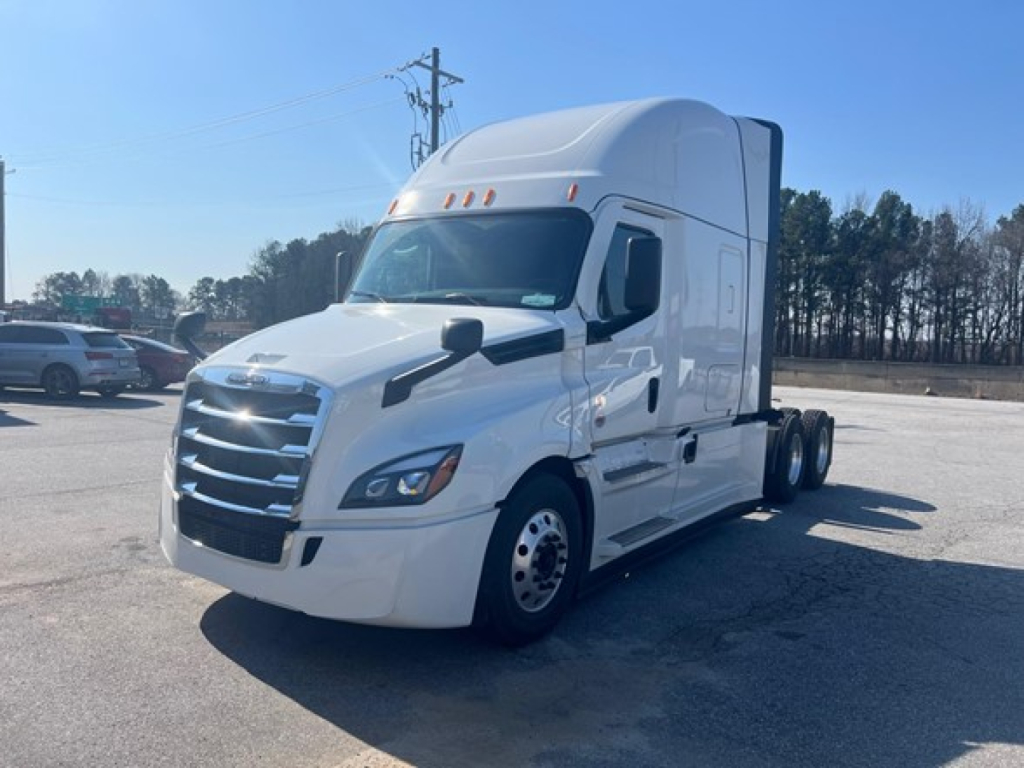
A strong 2027 truck spec starts with the job the truck will do every day. A day cab is built for regional hauling and frequent trailer swaps. A raised-roof sleeper is better suited for longer runs and driver retention. A service truck needs the right crane rating, compartment layout, and GVWR margin after the body and tools are installed. A refrigerated straight truck needs enough payload after the body, reefer unit, and fuel are accounted for. Buyers comparing new trucks for sale should look beyond model name alone and verify wheelbase, axle ratings, fuel capacity, suspension, transmission programming, and upfit compatibility so the truck matches the route, load, and duty cycle from day one.
Frequently Asked Questions about New 2027 Commercial Trucks in Georgia
What should I compare first when shopping for new 2027 trucks in Georgia?
Start with the truck’s intended application, then match GVWR or GCWR, axle configuration, wheelbase, and powertrain to that job. A service body, dump body, reefer body, day cab, and sleeper all place different demands on frame length, suspension, PTO capability, and axle ratings. Georgia buyers often need a spec that can handle interstate speeds, urban traffic, and high-temperature operation, so cooling package, driver-assistance systems, and durability items should be reviewed early in the process.
Are new 2027 trucks in this market mostly medium-duty or heavy-duty?
This category typically includes both. Medium-duty trucks usually cover Class 4 through Class 7 applications such as service trucks, reefer straight trucks, box trucks, and municipal work. Heavy-duty trucks are generally Class 8 models built for dump, day cab, sleeper, and other severe-service or highway applications. The right choice depends on payload, trailer requirements, body weight, licensing needs, and how much reserve capacity you want for future work.
Which transmission is better for a new truck, Allison automatic or AMT?
It depends on the duty cycle. Allison automatic transmissions are a common choice for stop-and-go routes, vocational work, utility service, and applications requiring smooth low-speed operation or PTO integration. Automated manual transmissions are widely used in highway tractors because they improve fuel efficiency, reduce driver fatigue, and handle regional or long-haul work well. The best option is the one matched to your route profile, terrain, payload, and driver pool.
Why does wheelbase matter so much on a new truck?
Wheelbase affects body fitment, weight distribution, turning radius, bridge compliance, and trailer clearance. On a straight truck, wheelbase must match the planned body length and leave proper cab-to-axle and rear overhang dimensions. On a tractor, wheelbase influences maneuverability and can affect how the truck handles with different trailer lengths and kingpin settings. A truck with the wrong wheelbase may be harder to upfit, load correctly, or use efficiently in tight Georgia delivery or jobsite environments.
What features are worth paying extra for on a new 2027 truck?
Features that improve uptime, safety, and resale value usually justify the cost. Collision mitigation, adaptive cruise control, lane departure warning, backup cameras, and side object detection can reduce risk in metro and regional service. Air ride suspension, aluminum wheels, upgraded seats, and higher-capacity fuel systems can improve driver comfort and route flexibility. For vocational and body-upfit trucks, PTO provisions, correct axle ratios, frame reinforcement, and the right suspension spec are often more valuable than appearance upgrades.