
Mack Trucks For Sale in Alaska
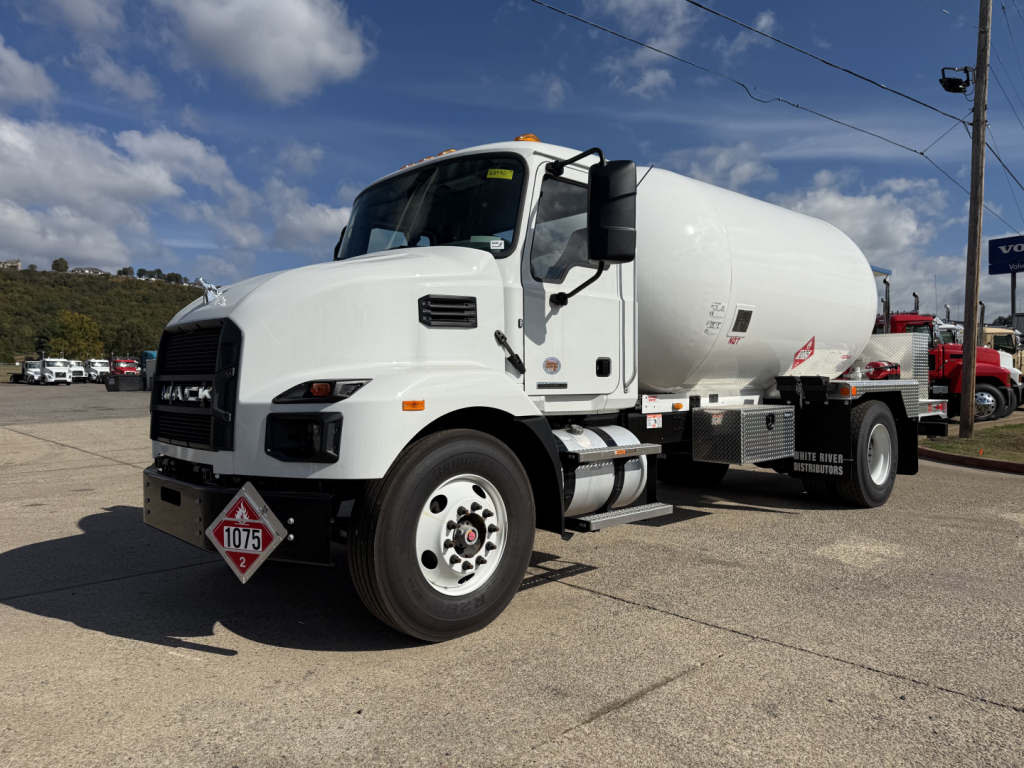
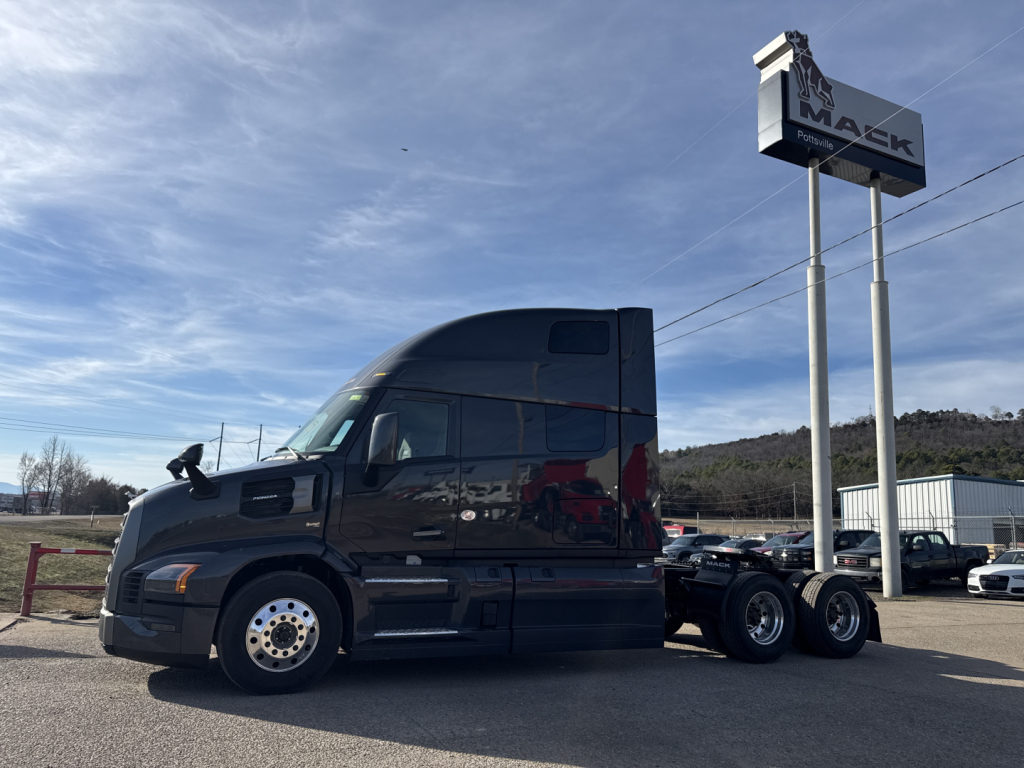
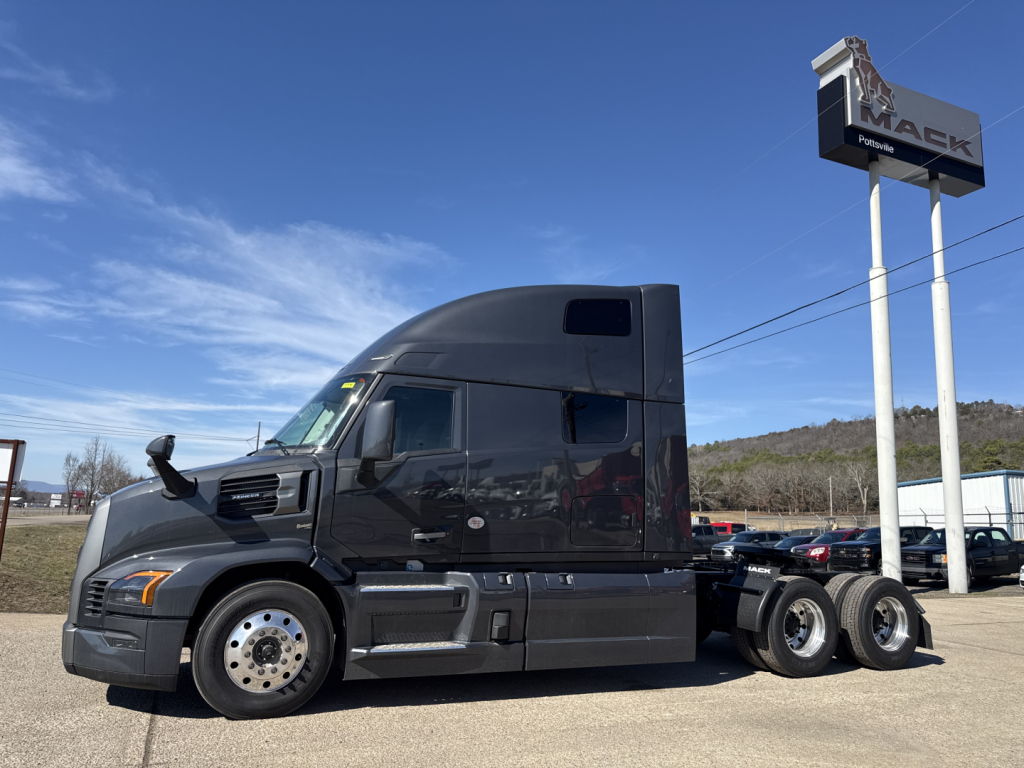
Browse Mack trucks for sale in Alaska, including dump trucks and day cabs built for severe-duty work, hauling, construction, and regional fleets.
Learn more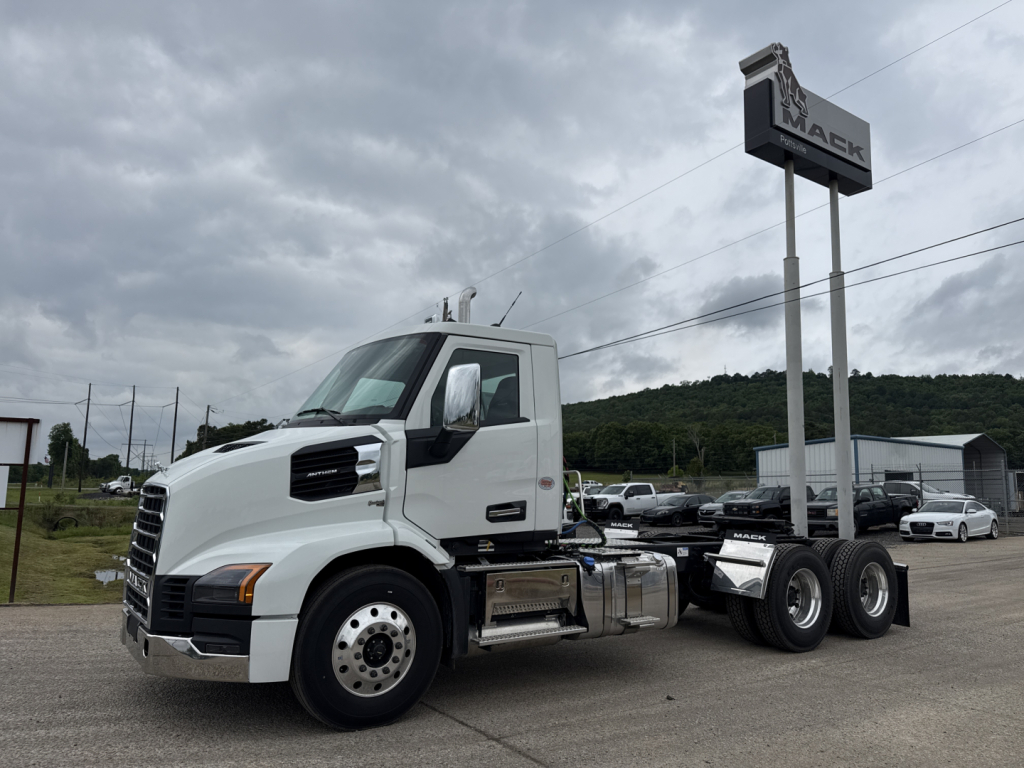
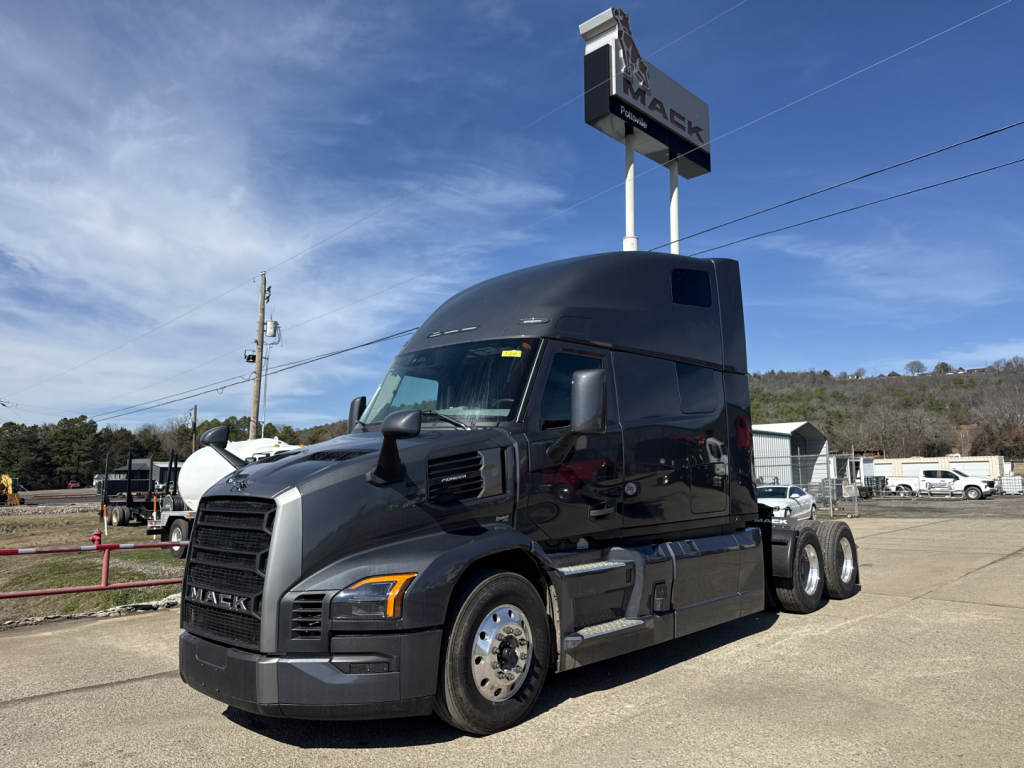
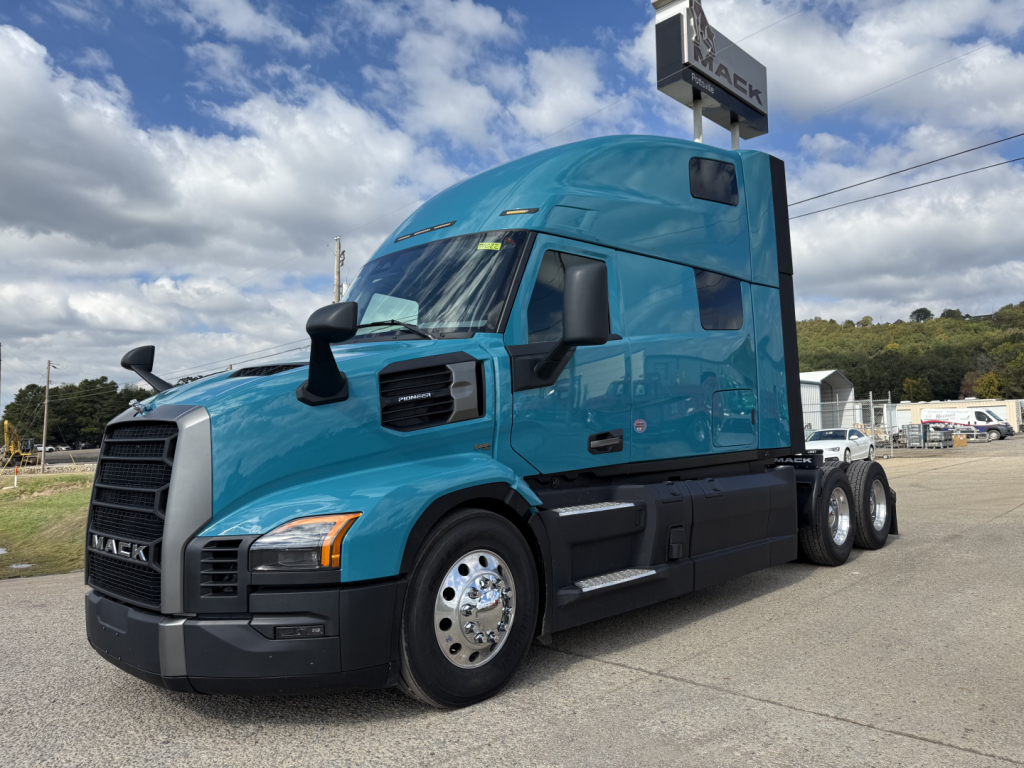
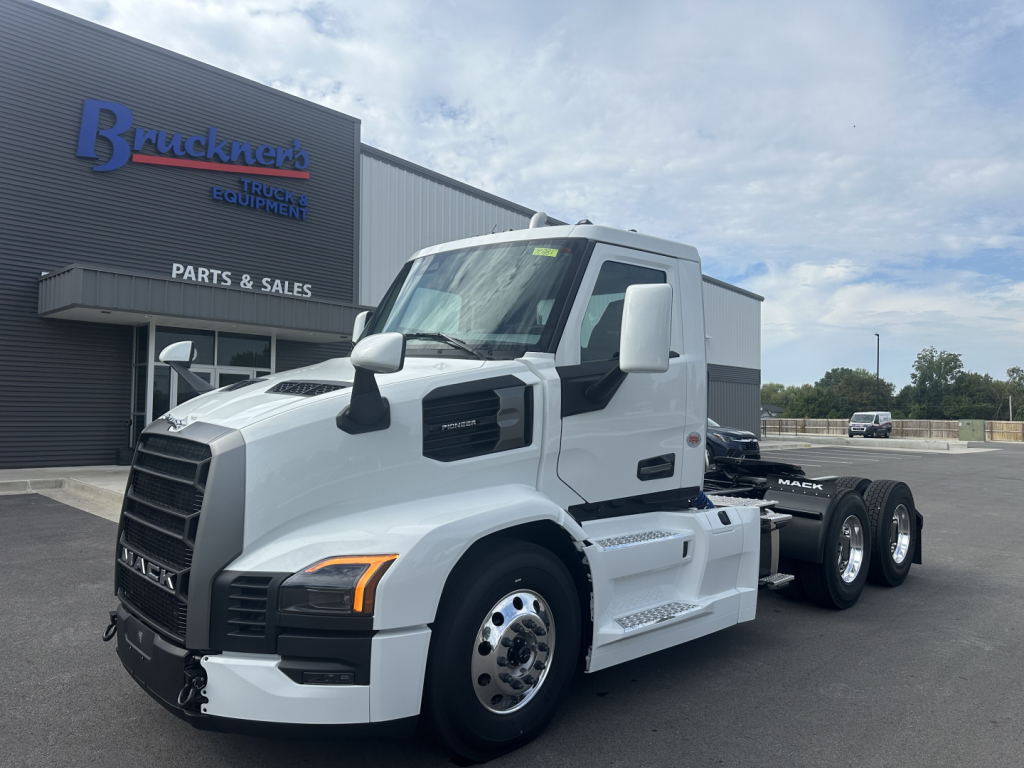
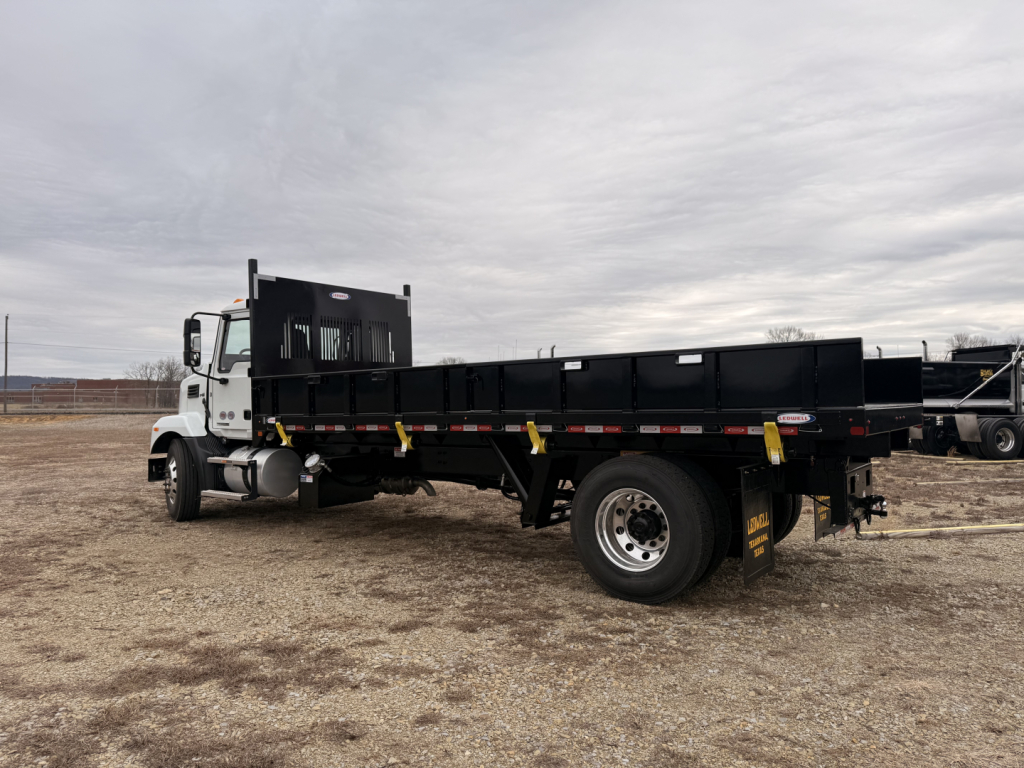
Showing 13 to 20 of 20 results
Have mack truck to sell? List it here to reach thousands of buyers.
About Mack Trucks in Alaska
For dump truck buyers, Mack is closely associated with severe-duty configurations built for aggregate, excavation, road building, municipal work, and site development. Common specs include single-axle and tandem-axle layouts, high GVWRs, heavy front axle ratings, camelback or vocational rear suspensions, and low rear ratios for startability and jobsite performance. Power can come from Mack MP engines or Cummins platforms depending on the model and build. Allison automatic transmissions are common in dump applications where stop-and-go operation, PTO use, and driver ease matter, while Mack automated manual options are often chosen for higher-GCWR or mixed on-road vocational work. Body compatibility, wheelbase, PTO setup, frame rail strength, and axle spread are all worth checking closely before comparing trucks that may look similar on the surface.
On the highway side, Mack day cabs and conventional tractors are known for simple, work-focused spec choices and strong torque output. Models such as the Mack Pinnacle are often spec'd with MP8 engines, 12-speed M-Drive transmissions, tandem rear axles, and ratios selected around the truck's intended duty cycle. A buyer hauling heavy regional freight, equipment, fuel, or bulk materials should pay close attention to horsepower, torque, fifth wheel configuration, suspension type, brake spec, wheelbase, and fuel capacity. In Alaska, heated mirrors, battery capacity, idle management, tire selection, and driveline gearing for steep grades or slick surfaces can be just as important as headline horsepower.
A good Mack truck purchase usually comes down to matching the chassis to the job instead of buying on badge alone. Dump buyers should compare body length, hoist compatibility, frame reinforcement, and axle ratings against payload expectations. Tractor buyers should look at GCWR, locking differentials, power divider, PTO provisions, and suspension tuning for the terrain and trailer type they expect to run. Mack's reputation is built on vocational strength, but the smartest comparison is always between actual specs: engine family, transmission, axle package, suspension, brakes, and intended application.
Frequently Asked Questions
What Mack truck models are most common for vocational and highway work?
Mack Granite models are among the most common choices for dump, construction, municipal, and severe-duty applications because they are built around heavier chassis components and vocational axle and suspension options. Mack Pinnacle models are more commonly seen in regional haul, tractor, and day cab applications where aerodynamics, road speed gearing, and highway-oriented drivability matter more. Medium-duty Mack MD models also fill a useful role in lighter dump, delivery, and municipal service.
Are Mack trucks a good fit for Alaska operating conditions?
Mack trucks can be a strong fit for Alaska because many configurations are available with heavy axles, vocational suspensions, locking differentials, and drivetrain options suited for rough roads and cold-weather work. The key is the spec, not just the brand. Buyers should verify cold-weather features, traction-oriented axle ratios, starting system capacity, heater and mirror options, and whether the truck's suspension and tires are matched to snow, ice, gravel, or mixed on-road and off-road use.
What should I check first on a Mack dump truck?
Start with GVWR, front and rear axle ratings, suspension type, wheelbase, body compatibility, and transmission setup. A dump truck that is under-axled or mismatched on wheelbase can limit payload, stability, or body options. It also helps to confirm PTO provisions, rear ratio, hoist compatibility, and whether the truck uses an automatic transmission for frequent stop-and-go work or an automated manual for heavier combined weight and mixed-route operation.
What driveline specs matter most on a Mack day cab or tractor?
The most important driveline specs are engine horsepower, torque, transmission type, rear axle ratio, suspension rating, and axle configuration. Those numbers determine startability, cruise RPM, grade performance, and how well the truck handles the trailer and payload it is meant to pull. Buyers should also review the fifth wheel setup, wheelbase, brake package, and any locking differential or power divider features if the truck will see unpaved yards, winter roads, or heavy-haul conditions.
Do Mack trucks commonly use Mack engines only?
No. Many Mack trucks are built with Mack MP series engines, but some medium-duty and vocational configurations may use Cummins engines depending on the model and application. Transmission choices also vary, with Mack automated manuals and Allison automatics both common in the market. That is why it is important to review the exact engine, transmission, axle, and suspension package on each truck rather than assuming every Mack is equipped the same way.