
New International Trucks For Sale in Florida
Shop new International trucks for sale in Florida, including CV and MV models for tow, rollback, dump, municipal, and vocational work.
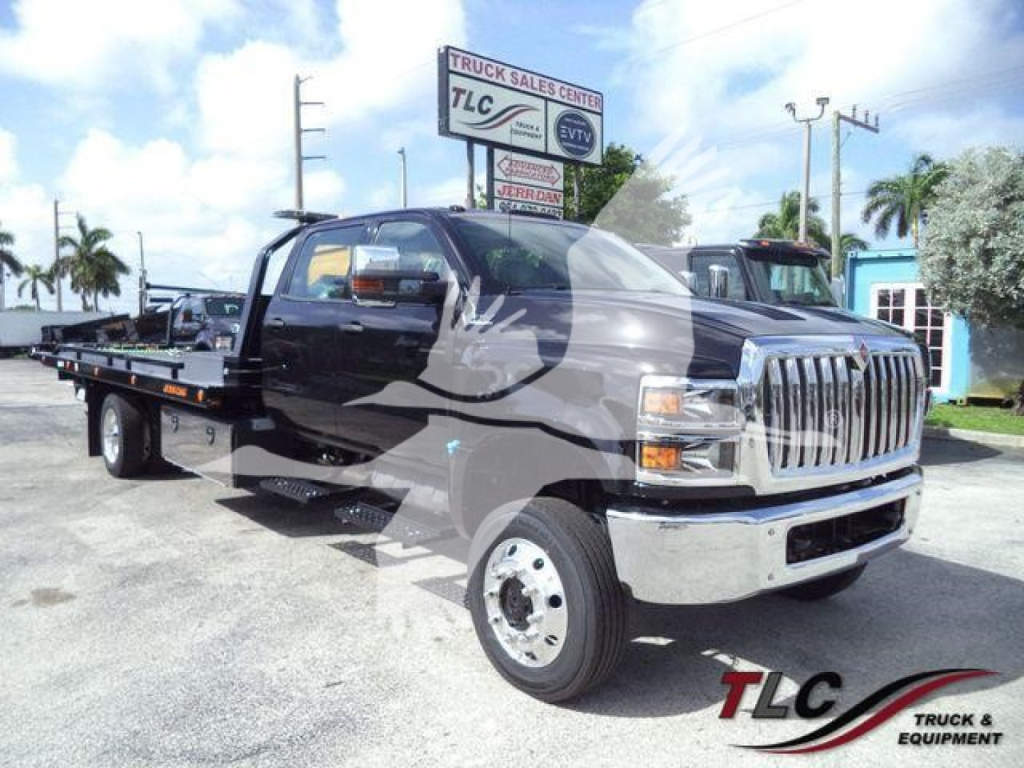
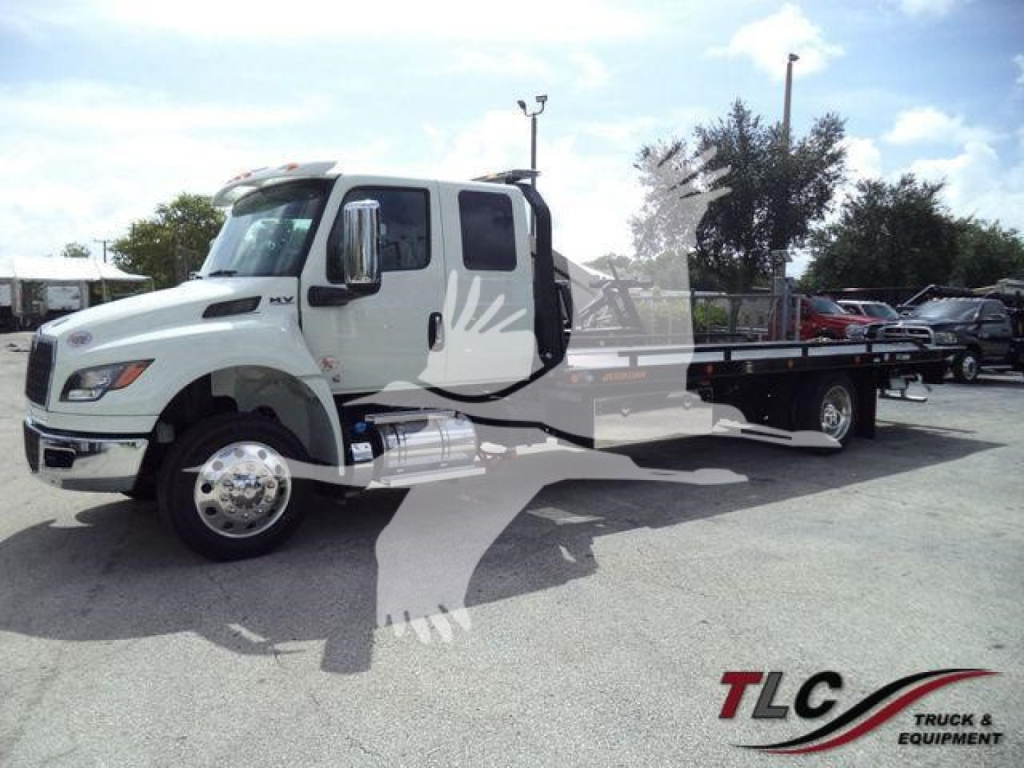
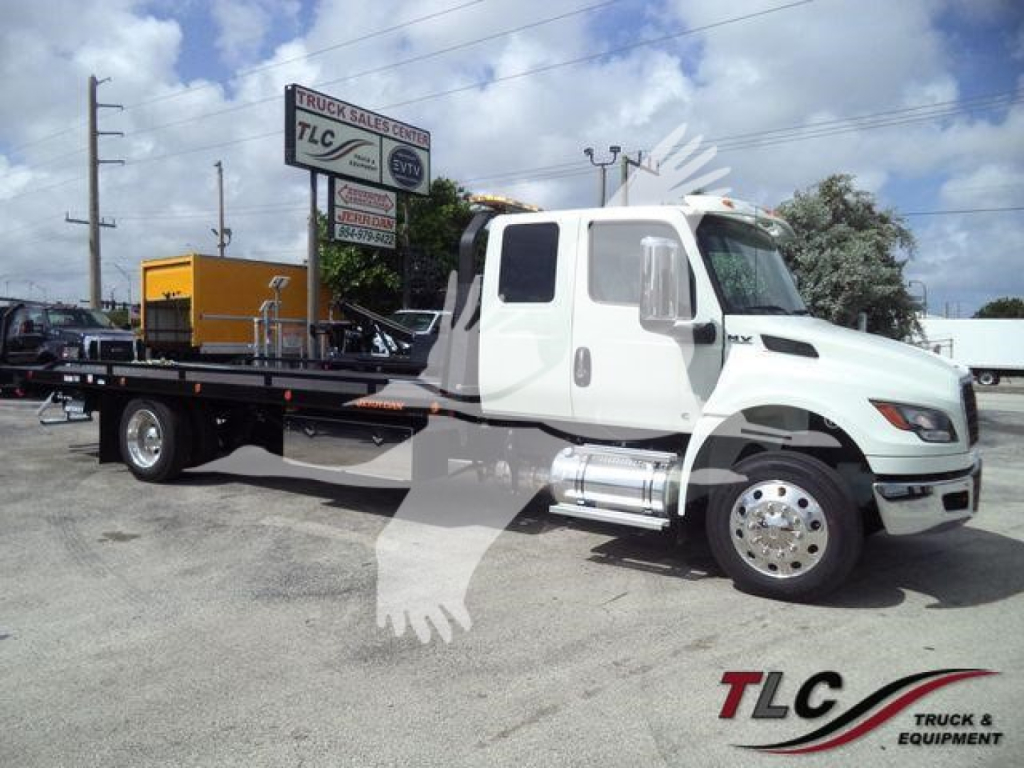
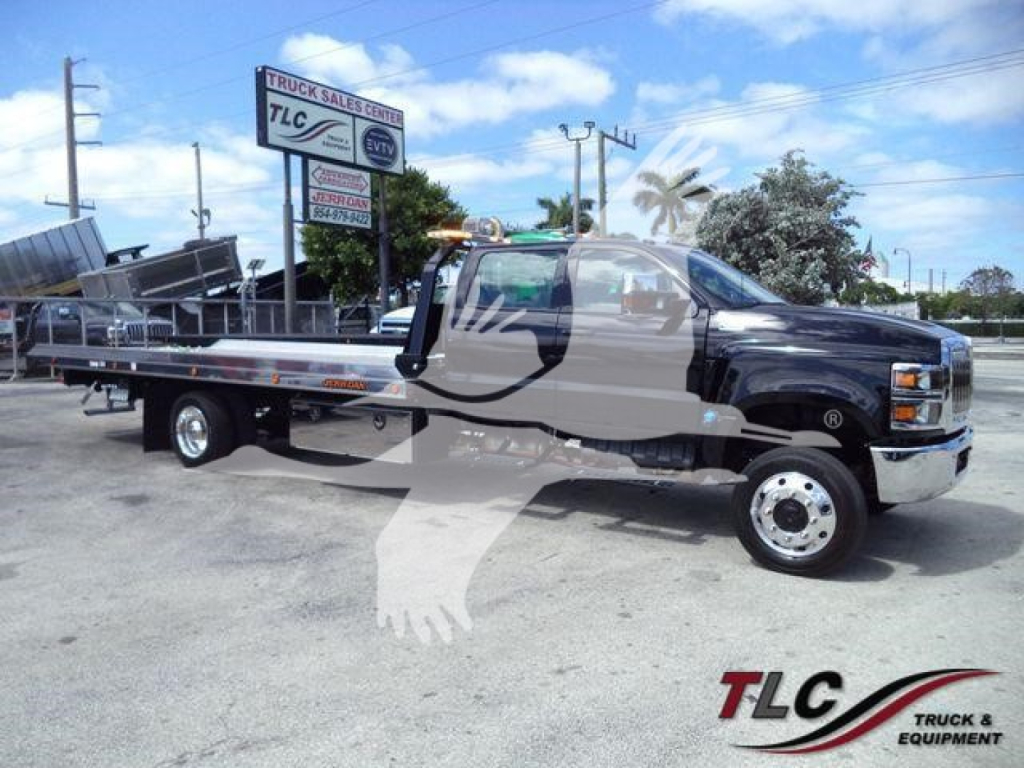
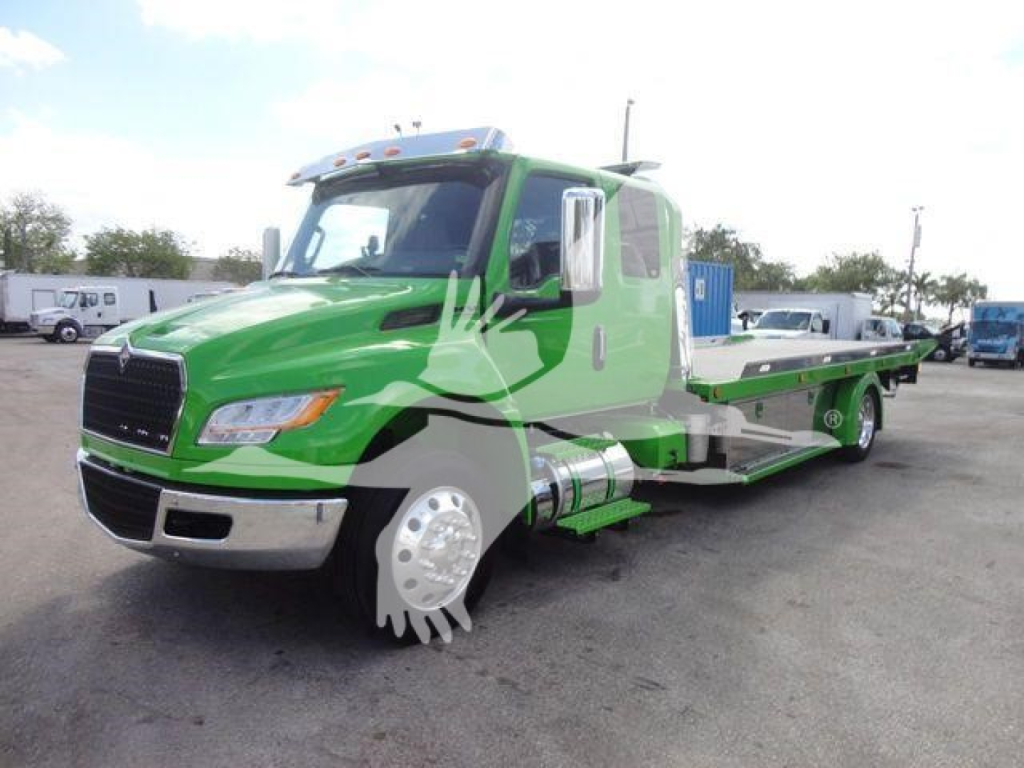
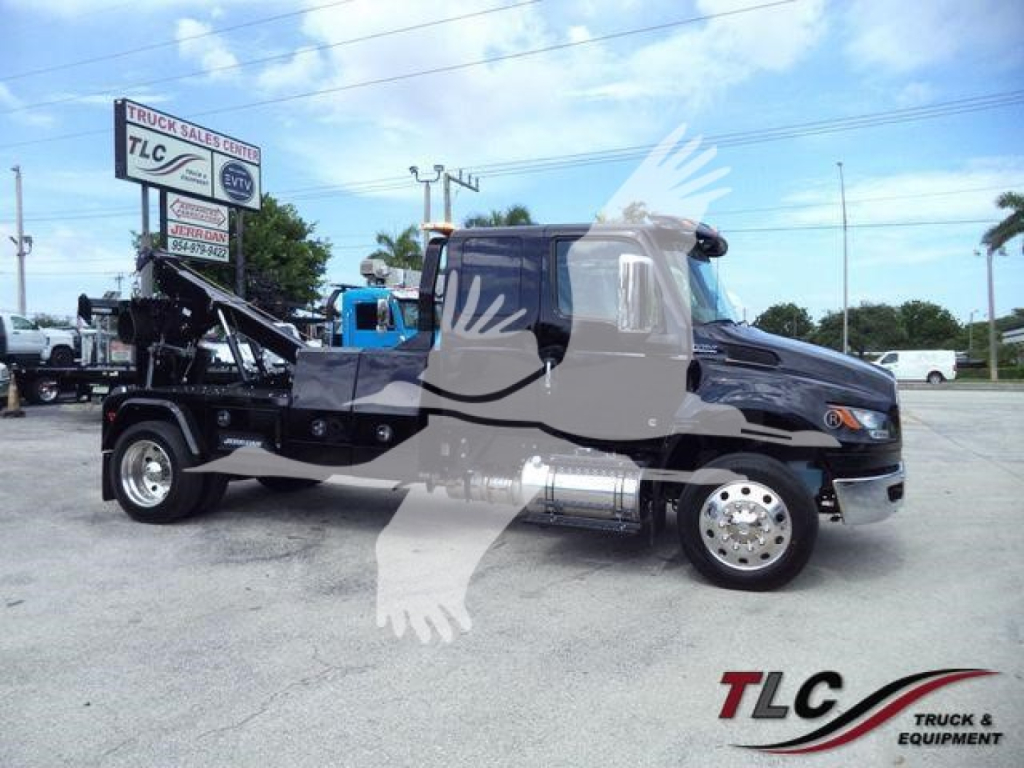
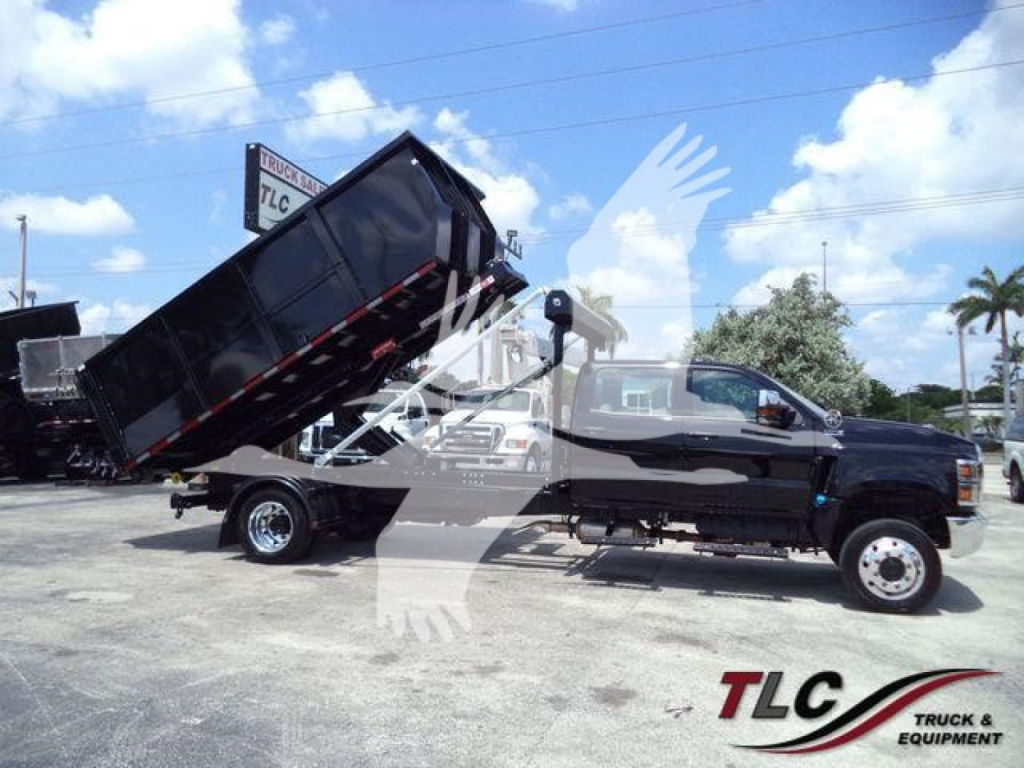
2023 International Cv
15 mi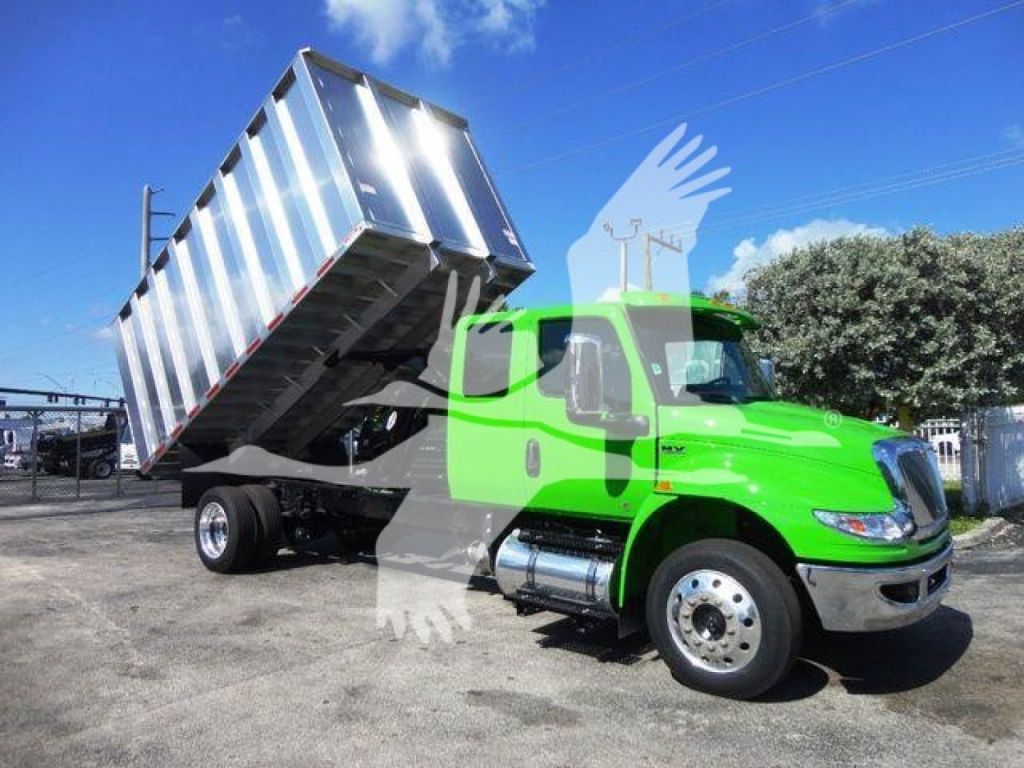
Showing 25 to 48 of 52 results
Have new international truck to sell? List it here to reach thousands of buyers.
New International Trucks in Florida
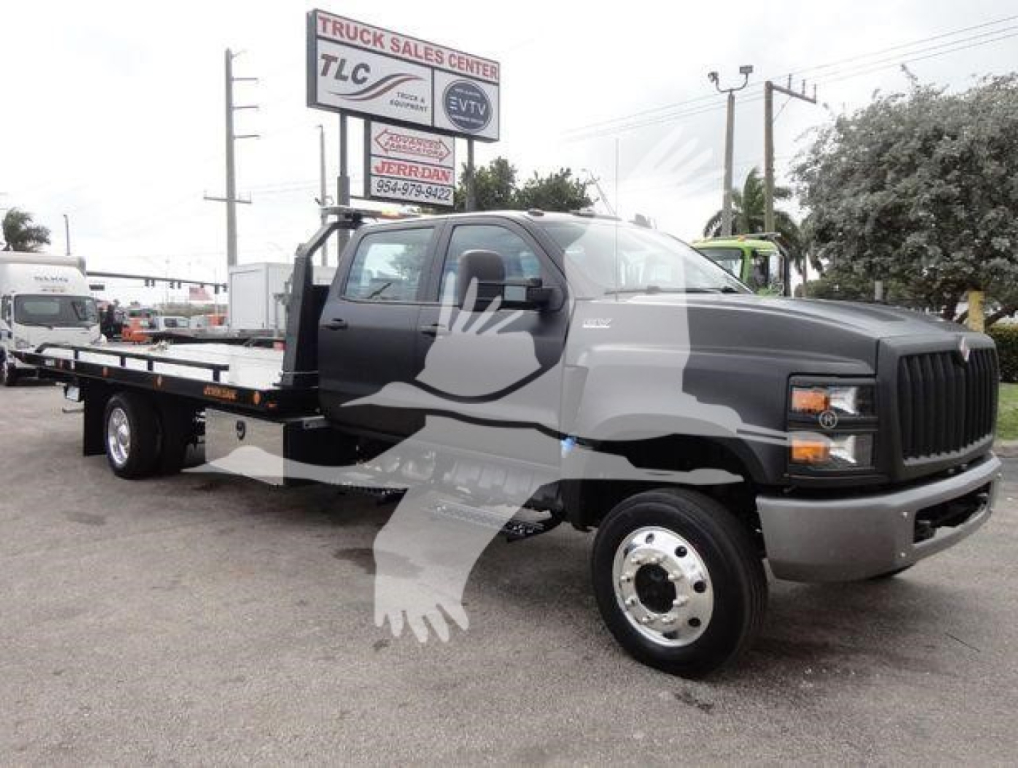
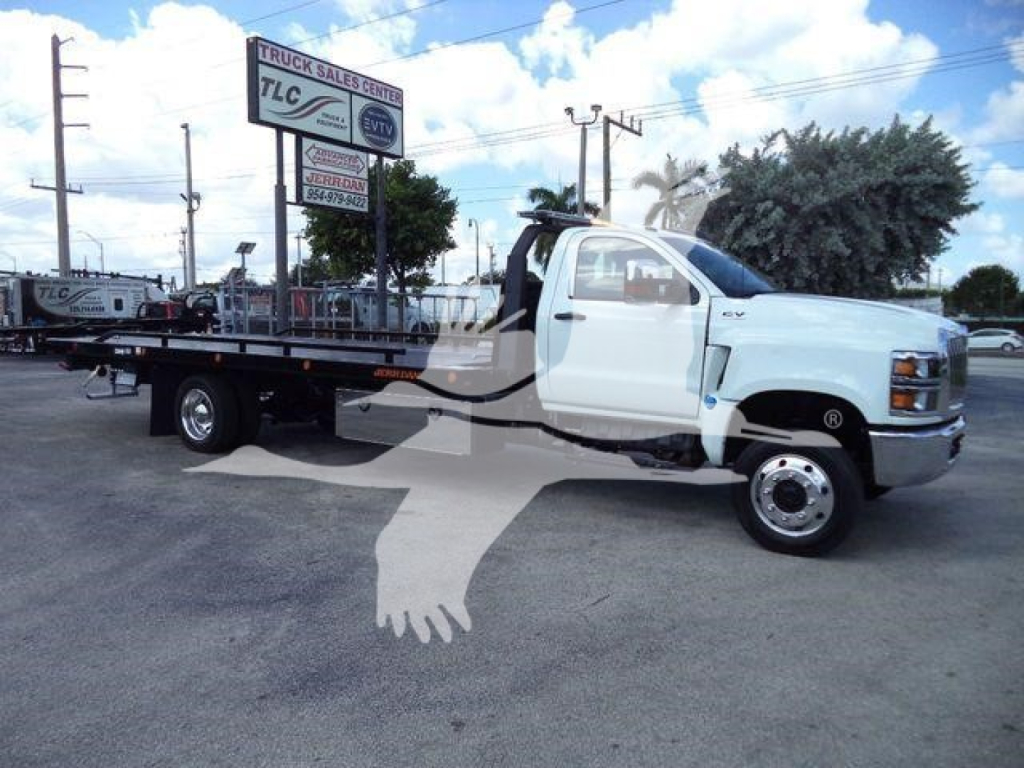
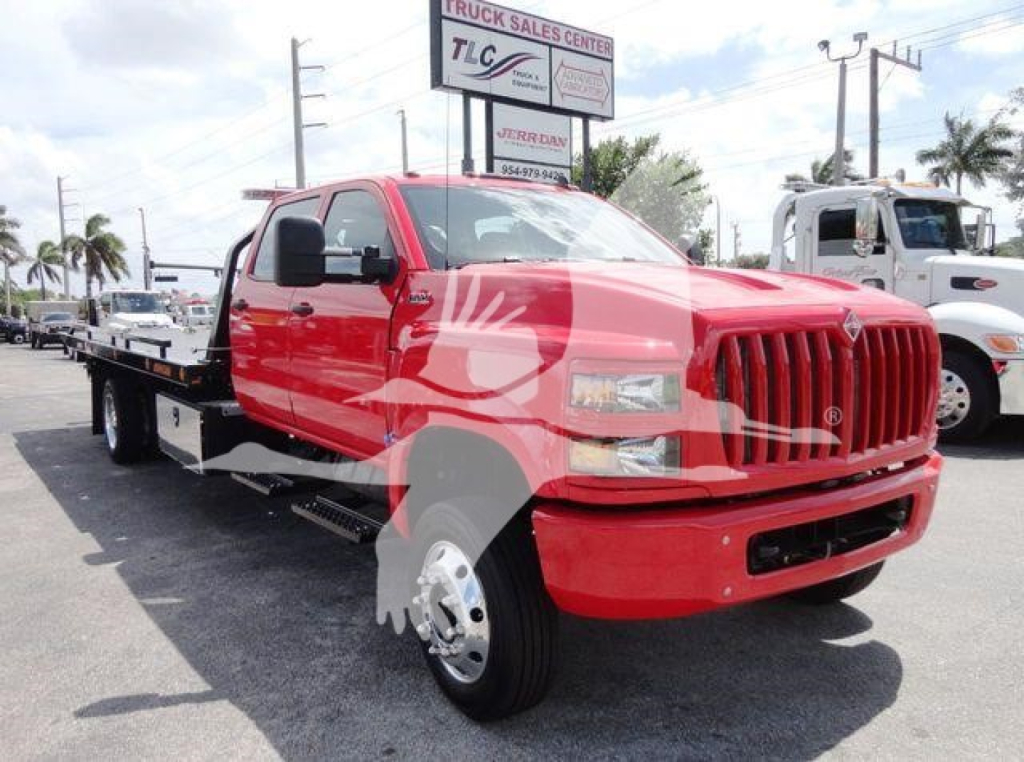
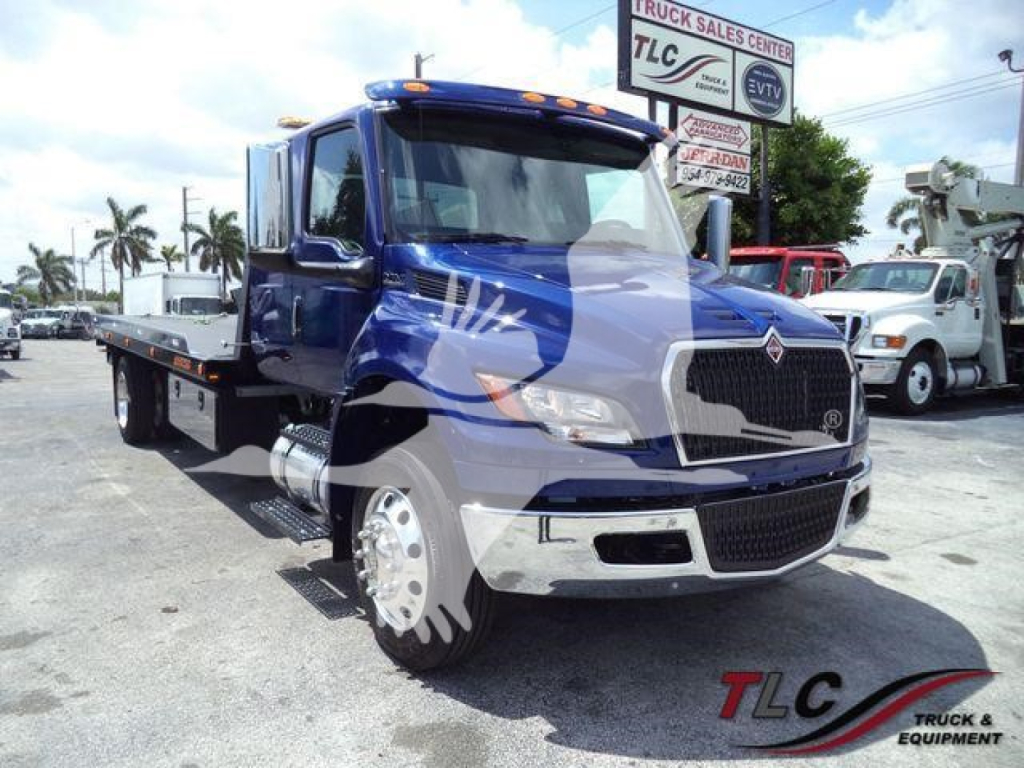
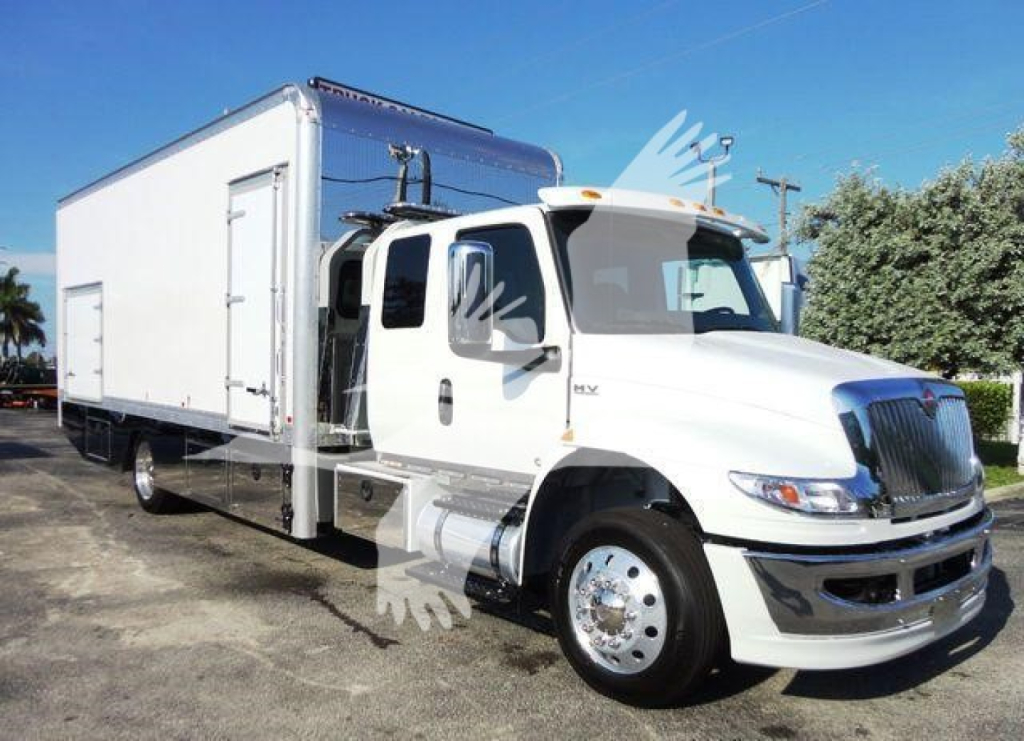
The first decision is usually capacity and chassis size. A CV can make sense for operators who need 4x4 capability, crew cab seating, and a more compact truck for urban service, property maintenance, tree work, or light recovery. Many are spec'd around the 19,500-lb GVWR range with the 6.6L Duramax diesel and Allison automatic transmission, which is a familiar combination for buyers prioritizing ease of operation and lower driver training friction. An MV is a different animal. Typical specs include a Cummins diesel, Allison automatic, air brakes, and higher GVWR ratings around 26,000 lbs or above, making it better suited for heavier rollback bodies, more demanding towing duty, and applications where weight distribution and body length matter.
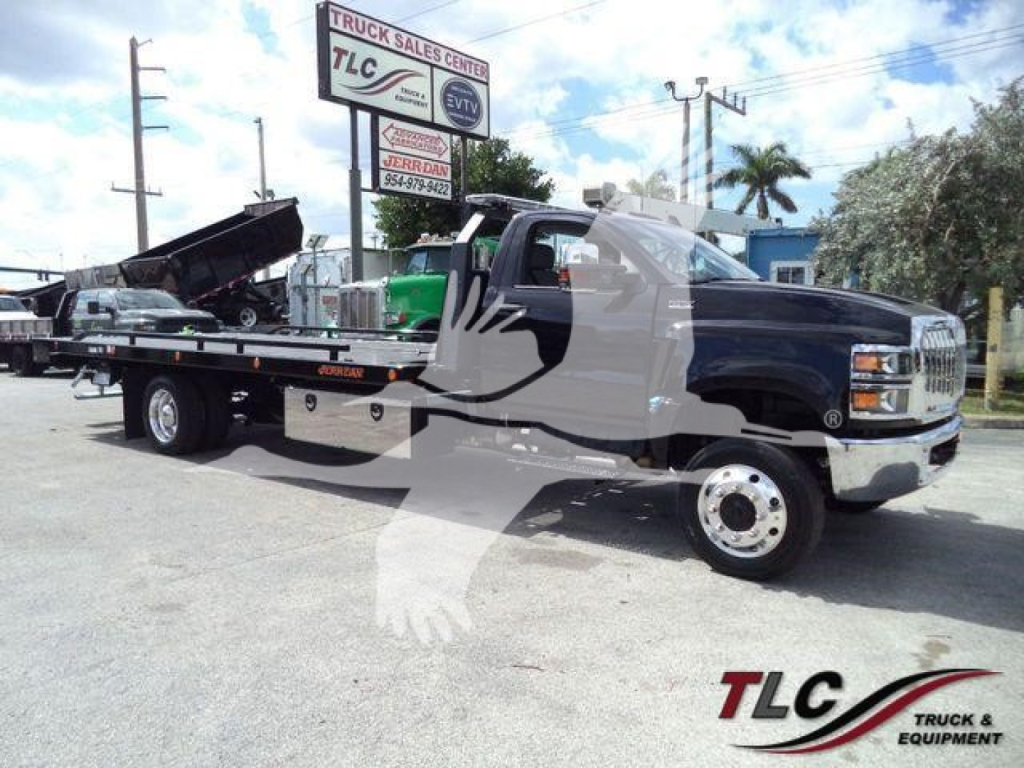
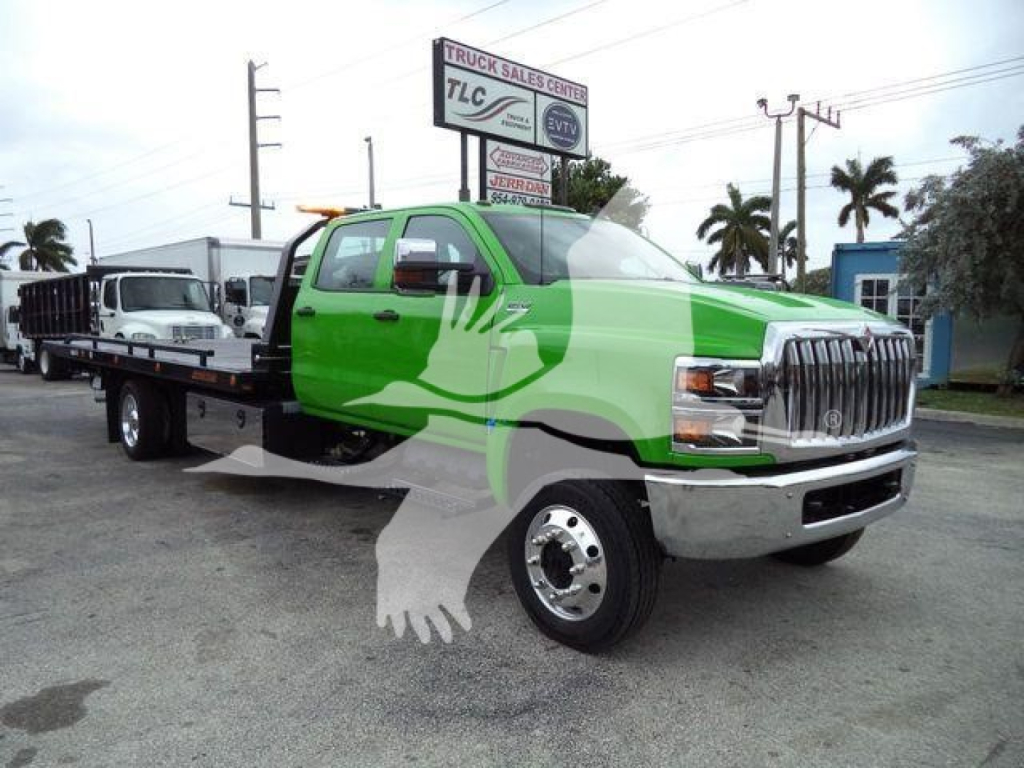
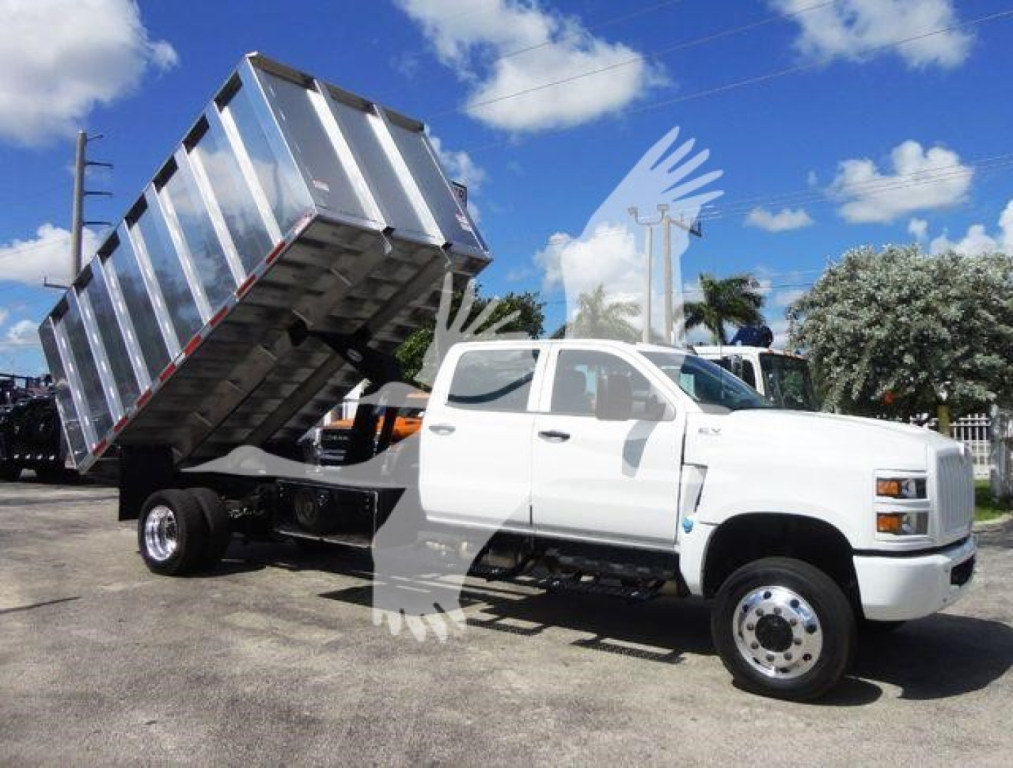
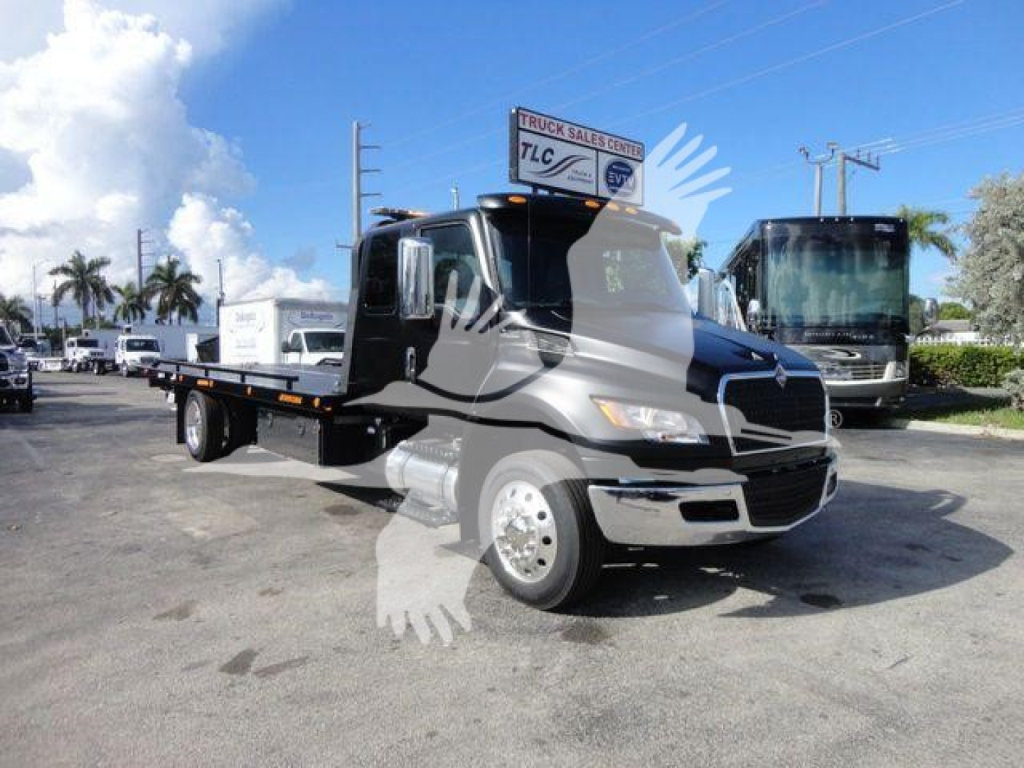
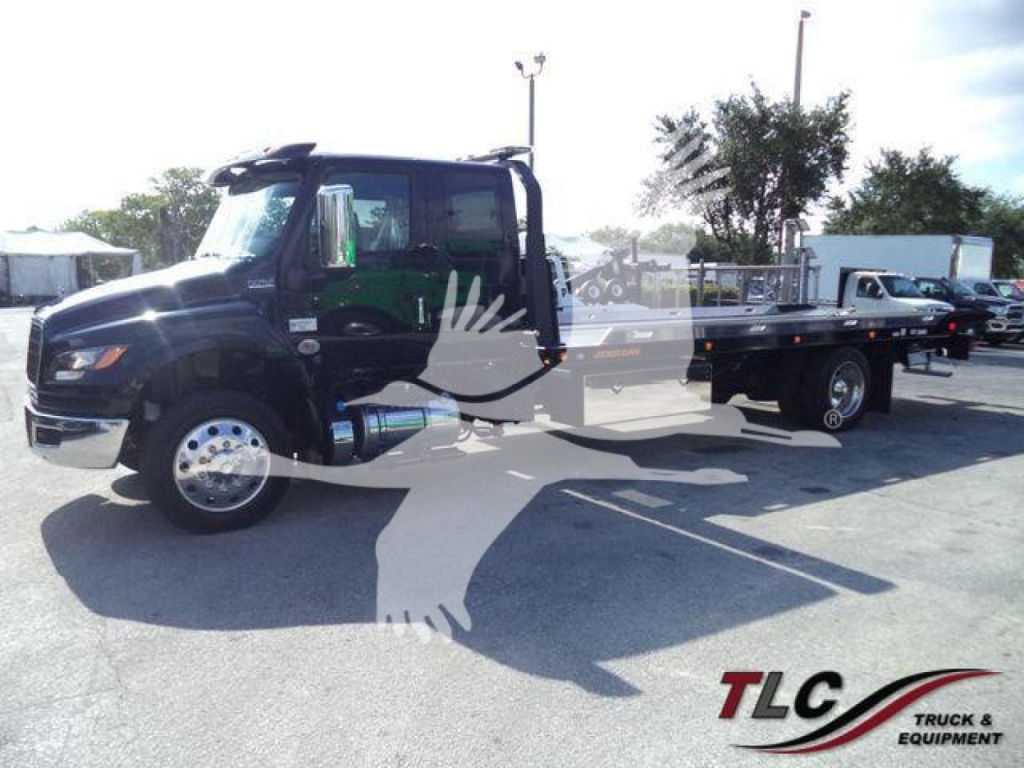
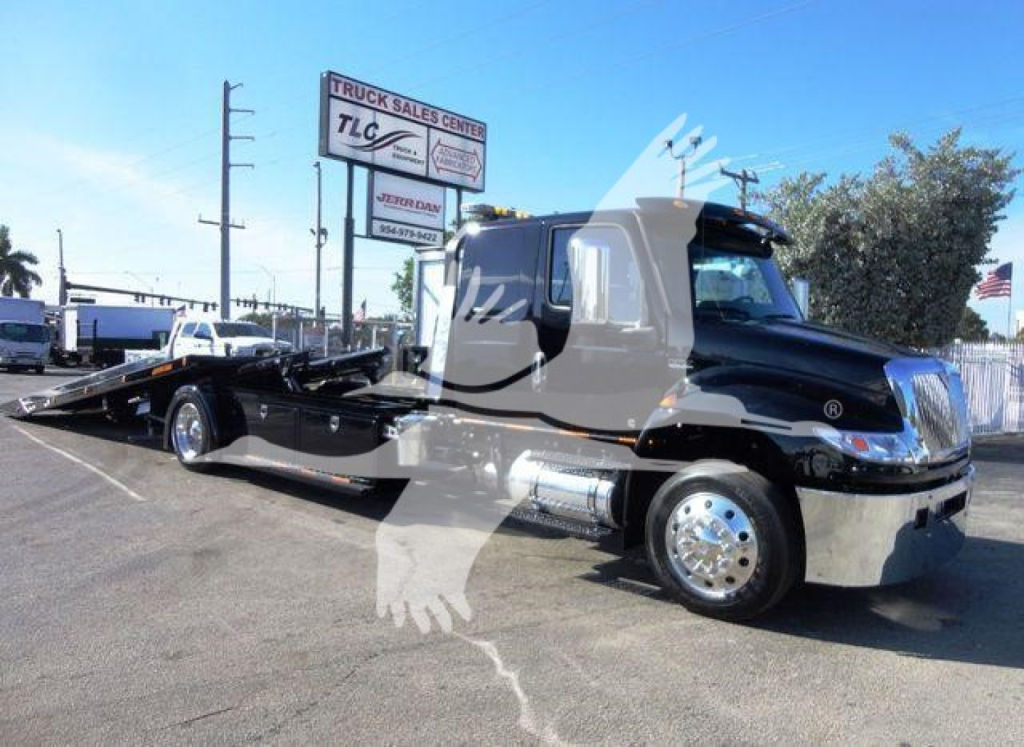
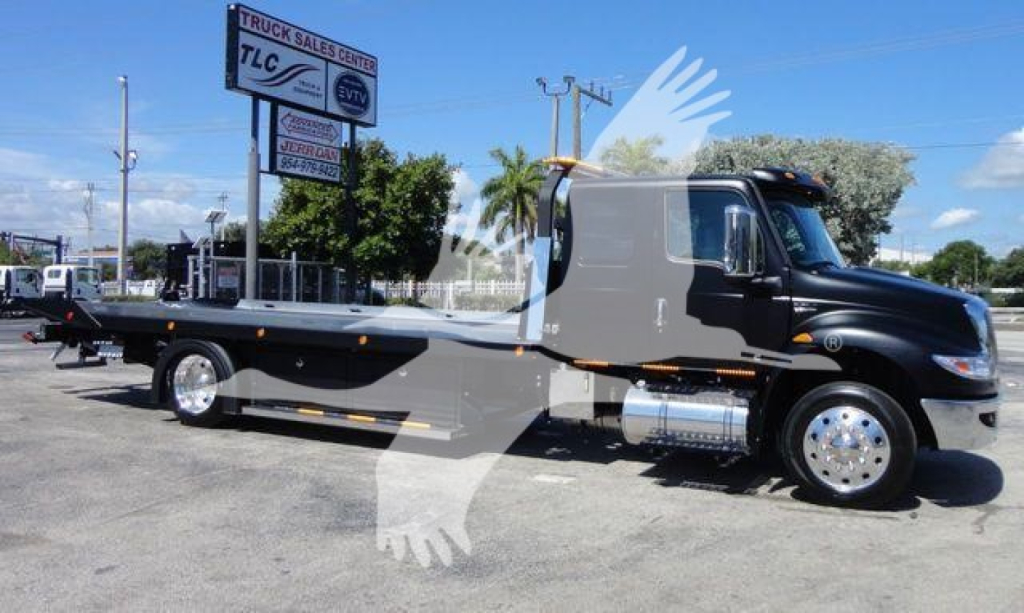
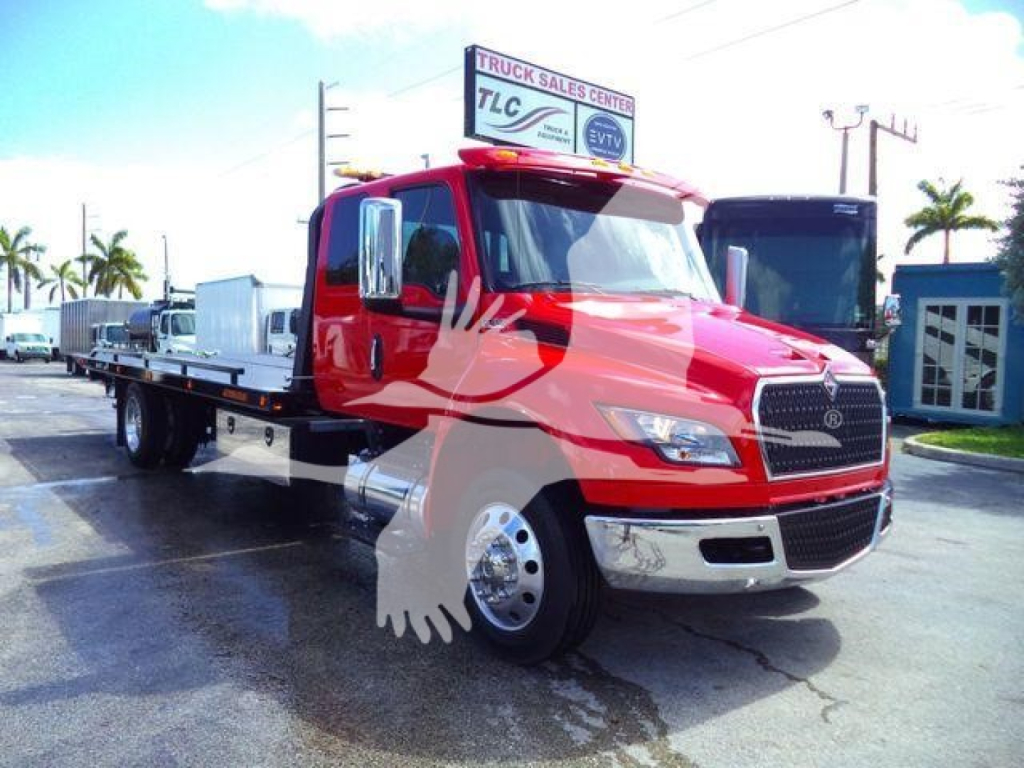
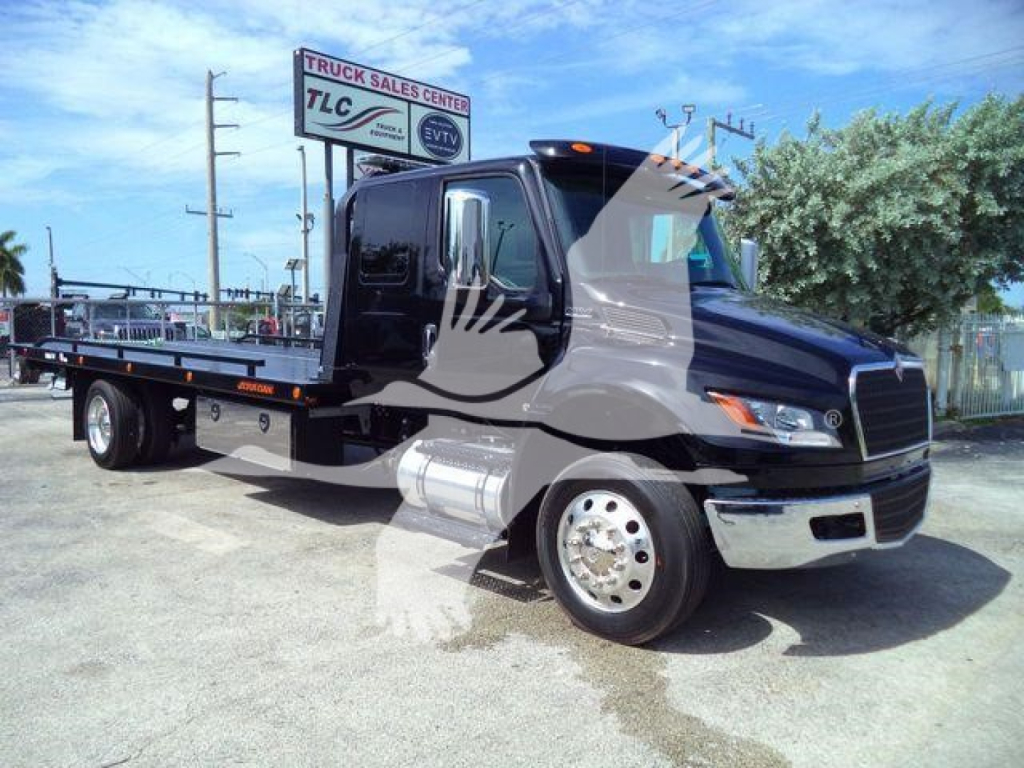
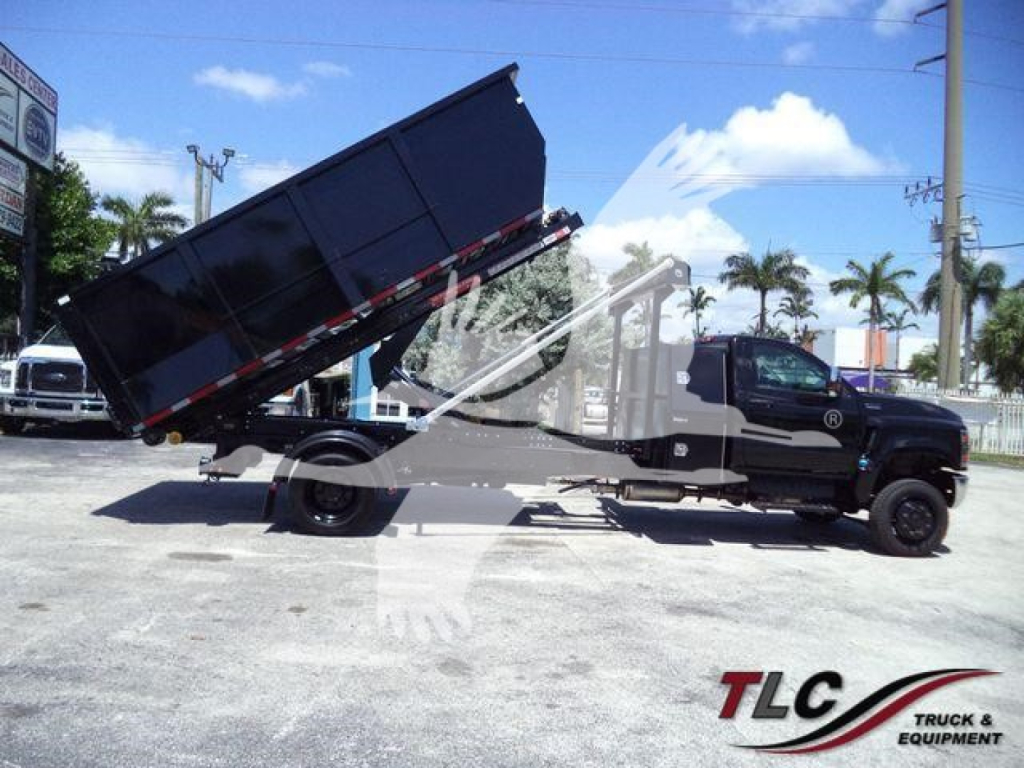
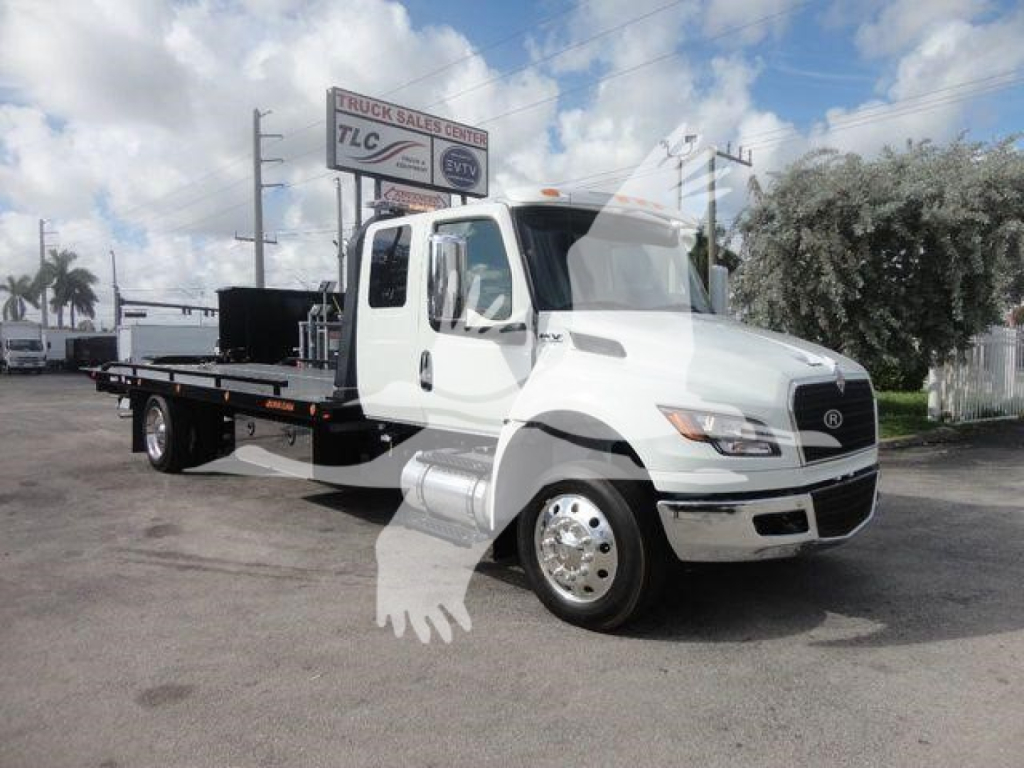
For Florida buyers, body configuration matters as much as the cab and drivetrain. Rollback and car carrier setups are common on both CV and MV chassis, often with low-profile or extra-low-profile steel decks, wheel lifts with L-arms, work lights, toolboxes, and winches. Dump and chipper bodies are also common on CV models, especially for arborist, municipal, and landscape contractors that want high sidewalls, electric-over-hydraulic hoists, hitch packages, and trailer brake provisions. Pay close attention to cab-to-axle measurement, wheelbase, rear axle rating, suspension type, and front axle capacity before comparing trucks. Those numbers determine how well the upfit carries weight, how the truck balances a loaded body, and whether it will handle the real job without rear overhang or front axle issues.
A new International truck also appeals to buyers looking for current emissions systems, updated interiors, and clean fleet presentation. Common features in this category include extended cab or crew cab layouts, air conditioning, power windows and locks, aluminum wheels, heated mirrors, air ride seating, and either spring or air ride suspension depending on model and use. On tow and recovery builds, details like wheel-lift capacity, deck width, winch rating, and low-angle loading geometry deserve close review. On dump and chipper builds, buyers should compare body material, side height, hoist design, rear door style, and hitch or pintle setup. The right new International truck is less about badge loyalty and more about matching the CV or MV platform to the body, payload, terrain, and daily duty cycle.
Frequently Asked Questions about New International Trucks in Florida
What is the difference between a new International CV and a new International MV?
The International CV is a lighter medium-duty platform commonly used for Class 4 and Class 5 work, often with crew cab layouts, 4x4 availability, and upfits such as rollback carriers, utility bodies, and chipper dumps. The International MV is a heavier medium-duty chassis used in Class 6 and Class 7 applications, typically offering higher GVWR, more robust axle and brake options, and better support for larger bodies or heavier towing work. Buyers usually choose the CV for maneuverability and lighter vocational use, while the MV is better for higher payload demands and more intensive commercial duty.
Are new International trucks good for tow truck and rollback applications?
Yes. International CV and MV chassis are commonly used for tow trucks, rollback carriers, and car haulers because they accept a wide range of Jerr-Dan and similar upfits, and they can be spec'd with the wheelbase, cab-to-axle dimension, engine, and suspension needed for recovery work. Important items to compare include deck length, deck height, wheel-lift rating, winch capacity, GVWR, and how the body is matched to the chassis for proper weight distribution. On heavier rollback applications, the MV often gives buyers more margin in chassis capacity and braking.
What specs matter most when buying a new International truck in Florida?
For Florida buyers, the most important specs usually include GVWR, drivetrain, axle ratings, wheelbase, cab-to-axle length, suspension type, and the exact body installed on the chassis. In coastal and high-humidity environments, buyers also pay attention to body material, corrosion resistance, and how exposed components are finished. If the truck will run in urban areas, overall length, turning radius, and cab style matter. If it will pull equipment or operate in soft ground, 4x4 availability, hitch capacity, and rear suspension setup become more important.
Do new International vocational trucks usually come with automatic transmissions?
Many new International vocational trucks are equipped with Allison automatic transmissions, especially in rollback, dump, municipal, and utility applications. Automatic transmissions are popular because they reduce driver fatigue, simplify training, and perform well in stop-and-go service. They are especially common on CV and MV chassis used in towing, local delivery, and contractor work where multiple drivers may share the truck over the course of a week.
How do I choose between a spring suspension and an air ride suspension on a new International truck?
Spring suspension is common on lighter vocational trucks and works well for durability, lower cost, and straightforward maintenance. Air ride suspension is often preferred on heavier MV applications where ride quality, cargo stability, and body protection matter more, especially on rollback and towing setups. The better choice depends on the body, the payload, and the road conditions. If the truck carries sensitive equipment or sees long pavement miles, air ride can be a real advantage. If the truck is a simpler local work unit with lighter loads, spring suspension may be the practical choice.