
New 2027 International Trucks For Sale in Florida
Shop new 2027 International trucks in Florida, including medium-duty and vocational chassis built for towing, hauling, service, and fleet use.
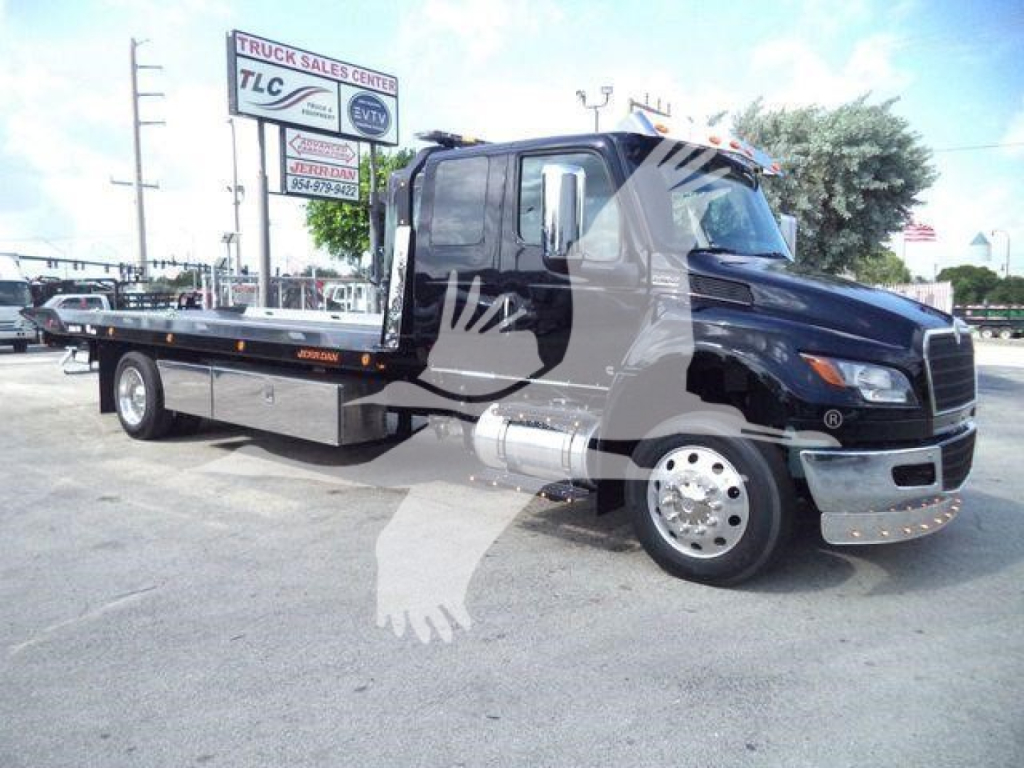
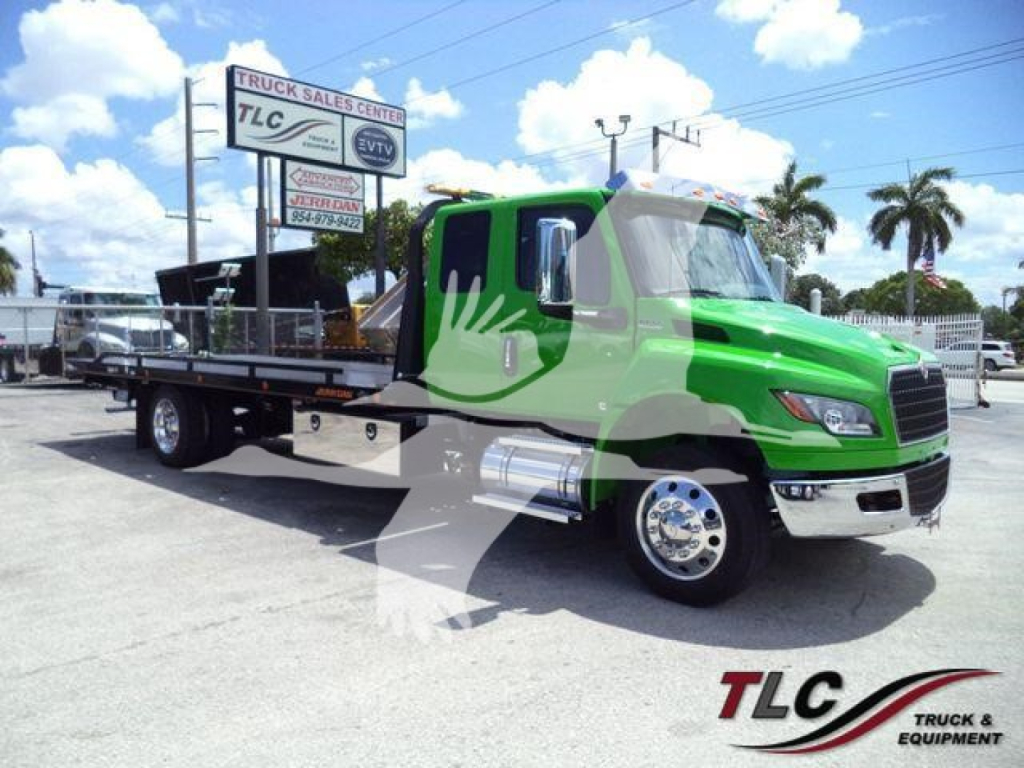
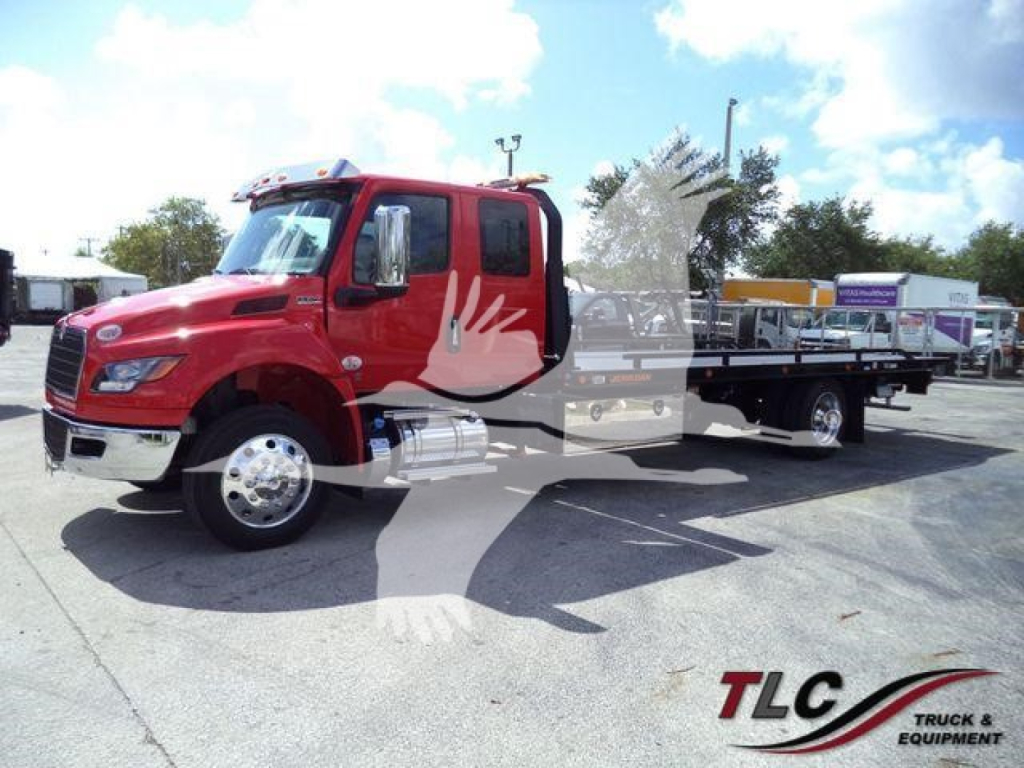
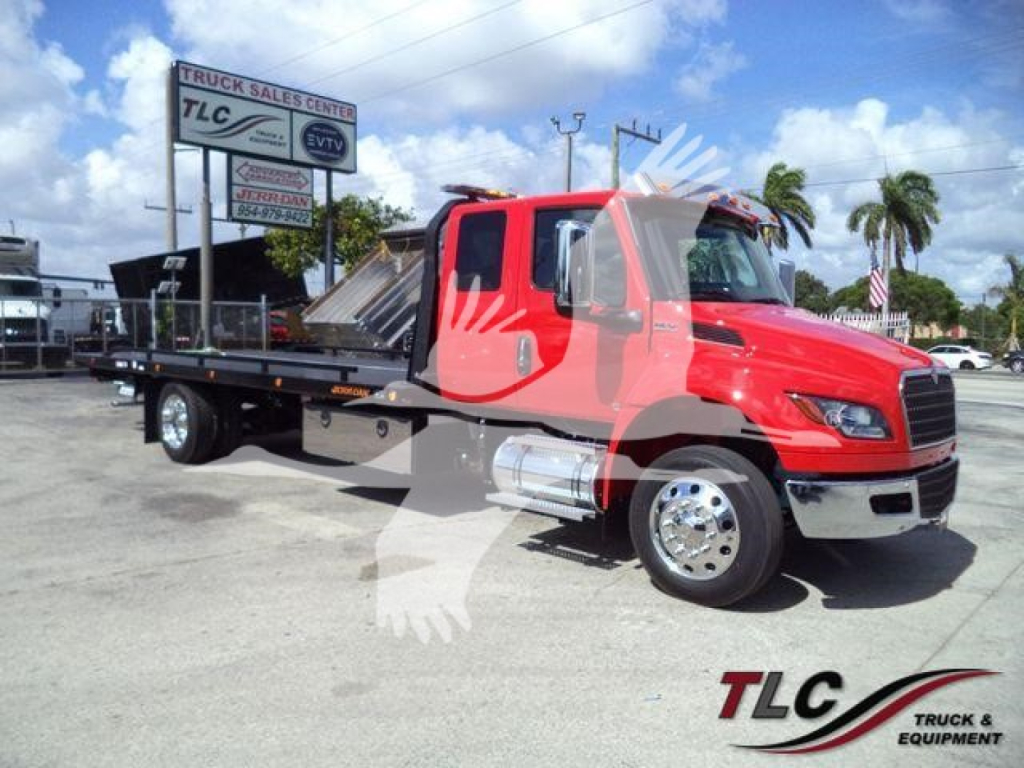
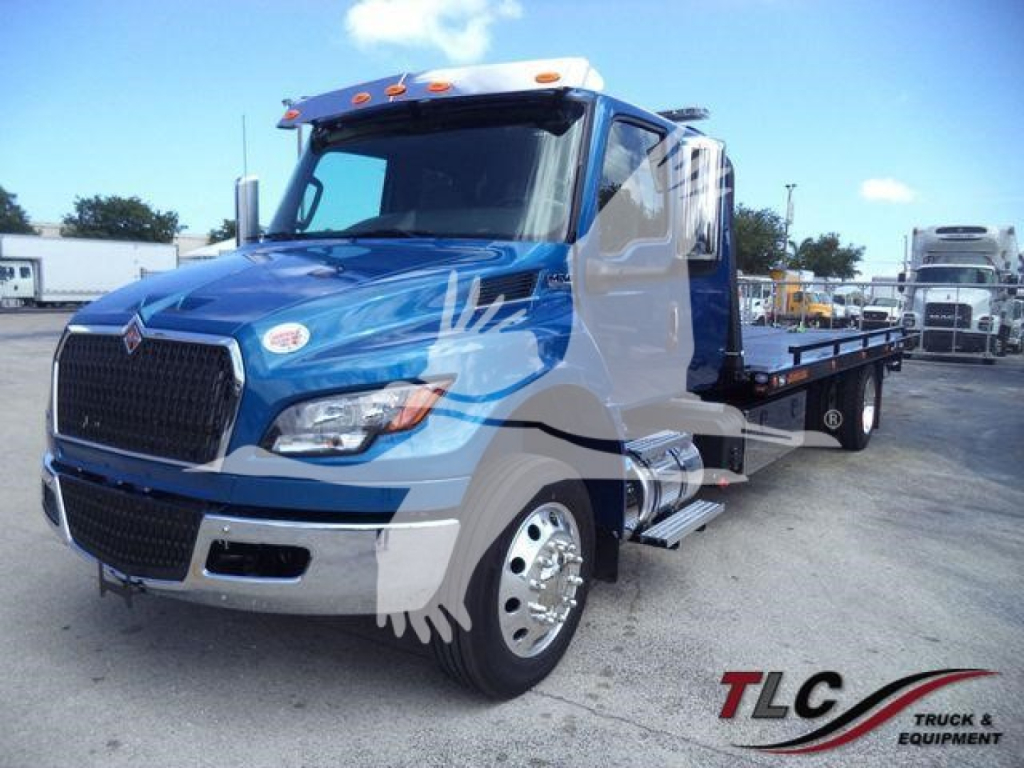
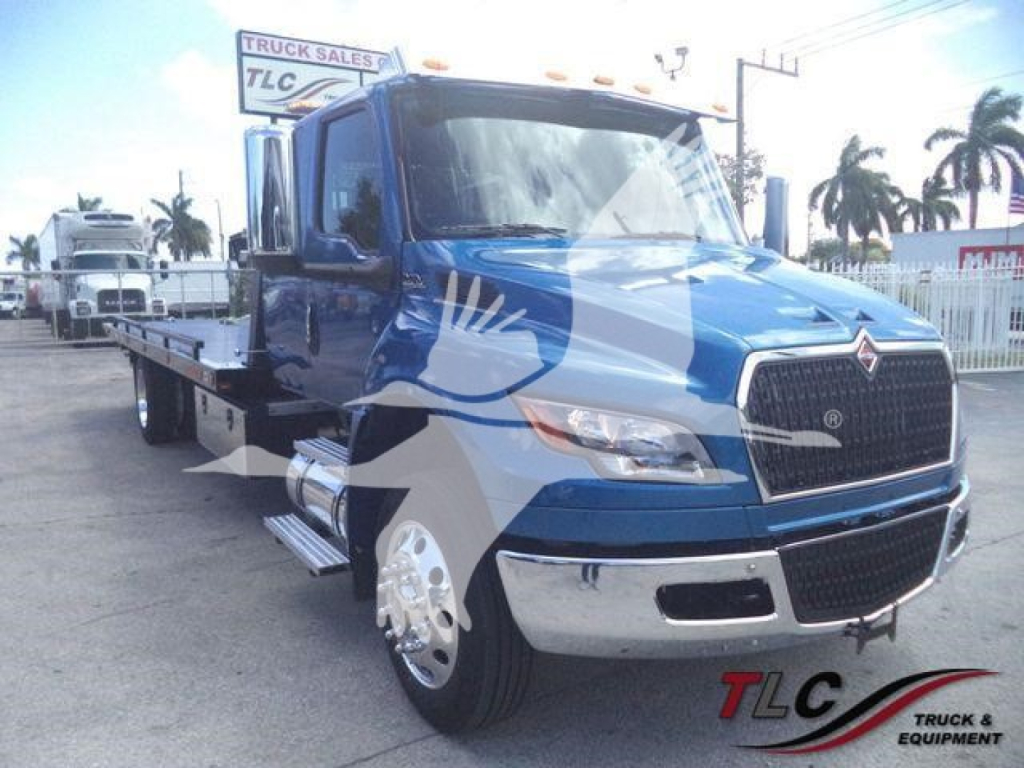
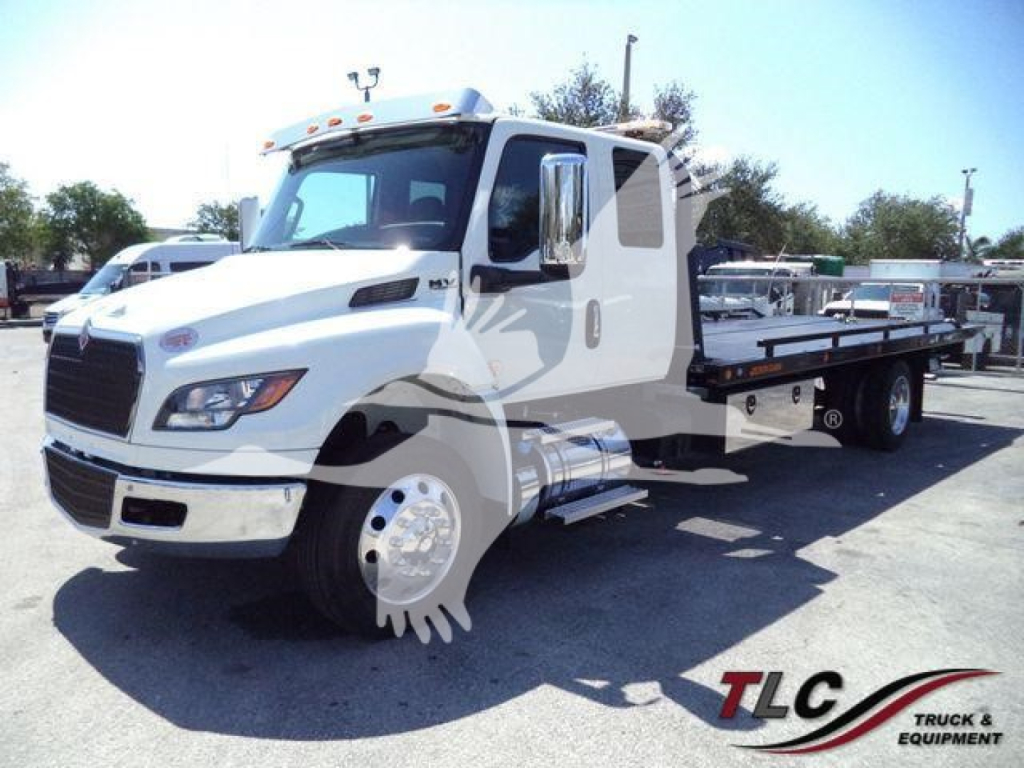
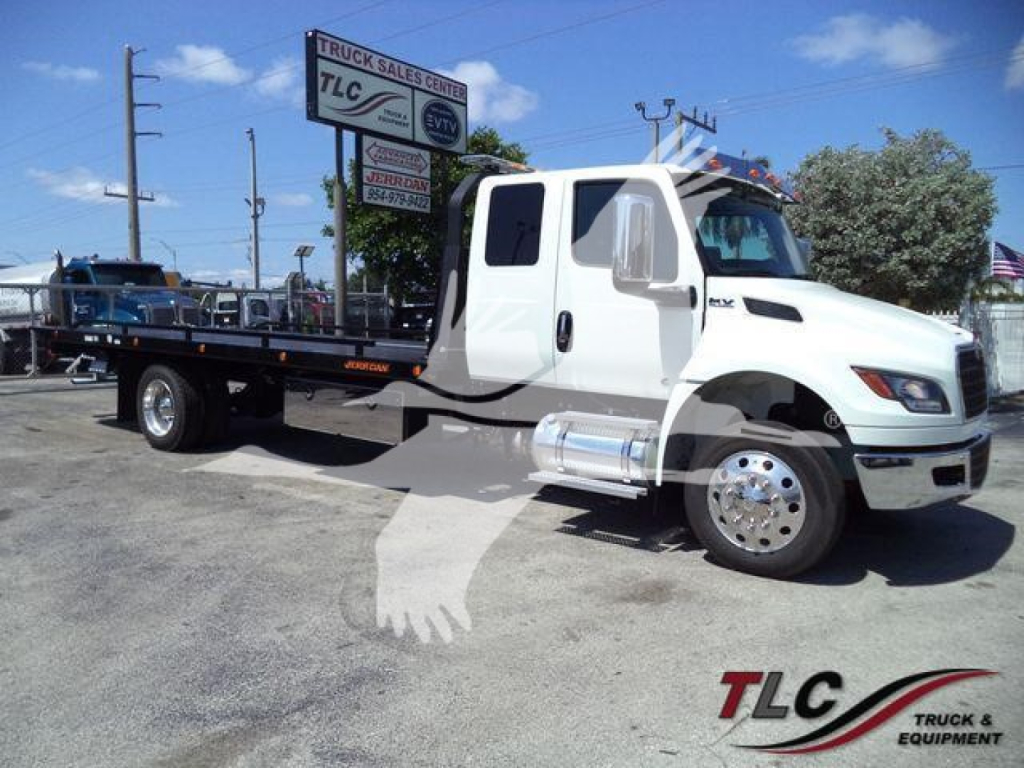
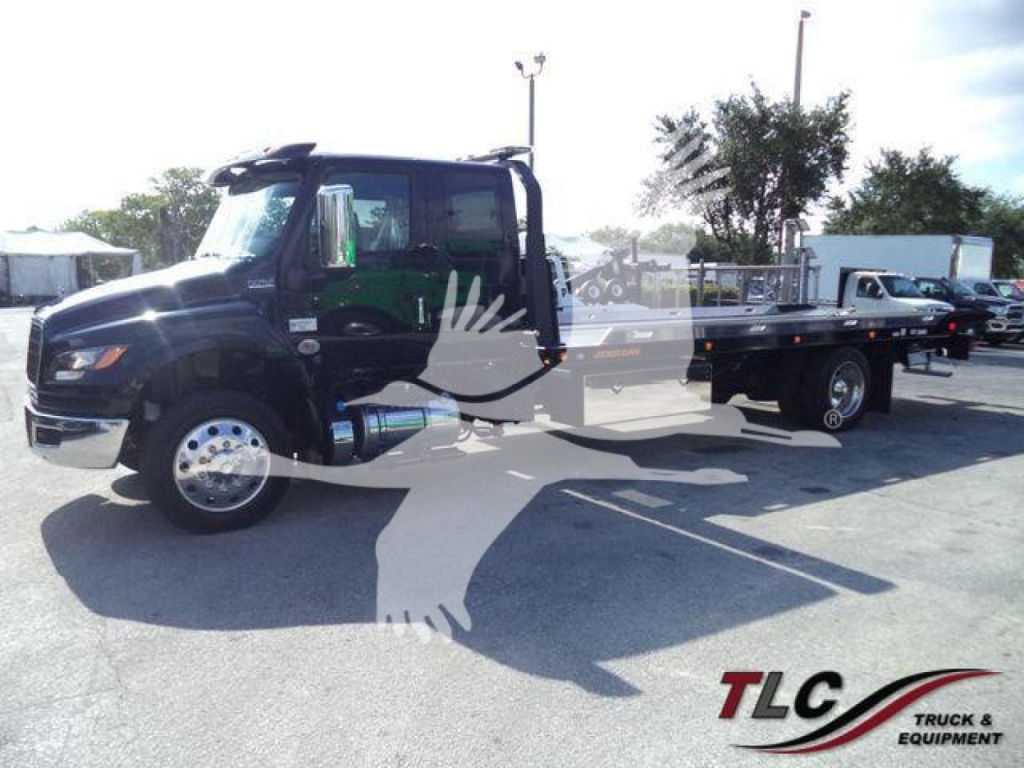
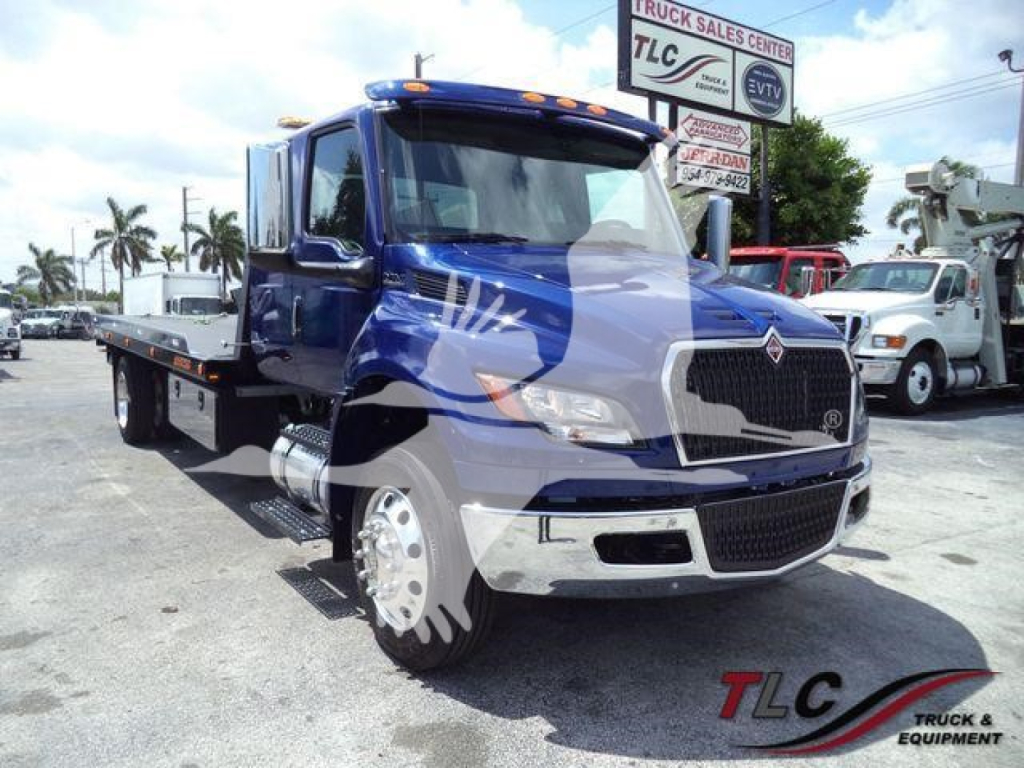
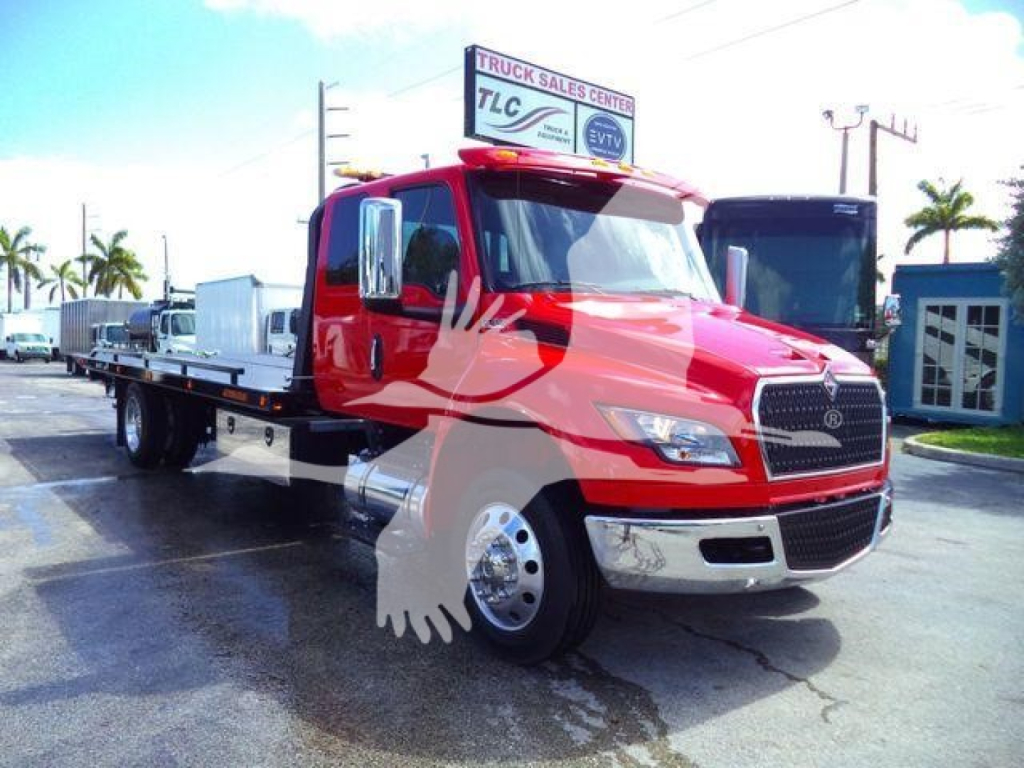
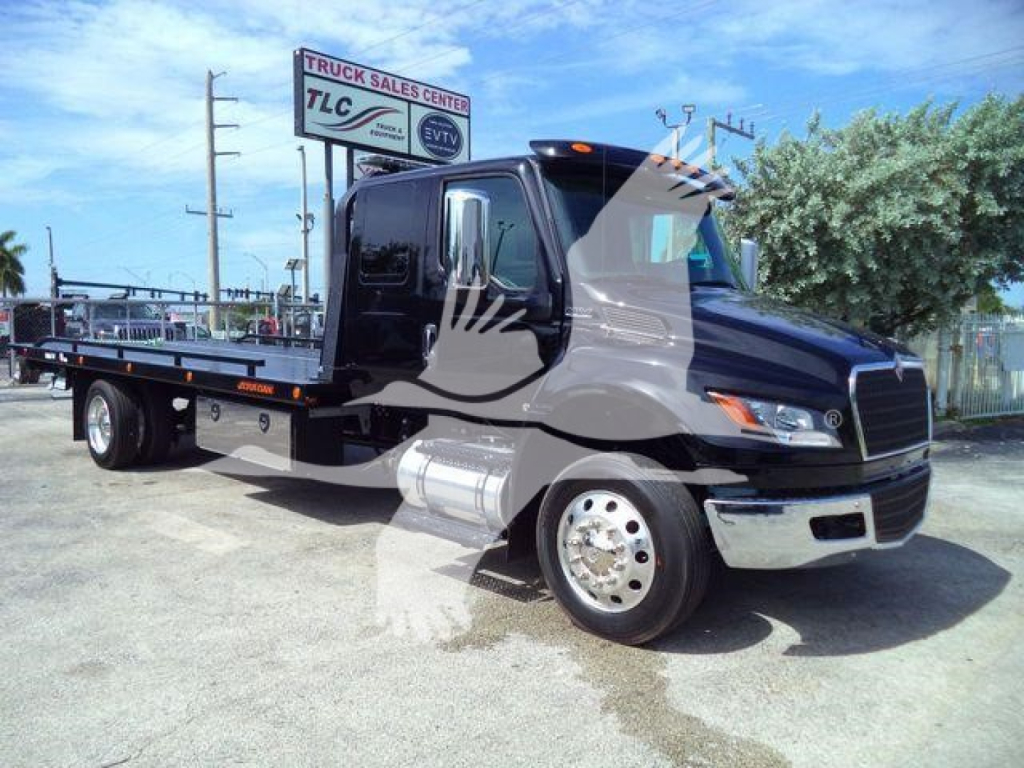
Selling a new 2027 international truck? List your new 2027 international truck for sale and reach thousands of commercial buyers.
New 2027 International Trucks in Florida
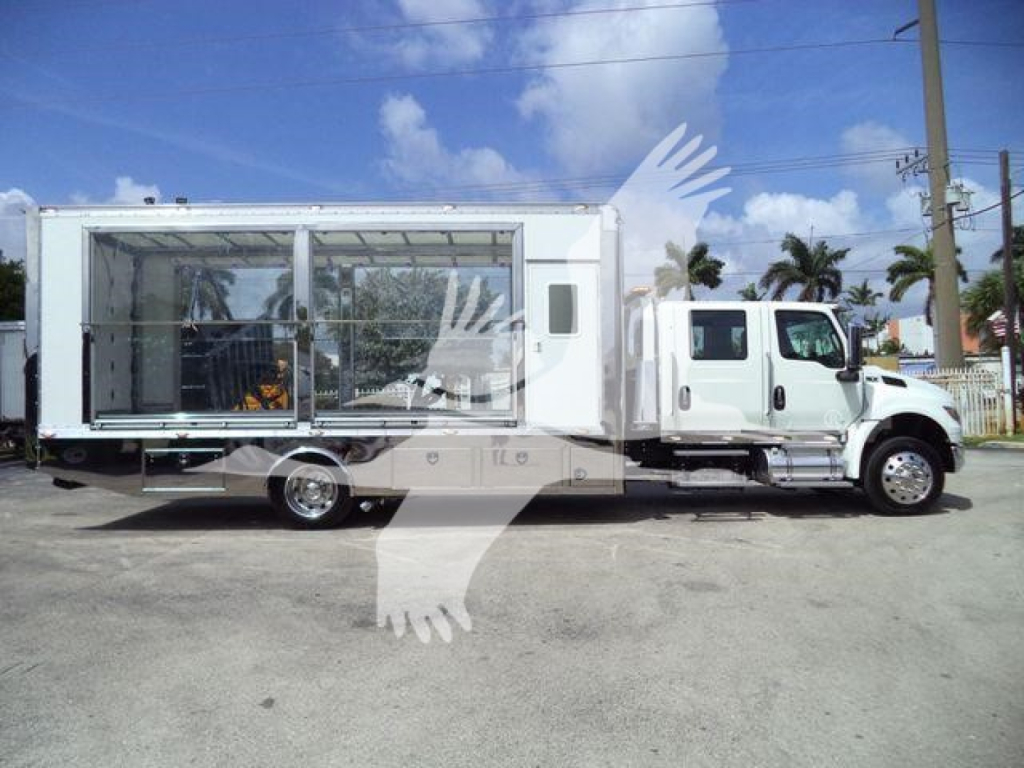
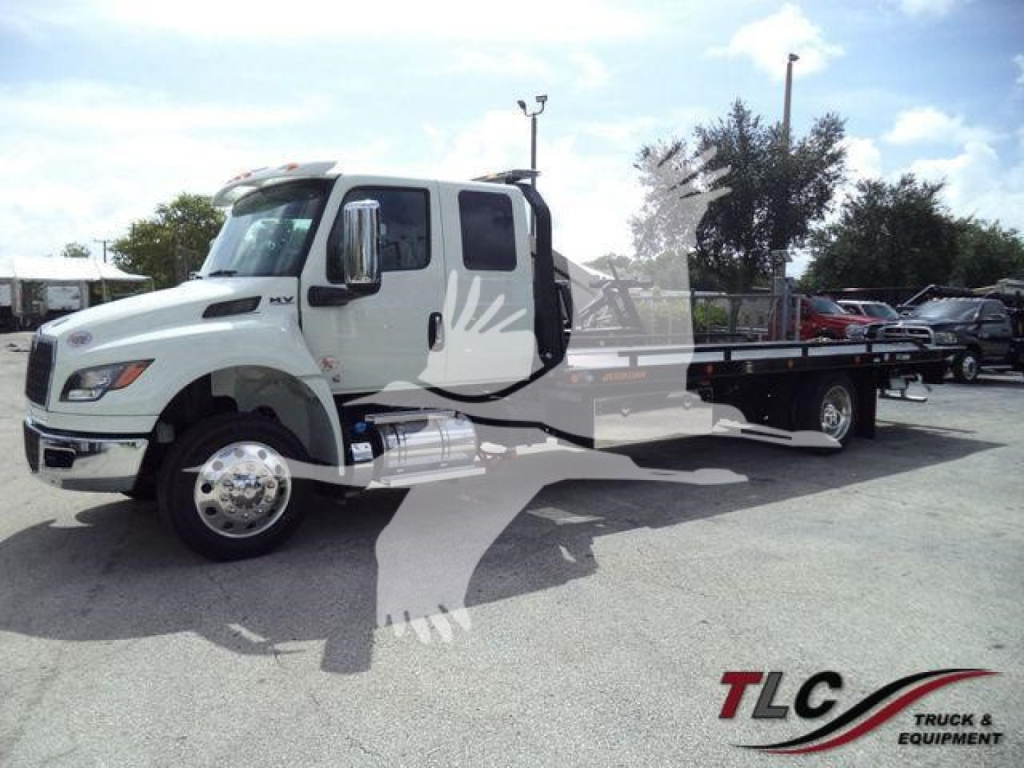
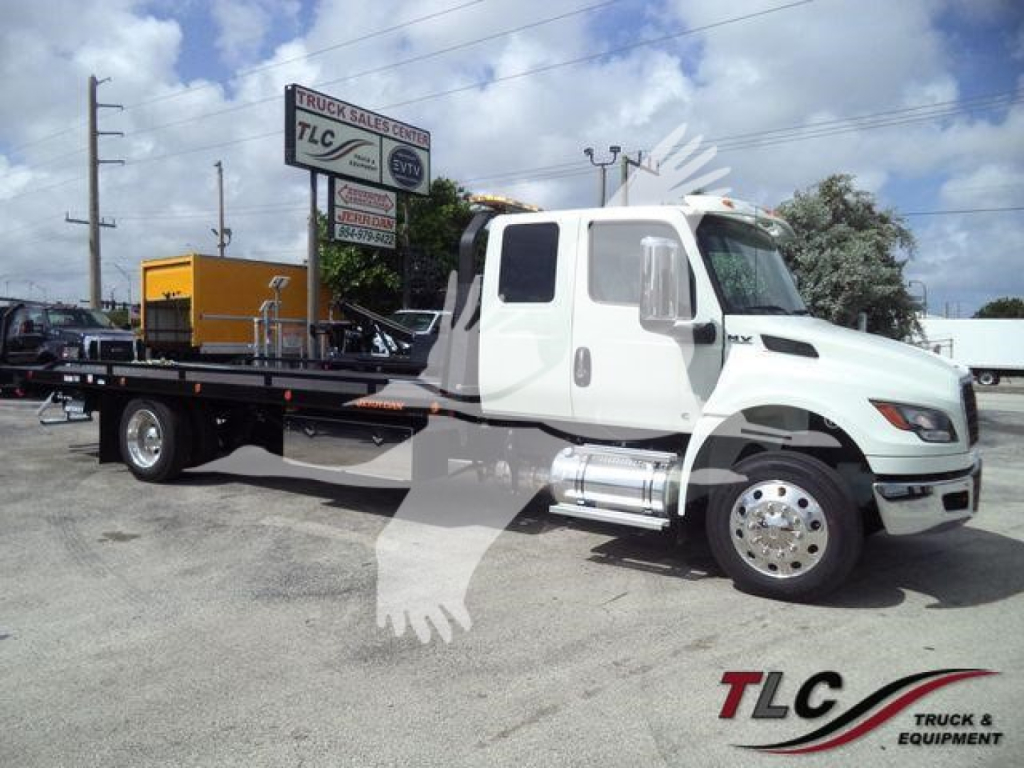
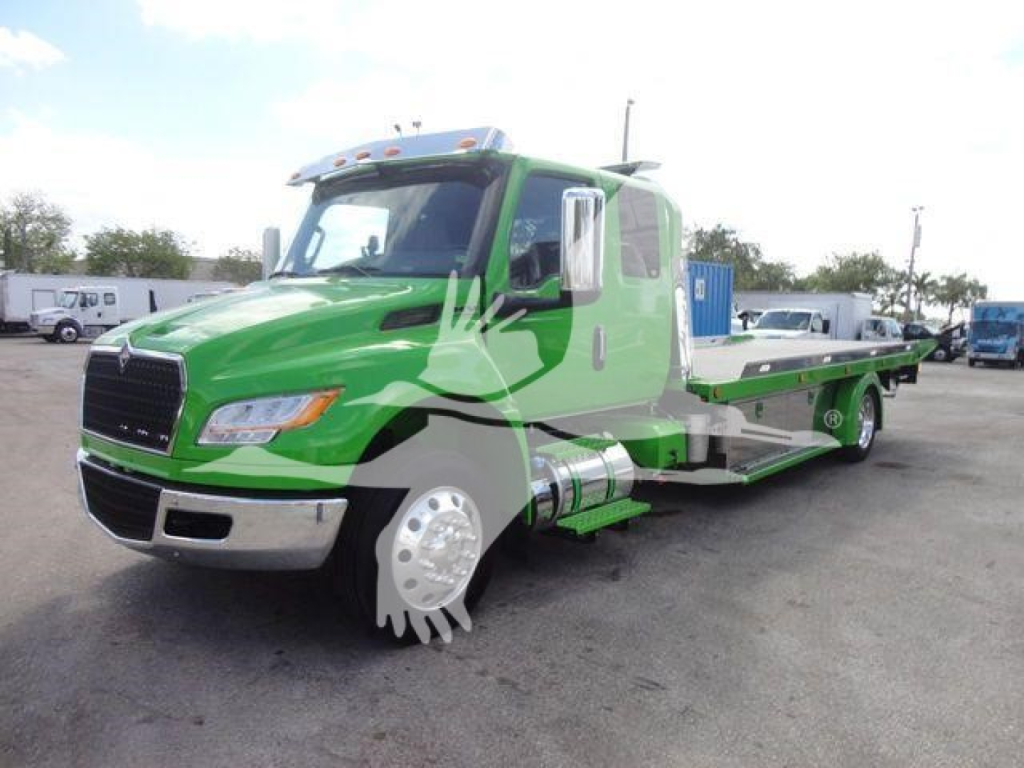
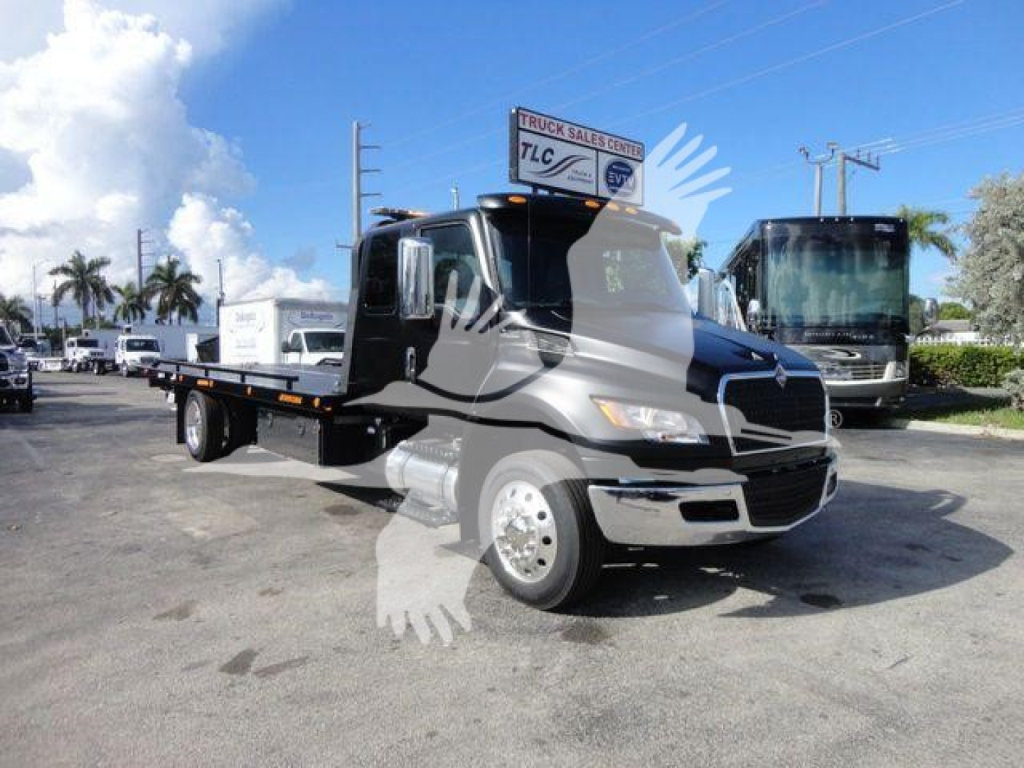
For many buyers, the key decision is gas versus diesel and how that choice matches route length, payload, towing demands, and maintenance planning. International CV trucks are often spec'd with the 6.6L Duramax diesel and Allison automatic transmission, especially in 4x4 crew cab applications where maneuverability and all-weather traction matter. The MV Series is more common when the job calls for higher GVWR ratings, longer cab-to-axle dimensions, air brakes, air ride suspension, and heavier body installations. On rollback, wrecker, dump, and carrier applications, details like axle capacity, rear suspension, frame strength, and correct weight distribution matter more than badge and trim. A longer wheelbase or 156-inch cab-to-axle, for example, can materially improve body fit and loaded balance on a carrier build.
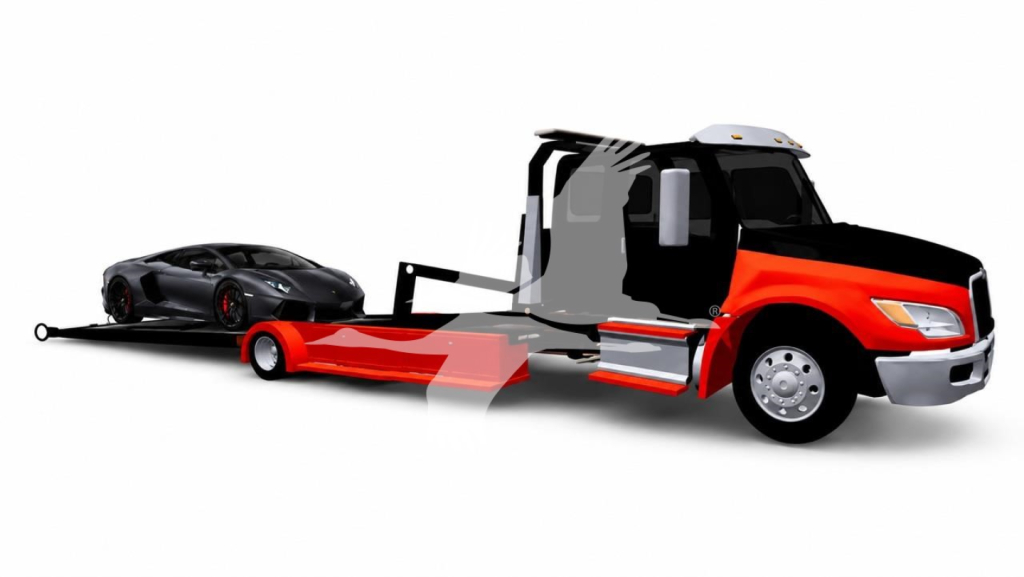
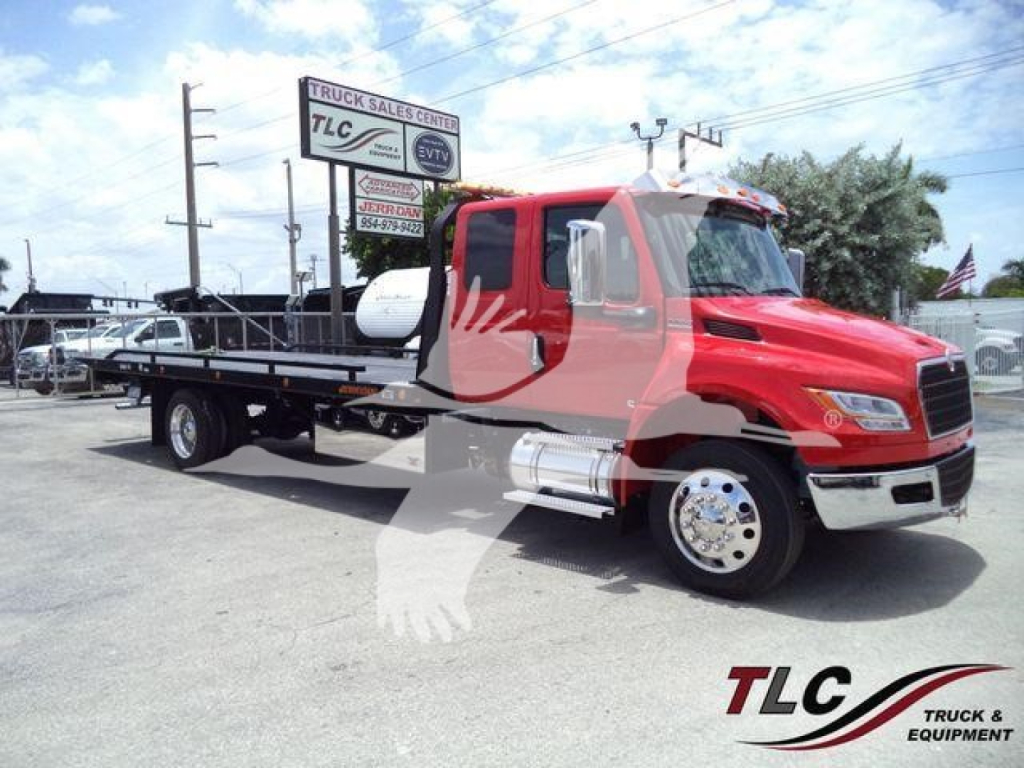
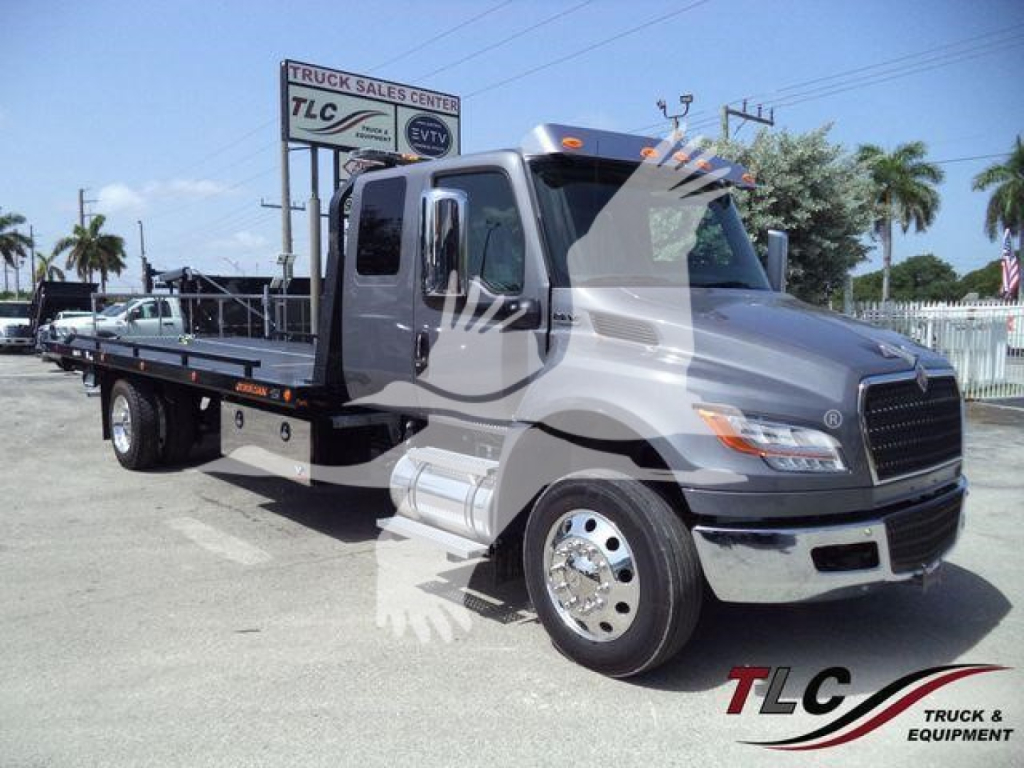
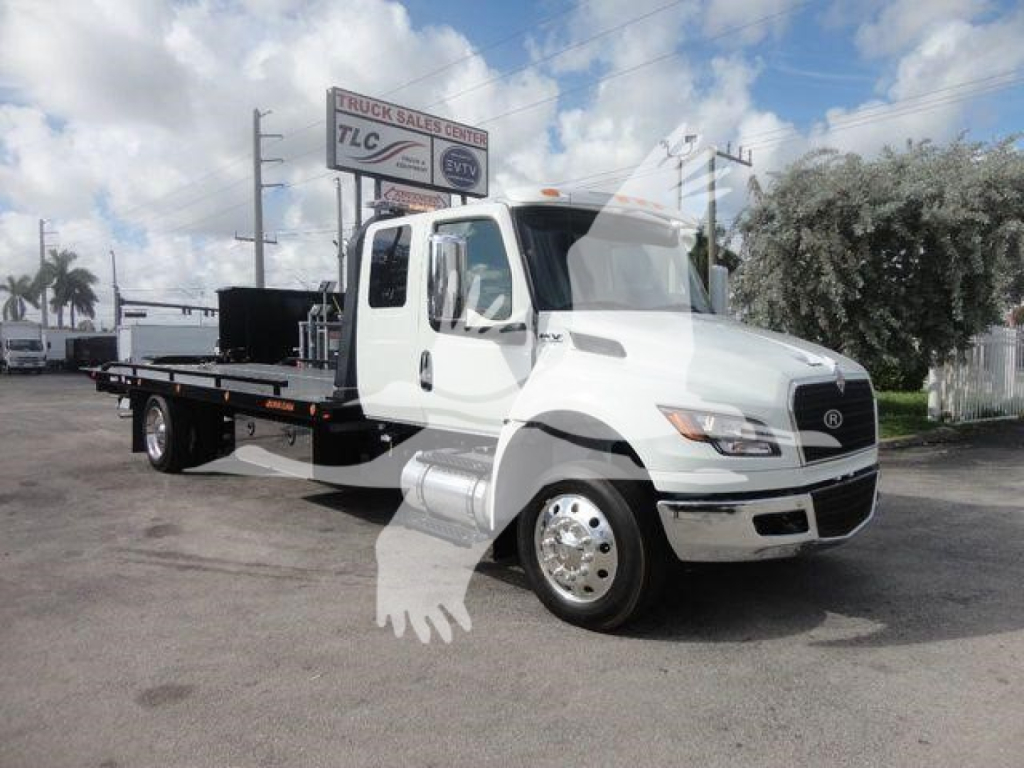
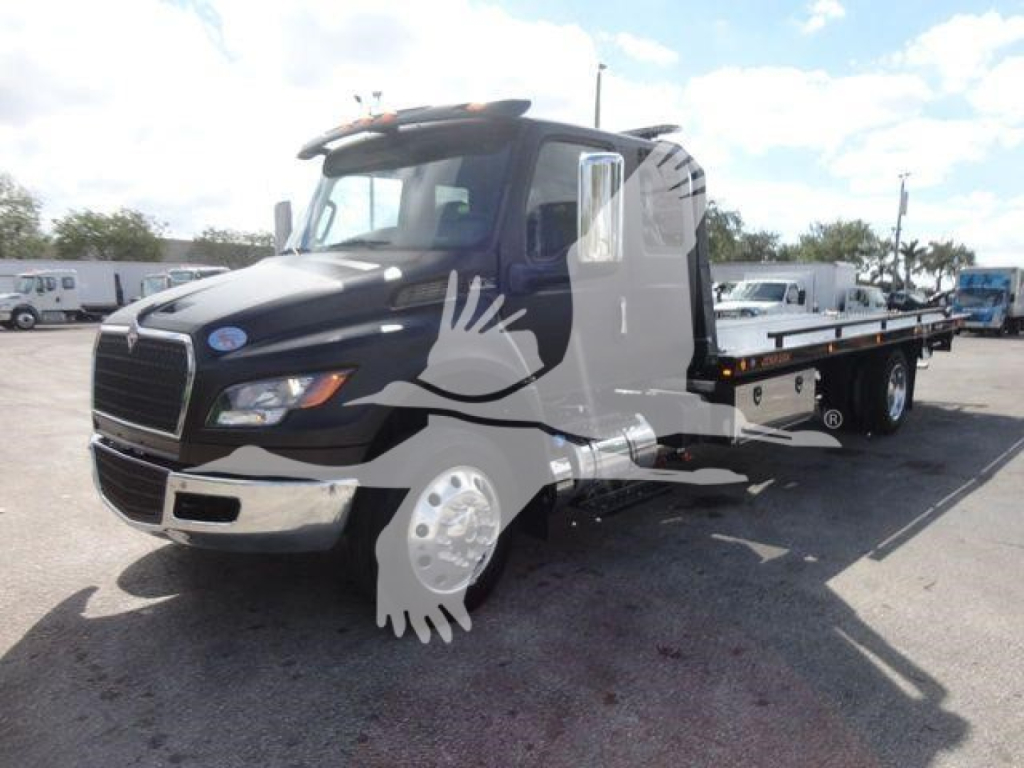
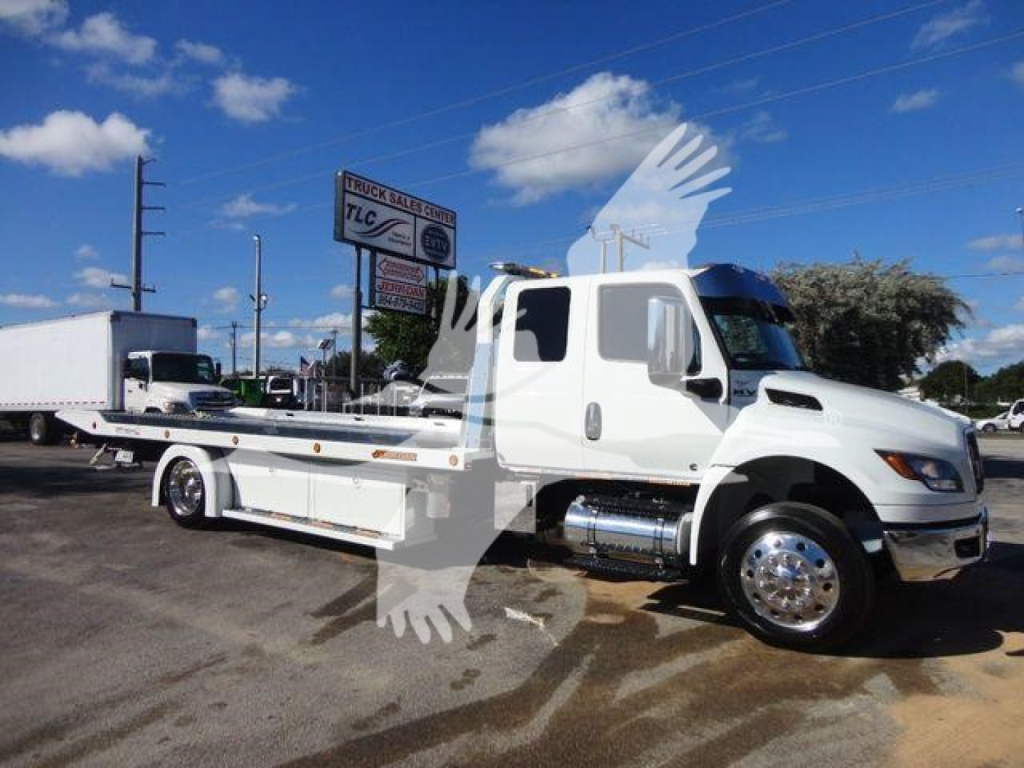
Florida buyers should also pay attention to corrosion resistance, cooling performance, and body material choices. Aluminum wheels, polished tanks, stainless trim, and aluminum or coated steel bodies can help with appearance and durability in coastal and high-humidity environments. For towing and recovery work, common specs include Jerr-Dan carrier bodies, extra-low-profile decks, wheel lifts with L-arms, dual work boxes, recovery booms, and winches sized for the type of vehicles being moved. For landscape, municipal, tree, and debris applications, chipper dumps and trash dumps often add high side walls, electric-over-hydraulic hoists, rear barn doors, pintle hitches, and trailer brake provisions. Cab equipment such as power mirrors, air ride seats, upfitter switches, and extended or crew cab layouts also affects daily usability more than many first-time buyers expect.
When comparing new 2027 International trucks for sale, focus on the complete chassis-and-body package rather than just the cab or engine. Verify GVWR, front and rear axle ratings, brake type, wheel and tire package, frame dimensions, and whether the truck was ordered for the intended body from the start. A properly spec'd International truck tends to be easier to upfit, better balanced under load, and more dependable in fleet service. That is especially important on vocational trucks where a mismatch between chassis capacity and body equipment can reduce payload, shorten component life, or create handling issues.
Frequently Asked Questions about New 2027 International Trucks in Florida
What are the main differences between International CV and MV trucks?
The International CV is generally a smaller Class 4 or Class 5 platform suited for lighter vocational work, often with pickup-style ergonomics, available 4x4, and applications such as light rollback, service, hauler, and dump builds. The International MV is a heavier medium-duty platform in the Class 6 to Class 7 range, better suited for higher GVWR needs, longer wheelbases, air brake configurations, and larger commercial bodies. Buyers usually choose the CV for maneuverability and lighter upfits, while the MV is selected for heavier payload, more robust chassis capacity, and broader body-spec flexibility.
What should I look at first when buying a new vocational International truck?
Start with GVWR, axle ratings, wheelbase, and cab-to-axle measurement. Those four items determine whether the chassis is correctly matched to the body and the job. After that, check engine and transmission pairing, brake type, suspension, PTO or hydraulic needs, and the exact body specifications such as deck length, hoist capacity, wheel-lift rating, or hitch setup. A truck can have the right body installed and still be the wrong chassis if weight distribution or axle capacity is not properly matched.
Are new International trucks a good fit for towing and recovery work?
Yes, International trucks are commonly used for towing and recovery, especially in rollback, carrier, and self-loader applications. CV models are frequently used for lighter-duty 4x4 tow builds, while MV models are often chosen for larger rollback bodies and higher-capacity commercial towing setups. Important towing specs include wheel-lift rating, winch capacity, frame strength, rear axle rating, body manufacturer, deck height, and overall weight balance. Buyers should also confirm that storage, lighting, and included tow equipment match the intended service calls.
Why does wheelbase and cab-to-axle length matter on an International truck?
Wheelbase and cab-to-axle length directly affect body fit, turning radius, axle loading, and ride quality. On rollback and dump applications, the wrong dimension can create poor weight distribution, reduce legal payload, or cause the body to sit improperly on the frame. A longer cab-to-axle can be beneficial when mounting longer carrier beds or other specialized equipment because it helps place the load more correctly across the axles. These measurements should always be reviewed before comparing price alone.
What specs matter most for buyers in Florida?
Florida buyers often prioritize corrosion resistance, cooling performance, and application-specific durability. Aluminum bodies, aluminum wheels, stainless hardware, and protective coatings can be valuable in humid or coastal conditions. Air conditioning performance, automatic transmissions, and easy cab access also matter on stop-and-go routes and service work. If the truck will operate in soft shoulders, storm response, or off-pavement conditions, 4x4 availability, tire selection, and suspension setup become more important than on standard highway routes.