
New 2024 Hooklift Trucks For Sale
Shop new 2024 hooklift trucks with medium-duty and Class 5 chassis, interchangeable bodies, and fast container handling for municipal and contractor work.
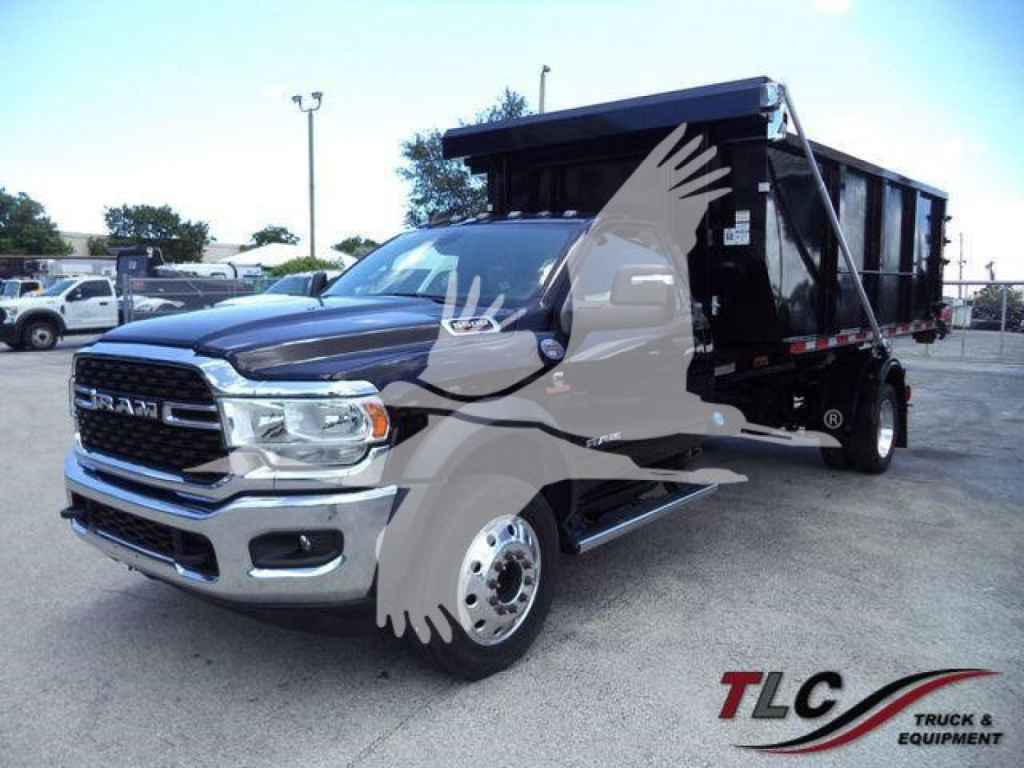
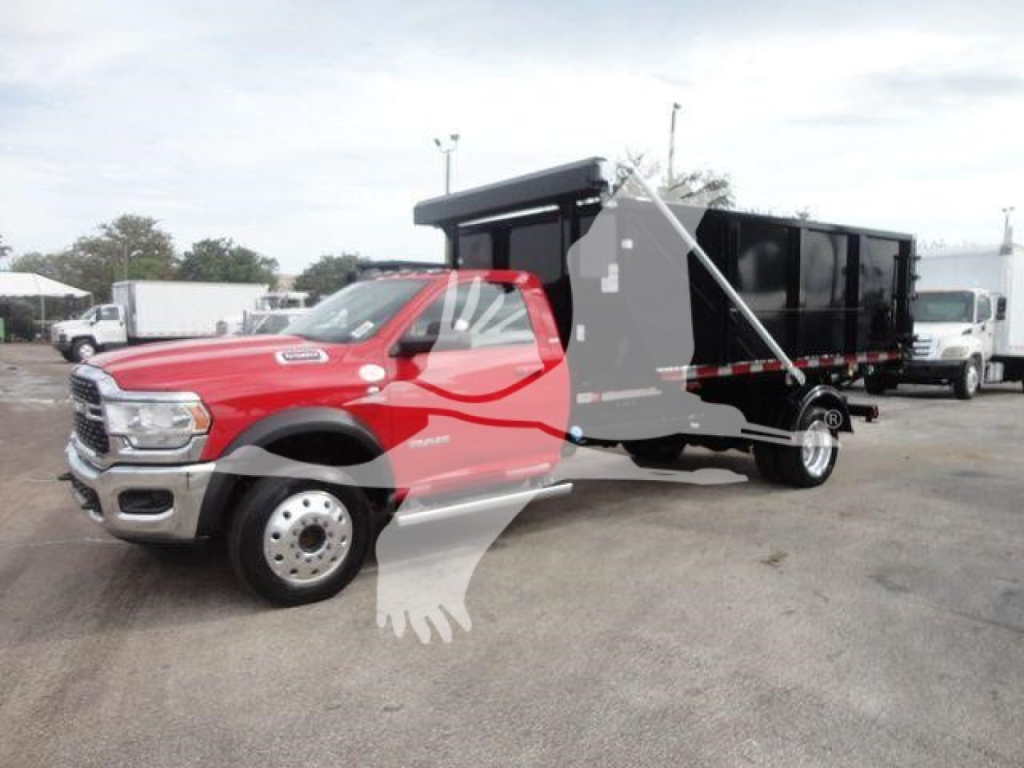
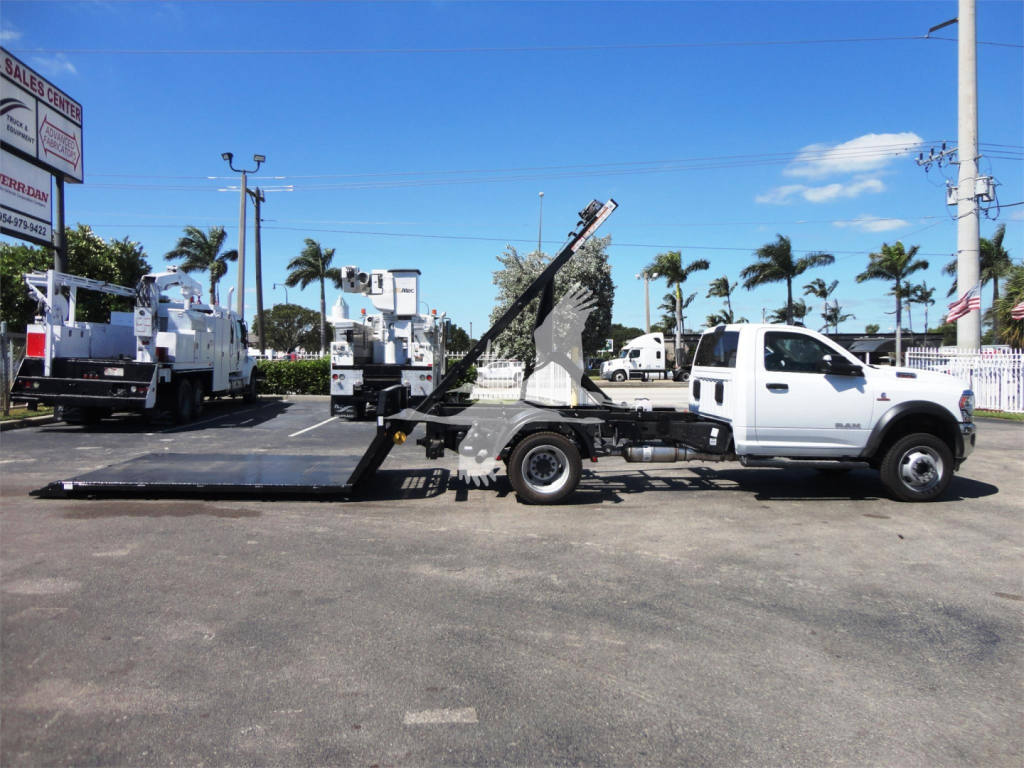
Selling a new 2024 hooklift truck? List your new 2024 hooklift truck for sale and reach thousands of commercial buyers.
New 2024 Hooklift Trucks
Capacity and chassis match-up matter more than brand alone. In this class, buyers will commonly see hooklift systems on Class 5 through Class 7 chassis such as Ram 5500, Hino L7, Kenworth T280, and Mack MD models. GVWR often falls around 19,500 to 25,950 pounds for non-CDL or near non-CDL applications, while hoist capacities commonly range from about 10 tons up to 22,000 pounds depending on the body and rail length. Common powertrains include Cummins and PACCAR diesel engines paired with Allison automatic transmissions. Wheelbase, cab-to-axle, rear axle rating, and suspension spec all affect what container lengths the truck can handle and how stable it feels under load.
Body compatibility is where a hooklift truck earns its keep. Many new units are set up for 11-foot to 14-foot bodies, though exact usable length depends on the hoist model, hook height, and chassis layout. Buyers should confirm hook height, body rail spacing, and container stop location before assuming interchangeability across brands. Electric-over-hydraulic hoists are common in this size range, along with in-cab and exterior controls, tarp systems, trailer brake connections, receiver hitches, and winches. If the truck will pull equipment trailers or support mixed-use work, check the hitch rating, PTO or hydraulic package, and rear frame arrangement. If it will spend more time on refuse or demolition debris, pay attention to body wall height, door style, floor thickness, and corrosion protection.
For many fleets, the right 2024 hooklift truck comes down to route density, driver licensing, and container strategy. A regular cab 4x2 can be a strong fit for tight urban service and lighter payloads, while a 4x4 chassis may make more sense for tree service, rural work, and muddy job sites. New trucks also appeal to buyers who want current emissions systems, factory warranty coverage, cleaner cab ergonomics, and easier upfitter integration. The best comparison points across listings are hoist capacity, body length range, actual payload after upfit, brake and axle ratings, and how easily the truck can switch between dump, flatbed, and container work in a single week.
Frequently Asked Questions about New 2024 Hooklift Trucks
What is a hooklift truck used for?
A hooklift truck is used to load, unload, and swap interchangeable bodies on a single chassis. Common applications include landscape debris, trash and recycling, construction cleanup, municipal maintenance, scrap handling, and hauling flatbeds or equipment platforms. The key advantage is utilization. One truck can perform several jobs that would otherwise require separate dedicated bodies.
What should I check first when comparing new 2024 hooklift trucks?
Start with hoist capacity, chassis GVWR, and the body lengths the system is designed to handle. Then verify hook height, cab-to-axle, wheelbase, rear axle rating, and actual payload after the hooklift and body are installed. Those numbers determine whether the truck will safely handle your containers and whether it fits your licensing, route, and jobsite requirements.
Are hooklift trucks and roll-off trucks the same thing?
They are related but not always identical terms. A hooklift truck uses a hydraulic hook arm to pick up compatible bodies or containers from the ground, while a traditional cable roll-off uses a cable and hoist arrangement. Some buyers and sellers use the terms loosely, especially on smaller interchangeable-body trucks, so it is important to confirm the exact hoist style, compatible container design, and loading method.
What container lengths are common on medium-duty hooklift trucks?
Many medium-duty hooklift trucks in this market are configured for bodies in the 11-foot to 14-foot range, but the exact length depends on the hoist model and chassis geometry. Buyers should not rely on body length alone. Hook height, rail width, container stop placement, and overall body weight all affect compatibility and safe operation.
Can a new hooklift truck stay under CDL limits?
Yes, many new hooklift trucks are built on chassis with GVWRs around 25,950 or 26,000 pounds to support non-CDL operation in many applications. That said, body weight, payload, trailer use, and state regulations still matter. A truck spec that works on paper can become overloaded quickly once a heavy container, dense debris, or a trailer is added, so legal and practical operating weight should be reviewed carefully.