
New 2024 Hooklift Trucks For Sale in Florida
Shop new 2024 hooklift trucks for sale in Florida. Compare chassis, hoist capacity, body length, PTO or electric systems, and jobsite use.
Selling a new 2024 hooklift truck? List your new 2024 hooklift truck for sale and reach thousands of commercial buyers.
New 2024 Hooklift Trucks in Florida
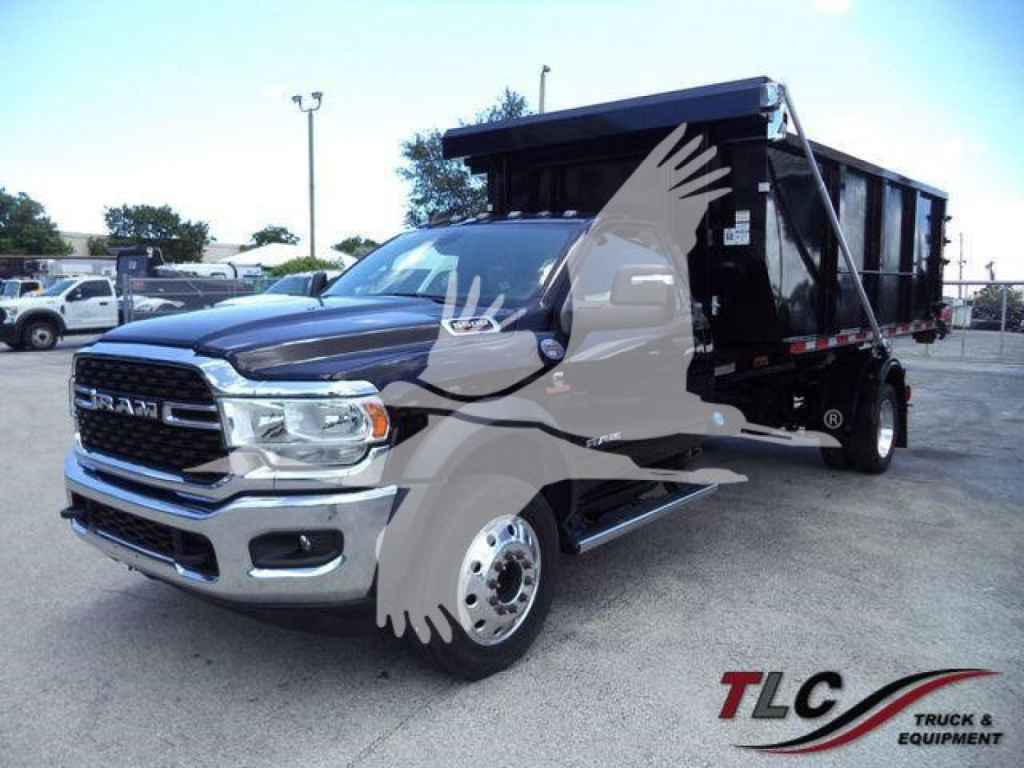
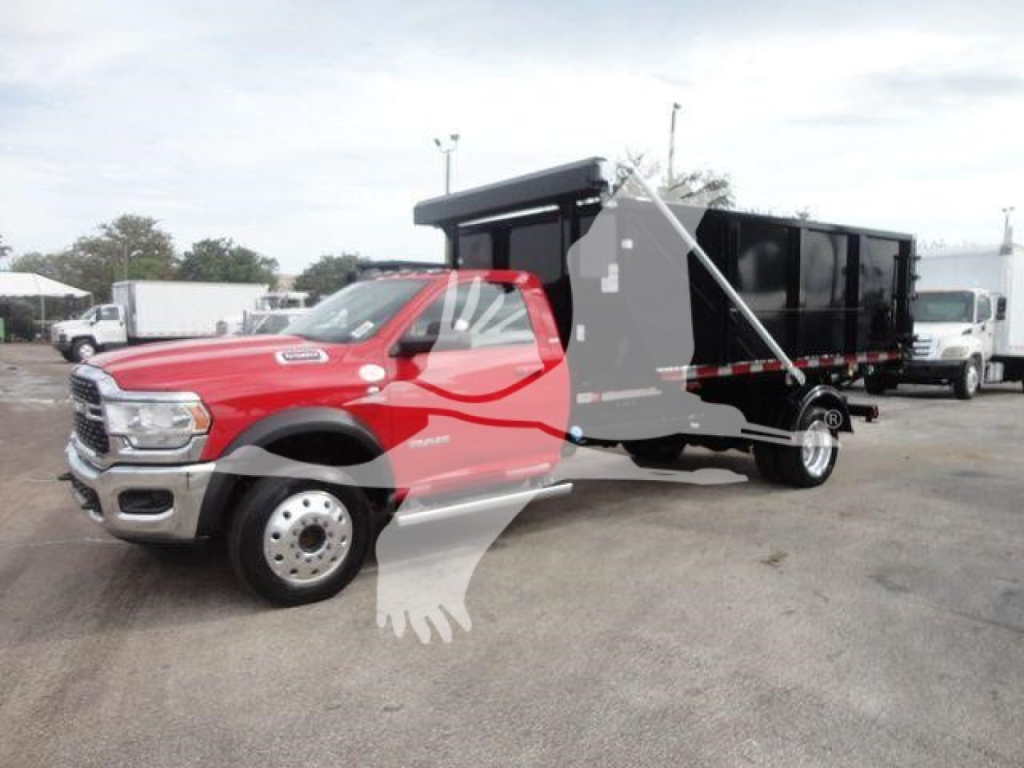
One of the first things to compare is chassis size and hoist rating. In this class, many 2024 hooklift trucks are built on medium-duty platforms like the Ram 5500 with diesel power, automatic transmissions, and GVWRs around 19,500 pounds. Common body lengths in lighter hooklift applications run around 11 to 14 feet, and that length decision affects payload, maneuverability, and the range of containers you can use. A 4x2 truck may be a good fit for paved-route work and tighter operating costs, while 4x4 is valuable for soft ground, rural properties, utility access, and storm response. Buyers should match the hooklift capacity to the heaviest container they plan to load, not just the body that comes with the truck.
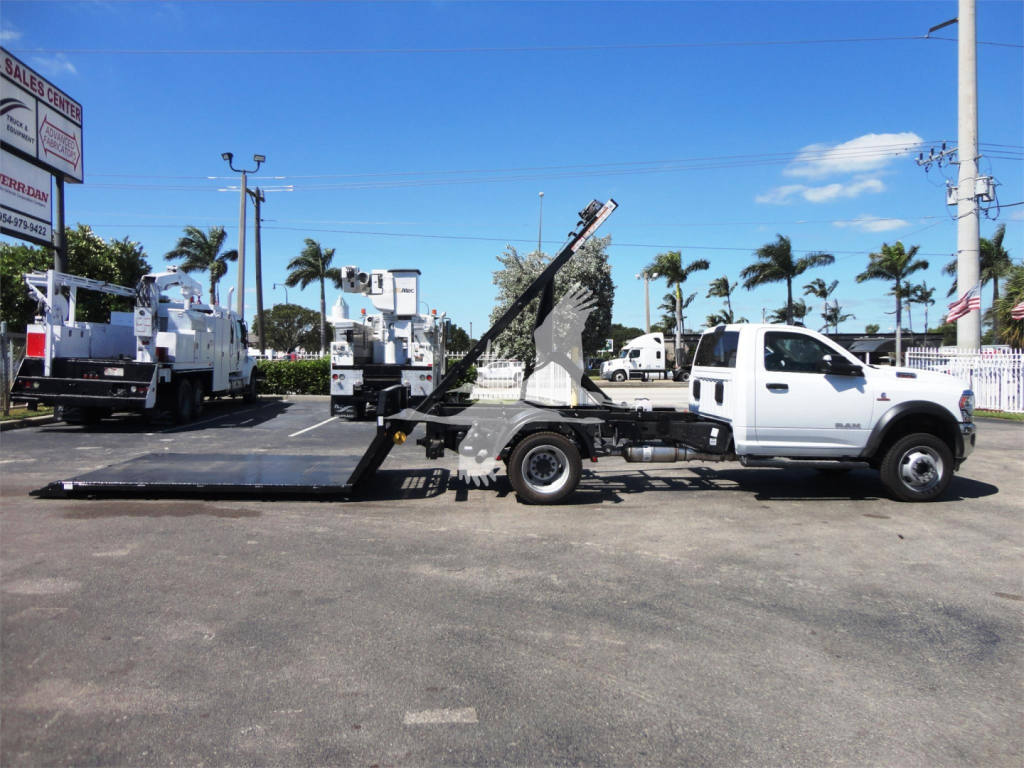
The hoist system and controls deserve close attention because they drive daily usability. Electric-over-hydraulic systems are common in this segment and are popular for straightforward operation and lower complexity on lighter-duty builds. Winch capacity, cable length, rear roller design, body latch system, and in-cab versus external controls all affect loading speed and operator confidence. Many trucks in this category are also equipped with practical towing and worksite features such as ICC bumper hitches, receiver tubes, electric trailer brake provisions, 7-way plugs, tarp systems, and fender kits. If the truck will handle mulch, roofing tear-off, C&D debris, or wet yard waste, container wall height, rear door style, and floor material are just as important as chassis specs.
New 2024 hooklift trucks appeal to buyers who want current emissions compliance, factory-backed chassis support, and a clean maintenance baseline from day one. The real value is in system compatibility. A buyer should confirm inside hook height, rail width, body length range, and container design standards before expanding a fleet of cans or interchanging bodies between trucks. In Florida service, corrosion protection, sealed electrical components, strong tarp systems, and easy washout access can make a noticeable difference over time. The best hooklift truck is not simply the biggest one. It is the truck with the right wheelbase, hoist rating, container length, and duty cycle for the work it will do every day.
Frequently Asked Questions about New 2024 Hooklift Trucks in Florida
What is a hooklift truck used for?
A hooklift truck is used to pick up, transport, dump, and set down interchangeable bodies or containers on a single chassis. Common applications include landscaping, trash and debris hauling, construction cleanup, roofing, municipal maintenance, equipment delivery, and storm recovery. The main advantage is versatility, since one truck can run a dump body in the morning, a flatbed in the afternoon, and a debris container on the next job.
What should I look at first when buying a new 2024 hooklift truck?
Start with the relationship between chassis GVWR, hoist capacity, and body length. Those three specs determine how much the truck can safely carry and which containers it can use. After that, review drivetrain choice, wheelbase, hydraulic system type, winch and cable setup, towing equipment, and control layout. Buyers should also verify the truck matches the dimensions of any existing hooklift bodies already in their fleet.
Is 4x2 or 4x4 better for a hooklift truck in Florida?
That depends on where the truck works. A 4x2 hooklift truck is often sufficient for pavement-based routes, residential debris work, and many contractor applications where lower acquisition cost and simpler maintenance are priorities. A 4x4 truck is better for soft ground, undeveloped sites, hurricane cleanup zones, utility easements, and rural properties where traction can limit productivity. In Florida, sand, rain-soaked lots, and storm conditions often make 4x4 worth serious consideration.
What body lengths are common on light and medium-duty hooklift trucks?
In the lighter hooklift segment, 11-foot to 14-foot bodies are common. Shorter bodies usually improve maneuverability and can work well in dense residential or urban service. Longer bodies can increase cubic capacity and broaden the truck’s use in landscaping, demolition debris, or material delivery, but they also affect wheelbase needs and payload balance. The correct length depends on the chassis, the hoist rating, and the type of material being hauled.
Are electric-over-hydraulic hooklift systems a good choice?
Electric-over-hydraulic hooklift systems are a common and practical choice on many light and medium-duty trucks. They offer straightforward operation and are well suited to applications where fast body changes and simple controls matter more than heavy vocational cycling. The buyer should still evaluate duty cycle, service access, controller quality, wiring protection, and hydraulic component support. For many contractor and landscape fleets, an electric-over-hydraulic setup delivers the right mix of versatility and ease of use.