
Used Mack Garbage Trucks For Sale in New York
Browse used Mack garbage trucks for sale in New York, including rear loaders and heavy-duty refuse specs built for municipal and sanitation work.
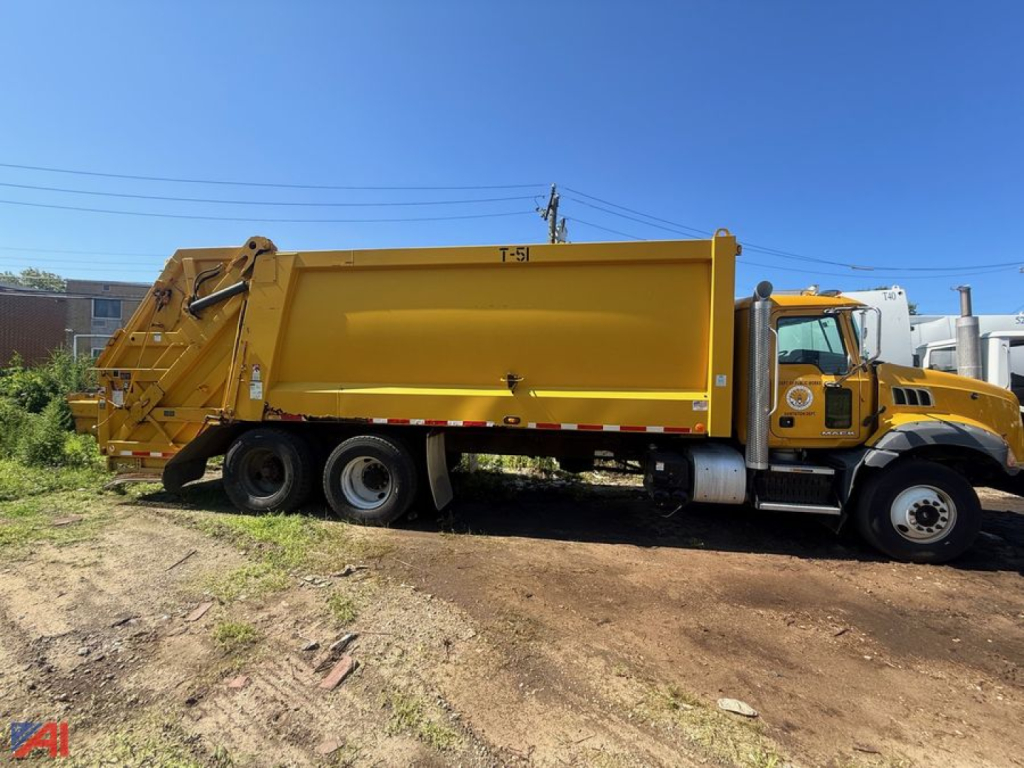
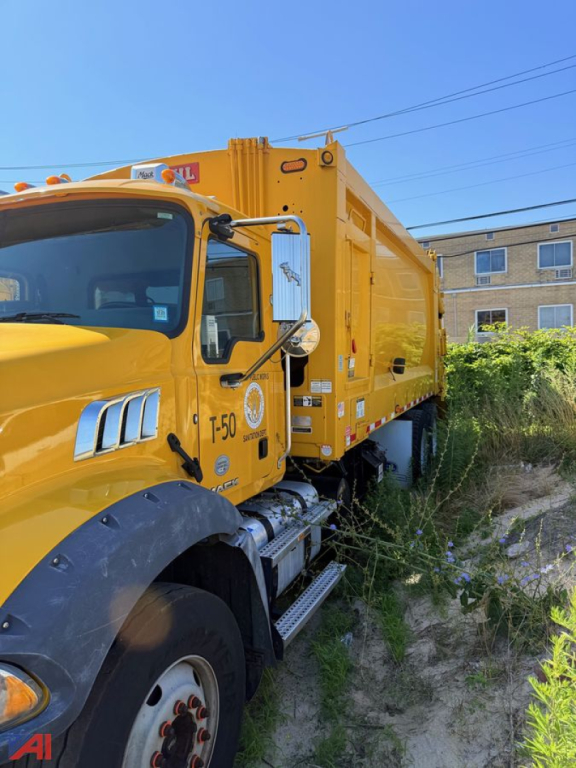
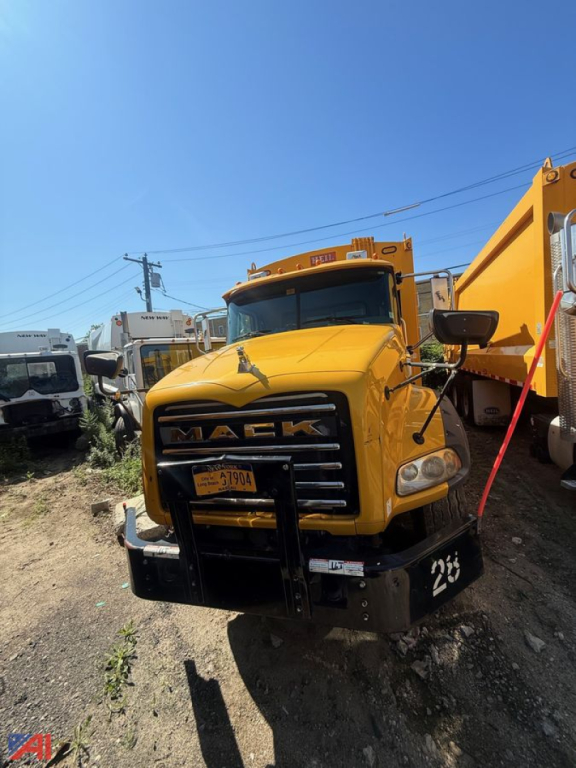
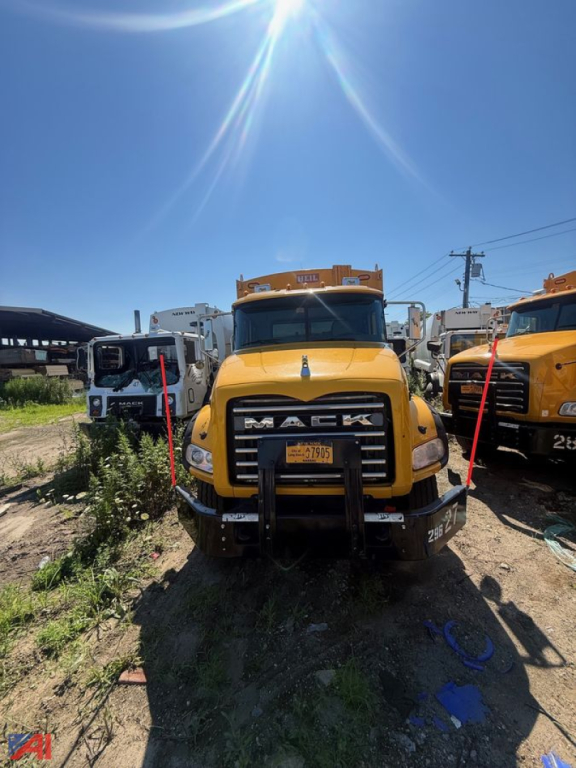
Have used mack garbage truck to sell? List it here to reach thousands of buyers.
Used Mack Garbage Trucks in New York
The most important buying decision is the chassis and body combination, not just the model year. Mack refuse trucks are often spec'd with heavy front axles, tandem rears, high-GCWR driveline components, and Allison automatic transmissions that hold up well in dense collection routes. Engines such as the Mack MP7 are common in this class, typically paired with vocational suspensions and braking packages designed for repeated starts, stops, and compaction cycles. On a used garbage truck, body condition matters as much as drivetrain condition. Inspect the packer floor, hopper, ejector, tailgate seals, hydraulic cylinders, control systems, and PTO operation. Rust in the body, frame, and crossmembers is a serious issue in Northeast service areas where road salt and year-round municipal use can accelerate corrosion.
Refuse application should guide the spec. Residential rear loaders need reliable packer performance, good hopper access, and a legal axle setup for loaded neighborhood work. Commercial front loaders and automated side loaders place different demands on frame rail reinforcement, steering axle capacity, and hydraulic performance. In New York, bridge laws, transfer station distances, alley access, and tight city turning requirements all affect what wheelbase, axle rating, and body size make sense. A truck with an 18,000 lb front axle and high-capacity rears may be better suited for dense payloads, but buyers still need to confirm legal operating weights, lift compatibility, and body parts support.
When evaluating a used Mack garbage truck, look at engine hours, idle time, transmission shift quality, PTO engagement, hydraulic leaks, and maintenance history from the sanitation department or contractor that ran it. Refuse trucks usually accumulate wear by route cycles more than by highway miles, so a low-mile unit can still have significant body and hydraulic use. Strong candidates tend to be trucks with documented service records, consistent fleet maintenance, and body components that still cycle cleanly under load. For buyers comparing multiple listings, the best value usually comes from matching the truck's route history, body style, axle spec, and corrosion condition to the exact type of refuse work it will handle next.
Frequently Asked Questions about Used Mack Garbage Trucks in New York
What Mack models are most common for garbage truck applications?
The Mack Granite and Mack GU series are among the most common Mack chassis used in refuse service. These models are popular because they are built for vocational work, offer strong front axle options, and are commonly paired with automatic transmissions and heavy-duty suspensions. On the used market, the exact body builder and loading style often matter as much as the chassis model because the truck's productivity depends on how well the chassis and packer body were spec'd together.
What should I inspect first on a used Mack garbage truck?
Start with the refuse body and hydraulic system, then move to the chassis and drivetrain. Check the hopper, packer panel, body floor, tailgate hinges, locks, seals, cylinders, hoses, PTO, and controls for leaks, cracks, and excessive wear. After that, inspect the frame, suspension, axle housings, brakes, and transmission operation. In New York and other Northeast markets, corrosion on the body, frame rails, and crossmembers is one of the biggest condition factors on a used sanitation truck.
Are miles or hours more important on a used garbage truck?
Hours and route use are often more revealing than odometer mileage on a refuse truck. Garbage trucks spend much of their life in low-speed stop-and-go operation with frequent compaction cycles, PTO use, and extended idle time. A truck with relatively low miles can still show heavy wear if it ran dense urban residential routes for years. Engine hours, PTO hours if available, hydraulic condition, and maintenance records usually give a clearer picture of remaining service life.
What body size is common on a rear load Mack garbage truck?
A 20-yard to 25-yard rear load body is a common range on Mack garbage trucks used for residential and municipal collection. The right size depends on route density, legal weight limits, transfer station distance, and the material being collected. Larger bodies can improve route efficiency, but buyers need to match body volume to axle ratings and local weight restrictions so the truck can carry productive loads without becoming overweight.
Why are Allison automatic transmissions common in Mack refuse trucks?
Allison automatic transmissions are widely used in refuse applications because they perform well in repeated stop-and-go work and help reduce driver fatigue on collection routes. They also integrate well with PTO and hydraulic demands common on packer bodies. In a used Mack garbage truck, smooth shifting, proper PTO engagement, and service history are key signs that the transmission has been maintained for vocational duty.