
Used Mack Garbage Trucks For Sale
Shop used Mack garbage trucks including LR, MRU, LEU, and GU models. Compare refuse specs, body setups, hydraulics, and route-ready durability.
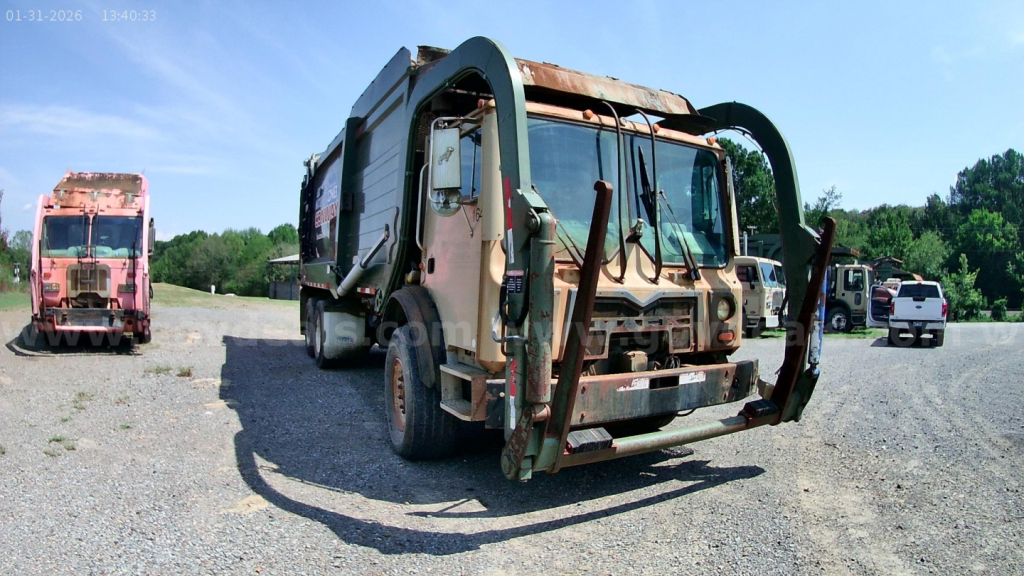
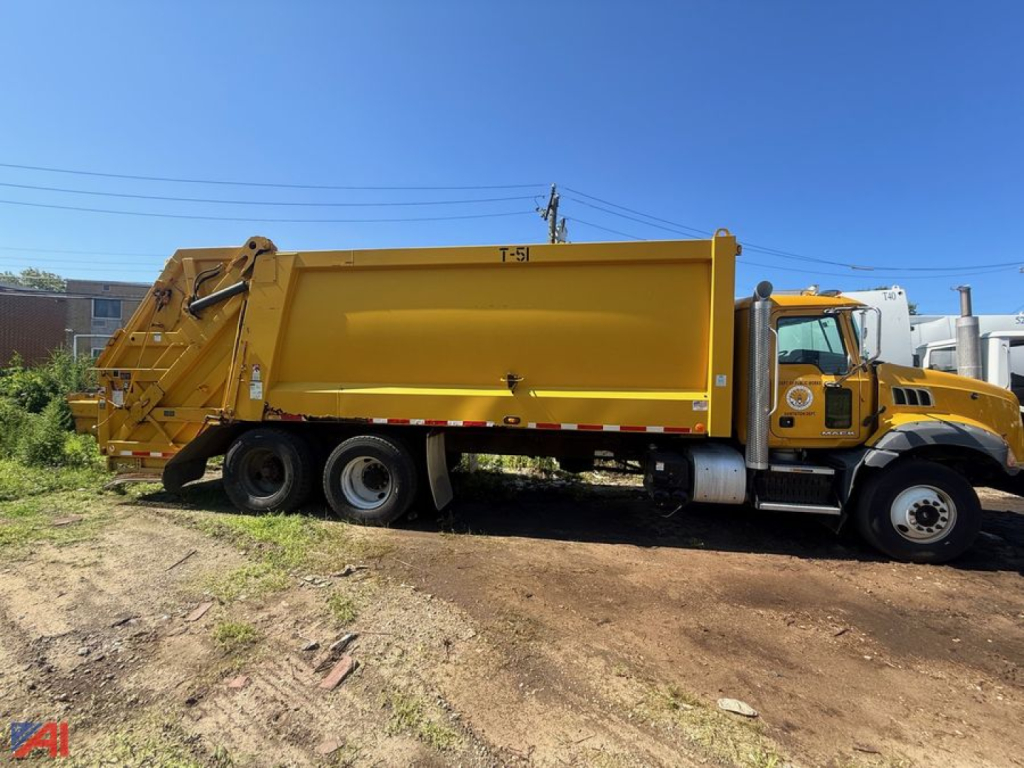
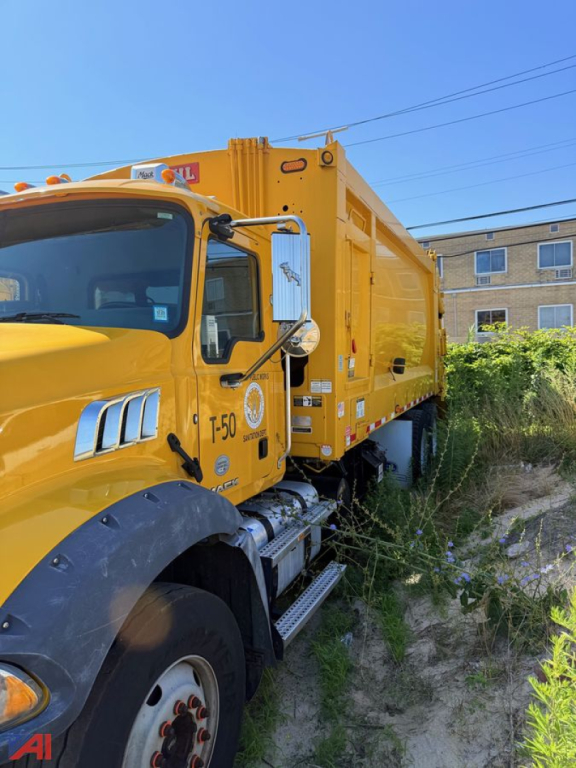
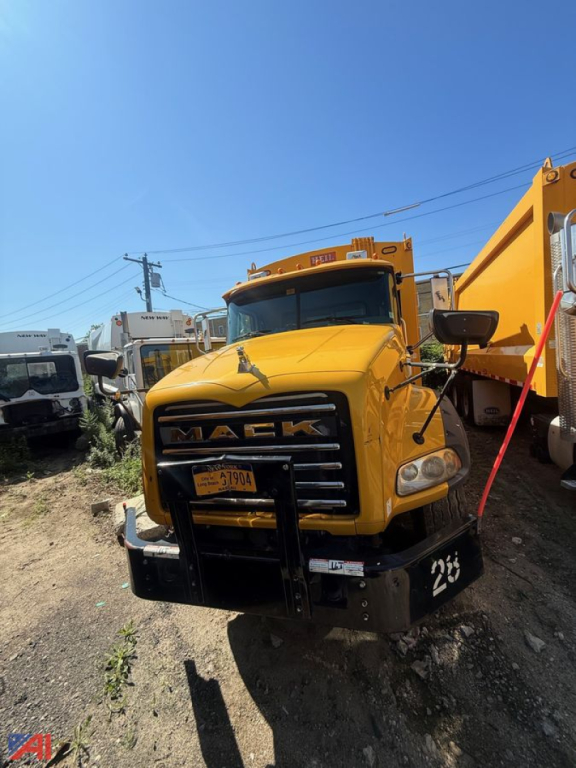
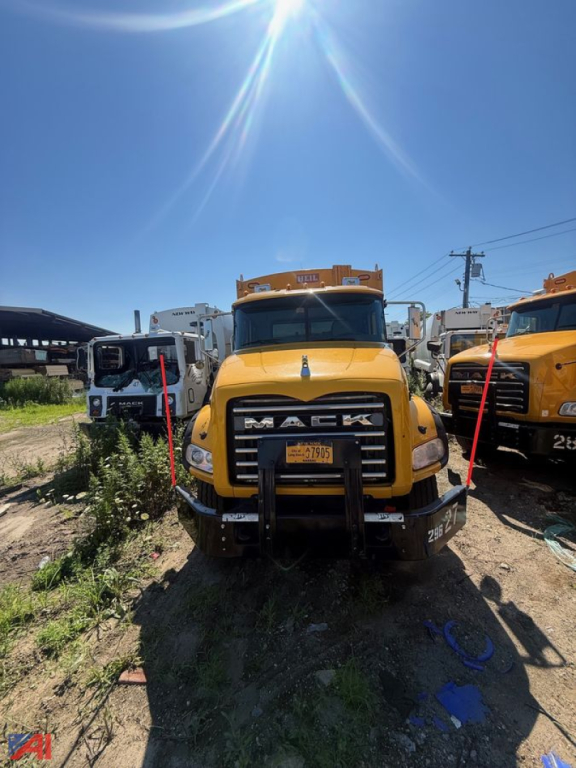
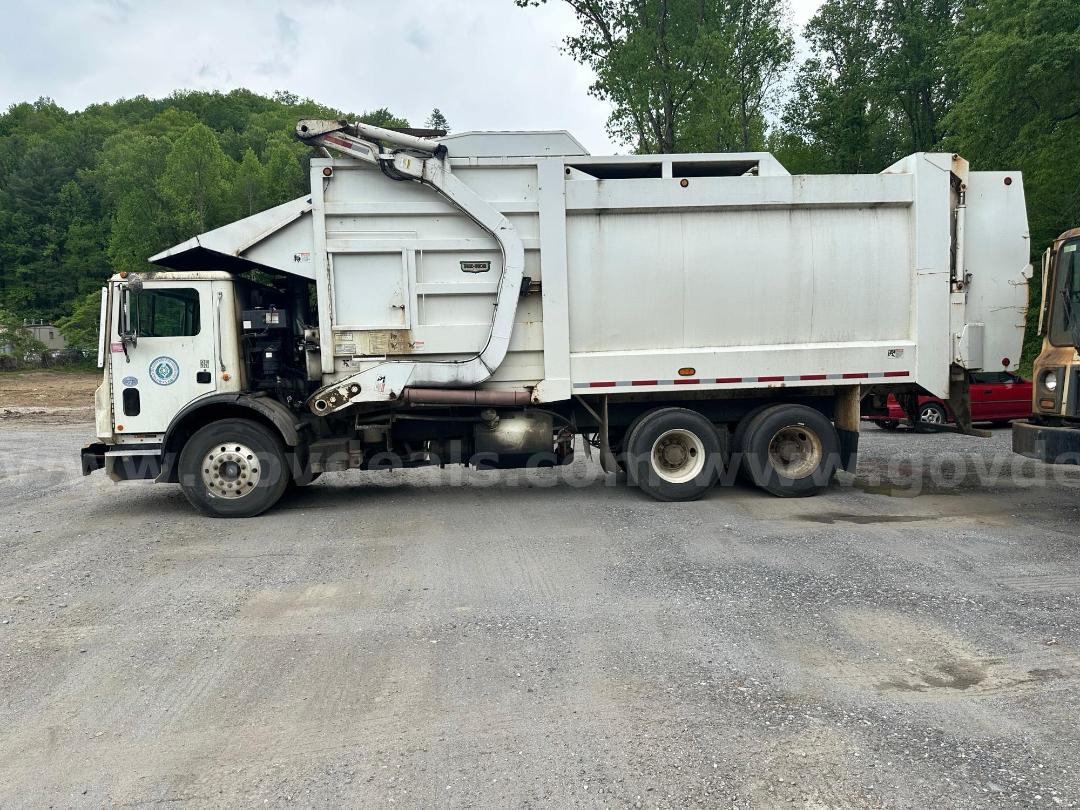

Have used mack garbage truck to sell? List it here to reach thousands of buyers.
Used Mack Garbage Trucks
For residential collection, Mack LR and LEU models are often paired with automated side loader bodies and low-entry cab designs that improve driver visibility and reduce fatigue on dense urban routes. MRU and GU models are also common in refuse fleets, especially where a more conventional cab or heavier front loader setup is preferred. Key specs to review include axle ratings, wheelbase, PTO and hydraulic performance, packer cycle times, hopper capacity, and body manufacturer support. On a used unit, it is also important to inspect the tailgate seal, ejector operation, body floor condition, frame rail integrity, hydraulic cylinders, and any signs of leakage around pumps, valves, and packer seams.
Mack garbage trucks are built for severe-duty use, so drivetrain condition matters more than appearance. Many units are spec'd with Mack MP engines, Allison automatic transmissions, heavy front axles, and low-speed rear axle ratios suited to constant starts, tight turns, and heavy compaction cycles. In a used refuse truck, idle hours and PTO hours can tell you more than odometer miles. Suspension wear, steering play, brake life, cooling system condition, and electrical reliability should all be evaluated closely, especially on trucks that spent years on short municipal routes with frequent curb strikes and repetitive hydraulic use.
A good used Mack garbage truck should match the waste stream and route density it will handle. Automated side loaders need stable hydraulics and arm integrity for cart service. Front loaders need the right lift capacity, frame strength, and visibility for commercial dumpster work. Rear loaders still make sense for manual collection and bulk pickup routes. Mack remains popular in this category because parts support is broad, the chassis is widely understood by fleet technicians, and the trucks are designed for the punishing duty cycle that defines refuse service.
Frequently Asked Questions about Used Mack Garbage Trucks
What Mack models are most common in the used garbage truck market?
The most common Mack refuse chassis on the used market are the LR, MRU, LEU, and GU series. The LR is especially common in low-entry residential collection, while MRU and GU models are often seen in heavier refuse applications or conventional cab setups. The exact body style can vary widely, so buyers should confirm whether the truck is configured as an automated side loader, front loader, rear loader, or another refuse body type.
What should I inspect first on a used Mack garbage truck?
Start with the body and hydraulic system, because those components usually define the truck's value in refuse service. Check packer function, hopper and floor wear, tailgate seal condition, hydraulic leaks, cylinder operation, PTO engagement, and any cracking around high-stress welds. After that, review chassis items such as frame condition, steering components, suspension wear, brake life, cooling system performance, and engine fault history.
Are miles the best way to judge a used refuse truck?
No. Miles matter, but refuse trucks often accumulate wear through low-speed, high-cycle operation rather than long highway runs. Idle hours, PTO hours, compaction cycles, and route severity can be better indicators of actual wear. A truck with moderate mileage but heavy stop-and-go residential service may show more wear than a higher-mile truck that worked a lighter commercial route.
Is a low-entry Mack better than a conventional cab for garbage routes?
A low-entry Mack is usually better for dense residential routes because it improves visibility, speeds up driver entry and exit, and helps reduce operator fatigue. Conventional cab trucks can still be a strong fit for certain refuse applications, especially front loader or mixed-duty work where the route involves more travel between stops. The best choice depends on route density, collection method, and driver preference.
Do used Mack garbage trucks hold value well?
They generally do, especially when the chassis has strong service records and the refuse body is from a well-supported manufacturer. Mack has a long reputation in severe-duty applications, and many fleet buyers are comfortable with the brand's refuse chassis. Resale value depends heavily on body condition, emissions system health, hydraulic performance, and whether the truck's configuration matches current route demand.