
Used Freightliner Trucks For Sale in Georgia
Used Freightliner trucks in Georgia, from Cascadia sleepers to M2 box and vocational units, with specs that balance payload, fuel economy, durability.
Learn more
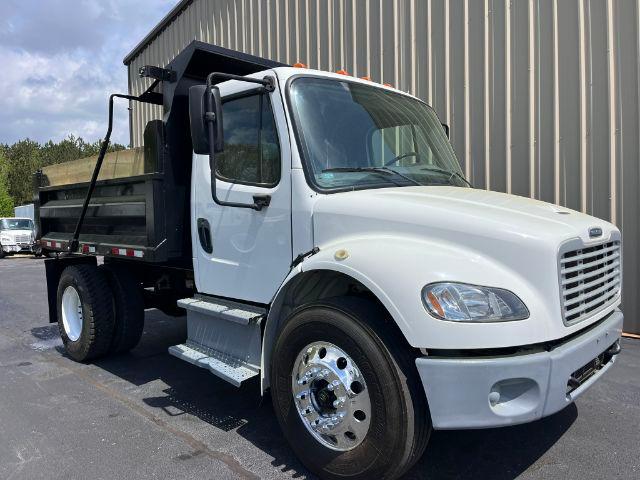
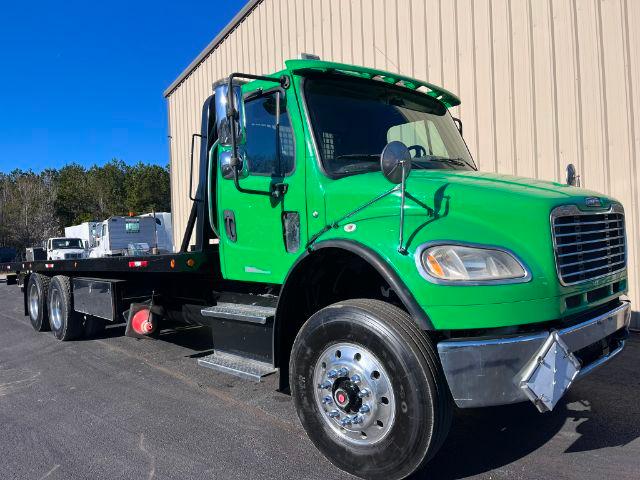
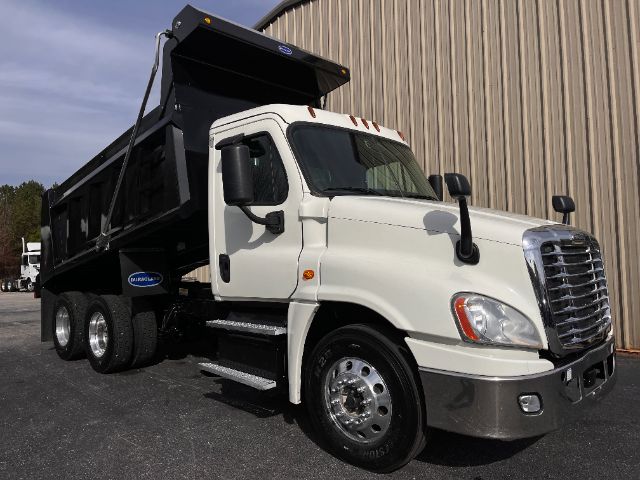
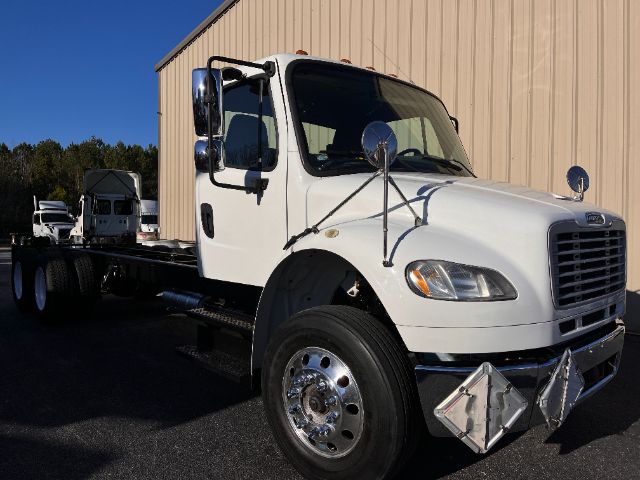
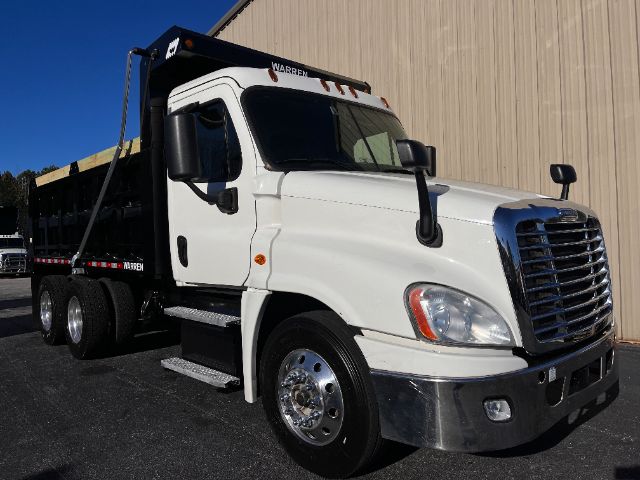
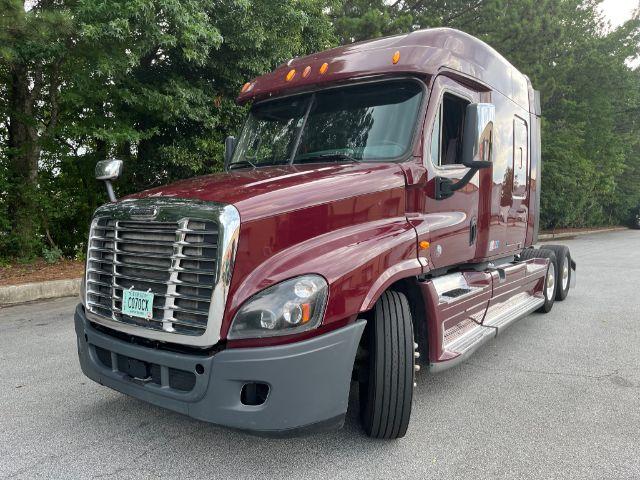
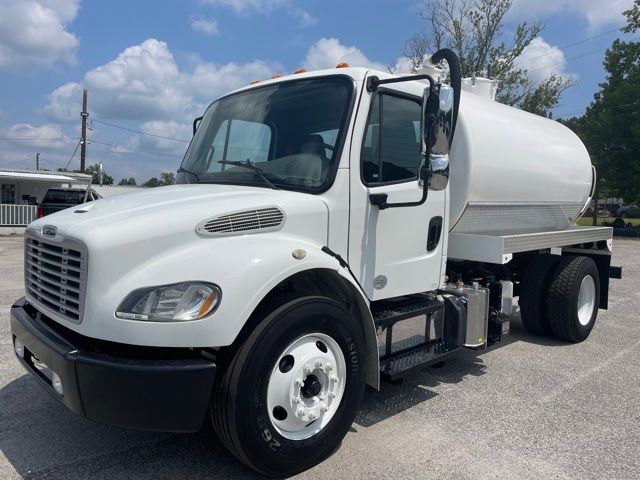
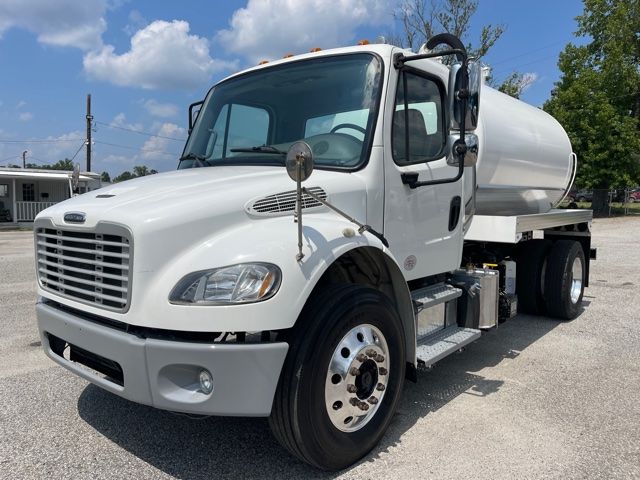
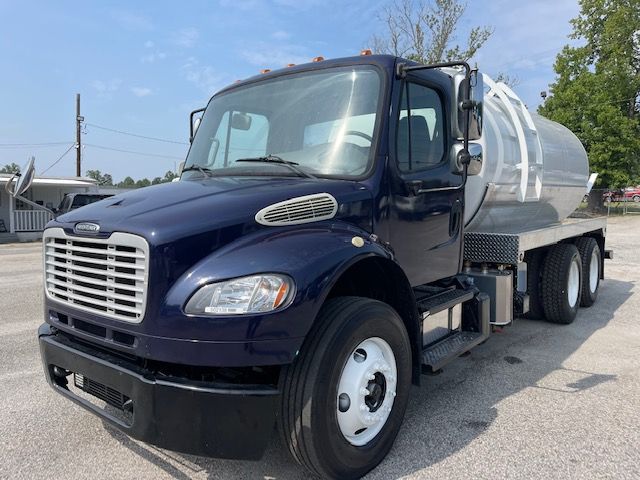
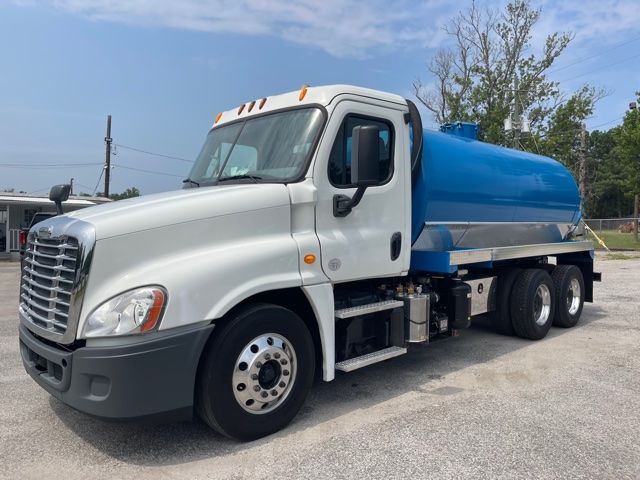
Showing 49 to 59 of 59 results
Have used freightliner truck to sell? List it here to reach thousands of buyers.
About Used Freightliner Trucks in Georgia
Powertrain choices shape fuel burn and drivability across I 16, I 20, I 75, I 85, and the grades in North Georgia. Detroit DD13 and DD15, and Cummins X12 and X15, pair well with automated manuals like the DT12 or Eaton Endurant; the right rear axle ratio depends on tire size and transmission type, direct drive setups typically like numerically higher rears than overdrive. A 6x4 tandem gives traction margin for construction sites and wet yards, a 6x2 saves weight and fuel but needs the right load and route profile. Detroit Assurance safety systems, collision mitigation, and adaptive cruise reduce driver workload in Atlanta traffic, and disc brakes on steer and drives can improve heat management and stopping distance in summer heat.
Cab and body durability matter in the Southeast climate. For sleepers, insulation quality, tight door seals, and a functional APU or parked HVAC system preserve thermal integrity and cut idle time; check bunk blowers, condenser condition, and battery packs. On straight trucks, cargo floor strength dictates how well the body handles pallet jack or forklift traffic; look for laminated hardwood or aluminum plank floors with close crossmember spacing, reinforced rear thresholds, and scuff liners to protect walls from abrasion. If refrigerated bodies are in the mix, verify insulation thickness, door seals, and drain routing to maintain box temperature in August and to control condensation.
Corrosion resistance is better in Georgia than in snow belt states, but humidity, coastal air around Savannah, fertilizer, and construction materials still attack hardware. Freightliner cabs and tanks in aluminum, e coated frames, sealed electrical connectors, and stainless fasteners hold up well when maintained. Inspect frame flanges around suspension hangers and fifth wheel angles, crossmembers near the torque rods, battery boxes, and cab mounts for corrosion or cracking. For emissions systems, review ash load in the DPF, SCR efficiency and NOx conversion, DEF dosing history, and any one box or doser replacements; a clean aftertreatment history keeps fuel economy stable. Verify engine service intervals, overhead sets, oil analysis, and any transmission or rear axle repairs through Virtual Technician or ECM downloads. For heavy vocational duty, match frame RBM and any double frame sections to body weight and hoist loads, and confirm PTO provision and cooling packages sized for Georgia heat.
Frequently Asked Questions
Which Freightliner models fit common Georgia routes and applications?
Cascadia day cabs and sleepers cover regional and long haul lanes on I 16, I 20, I 75, and I 85 with strong fuel economy and low tare weight. For box, reefer, and utility work in metro Atlanta or secondary markets, the M2 106 offers tight turning radius and flexible wheelbase options. The 114SD and 122SD suit dumps, mixers, and heavy vocational bodies where higher RBM frames, dual steering gears, and full locking differentials are beneficial. For Savannah port drayage, a Cascadia or 122SD day cab with a sliding fifth wheel and lower fifth wheel height eases container chassis hookup and improves maneuverability.
How should I choose between Detroit and Cummins engines in a used Freightliner?
Both families are proven, so match torque curve and maintenance history to your lane. The DD13 is efficient on regional and mixed duty with frequent stops, the DD15 shines on steady highway work with tall gearing, and the X12 reduces tare weight in straight trucks while the X15 offers broad torque for heavy or hilly routes. Review ECM data for average load factor, idle percentage, and regen frequency, and confirm up to date campaigns or one box replacements on Detroit units or aftertreatment components on Cummins. Pair the engine with a DT12 or Endurant automated manual and a rear axle ratio tuned to your cruise speed and tire size to keep the engine in its sweet spot.
What should I look for to ensure good thermal integrity and HVAC performance in Georgia heat?
On sleepers, check cab insulation, door and window seals, and the condition of the condenser, evaporator, and bunk blower; verify APU or parked HVAC output under load and confirm batteries can support overnight operation without excessive idle. On straight trucks with insulated bodies, inspect door gaskets, hinge alignment, drain routing, and core insulation thickness to prevent heat soak and condensation. Confirm that engine cooling packages, charge air coolers, and fan clutches maintain target temps in stop and go Atlanta traffic and during hill pulls in North Georgia.
How can I maximize payload without sacrificing durability on a used Freightliner?
Target weight savings that do not compromise structure. Aluminum wheels, smaller fuel capacity matched to route length, and a single stack battery APU can reduce tare weight. Choose a 6x2 only if traction demands are modest, otherwise a 6x4 tandem with optimized suspension and disc brakes may be the better balance. For straight trucks, use aluminum plank or high grade hardwood floors with close crossmember spacing so the body handles forklift point loads, and spec scuff liners and threshold reinforcements to prevent early wear. Lightweight does not mean light duty, the key is focusing on components that carry weight efficiently.
What corrosion concerns are specific to Georgia and how do Freightliner trucks address them?
Most Georgia trucks avoid heavy road salt, but humidity, coastal air, and chemical exposure still affect frames and hardware. Freightliner uses aluminum cabs and tanks, e coated frames, sealed harnesses, and stainless or treated fasteners to resist corrosion. Inspect frame flanges near suspension brackets, fifth wheel mounts, crossmembers behind the cab, and battery boxes for paint loss or scale. Look for solid ground points, clean connectors, and intact loom to prevent electrical faults caused by moisture. Preventive washing, especially undercarriage rinses after coastal runs or jobsite exposure, extends service life.