
Used 2015 Freightliner Trucks For Sale in Georgia
Shop used 2015 Freightliner trucks for sale in Georgia, including highway and vocational models with specs, engine options, and buyer tips.
Selling a used 2015 freightliner truck? List your used 2015 freightliner truck for sale and reach thousands of commercial buyers.
Used 2015 Freightliner Trucks in Georgia
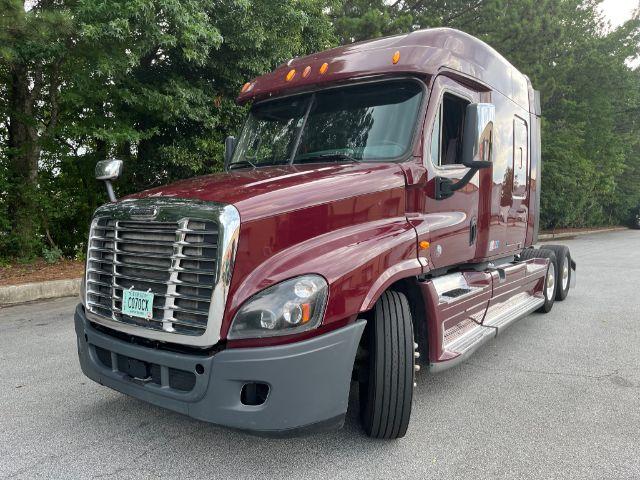
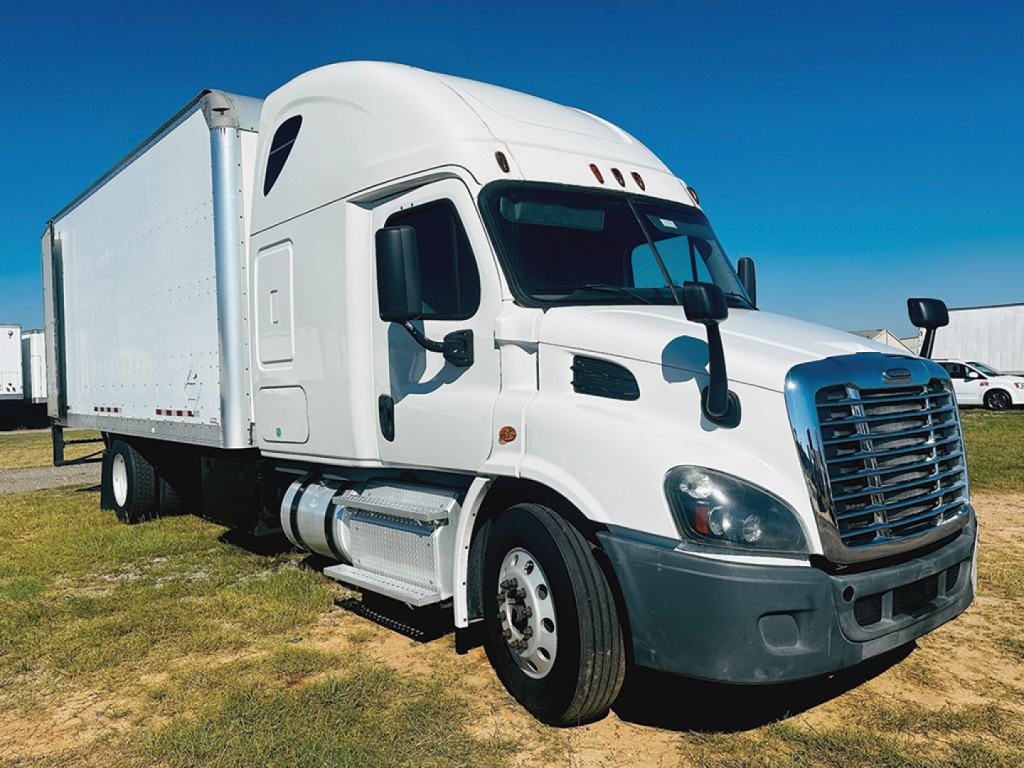
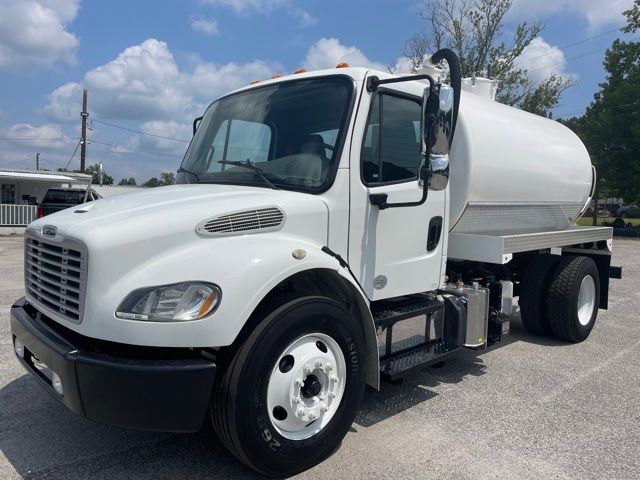
For highway use, many 2015 Freightliner trucks were spec'd with Detroit powertrains, commonly the DD13 or DD15, paired with manual, automated manual, or automatic transmissions depending on application. Buyers comparing road tractors should pay close attention to rear axle ratio, suspension type, fifth wheel setup, and whether the truck was built as a day cab or sleeper. A Georgia buyer running I-75, I-85, Atlanta distribution lanes, or short port turns will usually value fuel economy, turning radius, and ease of service as much as horsepower. On medium-duty and vocational Freightliner trucks, the key details shift to PTO compatibility, frame reinforcement, front axle capacity, body upfit quality, and signs of hard-use wear around the suspension, hoist, hydraulics, or tank system.
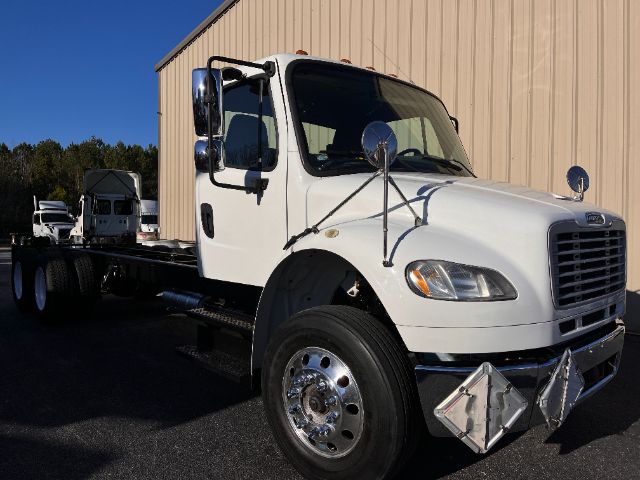
Condition matters more than headline mileage on a used 2015 truck. Freightliner trucks from this era can still be solid performers if maintenance history is documented and the truck was matched to the job. Review engine hours, idle time, aftertreatment service records, clutch or transmission work, brake wear, tire age, and any evidence of emissions-system neglect. On M2 and other vocational chassis, inspect crossmembers, spring hangers, steering components, PTO operation, and body mounting points. On Cascadia tractors, buyers typically focus on DPF and DEF history, fault codes, cab interior wear, fairings, and signs of previous collision repair. A clean ECM report and a thorough DOT-level inspection tell you more than cosmetics.
Freightliner remains popular because it covers a wide operating range without making parts sourcing or driver familiarity difficult. That is especially useful in Georgia, where one buyer may need a day cab for regional freight and another may need a vocational chassis for sewer, septic, utility, or municipal work. A used 2015 Freightliner truck can still make financial sense when the spec fits the route, payload, and duty cycle. The best purchase usually comes from understanding the truck's original application, verifying how it was maintained, and matching its axle, engine, and body configuration to the work you expect it to do now.
Frequently Asked Questions about Used 2015 Freightliner Trucks in Georgia
What are the most common 2015 Freightliner truck models buyers look for?
The most common 2015 Freightliner trucks depend on application. Highway buyers often focus on the Cascadia for regional and over-the-road use, while medium-duty and vocational buyers frequently look at the M2 platform for box truck, utility, dump, septic, rollback, and municipal applications. The model matters, but the exact chassis spec is what determines whether the truck is a good fit for your operation.
What engines are commonly found in used 2015 Freightliner trucks?
Many 2015 Freightliner highway trucks were equipped with Detroit engines such as the DD13 or DD15, while medium-duty and vocational units may have different diesel options depending on GVWR and body type. Buyers should verify horsepower, torque rating, emissions-system history, and transmission pairing rather than assuming all trucks of the same model are equipped alike. Engine spec has a direct effect on fuel economy, payload performance, and service costs.
Is a used 2015 Freightliner truck still a good choice for Georgia operations?
A used 2015 Freightliner can still be a strong fit for Georgia operations if the truck has been maintained properly and the spec matches the job. Regional freight, Atlanta-area distribution, port drayage support, and vocational work all place different demands on a truck. Cooling system condition, aftertreatment health, axle ratio, turning radius, and suspension setup are especially important in hot weather, stop-and-go traffic, and mixed highway-local routes.
What should I inspect first on a used 2015 Freightliner truck?
Start with the service history, ECM data, and signs of emissions-system neglect. Then inspect engine hours, idle time, transmission operation, suspension wear, brake condition, tire age, and any evidence of frame or cab damage. On vocational units, check PTO function, hydraulic components, body mounts, and frame reinforcement. On road tractors, focus on fairings, fifth wheel condition, rear suspension, and aftertreatment records.
Are parts and service support still strong for 2015 Freightliner trucks?
Yes. Freightliner remains one of the most widely supported truck brands in the market, which helps keep parts availability and service access relatively strong for 2015 models. That broad support network is one reason these trucks continue to attract used buyers. Even so, component support can vary by engine, transmission, body equipment, and upfit manufacturer, so buyers should confirm support for the full truck, not just the chassis.