
Used 2015 Freightliner Conventional Sleeper Trucks For Sale in Georgia
Shop used 2015 Freightliner conventional sleeper trucks in Georgia. Compare sleeper sizes, DD15 specs, drivetrain setups, and long-haul features.
Learn more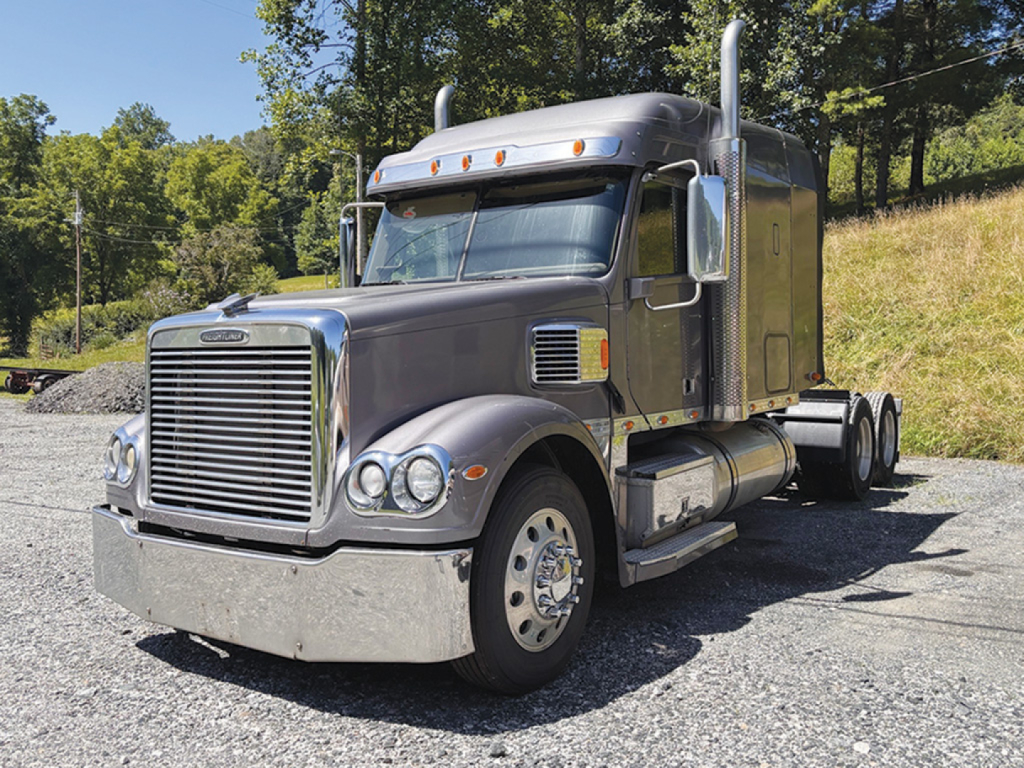

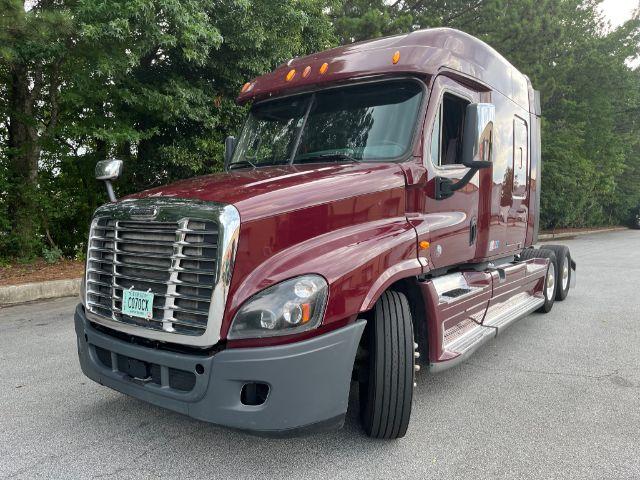
Have used 2015 freightliner conventional sleeper truck to sell? List it here to reach thousands of buyers.
About Used 2015 Freightliner Conventional Sleeper Trucks in Georgia
For many buyers, the key mechanical decision starts with the Detroit powertrain. A 2015 Freightliner conventional sleeper commonly carries a Detroit DD15, often paired with a DT12 automated manual or a traditional manual transmission depending on the original fleet spec. Typical horsepower ratings in this class are set up for highway efficiency rather than heavy vocational pull, and rear axle ratios are usually chosen to keep cruise rpm low at interstate speeds. It is also smart to check for 6x4 configuration, suspension type, engine brake performance, fuel tank capacity, and whether the truck has an air slide fifth wheel. Those items matter if the truck will be moved between dry van, reefer, or dedicated contracted trailer work.
Cab and sleeper setup are just as important as drivetrain on a conventional sleeper. Many Freightliner sleepers from this era were built with raised-roof configurations, double bunks, fairings, power windows, cruise, and other driver-focused features intended for over-the-road use. Buyers should pay close attention to bunk heater or APU presence, inverter setup, refrigerator prep or factory refrigerator, and storage layout inside the sleeper. In Georgia and across the Southeast, idle reduction equipment can make a real difference in driver retention and operating cost, especially for trucks spending nights in warm weather. Exterior condition also deserves a close look, including cab extenders, quarter fenders, fairings, wheel finish, and signs of collision repair that may affect aerodynamics or resale.
A used 2015 Freightliner conventional sleeper truck can fit fleets looking for a proven highway tractor with broad service network support and predictable operating characteristics. The best value usually comes from matching the truck's original spec to the intended route profile. Lower gearing and longer wheelbase may suit steady interstate freight, while a more flexible fifth wheel setting and balanced wheelbase can help in mixed trailer pools. Maintenance records, emissions system history, DOT inspection status, tire condition, brake type, and signs of prior fleet reconditioning should all factor into the decision. For many buyers, this category remains attractive because it offers a recognized platform, driver-friendly sleeper design, and a spec range that works across van, reefer, and general long-haul applications.
Frequently Asked Questions
What engine is most common in a used 2015 Freightliner conventional sleeper truck?
The Detroit DD15 is one of the most common engines found in a 2015 Freightliner conventional sleeper, especially in fleet-maintained highway tractors. It is popular because it delivers a strong balance of fuel economy, torque, and serviceability for over-the-road use. Buyers should still confirm horsepower rating, engine brake operation, maintenance history, and emissions-related repairs because spec and upkeep can vary significantly from truck to truck.
Is a 2015 Freightliner conventional sleeper good for long-haul freight?
Yes, this category is commonly used for long-haul and regional sleeper operations. A 2015 Freightliner conventional sleeper is typically designed around aerodynamic efficiency, highway ride quality, and driver comfort for extended trips. Raised-roof sleepers, double bunks, larger fuel capacity, and automated manual transmissions are common features that support van and reefer applications on interstate lanes.
What should I inspect before buying a used 2015 Freightliner sleeper in Georgia?
Focus on maintenance documentation, engine and aftertreatment history, transmission operation, suspension condition, tire wear, brake life, and signs of previous body or fairing repair. In Georgia, where many highway tractors cycle through regional and Southeast freight networks, it is also wise to inspect the sleeper HVAC performance, idle reduction equipment, and cooling system condition. A current DOT inspection and a full ECM review can help verify use history and identify issues before purchase.
What sleeper features matter most on a Freightliner conventional sleeper?
The most important sleeper features depend on how the truck will be dispatched, but common priorities include raised-roof headroom, upper and lower bunk layout, bunk heater, APU, inverter, refrigerator, and usable storage. These features affect both driver comfort and operating cost. For teams or extended over-the-road runs, double bunk configuration and efficient climate control are usually more valuable than cosmetic upgrades.
Why do buyers choose Freightliner conventional sleeper trucks over other highway tractors?
Freightliner conventional sleeper trucks are widely chosen because they are common in fleet service, parts are broadly available, and most technicians are familiar with the platform. That translates into easier maintenance planning and less downtime risk compared with less common models. Buyers also like the Cascadia-style aerodynamic package, practical sleeper layouts, and drivetrain options that can be matched to fuel-focused fleet work or more general over-the-road hauling.