
Freightliner Trucks For Sale in Texas
Freightliner trucks for sale in Texas with guidance on powertrains, tare weight, cooling, floor strength, insulation and corrosion protection advice.
Learn moreTop Categories
By Year
63 Listings
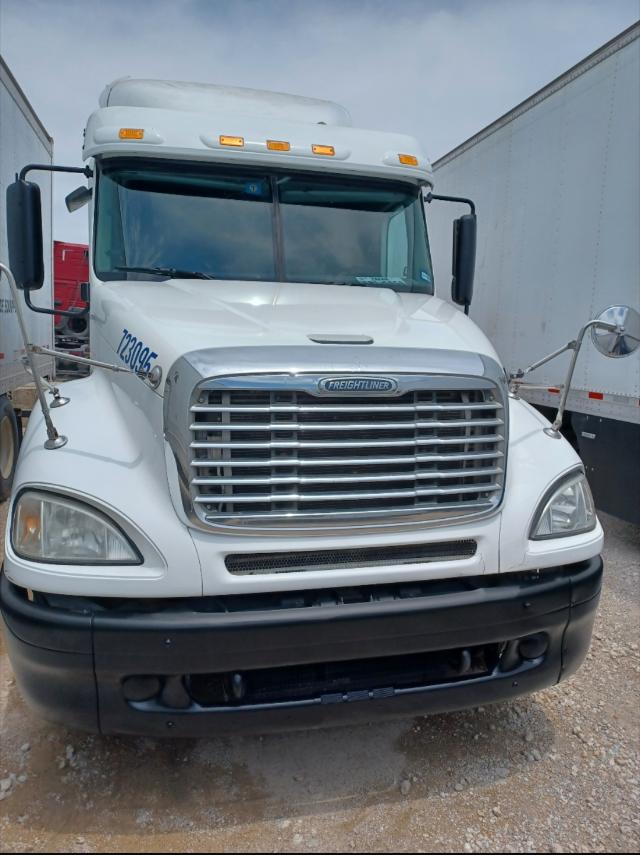
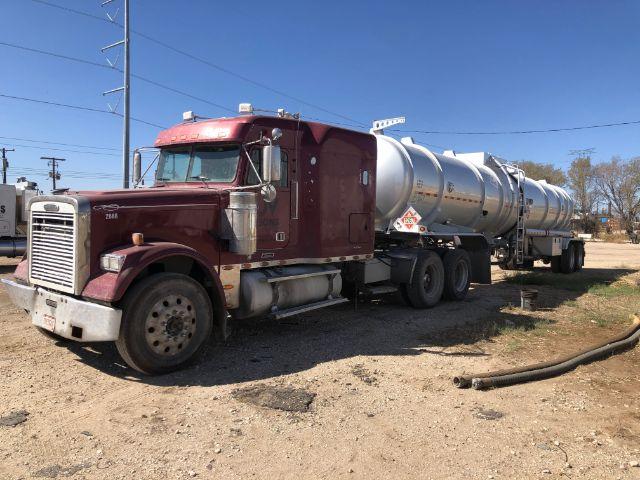

Showing 61 to 63 of 63 results
Have freightliner truck to sell? List it here to reach thousands of buyers.
About Freightliner Trucks in Texas
Freightliner trucks for sale in Texas cover long haul tractors, regional day cabs and severe duty vocational chassis. Popular models include Cascadia for highway work, M2 106 and 112 for van, reefer or utility bodies, and 108SD or 114SD where frame strength and PTO capability matter. Detroit DD13, DD15 and DD16 engines pair well with Detroit DT12 automated manuals for fuel efficiency, while Cummins X15, L9 and B6.7 with Eaton UltraShift or Allison automatics suit mixed routes and vocational duty. Specify axle ratios and transmission top gear to match Texas cruise speeds, a 2.28 to 2.64 final with an overdrive or a 2.85 to 3.08 with a direct top keeps RPM down, reduces heat load and improves economy. Cooling package capacity, charge air cooler health and fan clutch control deserve scrutiny in high ambient conditions common across the state.
Tare weight drives payload and profitability. Freightliner spec choices allow meaningful savings, aluminum wheels, aluminum air tanks, disc brakes, wide base singles, smaller battery boxes and optimized fairings can remove hundreds of pounds. A 6x2 or liftable axle reduces weight and rolling resistance, traction can suffer on caliche yards or job sites, so 6x4 tandems and duals remain the safer pick for oilfield and aggregates. Match steer axle ratings at 12,000 or 13,200 pounds to tire size and bumper to back of cab dimension, then tune wheelbase and fifth wheel setting so steer and drives scale cleanly at 80,000. AirLiner or Hendrickson air suspensions protect freight and ride well, 40,000 to 46,000 pound rear ratings with appropriate torque rods and bushings handle rough county roads without excessive deflection.
Floor strength is critical where forklifts or rock boxes meet the truck. On box trucks built on M2 chassis, laminated hardwood floors at 1 to 1.25 inches or extruded aluminum duct floors with 12 inch centers handle 3,000 to 4,000 pounds per forklift wheel, scuff liners and full length wear bands keep impacts off posts. Flatbeds benefit from apitong or heavy extruded aluminum decks that resist screw pullout and concentrated loads from coils or pipe bunks. Dump and mixer bodies on SD series do best with AR400 or AR450 floors in 3/16 to 1/4 inch thickness depending on material. For tractors, look beyond the cab floor and focus on chassis section modulus and RBM, crossmember spacing and fifth wheel capacity, those numbers dictate how the frame carries high kingpin loads and resists twist over ranch entrances and yard aprons.
Thermal integrity and corrosion resistance are make or break in Texas heat and Gulf air. Cascadia sleepers with insulated walls, floors and double seal doors hold temperature well, electric battery powered HVAC or an APU can maintain bunk conditions while cutting idle hours. High output alternators, deep cycle batteries, correctly sized condensers and clean evaporators reduce compressor cycling, protect the aftertreatment and prevent derates in extreme heat. Freightliner mixes aluminum components with e coated steel structures, look for e coated or epoxy top coated frames, stainless or treated fasteners, sealed wiring, composite fairings and aluminum wheels and tanks to slow corrosion. Coastal humidity and produced water are hard on steel, regular wash access, frame wax and attention to paint chips keep the chassis sound over a multi year life.
Tare weight drives payload and profitability. Freightliner spec choices allow meaningful savings, aluminum wheels, aluminum air tanks, disc brakes, wide base singles, smaller battery boxes and optimized fairings can remove hundreds of pounds. A 6x2 or liftable axle reduces weight and rolling resistance, traction can suffer on caliche yards or job sites, so 6x4 tandems and duals remain the safer pick for oilfield and aggregates. Match steer axle ratings at 12,000 or 13,200 pounds to tire size and bumper to back of cab dimension, then tune wheelbase and fifth wheel setting so steer and drives scale cleanly at 80,000. AirLiner or Hendrickson air suspensions protect freight and ride well, 40,000 to 46,000 pound rear ratings with appropriate torque rods and bushings handle rough county roads without excessive deflection.
Floor strength is critical where forklifts or rock boxes meet the truck. On box trucks built on M2 chassis, laminated hardwood floors at 1 to 1.25 inches or extruded aluminum duct floors with 12 inch centers handle 3,000 to 4,000 pounds per forklift wheel, scuff liners and full length wear bands keep impacts off posts. Flatbeds benefit from apitong or heavy extruded aluminum decks that resist screw pullout and concentrated loads from coils or pipe bunks. Dump and mixer bodies on SD series do best with AR400 or AR450 floors in 3/16 to 1/4 inch thickness depending on material. For tractors, look beyond the cab floor and focus on chassis section modulus and RBM, crossmember spacing and fifth wheel capacity, those numbers dictate how the frame carries high kingpin loads and resists twist over ranch entrances and yard aprons.
Thermal integrity and corrosion resistance are make or break in Texas heat and Gulf air. Cascadia sleepers with insulated walls, floors and double seal doors hold temperature well, electric battery powered HVAC or an APU can maintain bunk conditions while cutting idle hours. High output alternators, deep cycle batteries, correctly sized condensers and clean evaporators reduce compressor cycling, protect the aftertreatment and prevent derates in extreme heat. Freightliner mixes aluminum components with e coated steel structures, look for e coated or epoxy top coated frames, stainless or treated fasteners, sealed wiring, composite fairings and aluminum wheels and tanks to slow corrosion. Coastal humidity and produced water are hard on steel, regular wash access, frame wax and attention to paint chips keep the chassis sound over a multi year life.