
2021 Freightliner Trucks For Sale in Texas
Browse 2021 Freightliner trucks for sale in Texas, including Cascadia, M2, and 108SD models built for regional, vocational, and long-haul work.
Selling a 2021 freightliner truck? List your 2021 freightliner truck for sale and reach thousands of commercial buyers.
2021 Freightliner Trucks in Texas
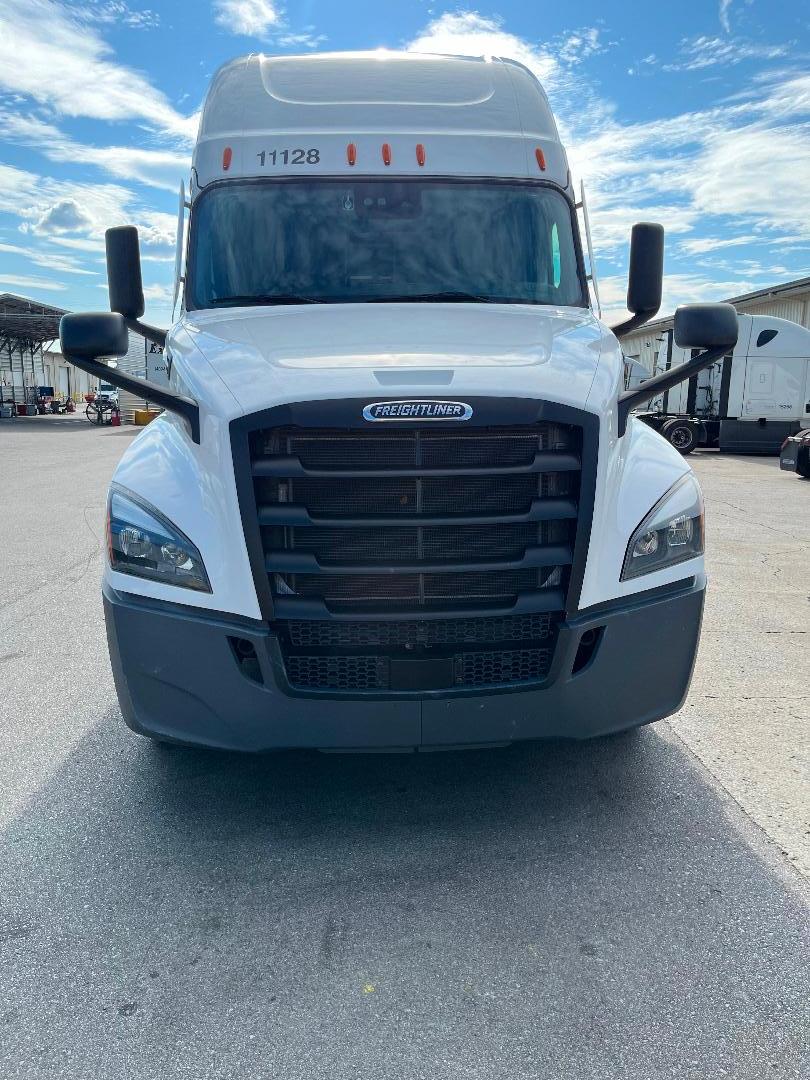
For on-highway buyers, 2021 Freightliner Cascadia models remain one of the most common choices in the used Class 8 market. Typical specs include Detroit DD13 or DD15 engines, DT12 automated transmissions, aerodynamic fairings, air slide fifth wheels, and multiple sleeper or day cab configurations. Key details to compare are horsepower and torque ratings, rear axle ratio, wheelbase, suspension type, and whether the truck was ordered for regional haul, dedicated freight, or long-distance work. A Texas buyer should also look closely at idle hours, cooling system history, aftertreatment service records, and tire wear patterns, especially on trucks that have spent time in hot-weather, high-mile applications.
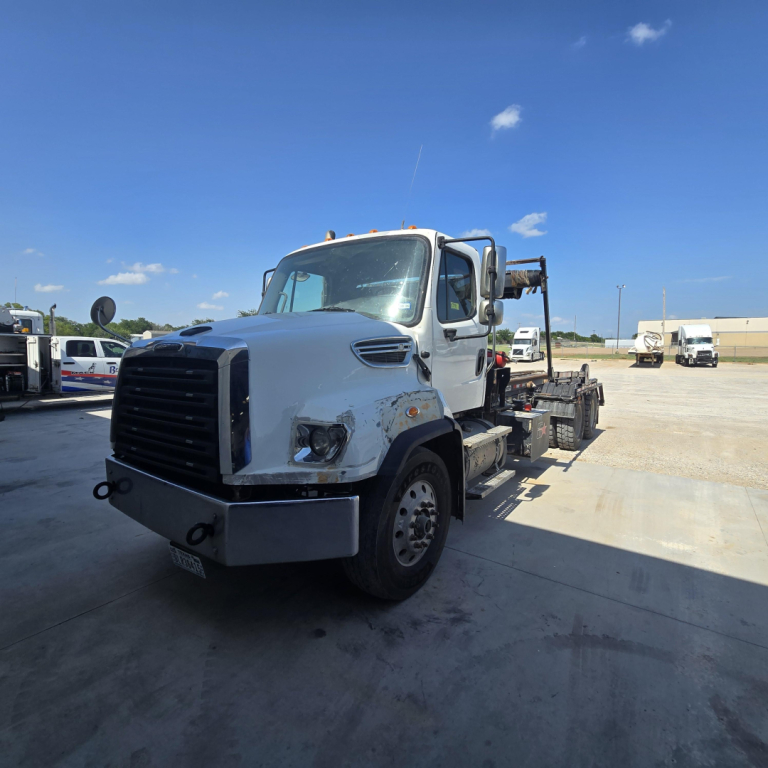
In medium-duty and vocational segments, 2021 Freightliner M2 and 108SD trucks are common in box truck, reefer, dump, utility, vacuum, and municipal configurations. These trucks are often spec'd with Cummins or Detroit power, Allison automatic transmissions, PTO capability, and bodies tailored to route delivery or jobsite work. The real buying decision is usually less about the cab badge and more about body condition, axle rating, frame layout, wheelbase, and how the truck was upfitted. If the truck carries specialized equipment such as a refrigeration unit, sewer cleaner, crane, or dump body, inspection should include hydraulic function, PTO engagement, pump hours, corrosion, and any signs of hard municipal or contractor use.
Freightliner trucks from this model year also benefit from a large knowledge base in the field, which matters when uptime is the priority. Buyers comparing 2021 units in Texas should verify emissions compliance history, check for complete maintenance documentation, and match the spec to the route or payload instead of buying solely on price. A day cab set up with the wrong gearing, or a medium-duty truck with an undersized front axle or liftgate, can cost more in operation than it saves at purchase. When the spec is right, a 2021 Freightliner can be a durable and cost-efficient platform for freight, construction, municipal service, food distribution, and regional delivery.
Frequently Asked Questions about 2021 Freightliner Trucks in Texas
What are the most common 2021 Freightliner truck models buyers look for in Texas?
The most common 2021 Freightliner models in Texas are typically the Cascadia for highway use, the M2 for medium-duty delivery and reefer work, and the 108SD for vocational applications such as dump, vacuum, and municipal service. The right model depends on the job. Cascadia units are generally used for Class 8 freight and tractor applications, while M2 and 108SD trucks are more often selected for straight truck bodies, PTO-driven equipment, and local or regional work.
What should I check first on a used 2021 Freightliner Cascadia?
Start with engine hours, idle hours, maintenance records, fault code history, and aftertreatment service. On a Cascadia, buyers should also review the DD13 or DD15 spec, DT12 transmission performance, axle ratio, and wheelbase to make sure the truck matches the intended lane and payload. Uneven tire wear, deferred cooling system work, and incomplete emissions repairs can turn a clean-looking truck into an expensive one quickly.
Is a 2021 Freightliner M2 a good choice for delivery or refrigerated work?
A 2021 Freightliner M2 is a strong fit for delivery, beverage, reefer, and route-service applications because it is widely supported, easy to configure, and commonly paired with automatic transmissions and body equipment such as liftgates and refrigeration units. The important checks are GVWR, front and rear axle ratings, box length, reefer hours if equipped, door seal condition, and whether the truck has the suspension and brake spec needed for repeated stop-and-go operation.
Are 2021 Freightliner vocational trucks different from highway Freightliners?
Yes. A 2021 Freightliner vocational truck such as a 108SD is built around durability, body integration, and jobsite function rather than long-haul aerodynamics. These trucks often have heavier frame rails, PTO provisions, different axle ratings, and body-specific hydraulic or vacuum systems. Buyers should inspect the body, subframe, hoist, pump, plumbing, and controls as closely as the chassis, because repair costs on vocational equipment often come from the upfit rather than the engine alone.
Why does local Texas use matter when buying a 2021 Freightliner truck?
Texas operating conditions can affect wear in specific ways. High heat stresses cooling systems, air conditioning components, batteries, and aftertreatment performance, while oilfield, municipal, or construction service can accelerate suspension, brake, and frame wear. Regional highway trucks may show high miles but consistent maintenance, while local vocational trucks may have lower miles with much harder duty cycles. Looking at service history alongside the truck’s application is the best way to judge value.