
2021 Freightliner Trucks For Sale
Shop 2021 Freightliner trucks by model, cab style, axle setup, and application, including Cascadia, M2, vocational, and highway specs.
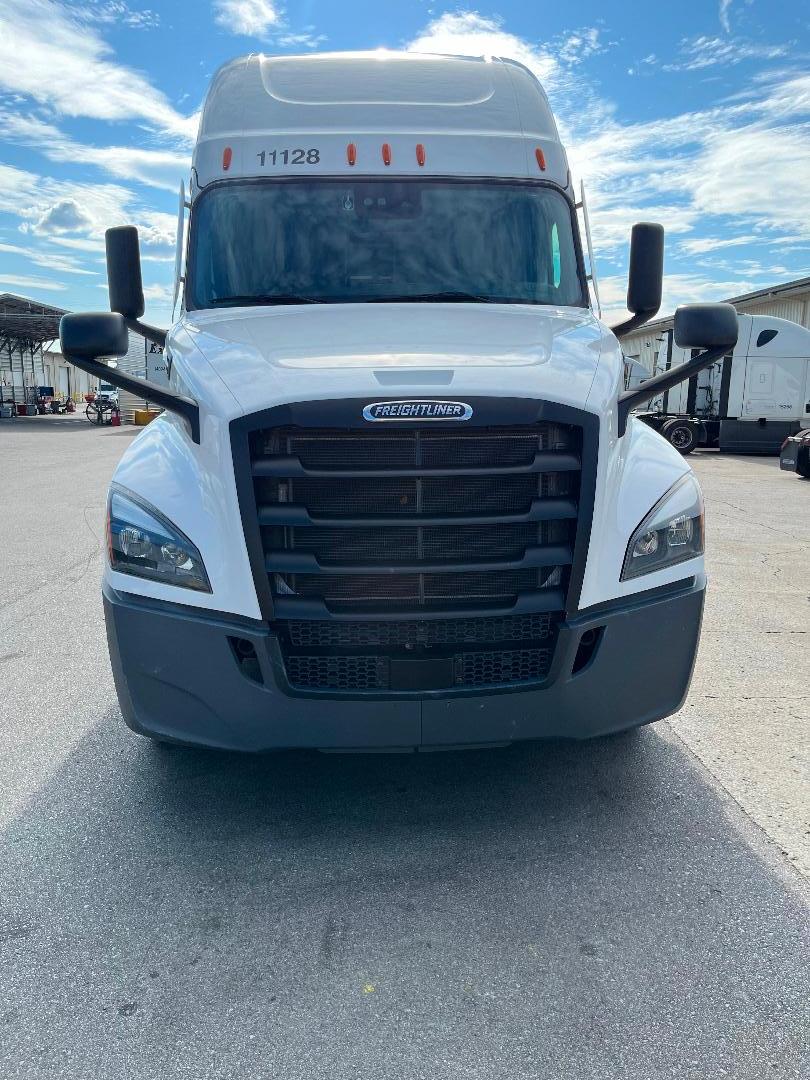
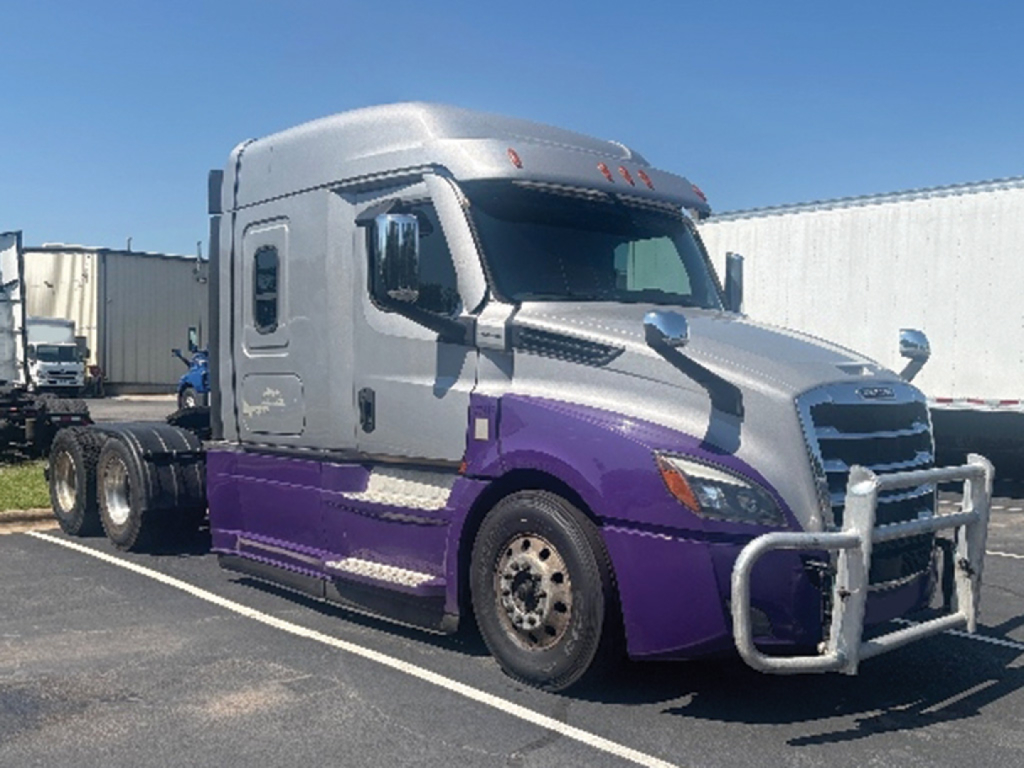
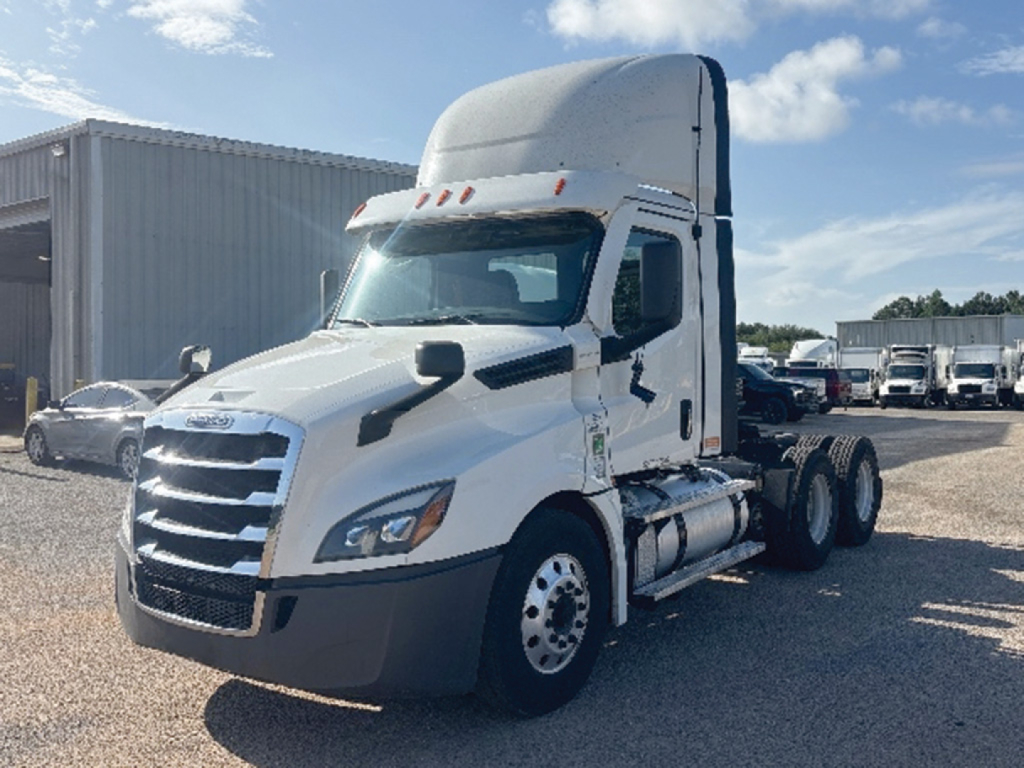
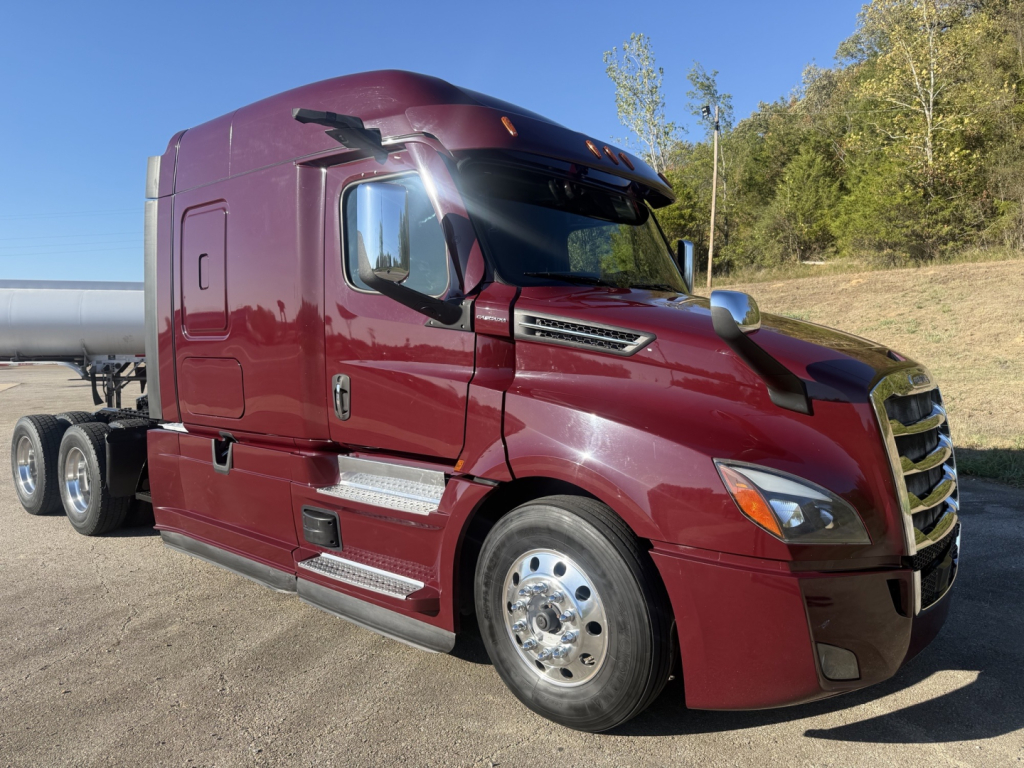
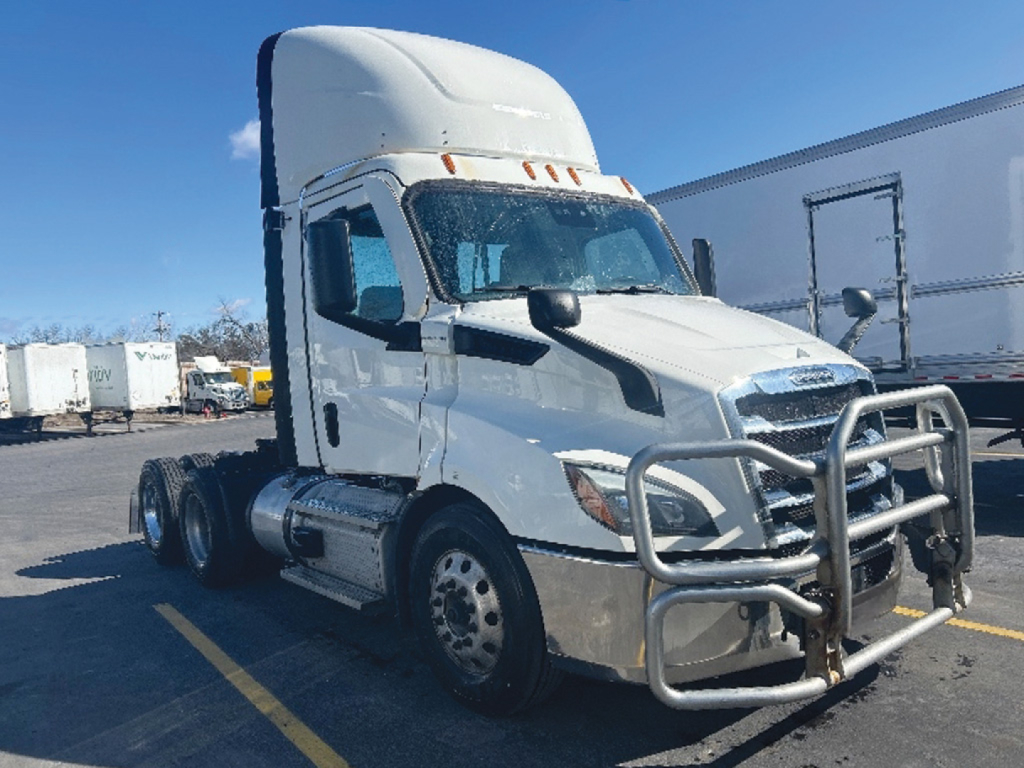
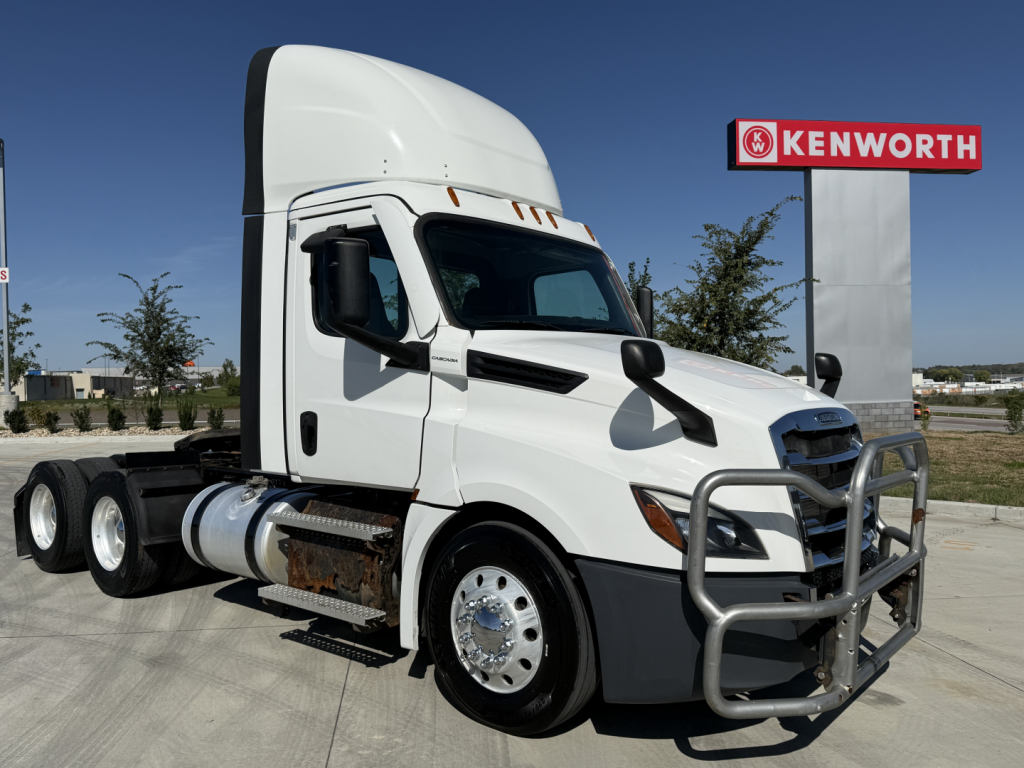
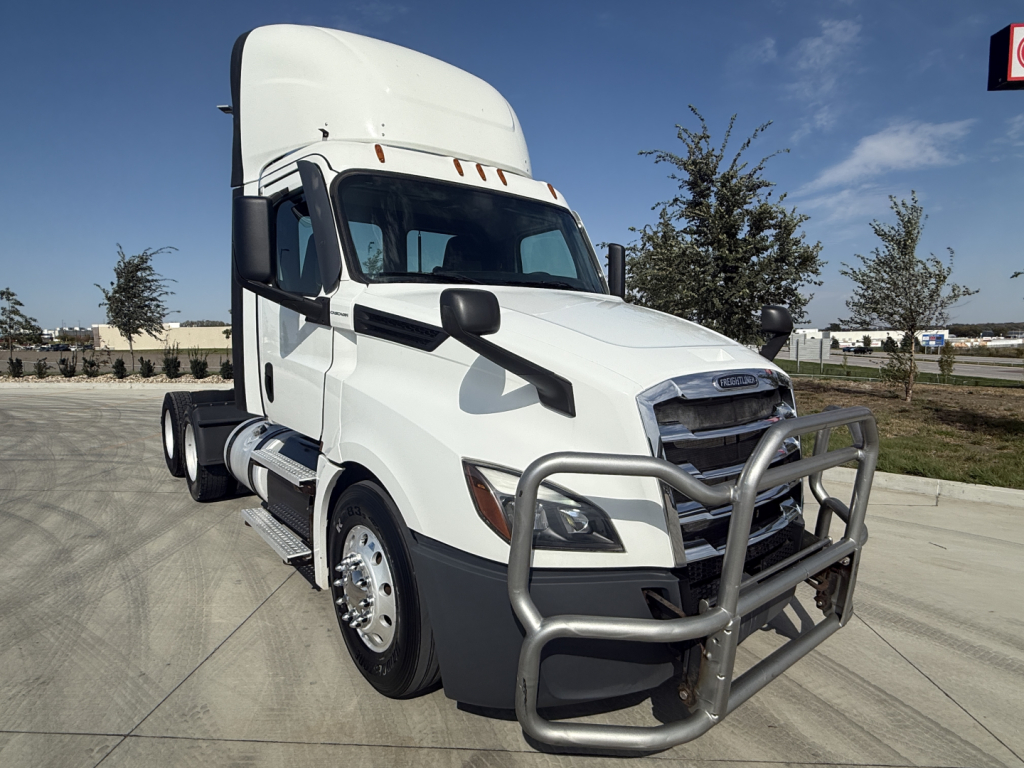
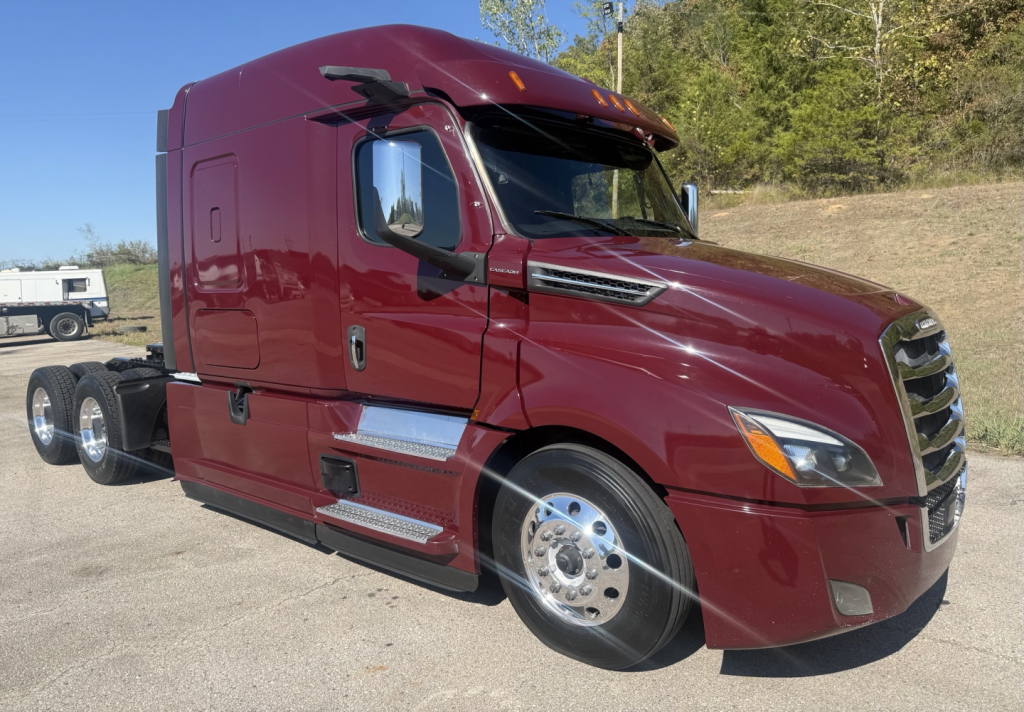
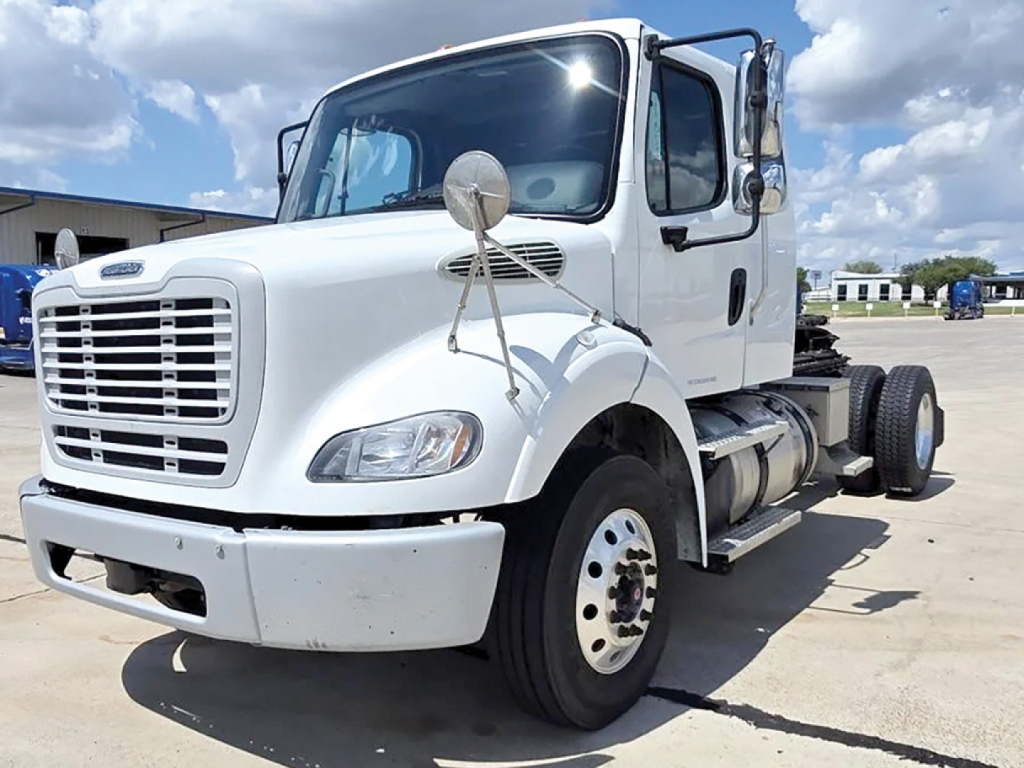
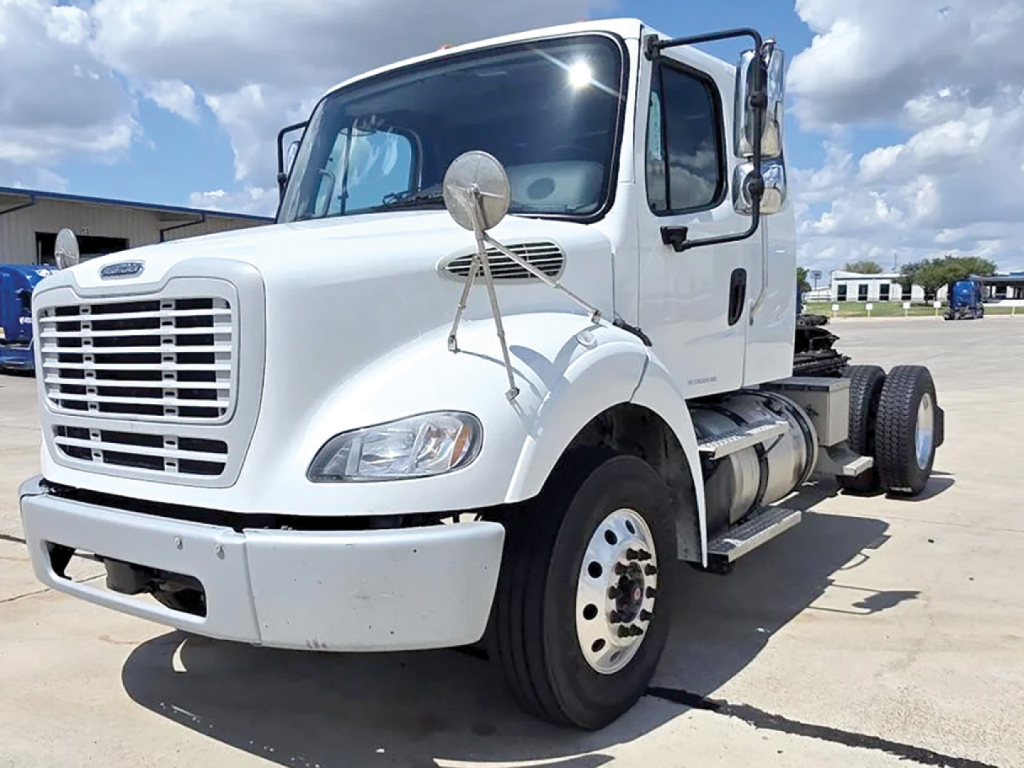
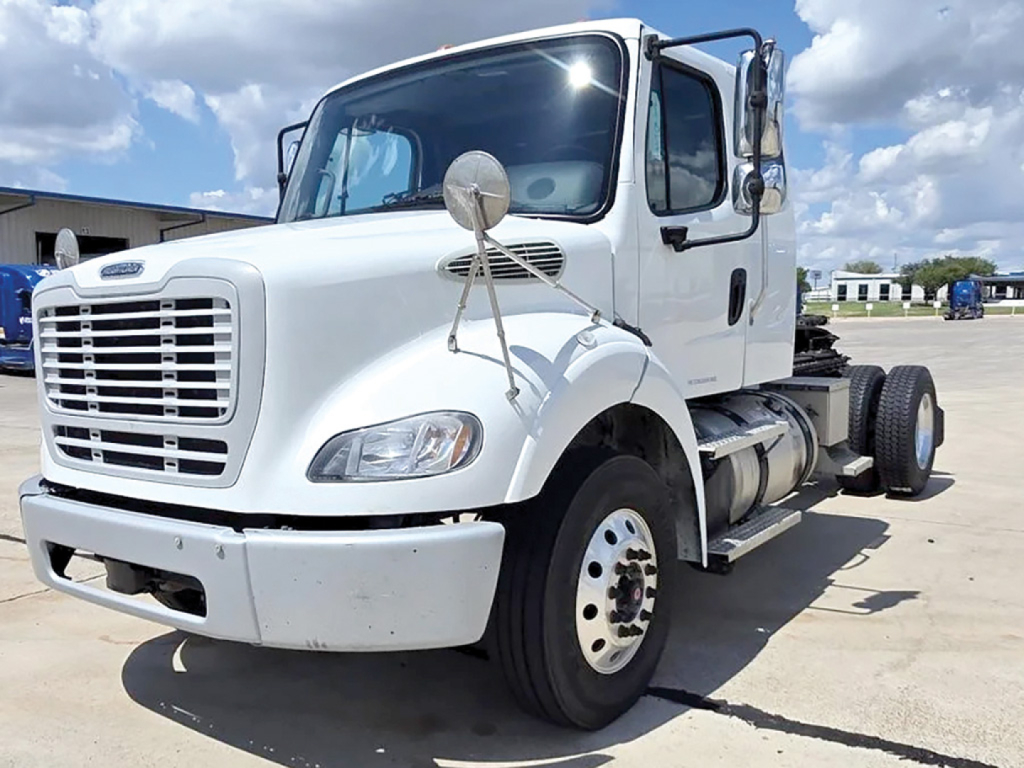
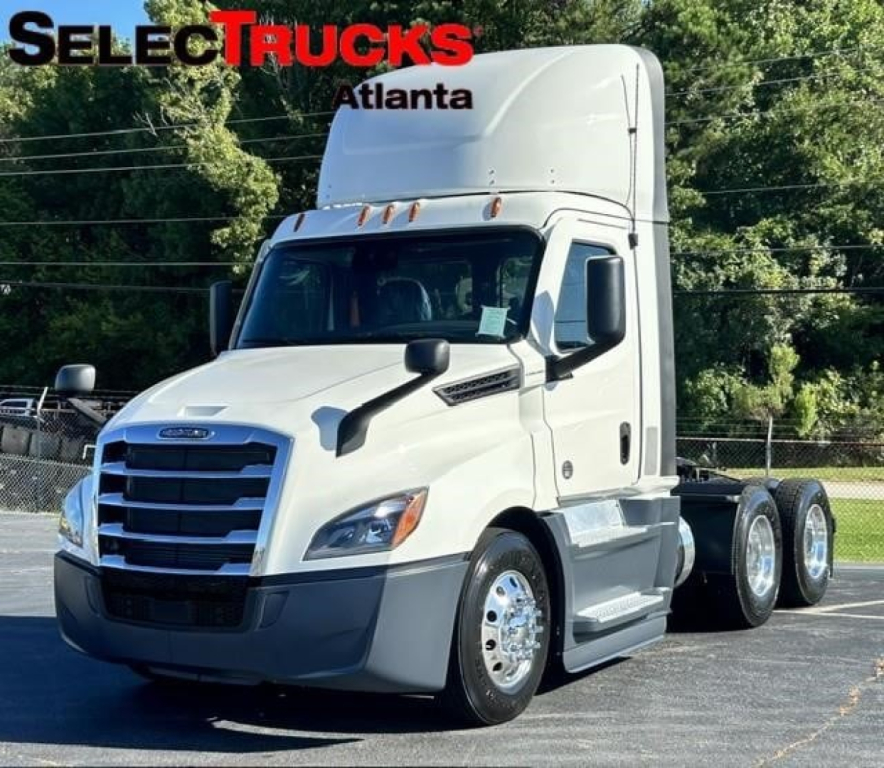
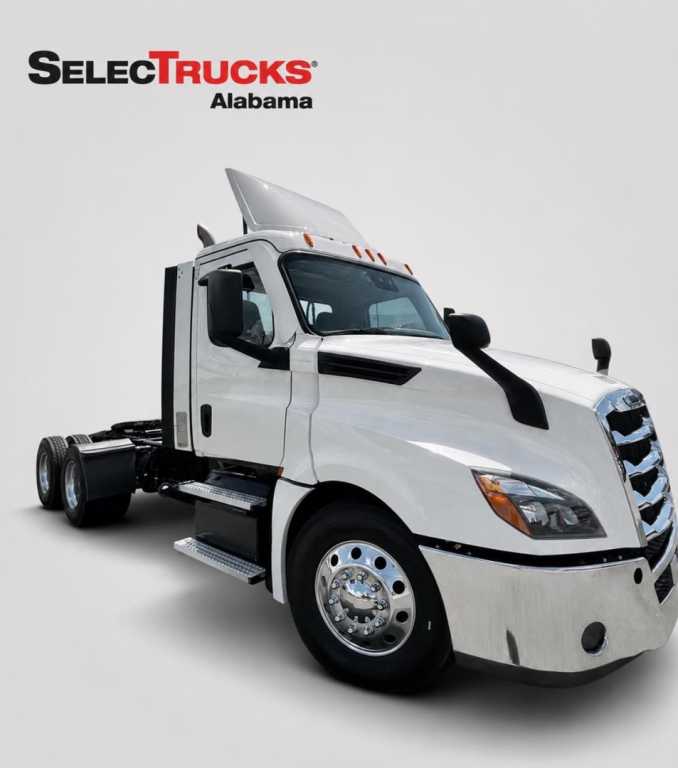
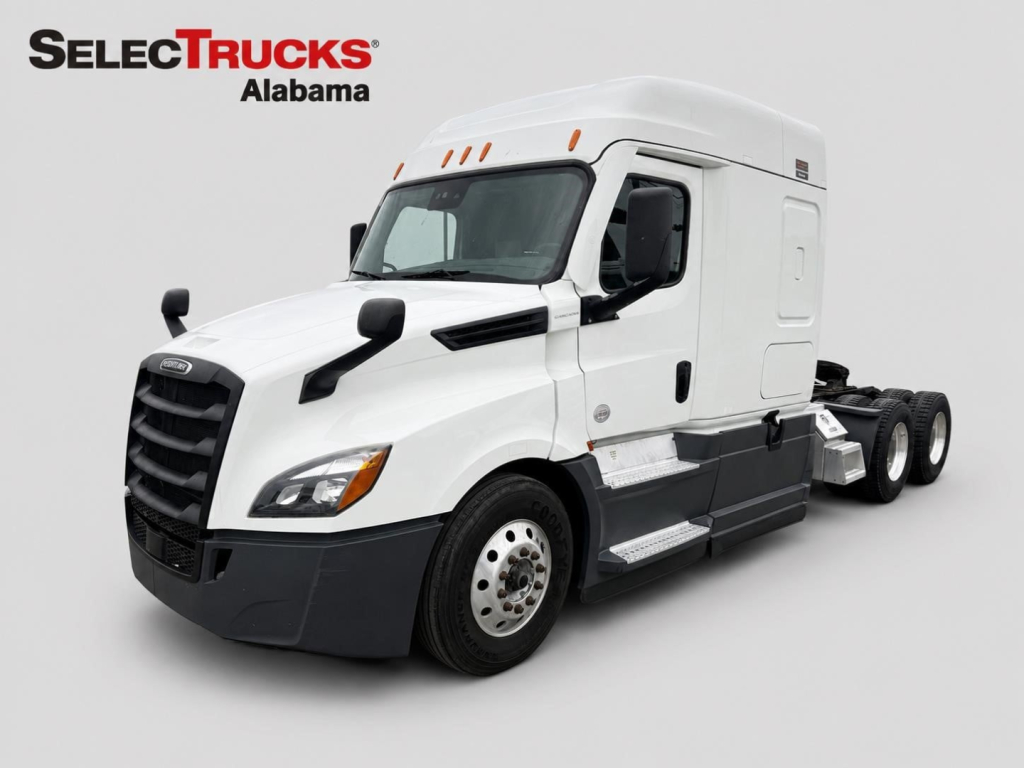
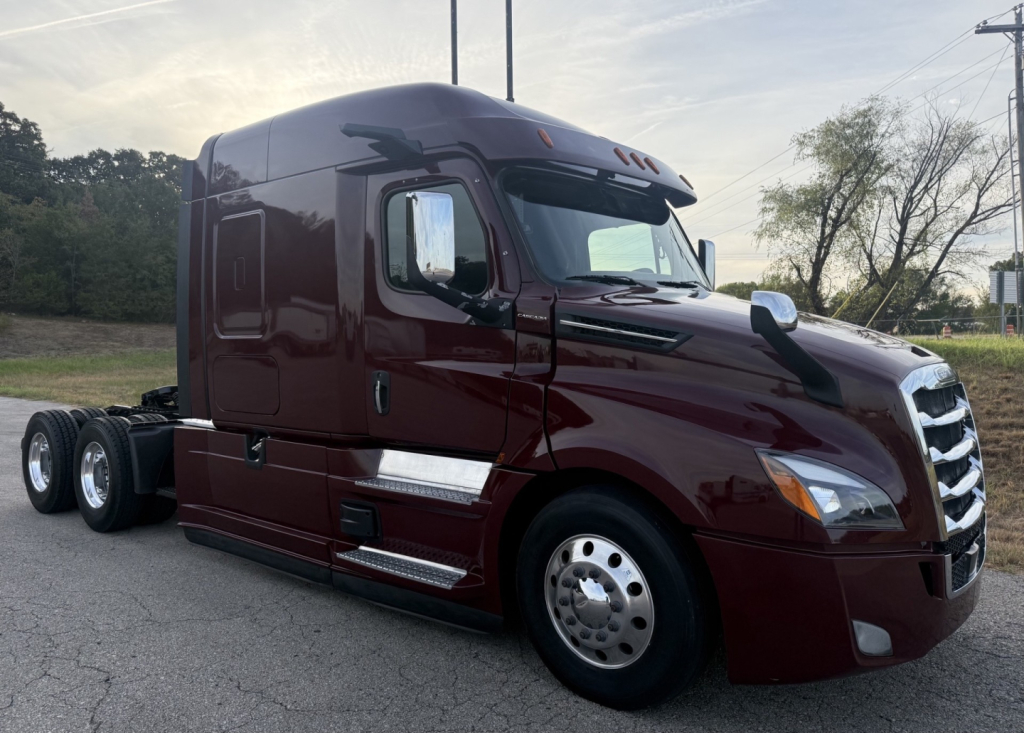

Showing 1 to 28 of 29 results
Selling a 2021 freightliner truck? List your 2021 freightliner truck for sale and reach thousands of commercial buyers.
2021 Freightliner Trucks
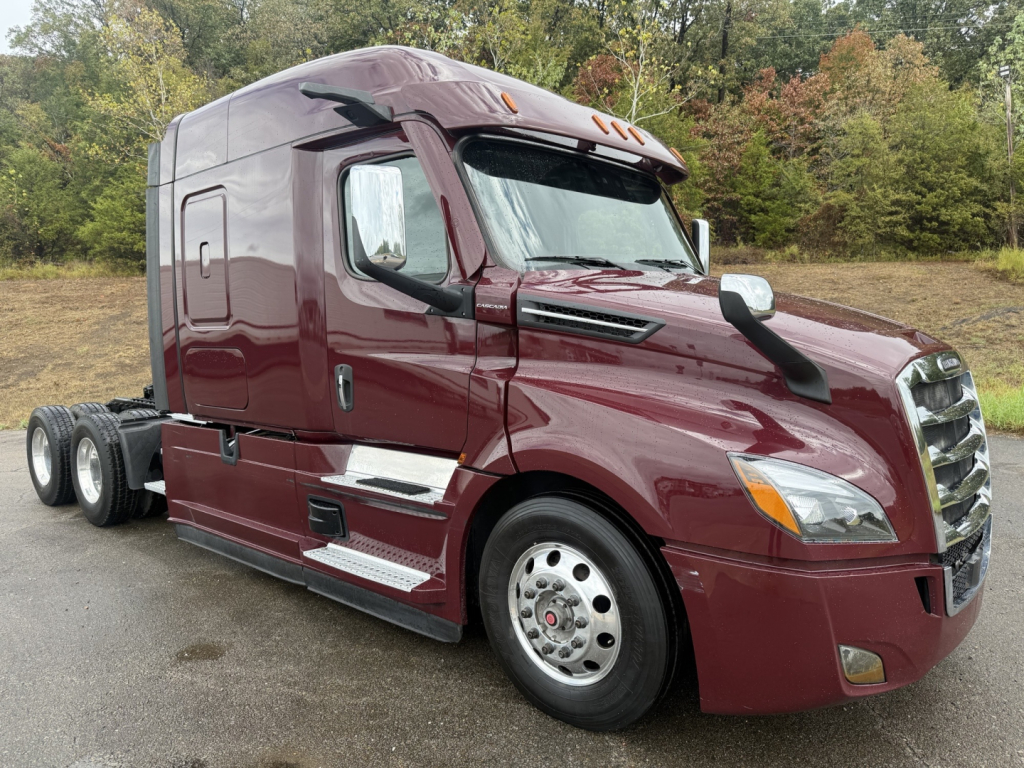
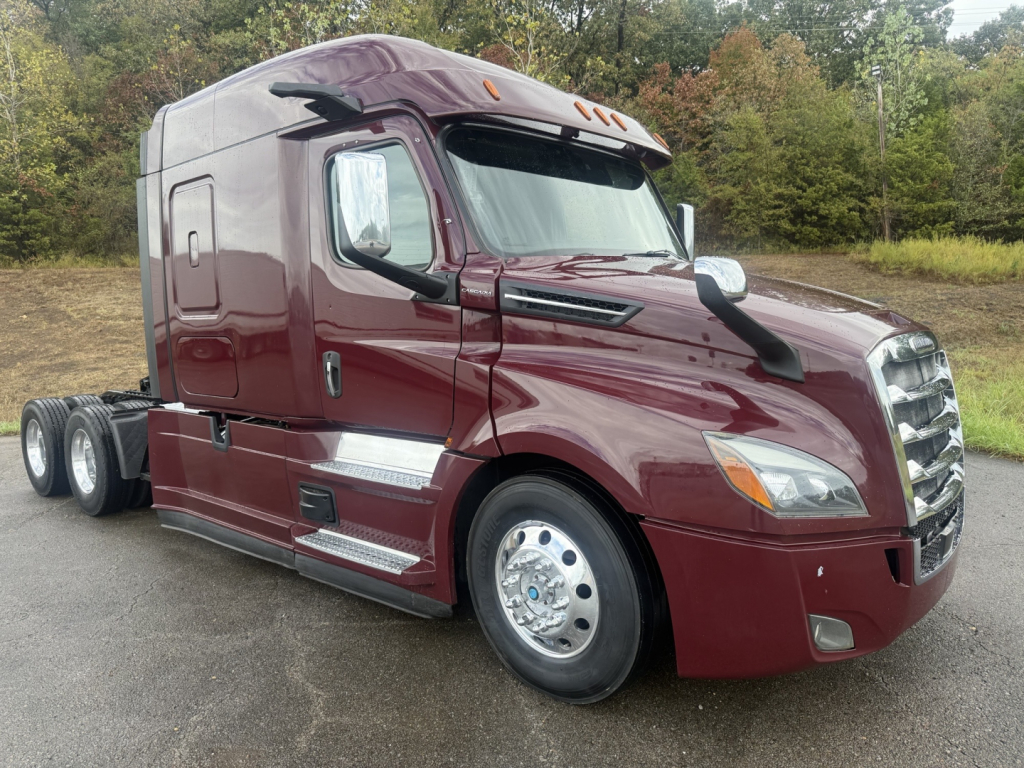
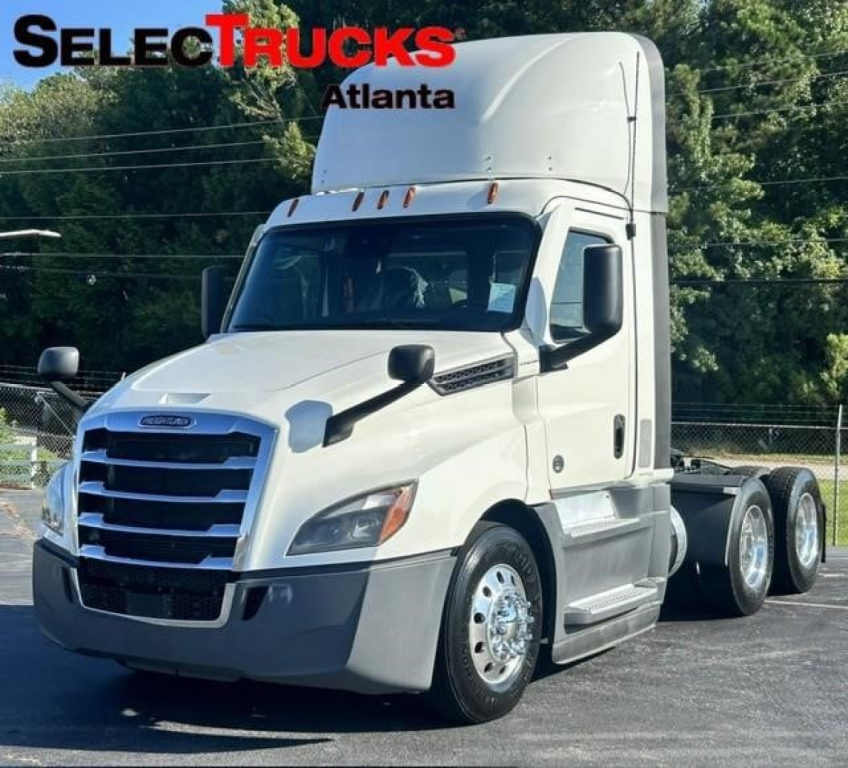
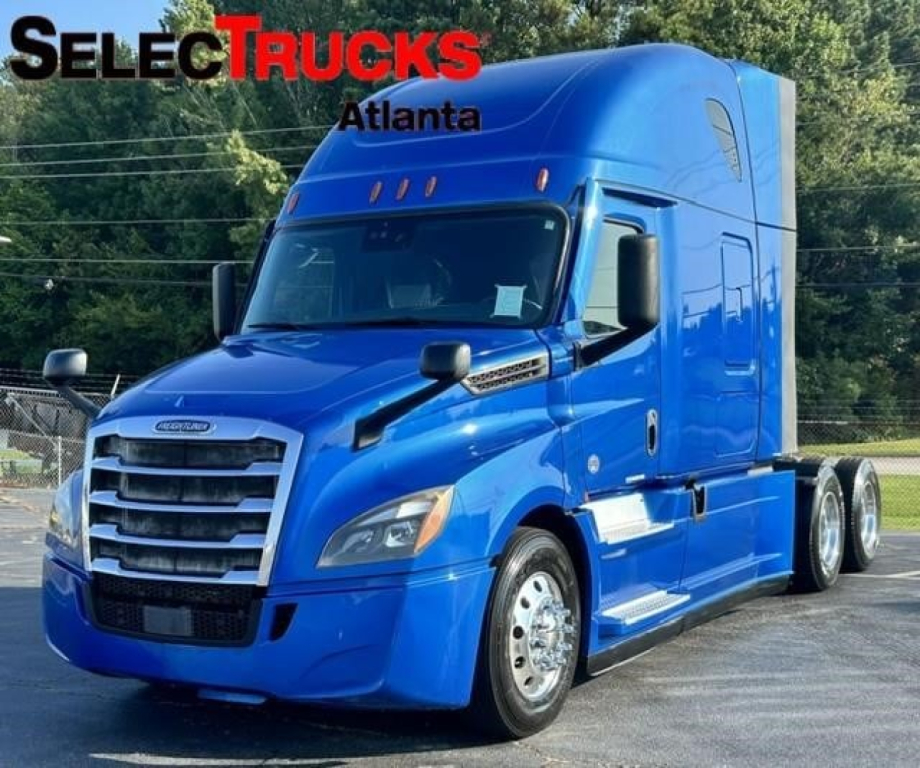
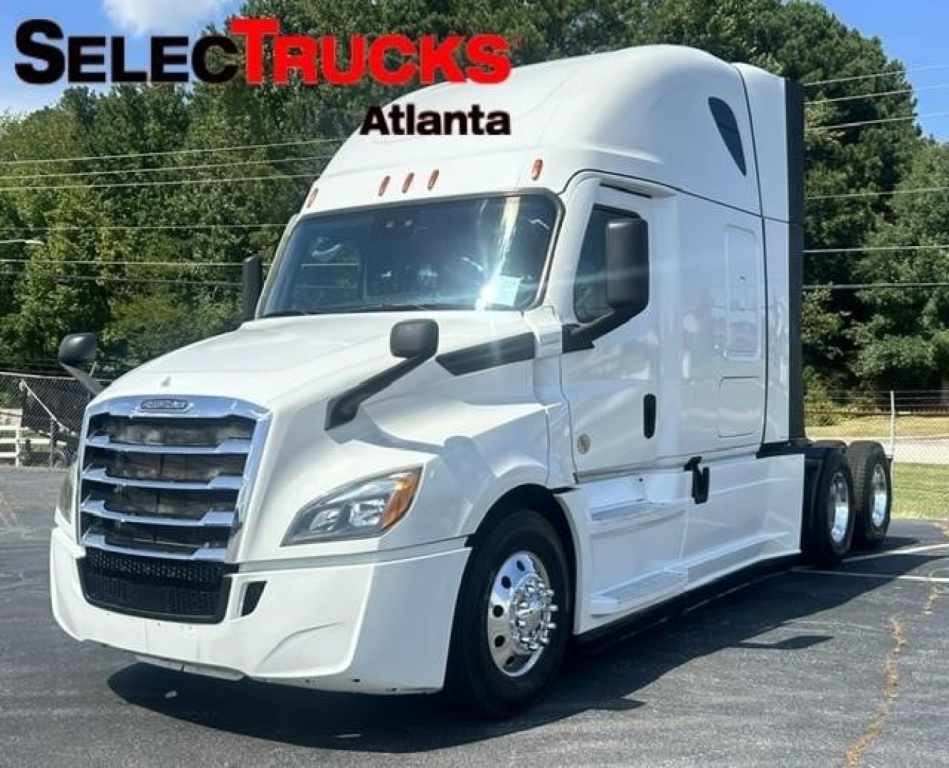
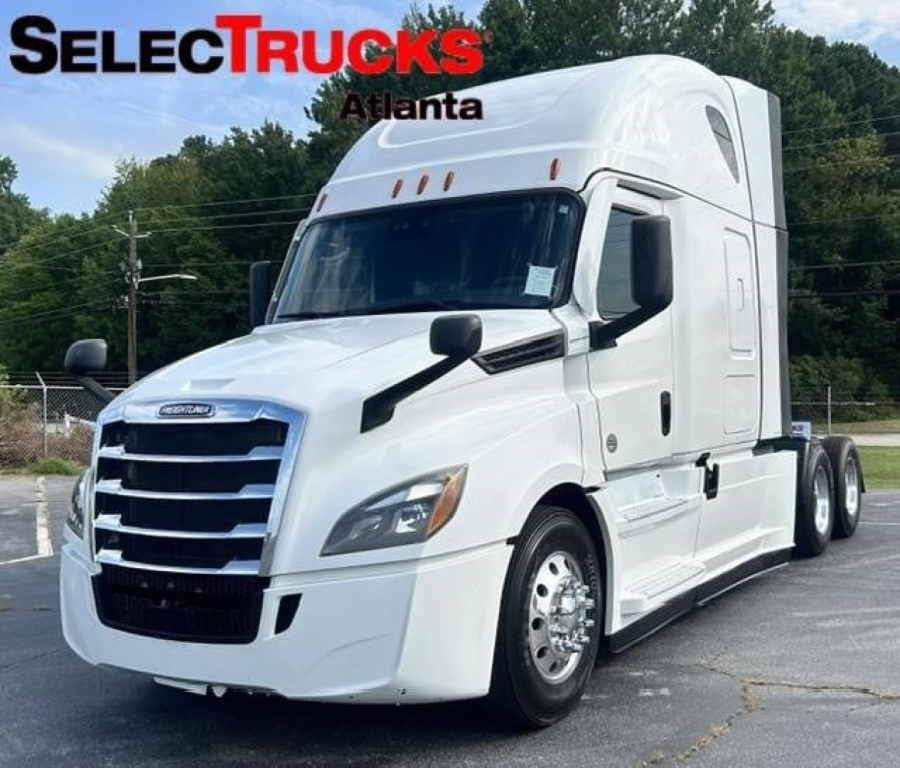
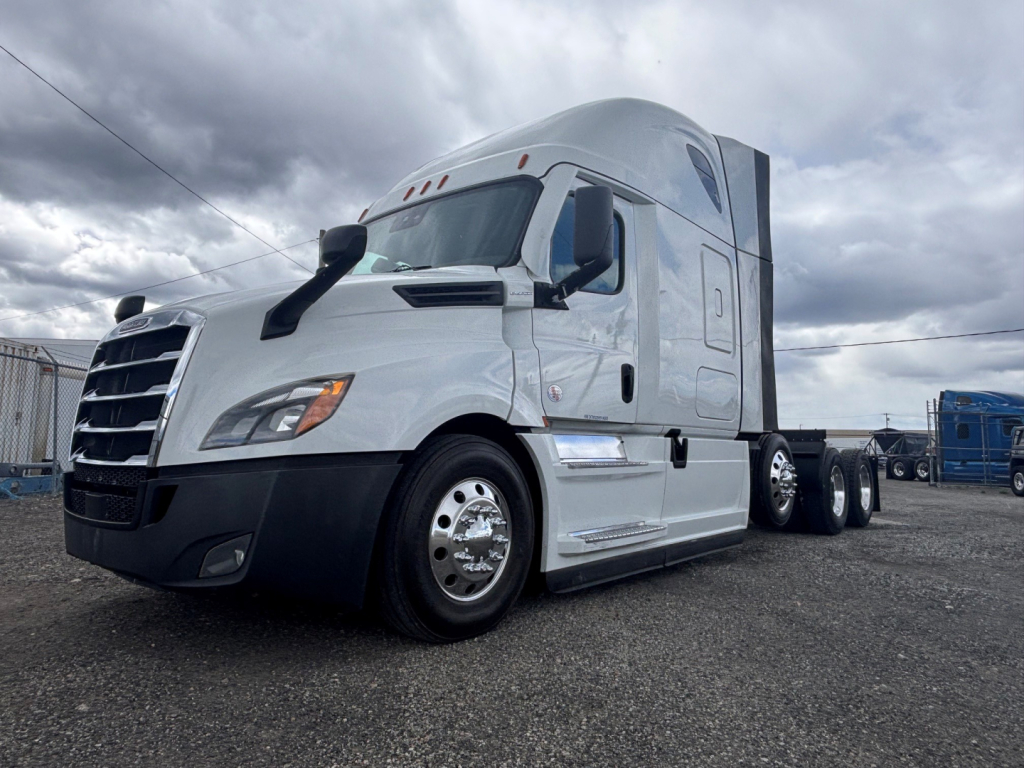
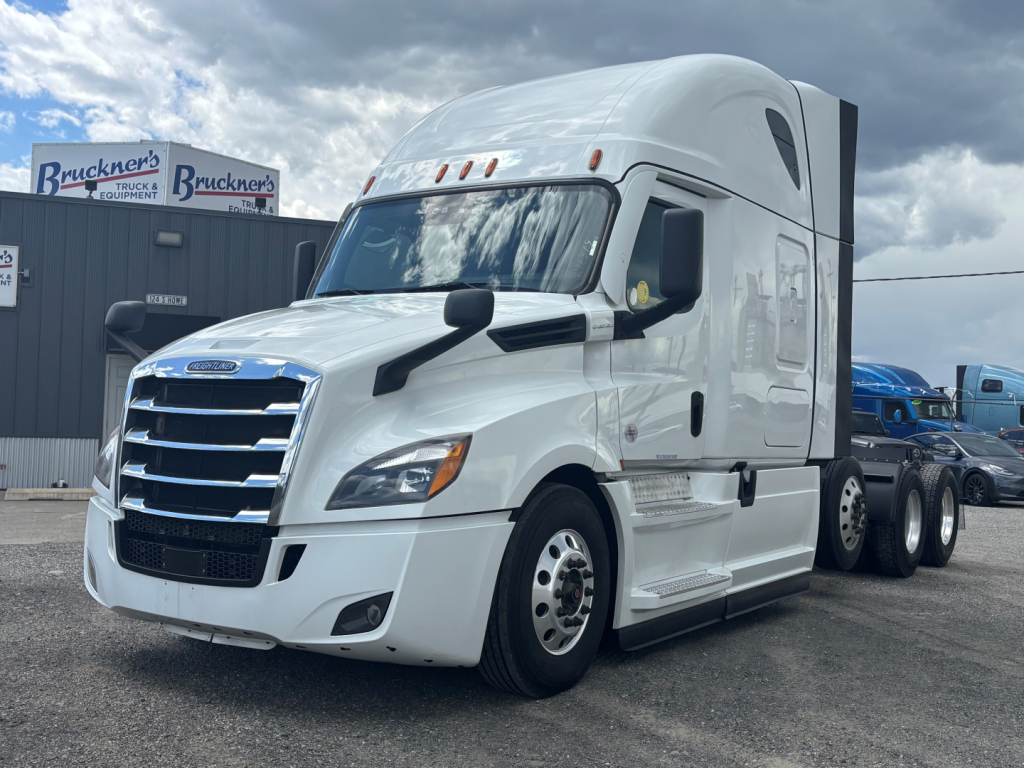
In the highway market, 2021 Freightliner Cascadia day cabs and sleepers are commonly spec'd with Detroit DD13 or DD15 engines, automated manual transmissions such as the DT12, and tandem rear axles with ratios aimed at fuel economy or regional pulling power. Buyers should compare horsepower and torque ratings with rear axle ratio, wheelbase, and fifth wheel setup rather than looking at engine size alone. A fleet-oriented 2.16 or 2.28 ratio may be ideal for fuel mileage on long interstate runs, while regional or heavier applications may benefit from a shorter ratio. Sleeper size, fairings, fuel capacity, and driver-assist features also matter on 2021 models, since this model year often includes more advanced collision mitigation, lane departure, and telematics integration than older trucks.
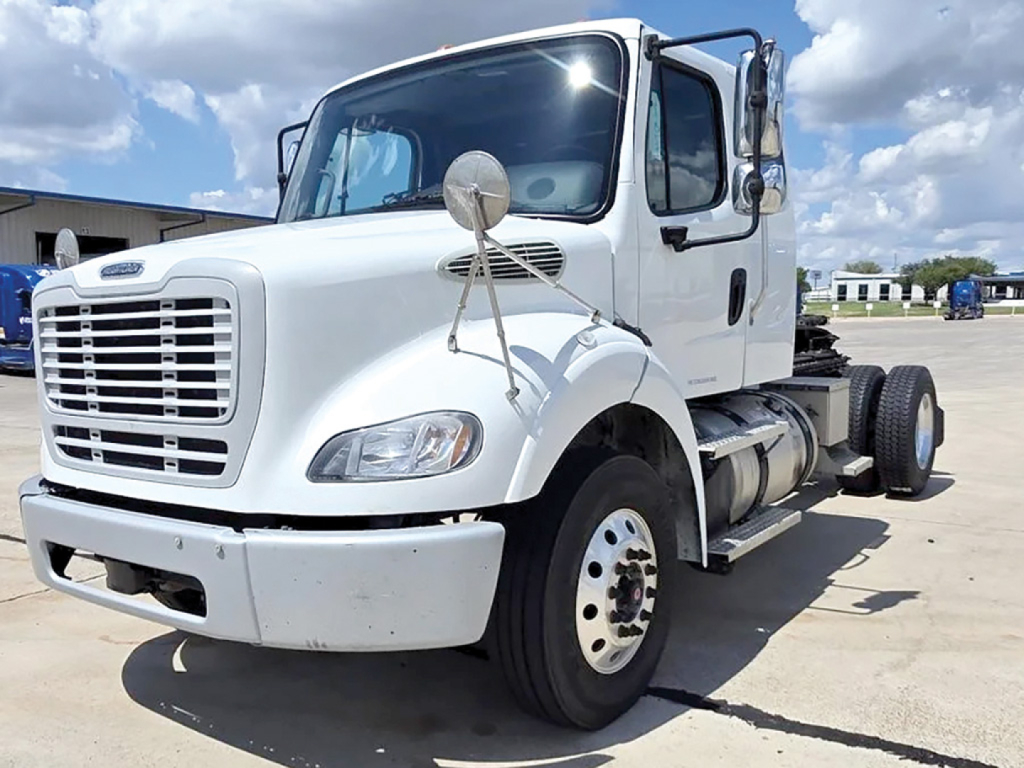
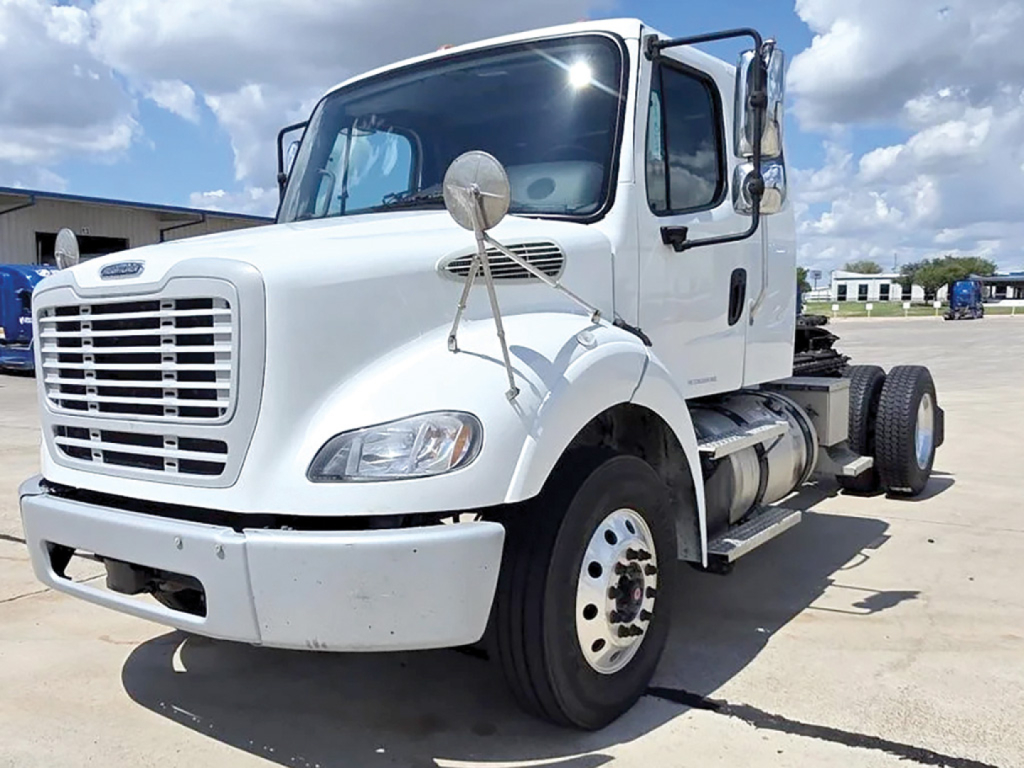
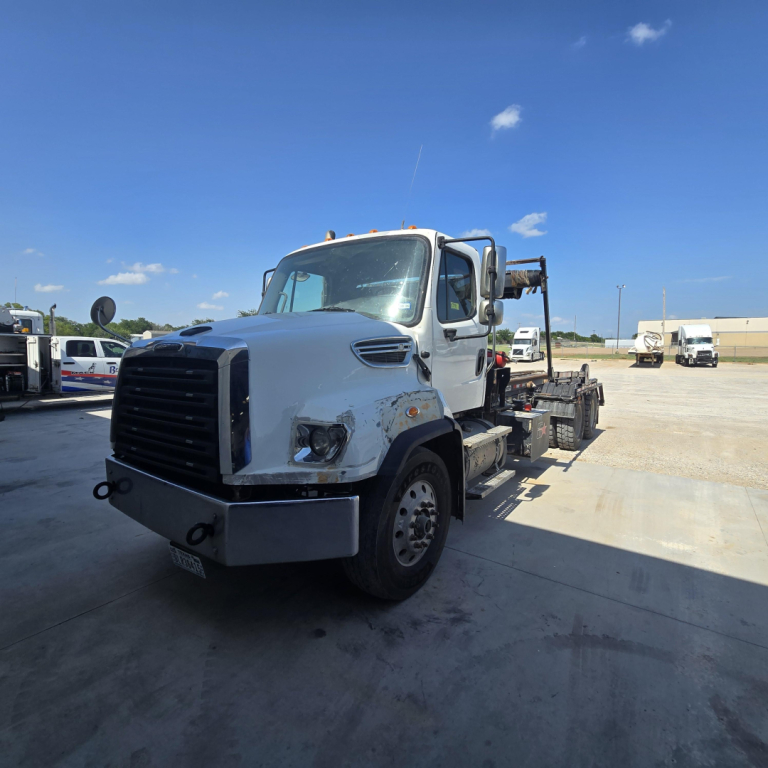
On the vocational side, 2021 Freightliner M2 106 and related medium-duty platforms are common in box truck, dump, hooklift, chipper, flatbed, reefer, and service body configurations. Key buying points include front axle capacity, frame rating, suspension, PTO provision, brake type, and whether the truck was built for stop-and-go city work or heavier jobsite duty. Cummins B6.7 and L9 engines are common in this class, usually paired with Allison automatic transmissions for easier operation and cleaner PTO performance. If the truck carries a mounted body, pay attention to body manufacturer, hoist or boom hours where applicable, corrosion on crossmembers and subframe, and whether the wheelbase and frame overhang are appropriate for the body length and load distribution.
A 2021 model year also gives buyers a useful balance between modern cab comfort and proven serviceability. Freightliner trucks from this period often have improved interiors, better visibility, and stronger uptime support through the dealer network. The practical inspection points remain the same: verify engine hours against mileage, check fault code history, review idle time on sleepers and vocational units, inspect emissions system service records, and confirm axle, tire, and brake specs match the intended payload or route. For buyers comparing many listings, the best 2021 Freightliner truck is usually the one with the right original vocation and spec package, not simply the lowest miles or highest horsepower.
Frequently Asked Questions about 2021 Freightliner Trucks
What are the most common 2021 Freightliner truck models buyers look for?
The most commonly searched 2021 Freightliner trucks are the Cascadia for highway use and the Business Class M2 106 for medium-duty and vocational work. The Cascadia is typically used as a day cab or sleeper tractor for linehaul, regional, and dedicated freight. The M2 platform is widely used for box trucks, dumps, flatbeds, utility trucks, chippers, and other body applications because it offers flexible wheelbase options, strong upfit compatibility, and multiple GVWR ranges.
Which engines are common in 2021 Freightliner trucks?
Engine selection depends on the model and application. In 2021 Cascadia tractors, Detroit DD13 and DD15 engines are common, especially in fleet and owner-operator highway specs. In medium-duty Freightliner trucks such as the M2 106, Cummins B6.7 and L9 engines are frequently found, often paired with Allison automatic transmissions. Buyers should evaluate horsepower, torque, duty cycle, and service history together because the right engine depends more on route, payload, and PTO demands than on peak horsepower alone.
Is a 2021 Freightliner good for fleet use or owner-operator use?
A 2021 Freightliner can fit both fleet and owner-operator operations, but the value depends on the original spec. Fleet-spec trucks often prioritize fuel economy, standardized maintenance, and driver-assist technology, which can make them attractive for high-mileage linehaul or regional work. Owner-operator focused specs may include higher trim levels, larger sleepers, different gearing, more fuel capacity, or upgraded interior features. The key is matching the truck’s axle ratio, engine rating, wheelbase, and cab configuration to the intended use.
What should buyers inspect first on a used 2021 Freightliner truck?
Start with maintenance records, engine hours, idle time, and diagnostic history. On highway tractors, pay close attention to emissions system service, transmission calibration history, brake and tire condition, and any signs of uneven wear that could indicate alignment or suspension issues. On vocational units, inspect frame condition, PTO operation, body mounting, hydraulic components, and any equipment hours tied to the upfit. A 2021 truck is still late-model enough that electronic fault history and preventive maintenance documentation can reveal more than appearance alone.
Are 2021 Freightliner trucks expensive to maintain?
Maintenance costs are usually manageable because Freightliner has a large service network and strong parts availability across the U.S. and Canada. Costs vary by application, engine, mileage, and how the truck was used. A linehaul Cascadia with high interstate miles may have different wear patterns than an M2 doing stop-and-go city work or PTO-driven vocational service. Buyers can reduce risk by looking for documented service intervals, recent emissions repairs, and specs that match the job instead of overbuying horsepower or axle capacity.