
2021 Freightliner Trucks For Sale in Washington
Have 2021 freightliner truck to sell? List it here to reach thousands of buyers.
2021 Freightliner Trucks in Washington
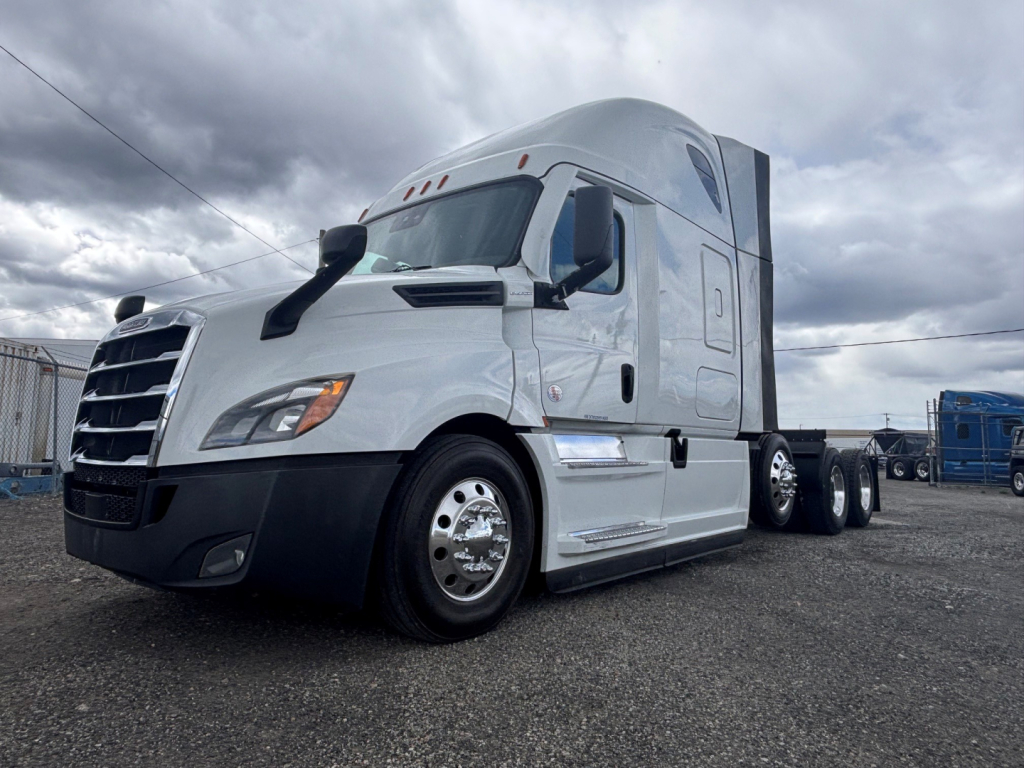
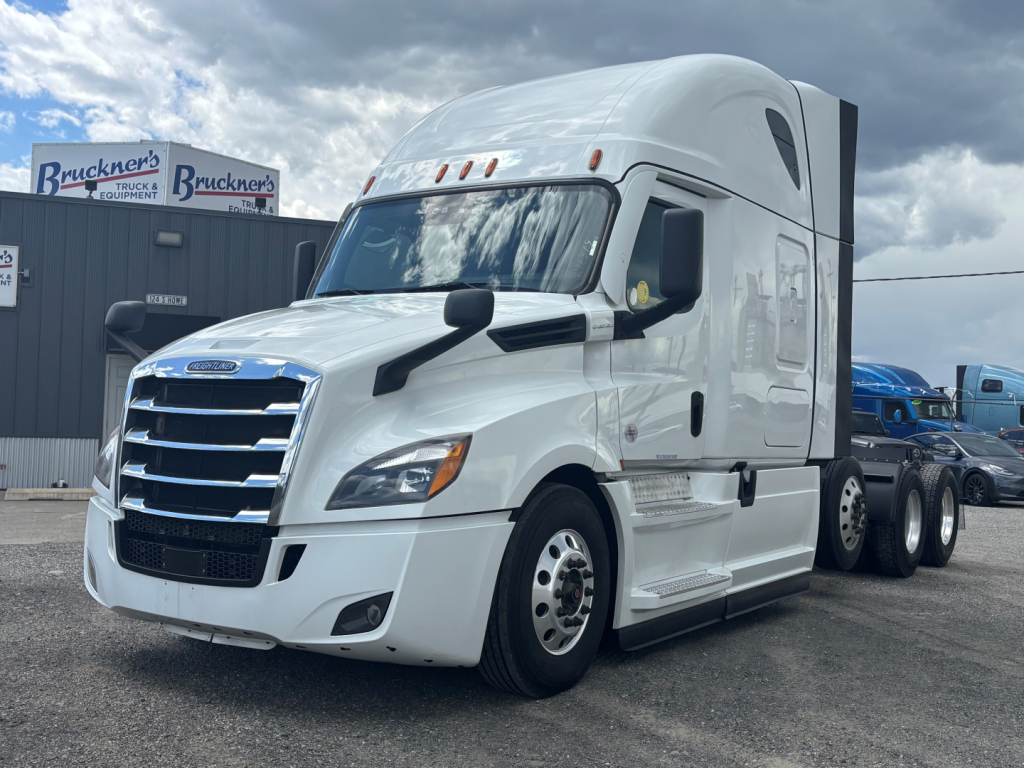
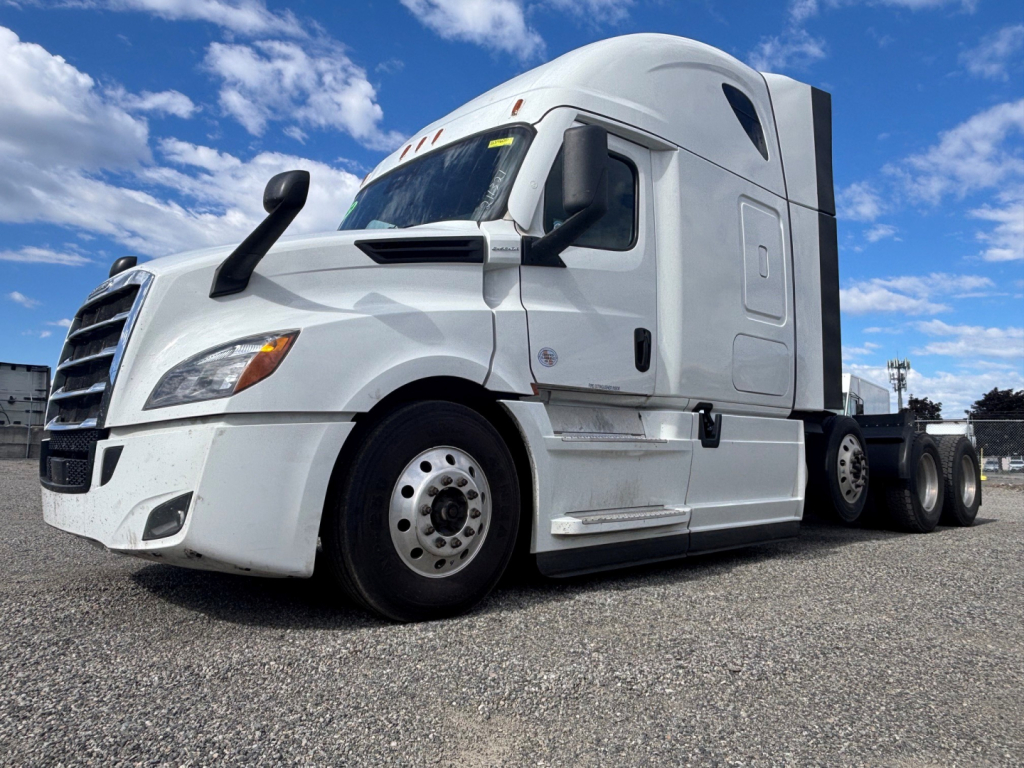
For sleeper and day cab buyers, the 2021 Freightliner Cascadia is typically the center of attention. Also known as a conventional sleeper or conventional tractor depending on the cab setup, the Cascadia is commonly spec'd with Detroit powertrains, automated manual transmissions, aerodynamic fairings, and a wheelbase matched to trailer length, axle spread, and kingpin setting requirements. In Washington, buyers often pay close attention to lift axle setups, axle ratings, and suspension specs because bridge laws, regional weight distribution, and mixed interstate and mountain-route operation can all influence the right configuration. A 2021 Cascadia may also include advanced driver-assistance features, improved dash controls, and fuel-efficiency updates that matter on long regional runs.
Medium-duty 2021 Freightliner trucks deserve a close look if the job is more vocational than over-the-road. The M2 series is widely used for box trucks, flatbeds, service bodies, dump bodies, utility applications, and municipal work. Buyers should focus on GVWR, front axle capacity, rear axle ratio, PTO compatibility, cab-to-axle length, and body upfit history. If the truck has already been built for a trade, the mounted equipment often matters as much as the cab and chassis itself. Freightliner medium-duty platforms are popular because they are relatively easy to spec for local delivery, contractor fleets, and utility crews that need maneuverability without giving up durability.
The smartest way to compare 2021 Freightliner trucks is to match the truck to the work first, then verify the spec. Check engine and transmission pairing, axle configuration, suspension type, wheelbase, sleeper size if applicable, and any regional-use features such as lift axles or traction-focused driveline specs. Review service records, idle hours, telematics history, tire condition, brake life, and emissions aftertreatment maintenance. On a late-model Freightliner, a clean maintenance history and a correct original application usually tell you more than appearance alone. Buyers looking at Washington trucks should also consider corrosion exposure, mountain-grade performance, and how the truck was used in port, interstate, municipal, or vocational service.
Frequently Asked Questions about 2021 Freightliner Trucks in Washington
What are the most common 2021 Freightliner truck models buyers look for?
The most common 2021 Freightliner trucks on the used market are the Cascadia for highway and regional tractor work and the M2 series for medium-duty and vocational applications. The Cascadia is typically used as a day cab or sleeper tractor for freight hauling, while the M2 106 and similar models are often configured as box trucks, flatbeds, service trucks, dumps, or utility trucks. The right model depends on whether the priority is long-haul efficiency, local delivery, or chassis flexibility for an upfit.
Is a 2021 Freightliner Cascadia a good choice for Pacific Northwest operations?
Yes, a 2021 Freightliner Cascadia is often a strong match for Pacific Northwest freight lanes because it is commonly available with specs suited to regional haul, mountain grades, and mixed interstate service. Buyers in Washington often look for the right horsepower and torque rating, axle ratio, and suspension setup, and some operations specifically want a lift axle for weight distribution and state-specific hauling needs. Dealer support and parts availability are also strong advantages in this region.
What should I check first on a used 2021 Freightliner truck?
Start with the VIN-based build spec and maintenance records. Confirm the engine, transmission, axle ratings, wheelbase, and intended original application so the truck matches the work you plan to do. After that, review emissions system service history, fault codes, brake and tire condition, idle hours, and any signs of hard vocational use or excessive downtime. On body-equipped trucks, inspect the upfit, PTO operation, hydraulic components, and mounting condition as carefully as the truck itself.
Are 2021 Freightliner trucks expensive to maintain?
Maintenance cost depends heavily on application, mileage, and how well the truck was serviced, but 2021 Freightliner trucks generally benefit from broad parts availability and a large service network. That helps control downtime and simplifies routine repairs compared with lower-volume brands. Late-model emissions components, electronics, and safety systems still need proper diagnostic support, so documented preventive maintenance is a major advantage when comparing trucks in this model year.
What is the difference between a 2021 Freightliner sleeper and a vocational Freightliner?
A 2021 Freightliner sleeper is built primarily for freight movement, driver comfort, fuel efficiency, and compatibility with semi-trailer operations. It will usually have a fifth wheel, aerodynamic bodywork, and a powertrain spec geared toward highway use. A vocational Freightliner, often built on an M2 chassis, is designed around body installation and jobsite utility, with specs focused more on GVWR, PTO operation, durability, maneuverability, and axle capacity for specialized work.