
2016 Freightliner Trucks For Sale in Texas
Browse 2016 Freightliner trucks for sale in Texas, including highway and vocational models with specs, engine options, axle setups, and buyer tips.

Have 2016 freightliner truck to sell? List it here to reach thousands of buyers.
2016 Freightliner Trucks in Texas
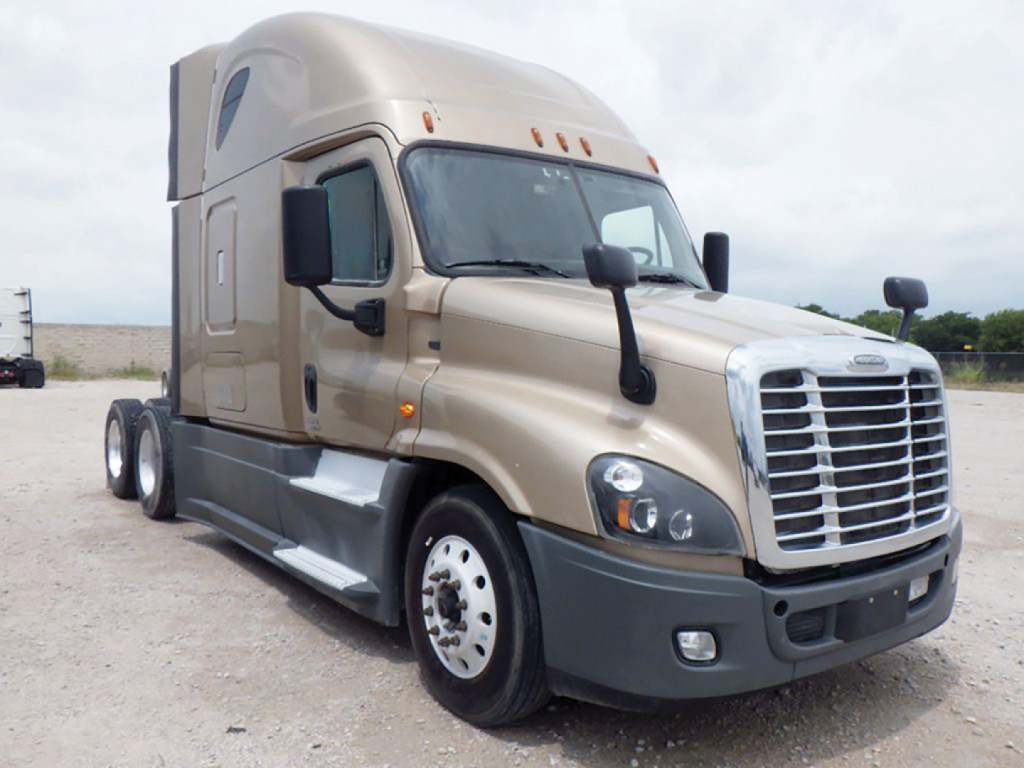
For highway buyers, the big decisions usually come down to engine, transmission, axle ratio, and wheelbase. Many 2016 Freightliner tractors were spec'd with Detroit power, especially DD13 and DD15 engines, paired with automated manual transmissions such as the DT12, though manual transmissions are still common in some fleets. Horsepower ratings often fall in the 350 to 505 HP range depending on application, while rear axle ratios can vary significantly based on intended use, from fuel-economy highway gearing to shorter ratios better suited for heavier starts and regional routes. If the truck is a sleeper, pay close attention to bunk size, fairings, fuel capacity, fifth wheel type, and whether the truck has options like collision mitigation, disc brakes, APUs, and full aerodynamic packages.
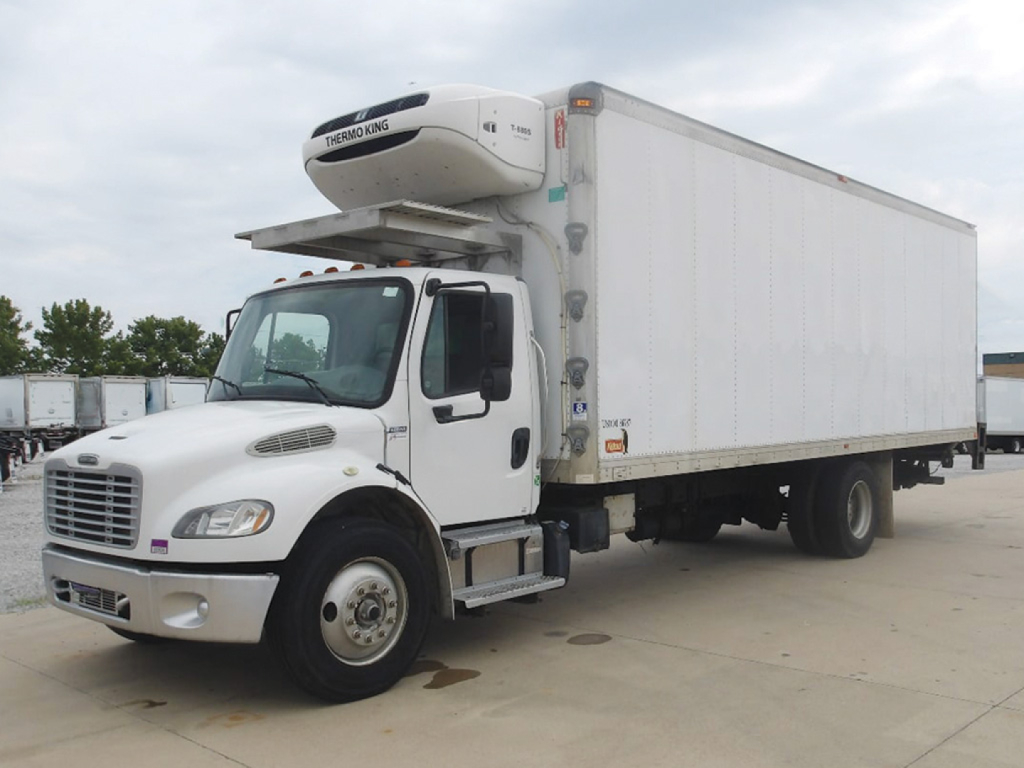
For vocational or medium-duty 2016 Freightliner trucks in Texas, the buying checklist shifts toward frame integrity, PTO readiness, suspension type, axle ratings, and body compatibility. Freightliner M2 models from this era are common in box truck, rollback, flatbed truck, reefer, tanker, and municipal roles. Buyers should confirm GVWR, front axle capacity, brake type, and body or upfit condition just as carefully as cab and powertrain specs. In hotter climates and long-idle applications, cooling system condition, air conditioning performance, and aftertreatment service history matter more than many first-time buyers expect.
A well-matched 2016 Freightliner can still deliver solid uptime if the spec fits the job and the maintenance history supports the miles. Look closely at DPF and DEF system records, engine hours, transmission calibration history, suspension wear, and signs of inconsistent fleet maintenance. Texas buyers also tend to weigh rust exposure differently than northern markets, which can be an advantage, but sun exposure, interior wear, and cooling-system stress can be more relevant. The best approach is to compare trucks by application first, then by drivetrain and maintenance documentation, because the right 2016 Freightliner is the one built for your lane, your payload, and your operating radius.
Frequently Asked Questions about 2016 Freightliner Trucks in Texas
What are the most common 2016 Freightliner truck models buyers look for?
The most common 2016 Freightliner trucks on the used market include the Cascadia for highway tractor applications and the M2 series for medium-duty and vocational work. The Cascadia is widely used as a conventional day cab or sleeper for long-haul and regional freight, while the M2 platform is common in box truck, flatbed, dump, utility, tow, and refrigerated applications. The right model depends less on nameplate and more on how the truck was originally spec'd for its intended duty cycle.
What engines are commonly found in 2016 Freightliner trucks?
Many 2016 Freightliner trucks were equipped with Detroit engines, especially the DD13 and DD15 in highway tractors. Medium-duty and vocational models may also carry Cummins or other application-specific engine options depending on the chassis and upfit. Buyers should verify horsepower, torque rating, emissions system history, and intended use, because the same engine family can be calibrated very differently for fuel economy, local delivery, or heavier linehaul work.
Is a 2016 Freightliner truck a good choice for Texas operations?
A 2016 Freightliner can be a strong fit for Texas operations because the state supports a wide mix of freight lanes, oilfield work, construction, regional distribution, and local delivery. Trucks from Texas may show less corrosion than comparable northern units, but buyers should inspect for heat-related wear, HVAC performance, cooling-system condition, and interior sun damage. Application match is still the main factor, especially when evaluating axle ratios, suspension, wheelbase, and sleeper versus day cab layout.
What should I inspect first on a used 2016 Freightliner tractor?
Start with maintenance records, engine hours, odometer reading, and aftertreatment history. Then inspect the DPF and DEF system, look for fault-code activity, and evaluate transmission operation, clutch wear if equipped, suspension condition, brake life, and tire wear patterns. On a road tractor, it is also important to confirm rear axle ratio, fifth wheel operation, kingpin setting compatibility, and whether the wheelbase and fuel tank setup fit the trailers and routes you plan to run.
Are automated transmissions common in 2016 Freightliner trucks?
Yes, automated manual transmissions are common in 2016 Freightliner highway trucks, particularly units spec'd with Detroit powertrains and DT12 transmissions. They can improve driver consistency and fuel economy when properly maintained and calibrated. Buyers should still review service history carefully, confirm smooth shifting under load, and check that the transmission software and clutch-related components have been maintained according to fleet or manufacturer intervals.