
Freightliner Trucks For Sale in Texas
Browse Freightliner trucks for sale in Texas, including Cascadia and M2 models, with specs and applications for highway, regional, and vocational work.
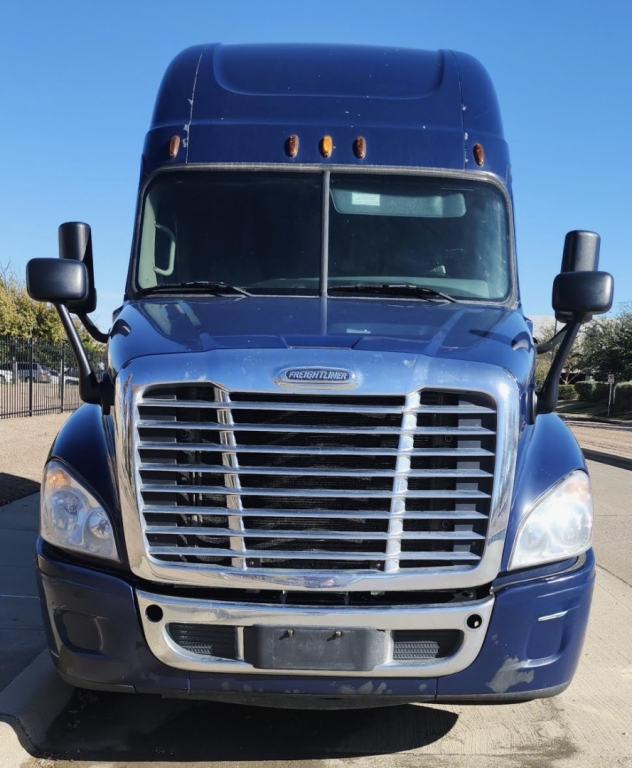
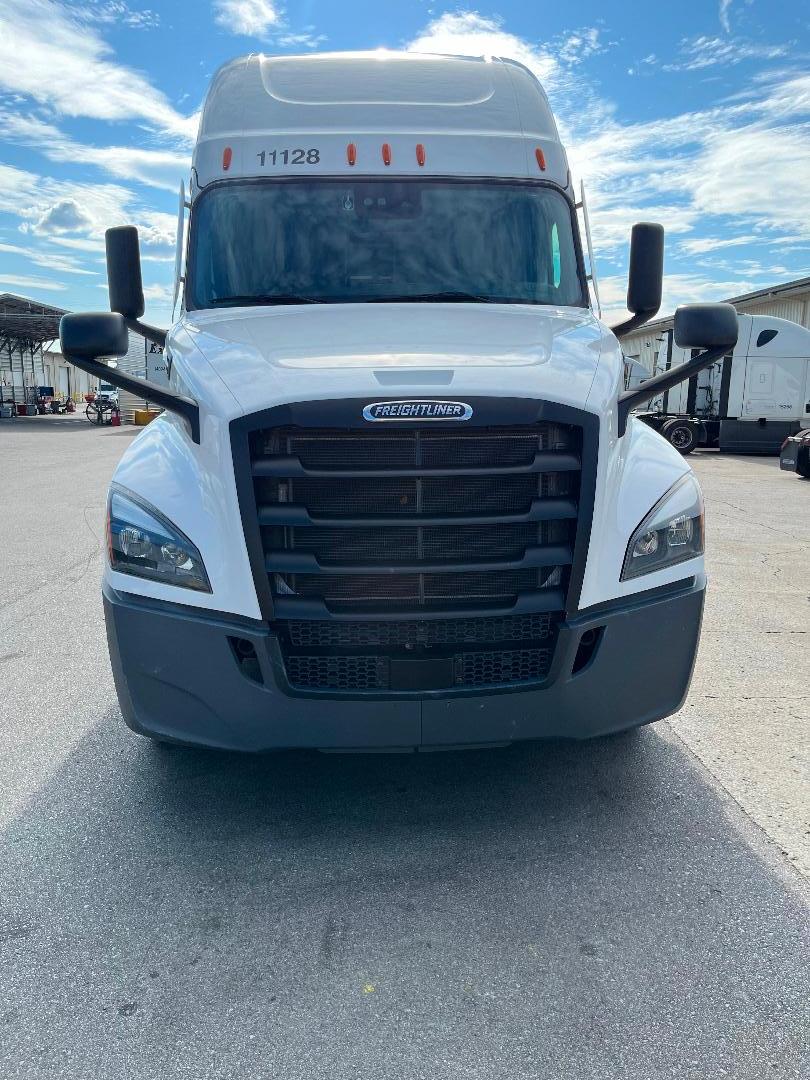
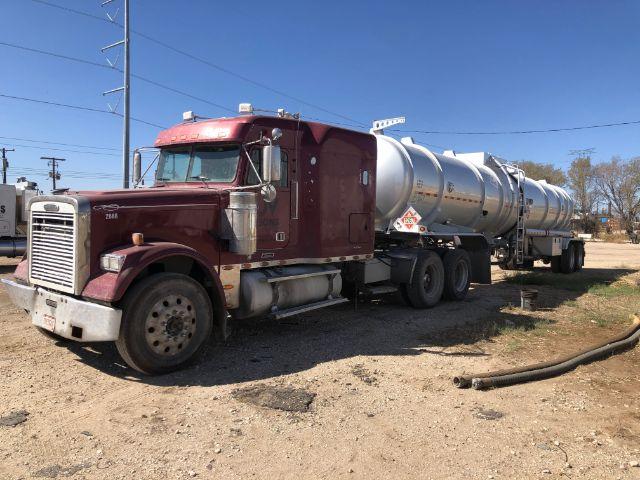
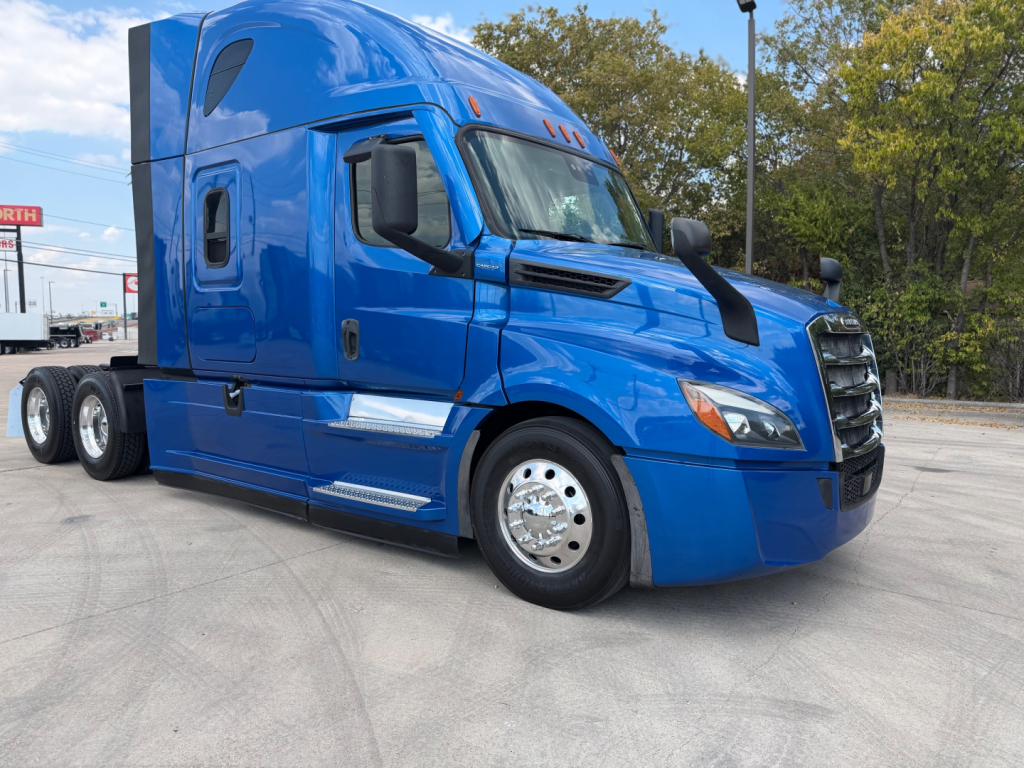


Selling a freightliner truck? List your freightliner truck for sale and reach thousands of commercial buyers.
Freightliner Trucks in Texas
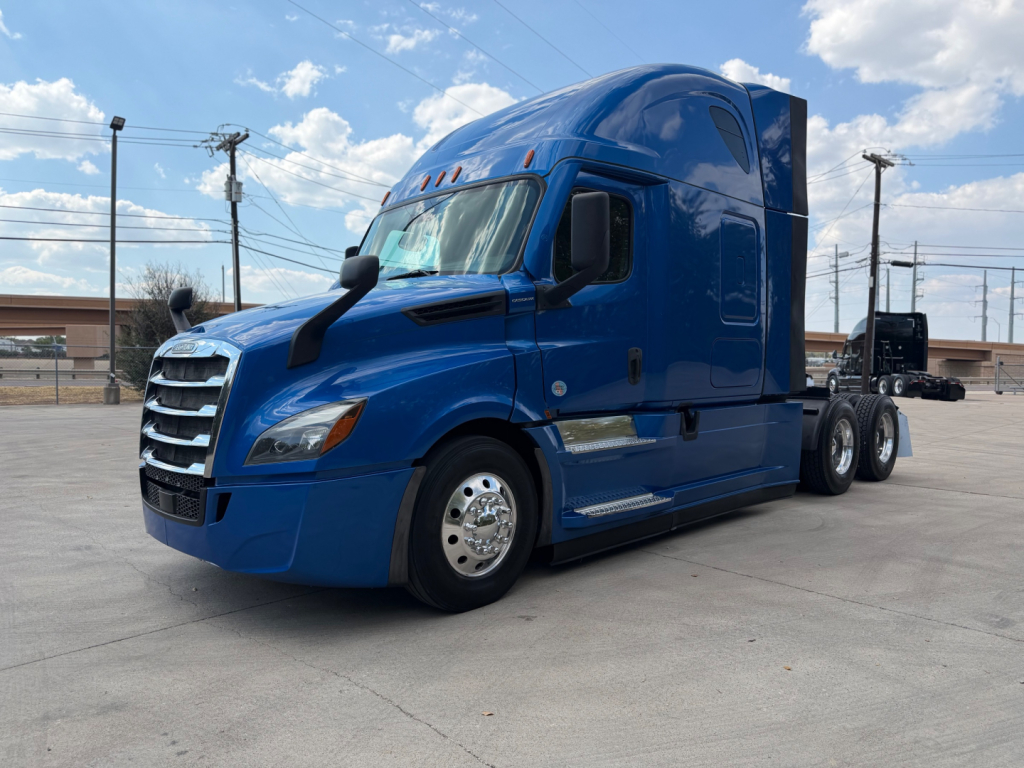
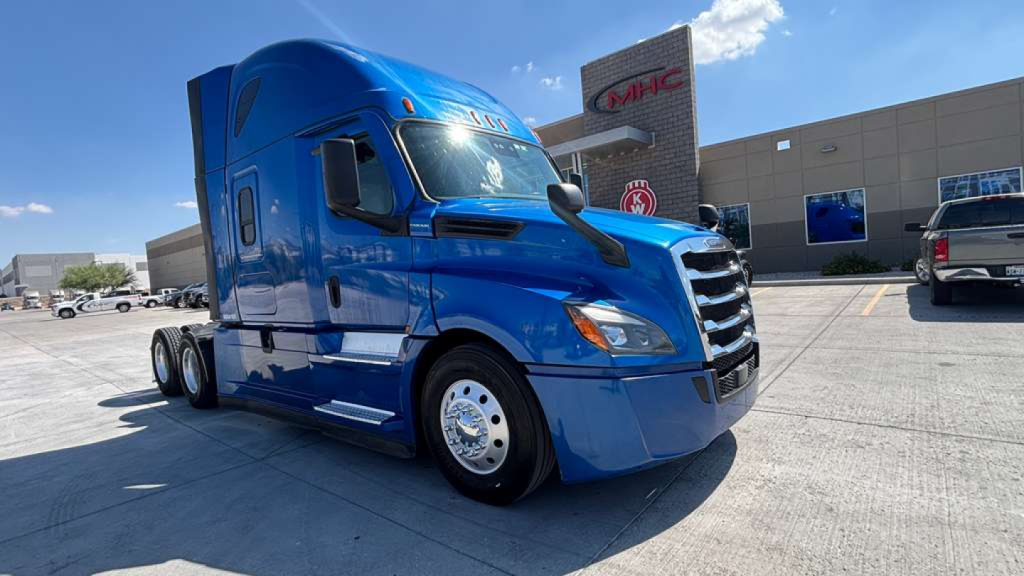
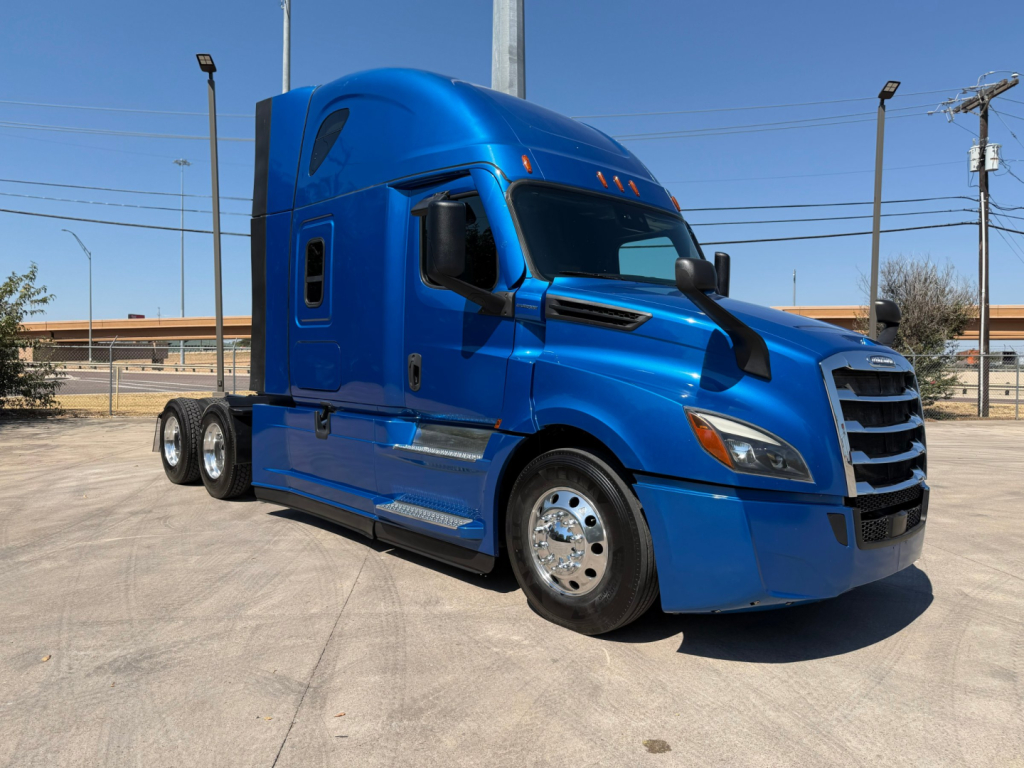
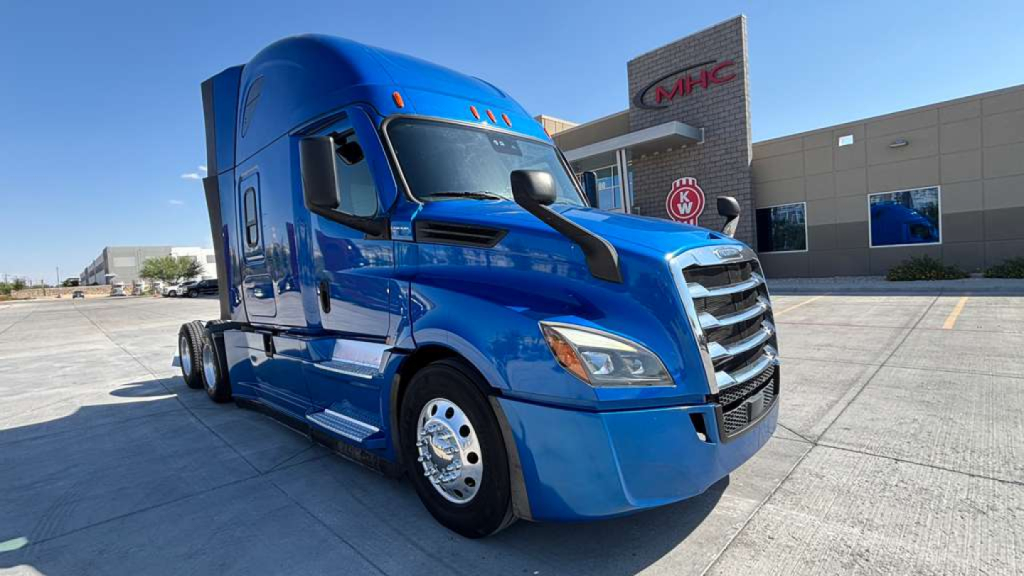
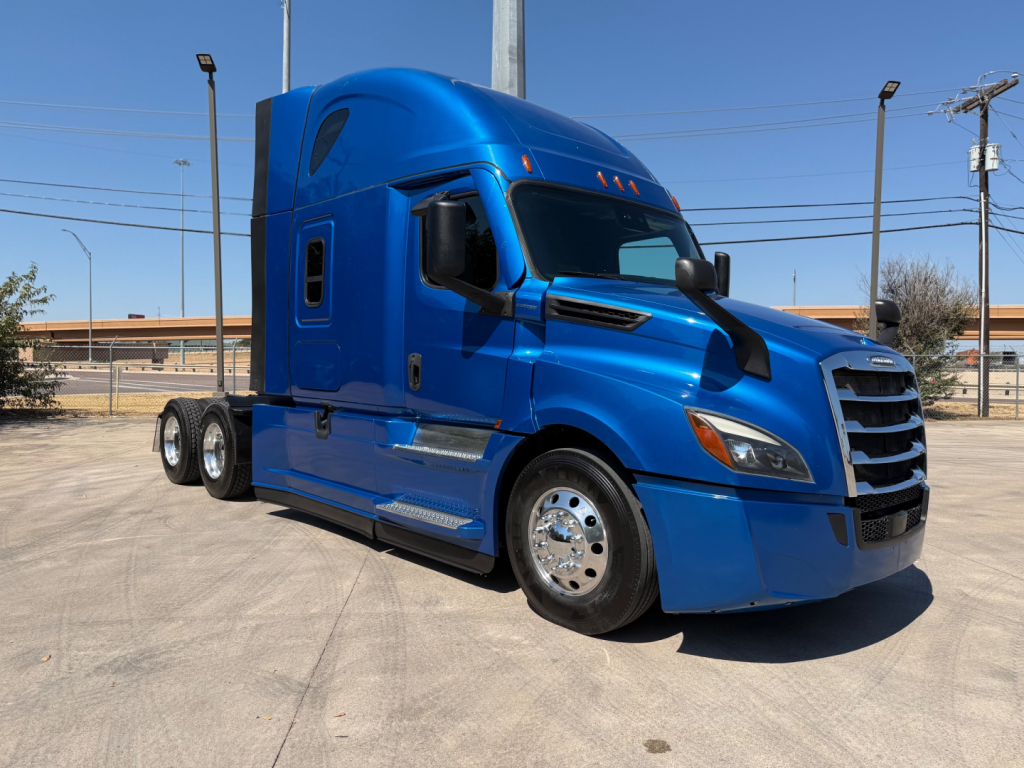
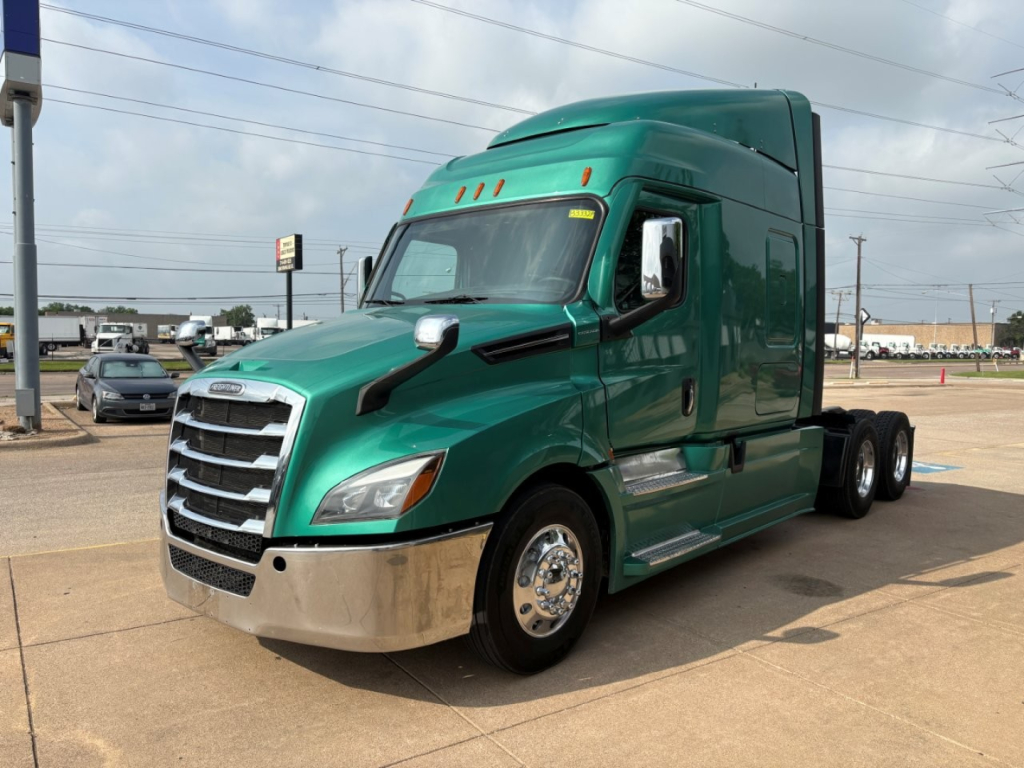
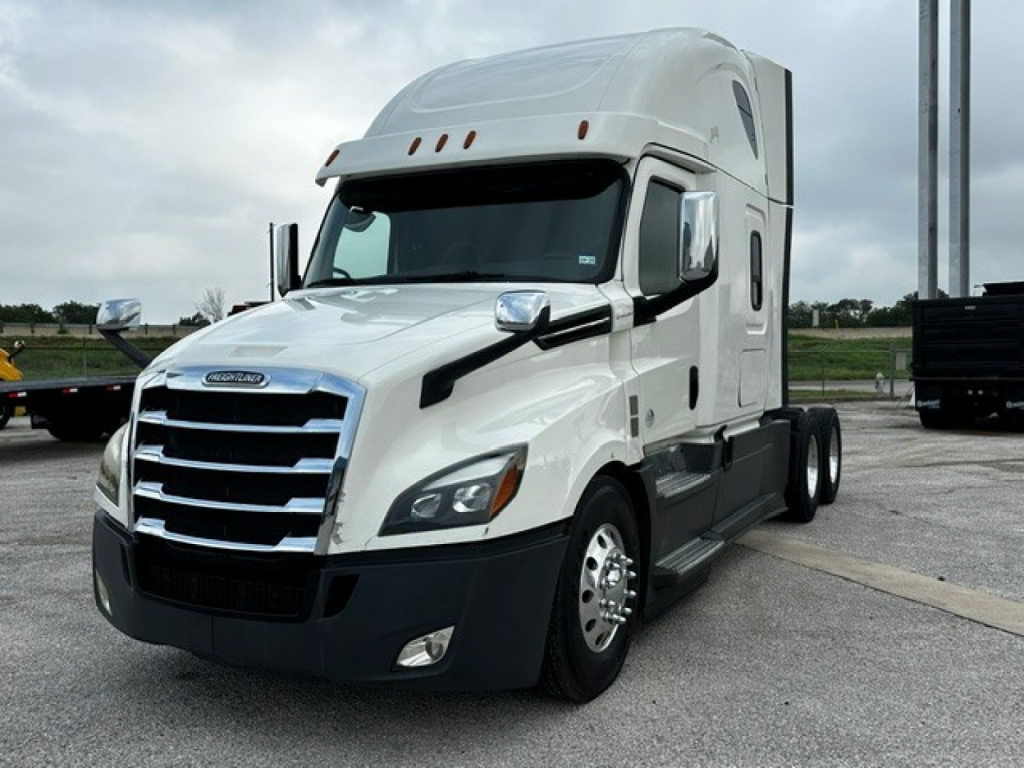
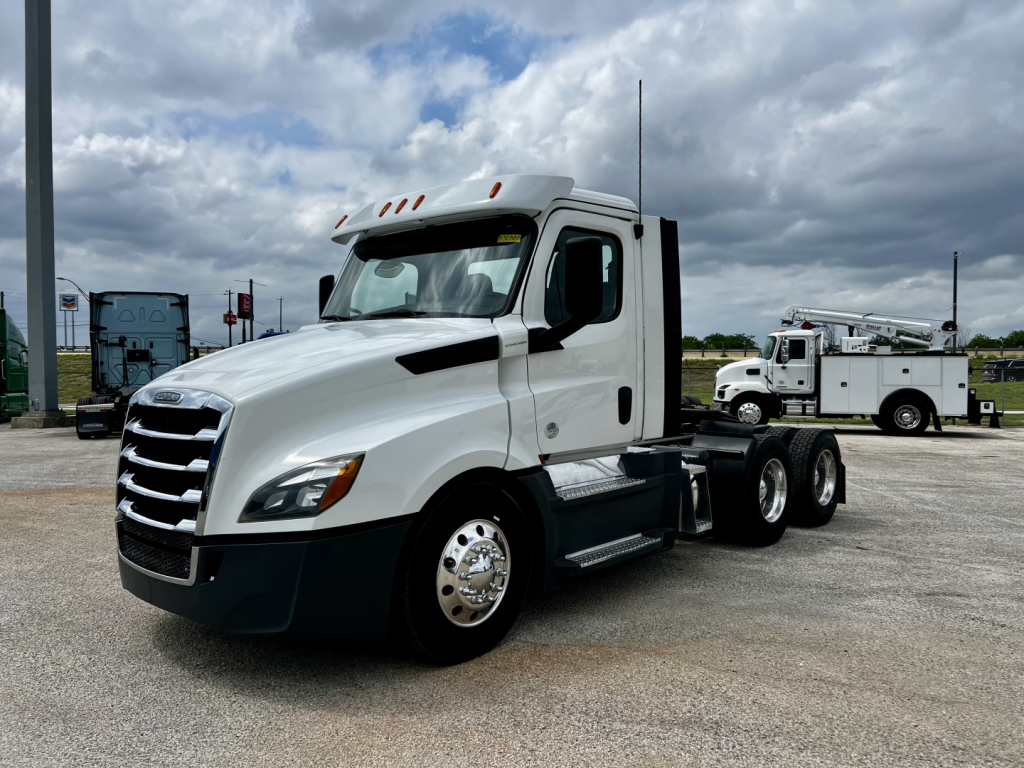
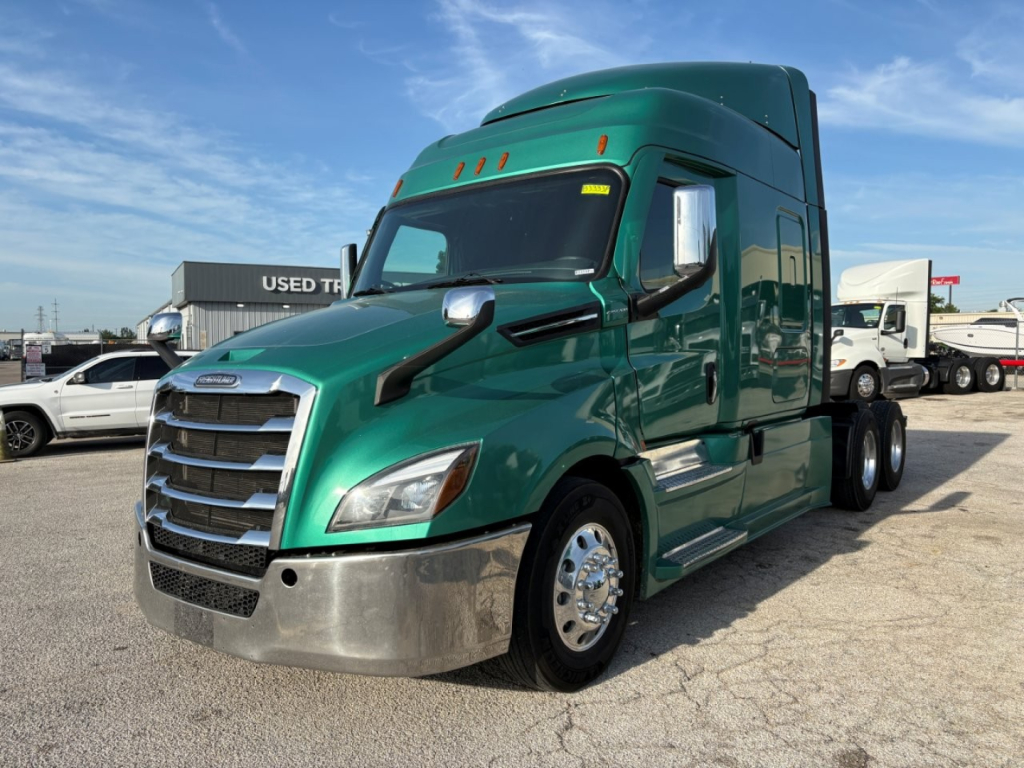
For buyers focused on long-haul or regional freight, Cascadia spec decisions usually come down to sleeper size, engine rating, transmission, rear axle ratio, and wheelbase. Many late-model Texas trucks are equipped with Detroit DD13 or DD15 engines paired with the DT12 automated manual transmission, often in ratings around 455 to 505 horsepower. Rear axle ratios such as 2.41, 2.85, and 3.23 can significantly change how the truck performs. Lower numerical ratios tend to favor fuel economy at highway speed, while deeper ratios can better support heavier loads, more stop-and-go work, or challenging terrain. Buyers should also compare suspension type, 5th wheel configuration, fuel capacity, and safety features like collision mitigation, engine brake performance, and disc brakes.
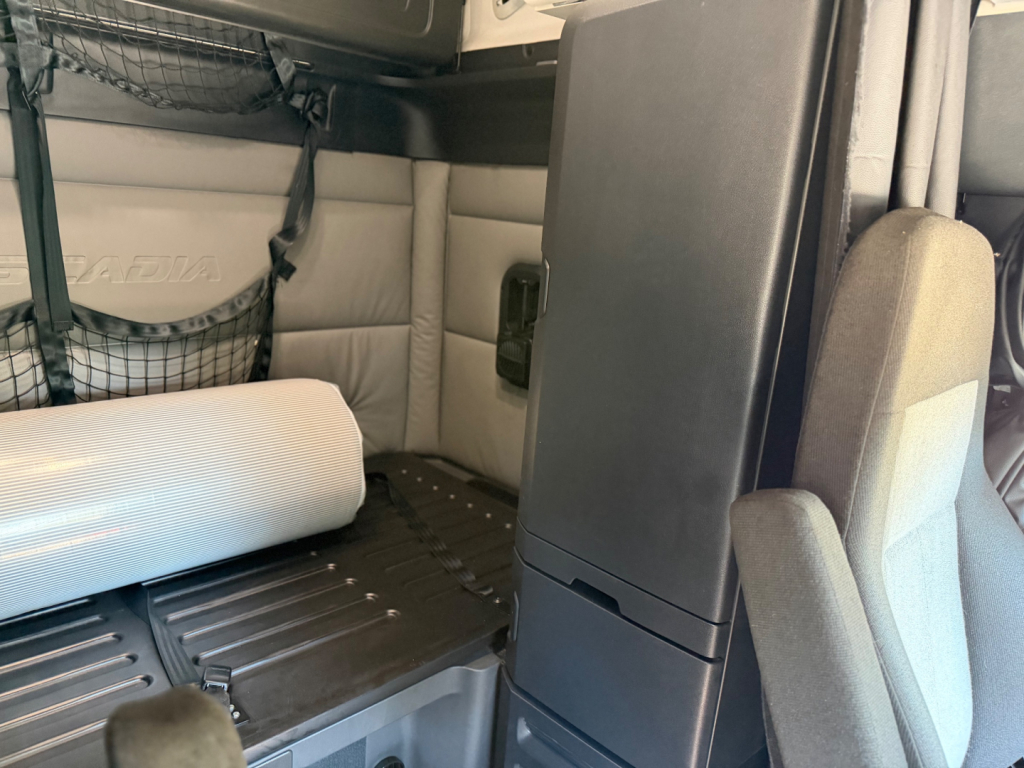
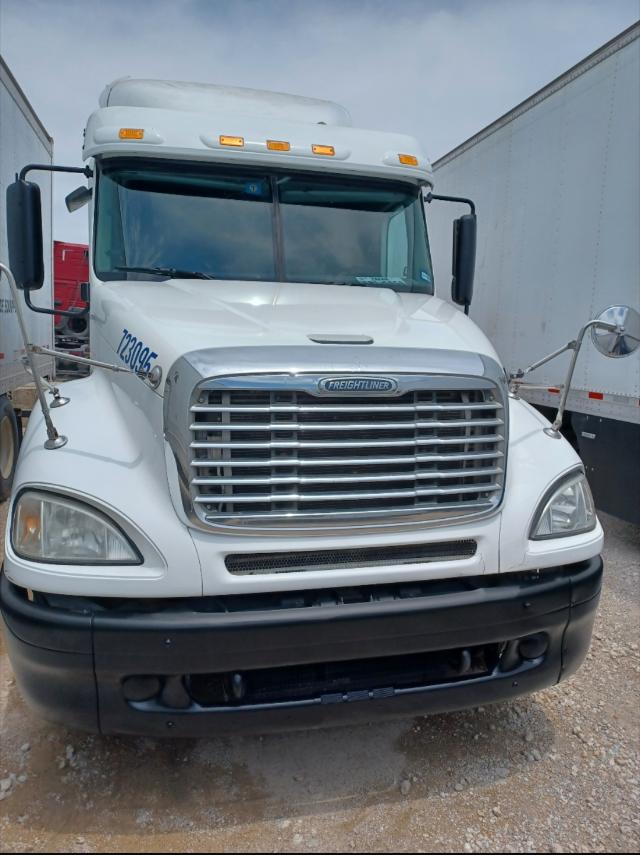
Texas operating conditions make cooling performance, idle management, and aerodynamic spec especially relevant. Sleeper trucks with raised-roof or mid-roof configurations are common for longer lanes, while day cabs fit local drayage, dedicated routes, and terminal-to-terminal work. Features such as bunk heaters, APUs, air slide 5th wheels, cab extenders, quarter fenders, and fairings can have a real impact on comfort, uptime, and fuel burn. In a state where routes can include urban congestion, long interstate stretches, oilfield support traffic, and high summer temperatures, buyers should pay close attention to mileage, idle hours, maintenance records, aftertreatment history, and the condition of emissions components, tires, suspension, and steering.
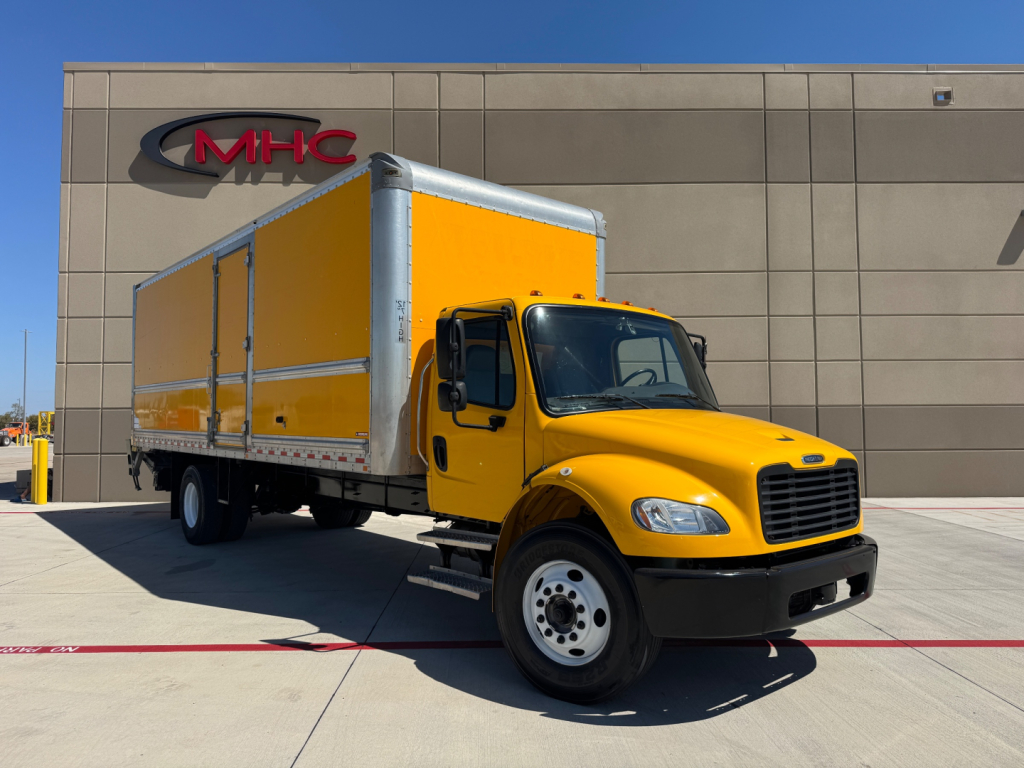
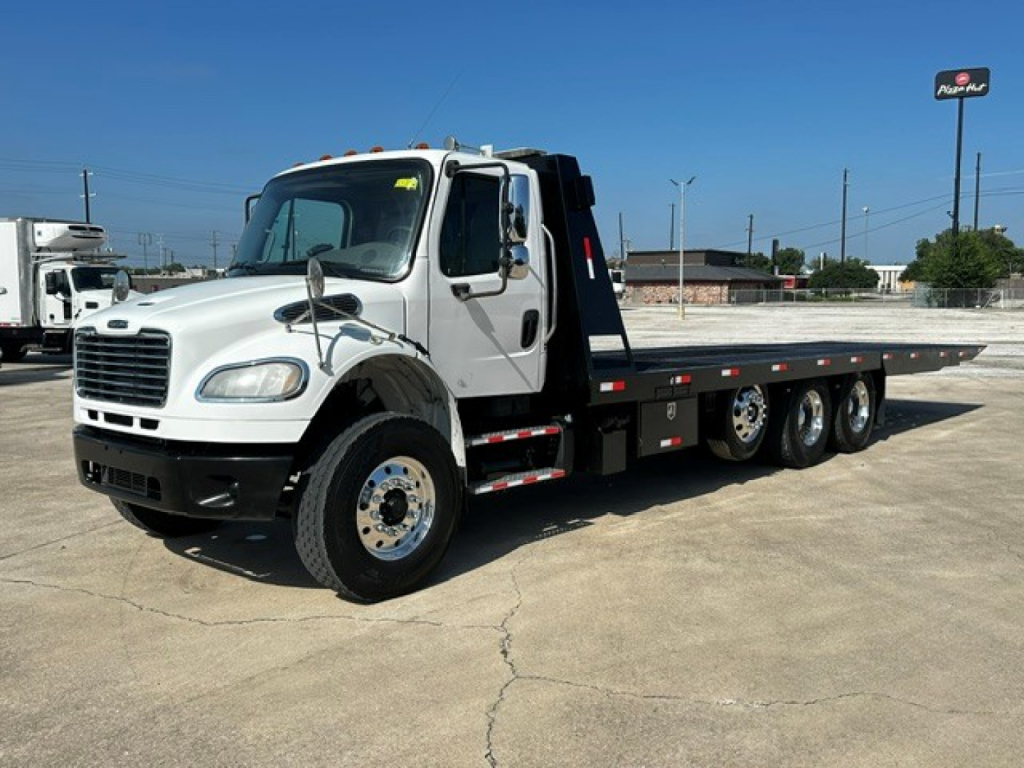
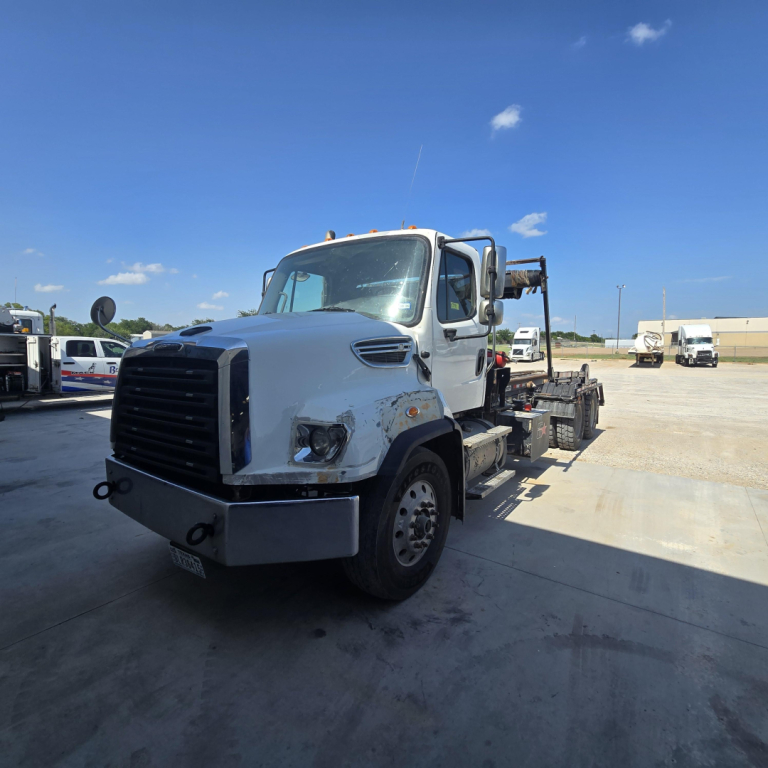
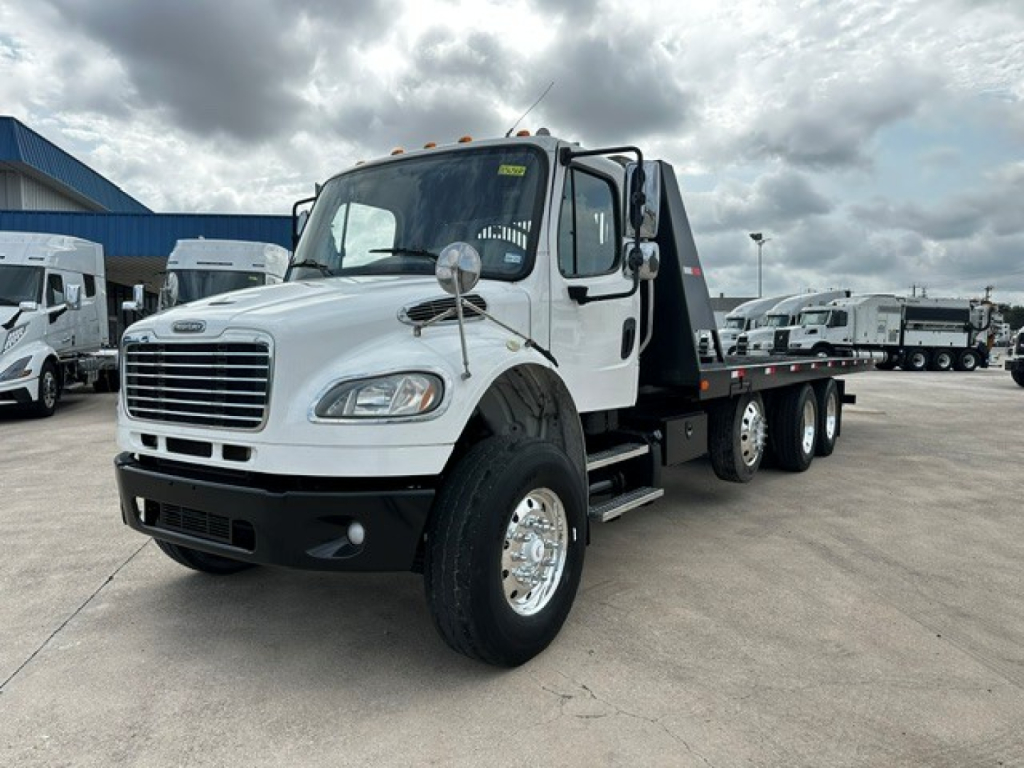
Freightliner medium-duty trucks, especially the M2 106, deserve a different buying lens than a road tractor. Body compatibility, GVWR, PTO provisions, axle ratings, frame condition, and cab-to-axle dimensions often matter more than sleeper amenities or highway gearing. These trucks are frequently used as utility trucks, bucket trucks, straight trucks, and service units, so the truck chassis must be evaluated together with the mounted equipment. Across the Freightliner range, buyers tend to value straightforward driver ergonomics, a large service network, and a used market deep enough to support resale and fleet standardization. The best truck is usually the one with the right spec for the route, load, body, and maintenance plan, not simply the newest model year.
Frequently Asked Questions about Freightliner Trucks in Texas
What are the most common Freightliner truck models buyers look for in Texas?
The most common Freightliner models in Texas are typically the Cascadia for highway freight and the M2 106 for medium-duty and vocational work. The Cascadia is widely used in long-haul, regional, and local tractor applications because it offers aerodynamic design, Detroit powertrain options, and common fleet specs. The M2 106 is popular for utility, box, service, and municipal work because it accepts a wide range of bodies and upfits.
Is a Freightliner Cascadia day cab or sleeper better for my operation?
A day cab is usually the better fit for local hauling, port work, short regional lanes, and operations where drivers return daily. A sleeper is better suited to longer runs, team driving, overnight routes, and operations where driver retention and cab comfort matter more. The decision should be based on route length, payload, wheelbase requirements, fuel capacity, and how much living space the job actually demands.
What engine and transmission setups are common in used Freightliner highway trucks?
Many used Freightliner highway trucks are spec'd with Detroit DD13 or DD15 diesel engines and DT12 automated manual transmissions. Horsepower ratings commonly fall in the mid-400s to low-500s depending on application. Buyers should compare engine brake performance, rear axle ratio, service history, and software calibration because those details affect drivability, fuel economy, and long-term maintenance cost more than the engine badge alone.
What should I inspect first on a used Freightliner truck in Texas?
Start with maintenance records, fault codes, engine hours, mileage, and emissions system history. Then inspect tires, brakes, suspension, steering components, frame condition, and signs of excessive idle time or poor cooling performance. In Texas, heat load, long-distance operation, and heavy traffic can stress cooling systems, aftertreatment components, and cab HVAC, so those areas deserve close attention during evaluation.
Are Freightliner M2 trucks good for vocational and utility applications?
Yes, the Freightliner M2 is a well-established medium-duty platform for vocational work. It is commonly used for bucket trucks, service bodies, box trucks, flatbeds, and municipal equipment because it offers flexible wheelbase options, body-builder compatibility, and familiar serviceability. Buyers should verify GVWR, axle ratings, PTO needs, frame layout, and the condition of any mounted equipment so the truck matches the intended job.