
2026 Freightliner Trucks For Sale
Shop 2026 Freightliner trucks for sale. Compare Cascadia, M2 and vocational specs, engines, GVWRs, cab styles and fleet-ready features.
Learn more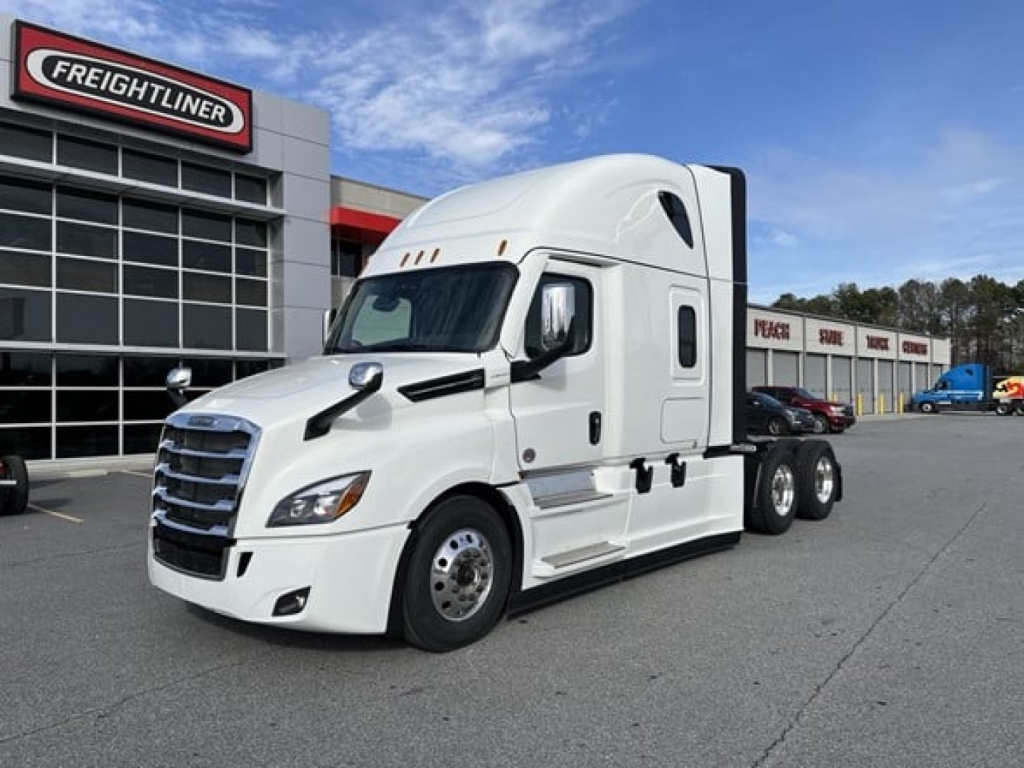
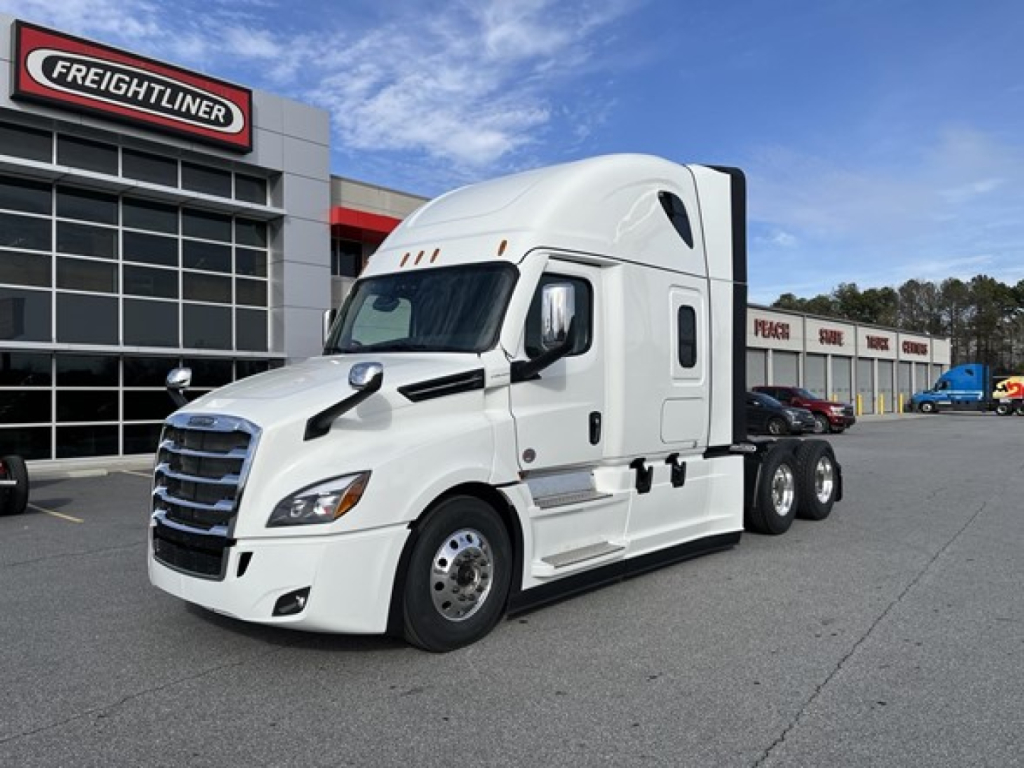
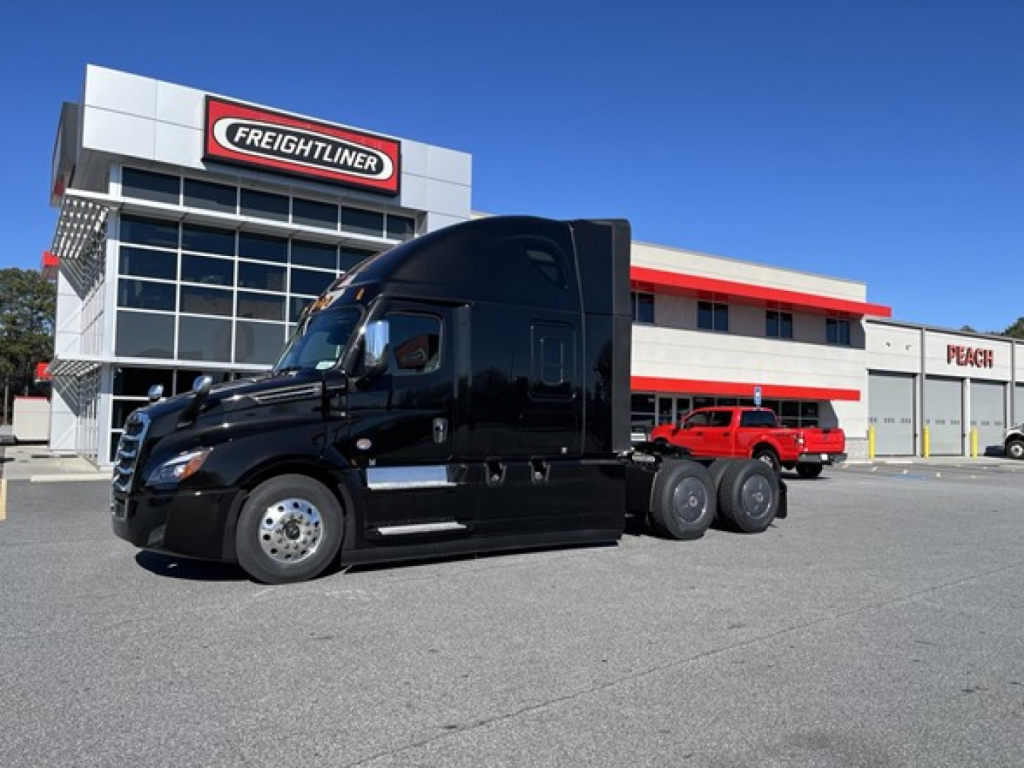
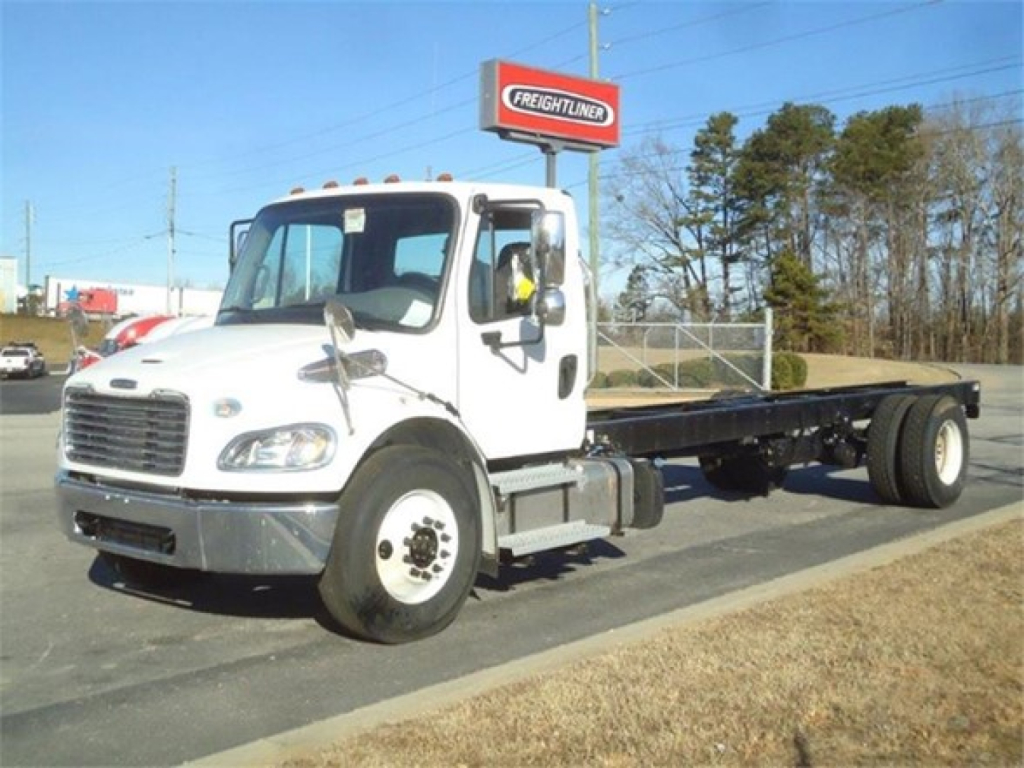
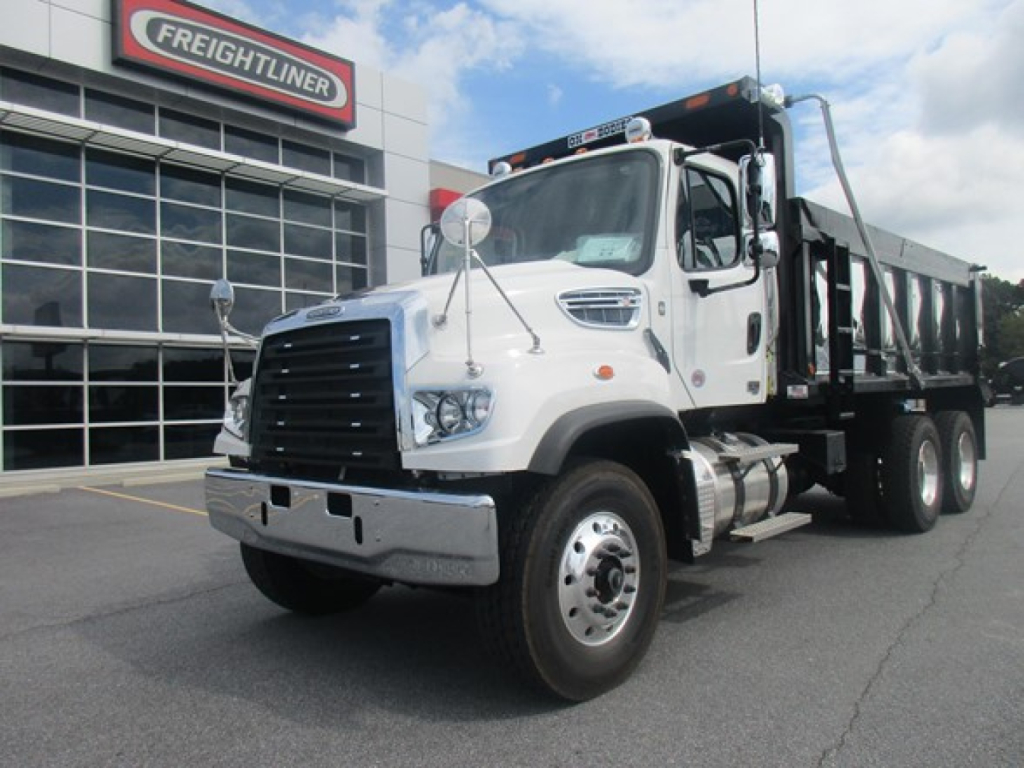
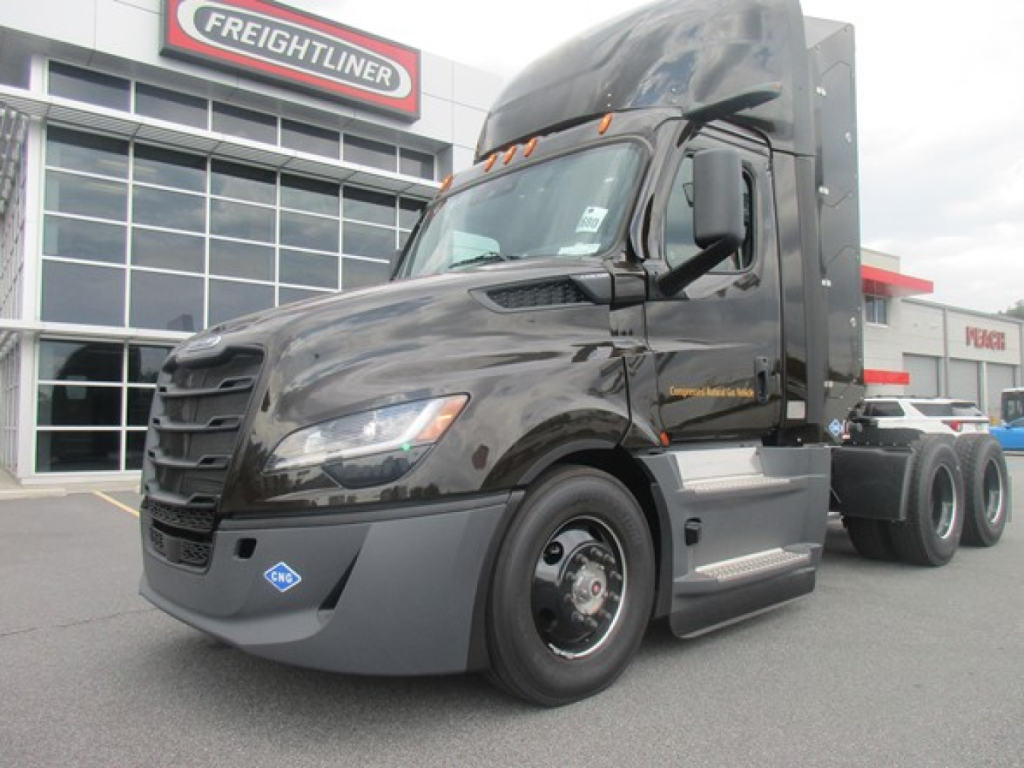
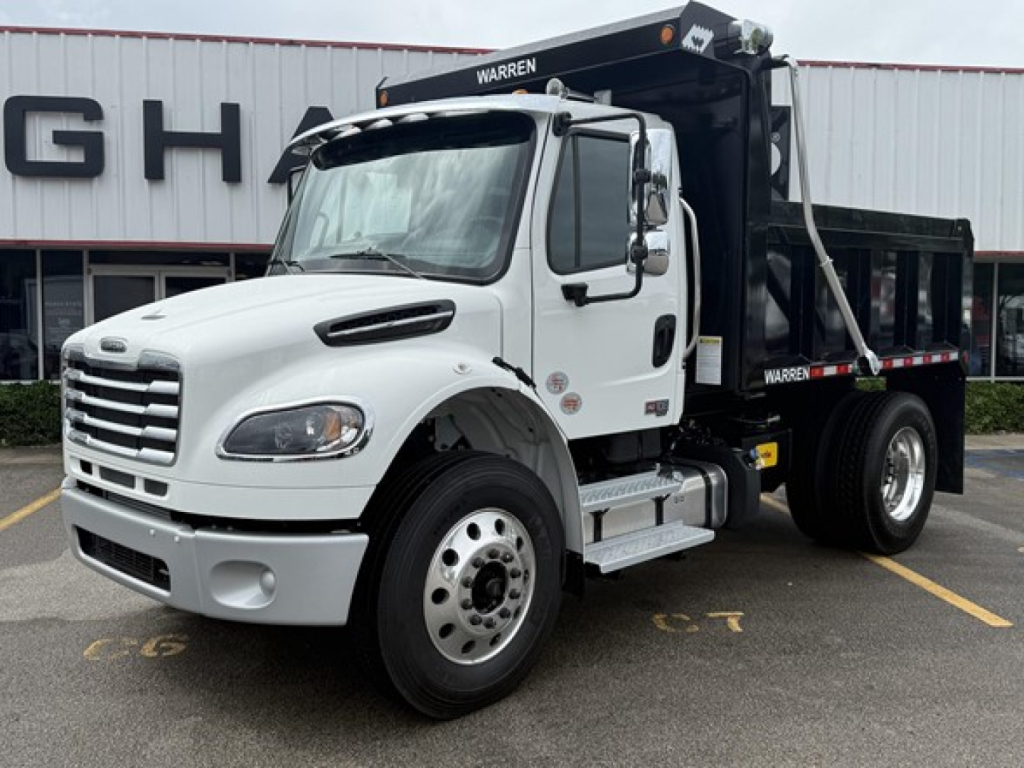
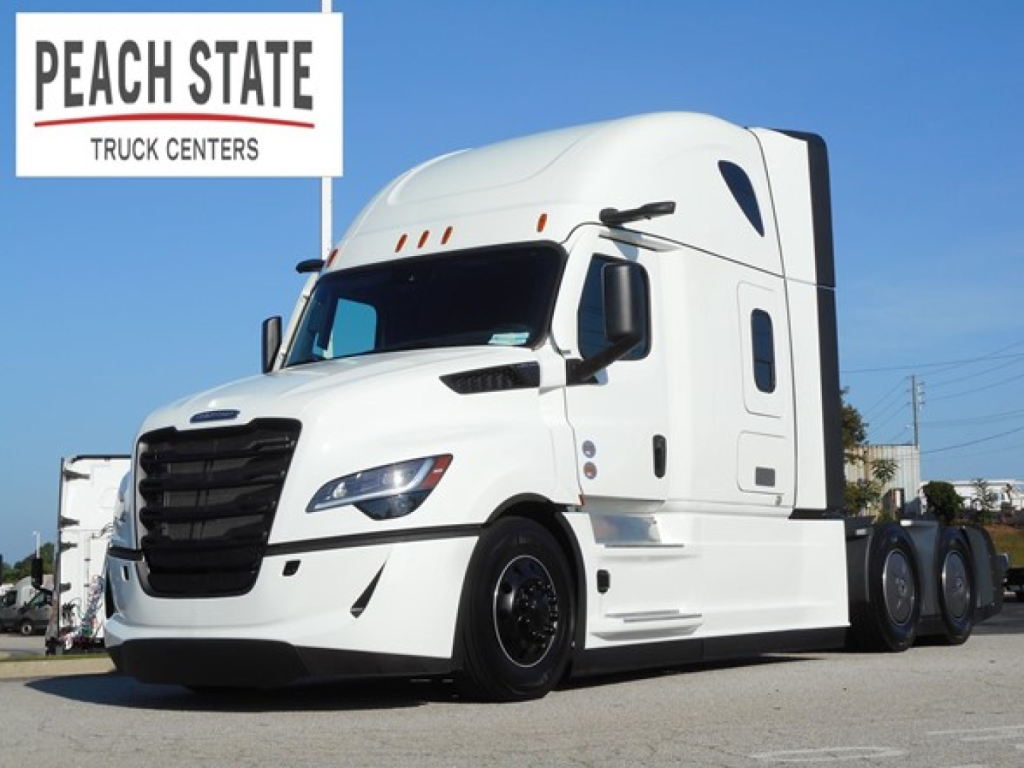
Showing 13 to 20 of 20 results
Have 2026 freightliner truck to sell? List it here to reach thousands of buyers.
About 2026 Freightliner Trucks
On highway tractors, buyers usually compare sleeper versus day cab, engine rating, transmission, rear axle ratio, and suspension. Freightliner Cascadia models are commonly spec’d with Detroit DD13 or DD15 engines, automated manual transmissions such as the Detroit DT12, and 6x4 tandem drive layouts. A regional tractor may lean toward a shorter wheelbase, 12,000-pound front axle, 40,000-pound rears, air slide fifth wheel, and ratios aimed at stop-and-go efficiency. Long-haul sleepers tend to prioritize fuel capacity, raised-roof sleeper size, collision mitigation, double bunk layouts, and aerodynamic packages. If uptime and fleet support are high on the list, Freightliner remains a strong choice because Detroit powertrain integration, widespread dealer coverage, and common parts availability can reduce downtime versus more niche platforms.
In medium-duty and vocational Freightliner trucks, the M2 106 is a common benchmark because it accepts a wide variety of bodies and equipment. Buyers looking at rollback carriers, wreckers, box trucks, flatbeds, stake bodies, service bodies, or municipal units should pay close attention to GVWR, front axle rating, frame spec, PTO provisions, brake type, and wheelbase. A 26,000-pound GVWR truck may be ideal for non-CDL work in some applications, but body weight, tool storage, wheel-lift equipment, or liftgate requirements can change payload quickly. Cab ergonomics, visibility, turning radius, and service access also matter more in urban and route-based work than they do in a linehaul tractor.
Freightliner trucks are often favored by buyers who want mainstream specs that are easy to source, easy to service, and familiar to drivers. When comparing listings, look beyond model name and year into axle configuration, suspension type, tire size, brake setup, emissions system, and intended duty cycle. A truck built for regional haul is not automatically a good fit for heavy PTO work, and a vocational chassis may sacrifice highway comfort for durability and body compatibility. The best 2026 Freightliner truck is the one with a spec sheet that matches the freight, terrain, annual miles, and maintenance plan you actually run.
Frequently Asked Questions
What are the main 2026 Freightliner truck models buyers usually compare?
Most buyers start with the Freightliner Cascadia for Class 8 highway use and the Freightliner Business Class M2 for medium-duty and vocational work. The Cascadia is commonly used as a day cab or sleeper tractor for regional and over-the-road freight. The M2 platform is frequently used for tow trucks, box trucks, flatbeds, dump bodies, utility bodies, and other upfit applications. The right model depends less on brand preference and more on GVWR, axle ratings, wheelbase, and the work the truck will perform every day.
Is a Freightliner Cascadia or Freightliner M2 better for my operation?
A Cascadia is generally the better fit for highway freight, higher annual mileage, and tractor applications that need tandem rears, fifth wheel flexibility, and aerodynamics. An M2 is typically the better fit for local delivery, towing, municipal work, and body-builder applications where maneuverability, PTO capability, and body compatibility are more important than long-haul fuel economy. Buyers should compare route length, average payload, cab access, and body requirements before choosing between the two platforms.
What specs matter most when buying a 2026 Freightliner truck?
The most important specs are the ones tied directly to your revenue-producing work. For tractors, focus on engine model and horsepower, transmission type, rear axle ratio, suspension, wheelbase, fifth wheel setup, and axle ratings. For medium-duty and vocational trucks, pay close attention to GVWR, frame strength, front axle capacity, PTO options, brake system, body length, and upfit compatibility. Tire size, drive configuration, and emissions equipment also affect operating cost, serviceability, and performance.
Are Freightliner trucks a good choice for fleet maintenance and parts support?
Freightliner is a common fleet choice because the trucks are widely supported across North America and many configurations use mainstream Detroit powertrain components. That broad service network can make it easier to find parts, trained technicians, and diagnostic support compared with less common brands or drivetrains. For buyers focused on uptime, that support footprint is a major advantage, especially in regional and long-haul operations where service access directly affects utilization.
How do I choose the right axle and cab configuration on a Freightliner truck?
Start with payload, trailer type, and route conditions. A tandem axle 6x4 tractor is the standard choice for most Class 8 freight because it balances traction, capacity, and resale strength. Day cabs work well for short regional turns, port work, and local haul where sleeper space is unnecessary. Sleeper cabs are better for over-the-road and multi-day runs. In medium-duty applications, a single axle truck may be enough for urban work, but body weight and legal payload can quickly justify a heavier chassis or different wheelbase.