
New Ford Commercial Trucks For Sale in Florida
Shop new Ford trucks for sale in Florida, including F-450, F-550, F-600, and F-750 chassis for tow, dump, and vocational work.
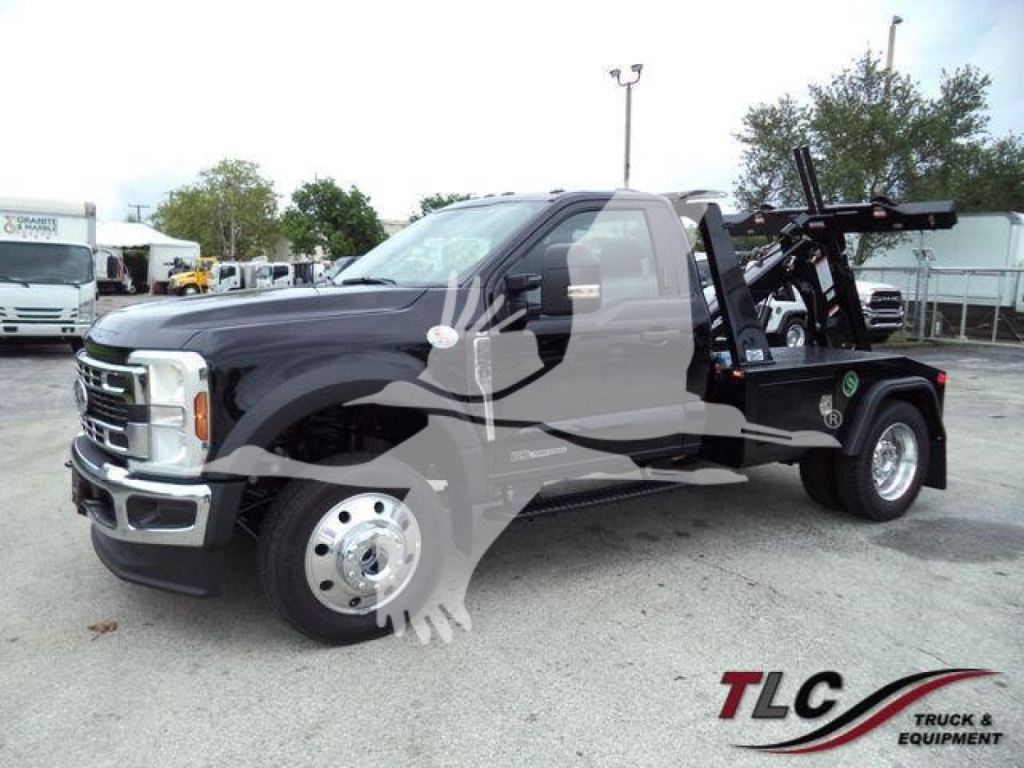
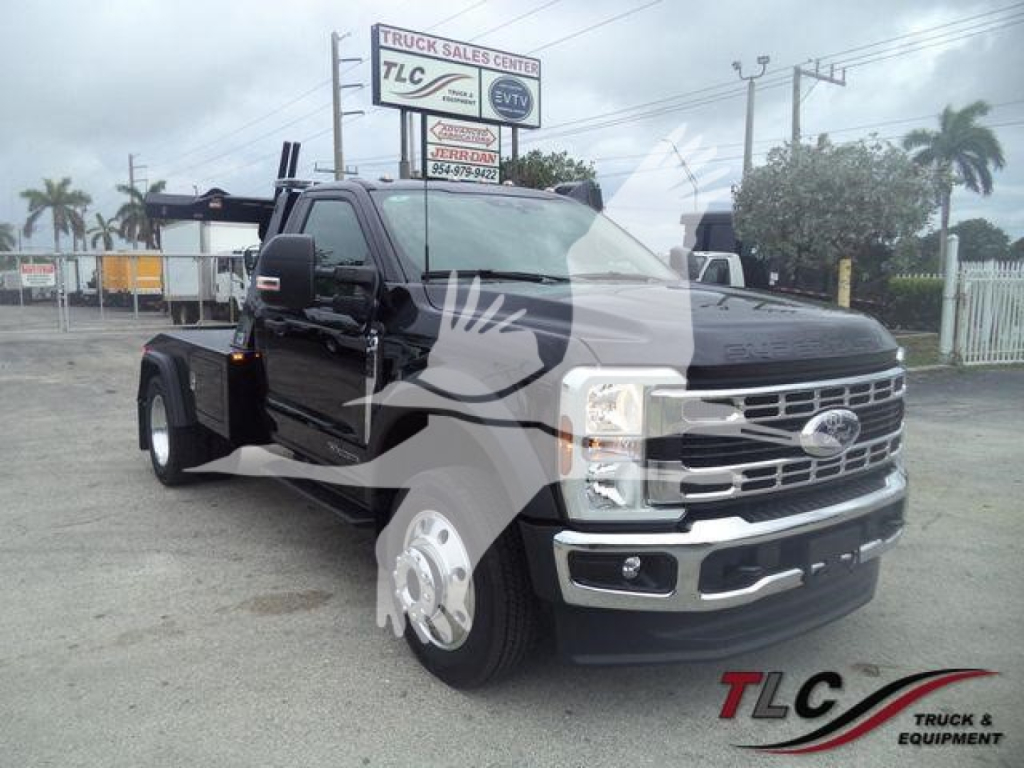
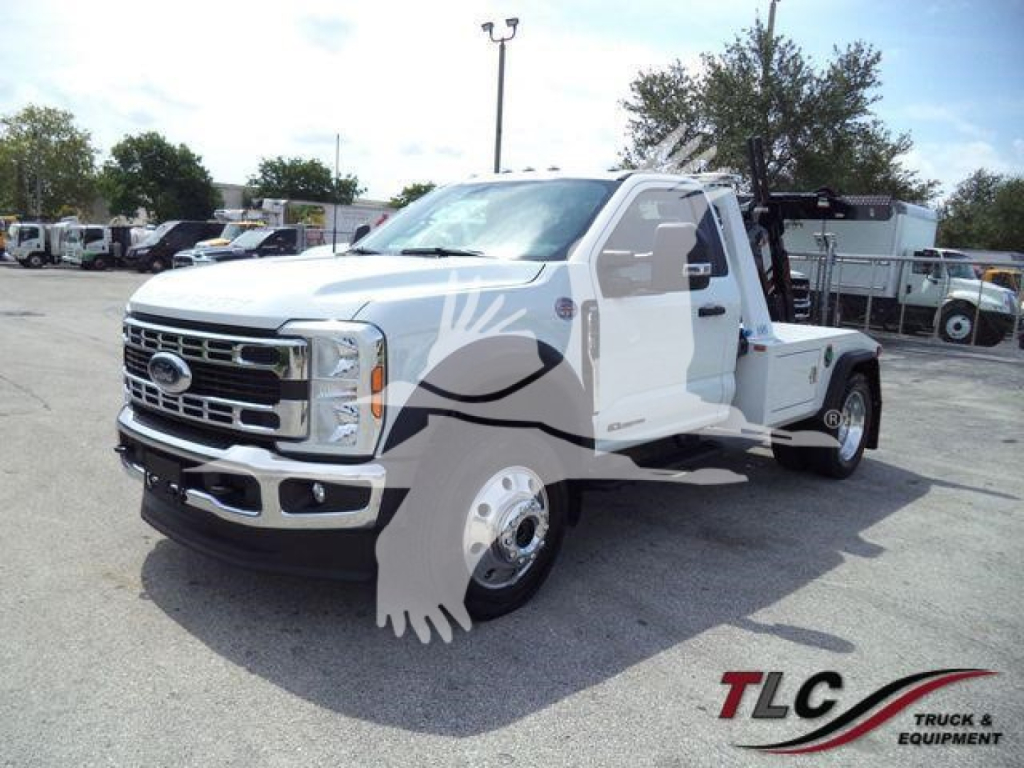
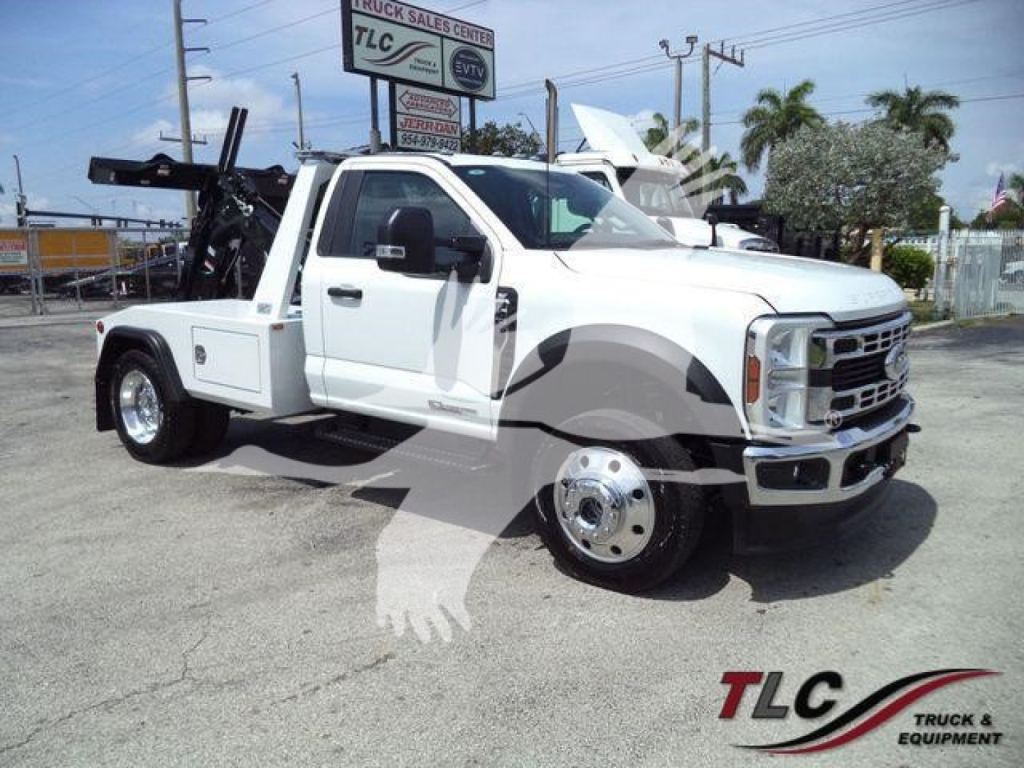
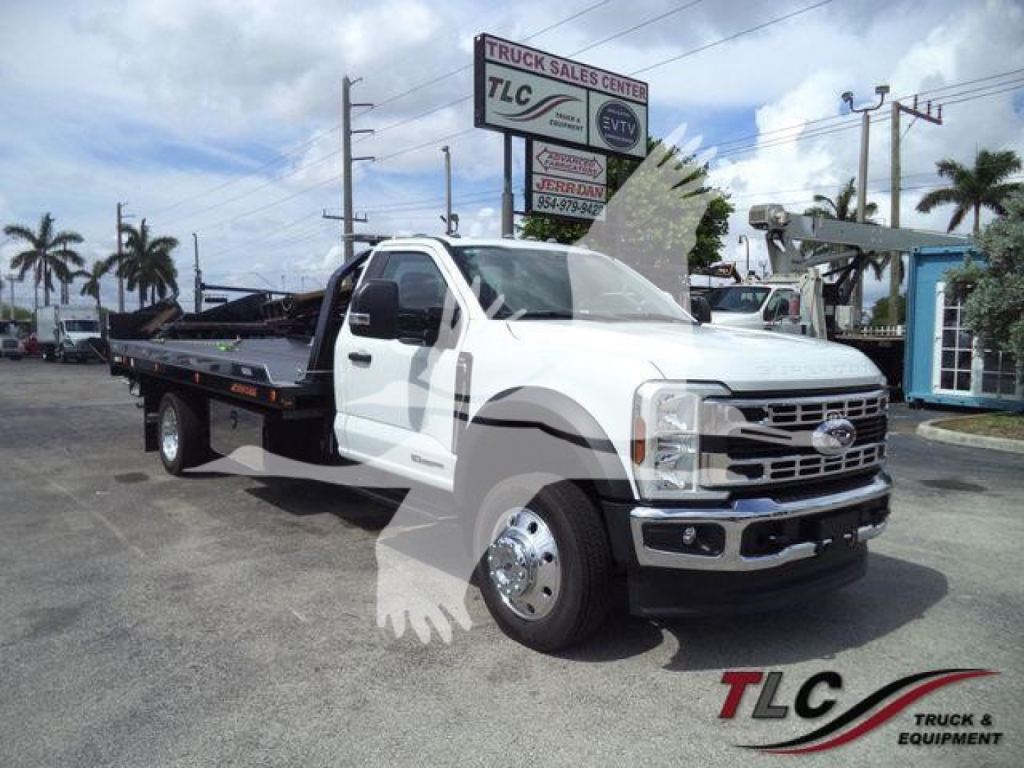
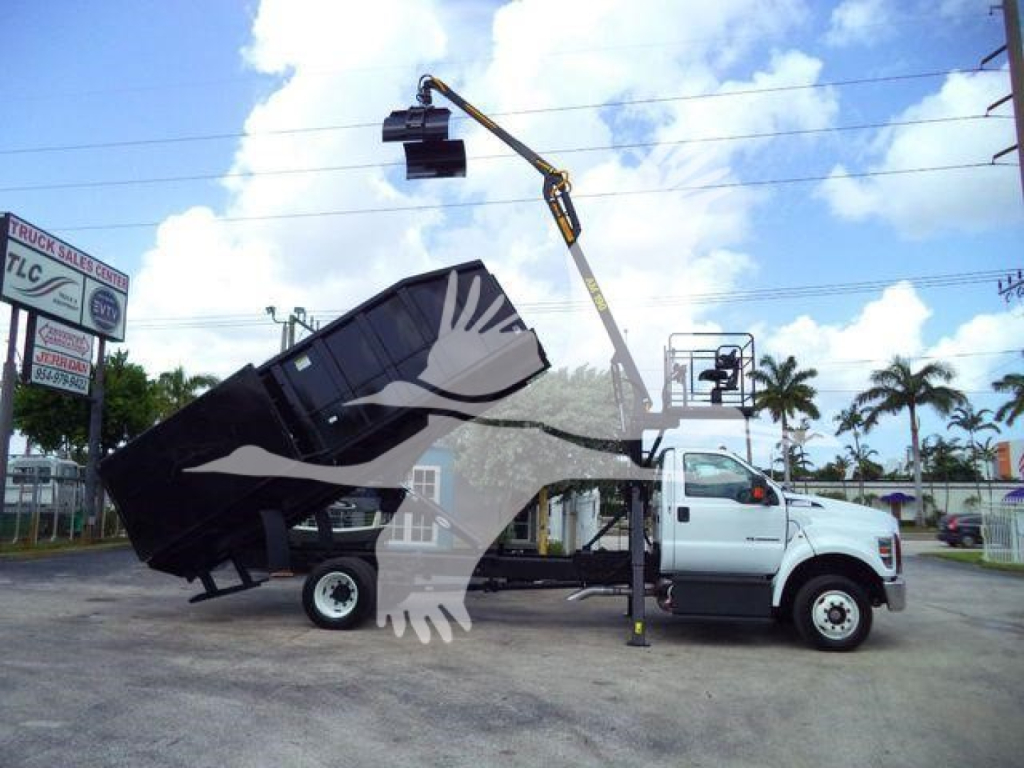
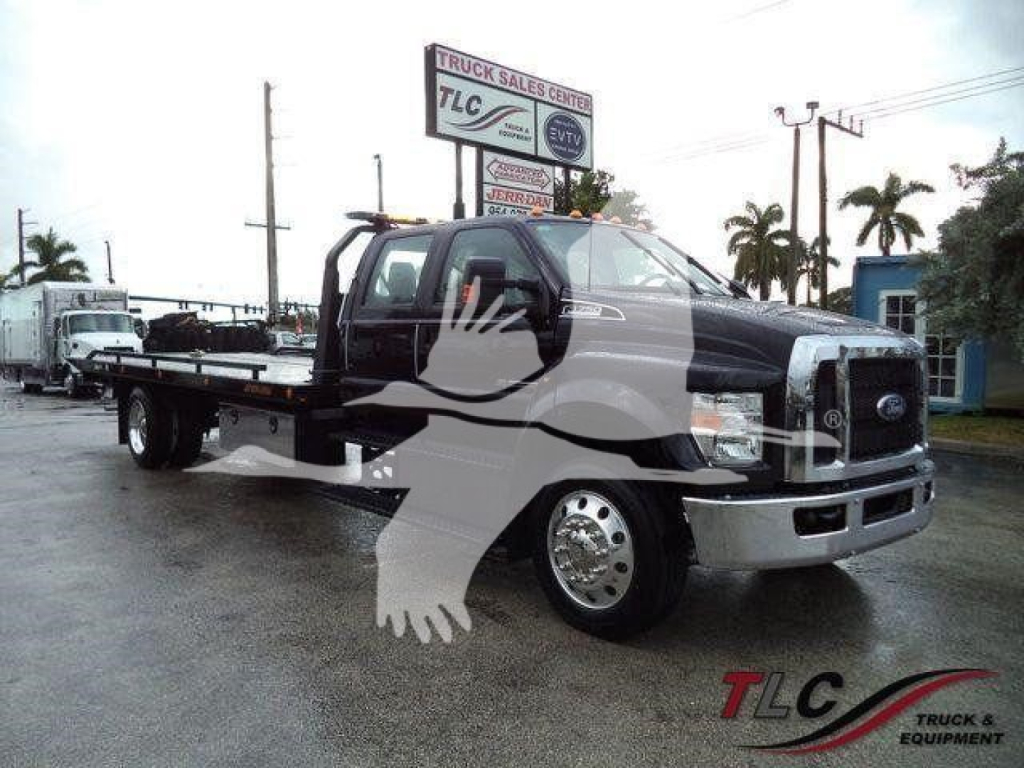
Selling a new ford commercial truck? List your new ford commercial truck for sale and reach thousands of commercial buyers.
New Ford Commercial Trucks in Florida
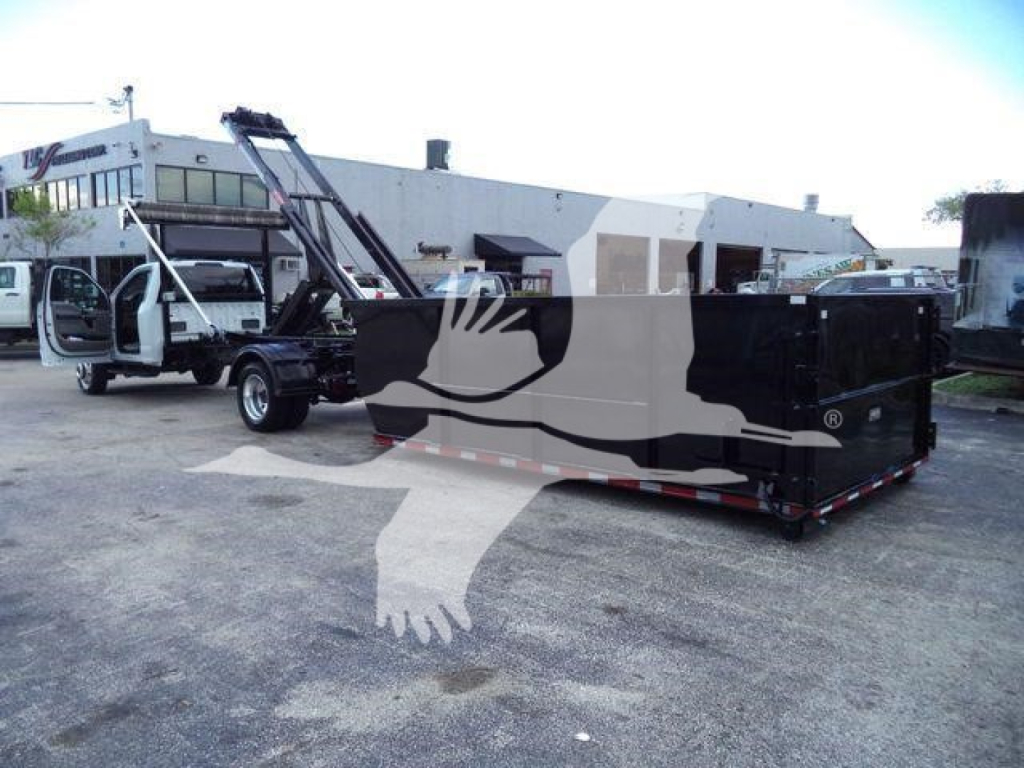
The first decision is usually GVWR and axle configuration. An F-450 or F-550 can make sense for lighter towing, municipal work, tree service, or compact jobsite access, especially when 4x4 is important for soft ground, storm response, or off-pavement work. The F-600 steps up payload and front axle capability while keeping a pickup-based cab layout that many fleets prefer. The F-750 moves into medium-duty territory with higher GVWR ratings, air brake availability, 22.5-inch rubber, and longer wheelbase options that fit 20-foot to 22-foot rollback bodies and heavier commercial upfits. In Florida, that matters for repossession, recovery, roadside assistance, debris handling, and contractor fleets running both urban and highway routes.
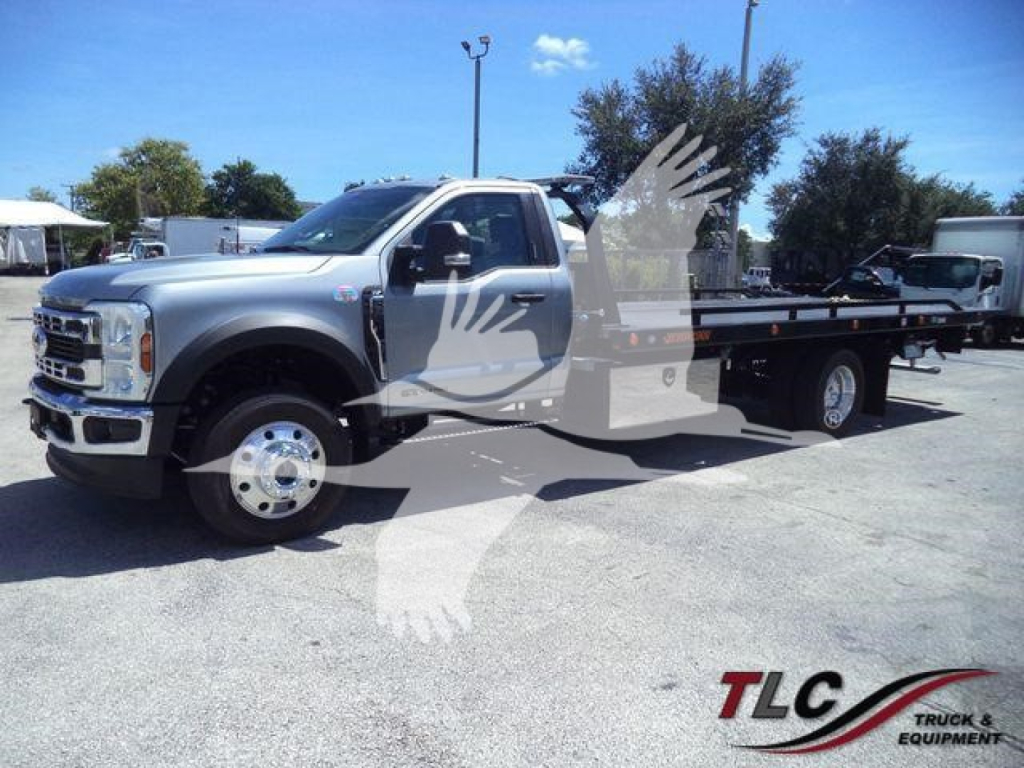
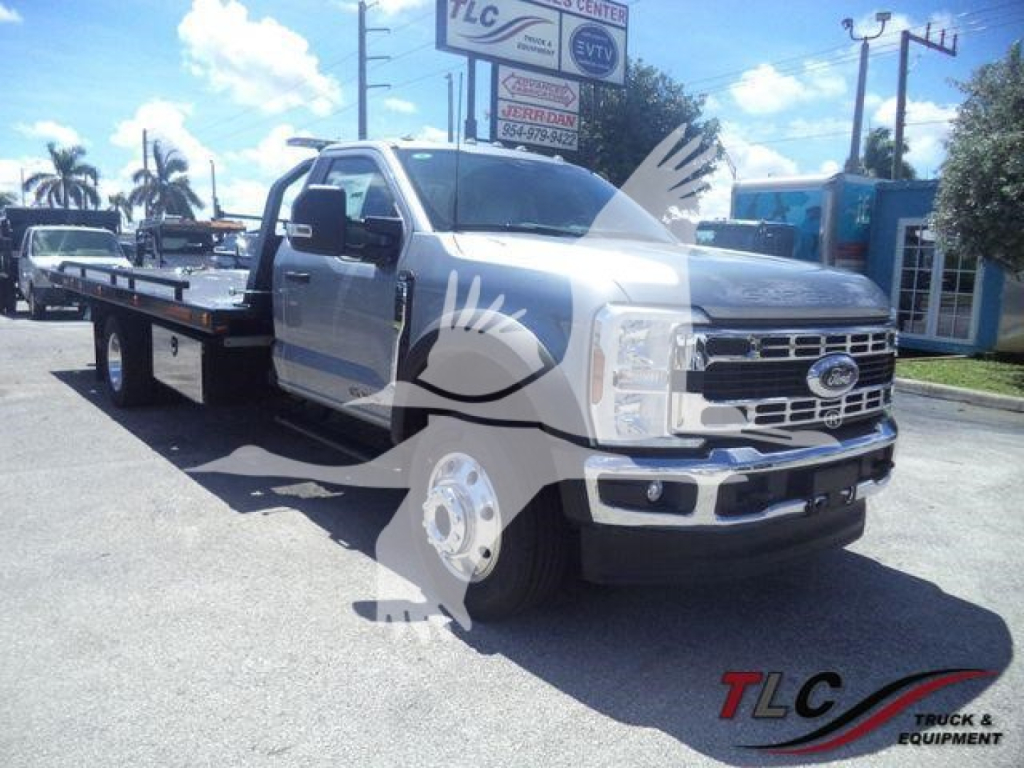
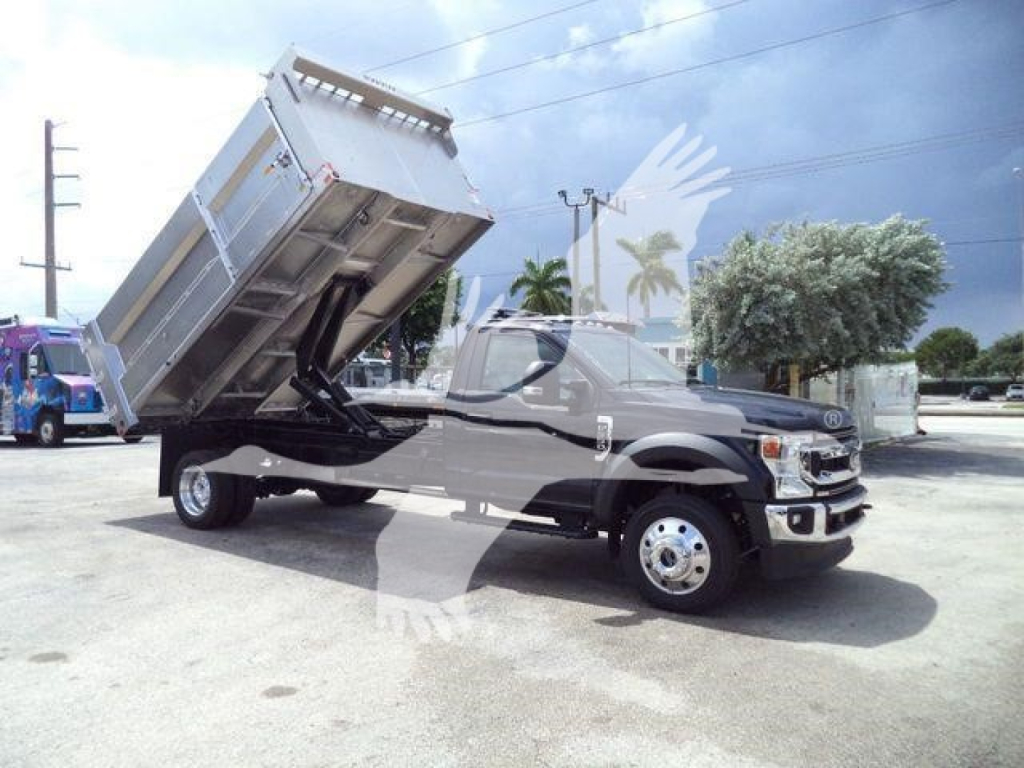
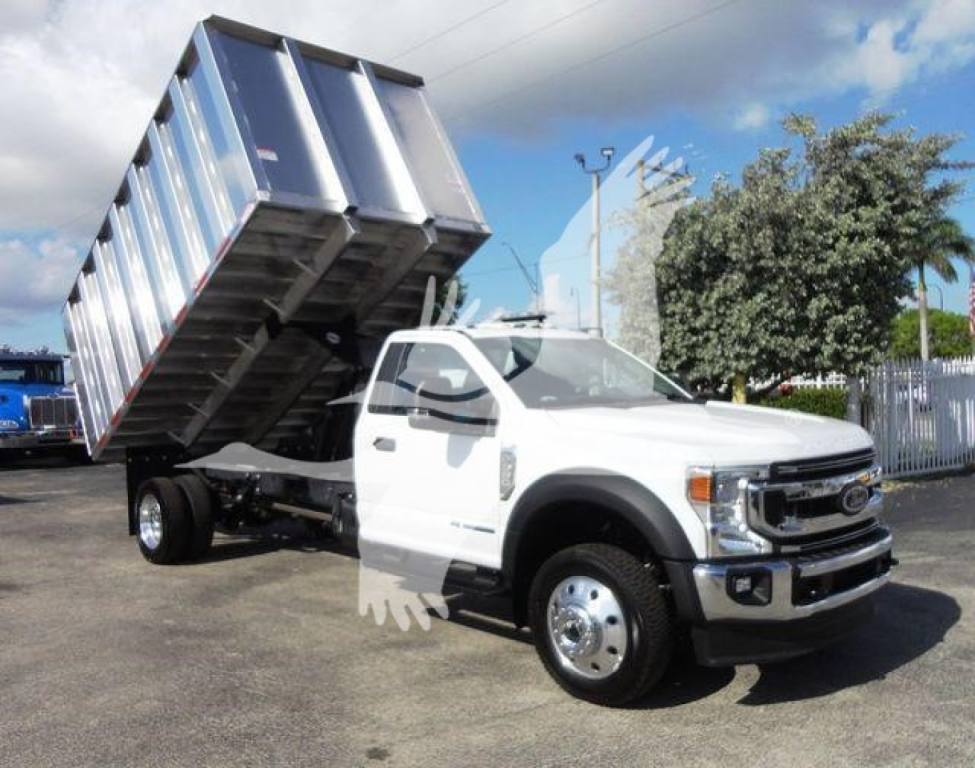
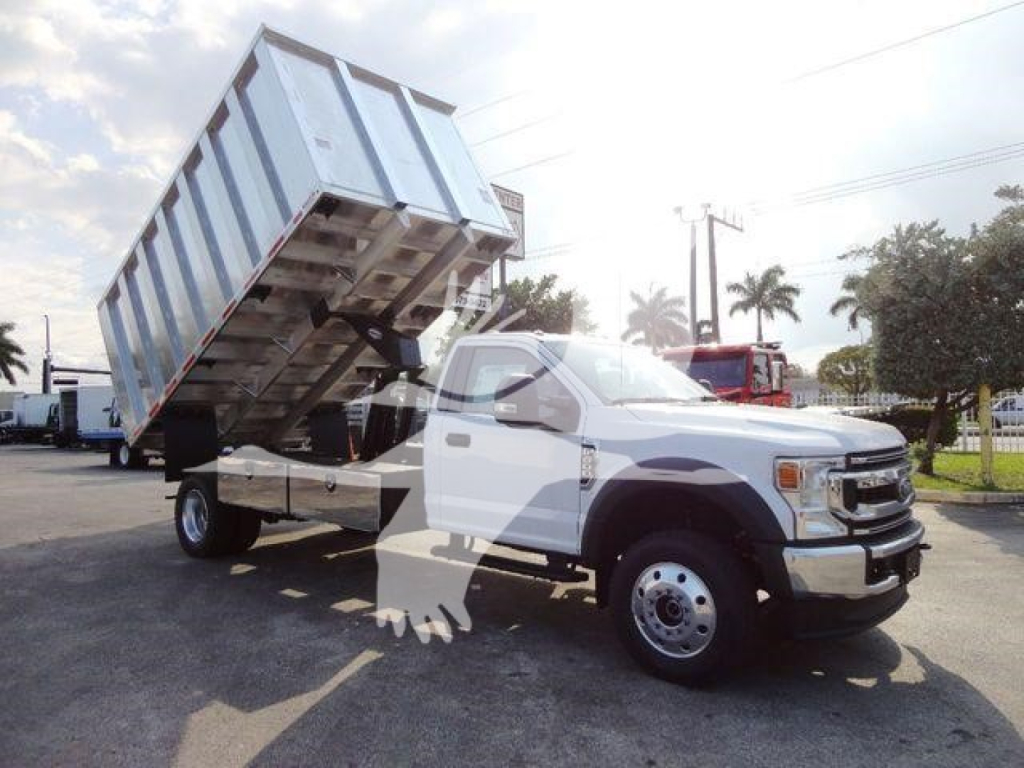
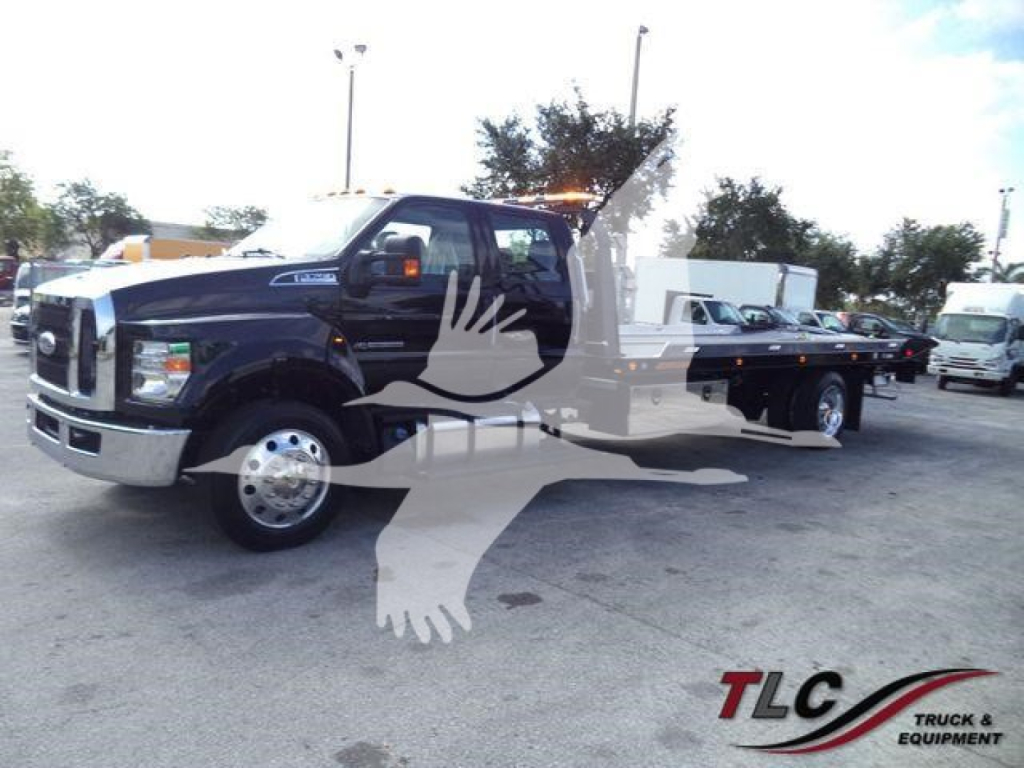
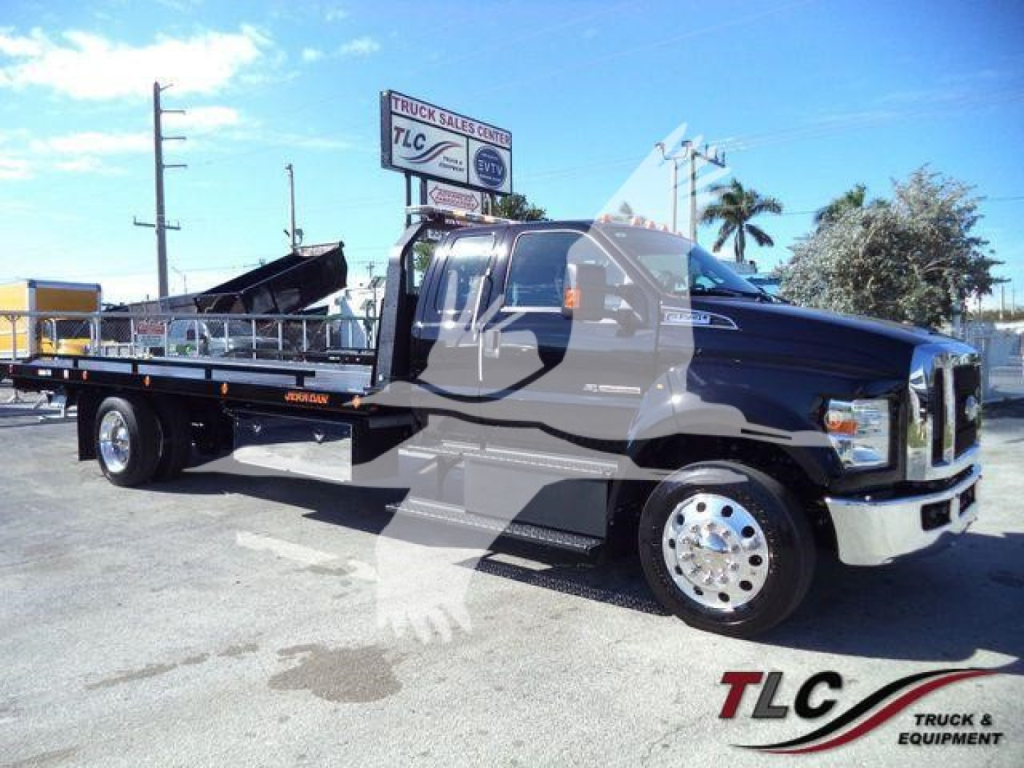
Body and equipment spec drives long-term value as much as the cab and chassis. Tow-focused Ford trucks are often paired with Jerr-Dan carriers, self-loaders, wheel lifts, and winches, with buyers comparing deck length, deck width, low-profile or XLP bed design, wheel lift rating, and toolbox capacity. Dump and chipper applications call for close attention to hoist type, sidewall height, rear door setup, hitch arrangement, and trailer plug configuration. Features like backup cameras, work lights, LED light bars, aluminum wheels, and power equipment are common on new builds, but the more important consideration is how well the upfit matches the truck’s intended duty cycle, legal payload, and operating terrain.
For Florida buyers, cooling performance, corrosion resistance, and maneuverability should be part of the spec review. Aluminum fuel tanks, aluminum wheels, and well-finished body components can help with appearance and durability in humid, coastal, or high-rainfall conditions. Cab choice also matters more than many buyers expect. Regular cabs maximize body length in a shorter overall footprint, extended cabs add lockable interior storage, and crew cabs support larger road crews or towing teams. A well-matched new Ford truck should be evaluated as a complete package: engine, drivetrain, brake system, wheelbase, body manufacturer, and work equipment all need to support the exact job the truck will do every day.
Frequently Asked Questions about New Ford Commercial Trucks in Florida
What is the difference between a Ford F-550, F-600, and F-750 for commercial use?
The main differences are GVWR class, chassis design, axle capacity, brake configuration, and body-upfit range. The F-550 is commonly used for lighter vocational work such as small dumps, service bodies, and light-duty towing. The F-600 increases chassis capability while retaining a familiar Super Duty-style cab and is often chosen when buyers need more payload or a heavier rollback setup. The F-750 is a true medium-duty truck with higher weight ratings, more body length options, and features such as air brakes and 22.5-inch wheels that suit heavier towing and larger commercial bodies.
Is 4x4 worth it on a new Ford work truck in Florida?
4x4 can be a strong value if the truck will operate on soft shoulders, muddy jobsites, storm cleanup routes, construction entrances, or uneven recovery locations. It is especially useful on F-450, F-550, and F-600 chassis used in tree service, municipal work, or towing where traction matters more than maximum payload. If the truck will stay primarily on pavement and highway routes, a 4x2 chassis may offer lower cost, less weight, and simpler maintenance while still handling many rollback and vocational applications effectively.
What should I look for in a new Ford rollback or wrecker truck?
Start with the chassis GVWR, front axle rating, wheelbase, and brake type, then match those specs to the body. Buyers should compare deck length, steel versus aluminum construction, low-profile bed design, wheel lift capacity, winch rating, and storage layout. It also helps to verify how the truck is equipped for daily operation, including backup camera, work lights, light bar, towing gear, and cab configuration. A rollback or self-loader performs best when the truck and body are spec'd together rather than treated as separate purchases.
Why do many new Ford vocational trucks use the 6.7L diesel and automatic transmission?
The 6.7L diesel is common because it delivers the torque needed for towing, hauling, hydraulic equipment operation, and stop-and-go commercial use. Paired with an automatic transmission, it gives fleets a drivetrain that is easy to operate across multiple drivers and well suited to urban routes, recovery work, and mixed highway service. For many buyers, the appeal is not just power, but also broad familiarity in the market and strong compatibility with popular body manufacturers and upfit packages.
How important is cab style on a new Ford commercial truck?
Cab style directly affects body length, crew capacity, storage, and turning radius. A regular cab is often preferred when buyers want the most usable frame space for a dump body or carrier bed in the shortest possible overall length. An extended cab adds secure interior room for tools and equipment without growing as much as a crew cab. A crew cab is the better fit for field crews, towing teams, and operations that regularly move more than two people, but it can limit available body length on a given wheelbase.