
New 2024 Ford Commercial Trucks For Sale in Florida
Shop 2024 Ford trucks for sale in Florida. Compare F-450 to F-750 models, diesel power, GVWR classes, upfit options, and work-ready specs.
Selling a new 2024 ford commercial truck? List your new 2024 ford commercial truck for sale and reach thousands of commercial buyers.
New 2024 Ford Commercial Trucks in Florida
One of the first decisions is chassis size and GVWR. An F-450 or F-550 is often selected for lighter wreckers, self-loaders, and shorter rollback applications where maneuverability is a priority. The F-600 adds higher chassis capability in a familiar cab format and is popular for 4x4 applications, municipal work, and tighter urban routes. Moving into the F-650 and F-750 brings true medium-duty capacity, with common specs that include the 6.7L Power Stroke diesel, automatic transmission, spring suspension, and either hydraulic or air brakes depending on the build. Buyers comparing these trucks should pay close attention to axle ratings, wheelbase, cab-to-axle measurement, frame strength, brake system, and tire size because those details determine what body can be installed and how the truck will perform under load.
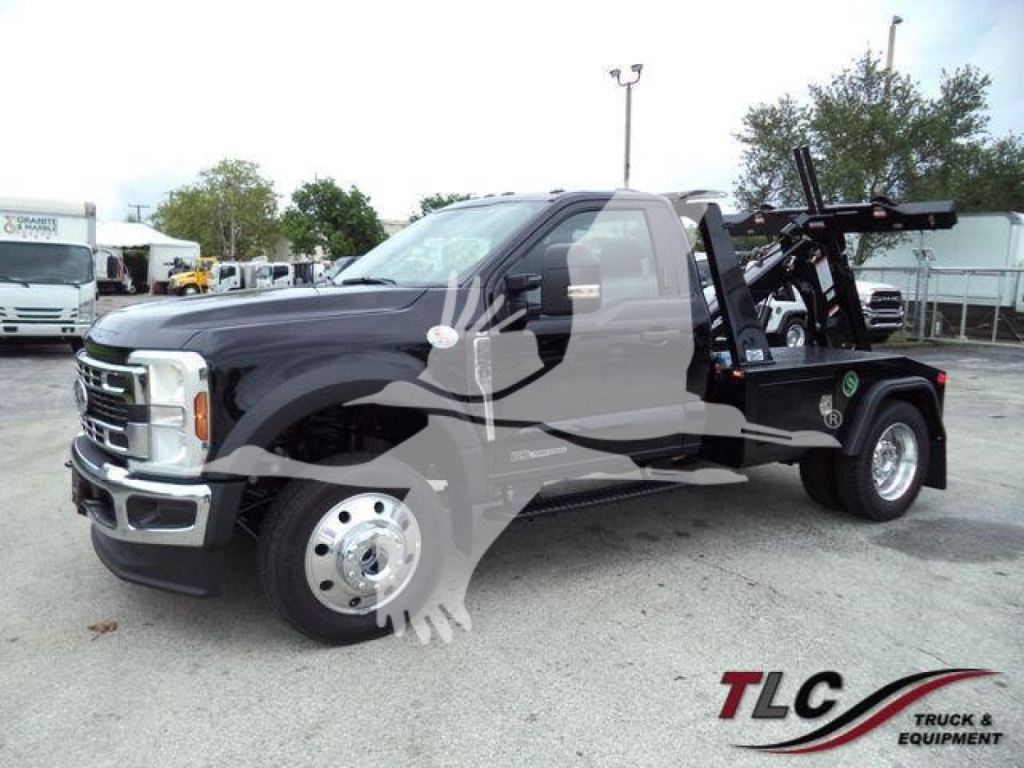
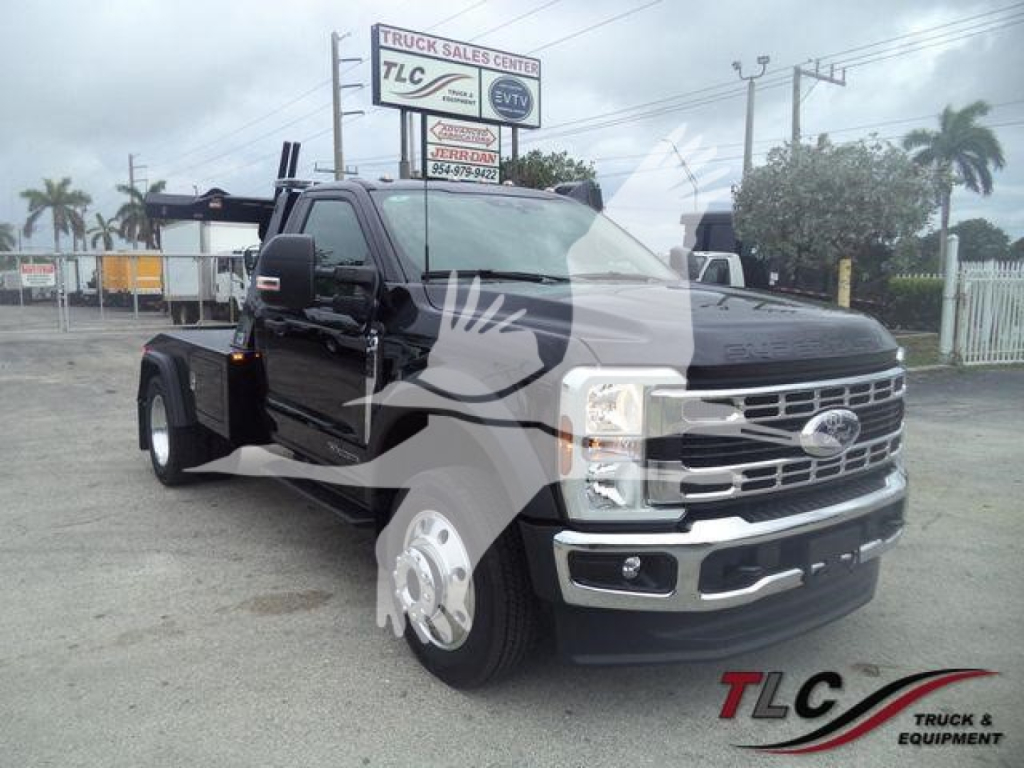
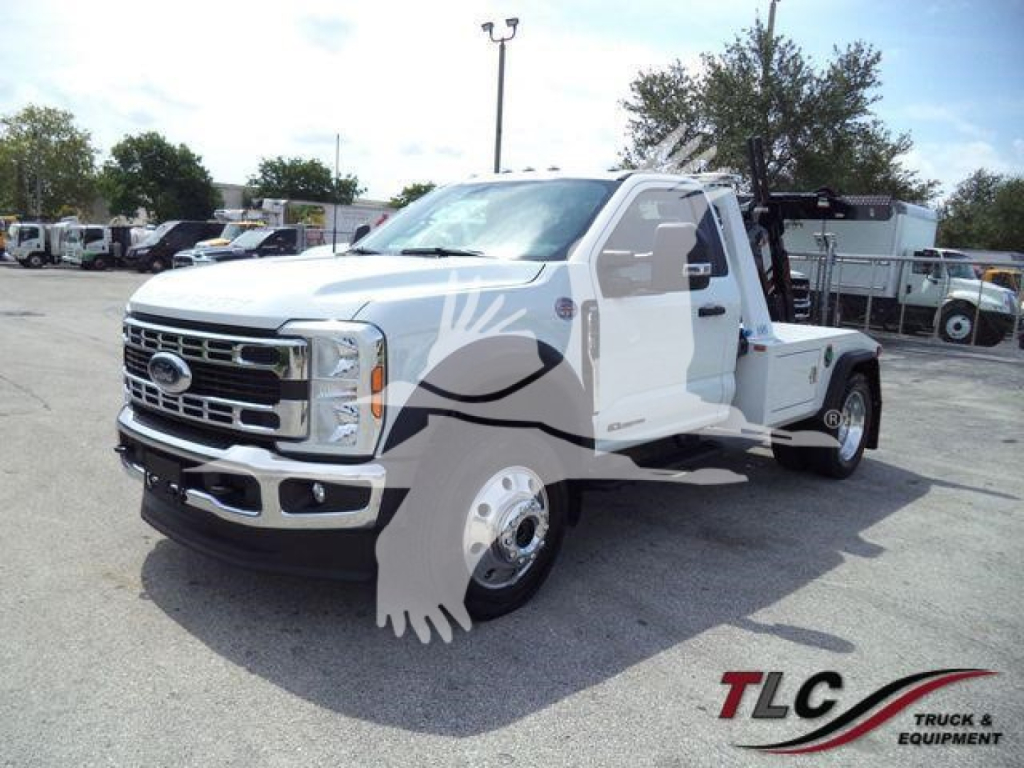
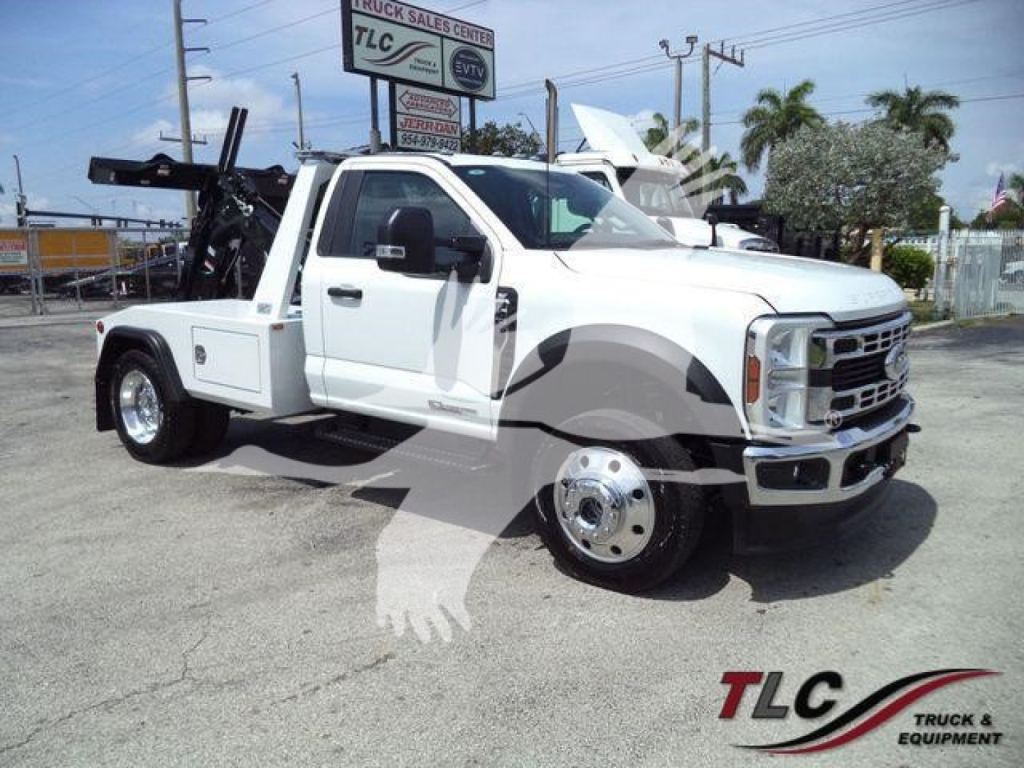
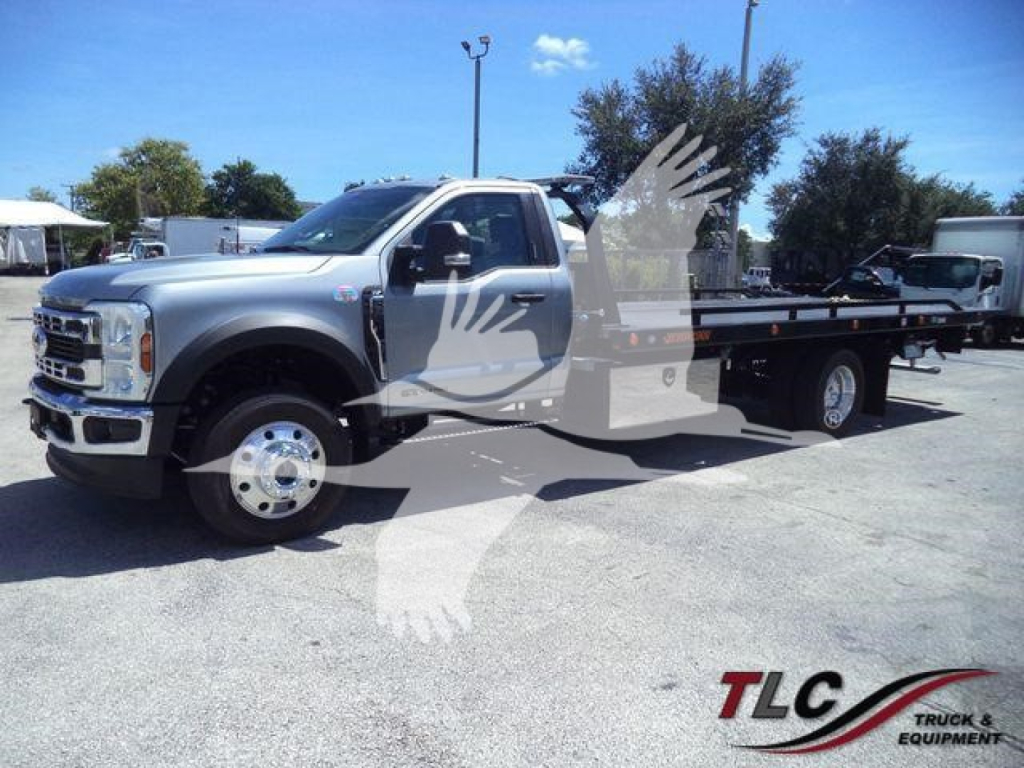
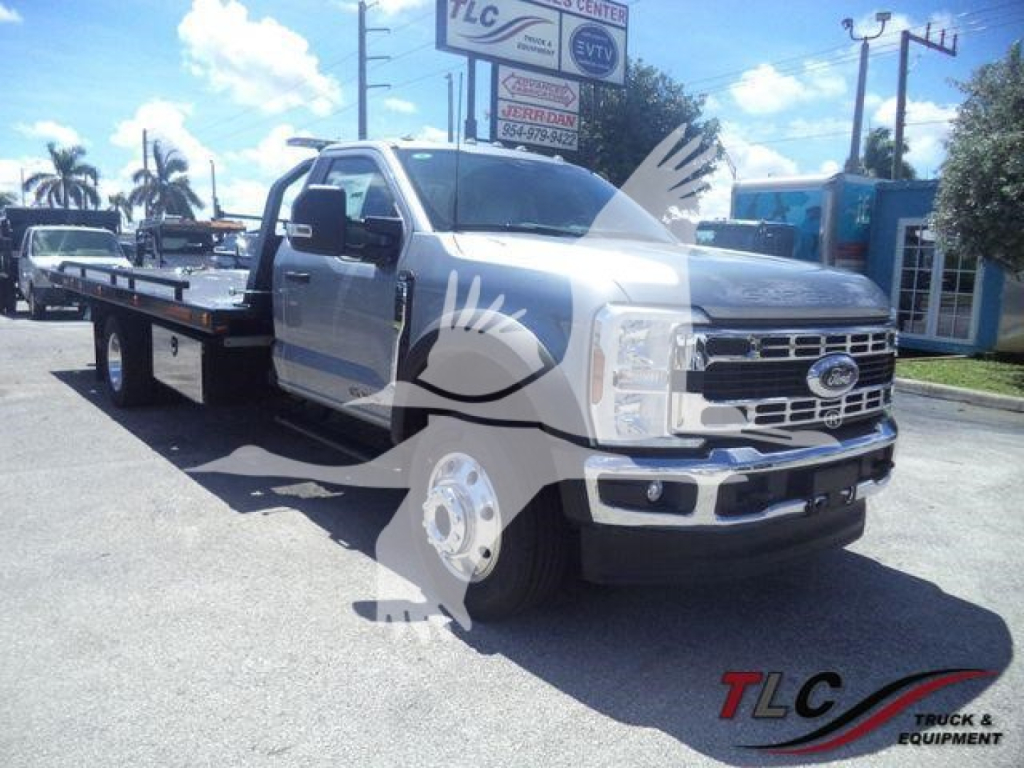
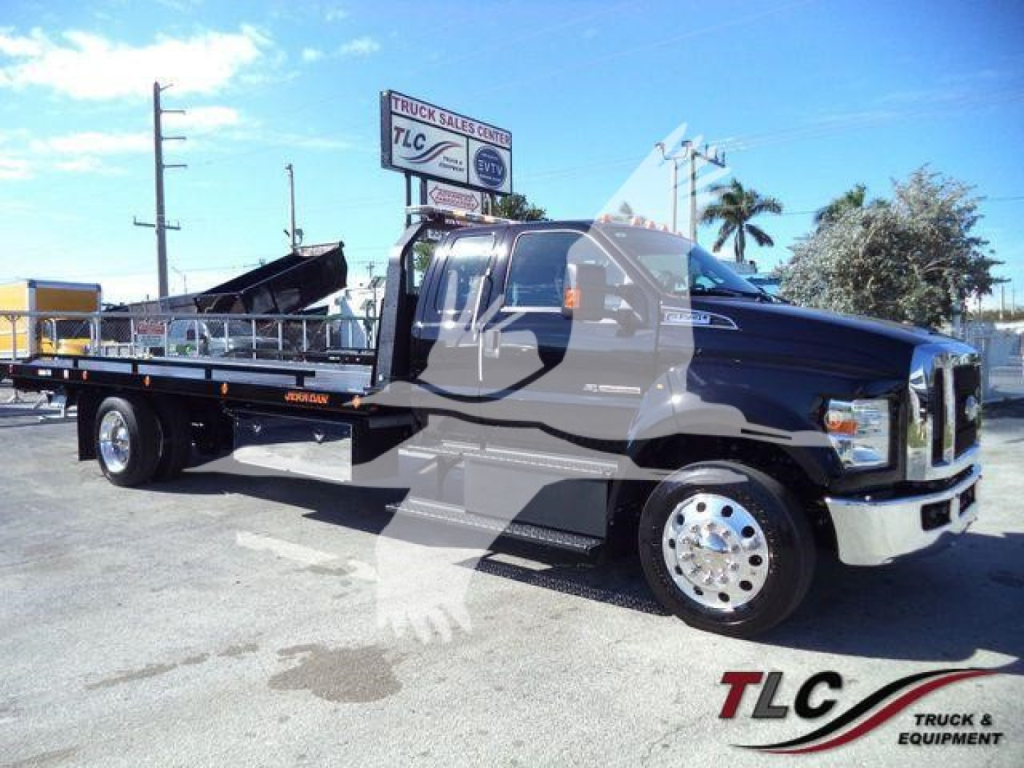
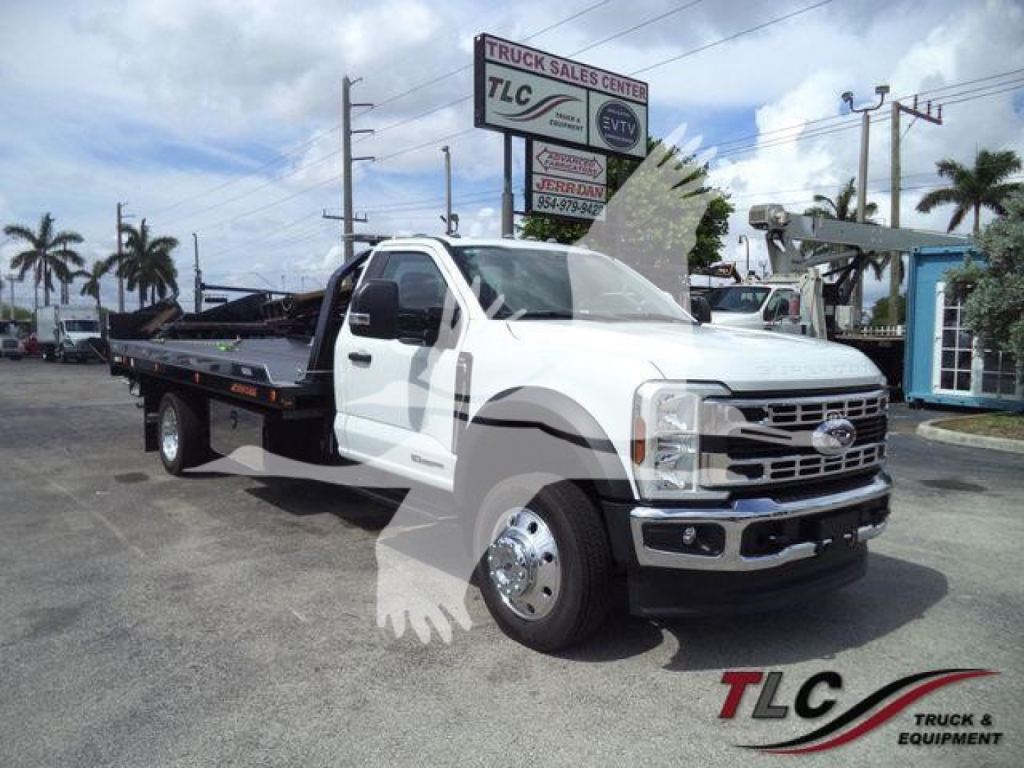
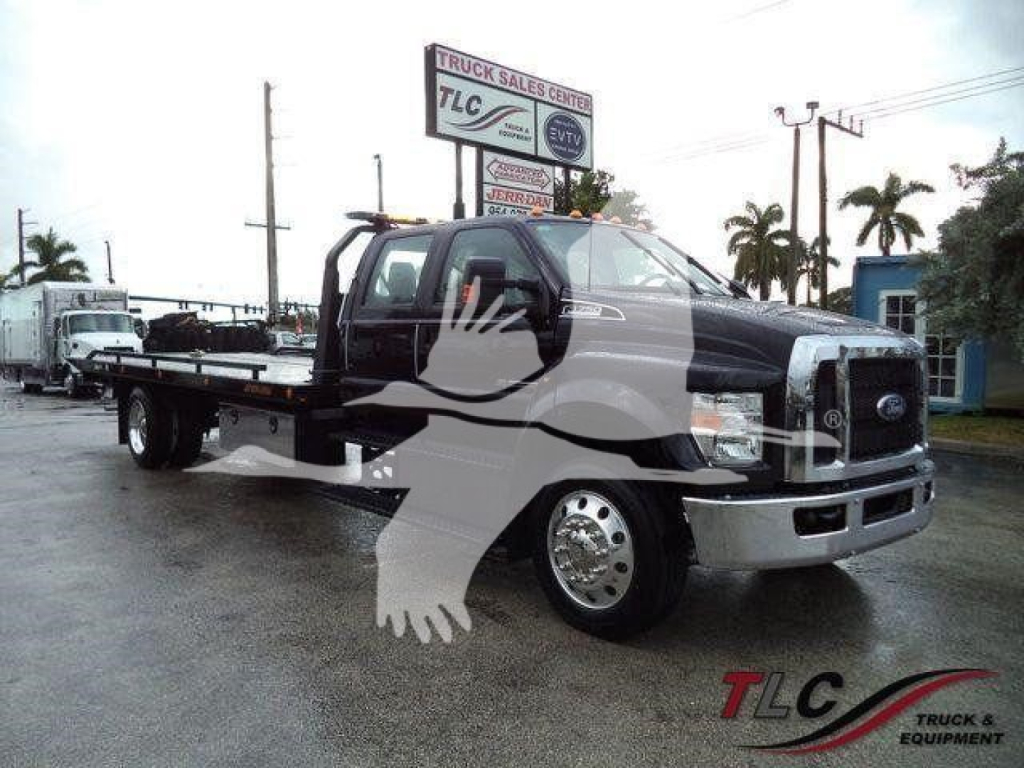
Tow and recovery buyers will often focus on body brand, deck design, and wheel-lift capacity as much as the cab and chassis. Common 2024 Ford tow configurations include Jerr-Dan rollback carriers with 20-foot or 22-foot decks, extra low-profile designs for reduced load angle, 6-ton bed ratings, 8,000-lb winches, and 3,500-lb hydraulic wheel lifts with L-arms. A 4x4 F-600 or F-450 can make sense for mixed pavement and off-road recovery, while an F-650 or F-750 may be the better fit for larger carriers, heavier daily cycles, and operators who prefer air brakes and a higher GVWR ceiling. For buyers considering grapple or dump applications, body capacity, PTO and hoist specs, boom reach, and stabilizer design are key factors, especially when the truck will handle storm debris, construction waste, or municipal cleanup work.
Florida buyers should also think about corrosion resistance, cooling performance, and day-to-day drivability. Aluminum fuel tanks, stainless trim components, easy-clean interiors, power convenience features, and LED work lighting all matter on trucks that spend long hours in heat, rain, and coastal conditions. New 2024 Ford trucks are typically chosen because they can be ordered or found with work-ready vocational equipment while still offering current cab features such as backup cameras, integrated screens, and modern switchgear. The best comparison comes down to matching the Ford chassis to the upfit, route density, CDL implications, and expected payload so the truck is productive from day one instead of overbuilt or undersized for the job.
Frequently Asked Questions about New 2024 Ford Commercial Trucks in Florida
What is the difference between a Ford F-550, F-600, F-650, and F-750 for commercial use?
The main differences are chassis capacity, GVWR range, brake system, frame specification, and intended vocation. F-550 and F-600 models are commonly used for lighter to medium vocational work where maneuverability and a pickup-style cab layout are important. F-650 and F-750 models move into medium-duty territory with higher GVWR ratings, longer wheelbase options, and configurations better suited for larger rollback bodies, dumps, grapple bodies, and other heavier commercial upfits. The right choice depends on payload, body size, operating terrain, and whether hydraulic or air brakes fit your application.
Is the 6.7L Ford diesel a common engine in 2024 Ford commercial trucks?
Yes. The 6.7L diesel V8 is a common engine choice in many 2024 Ford commercial truck configurations because it provides the torque needed for towing, hauling, and PTO-driven vocational work. Buyers should still confirm horsepower and torque ratings, cooling package, PTO compatibility, and service access because engine calibration and chassis setup can vary by model and application.
What should I look for in a 2024 Ford rollback or tow truck?
Focus on the complete package, not just the truck badge. Important specs include GVWR, wheelbase, cab-to-axle dimension, bed length, deck width, load angle, winch rating, wheel-lift capacity, toolbox layout, lighting, and whether the truck uses 4x2 or 4x4 drive. For frequent recovery and transport work, extra low-profile decks, a properly sized wheel lift, and enough chassis capacity to support the body and payload are usually more important than cosmetic options.
Do I need air brakes or hydraulic brakes on a Ford medium-duty truck?
That depends on the truck class, body type, and your operating preference. Hydraulic brakes are common on some lighter medium-duty and severe-service applications and can be appropriate for certain vocational builds. Air brakes are common on heavier F-650 and F-750 trucks and are often preferred for higher GVWR applications, repeated stop-and-go duty, and fleets standardized around air-brake equipment. Buyers should also consider driver qualification requirements, maintenance familiarity, and the truck’s typical gross operating weight.
Are new 2024 Ford trucks a good fit for Florida vocational work?
They can be a strong fit for Florida because Ford offers chassis sizes that work well in urban towing, construction support, storm cleanup, municipal service, and regional hauling. Buyers in Florida often prioritize cooling performance, corrosion-conscious spec choices, strong air conditioning, bright work lighting, and an upfit matched to tight streets, flat terrain, and high heat. The best setup is usually one that balances payload and durability without making the truck harder to maneuver or more expensive to operate than necessary.