
New 2024 Ford Commercial Trucks For Sale
Shop new 2024 Ford trucks including Super Duty, Transit, E-Series, and chassis models built for pickups, service bodies, cargo, and delivery.
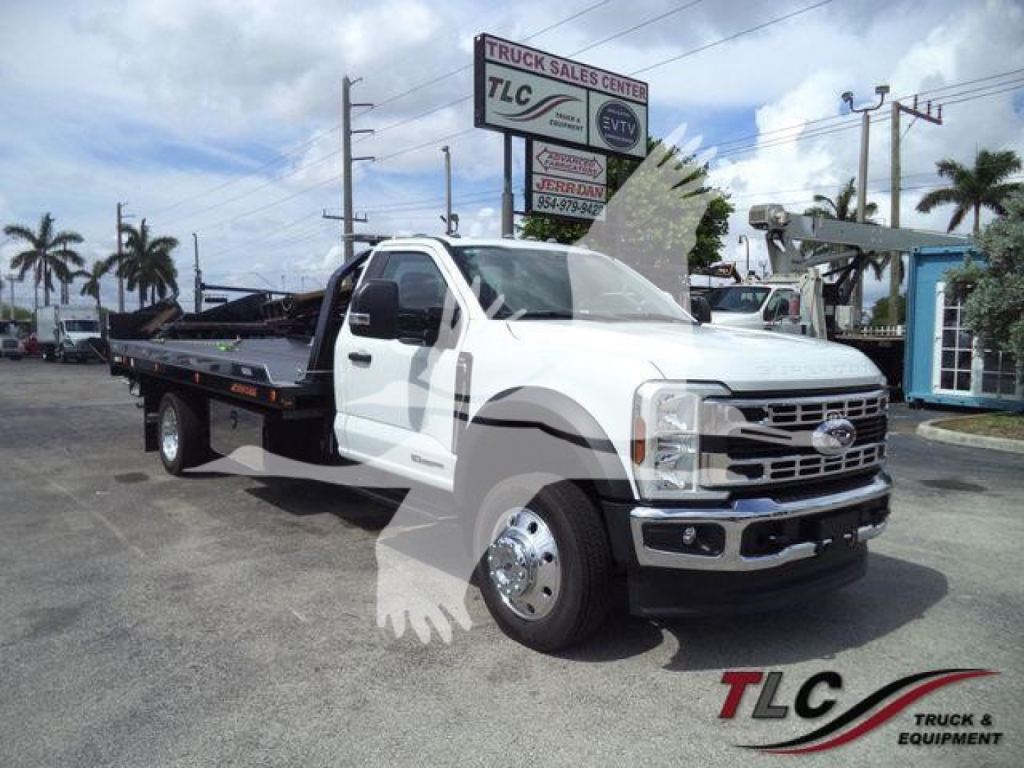
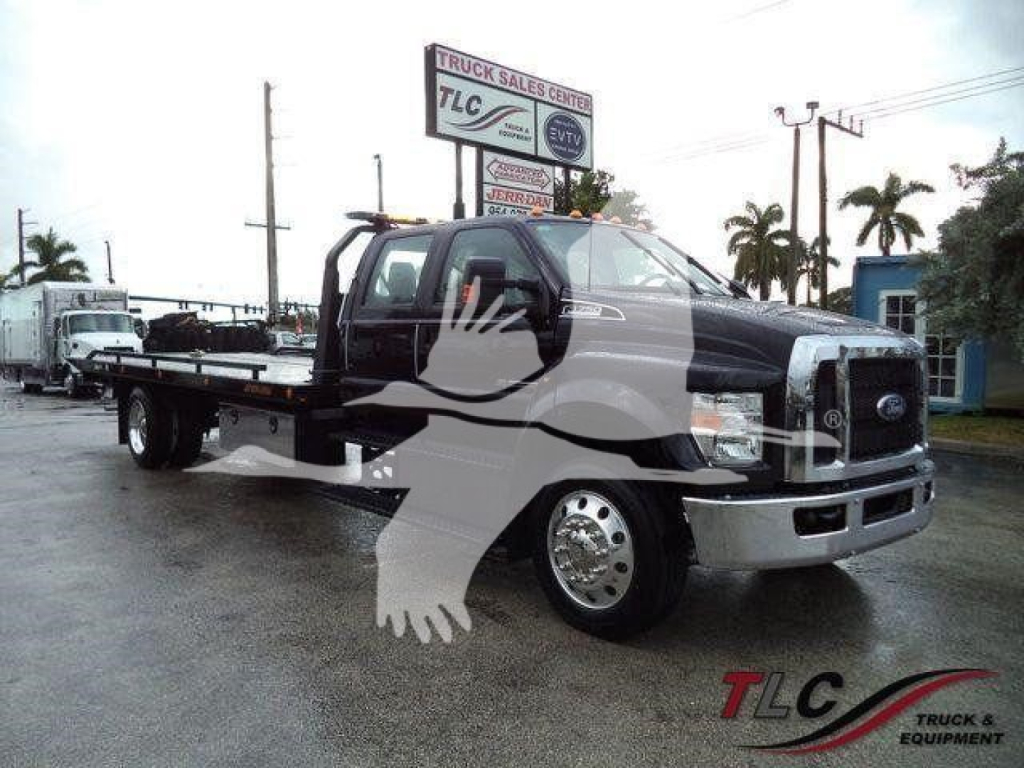
Selling a new 2024 ford commercial truck? List your new 2024 ford commercial truck for sale and reach thousands of commercial buyers.
New 2024 Ford Commercial Trucks
Powertrain choice matters because Ford’s 2024 truck lineup spans both gas and diesel applications. On heavier Super Duty models, the 6.7L Power Stroke diesel remains a common choice for higher torque, sustained towing, and fleets that spend time on the highway or pull equipment regularly. Gas engines can be a better fit for local service work, lower annual mileage, and operations that want to avoid diesel emissions complexity. Transmission pairings are typically automatic, with Ford’s 10-speed common in newer pickups and vans. Buyers should compare GVWR class, rear axle ratio, wheelbase, cab style, and 4x2 versus 4x4 layout before focusing on appearance or trim. Those specs determine payload, body compatibility, turning radius, and how well the truck will handle a loaded trailer or a permanent upfit.
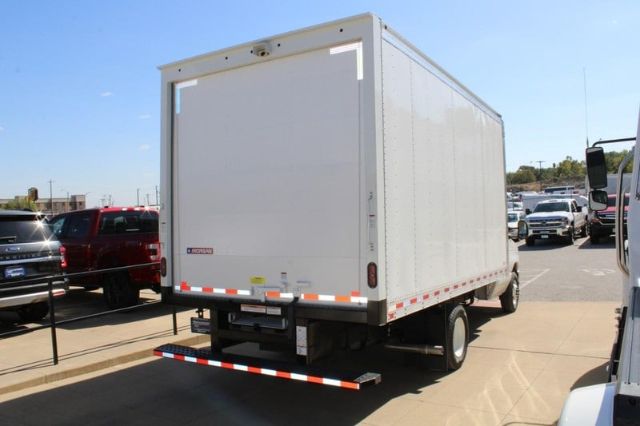
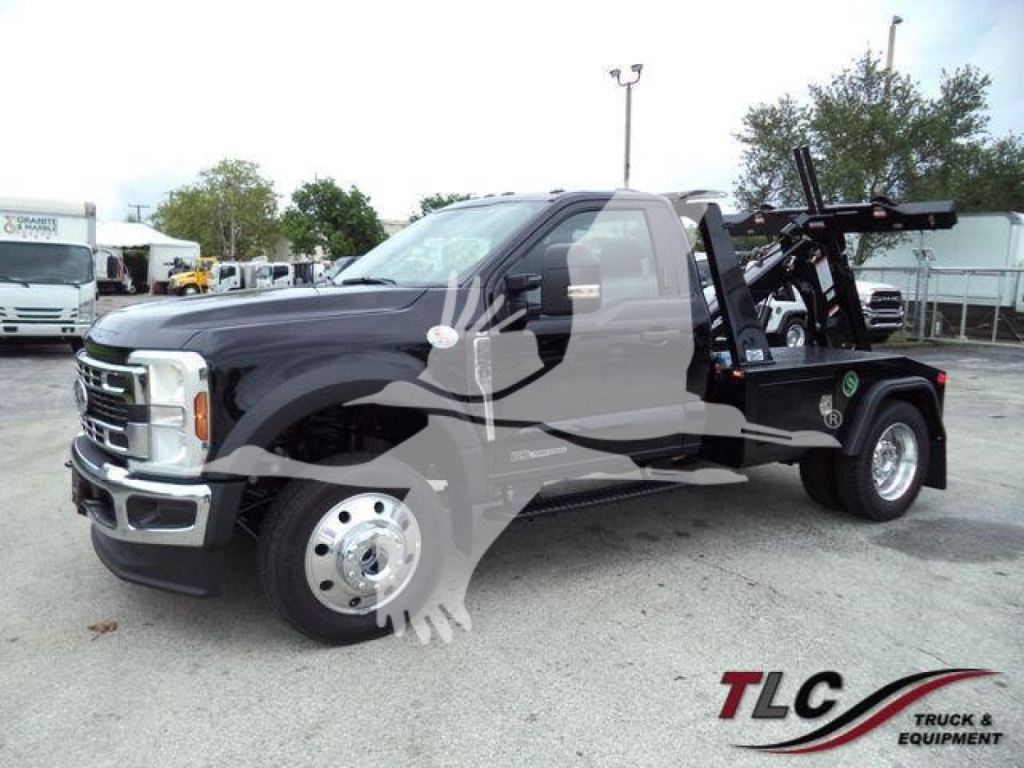
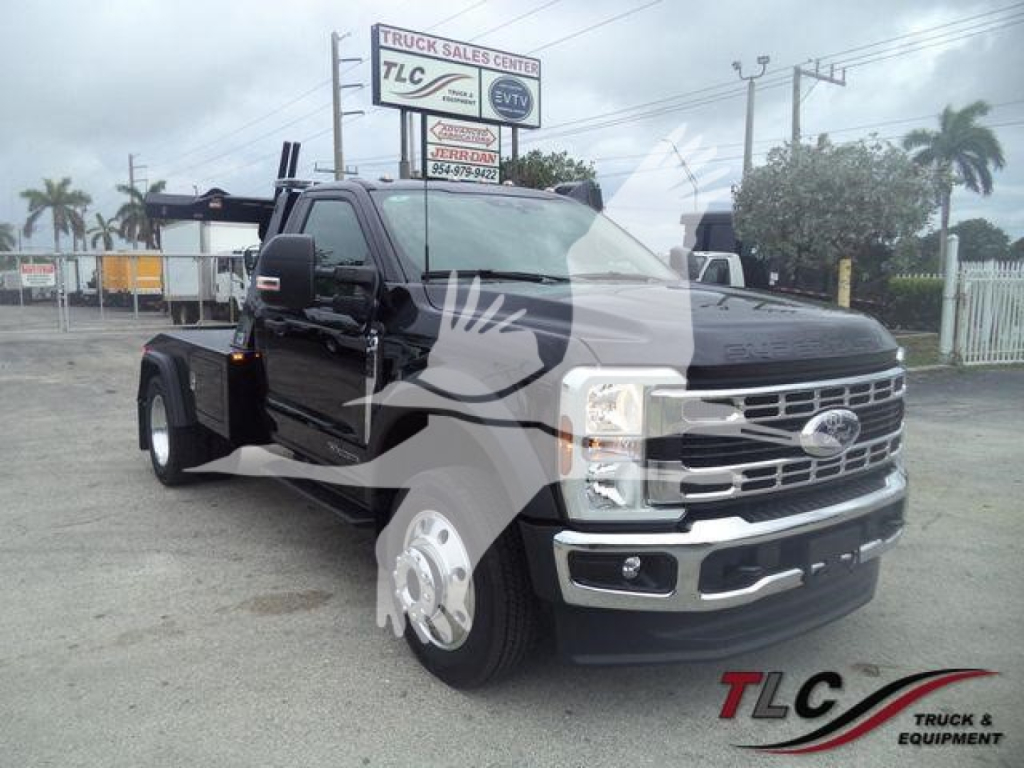
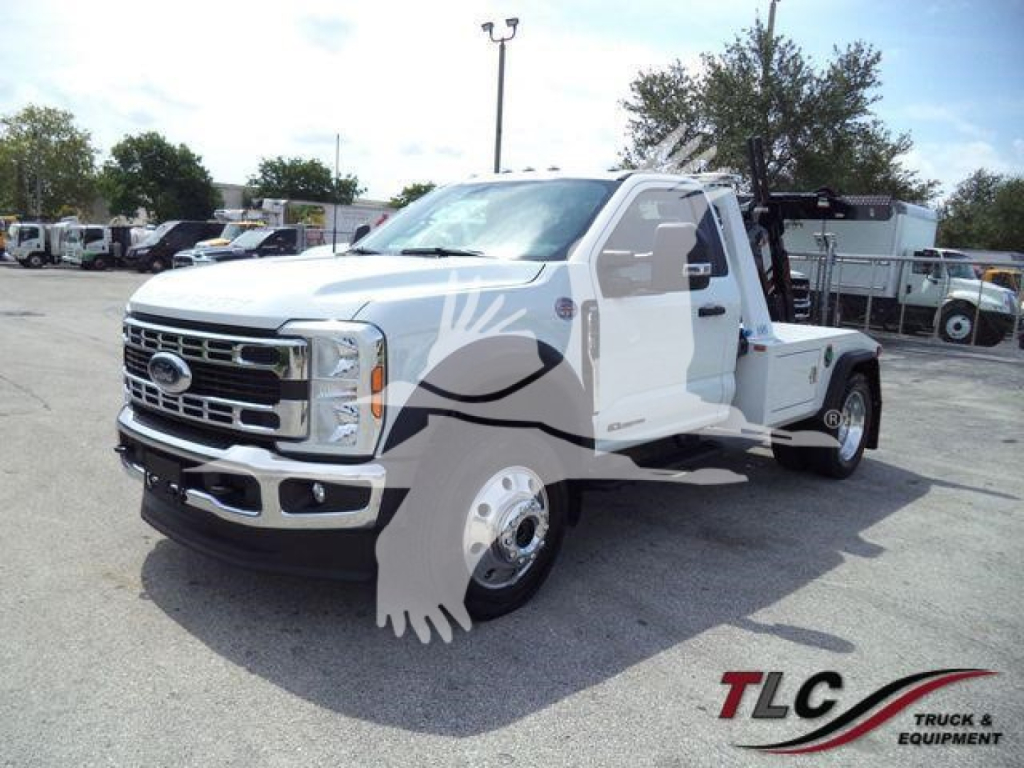
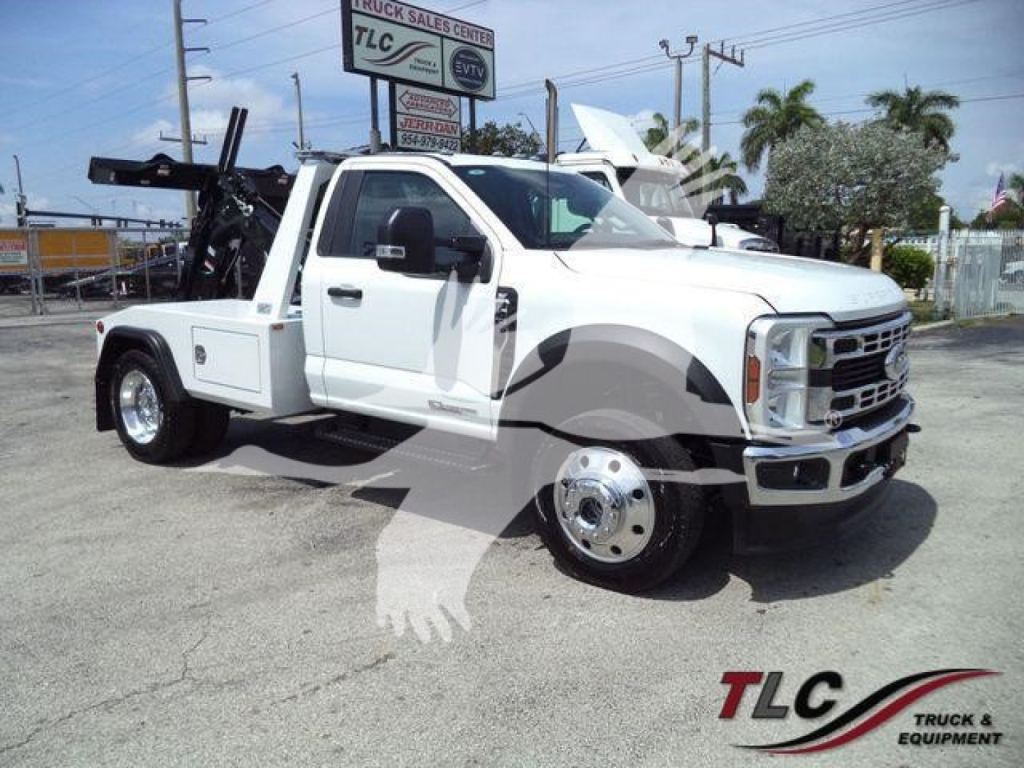
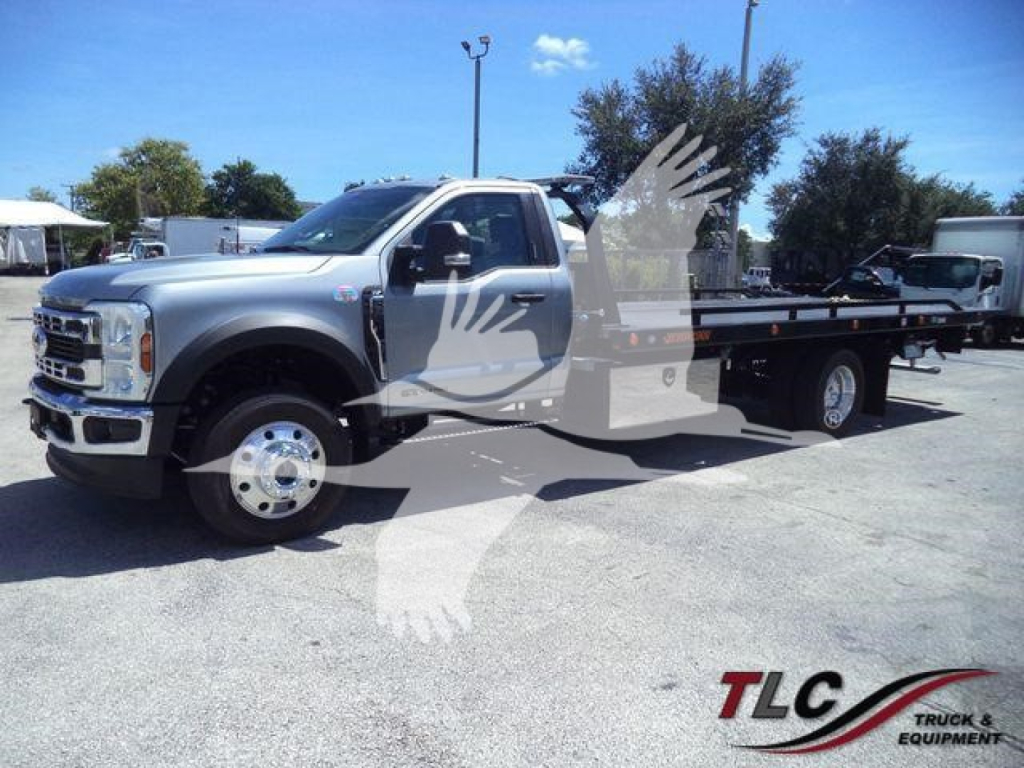
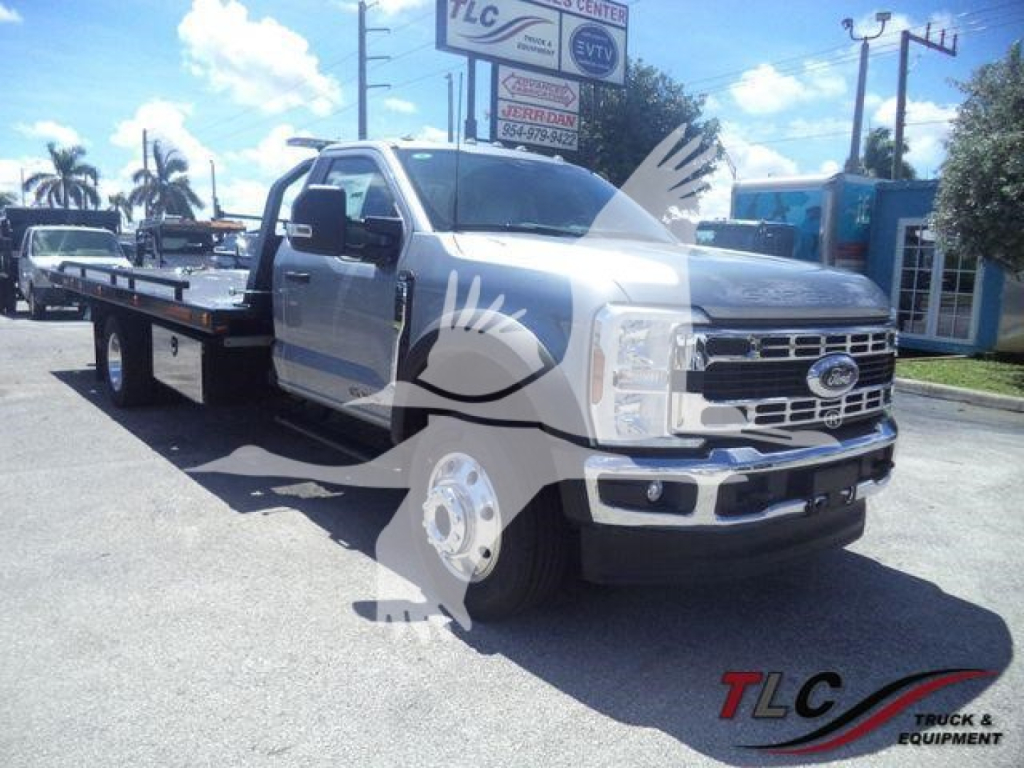
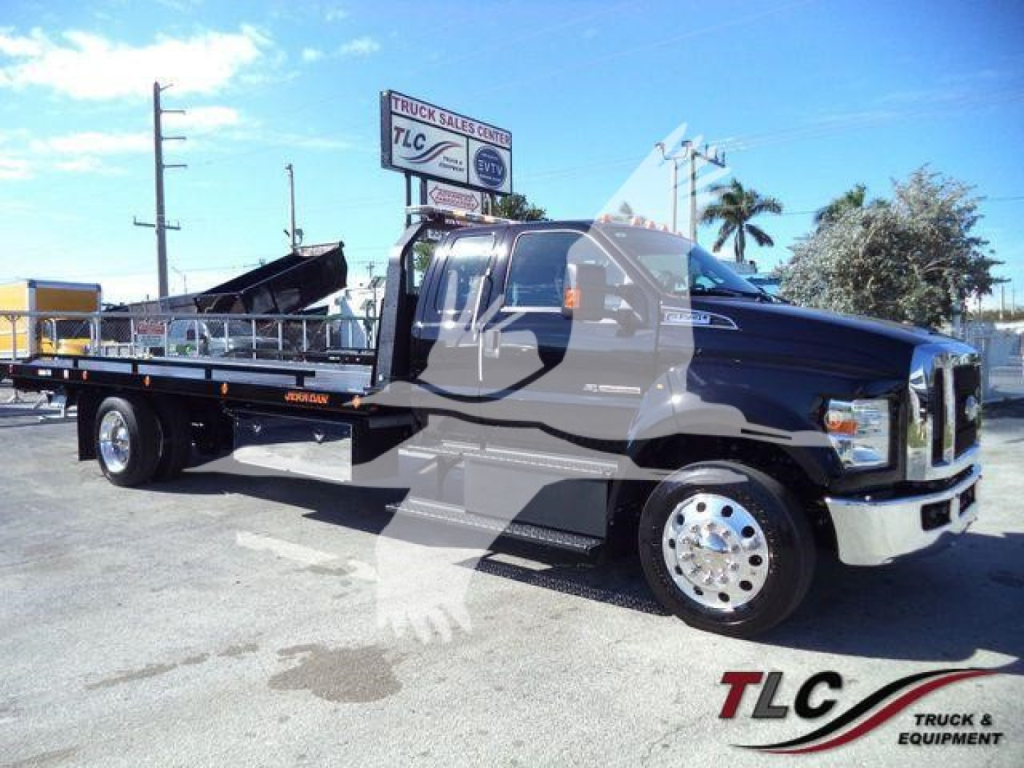
For vocational use, Ford cab-and-chassis and cutaway models are often selected because they simplify body installation and fleet standardization. An F-Series chassis can be set up with service bodies, contractor dumps, mechanics bodies, stake beds, or small rollback applications depending on rating and axle configuration. The E-450 cutaway remains relevant for box trucks, shuttle builds, and parcel delivery because it offers a proven commercial platform with straightforward body mounting. Transit cargo vans are popular where interior shelving, ladder racks, bulkheads, and organized tool storage matter more than open-bed access. Buyers comparing new 2024 Ford trucks should pay close attention to body-ready dimensions, CA measurement, door opening height on vans, and electrical provisions such as upfitter switches, alternator output, trailer brake controller, and PTO-related compatibility where applicable.
A new 2024 Ford truck also gives buyers current safety tech, factory warranty coverage, and cleaner integration with modern fleet requirements like telematics, backup cameras, driver-assist features, and mobile service scheduling. The best value is usually found by matching the truck to the duty cycle with realistic payload and towing numbers, not max-rating shopping. A contractor carrying dense tools every day needs a different setup than a municipality spec'ing a service body or a delivery company choosing between a low-cube box truck and a high-roof van. Ford’s 2024 commercial truck range is broad enough that the right spec usually comes down to wheelbase, engine, drive configuration, and upfit plan.
Frequently Asked Questions about New 2024 Ford Commercial Trucks
What types of new 2024 Ford trucks are common in commercial use?
Common commercial 2024 Ford truck configurations include F-250 and F-350 Super Duty pickups, Ford chassis cab models for flatbeds and service bodies, Transit cargo vans, and E-Series cutaway models such as the E-450 for box trucks and delivery bodies. Each platform serves a different role. Pickups handle towing and mixed-duty work, chassis cabs support permanent vocational bodies, Transits are strong for enclosed cargo and mobile technicians, and E-Series cutaways are widely used for van bodies and commercial delivery applications.
Is a diesel or gas engine better in a 2024 Ford work truck?
Diesel is usually the better choice for frequent towing, higher torque demand, and long highway duty cycles. Gas can be the better business decision for local routes, lighter payloads, lower annual miles, and fleets focused on lower acquisition cost and simpler maintenance. The right answer depends on duty cycle, loaded weight, idle time, and how long the truck will stay in service. Buyers should compare total operating cost, not just fuel economy or purchase price.
What should I check before buying a new 2024 Ford chassis cab or cutaway?
Start with GVWR, wheelbase, cab-to-axle measurement, axle ratio, and front and rear GAWR because those figures determine what body can be installed and how much legal payload remains after upfit. Then confirm body compatibility, fuel type, electrical capacity, and any needed upfitter features such as auxiliary switches, trailer brake controls, or higher-output alternators. On a cutaway or chassis application, the truck and body must be spec'd together to avoid payload loss, wheelbase mismatch, or poor weight distribution.
Why do fleets choose Ford Transit vans for commercial work?
Ford Transit vans are popular because they offer useful cargo volume, easy urban maneuverability, and multiple roof heights and wheelbases for shelving, bins, partitions, and rack systems. They work well for plumbing, HVAC, electrical, telecom, courier, and last-mile delivery operations. Compared with a pickup, a Transit provides better cargo security and weather protection. Compared with a box truck, it is generally easier to park, load, and assign to drivers in dense service areas.
What is the difference between a Ford pickup, chassis cab, and cutaway?
A pickup is a completed truck with a factory bed or pickup configuration intended for towing, hauling, and general use. A chassis cab is delivered behind the cab with exposed frame rails so it can accept an aftermarket body such as a service body, flatbed, or dump body. A cutaway includes a cab section with a rear frame intended for attached commercial bodies like box vans or shuttle bodies. The best choice depends on whether the job needs an open bed, a permanent vocational body, or a fully enclosed commercial body.