
New Ford Rollback Trucks For Sale in Florida
Shop new Ford rollback trucks for Florida towing and recovery. Compare F-550, F-600, and F-750 carriers with 20 to 22 ft decks.
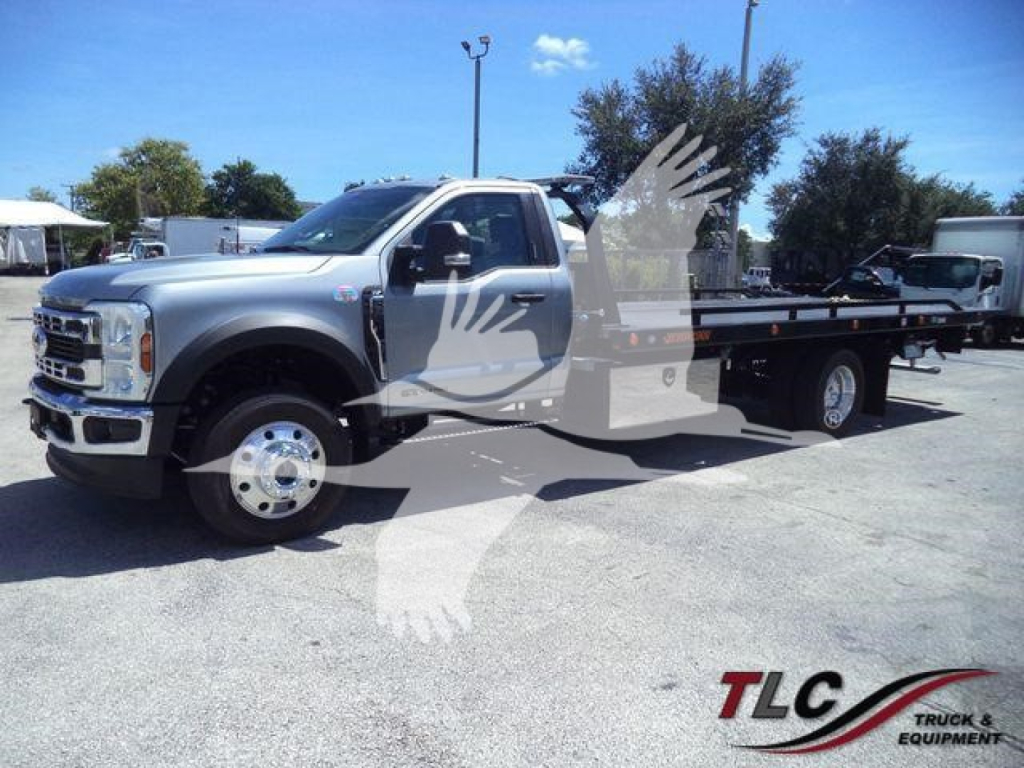
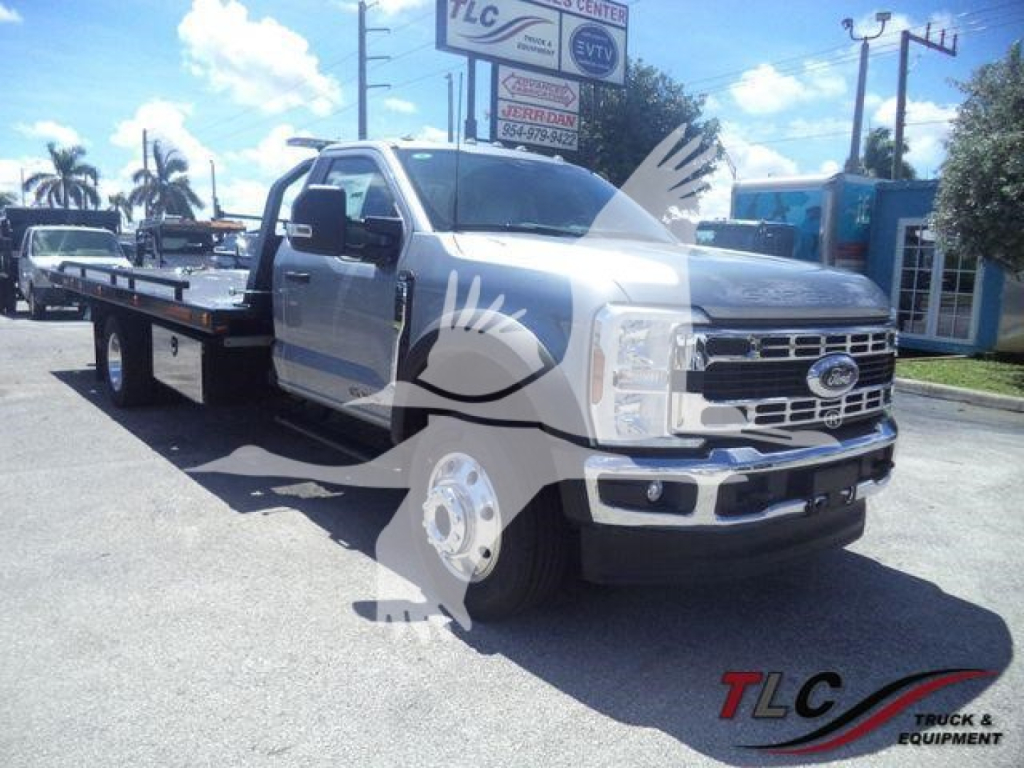
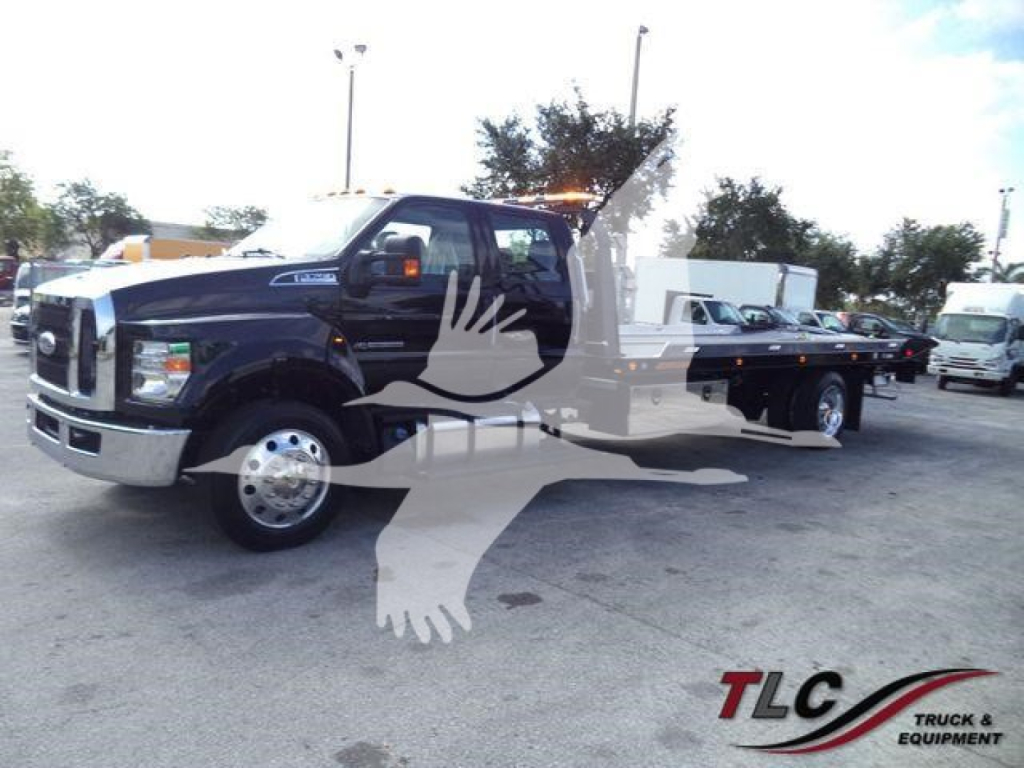
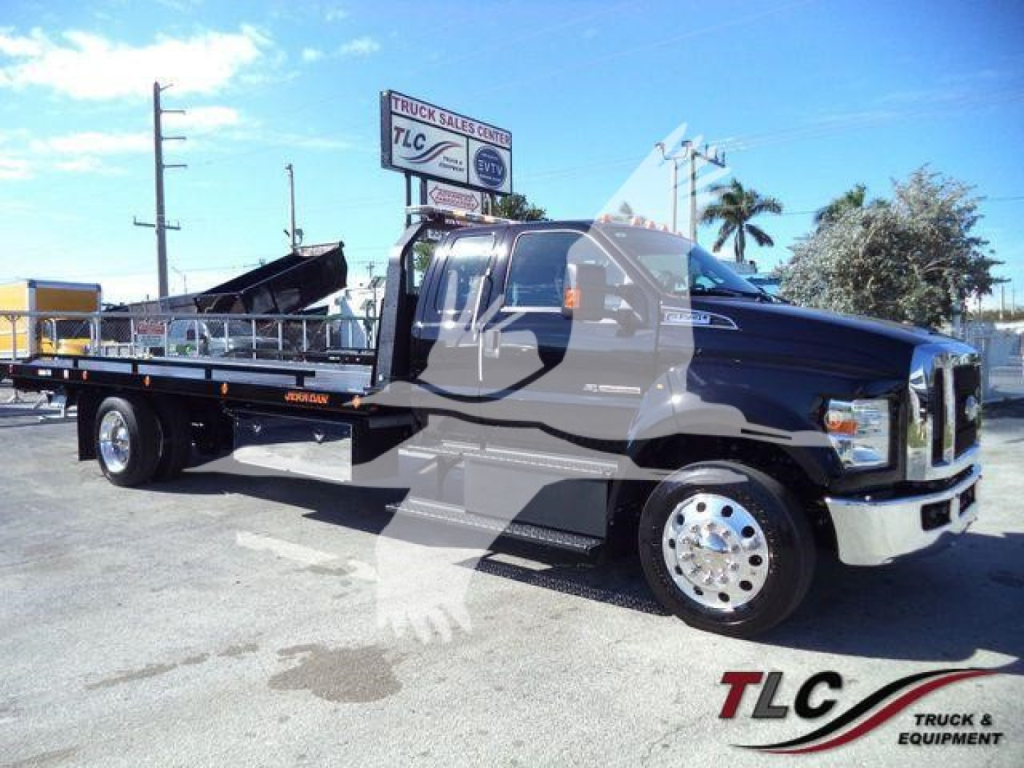
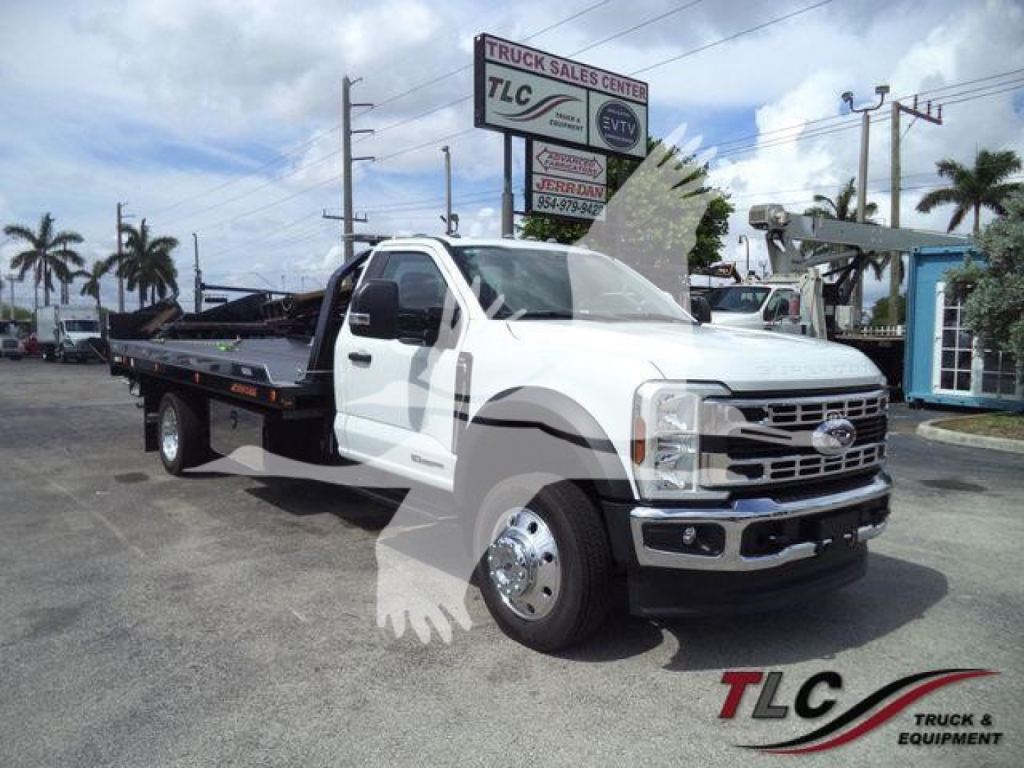
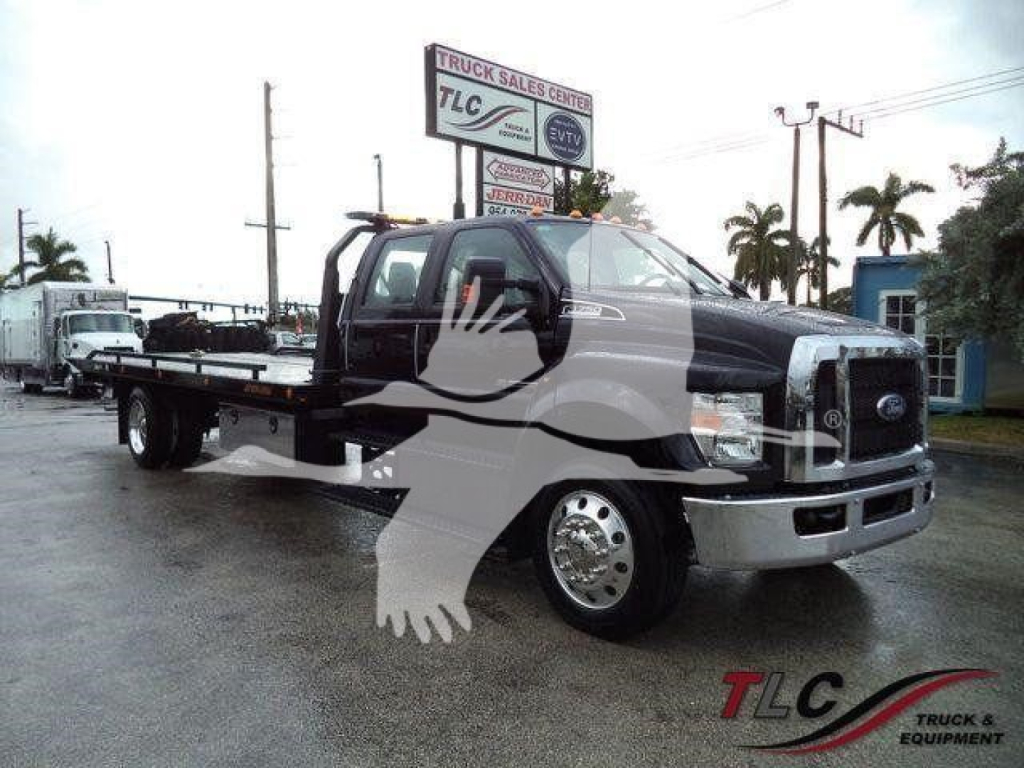
Selling a new ford rollback truck? List your new ford rollback truck for sale and reach thousands of commercial buyers.
New Ford Rollback Trucks in Florida
Deck design matters as much as chassis rating. Most buyers in this segment look for 20-foot to 22-foot decks, 102-inch width, extra low profile or XLP/LCG deck geometry, and a hydraulic wheel lift rated around 3,500 pounds with L-arms. Low-profile carriers help with approach angle, which is important when loading lowered cars, luxury vehicles, EVs, or units with low front spoilers. Removable rails, shark-style or dual-angle decks, underbody toolboxes, work lights, and an 8,000-pound class winch are all common on new rollback trucks. If your work includes frequent recovery from tight parking structures, apartment complexes, or urban roadside shoulders, overall wheelbase and turning radius deserve close attention.
For Florida operation, corrosion resistance, cooling performance, and operator visibility should be high on the checklist. Aluminum wheels, aluminum fuel tanks, stainless hardware, LED lighting, and sealed electrical connections help in humid and coastal environments. Air conditioning, backup cameras, large in-dash displays, and clear switch layouts also matter on a truck that may run multiple calls per shift. Buyers should confirm the carrier body warranty, frame interface, tie-down package, and whether the truck uses hydraulic or electric-over-hydraulic controls for bed and wheel-lift functions. On medium-duty Ford rollback trucks, also verify brake type, tire size, suspension setup, and final GVWR after the body is installed.
A good new Ford rollback truck should be evaluated as a complete towing system, not just a cab and chassis with a bed added. Look at payload margin after fuel and equipment, deck height at the tail, winch line pull, wheel-lift geometry, toolbox access, and how the truck balances empty and loaded. Ford Super Duty-based carriers are often preferred for easier parts support and a straightforward cab layout, while F-750 units bring a more substantial medium-duty platform for heavier daily use. If the truck will handle dealer transport, auction runs, accident recovery, or mixed fleet work, those details will determine how productive and versatile the carrier is over time.
Frequently Asked Questions about New Ford Rollback Trucks in Florida
What size Ford rollback truck is best for general towing work?
For general light-duty towing, many operators start by comparing the Ford F-550 and F-600. These chassis commonly support 6-ton rollback bodies and work well for cars, pickups, crossovers, and routine roadside transport. If the route mix includes heavier commercial vehicles, more frequent long-haul moves, or a need for extra chassis durability, the F-750 can offer more capacity and a stronger medium-duty platform.
What deck length is common on a new Ford rollback truck?
Most new Ford rollback trucks in this segment use 20-foot or 22-foot decks with a 102-inch width. A 20-foot deck is common on lighter chassis and is practical for passenger vehicles and urban towing. A 22-foot deck is often paired with larger chassis and gives more flexibility for longer wheelbase vehicles, better load placement, and improved balance on a wider range of jobs.
Why is an extra low profile rollback deck important?
An extra low profile deck, often called XLP or low center gravity, reduces loading angle and helps prevent contact when loading low-clearance vehicles. That matters for sports cars, EVs, luxury sedans, and damaged vehicles with limited rolling ability. A lower deck can also improve operator confidence on difficult loads by making loading smoother and reducing the risk of bumper or fascia damage.
What should buyers check on the wheel-lift and winch setup?
The wheel-lift and winch setup affects how versatile the truck will be beyond basic deck hauling. A hydraulic wheel lift around 3,500 pounds with L-arms is common and gives added capability for towing secondary units or repositioning vehicles. Buyers should also verify winch rating, free-spool design, line routing, and included tie-down equipment, because those details affect loading speed, safety, and how easily the truck can handle disabled or awkward vehicles.
Are Ford rollback trucks a good fit for Florida fleets?
Ford rollback trucks are often a strong fit for Florida fleets because the chassis are widely supported and available in several duty classes. In Florida service, buyers should pay close attention to corrosion-resistant materials, sealed lighting and wiring, cab cooling, and visibility features for frequent stop-and-go operation. Trucks working near the coast or in humid environments benefit from aluminum and stainless components that hold up better over time.