
New 2022 Ford Commercial Trucks For Sale in Florida
Browse new 2022 Ford trucks for sale, including F-450, F-550, and F-600 chassis built for dump, tow, chipper, and work truck use.
Selling a new 2022 ford commercial truck? List your new 2022 ford commercial truck for sale and reach thousands of commercial buyers.
New 2022 Ford Commercial Trucks in Florida
Engine choice matters. The 7.3L gas V8 is a practical spec for fleets that want lower upfront cost, simpler emissions equipment, and predictable maintenance on stop-and-go municipal, tree, and landscape routes. The 6.7L Power Stroke diesel is the better fit when the truck will spend more time under load, tow regularly, or operate with heavier hydraulic equipment. Four-wheel drive is common in this segment, especially for utility, arborist, and towing work in soft ground, storm response, or off-pavement job sites. Buyers should compare axle ratings, wheelbase, cab style, and body length closely because those details affect turning radius, bridge law compliance, and how well the truck carries a full box, wheel-lift package, or rollback deck.
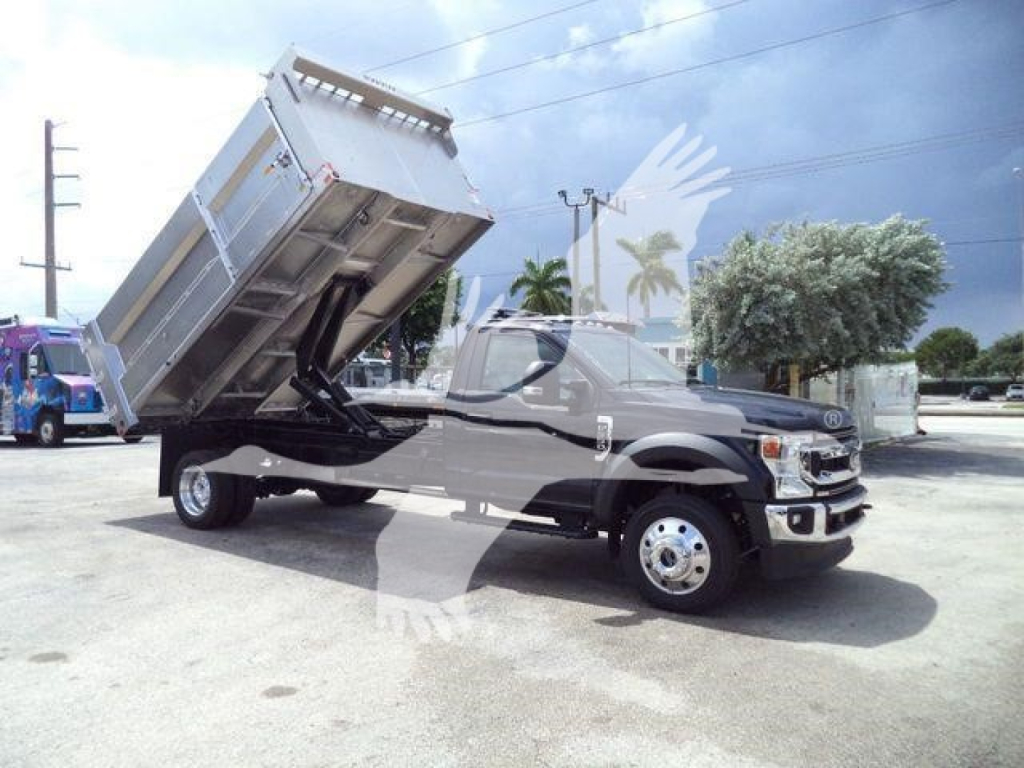
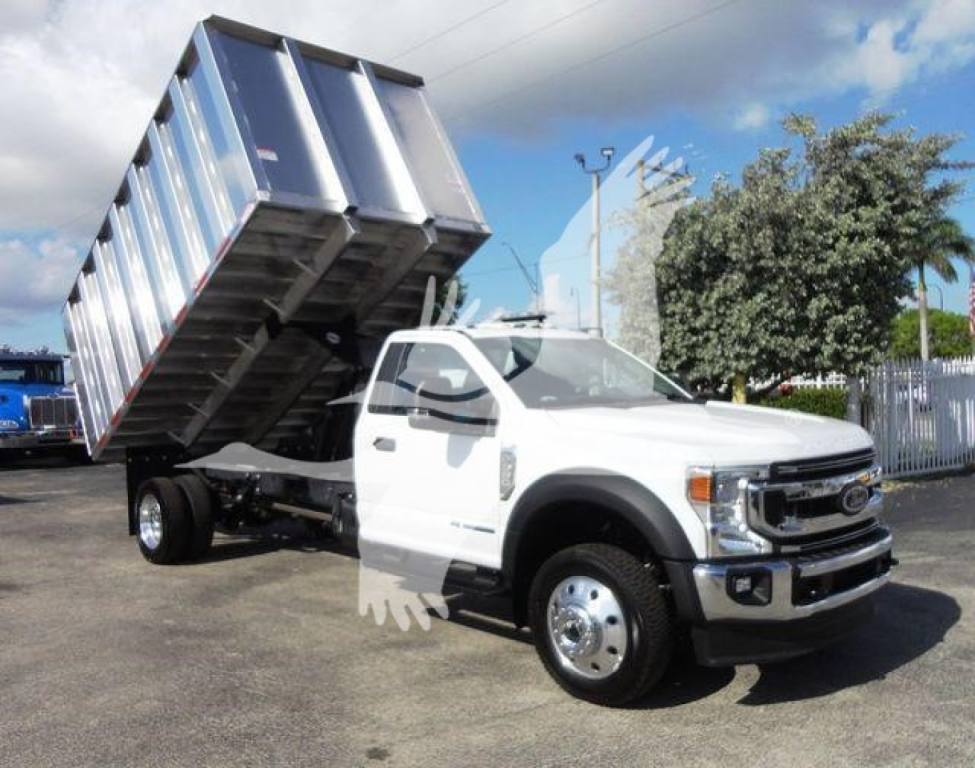
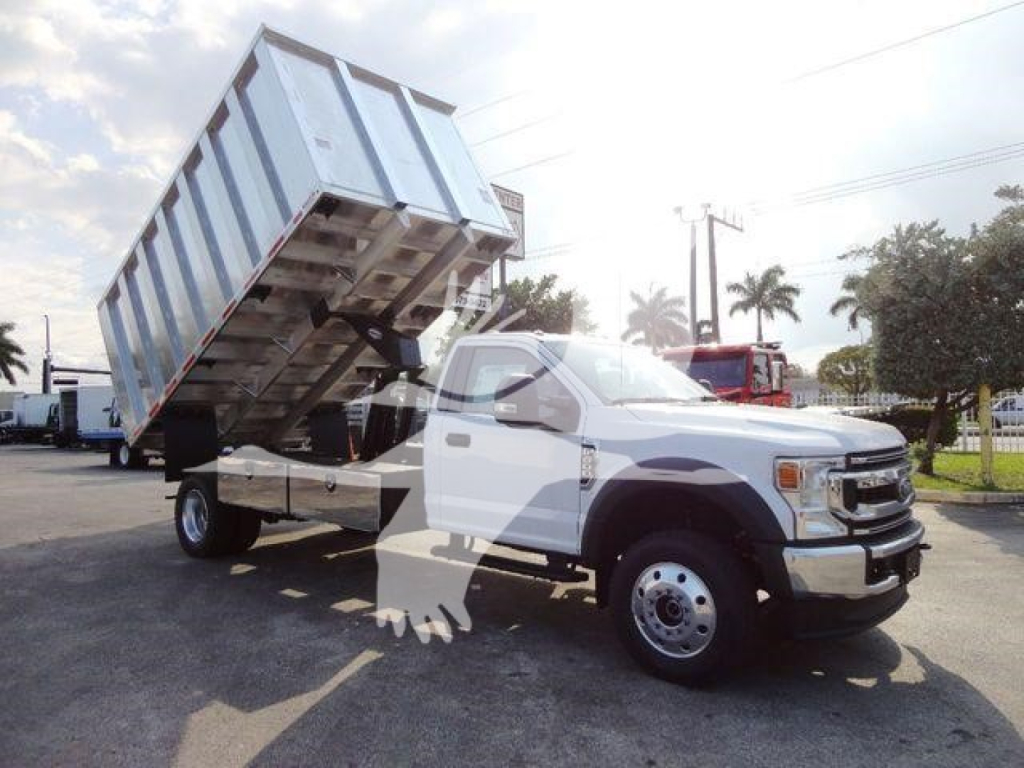
Body spec is what separates one 2022 Ford work truck from another. Dump and chipper bodies often use aluminum construction to save weight and resist corrosion in humid coastal environments, which is a real advantage in Florida. Typical vocational details include electric-over-hydraulic hoists, scissor lifts, high side walls for brush or debris, barn doors or swing gates, tarp systems, D-rings, and frame-mounted hitches with 7-way plugs and brake controls. Tow configurations may include self-loader wrecker bodies, drag winches, wheel-lifts, L-arms, extra work lighting, and low-profile rollback decks designed to improve loading angles for cars and light trucks. Matching the body to the route is key. A tree service truck needs cubic capacity and containment, while a towing operation is focused on deck geometry, recovery equipment, and rear axle stability.
A smart buyer also checks how the upfit was finished at delivery. Look at wiring quality, backup camera integration, lighting layout, hitch type, toolbox placement, and whether the truck is set up for the crew’s actual workflow. On new 2022 Ford trucks, the value is often in the combination of chassis rating, fuel type, driveline, and body builder execution. The right spec can reduce overload risk, improve uptime, and keep the truck useful for years across hauling, recovery, municipal, contractor, and arborist service.
Frequently Asked Questions about New 2022 Ford Commercial Trucks in Florida
What is the difference between a Ford F-450, F-550, and F-600 in a work truck application?
The main differences are GVWR, chassis capacity, and how much body and payload the truck can realistically carry. An F-450 is often used for lighter commercial applications and some tow builds, while an F-550 is a common medium-duty choice for dump bodies, landscape trucks, and smaller wreckers. The F-600 steps up to higher weight ratings and is better suited for heavier chipper bodies, larger rollback carriers, and jobs where payload margin matters. Buyers should compare front and rear axle ratings, wheelbase, and body compatibility instead of relying on model number alone.
Is the 7.3L gas engine or 6.7L diesel better for a 2022 Ford chassis cab?
The 7.3L gas V8 is a strong fit for fleets that prioritize lower acquisition cost, simpler maintenance, and shorter-route vocational work with frequent stops. The 6.7L diesel is usually the better choice for heavier towing, sustained load carrying, and applications where low-end torque is critical. In practice, tree service, landscape, and municipal users often like the gas engine for predictable operating cost, while towing and heavier-haul operators often prefer the diesel for performance under load.
Why are aluminum dump and chipper bodies common on 2022 Ford work trucks in Florida?
Aluminum bodies reduce tare weight and help resist corrosion, which is valuable in Florida’s humid climate and coastal conditions. Lower body weight can leave more usable payload within the truck’s GVWR, and corrosion resistance can improve long-term appearance and service life. For chipper, landscape, and debris hauling operations, aluminum also makes sense when the truck spends its life exposed to wet organic material, frequent washdowns, and outdoor storage.
What should I check on a new 2022 Ford tow truck or rollback?
Focus on the actual recovery equipment and how it matches the intended workload. Important details include deck length and width, low-profile or extra-low-profile loading angle, wheel-lift capacity, winch rating, lighting, tie-down points, and rear suspension stability. It also helps to confirm tool storage, camera placement, and whether the truck has the right hitching and auxiliary equipment for daily recovery work. A well-matched rollback or self-loader is defined more by body spec and weight distribution than by cab trim.
How important is 4x4 on a new 2022 Ford vocational truck?
Four-wheel drive is highly useful if the truck operates on soft ground, unpaved job sites, storm cleanup routes, or recovery calls where traction is unpredictable. It adds cost and weight, so it is not always necessary for paved-route hauling, but many Florida buyers still value 4x4 for utility, arborist, and towing applications. The decision should come down to jobsite conditions, seasonal weather exposure, and whether added traction will prevent downtime often enough to justify the tradeoff.