
New 2022 Ford Commercial Trucks For Sale
Shop new 2022 Ford trucks including Super Duty, Transit, and chassis models. Compare GVWR, engines, cab styles, and upfit-ready configurations.
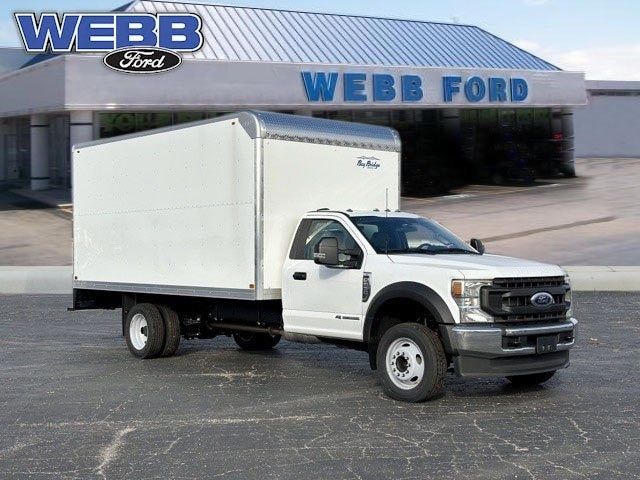
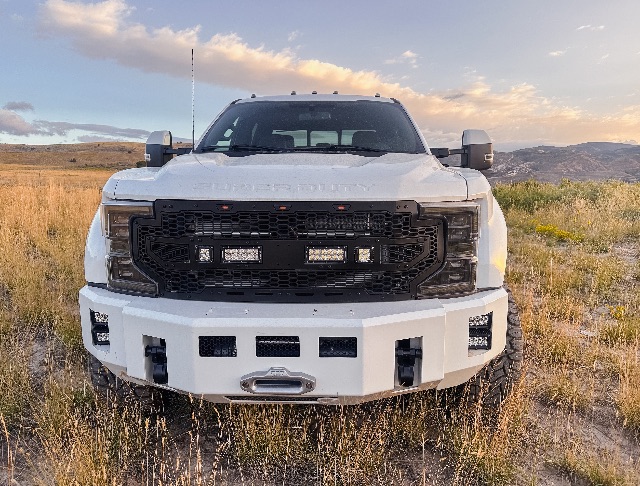
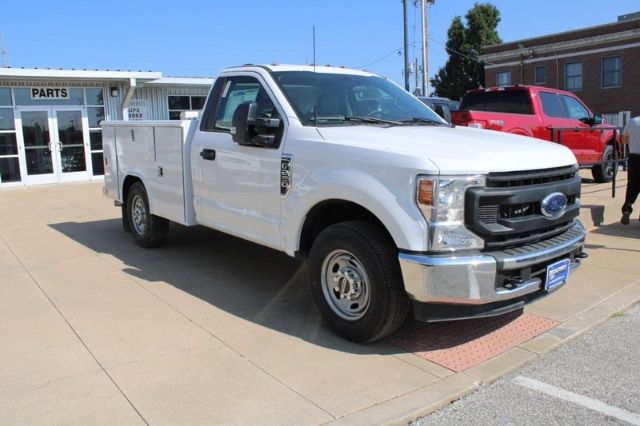
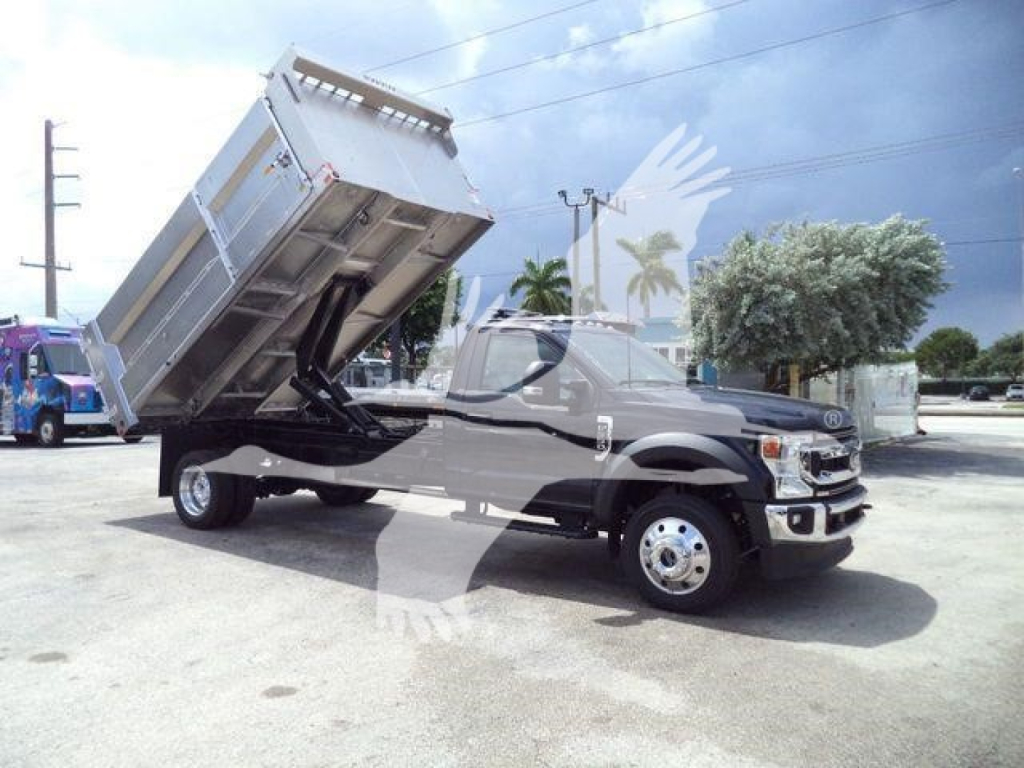
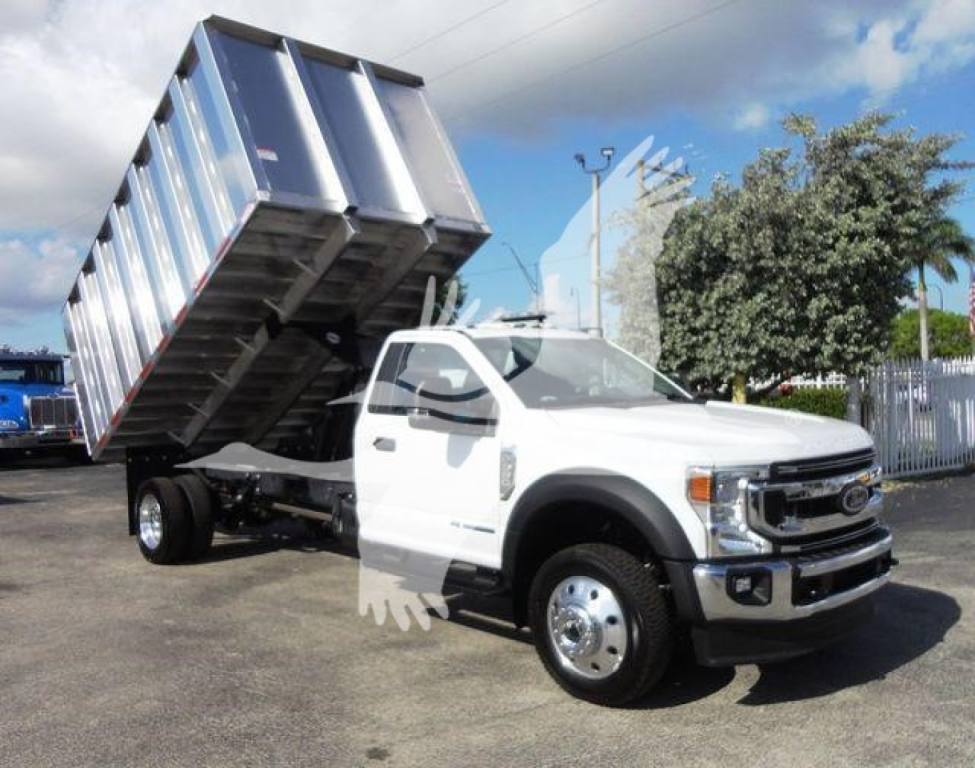
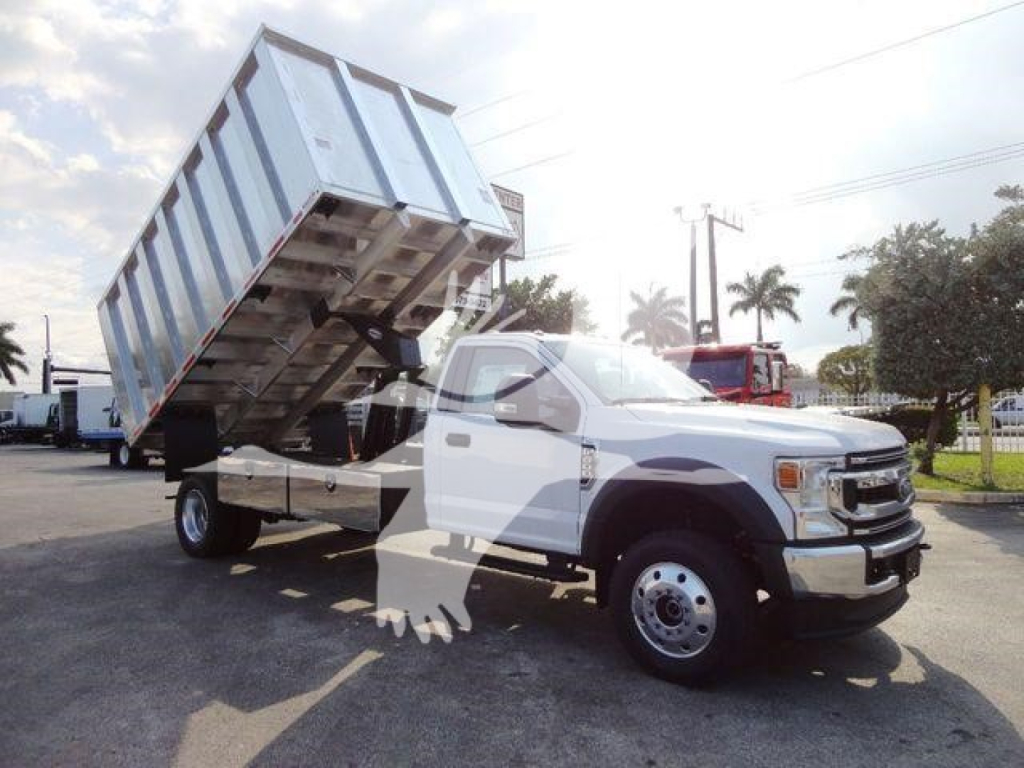
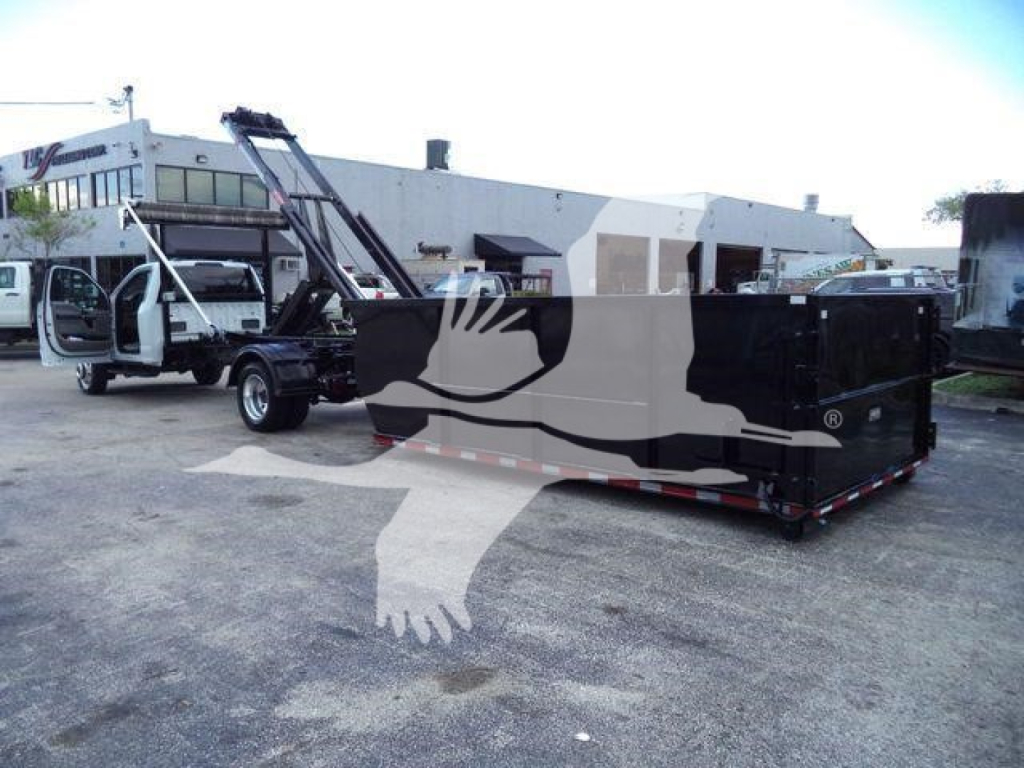
Selling a new 2022 ford commercial truck? List your new 2022 ford commercial truck for sale and reach thousands of commercial buyers.
New 2022 Ford Commercial Trucks
A buyer comparing new 2022 Ford trucks should start with GVWR, powertrain, and body style. Ford Super Duty models such as the F-250, F-350, F-450, and chassis-cab variants are common picks for hauling, jobsite support, and specialized upfits. Gas V8 and Power Stroke diesel options are both relevant in this segment, and the right choice usually comes down to payload, trailer weight, idle time, and maintenance preference. Cab configuration also affects daily usability. Regular cab trucks maximize body length and cost efficiency, while SuperCab and Crew Cab layouts add passenger space for field crews and tools stored in-cab.
For urban delivery and service routes, Ford Transit and E-Series cutaway or cab and chassis models remain important parts of the 2022 commercial market. Transit cargo vans are often selected for last-mile delivery, HVAC, plumbing, electrical, and mobile service work because they offer multiple roof heights, wheelbases, and interior layout options. E-Series and stripped chassis platforms continue to be strong candidates for box trucks, shuttle bodies, utility bodies, and other vocational builds where proven simplicity and body-builder familiarity matter. Buyers should pay close attention to wheelbase, rear axle ratio, door configuration, and roof height if the truck will be routed through tight cities, parking structures, or loading docks.
The best new 2022 Ford truck is usually the one that matches the upfit and duty cycle without carrying unnecessary chassis cost. Check axle ratings, tow ratings, frame compatibility, PTO needs, and brake setup before comparing appearance packages or trim names. On vocational units, body-builder switches, trailer brake controls, factory upfitter provisions, and available driver-assist systems can make a real difference in daily operation. Ford trucks also benefit from broad resale recognition, which can help buyers planning a future rotation cycle. If the truck will spend its life under load, on a route, or pulling equipment every day, spec discipline matters more than badge level.
Frequently Asked Questions about New 2022 Ford Commercial Trucks
What should I look at first when comparing new 2022 Ford trucks?
Start with GVWR, payload requirement, towing requirement, and intended body type. Those four factors narrow the field quickly between pickups, cargo vans, cab and chassis models, and medium-duty trucks. After that, compare engine choice, wheelbase, cab configuration, axle ratio, and whether the truck needs to support a service body, flatbed, box, crane, tow body, or enclosed cargo layout. A truck that is correctly matched to the job will usually outperform a higher-trim model with the wrong chassis spec.
Are 2022 Ford trucks good for upfitting?
Yes. Ford is one of the most common commercial truck platforms for upfits, which is why body companies and fleet managers use them across many industries. Super Duty chassis-cab models, E-Series cutaways, and Transit configurations are regularly used for utility bodies, enclosed service bodies, box trucks, ladder rack builds, refrigerated units, rollbacks, and other vocational applications. Buyers should still confirm frame dimensions, cab-to-axle measurement, PTO compatibility, electrical provisions, and front and rear axle capacities before ordering or purchasing an upfit-ready truck.
Which 2022 Ford truck is best for towing and hauling?
For heavier towing and jobsite hauling, most buyers focus on the Super Duty range, especially F-350, F-450, and chassis-cab configurations. The best choice depends on trailer type, loaded trailer weight, hitch type, and whether the truck also needs to carry body equipment or payload in the bed. A gas engine can make sense for shorter routes and lower annual mileage, while a diesel is often preferred for sustained towing, higher torque demand, and heavier vocational work. Always verify the exact tow rating and axle setup on the truck rather than assuming all models within the nameplate are the same.
What is the difference between a Ford Transit and a Ford E-Series for commercial use?
A Ford Transit is typically the better fit for delivery, mobile service, and urban fleet work where maneuverability, cargo access, and modern van packaging are priorities. The E-Series remains popular where buyers need a cutaway or cab and chassis platform for body installation, including box trucks, shuttle bodies, and specialty commercial builds. Transit usually offers more flexibility for interior cargo organization and driver comfort, while E-Series is often chosen for traditional vocational body applications with straightforward upfit requirements.
Do trim levels matter on a new 2022 Ford work truck?
They matter less than chassis specification for most commercial buyers. Trim affects seat material, infotainment, appearance, and convenience features, but it does not replace the need for the correct axle rating, suspension, wheelbase, engine, and brake package. In fleet and vocational use, practical features such as integrated trailer brake control, upfitter switches, tow mirrors, vinyl flooring, and driver-assist technology often deliver more value than luxury trim content. Buyers should spec the truck around the work first, then decide how much cab comfort is justified by driver retention and route conditions.