
Used Conventional Daycab Trucks For Sale in Nevada
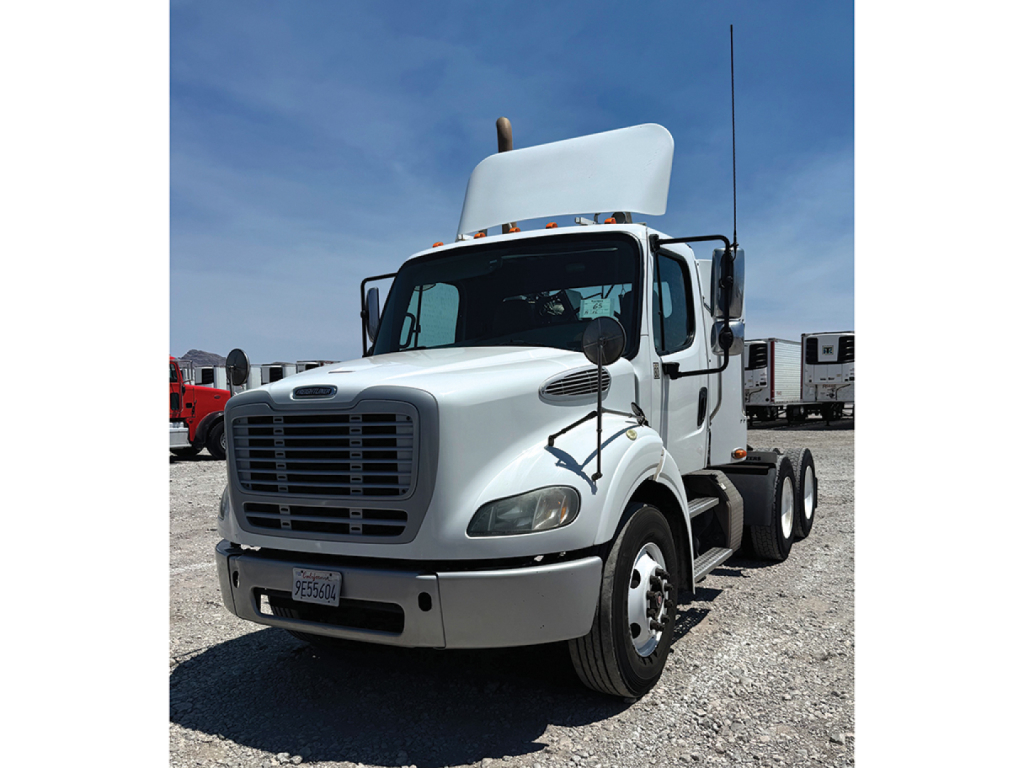
2013 Freightliner M2 112
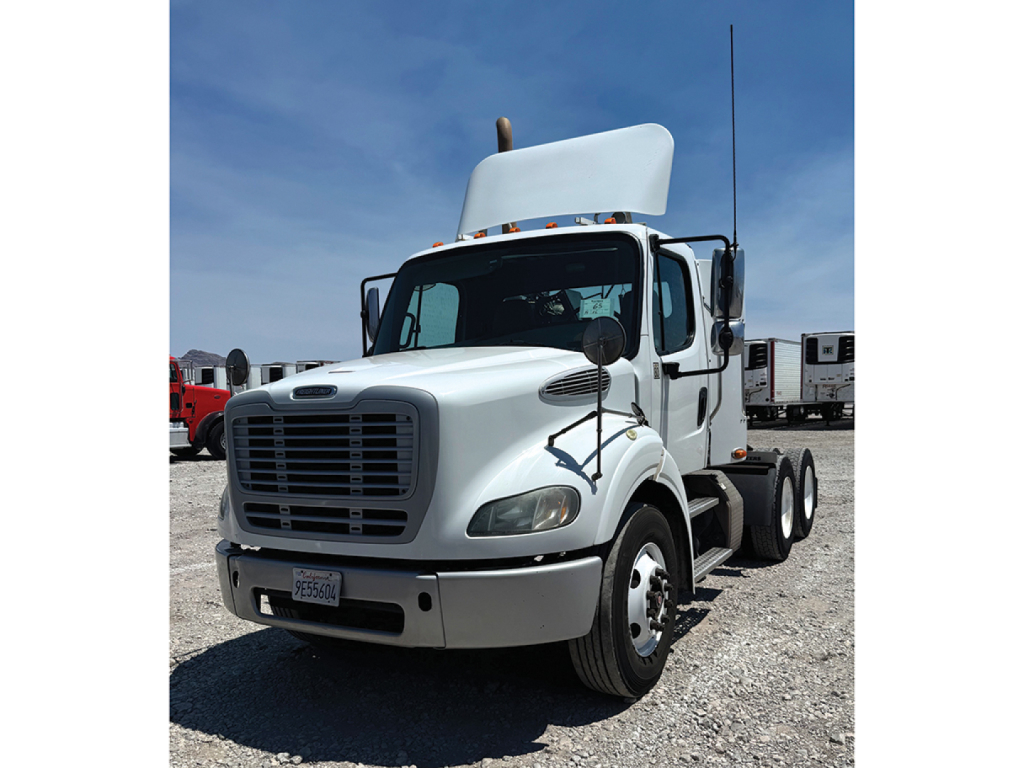
2013 Freightliner M2 112
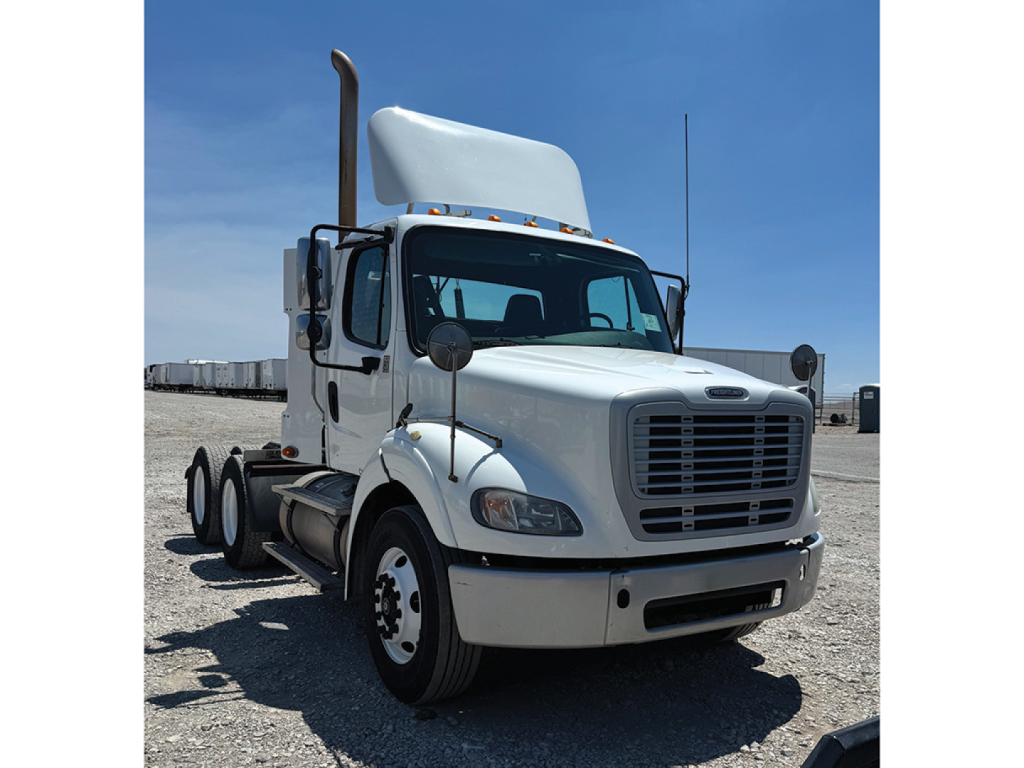
2012 Freightliner M2 112
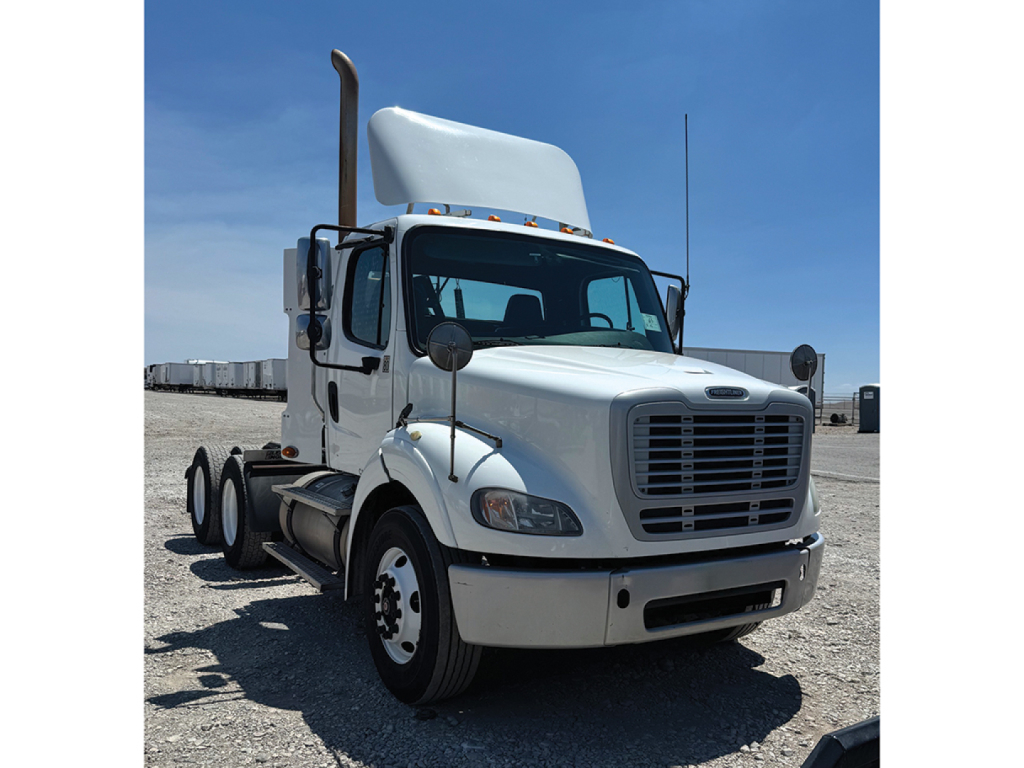
2012 Freightliner M2 112
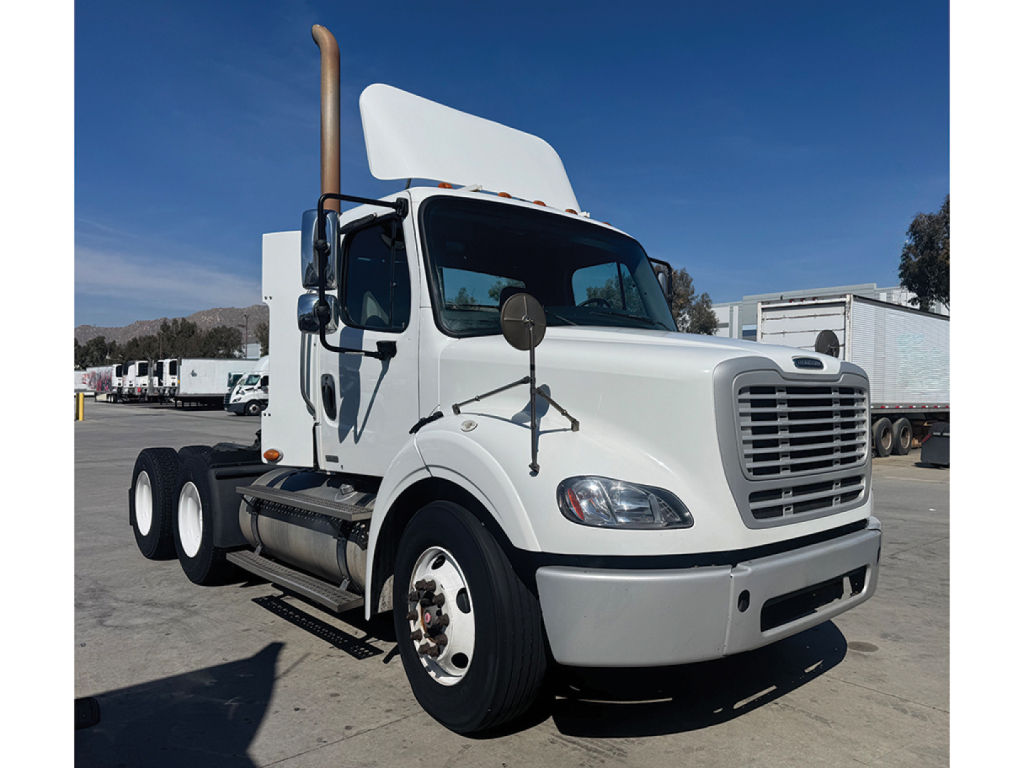
2014 Freightliner M2 112
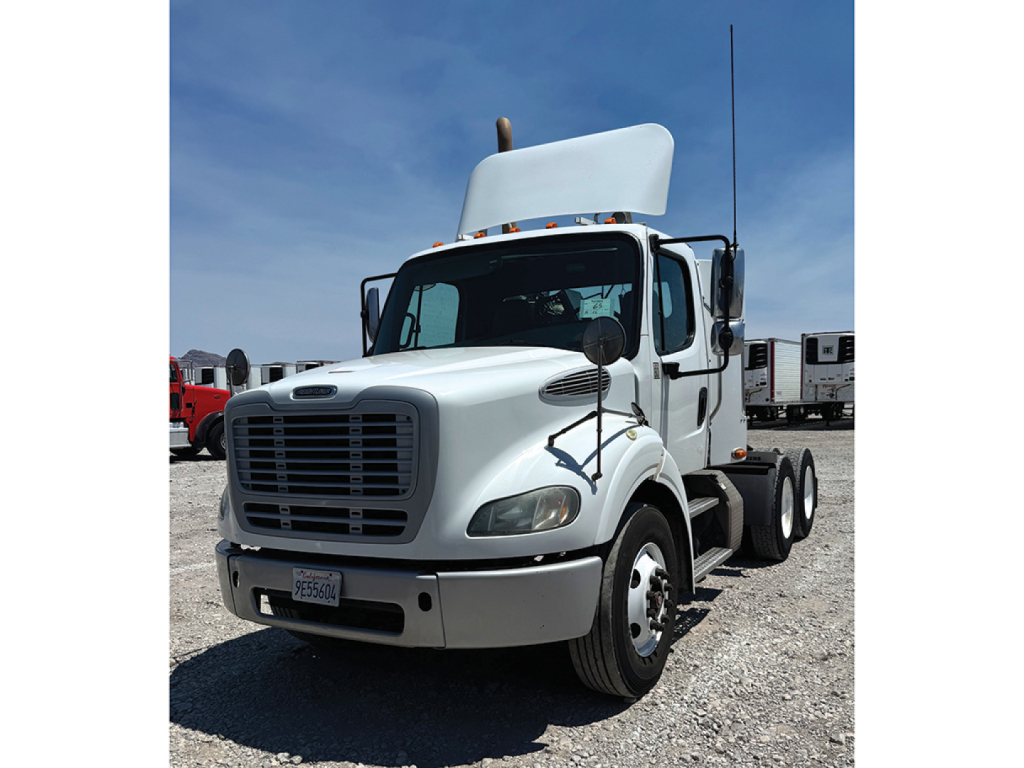
2013 Freightliner M2 112
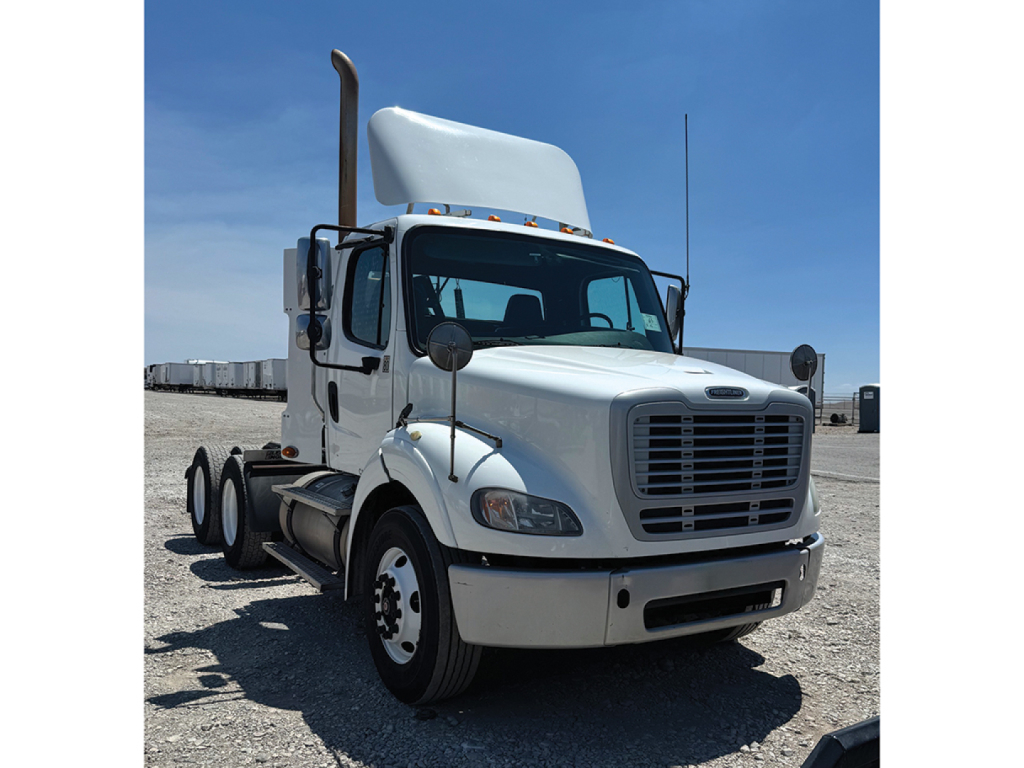
2012 Freightliner M2 112
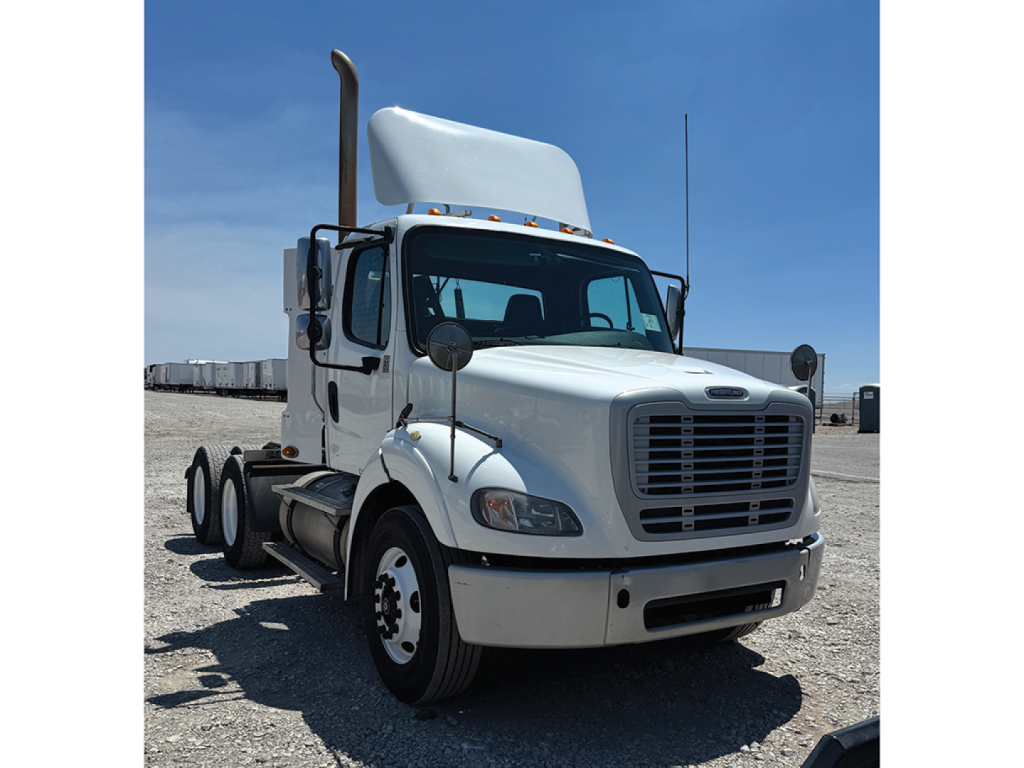
2012 Freightliner M2 112
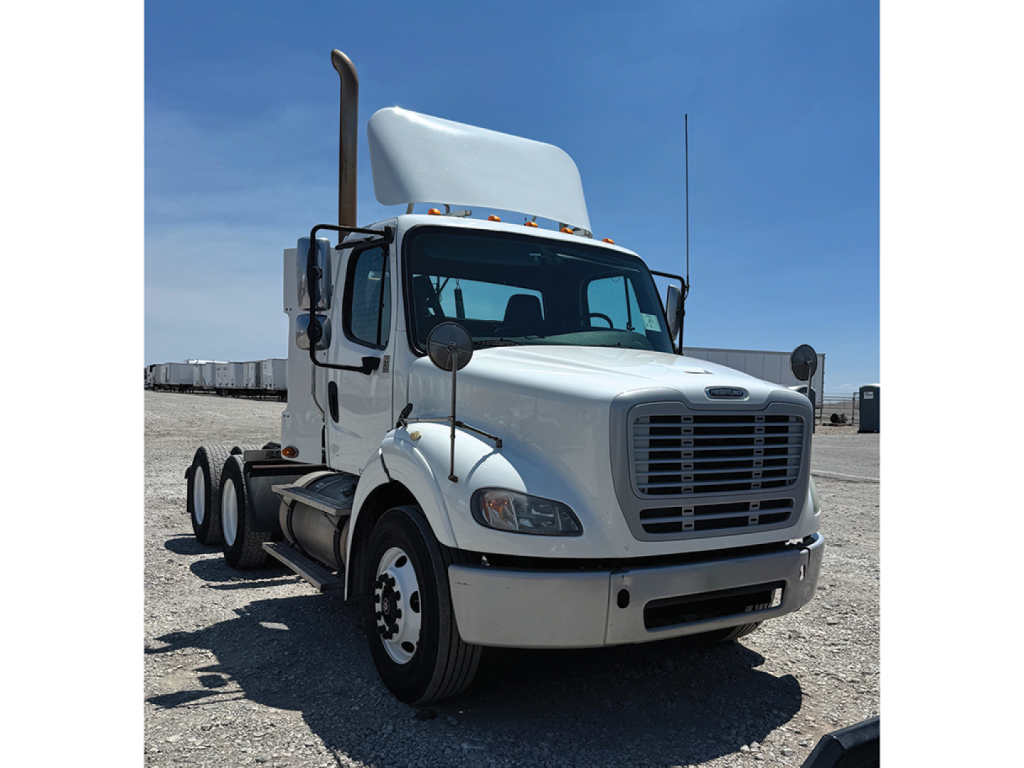
2012 Freightliner M2 112
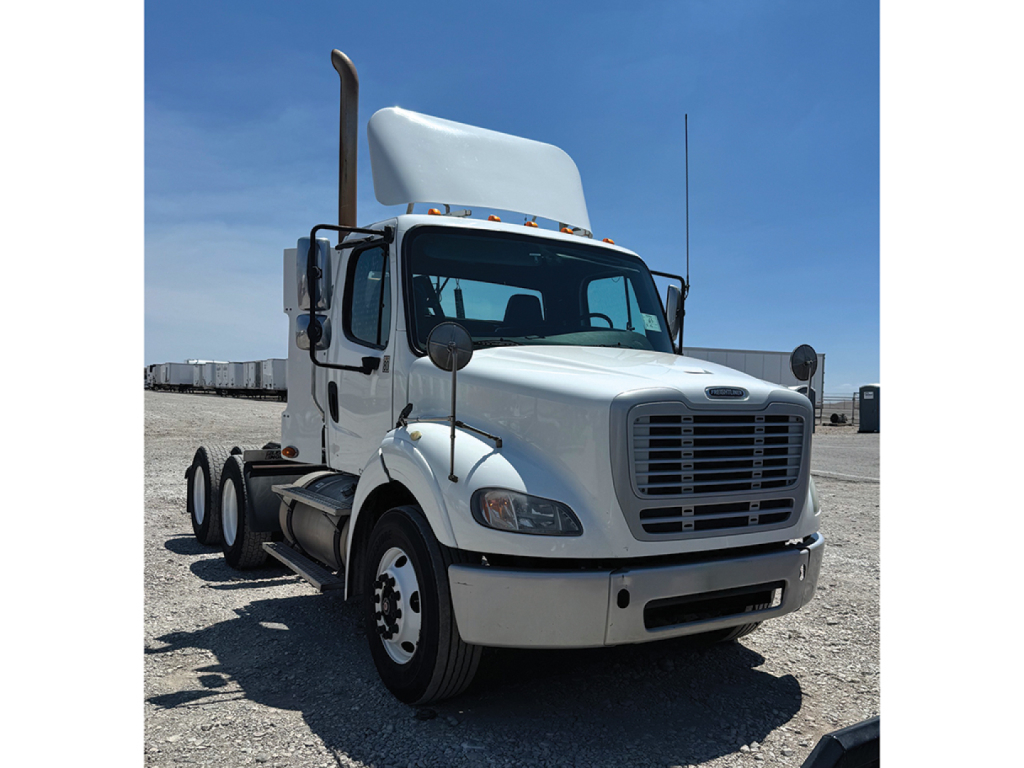
2012 Freightliner M2 112
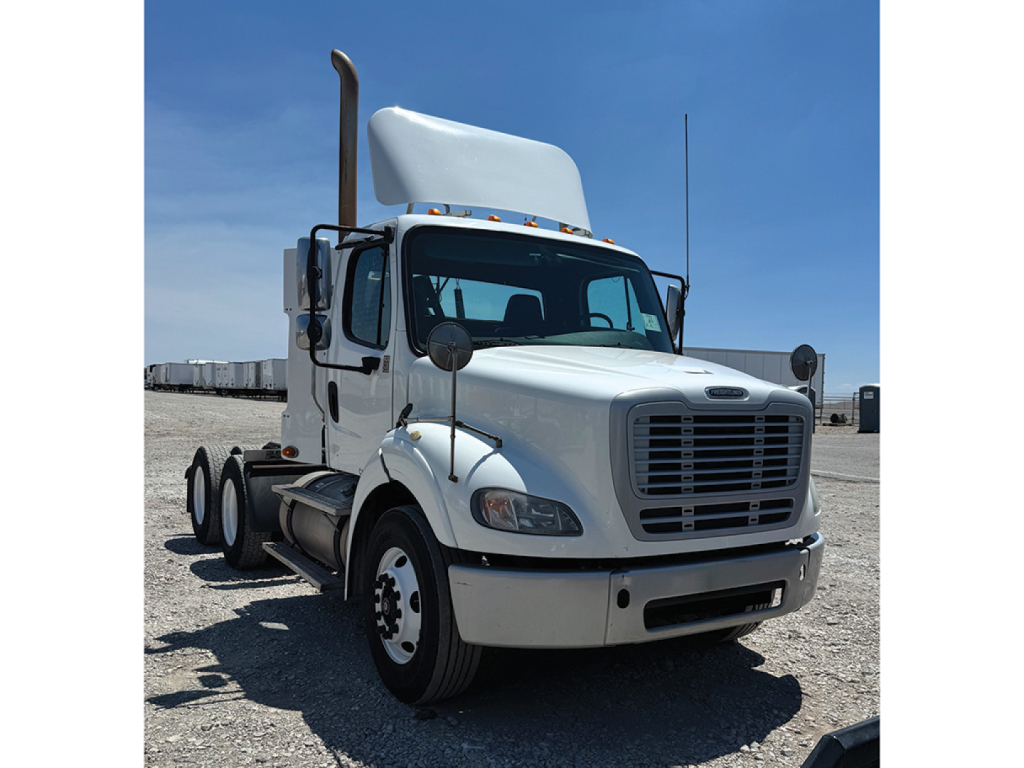
2012 Freightliner M2 112
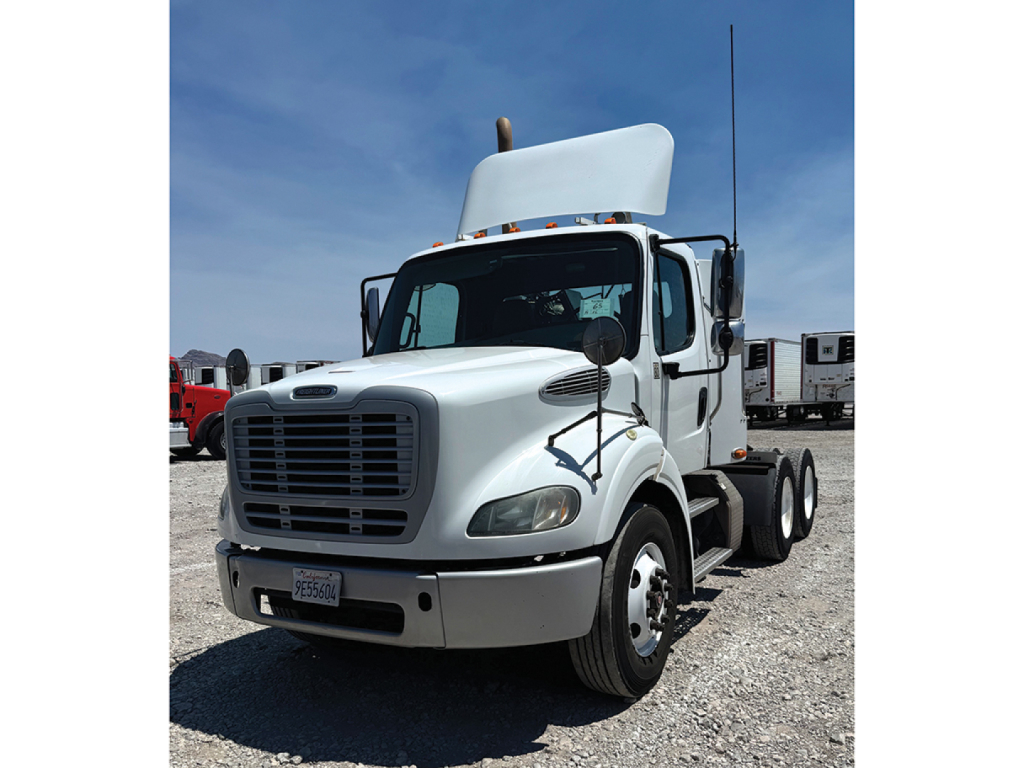
2013 Freightliner M2 112
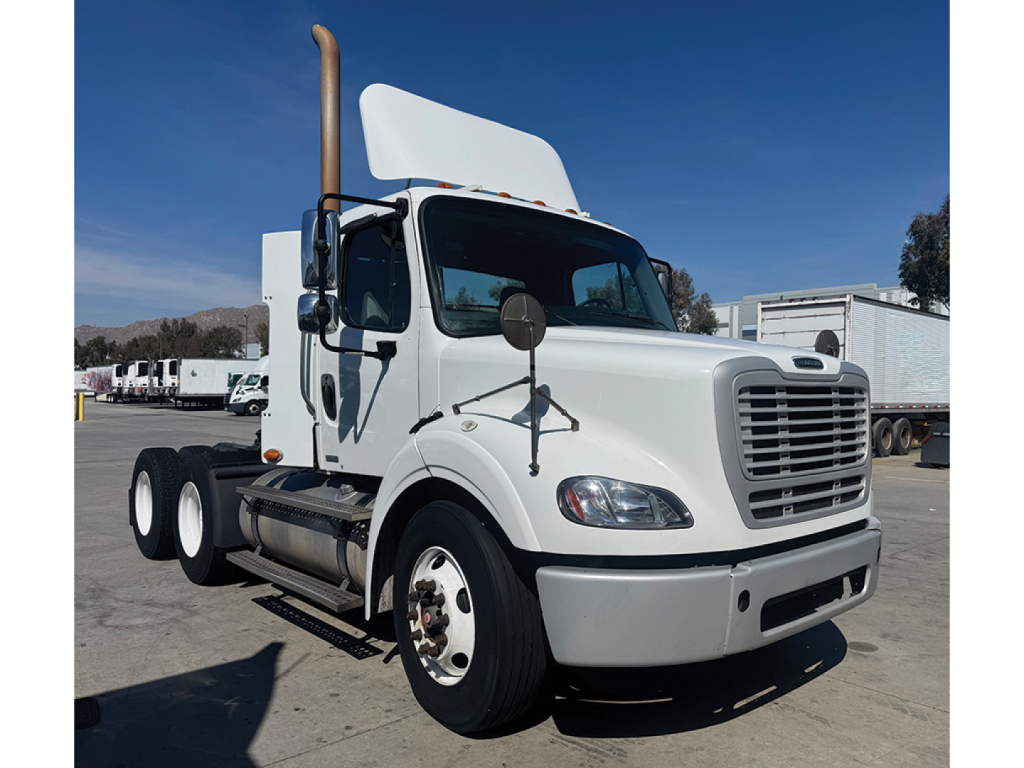
2014 Freightliner M2 112
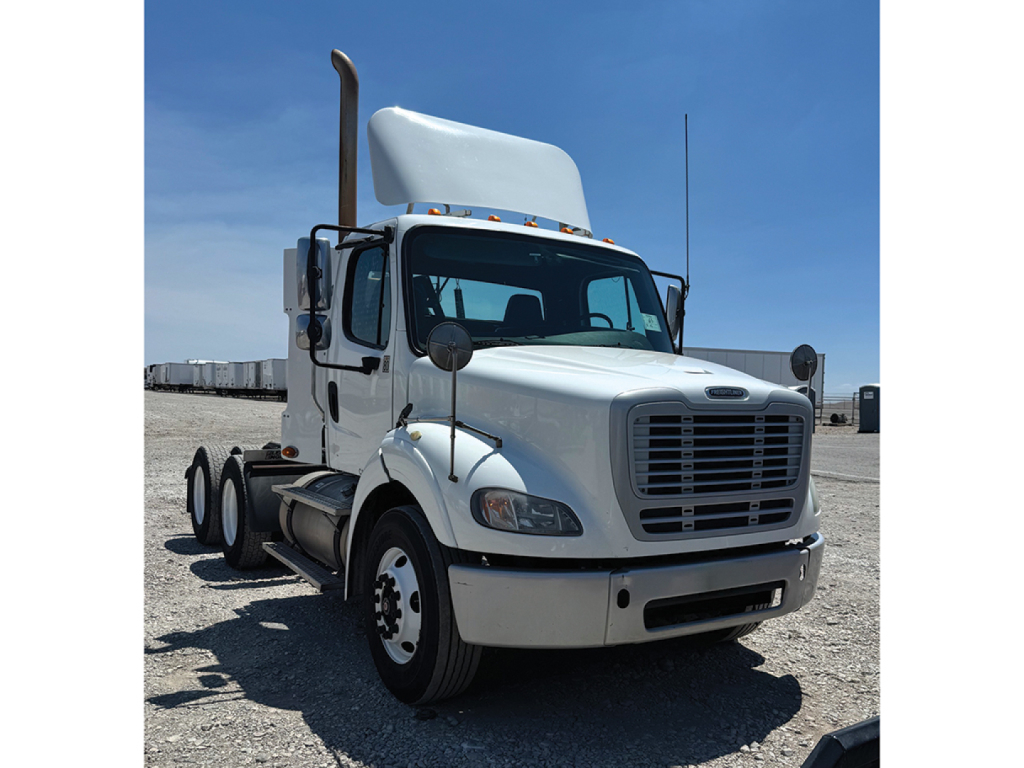
2012 Freightliner M2 112
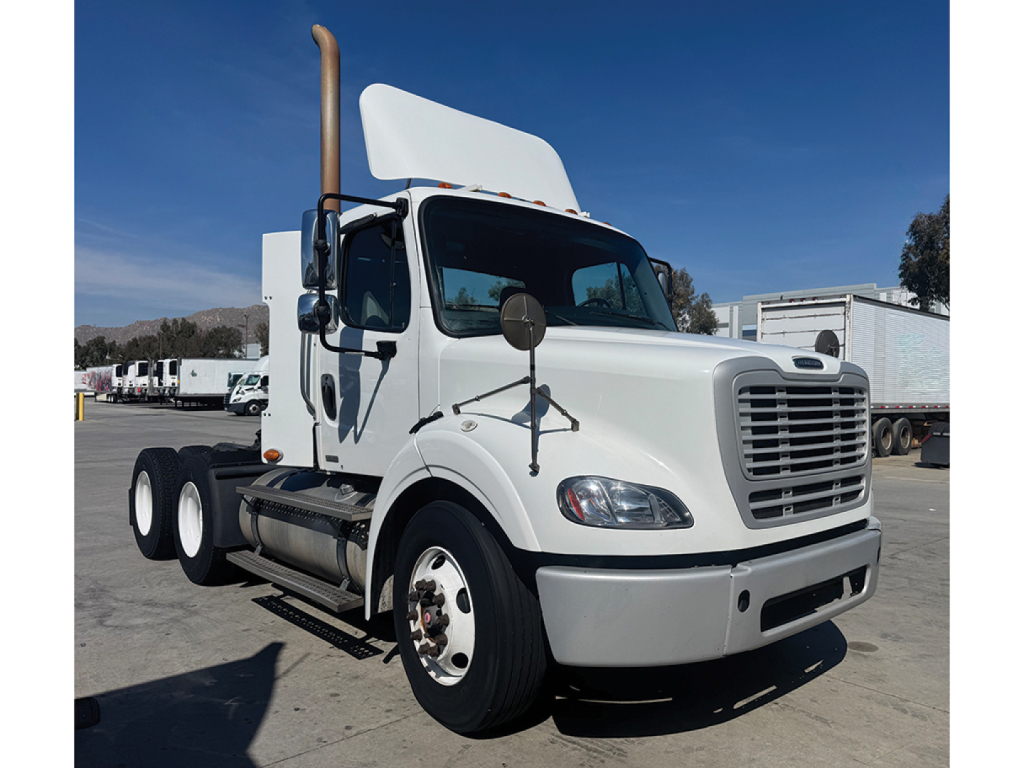
Showing 49 to 64 of 64 results
Have used conventional daycab truck to sell? List it here to reach thousands of buyers.
Used Conventional Daycab Trucks in Nevada
The first decision is usually configuration. Buyers should look closely at single-axle versus tandem-axle setups, wheelbase, rear axle ratio, and fifth wheel type. Single-axle daycabs can be a strong fit for lighter regional freight and fuel-conscious operations, while tandem-axle trucks are better suited for heavier GCW, more demanding trailer combinations, and tougher vocational use. Common engines in this category include Detroit DD13, Cummins ISL or X-series, and similar mid-to-heavy-duty diesel platforms, often paired with automated manuals like the DT12 or Eaton Ultrashift, or traditional 10-speed manuals. Horsepower often falls in the 350 to 450 HP range, with ratios such as 2.79 or 3.21 selected based on highway speed, startability, terrain, and payload expectations.
A used conventional daycab should be evaluated as a working combination of chassis spec and duty cycle, not just model year and miles. Pay attention to suspension type, front and rear axle ratings, brake spec, tire size, frame layout, and fuel capacity. An air ride suspension can improve driver comfort and help with traction, while an adjustable or air slide fifth wheel adds flexibility across trailer lengths and kingpin settings. Features like engine brakes, cab extenders, roof fairings, quarter fenders, aluminum tanks, and low-profile 22.5 tires can all affect operating cost and application fit. On western routes, cooling system condition, AC performance, and emissions system history deserve extra attention because heat, long idle periods, and stop-and-go service can expose weaknesses quickly.
Freightliner M2 112 and Cascadia daycabs are common choices in this segment because they cover a wide range of local and regional applications, from dock-to-dock freight to flatbed, tanker, and municipal support work. The right used conventional daycab truck comes down to matching axle capacity, powertrain, and wheelbase to the trailers and lanes you actually run. Buyers comparing listings should focus on service records, PTO readiness if needed, transmission preference, and signs of prior fleet maintenance discipline. A well-matched daycab can deliver better maneuverability, simpler driver scheduling, and lower operating cost than a sleeper tractor assigned to short-haul work.
Frequently Asked Questions about Used Conventional Daycab Trucks in Nevada
What is a conventional daycab truck used for?
A conventional daycab truck is typically used for local and regional hauling where the driver does not need a sleeper berth. Common applications include drayage, LTL, dedicated regional routes, dump and vocational tractor work, container moves, and warehouse-to-store distribution. The conventional hood design allows easier engine access for service, and the daycab layout reduces overall length compared with a sleeper tractor.
Should I buy a single-axle or tandem-axle daycab?
The choice depends on gross combination weight, trailer type, and how demanding the route is. Single-axle daycabs usually cost less to operate, weigh less, and can be a smart fit for lighter freight and urban work. Tandem-axle daycabs are the better match for heavier loads, more traction requirements, and applications that routinely push axle ratings or operate in tougher conditions. Buyers should verify bridge law, local regulations, and trailer load distribution before deciding.
What specs matter most on a used conventional daycab?
The most important specs are engine rating, transmission type, rear axle ratio, wheelbase, axle capacities, and fifth wheel setup. These determine how the truck starts under load, cruises at highway speed, handles trailer lengths, and fits your operating costs. Suspension type, brake configuration, tire size, and fuel tank capacity also matter because they affect ride quality, service intervals, and route range. A good used truck is one whose spec matches the job, not one with the highest horsepower on paper.
Are automatic daycab trucks better than manual trucks?
Automated manual transmissions are popular in daycab fleets because they reduce driver fatigue, simplify training, and can help protect the driveline from poor shifting habits. Manual transmissions still appeal to some buyers for driver preference, lower acquisition cost in some cases, and straightforward service familiarity. Neither is automatically better in every operation. The better choice depends on driver pool, terrain, stop frequency, maintenance support, and whether the truck will be used in mixed fleet service.
What should I inspect on a used daycab in Nevada?
In Nevada, buyers should pay close attention to cooling system performance, air conditioning function, tire condition, brake wear, and the health of the emissions system. Heat, dust, long idling, and regional stop-and-go work can be hard on radiators, charge air coolers, DEF components, and cab comfort systems. It is also smart to inspect the fifth wheel for wear, check frame and suspension components for signs of heavy-duty use, and review maintenance records for engine, transmission, and aftertreatment service.