
Used 2014 Conventional Daycab Trucks For Sale in Nevada
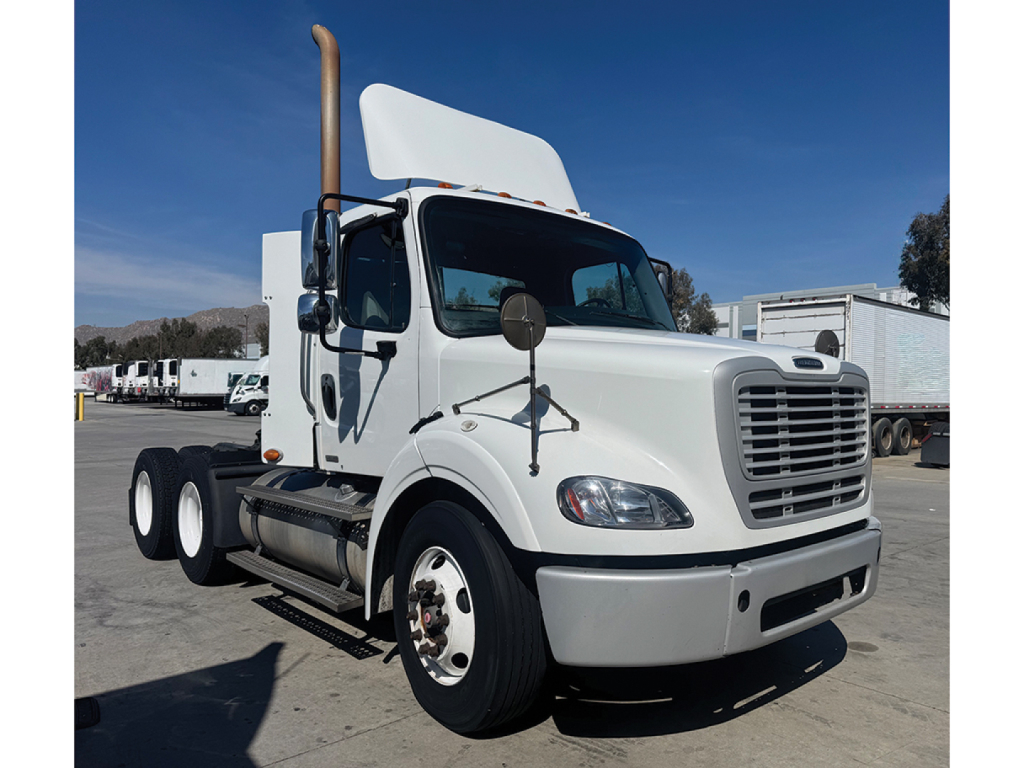
2014 Freightliner M2 112
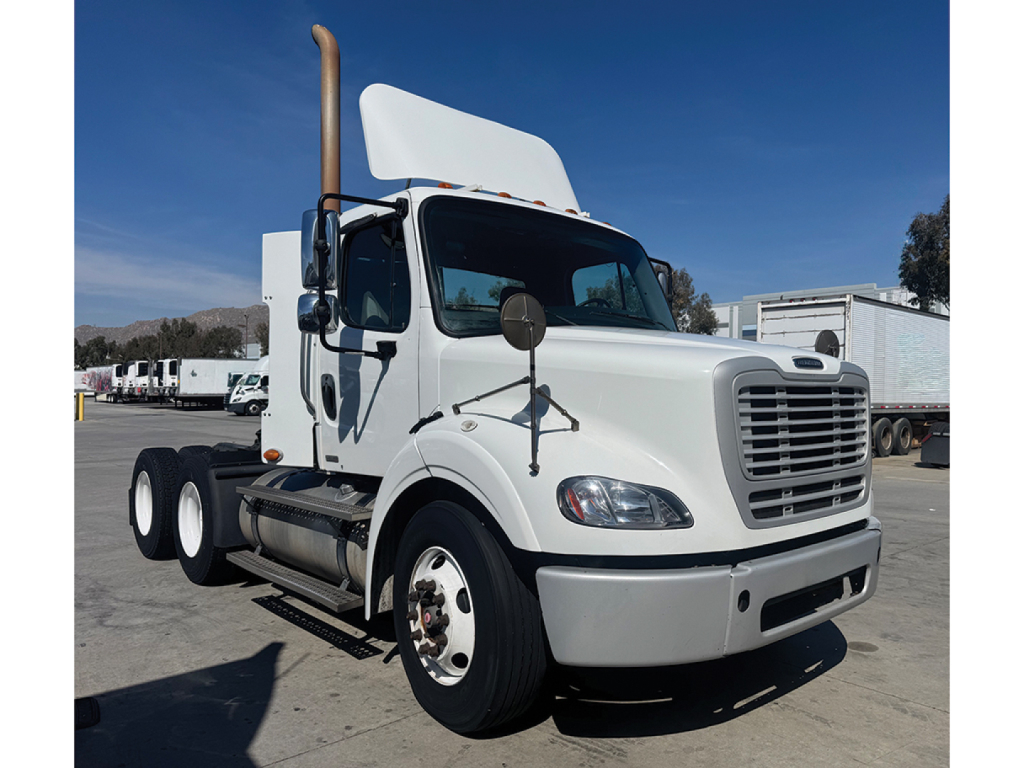
2014 Freightliner M2 112
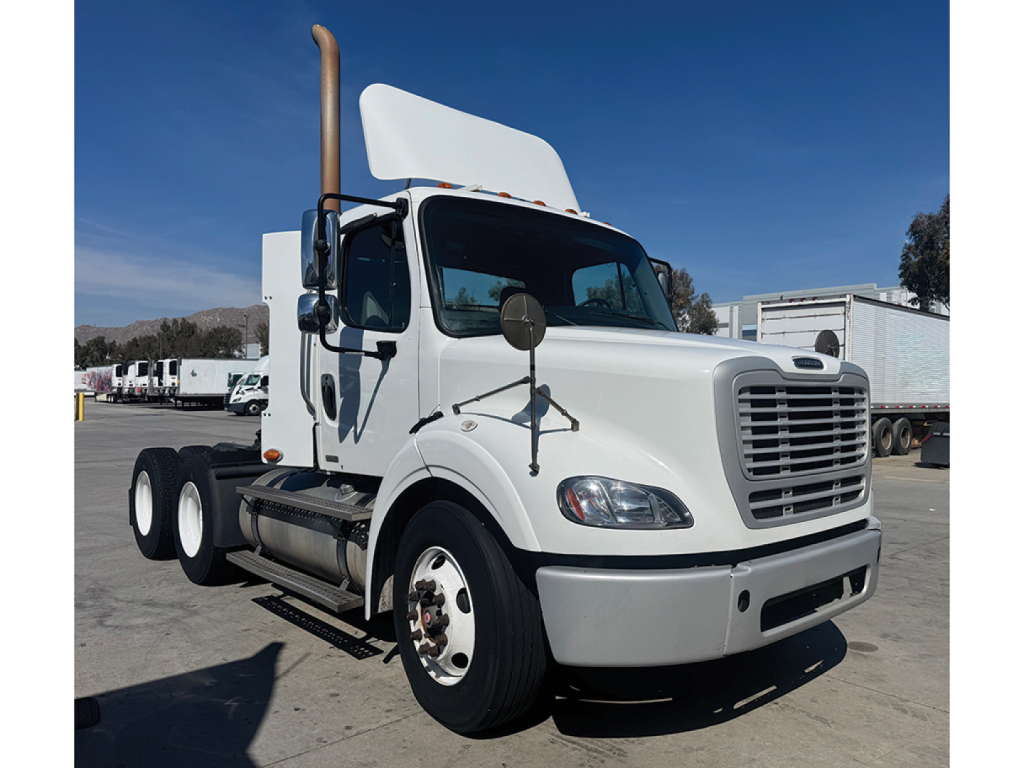
2014 Freightliner M2 112
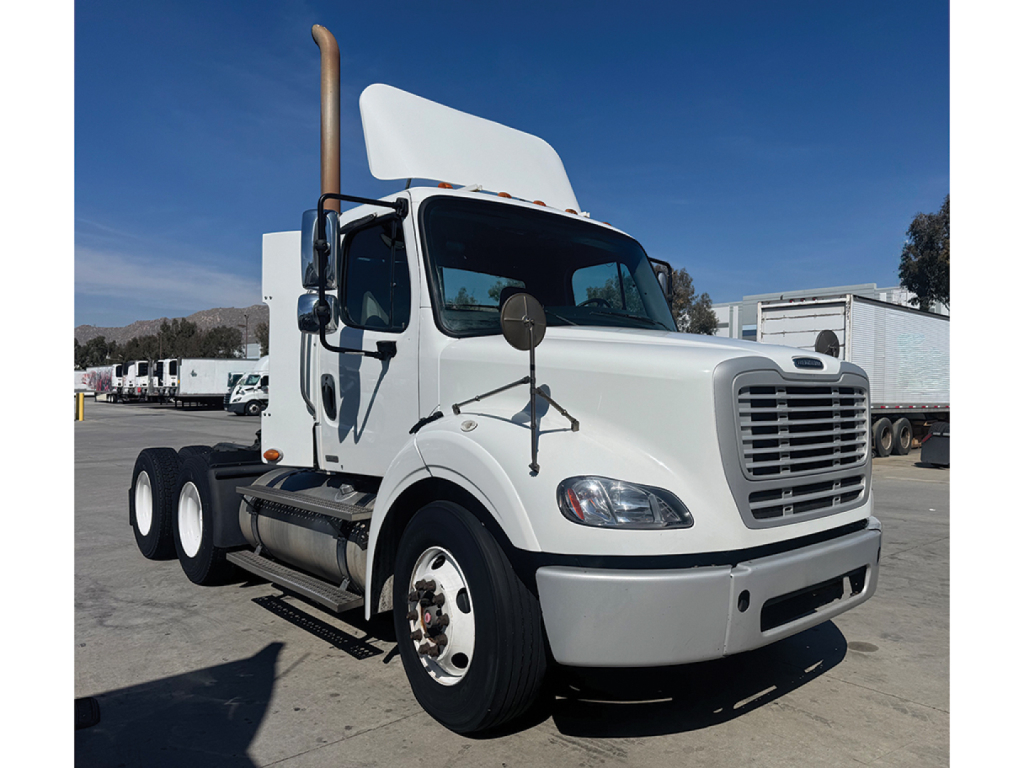
2014 Freightliner M2 112

2014 Freightliner M2 112
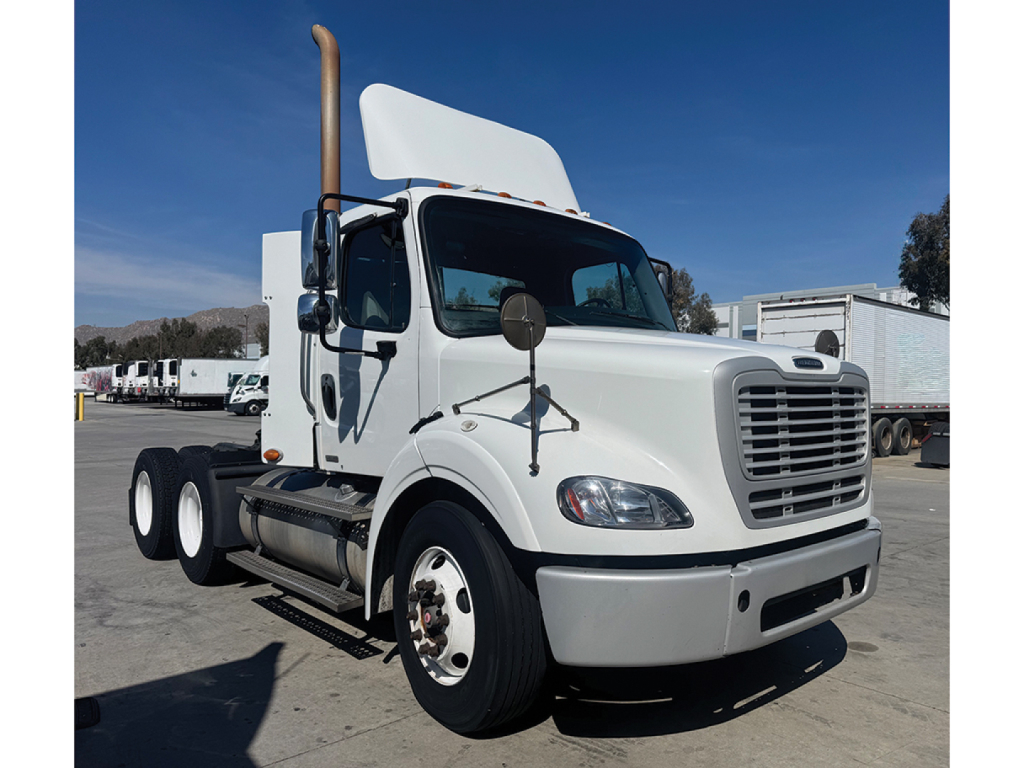
2014 Freightliner M2 112
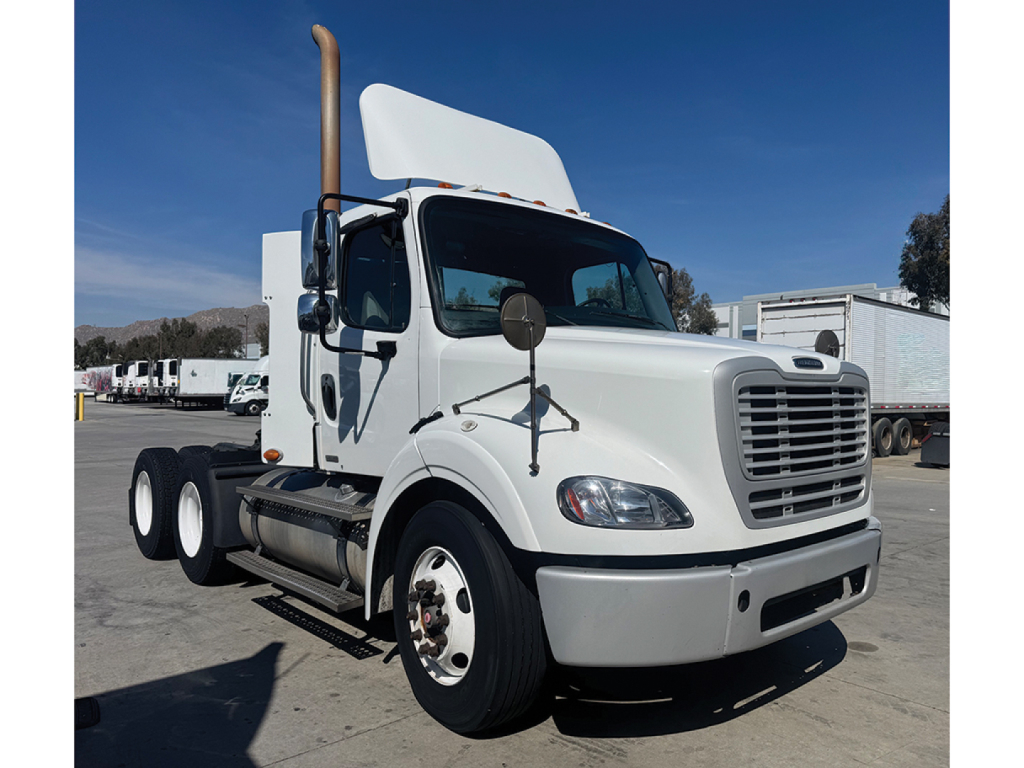
2014 Freightliner M2 112
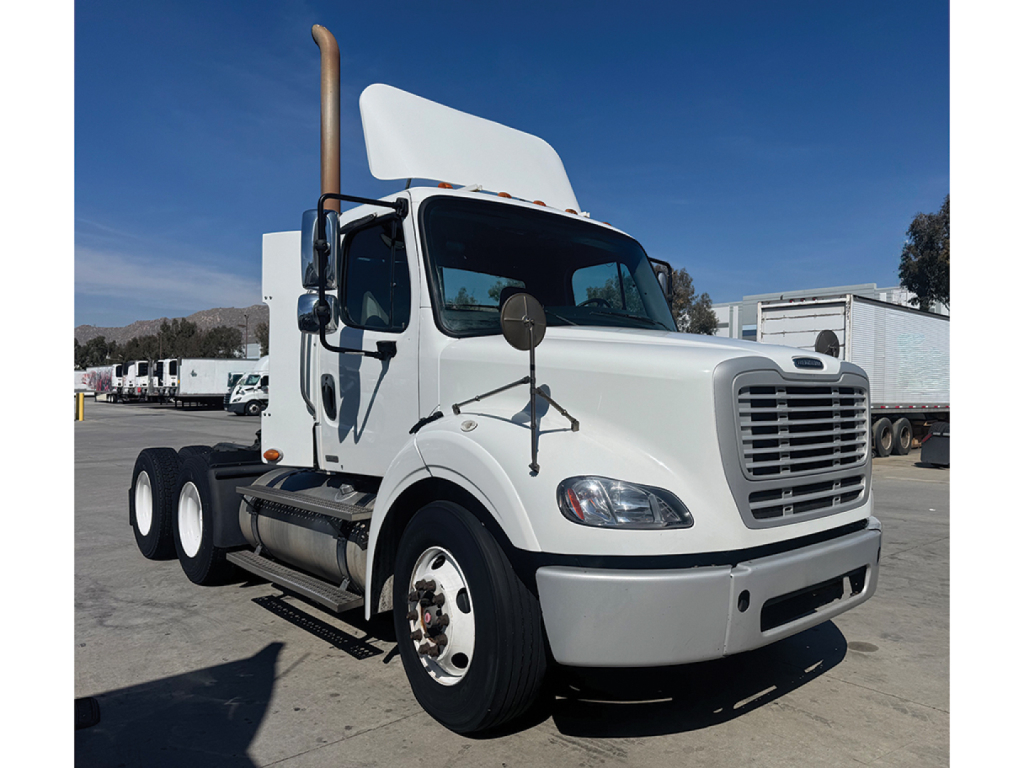
2014 Freightliner M2 112
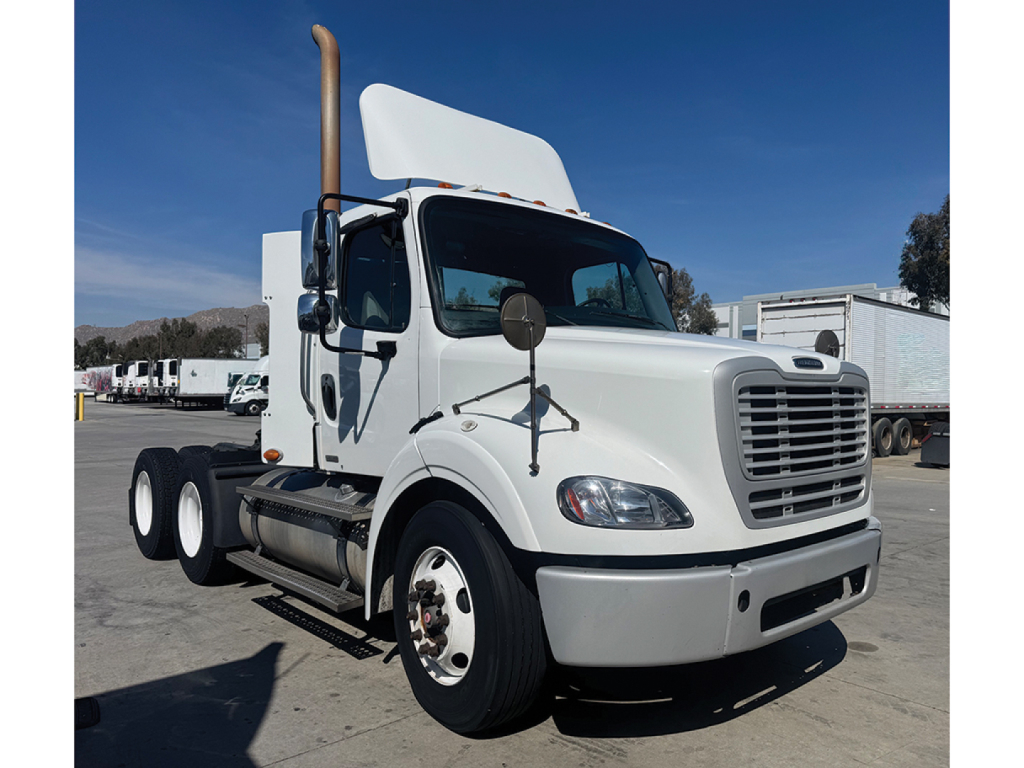
2014 Freightliner M2 112
2014 Freightliner M2 112
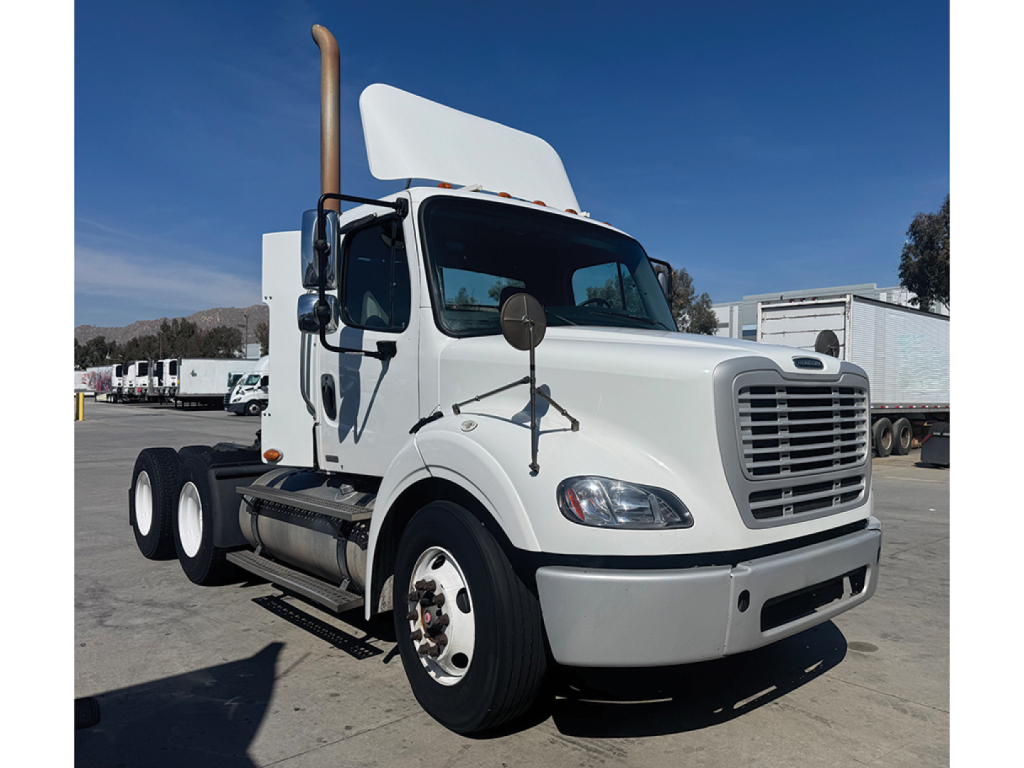
2014 Freightliner M2 112
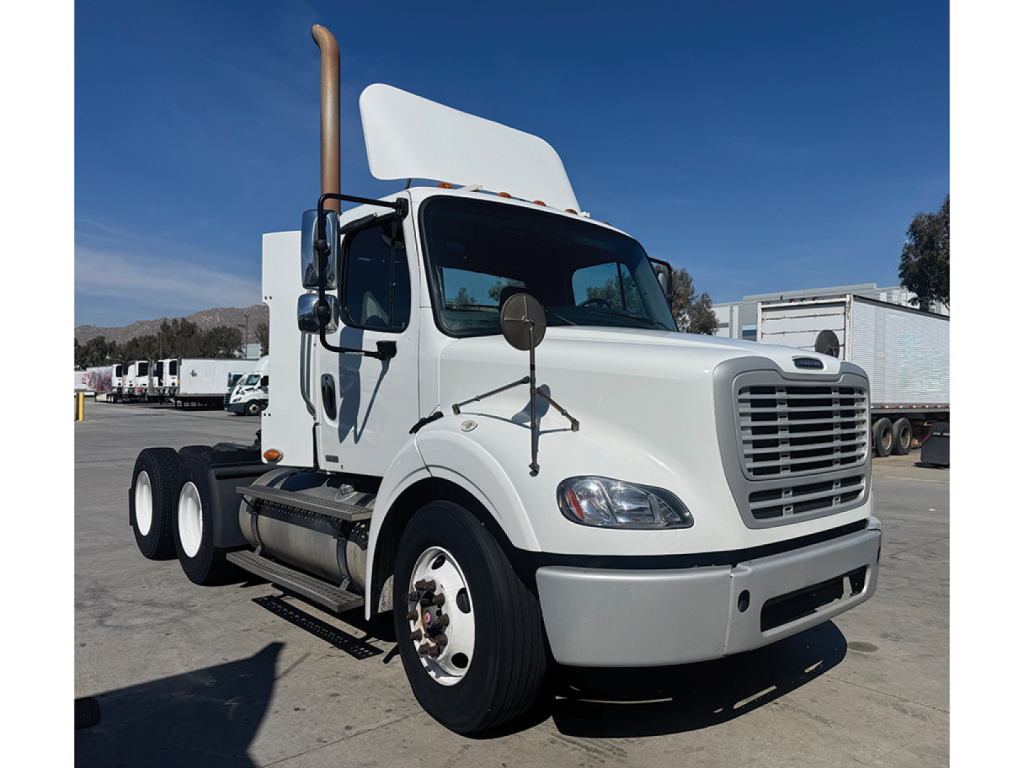
2014 Freightliner M2 112
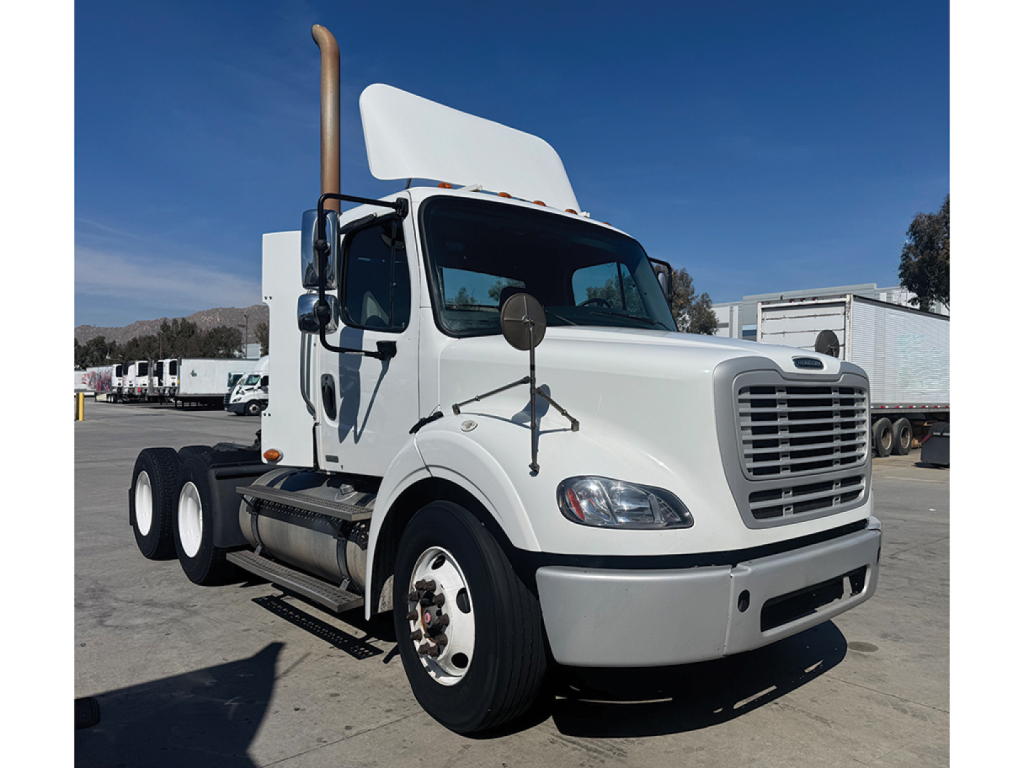
2014 Freightliner M2 112
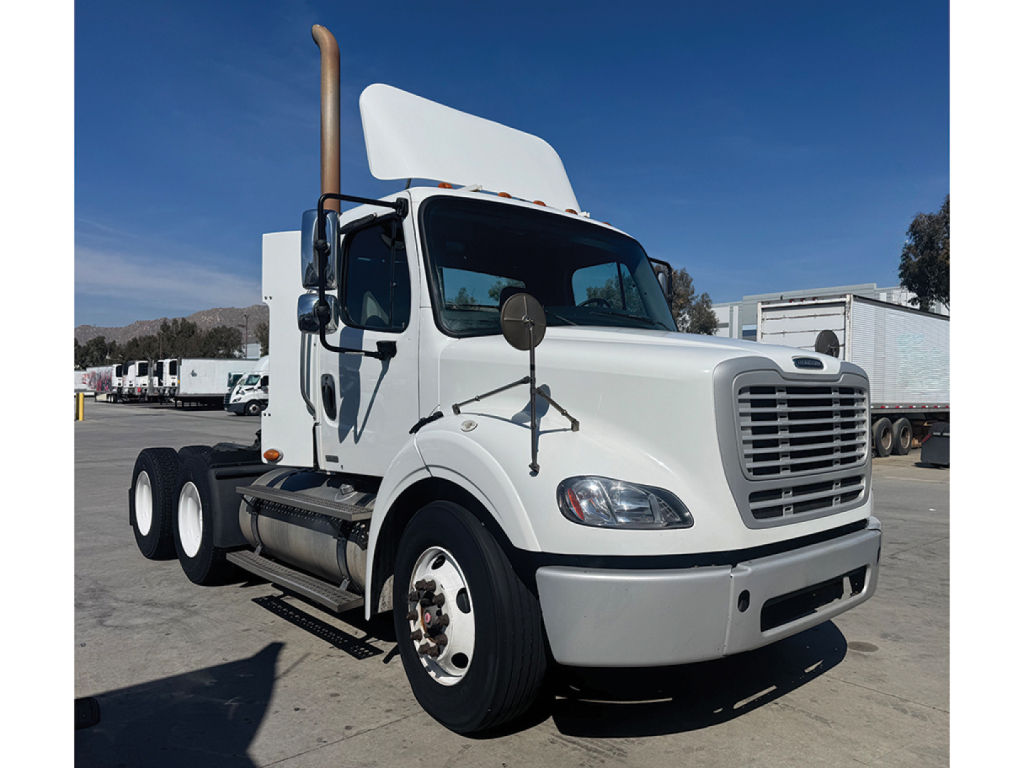
2014 Freightliner M2 112
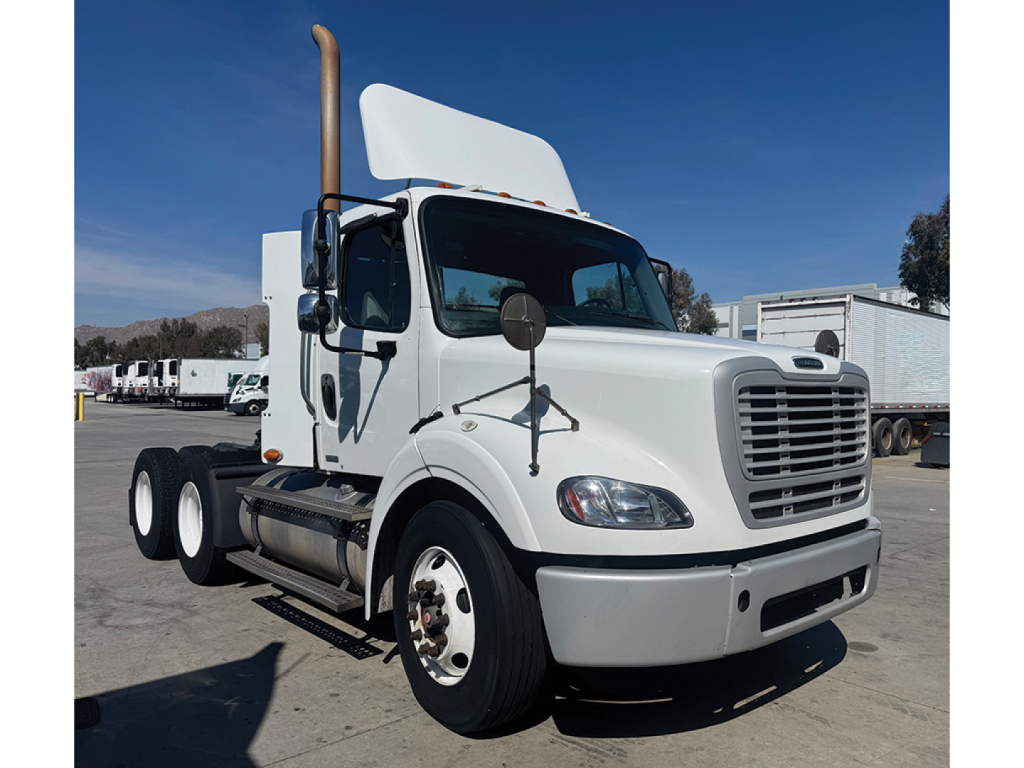
2014 Freightliner M2 112
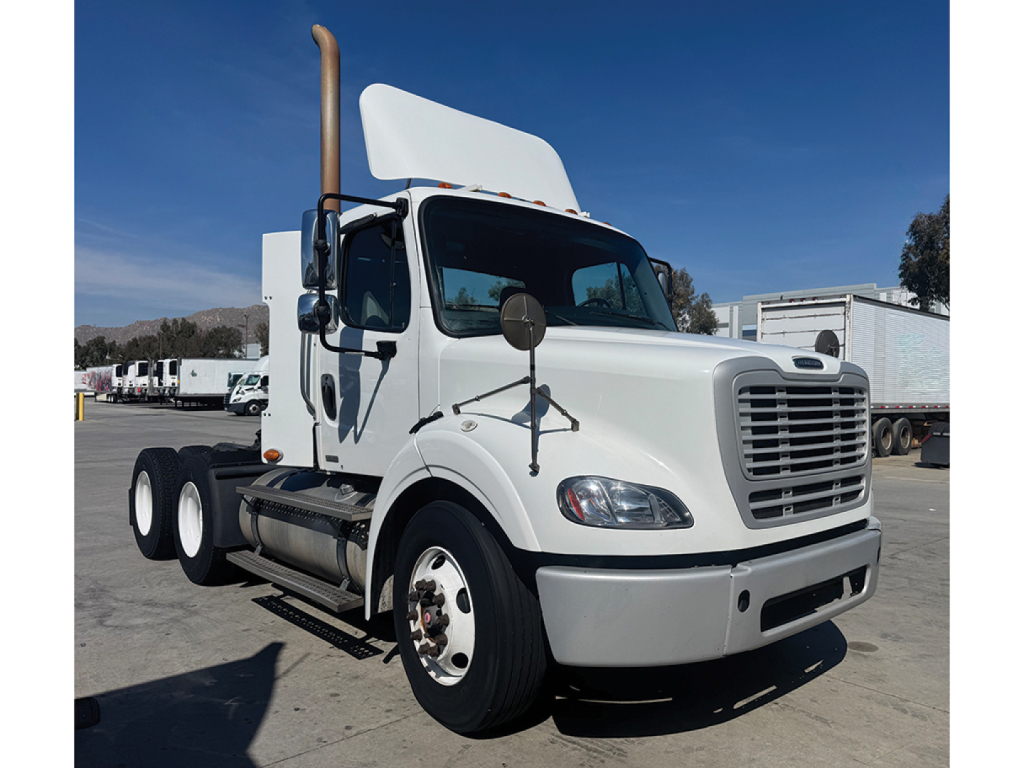
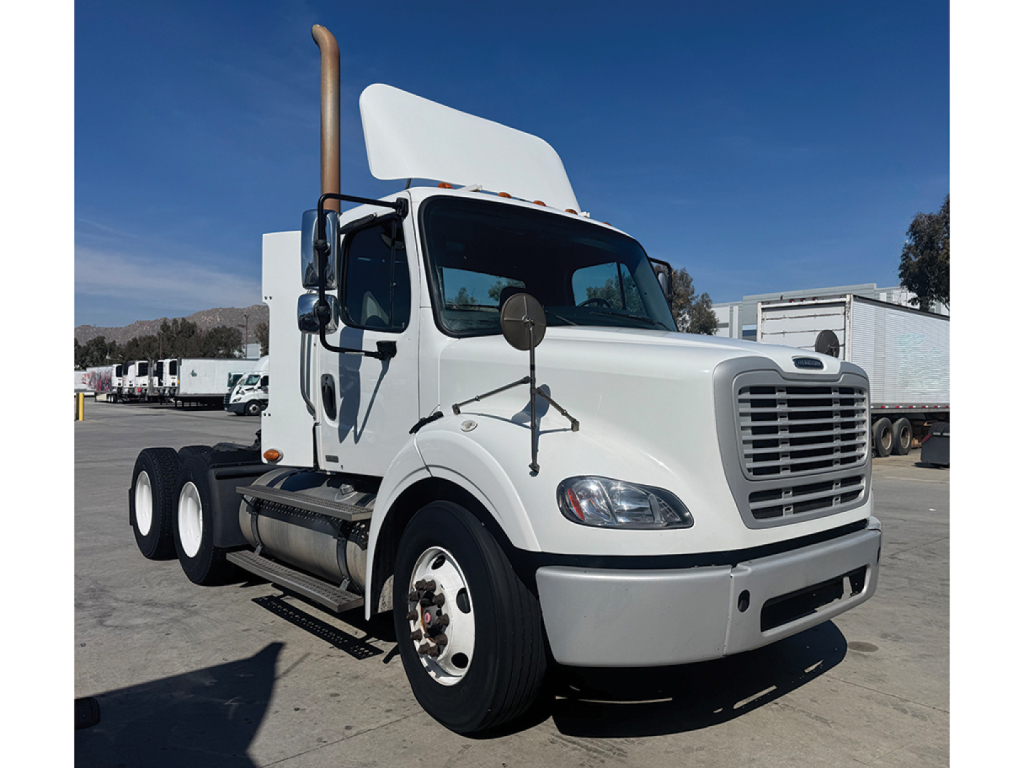
Have used 2014 conventional daycab truck to sell? List it here to reach thousands of buyers.
Used 2014 Conventional Daycab Trucks in Nevada
The 2014 model year sits in a useful part of the used truck market because many units were spec'd for serious commercial duty without the price level of newer daycabs. Common engine ranges in this class run from mid-300s to low-400 horsepower, with popular platforms such as the Detroit DD13 and similar 12 to 13 liter engines. Buyers should look closely at transmission type, rear axle ratio, and suspension setup because those three items shape how the truck actually works. A 10-speed or automated transmission, 2.79 to mid-3s gearing, and a 40,000 lb tandem rear can be a strong setup for highway-focused freight, while shorter wheelbases and more vocational-oriented specs may suit city and terminal work better.
Wheelbase, fifth wheel configuration, and cab equipment matter more on a daycab than many buyers expect. A 162-inch to 170-inch wheelbase is common in this category and can make a big difference in turning radius, bridge law flexibility, and trailer gap. An air slide or adjustable fifth wheel helps if the truck will pull different trailer lengths or needs kingpin setting flexibility. Features like air ride suspension, engine brake, disc or drum brake configuration, aluminum fuel tanks, roof fairings, cab extenders, and low-profile 22.5 tires all affect operating cost and route suitability. If the truck will stay on dry van or reefer work, aero equipment can help. If it will move heavier loads or operate in mixed service, durability and axle spec usually matter more than appearance.
On a used 2014 conventional daycab, inspection priorities should include emissions system service history, clutch or automated transmission condition, front axle wear, suspension bushings, brake life, fifth wheel wear, and signs of frame or crossmember repairs. In Nevada, heat exposure also makes cooling system condition, A/C performance, tires, and wiring worth extra attention. A well-matched 2014 daycab can still be a productive fleet truck or owner-operator tractor when the spec lines up with the freight. The best buying decision usually comes down to matching horsepower, gearing, wheelbase, and rear axle capacity to the trailer type and the length of haul.
Frequently Asked Questions about Used 2014 Conventional Daycab Trucks in Nevada
What is a conventional daycab truck used for?
A conventional daycab truck is used for freight operations that do not require overnight accommodations for the driver. Typical applications include regional hauling, local shuttle work, drayage, tanker service, dump and transfer work, and dedicated short-haul lanes. Because there is no sleeper, the chassis is often lighter and easier to maneuver than a sleeper tractor, which can be an advantage in city traffic, tight yards, and frequent stop locations.
What should I look for when buying a used 2014 conventional daycab?
Focus first on the truck's original spec and how it matches the work. Check engine horsepower and torque, transmission type, rear axle ratio, tandem axle rating, wheelbase, and fifth wheel setup. Then review maintenance records for the emissions system, cooling system, brakes, suspension, and driveline. On a 2014 model, it is also smart to inspect clutch wear on manual units, fault history on automated transmissions, frame condition, and evidence of hard vocational use if the truck was not strictly highway operated.
Is a 2014 daycab good for highway freight or mainly local work?
A 2014 daycab can be very effective in highway freight if it has the right spec. Trucks with aerodynamic fairings, air ride suspension, taller rear axle gearing, and engines in the 400 horsepower range are commonly used on regional dry van, reefer, and container lanes. Shorter wheelbase units with more basic aero equipment may be better suited to local or terminal work. The application depends less on the model year and more on the drivetrain, axle ratio, and chassis configuration.
Why does wheelbase matter on a conventional daycab?
Wheelbase affects turning radius, weight distribution, trailer gap, and the truck's ability to work with different trailer lengths and kingpin settings. A shorter wheelbase can be easier in tight urban environments and crowded loading areas, while a slightly longer wheelbase may ride better and offer more flexibility for certain trailer combinations. Buyers should compare wheelbase with the intended trailer type, axle spread requirements, and the need for an adjustable or air slide fifth wheel.
Are used 2014 conventional daycabs a good value in Nevada?
They can be, especially for fleets and owner-operators who need a working tractor without moving into the higher cost of newer model years. Nevada buyers should pay close attention to cooling system performance, air conditioning, tire condition, and signs of heat-related wear because desert operation can be hard on those components. A properly maintained 2014 conventional daycab can still deliver solid service life if the engine, driveline, and chassis spec are appropriate for the freight.