
Used International Conventional Daycab Trucks For Sale in Nevada
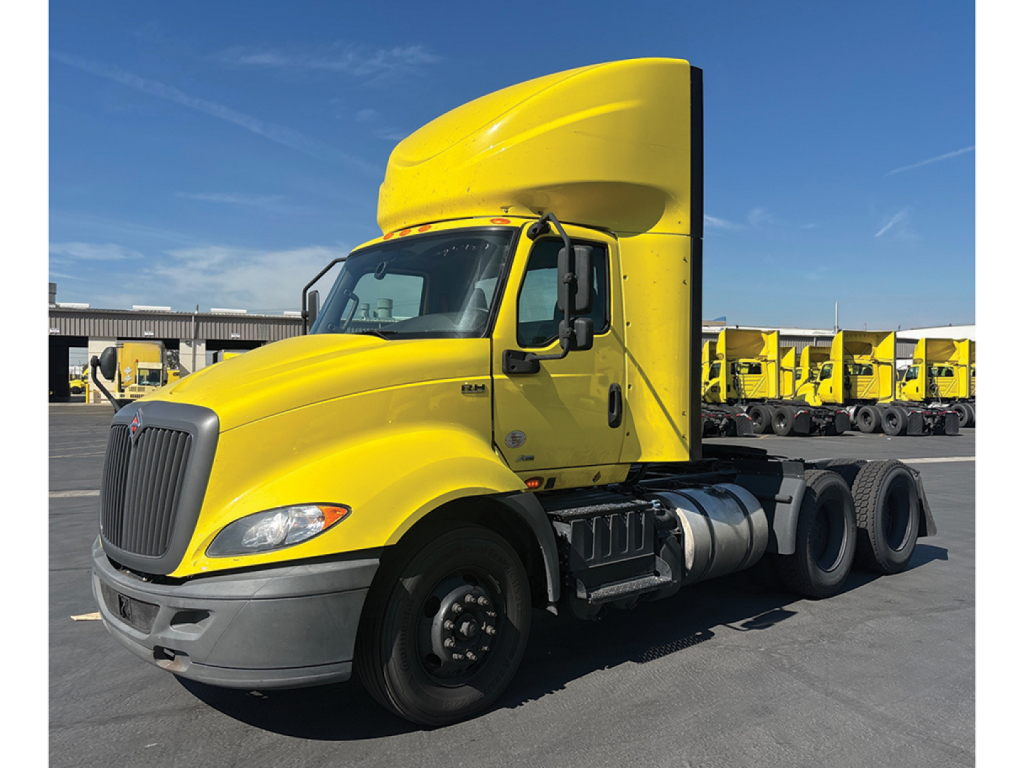
2023 International RH613
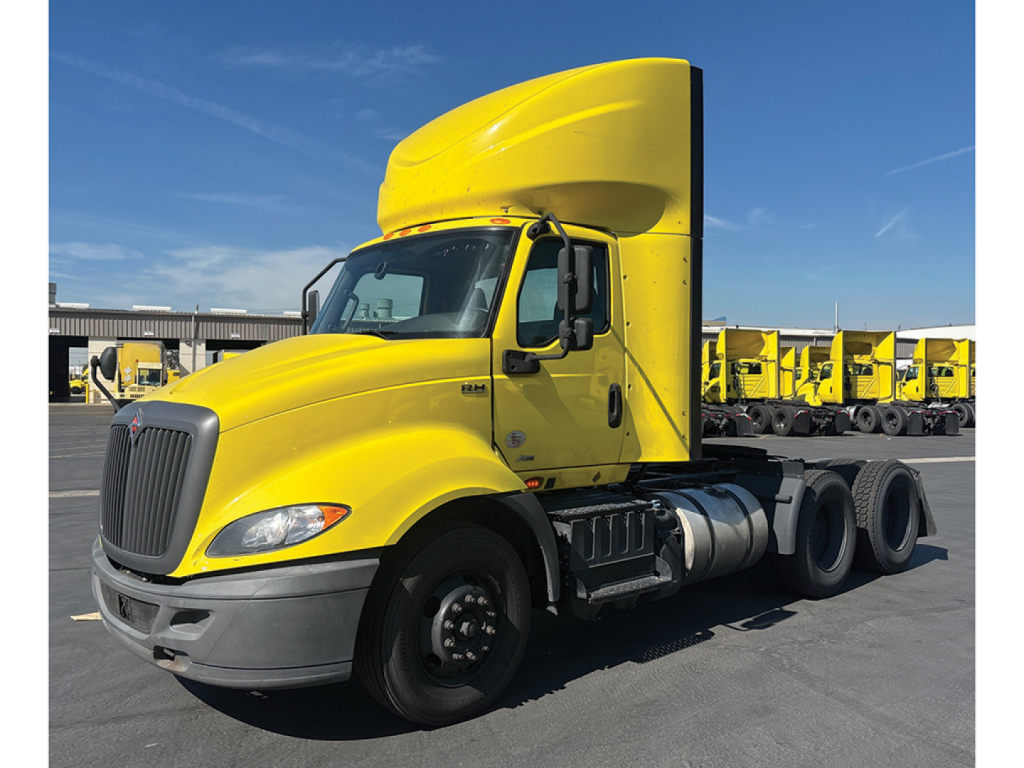
2023 International RH613
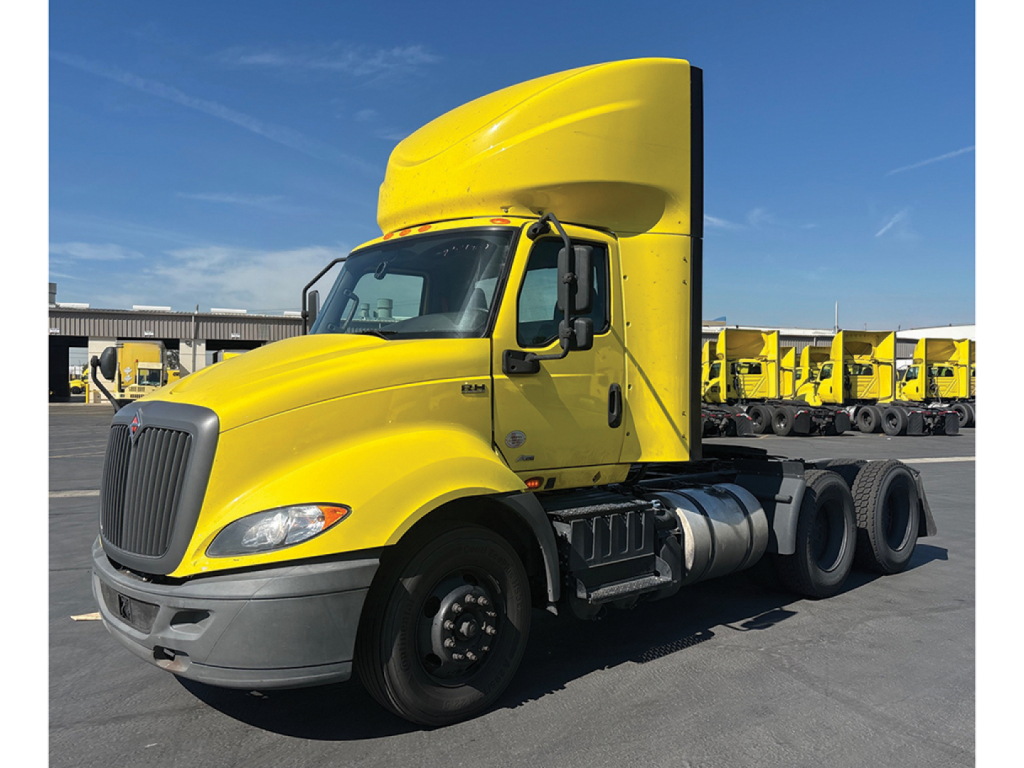
2023 International RH613
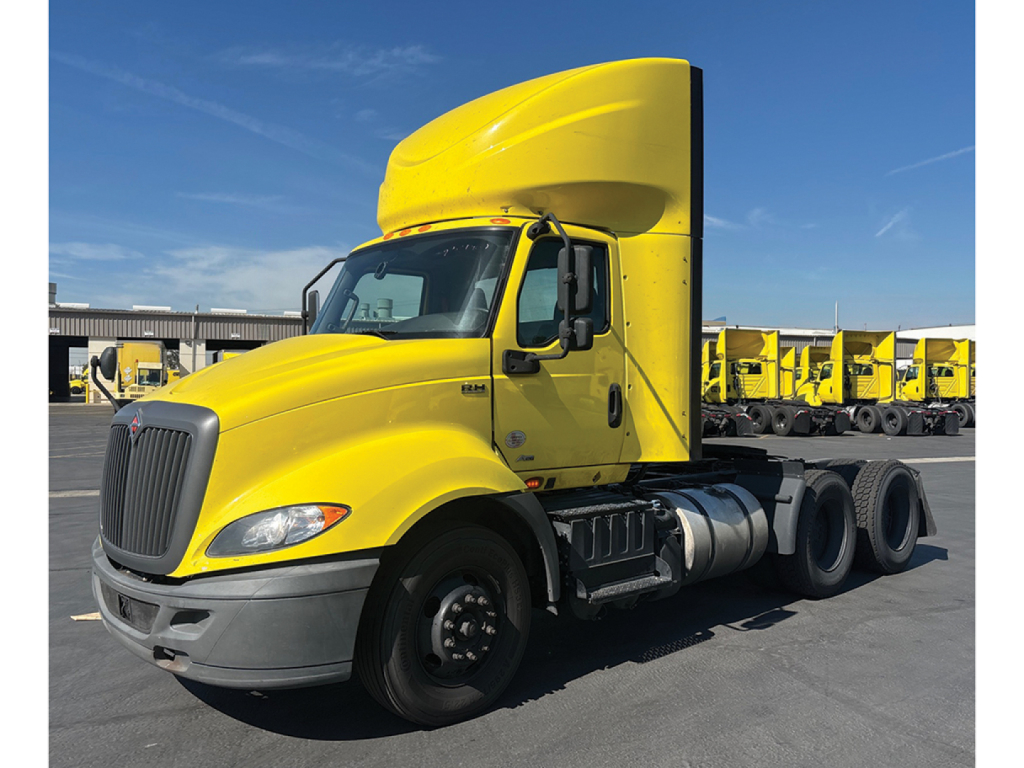
2023 International RH613
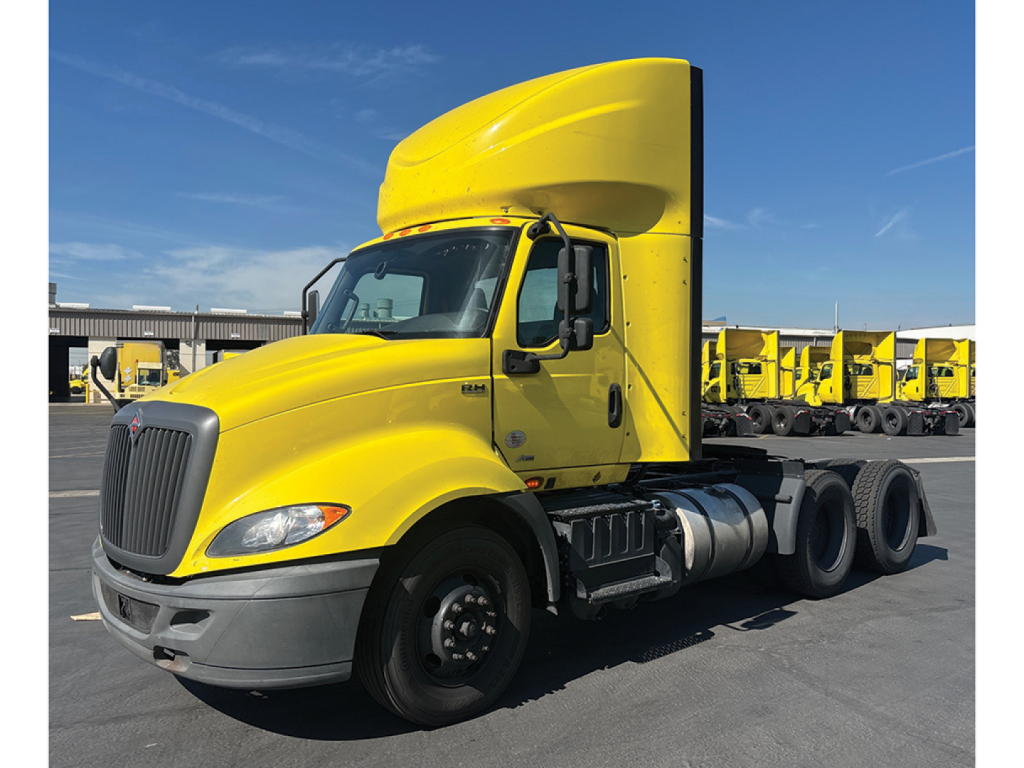
2023 International RH613
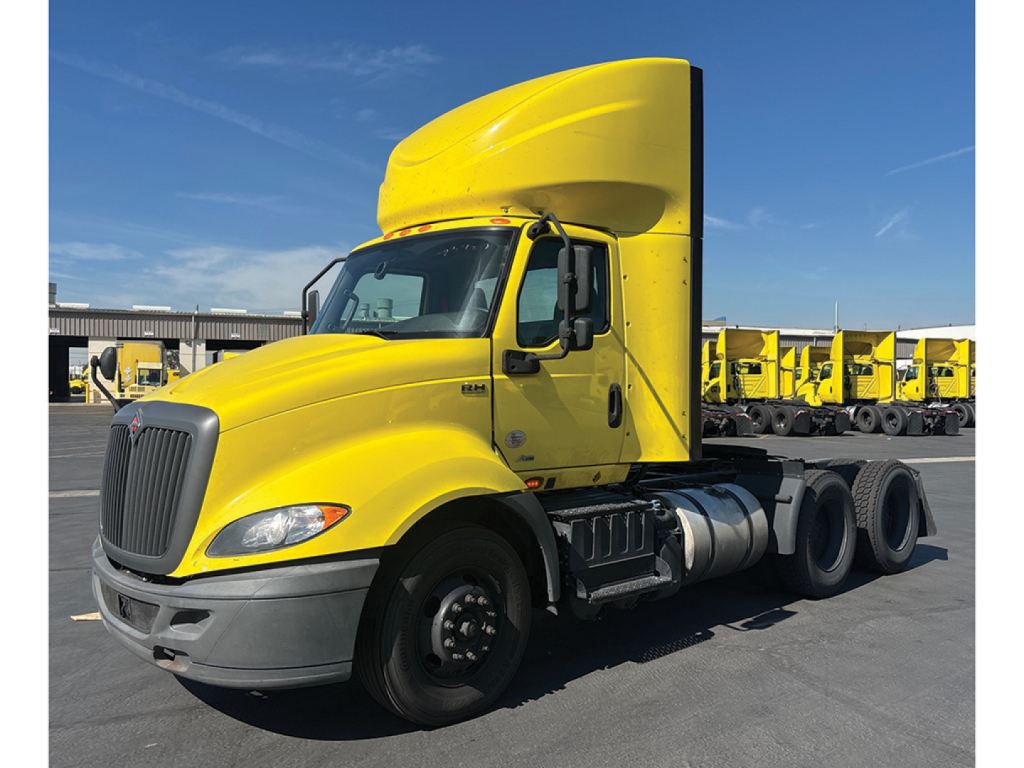
2023 International RH613
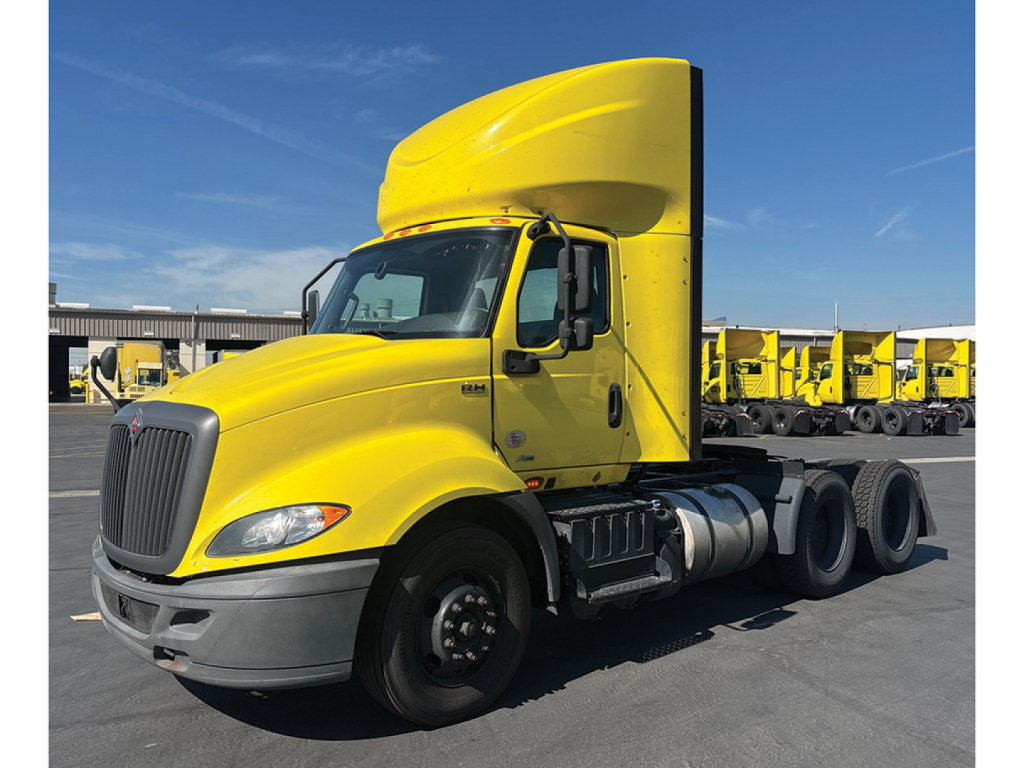
2023 International RH613
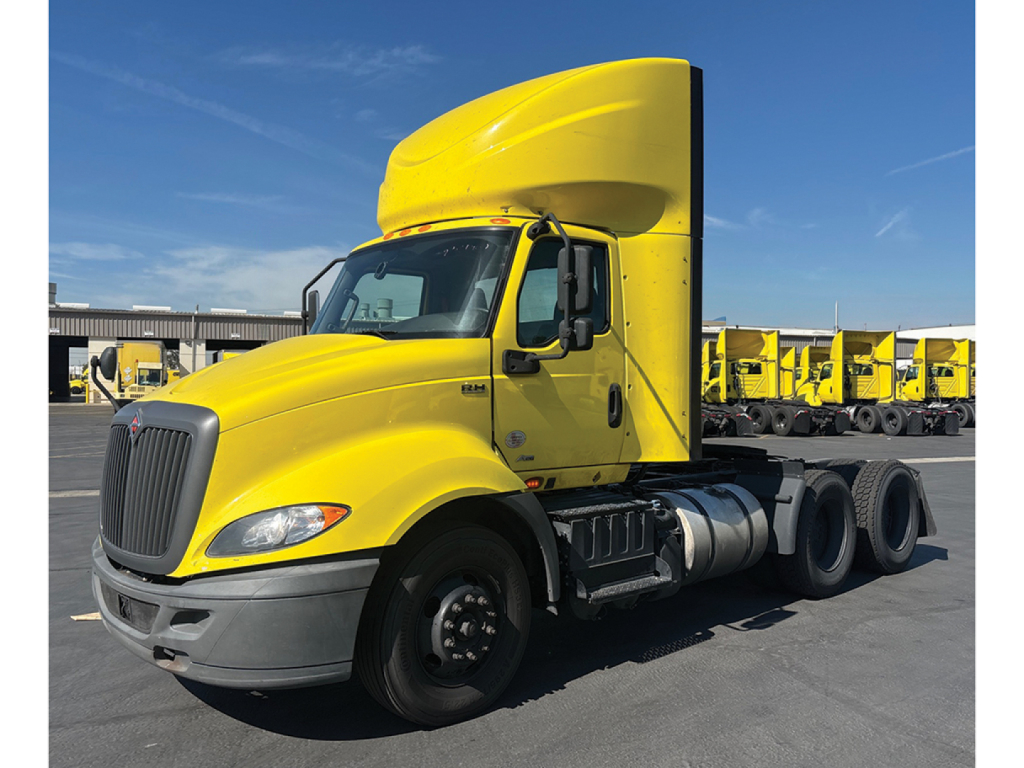
2023 International RH613
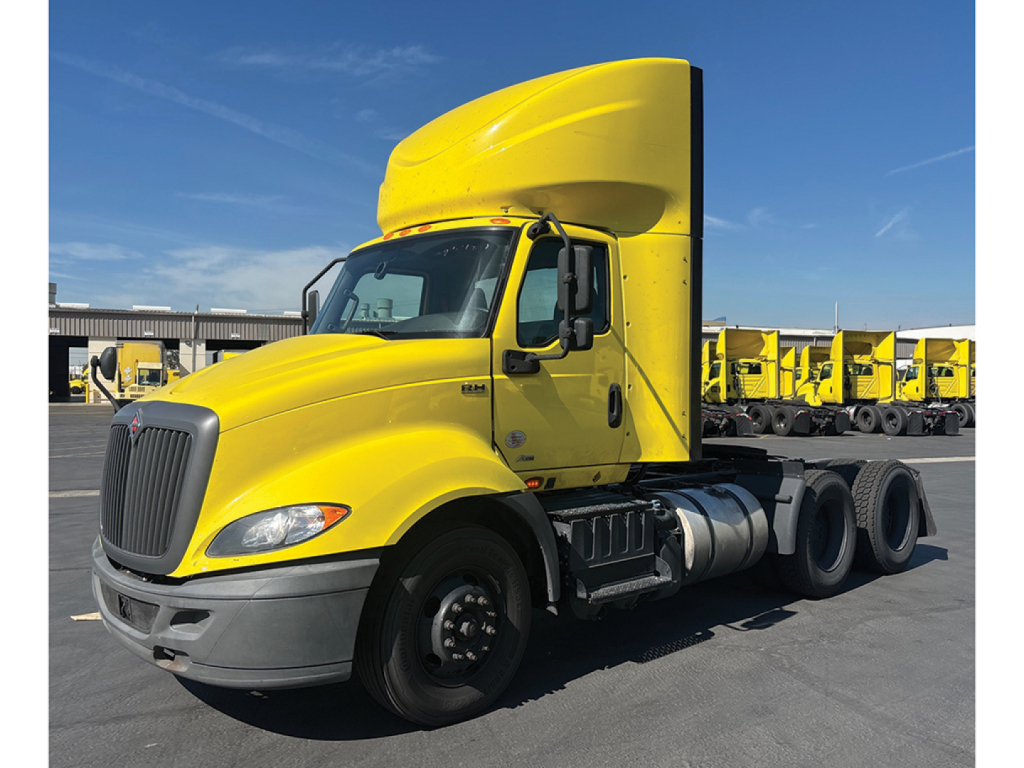
2023 International RH613
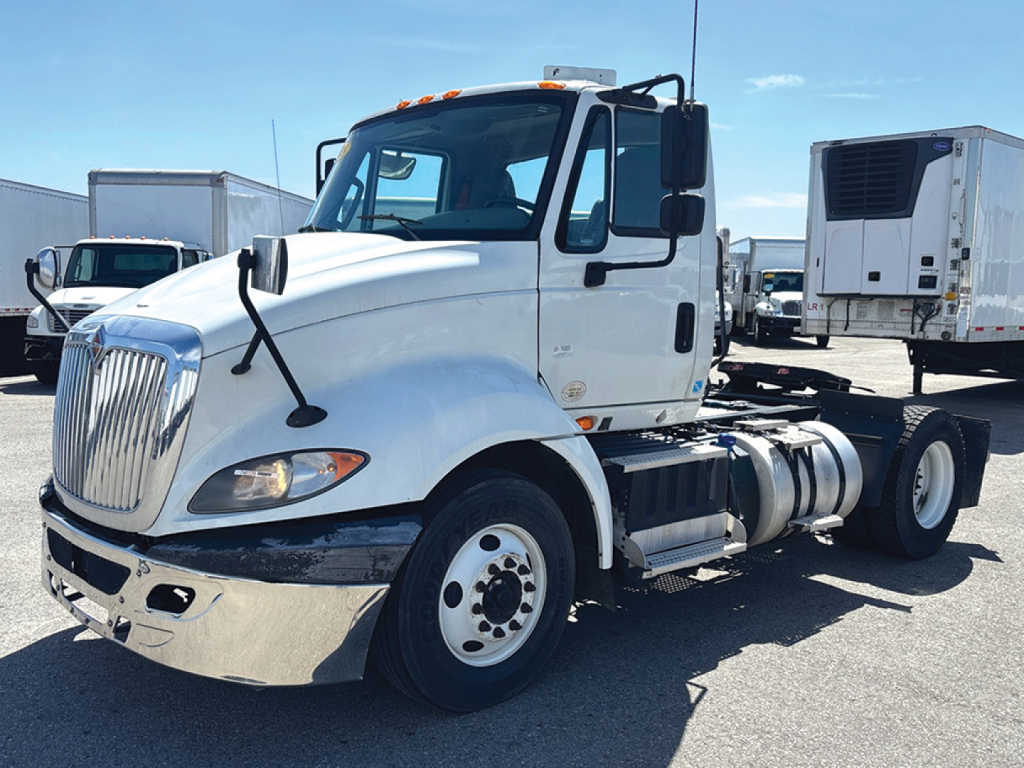
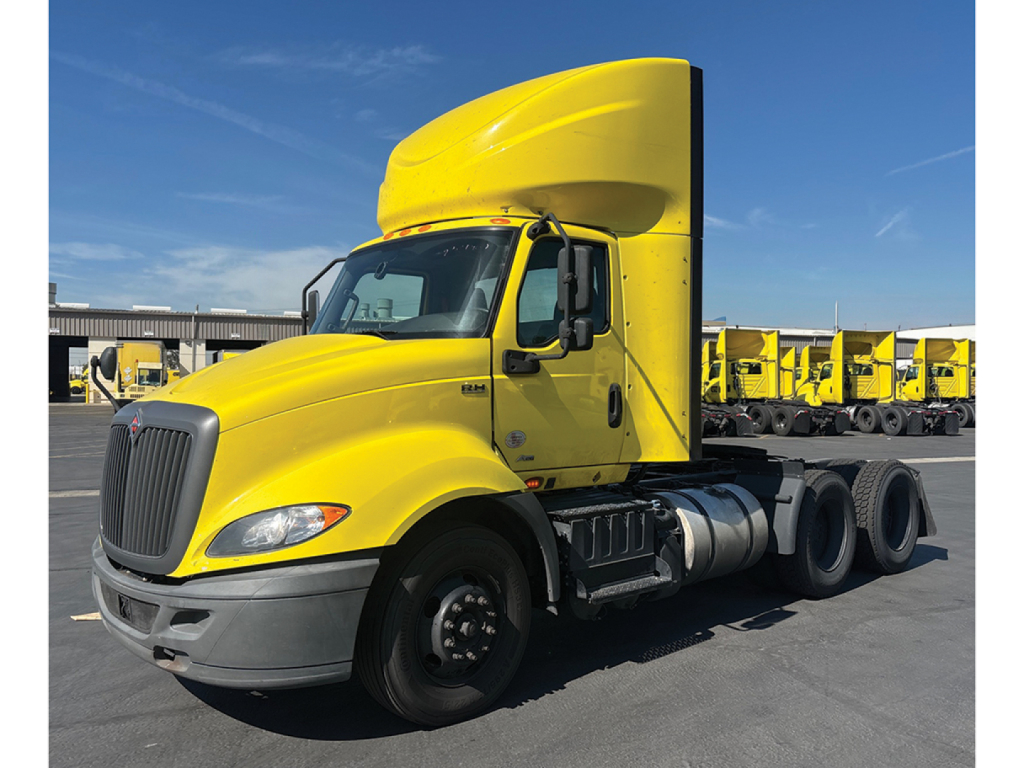
2023 International RH613
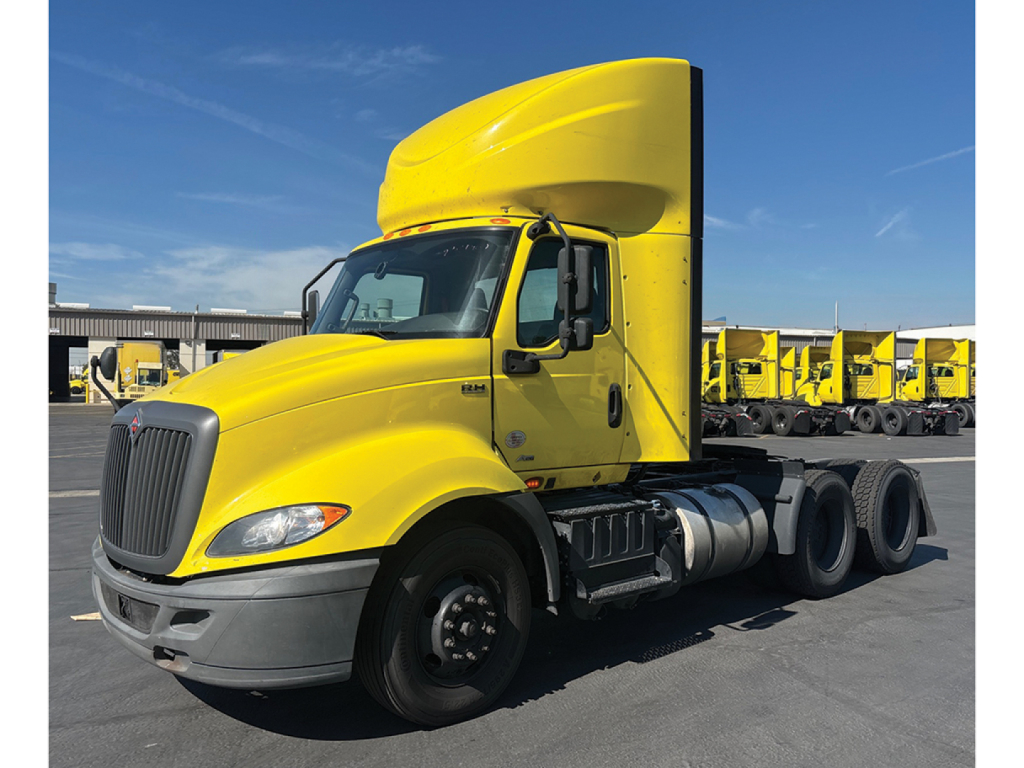
2023 International RH613
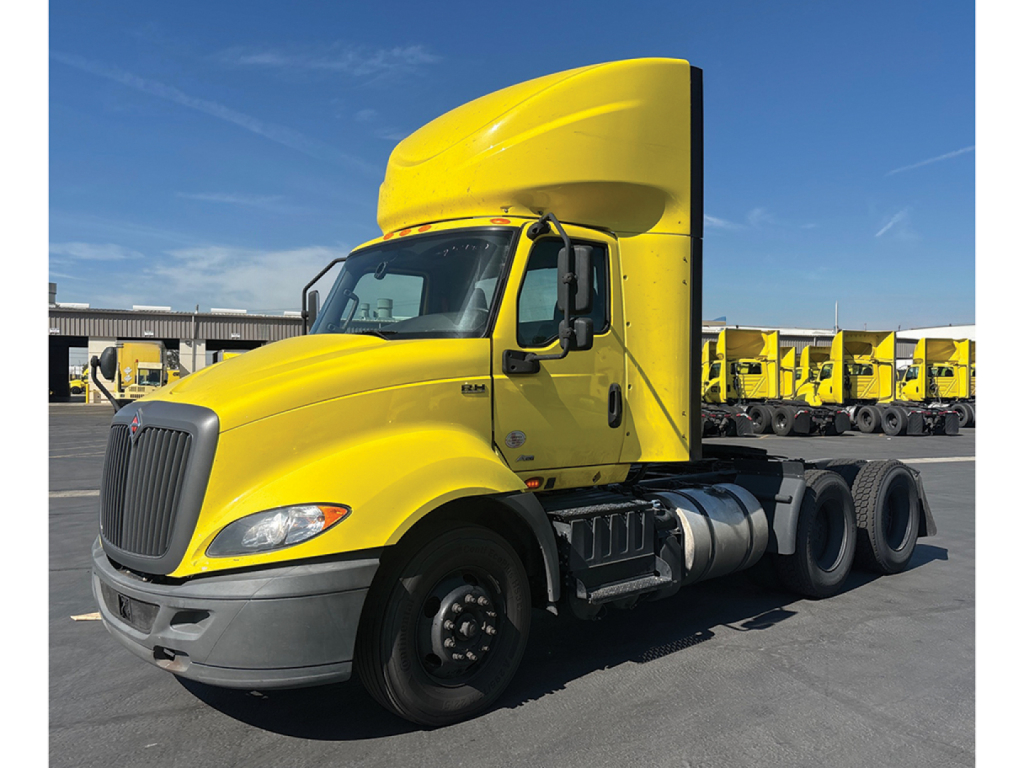
2023 International RH613
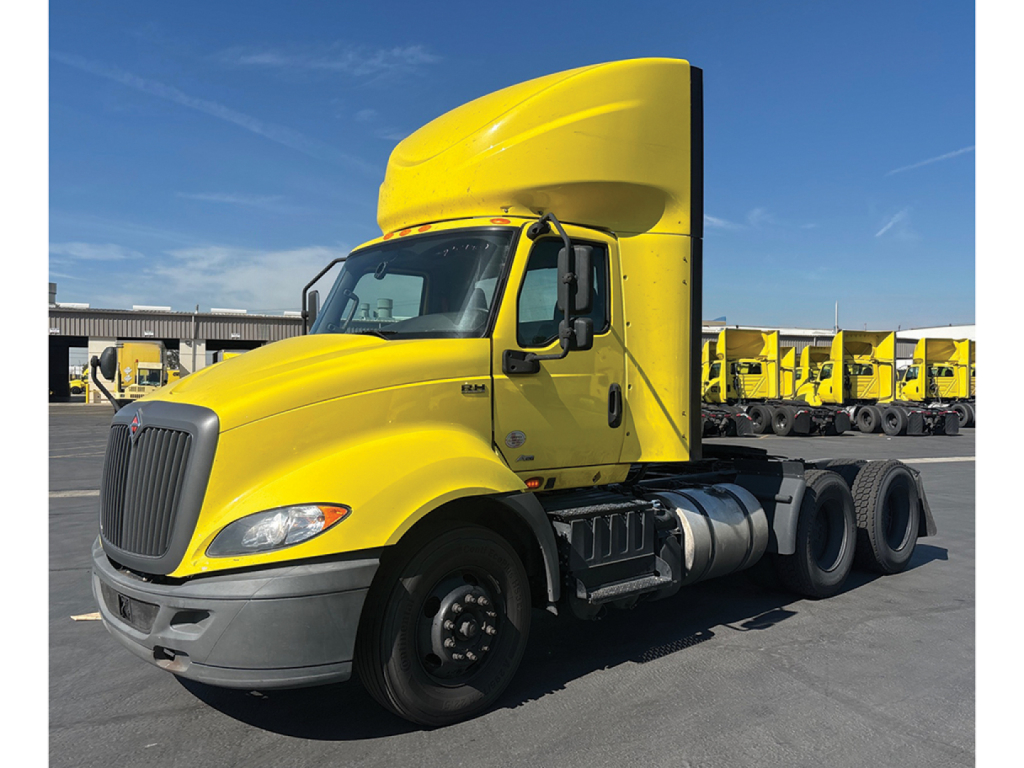
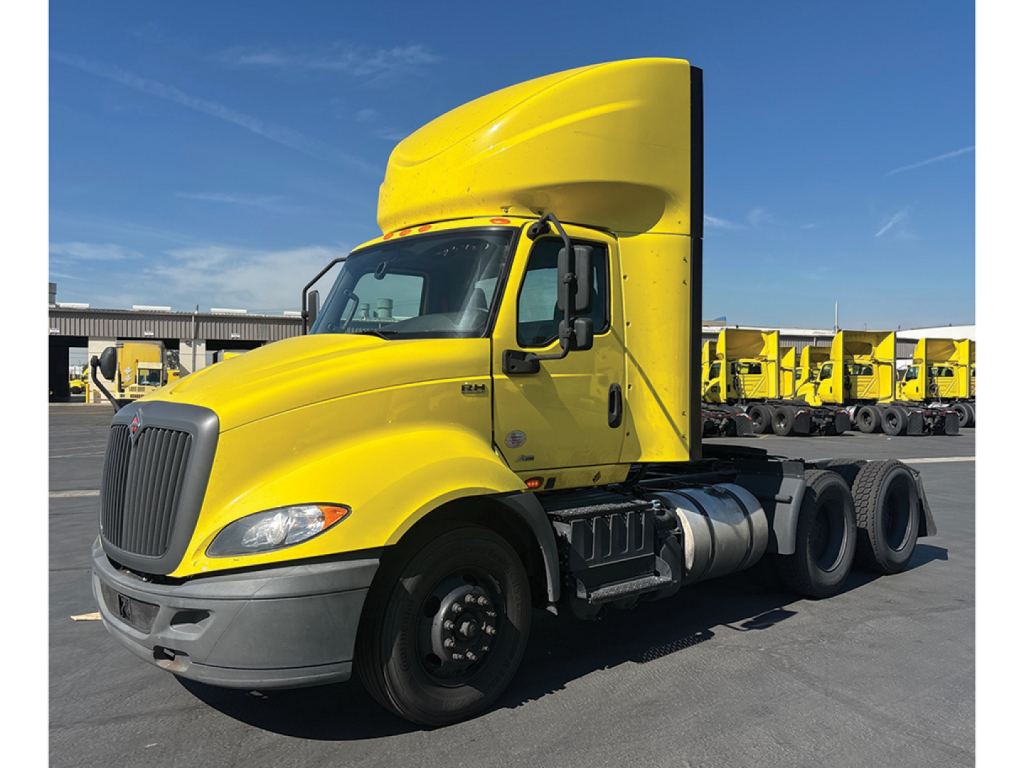
Have used international conventional daycab truck to sell? List it here to reach thousands of buyers.
Used International Conventional Daycab Trucks in Nevada
For most buyers, the first decision is drivetrain specification. Many used International daycab tractors in this class are equipped with the Navistar A26 in ratings around 400 to 450 horsepower, often matched to an automated manual transmission. That setup fits regional van, reefer, and intermodal lanes where fuel economy matters as much as pull. Pay close attention to rear axle rating, ratio, and wheelbase. A 40,000 lb tandem with a faster ratio such as 2.79 and a wheelbase around 175 inches is typically aimed at highway and regional service, not heavy start-stop vocational work. An adjustable fifth wheel, engine brake, air ride suspension, and dual fuel tanks are all important features if the truck will see mixed trailer lengths or longer daily mileage.
Cab and chassis details matter more on a daycab than many buyers expect. Roof fairings, cab extenders, and low-profile 22.5 rubber can help with aero efficiency on dry van and reefer lanes, while super singles may reduce weight and rolling resistance if that matches your maintenance program. Inside the cab, tilt-telescoping steering, air conditioning, cruise control, and power windows are standard comfort items, but active safety equipment such as collision mitigation systems deserves equal attention on newer used trucks. In a Nevada application, confirm cooling system condition, A/C performance, brake wear, and tire condition, especially on trucks that have spent time in high ambient temperatures and heavy urban cycles around Las Vegas or Reno.
A used International conventional daycab should be evaluated like a working asset, not just by year and miles. Review engine hours, idle time, service history, emissions aftertreatment maintenance, and any transmission calibration records. Check for frame modifications, fifth wheel travel, suspension wear, and alignment condition if the truck has hauled varied trailer types. Buyers comparing International to other fleet daycab brands often focus on cab ergonomics, parts support, and powertrain efficiency. When the spec is right, an International daycab can be a strong fit for fleets and owner-operators needing a practical short-haul tractor with modern controls, solid highway manners, and the durability expected from a Class 8 conventional truck.
Frequently Asked Questions about Used International Conventional Daycab Trucks in Nevada
What is an International conventional daycab truck best used for?
An International conventional daycab is best suited for regional hauling, local freight, dedicated routes, intermodal drayage, and terminal-to-terminal work. The non-sleeper cab keeps overall weight down and improves maneuverability compared with a sleeper tractor, which makes it a practical choice for operations where the driver returns home daily or does not need overnight accommodations.
What should I look for in a used International RH613 daycab?
Focus on the full operating spec, not just the model year. Key items include engine rating, transmission type, rear axle capacity, gear ratio, wheelbase, fifth wheel setup, suspension, and tire configuration. Also review maintenance records for the A26 engine, DPF and SCR service history, brake condition, engine brake operation, alignment, and any fault code or telematics history if available. These factors tell you more about fit and remaining service life than appearance alone.
Are automated transmissions common in used International daycab trucks?
Yes. Many late-model International daycabs are equipped with automated manual transmissions because they support fuel economy, reduce driver fatigue, and help standardize performance across a fleet. For buyers, the important step is confirming software calibration, clutch life where applicable, and shift quality under load, especially in urban or regional service with frequent stop-start operation.
How does axle ratio affect an International daycab tractor?
Axle ratio has a direct effect on launch performance, cruise RPM, fuel economy, and trailer application. A faster highway ratio such as 2.79 is generally better for regional or over-the-road style operation with lighter starting demands and more steady-speed miles. A deeper ratio may be a better fit for heavier loads, more grade work, or frequent starts. The right ratio depends on gross combination weight, terrain, and average road speed.
Are used International daycabs a good choice for Nevada routes?
They can be, provided the truck is spec'd for heat, speed, and daily utilization. Nevada service often puts extra emphasis on cooling system health, air conditioning performance, tire condition, and brake durability because of high temperatures and long highway stretches. A well-maintained International daycab with the right horsepower, axle ratio, and fuel capacity can perform well in regional Nevada freight service.