
Used Kenworth Conventional Daycab Trucks For Sale in Nevada
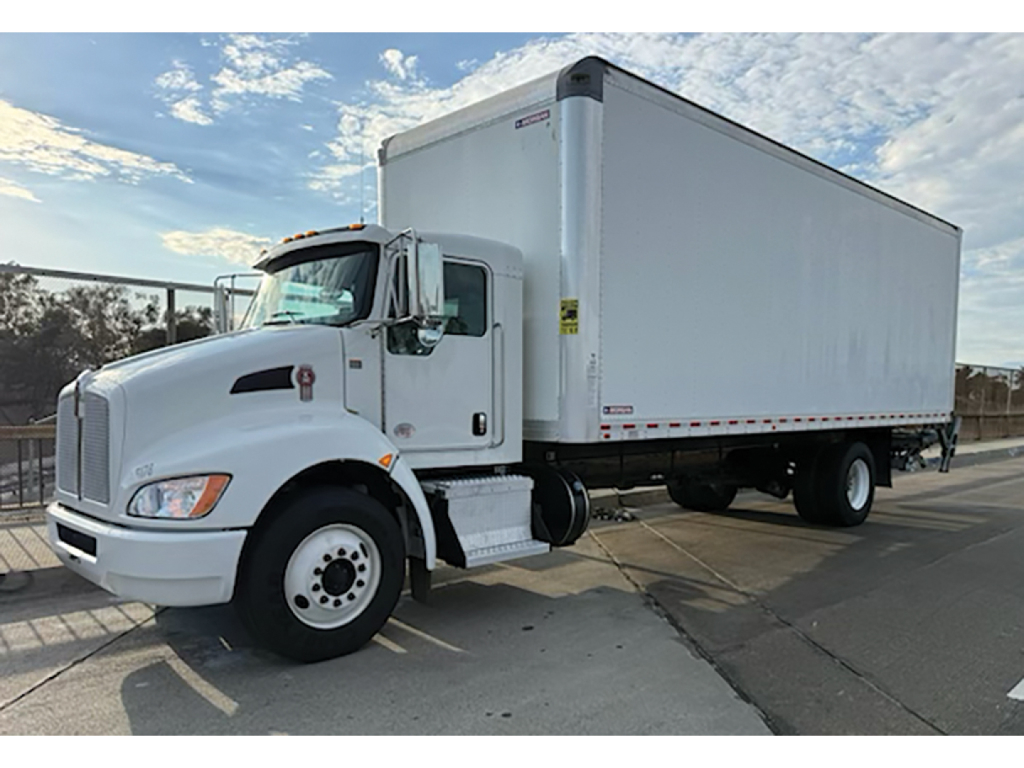
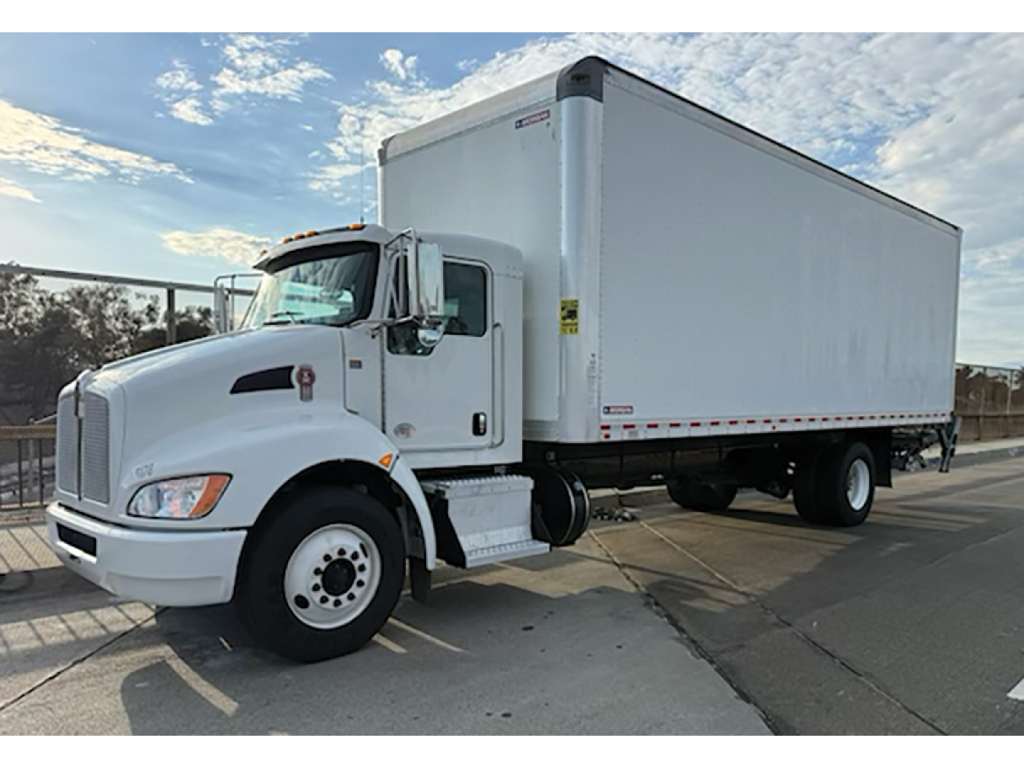
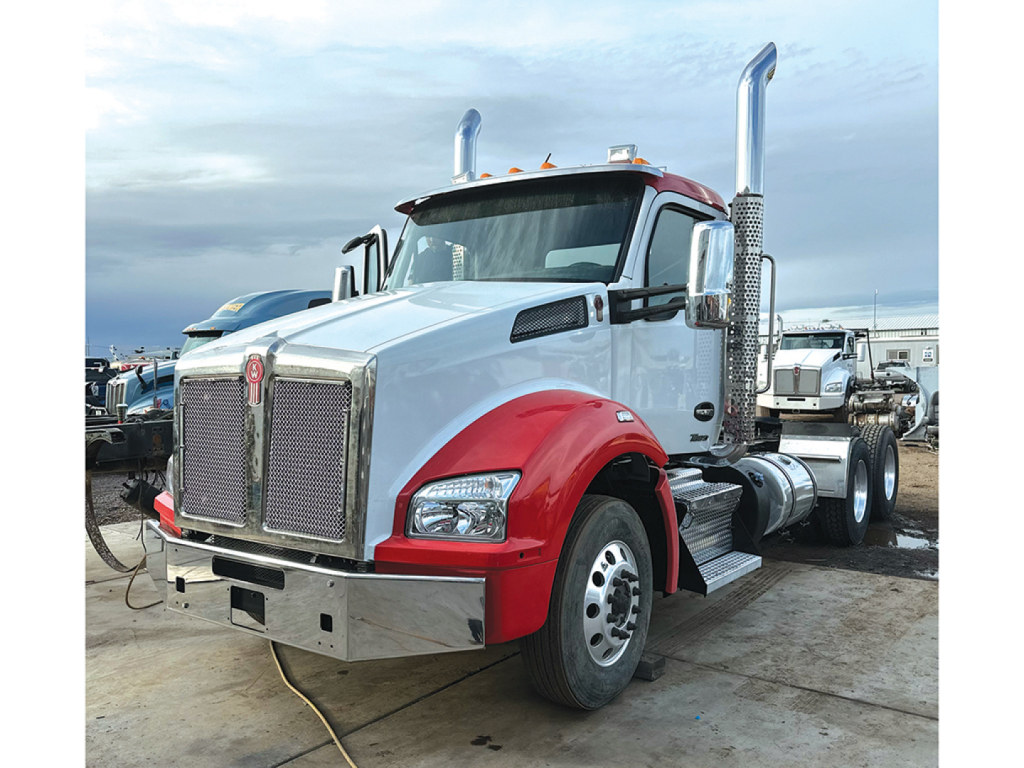
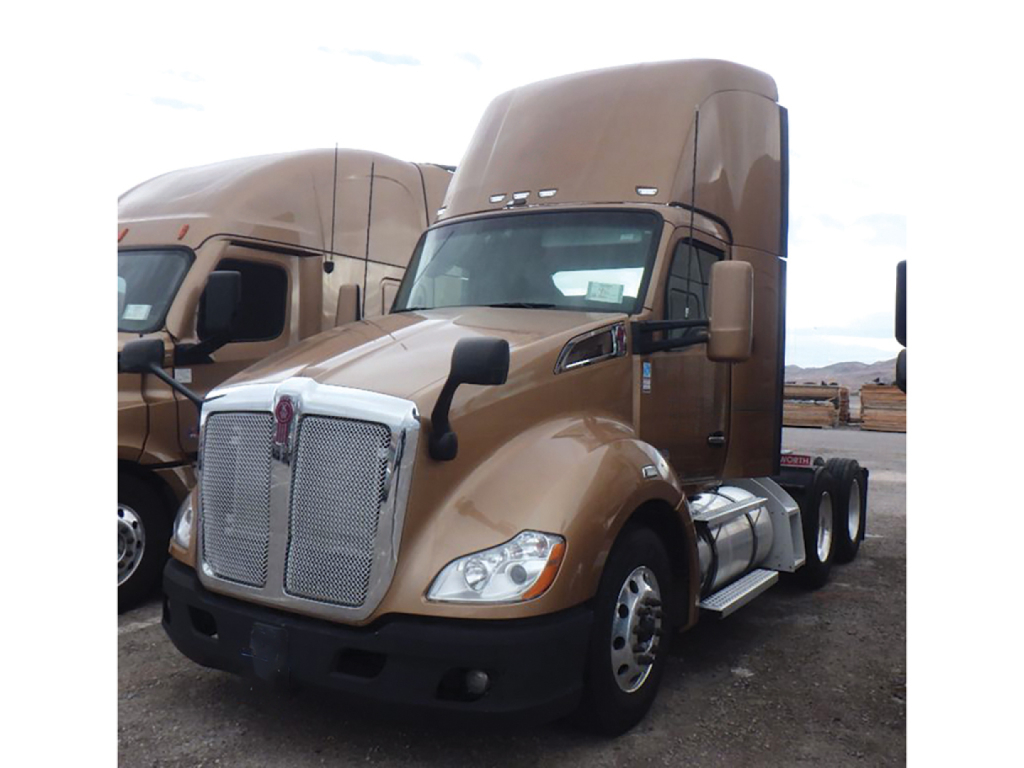
Have used kenworth conventional daycab truck to sell? List it here to reach thousands of buyers.
Used Kenworth Conventional Daycab Trucks in Nevada
Powertrain choice is one of the biggest buying decisions in a used Kenworth daycab. Late-model units commonly carry PACCAR MX-13 engines in highway and vocational tractors, with horsepower often falling in the 405 to 455 HP range, while medium-duty trucks may use the PACCAR PX-7 around the 300 HP class. Automated transmissions are common and can simplify stop-and-go urban or regional work, but buyers should still match transmission programming, rear axle ratio, and tire size to the route profile. Ratios like 2.79 favor lower cruise RPM and fuel economy on highway daycab tractors, while deeper ratios such as 3.55 or 5.29 are better suited to heavier loads, city work, or body-equipped trucks that need launch performance over road speed.
A used Kenworth daycab should also be evaluated by wheelbase, axle ratings, fifth wheel setup, and suspension. Highway tractors may have sliding fifth wheels, tandem rears in the 40,000 lb range, air ride suspension, and aerodynamic equipment like cab extenders and roof fairings. Vocational daycabs often trade some aero efficiency for durability, visibility, and chassis flexibility. On straight truck versions, buyers should pay close attention to body dimensions, liftgate capacity, floor type, E-track, scuff liners or scuff plate protection, and door configuration, because those details directly affect loading efficiency and damage control. Brake type matters too, with air disc brakes becoming more common on newer units for improved stopping consistency and easier service planning.
In Nevada, daycab trucks are often chosen for Las Vegas metro routes, regional freight lanes, construction support, and warehouse distribution where sleeper space is unnecessary. Heat load, idle strategy, and cab comfort are practical concerns in this market, so air conditioning performance, insulation, and cooling system service history deserve a close look. Kenworth remains a strong choice in the used market because parts support is broad, driver acceptance is high, and specs can be found across fuel-conscious fleet tractors, heavy vocational setups, and body-ready medium-duty platforms. The best unit is the one whose axle ratio, wheelbase, engine rating, and chassis spec already match the work, because changing a daycab after purchase can get expensive quickly.
Frequently Asked Questions about Used Kenworth Conventional Daycab Trucks in Nevada
What is the difference between a Kenworth T680 daycab and a T880 daycab?
A Kenworth T680 daycab is typically built for regional or highway-focused hauling where aerodynamics, fuel economy, and driver comfort are priorities. A T880 daycab is generally a more vocational platform with heavier-duty chassis options, stronger front-end specifications, and configurations better suited to dump, mixer, equipment hauling, or severe-service work. Buyers should compare axle ratings, wheelbase, suspension, bumper and hood configuration, and PTO compatibility rather than choosing by model name alone.
What should I check first on a used Kenworth conventional daycab?
Start with the powertrain and chassis match for the intended application. Engine family, horsepower, transmission type, rear axle ratio, wheelbase, suspension, and axle ratings should all fit the job before cosmetic condition becomes a factor. After that, review maintenance records, engine hours, aftertreatment history, brake wear, tire condition, steering play, and any signs of frame modification or uneven loading. On a tractor, inspect the fifth wheel and kingpin contact area. On a straight truck, inspect the body, floor, liftgate, and cargo securement components.
Are automatic transmissions common in used Kenworth daycab trucks?
Yes. Automated and automatic transmissions are very common in late-model Kenworth daycab trucks, especially in regional, local delivery, and fleet service. They reduce driver fatigue in stop-and-go traffic and help standardize operation across multiple drivers. The key is making sure the transmission calibration and axle ratio suit the route. A truck geared for highway fuel economy may feel sluggish in urban heavy-load service, while a deeper ratio may raise RPM at cruise.
Is a daycab better than a sleeper for Nevada regional work?
For local and regional routes that return to base daily, a daycab is often the better fit. It cuts empty weight, shortens overall length, and can improve maneuverability in yards, docks, and urban areas. It also avoids paying for sleeper space that is not being used. In Nevada, where operations may involve city delivery, terminal-to-terminal freight, or construction support around Las Vegas and surrounding areas, a daycab is often the more efficient spec as long as the route does not require overnight rest in the truck.
Can a Kenworth daycab be a straight truck instead of a tractor?
Yes. In this category, some Kenworth conventional daycab units are tractors and others are straight trucks built with van bodies, flatbeds, service bodies, or other vocational equipment. A medium-duty model like the T270 is commonly found as a straight truck, and the body specification is a major part of the truck's value. Buyers should confirm GVWR, body length, floor construction, door type, liftgate rating, and cargo-control features to make sure the truck fits the freight or service application.