
Used 2017 Bus Trucks For Sale in New York
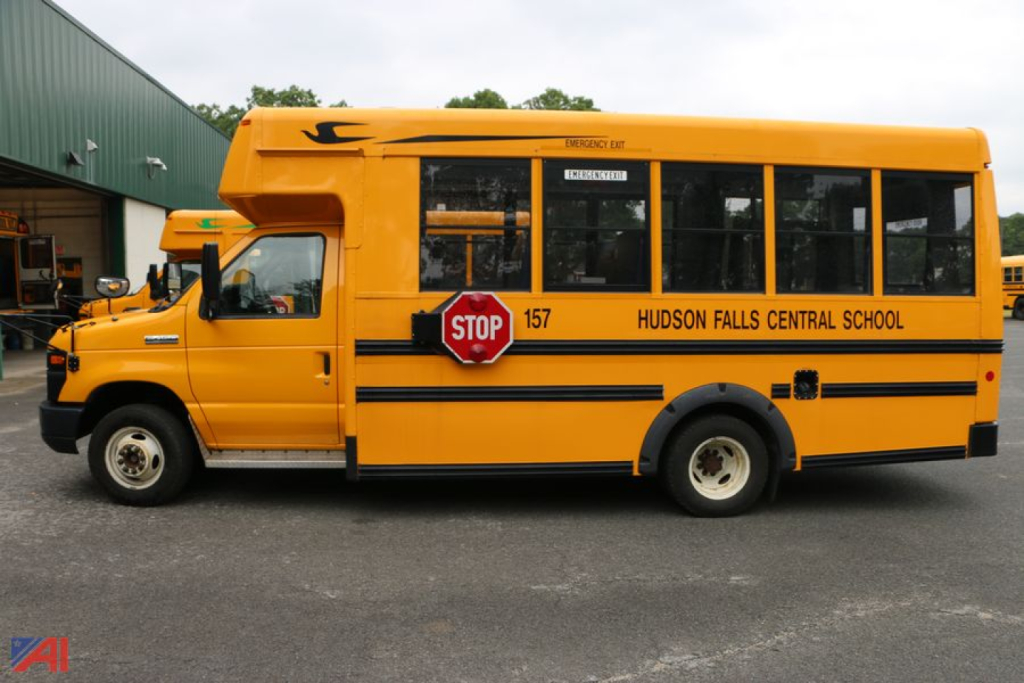
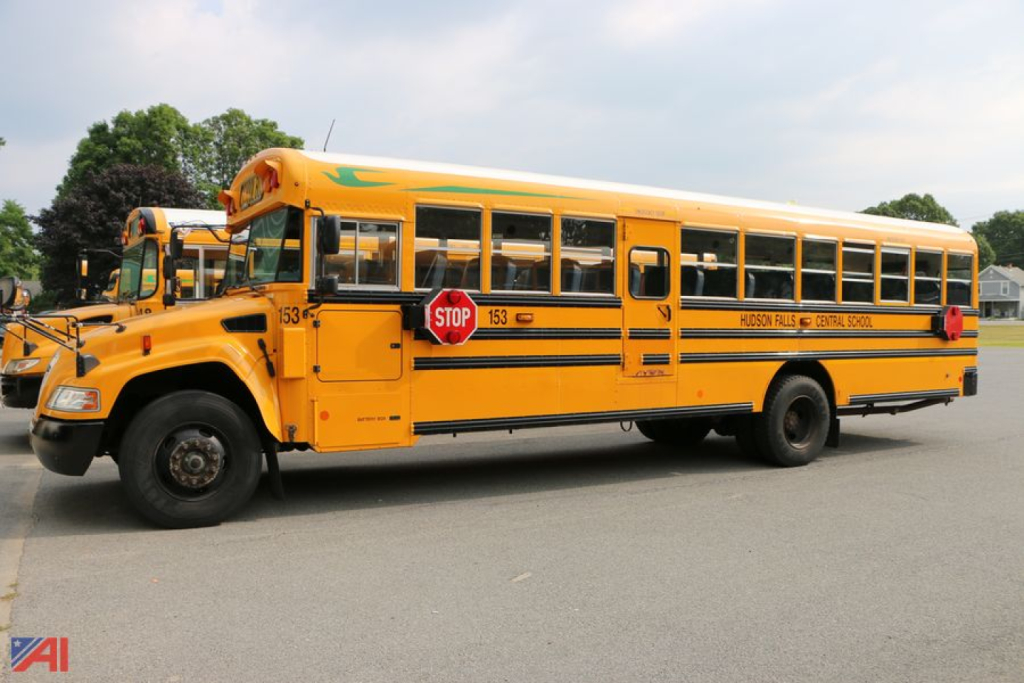
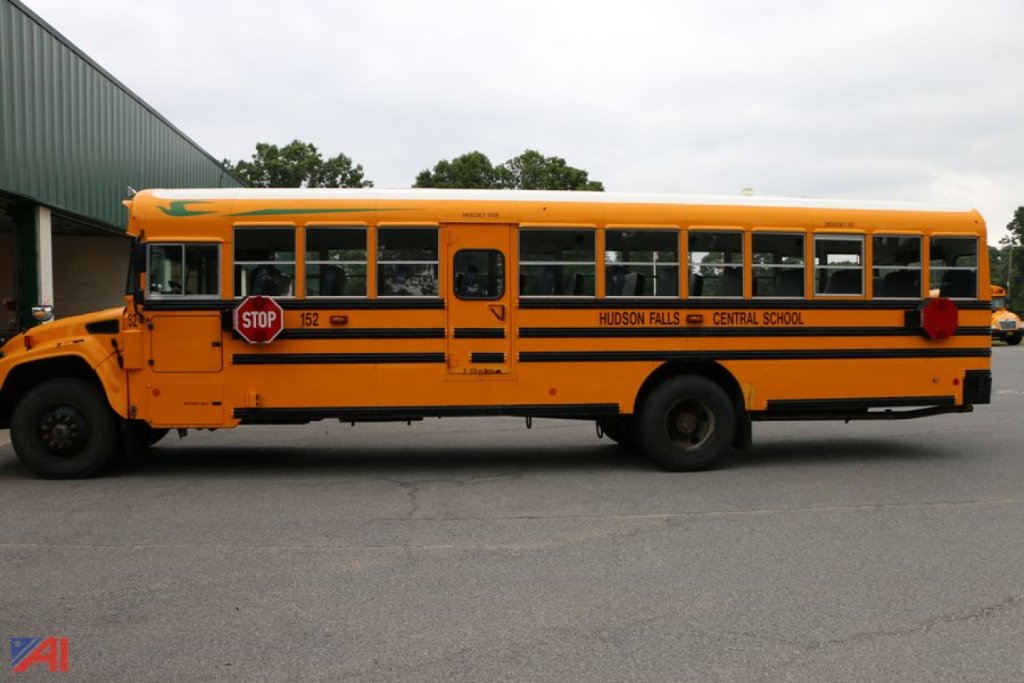
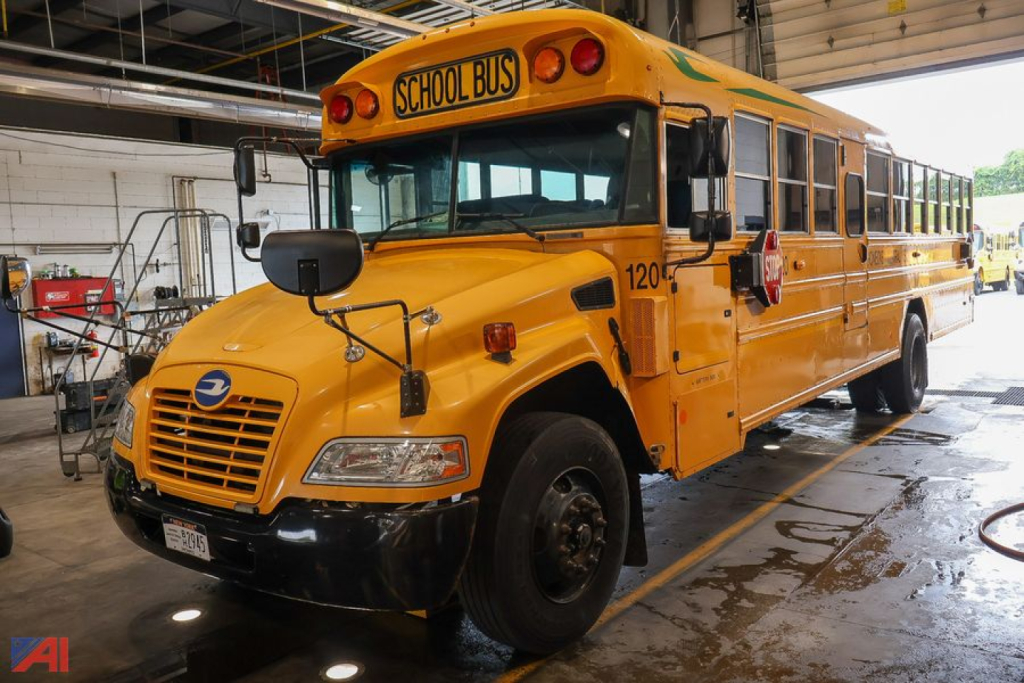
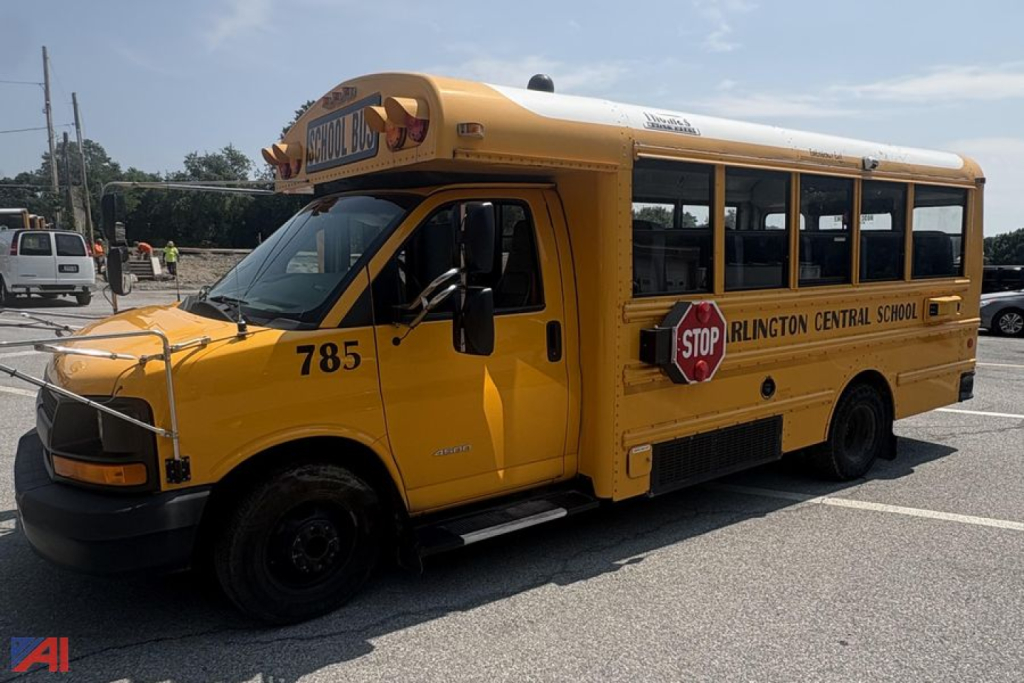
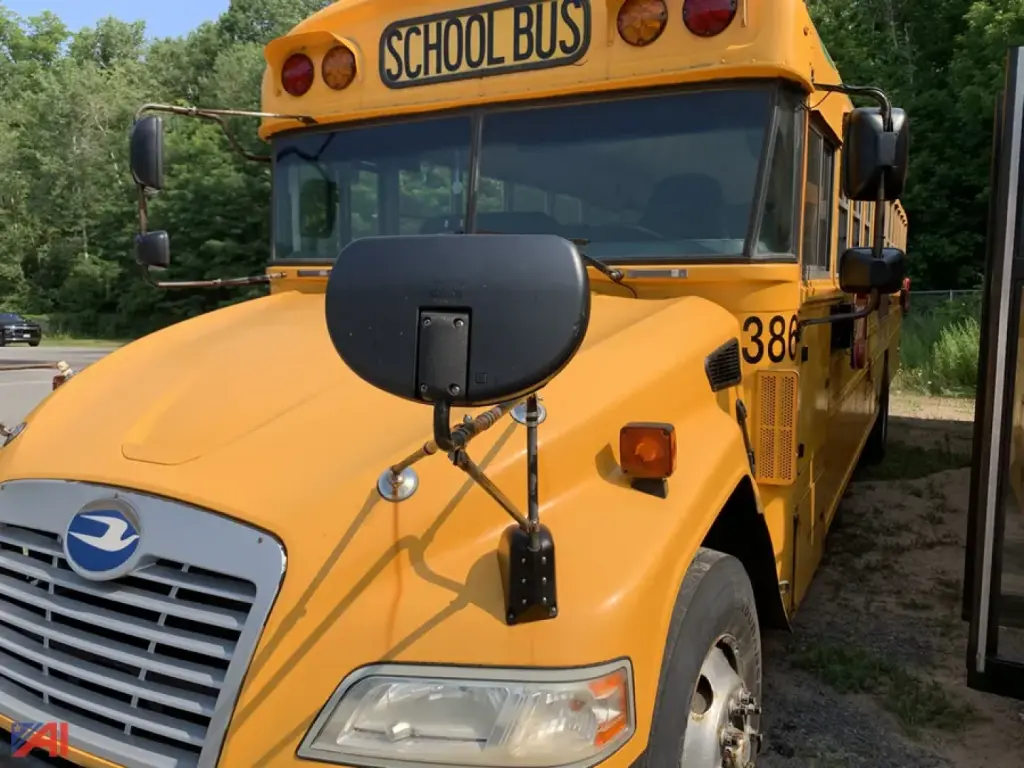
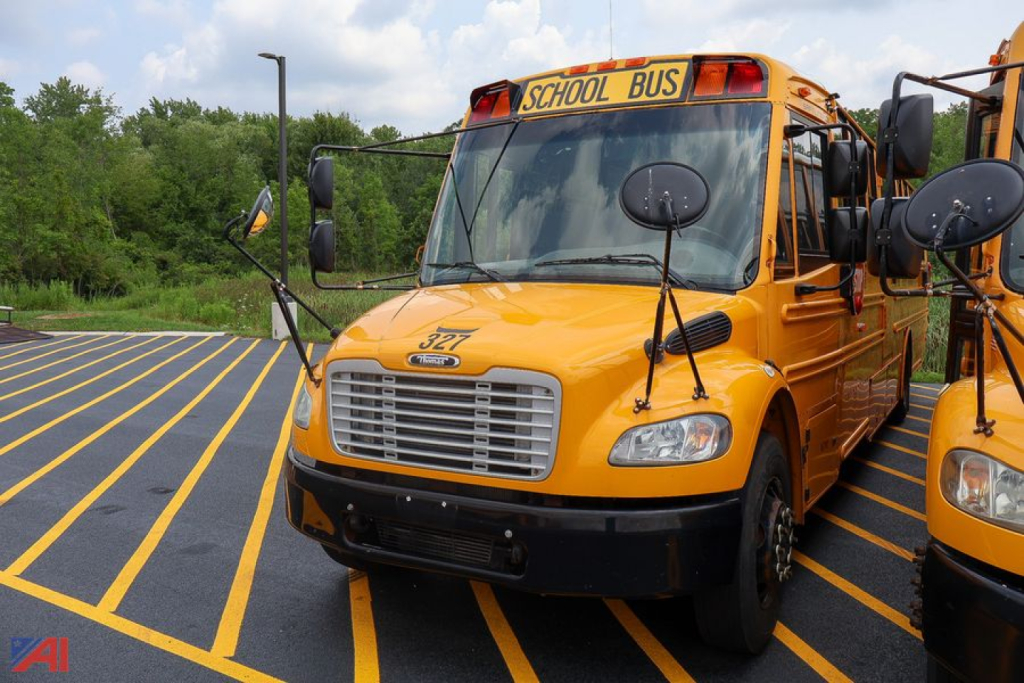
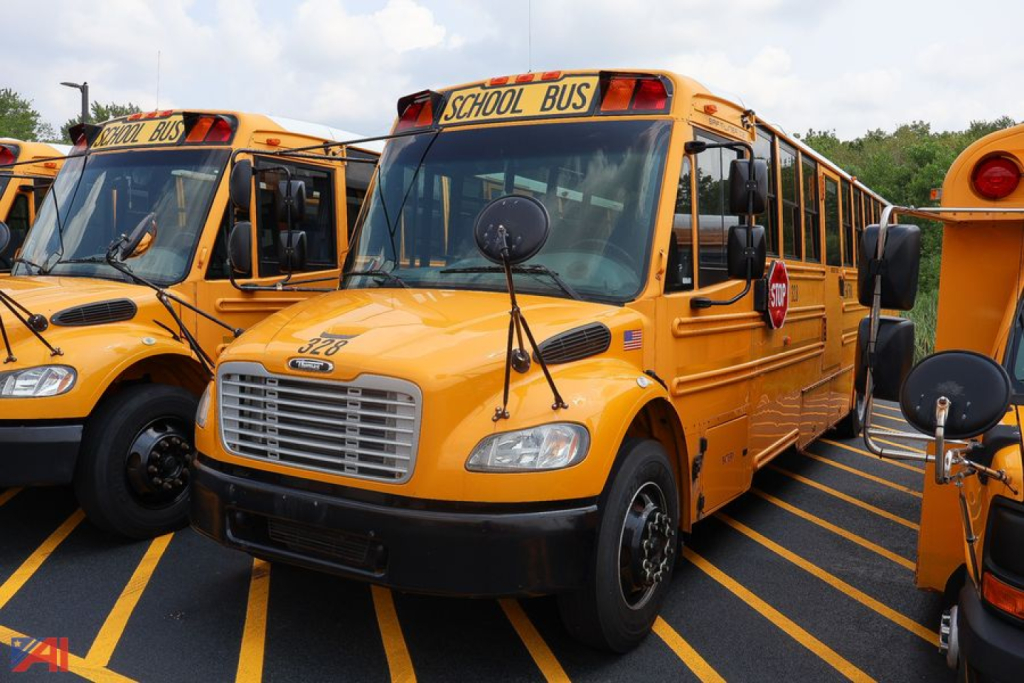
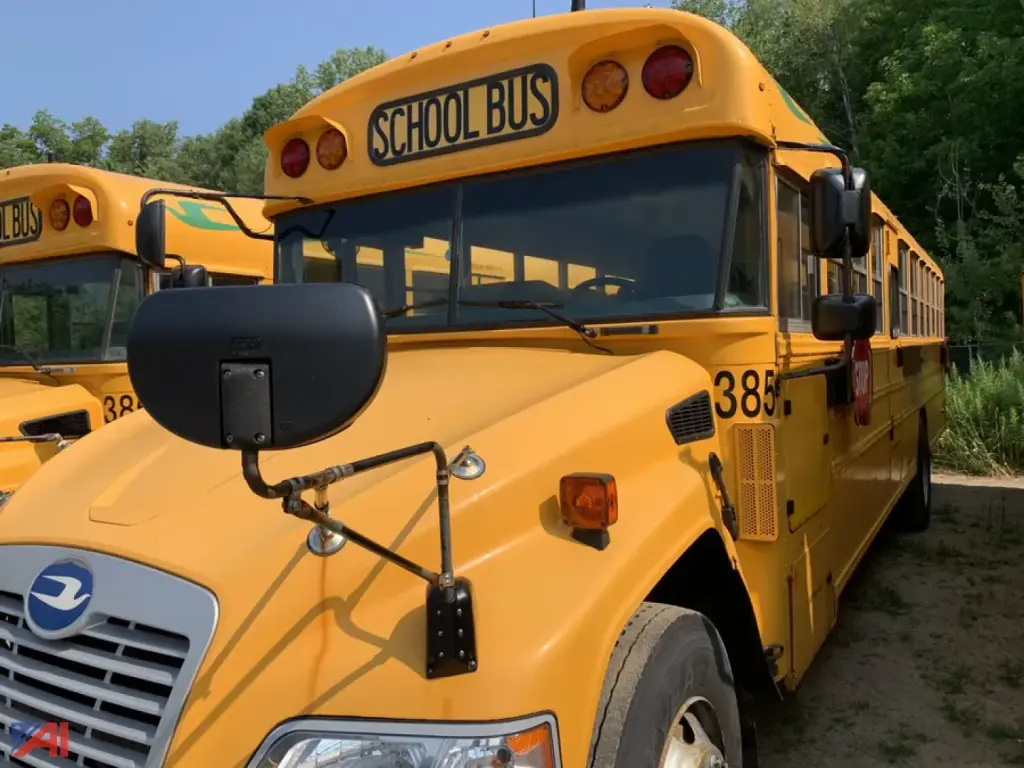
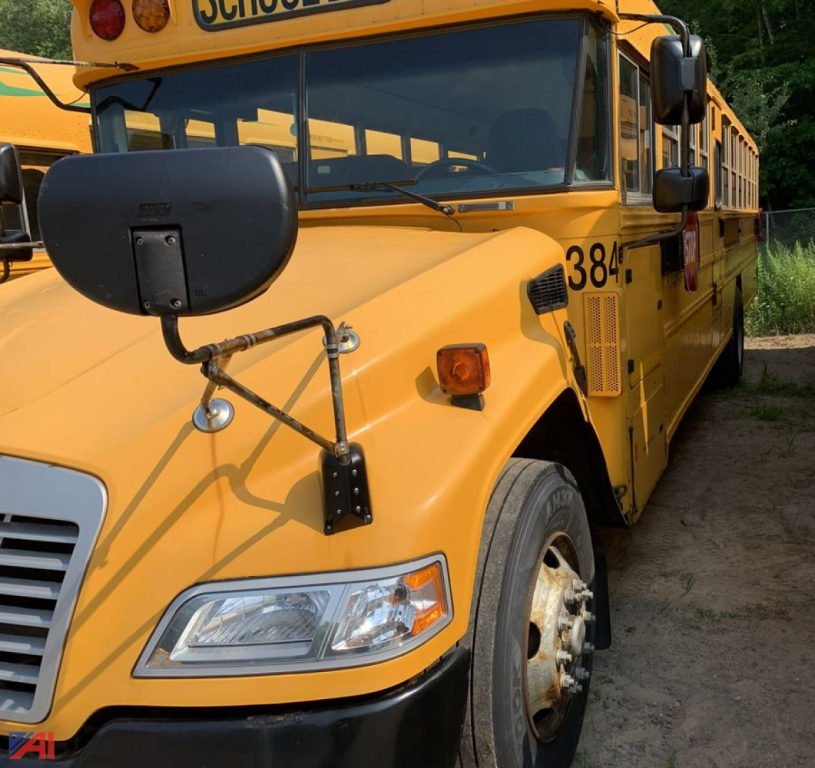
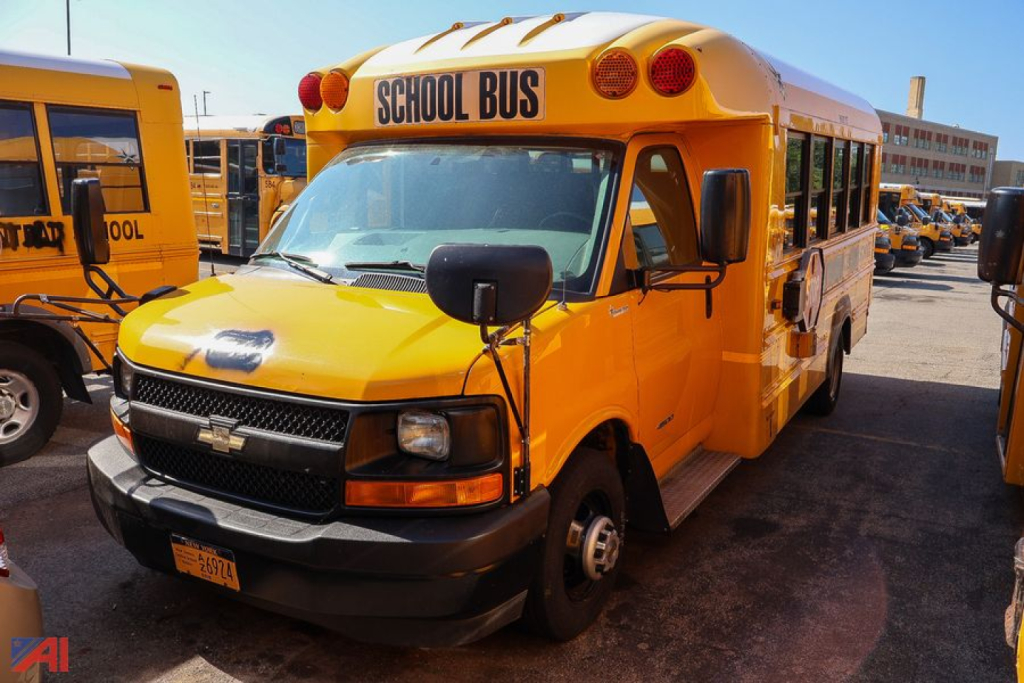
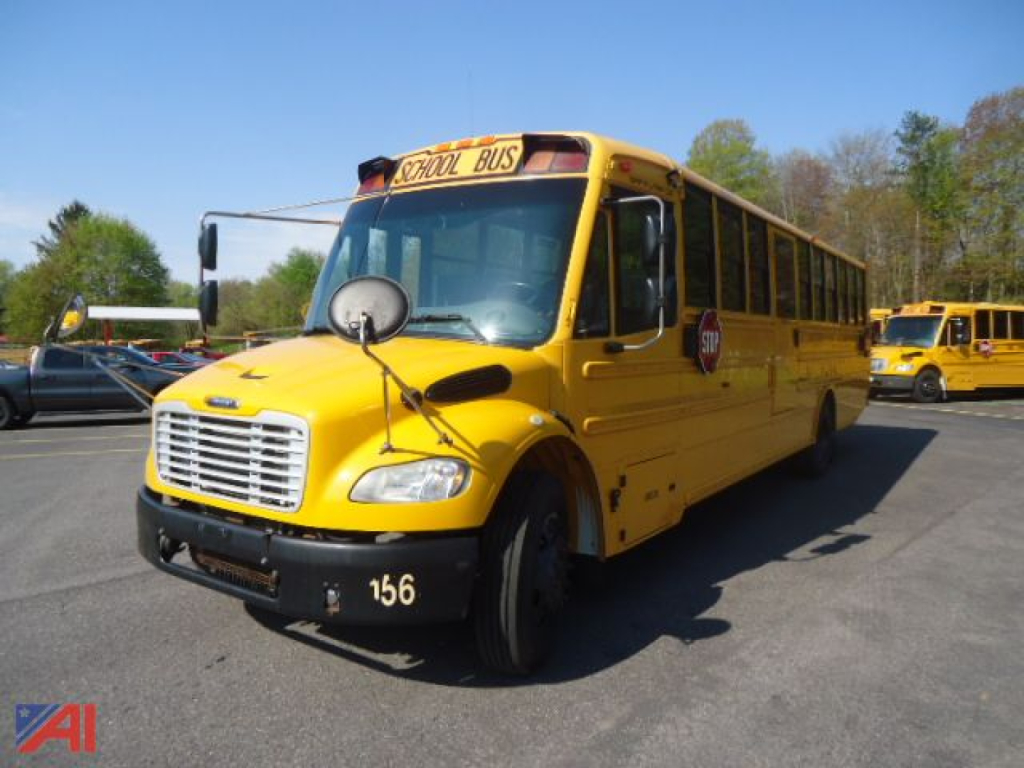
Have used 2017 bus truck to sell? List it here to reach thousands of buyers.
Used 2017 Bus Trucks in New York
For a 2017 bus, body style and chassis spec matter as much as mileage. New York buyers should pay close attention to seating layout, wheelchair accessibility, lift condition, and whether the bus was built for school, church, paratransit, senior transport, or private shuttle use. Common powertrains in this segment include gasoline V8 engines on lighter cutaway buses and medium-duty diesel setups on larger conventionals, often paired with Allison automatic transmissions. Review GVWR, wheelbase, brake type, suspension, tire size, and axle ratings if the bus will see regular stop-and-go duty or carry a full passenger load. On school bus configurations, inspect warning light systems, stop arm equipment, crossing gate hardware, and seat condition, especially if the unit may be repurposed and require decommissioning.
A used 2017 bus truck can be a practical fit for districts, contractors, municipalities, churches, and fleet operators that need lower acquisition cost without stepping too far back in age. Buyers in New York often prioritize corrosion condition because road salt can affect step wells, body mounts, floor structure, brake lines, and underbody electrical routing. Service records are important on any bus, but especially on units with high idle time, frequent door cycles, or wheelchair lift use. Odometer miles only tell part of the story. Engine hours, transmission service history, cooling system maintenance, and evidence of body repairs are often better indicators of remaining life.
Before buying, confirm the bus matches the intended registration and compliance requirements in New York. Seating capacity, CDL thresholds, emissions equipment, and school bus use rules can all affect how the unit can be operated. For shuttle and transport buses, check HVAC performance, entry door function, luggage or rear storage configuration, and passenger comfort features. For school buses, focus on structural condition, visibility, brake performance, and parts support for the body manufacturer and chassis. A well-maintained 2017 bus can still deliver dependable route service, but the best value usually comes from matching the bus size, chassis, and duty cycle to the job instead of buying on price alone.
Frequently Asked Questions about Used 2017 Bus Trucks in New York
What should I look for first when buying a used 2017 bus truck?
Start with the bus type, seating capacity, and chassis because those three factors determine how well the unit fits the job. After that, review rust condition, engine hours, transmission service records, brake system condition, and the state of the body structure. On New York buses, underbody corrosion, step well rust, and electrical issues from winter exposure deserve close attention. A lower-mile bus is not always the better bus if it has high idle hours or deferred maintenance.
What is the difference between a school bus and a shuttle or transport bus?
A school bus is built primarily for student transportation and typically includes compartmentalized seating, warning lights, stop arm equipment, and a body designed around school route safety standards. A shuttle or transport bus is usually configured for mixed passenger use and may include wheelchair access, perimeter seating, luggage space, or upgraded HVAC and interior trim. The chassis can be similar, but the body layout, legal use, and operating requirements are often very different.
Are 2017 bus trucks in New York commonly diesel or gas?
Both are common, depending on size and chassis. Cutaway buses from this era are often gasoline-powered on Chevrolet Express or Ford E-Series platforms, while larger conventional school buses are more likely to use diesel engines with heavier-duty driveline components. Fuel type should be matched to route length, stop frequency, maintenance capability, and expected annual mileage. Diesel can make sense for heavier route work, while gas can reduce complexity on lighter-duty applications.
Does seating capacity affect CDL requirements on a bus truck?
Yes. Passenger capacity can affect whether a CDL with passenger endorsement is required, and that applies even if the bus is not filled to every seat. The exact requirement depends on how many passengers the vehicle is designed to transport and how it is titled and operated. Buyers should verify seating count, door labels, registration class, and state-specific requirements before purchase so the bus can be placed into service without compliance problems.
Why are engine hours important on a used bus?
Engine hours help show how much real operating time the bus has seen, especially in stop-and-go routes where idle time is high. School buses and shuttle buses often spend long periods idling for loading, unloading, heating, or air conditioning, so mileage alone can understate wear. A bus with moderate miles but very high hours may have more wear on the engine, cooling system, and accessories than the odometer suggests.