
Used 2017 Freightliner Bus Trucks For Sale in New York
Have used 2017 freightliner bus truck to sell? List it here to reach thousands of buyers.
Used 2017 Freightliner Bus Trucks in New York
A buyer looking at a 2017 Freightliner bus should pay close attention to chassis and powertrain specifications first. Common configurations in this category include diesel engines paired with Allison automatic transmissions, air or hydraulic brake systems depending on build, and wheelbases sized for full-size passenger capacity. On school bus units, seating count, aisle layout, emergency exits, and body condition matter just as much as engine hours and odometer reading. Rust is a major factor in New York, so crossmembers, stepwells, floor structure, skirt panels, battery box areas, and underbody brake and fuel system components deserve a thorough inspection.
Freightliner bus chassis are valued for parts support, service familiarity, and straightforward medium-duty mechanicals. Many buyers in this segment are not only school transportation operators, but also churches, municipalities, contractors, and upfitters planning mobile office, shuttle, or specialty conversions where allowed. Suspension type, axle rating, GVWR, turning radius, and tire size all affect how the bus performs in urban streets, depot work, and regional service. If the unit is staying in pupil transportation, it is important to verify current state and local compliance items such as warning light systems, crossing arm equipment, seat condition, and any inspection requirements tied to New York operation.
Condition drives value more than almost any single feature in a used bus. Service records, idle hours, transmission behavior, cooling system health, lift or door operation if equipped, and evidence of electrical repairs should all be reviewed before purchase. On a 2017 Freightliner bus truck, buyers should also confirm emissions-system history, including DPF service and any fault activity related to aftertreatment components. A clean, well-maintained bus with solid structural integrity can still offer dependable fleet service, while a low-priced unit with corrosion or deferred maintenance can become expensive quickly.
Frequently Asked Questions about Used 2017 Freightliner Bus Trucks in New York
What should I inspect first on a used 2017 Freightliner bus in New York?
Start with structural condition and maintenance history. In New York, road salt and winter exposure can accelerate corrosion in the frame, crossmembers, stepwell, floor supports, body skirts, and underbody components. After that, review engine hours, odometer mileage, transmission operation, brake condition, tire age, and emissions-system service records. A sound chassis and documented upkeep usually matter more than cosmetic appearance.
What Freightliner bus models are common in the 2017 model year?
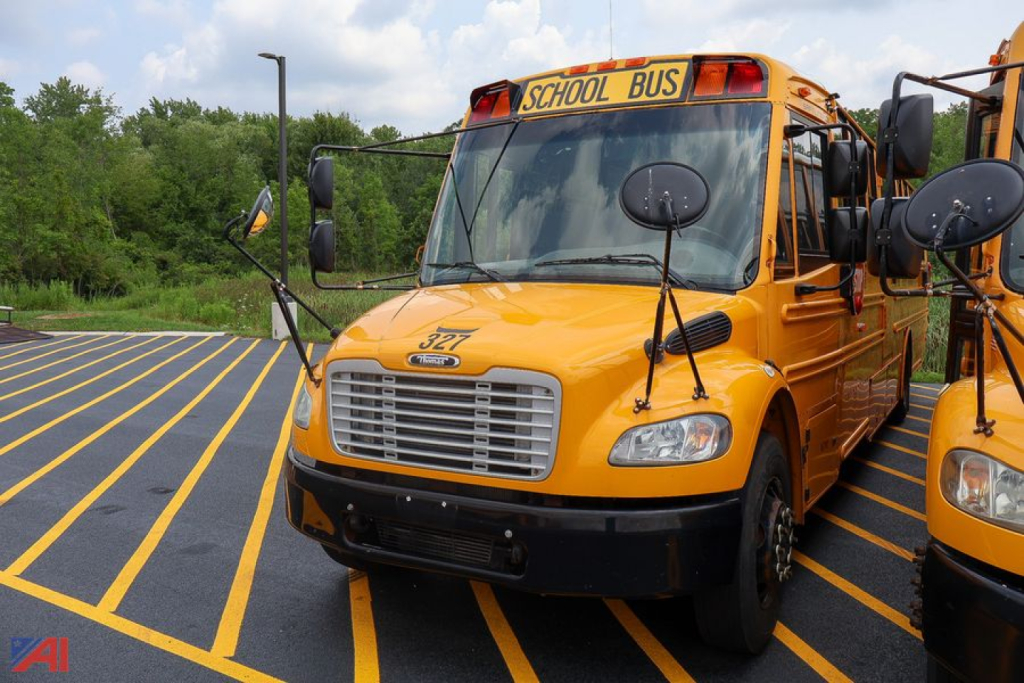
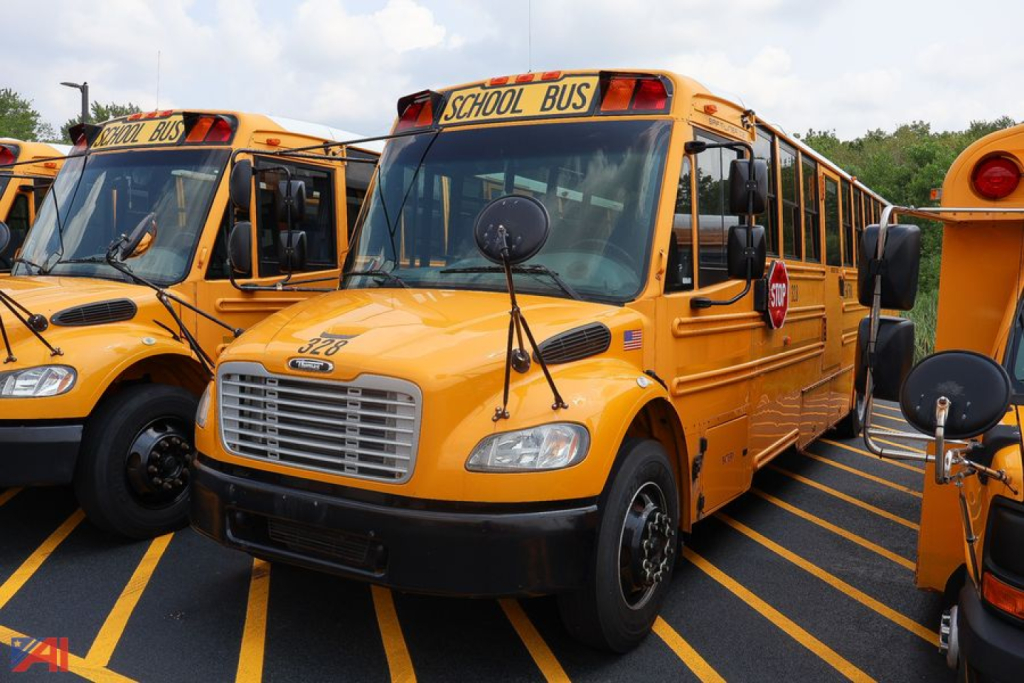
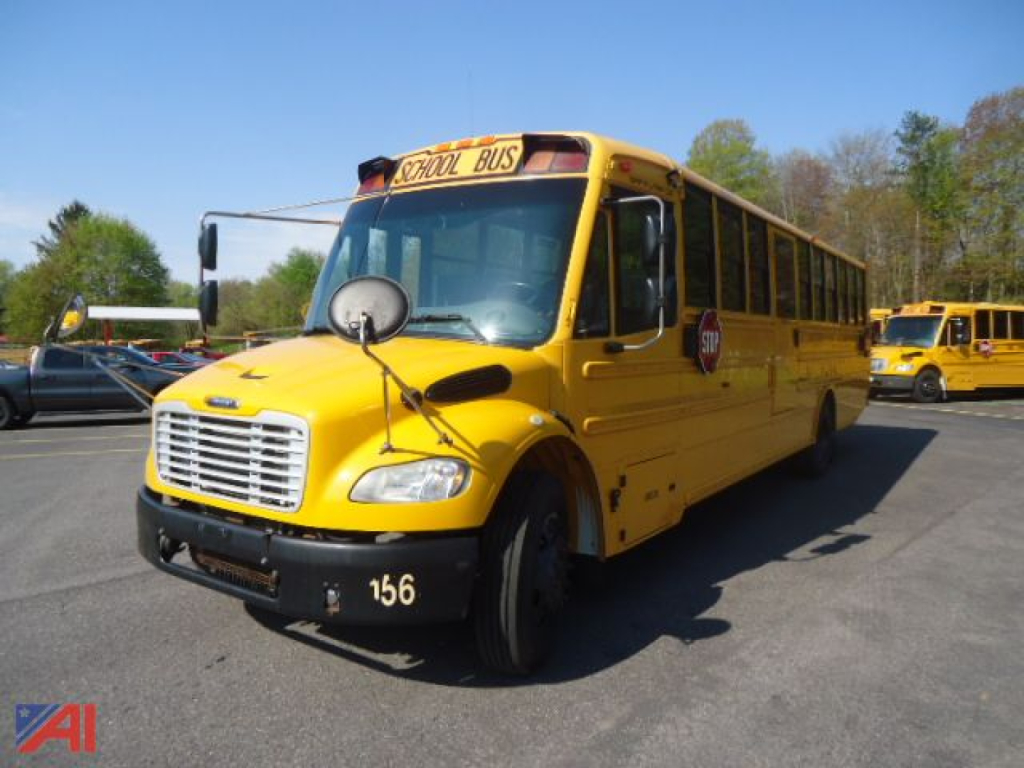
The Freightliner C2 is one of the most common 2017 bus platforms in this category, especially in school bus service. It is a conventional-style bus built on a medium-duty Freightliner chassis and is widely used for pupil transportation because of serviceability, driver visibility, and broad parts support. Body builder specifications can vary, so two buses from the same year may differ in seating layout, brake type, axle ratings, and equipment.
Are 2017 Freightliner buses good candidates for school, shuttle, or conversion use?
Yes, many are used in school transportation, private shuttle service, church fleets, municipal operations, and approved specialty conversions. The chassis is built for repeated stops, low-speed routing, and commercial-duty use. Buyers should match the bus to the intended job by checking passenger capacity, door configuration, luggage or equipment needs, suspension setup, and any legal requirements tied to the new application.
What powertrain features are typical on a used Freightliner bus truck?
Many Freightliner buses in this class use a diesel engine paired with an Allison automatic transmission. Depending on the exact build, you may see differences in horsepower ratings, rear axle ratios, GVWR, brake systems, and suspension type. These details affect acceleration, grade performance, fuel economy, ride quality, and maintenance cost, so they should be reviewed carefully before comparing units.
Why is emissions-system history important on a 2017 Freightliner bus?
A 2017 diesel bus relies on modern aftertreatment components such as the DPF and related sensors to meet emissions standards. If maintenance has been deferred, fault codes, derate events, and expensive repairs can follow. Buyers should look for documentation on regeneration history, filter cleaning or replacement, sensor repairs, and any prior aftertreatment work to better understand the bus's current operating condition.