
2020 Trucks For Sale in Illinois
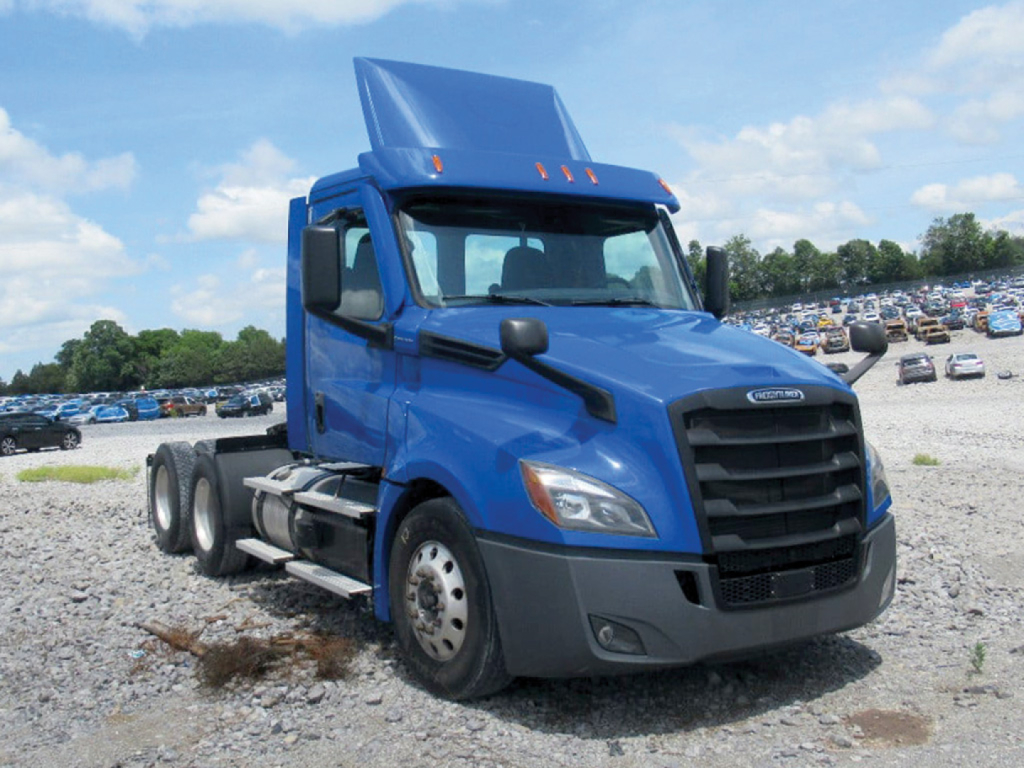
2020 Freightliner Cascadia126
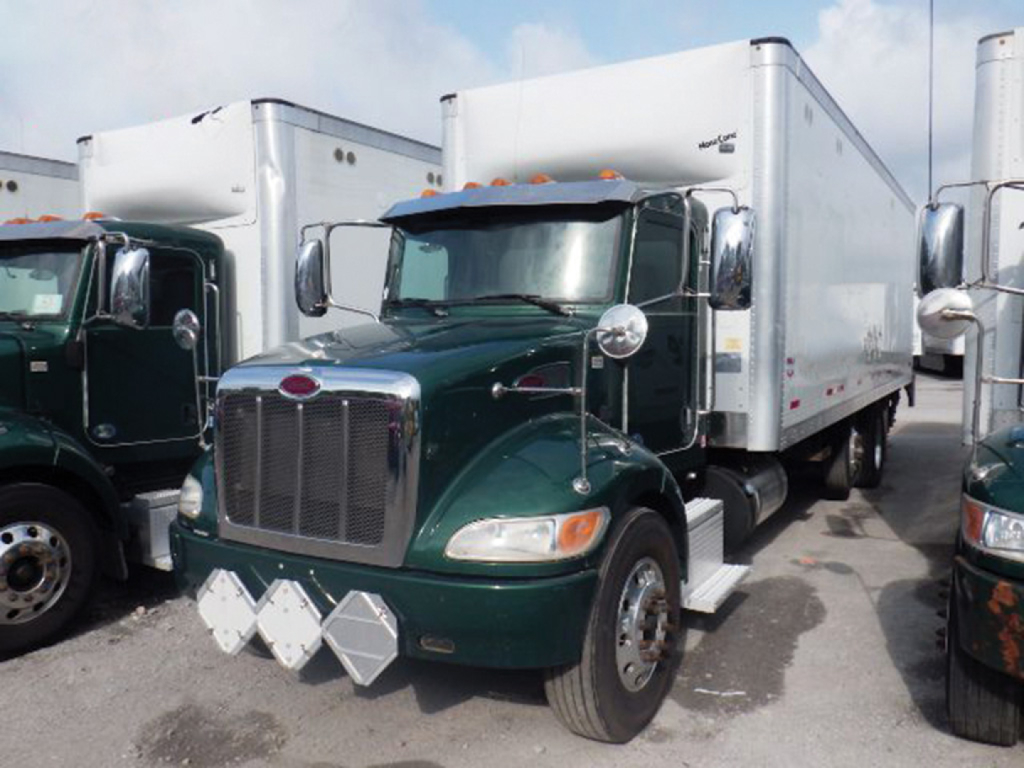
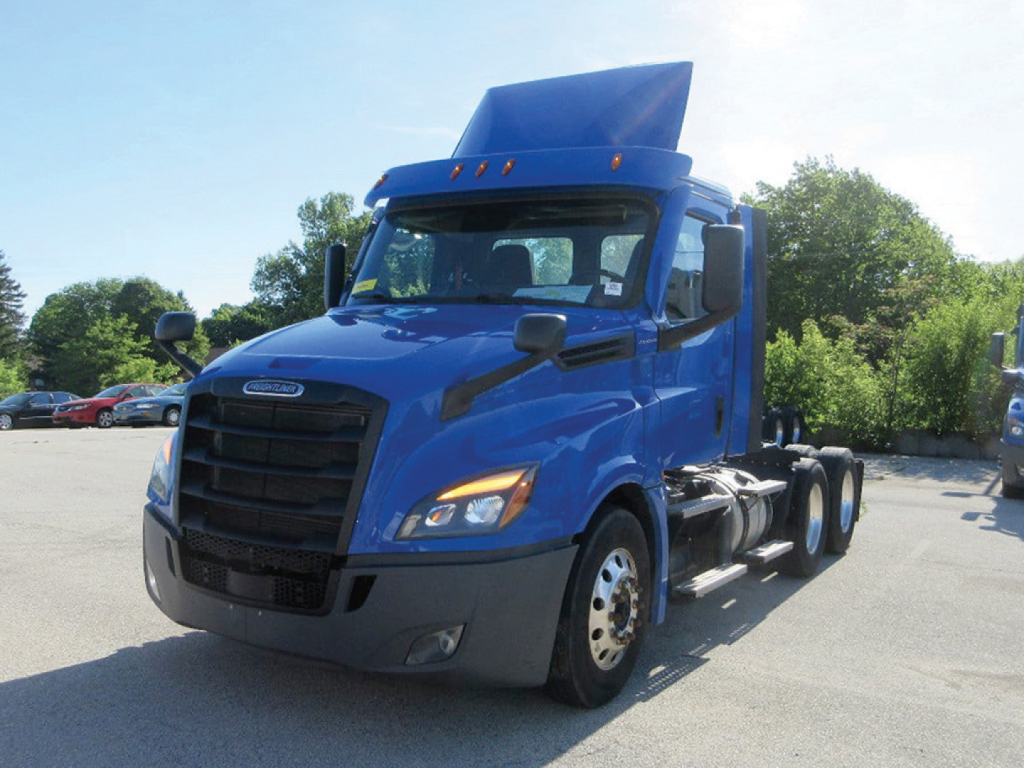

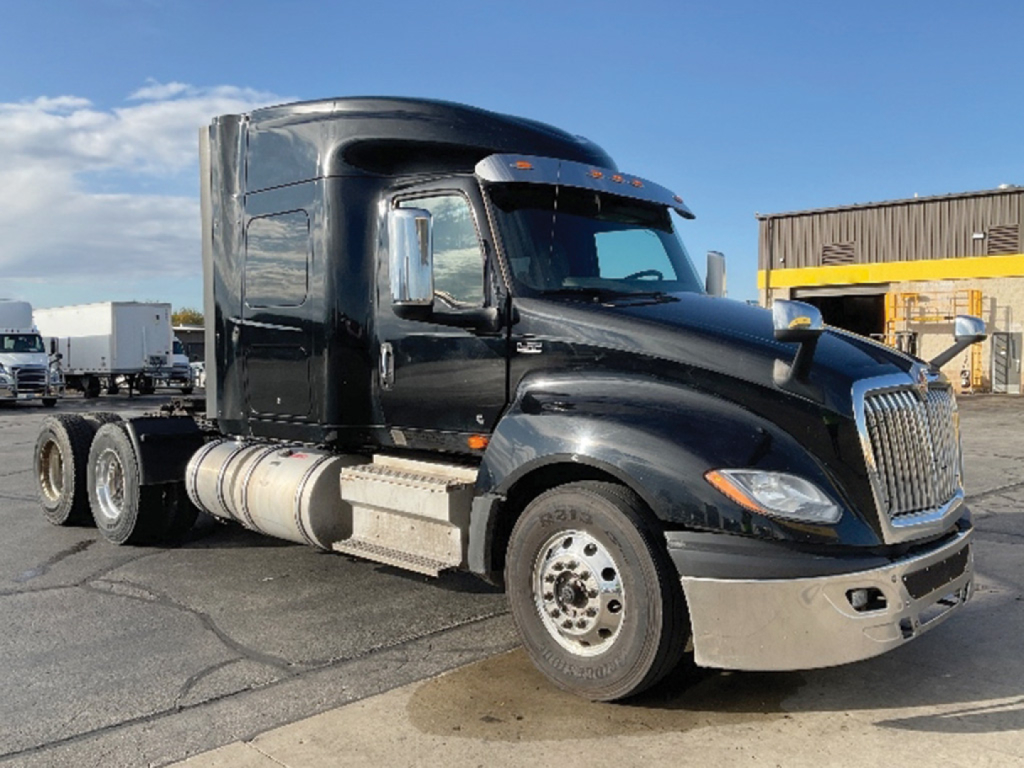

Showing 25 to 37 of 37 results
Have 2020 truck to sell? List it here to reach thousands of buyers.
2020 Trucks in Illinois
The first decision is usually cab configuration. A 2020 conventional sleeper truck is the standard choice for long-haul work, team service, and routes that require bunk space, auxiliary power units, or larger fuel capacity. A 2020 conventional day cab, also called a non-sleeper tractor, is better suited for local and regional hauling, dedicated lanes, intermodal work, and frequent drop-and-hook service. Common specs in this year range include 400 to 450 horsepower diesel engines, automated transmissions such as Detroit DT12, Endurant, mDRIVE, or PACCAR automated gearboxes, and 40,000 lb rear axles with fuel-saving ratios like 2.47, 2.53, or 2.64. Buyers should match axle ratio, wheelbase, and fifth wheel setup to the trailer mix and average payload rather than shopping by model name alone.
For Illinois service, drivetrain spec matters as much as brand. Flat highway lanes and heavy freight volumes often favor aerodynamic sleepers and efficient rear ratios, especially on I-55, I-57, I-70, I-80, and I-90 corridors. A fleet hauling van or reefer freight may prioritize a raised-roof sleeper, air ride suspension, disc brakes, side fairings, and dual aluminum tanks. A regional buyer may lean toward a shorter wheelbase day cab with an air-slide or adjustable fifth wheel for versatility in tight yards and changing kingpin settings. Tire setup, low-profile rubber, super singles versus duals, and brake type all play into operating cost, driver preference, and serviceability.
A strong 2020 truck should be evaluated beyond mileage. Look closely at emissions history, idle hours, maintenance records, collision mitigation calibration, transmission service intervals, and the condition of wear items like bushings, shocks, steering components, and fairings. Interior condition can also tell you a lot about prior care, especially on sleeper units with bunks, bunk heaters, refrigerators, and driver comfort packages. The best 2020 trucks are the ones with a clear vocational match, a documented service background, and a spec that supports the lanes they will actually run.
Frequently Asked Questions about 2020 Trucks in Illinois
What makes a 2020 truck a strong used-buy year?
A 2020 truck often gives buyers a good balance of modern technology and more manageable acquisition cost. Many units from this model year include aerodynamic improvements, automated manual transmissions, advanced safety systems, and efficient engine packages that are now well understood by dealers and independent shops. That combination can make 2020 trucks attractive for fleets looking to control cost per mile without stepping too far back in comfort, emissions design, or driver-assist features.
Should I choose a 2020 sleeper truck or a 2020 day cab?
The choice depends on route length, dwell time, and trailer application. A sleeper is usually the right fit for over-the-road freight, multi-day routes, team operations, and lanes where onboard living space improves utilization. A day cab is a better fit for local and regional operations, port or rail work, short-haul dedicated freight, and applications where a shorter wheelbase helps maneuverability. Buyers should also consider fuel capacity, fifth wheel travel, and expected kingpin settings when choosing between the two.
What engine and transmission specs are common in 2020 trucks?
Many 2020 highway tractors were built with engines in the 400 to 450 horsepower range and torque ratings suitable for general van, reefer, and regional freight. Common engines include Detroit DD15, Cummins X15, Mack MP series, and PACCAR MX series, depending on make. Automated transmissions are very common in this year range, including DT12, Endurant-family, mDRIVE, and PACCAR automated options. Rear axle ratios in the mid-2s are also typical on fuel-conscious highway specs.
What should Illinois buyers pay special attention to on a used 2020 truck?
Illinois buyers should pay close attention to corrosion exposure, winter-service wear, and the truck's suitability for Midwest freight patterns. A truck that spent time in snow, road salt, and urban stop-and-go traffic may show more wear in suspension components, electrical connections, brakes, and body hardware than a similar truck on longer dry-route service. It also helps to confirm the truck's gearing, wheelbase, and cab setup match the realities of Chicago-area congestion, interstate linehaul, or regional distribution work.
What matters more than mileage on a 2020 truck?
Mileage is only one part of the buying decision. Maintenance records, engine hours, idle time, emissions system history, transmission service, accident history, and overall spec are often more important than odometer reading by itself. A well-maintained 2020 truck with documented service intervals and a proper vocational spec can be a better buy than a lower-mile truck with poor maintenance history or mismatched gearing and wheelbase for the intended application.