
2020 Conventional Daycab Trucks For Sale in Illinois
Shop 2020 conventional daycab trucks in Illinois. Compare wheelbase, engine, axle ratio, suspension, and 5th wheel setup for regional haul.
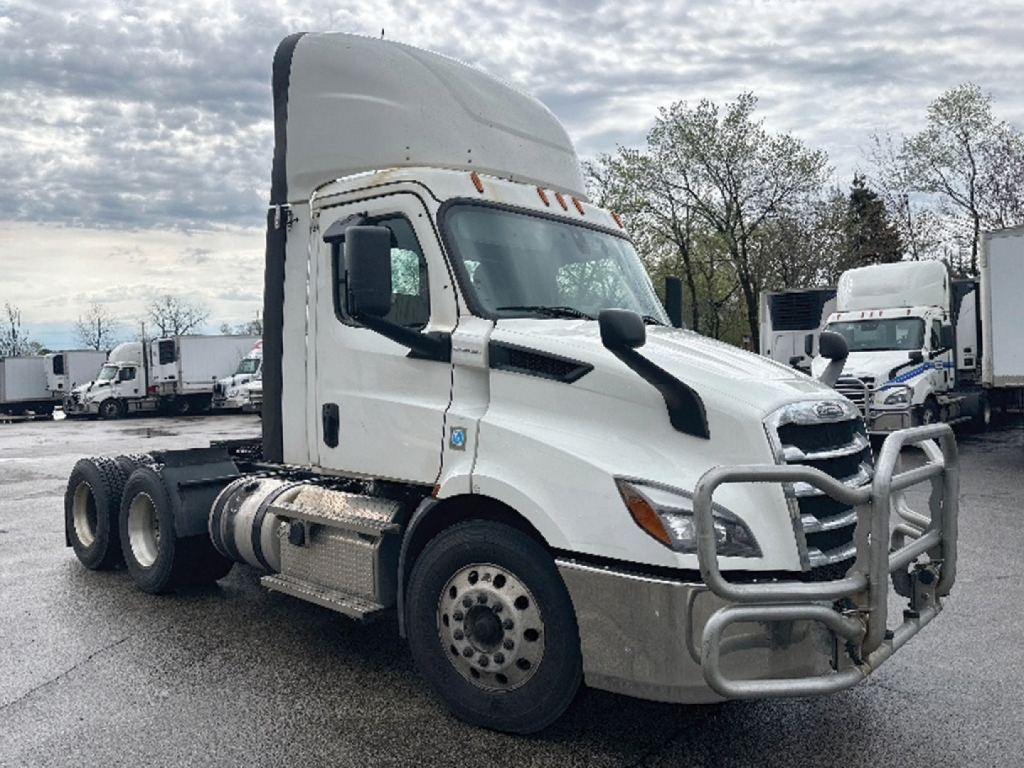
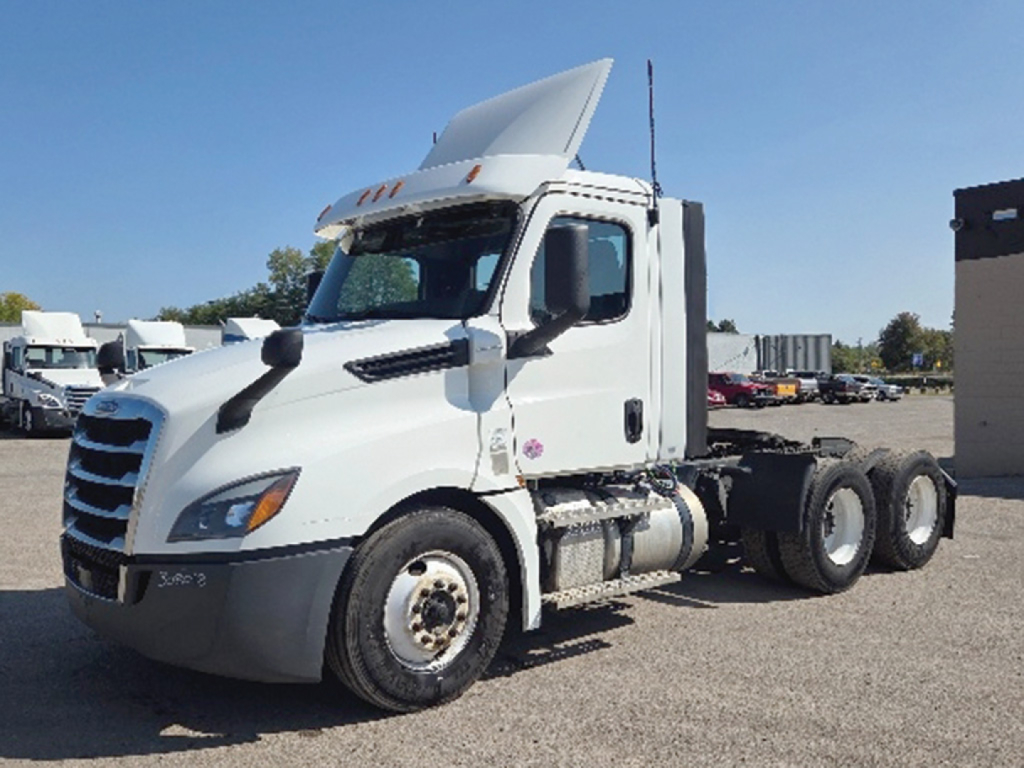
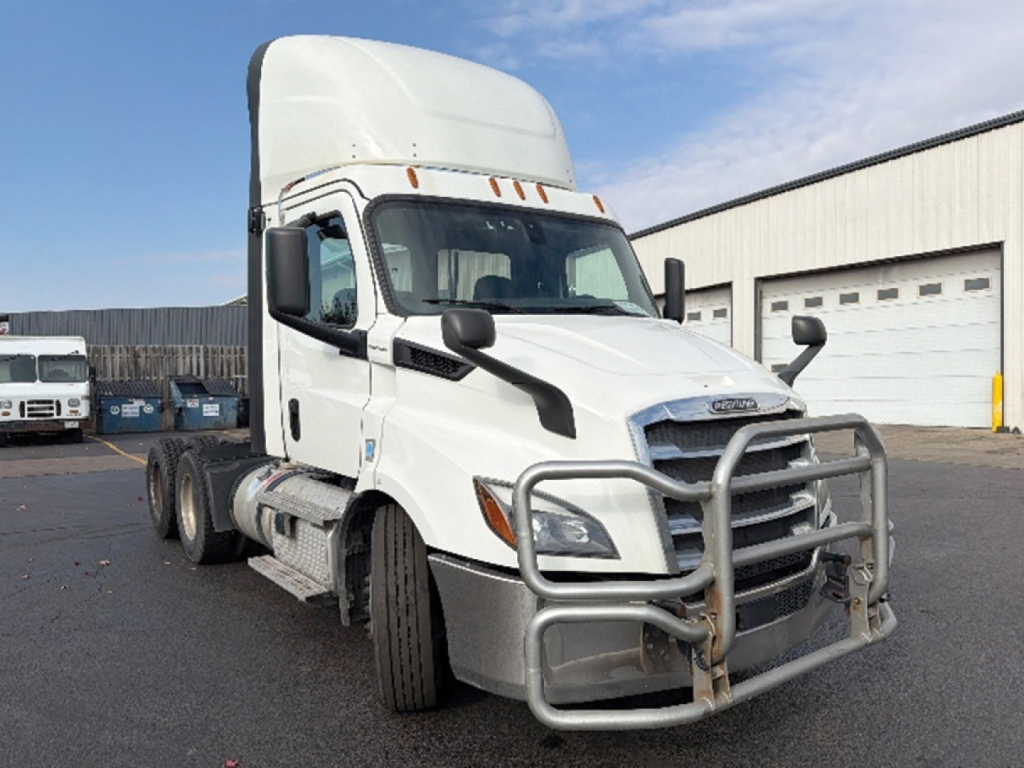
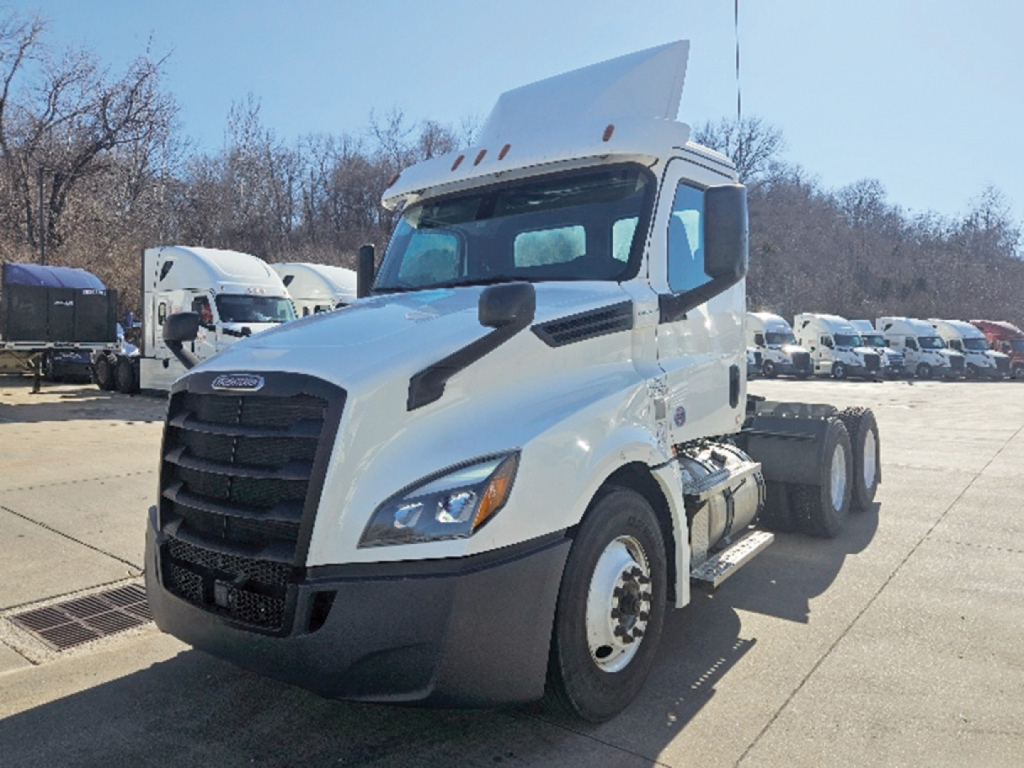


Selling a 2020 conventional daycab truck? List your 2020 conventional daycab truck for sale and reach thousands of commercial buyers.
2020 Conventional Daycab Trucks in Illinois
Most 2020 daycab spec levels center around 11-liter to 15-liter diesel engines and automated manual transmissions, with common power ratings in the 400 to 455 HP range for highway tractors. Models from this year are often equipped with engines such as the Detroit DD15 or Volvo D13, paired with DT12 or I-Shift automated transmissions. Rear axle ratings around 40,000 pounds are common on tandem-axle tractors, with ratios like 2.28, 2.47, or 3.08 selected based on the balance between fuel economy, startability, and average gross weight. Lower numerical ratios generally favor fuel mileage on steady highway runs, while deeper ratios can make more sense for heavier stop-and-go work, shorter regional lanes, or operations with more grade changes.
Cab and chassis details matter more on a daycab than many buyers expect. Air ride suspension is a common choice for highway comfort and trailer protection, while spring suspension may still appear in vocational or straight truck applications. Wheelbases in the mid-170 inch to mid-180 inch range are typical for fleet highway daycabs, giving a workable balance between ride quality and maneuverability. Features like an air slide or adjustable fifth wheel, dual aluminum fuel tanks, roof fairings, cab extenders, disc wheels, engine brake, and low-profile 22.5 tires are all worth reviewing because they affect operating range, aerodynamic efficiency, service access, and trailer matching. If the truck is assigned to drop-and-hook operations, check fifth wheel condition, slider function, and frame layout carefully.
For a 2020 model year buyer, emissions history, idle hours, transmission calibration, and brake and tire configuration deserve close attention alongside the engine brand. Illinois operators often value corrosion condition, especially on frame rails, crossmembers, airlines, and electrical connections exposed to winter road treatment. It also pays to confirm if the truck uses discs or drums, standard duals or super singles, and whether the spec is truly linehaul, regional, or vocational. A well-matched conventional daycab should lower operating cost by fitting the lane, trailer, and gross weight profile rather than simply offering the highest horsepower on paper.
Frequently Asked Questions about 2020 Conventional Daycab Trucks in Illinois
What is a conventional daycab truck used for?
A conventional daycab truck is primarily used for local and regional hauling where the driver returns home daily and does not need a sleeper berth. Common applications include dry van, reefer, container drayage, tanker, flatbed, dedicated contract freight, and terminal-to-terminal moves. The daycab layout reduces overall weight and shortens the chassis compared with a sleeper tractor, which can improve maneuverability and payload efficiency.
What engine and transmission specs are common in a 2020 conventional daycab?
Many 2020 conventional daycabs are spec'd with 13-liter to 15-liter diesel engines in roughly the 400 to 455 horsepower range, although lighter-duty applications can be lower. Automated manual transmissions are very common in this model year, including setups such as Detroit DT12 and Volvo I-Shift. These combinations are popular because they support fuel economy, driver consistency, and easier operation in mixed urban and highway service.
How important is axle ratio on a daycab tractor?
Axle ratio is one of the most important spec decisions because it directly affects launch performance, cruising RPM, fuel economy, and how the truck handles loaded starts. Ratios such as 2.28 or 2.47 are often chosen for fuel-efficient highway and regional service, while a ratio like 3.08 may be better suited to heavier loads or more stop-and-go duty. The right ratio depends on trailer type, average gross combination weight, terrain, and target road speed.
What should I inspect on a used 2020 daycab in Illinois?
Focus on corrosion exposure, maintenance history, emissions system service records, and the condition of the fifth wheel, suspension, brakes, and tires. In Illinois, winter road treatment can accelerate rust on frame rails, brackets, crossmembers, battery boxes, and air and electrical routing. It is also smart to review engine hours versus odometer miles, verify transmission operation under load, and check for uneven tire wear that may point to alignment or suspension issues.
Is a shorter wheelbase better on a conventional daycab?
A shorter wheelbase usually improves maneuverability in yards, city streets, and tight loading areas, but it is not automatically better for every fleet. A slightly longer wheelbase can improve ride quality, fuel tank capacity options, and trailer clearance depending on the fifth wheel setting and tractor-trailer combination. The best wheelbase is the one that matches the trailer swing clearance, bridge law needs, and operating environment of the route.