
2011 Trucks For Sale
Evaluate 2011 trucks by driveline, emissions, tare weight, corrosion resistance, box floor strength, and reefer thermal integrity for your operation
Learn morePopular Trucks Categories
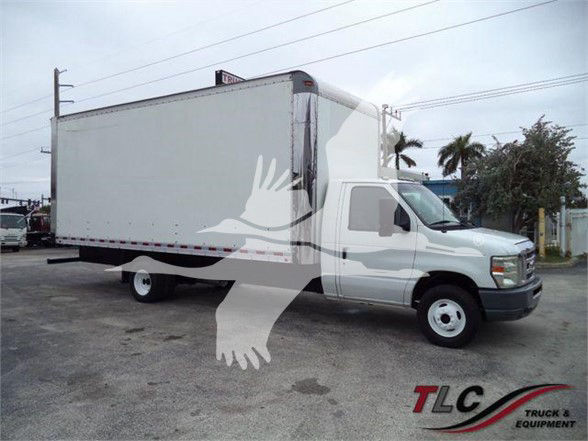
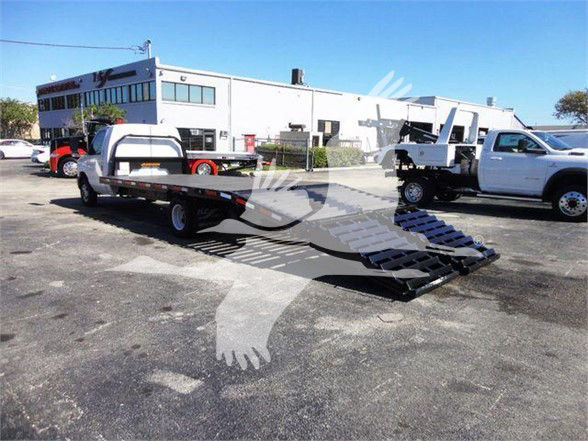
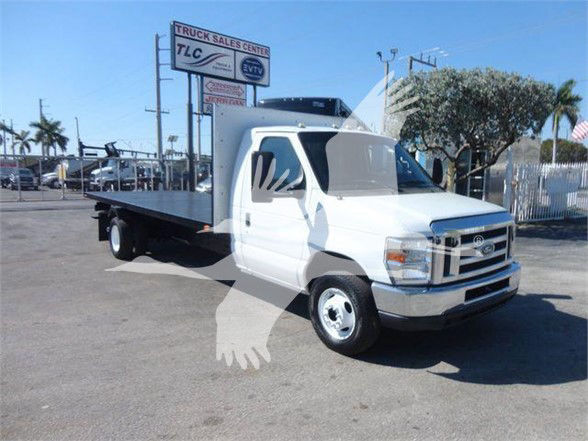
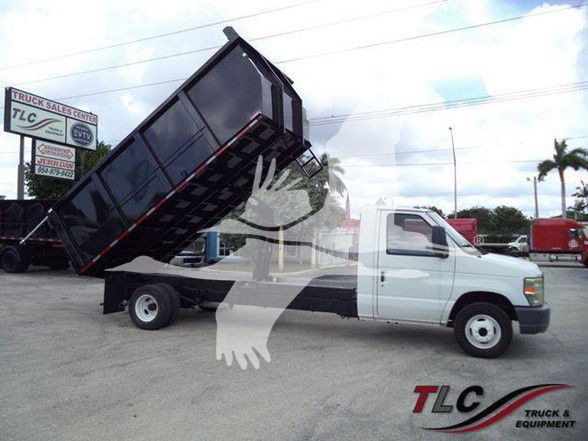
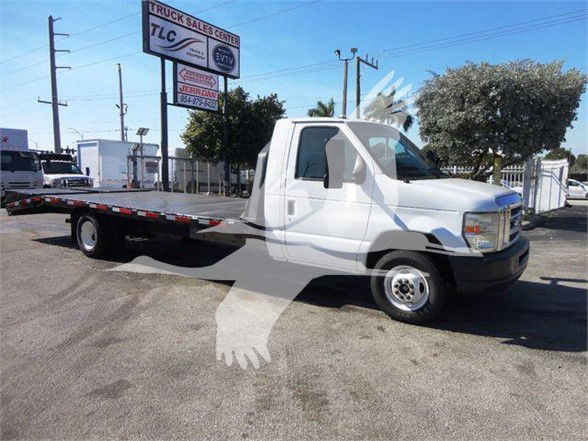
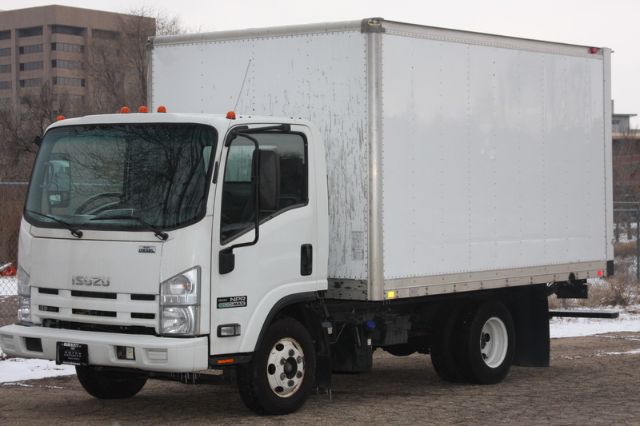
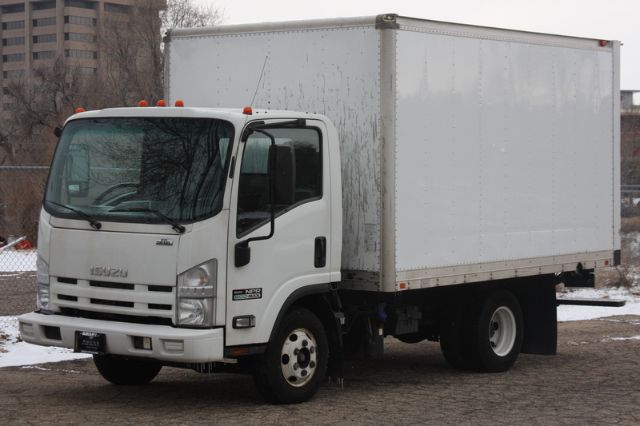
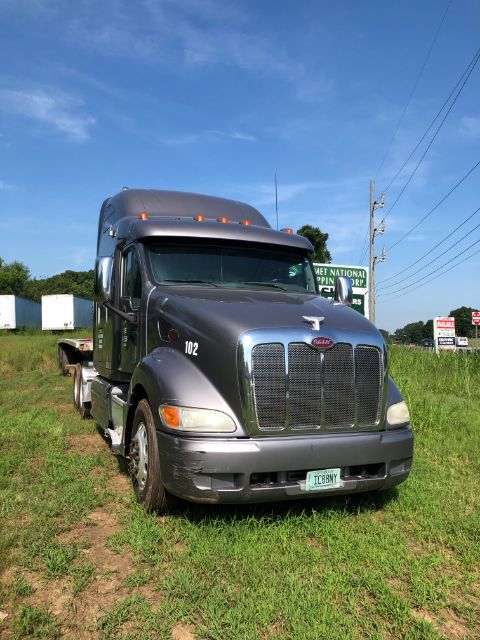
Showing 49 to 59 of 59 results
Have 2011 truck to sell? List it here to reach thousands of buyers.
About 2011 Trucks
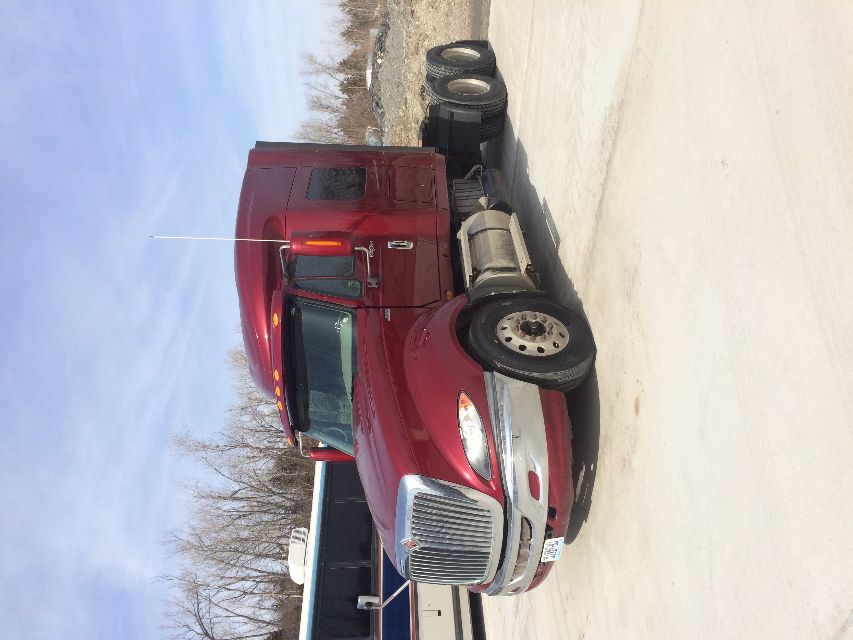
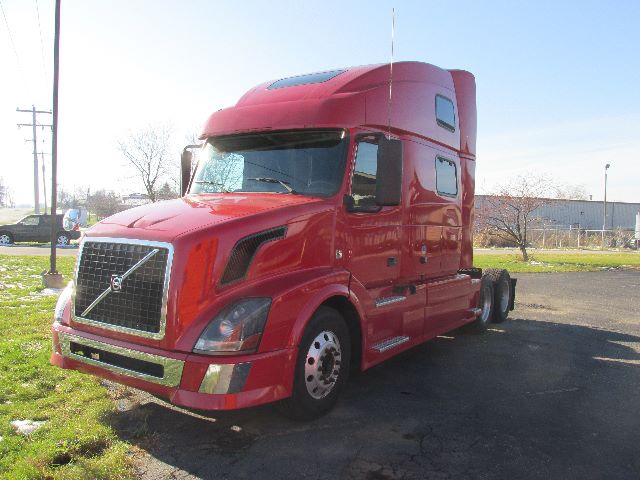
Spec work should start with weight and gearing. Tare weight varies widely, a 2011 day cab on aluminum wheels with a 6x4 air ride suspension and single 120 gallon tank can sit far lighter than a high-roof sleeper with full fairings and dual tanks. Wide base singles, aluminum hubs and wheels, smaller fuel capacity, and lightweight fifth wheels trim hundreds of pounds, while heavy duty suspensions, full lockers, and headache racks add back weight. Pair axle ratios to transmission type, direct-drive 10 or 12 speeds like Eaton Fuller and UltraShift favor numerically lower rears for highway work, overdrive boxes can carry slightly higher ratios. Some fleets spec 6x2 to save weight and parasitic loss, traction management and tire selection matter. TPMS or central tire inflation retrofits help even wear and improve fuel economy.
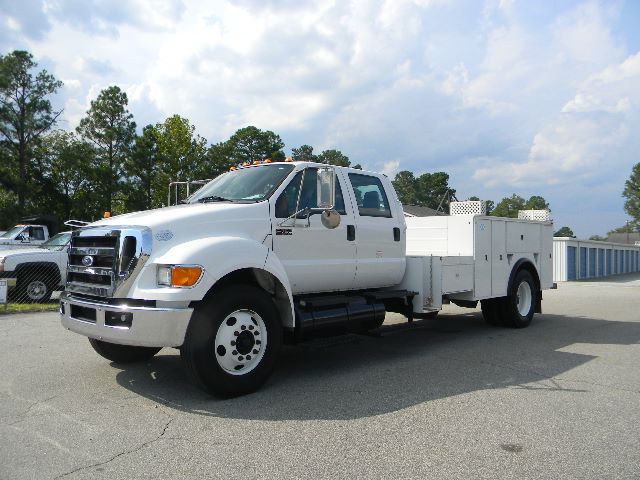
For straight trucks the body is critical. Floor strength dictates forklift use and pallet density, hardwood or laminated floors with close sill spacing carry higher point loads, aluminum duct or heavy duty wear-strip floors in reefers spread wheel loads and shed moisture. Scuff liners, logistic posts, and E-track protect walls and secure cargo, translucent roofs trade durability for light, aluminum roofs and stainless front corners improve longevity. Thermal integrity on refrigerated trucks depends on foam-in-place insulation, vapor barriers, door seals, and thermal breaks at sills, verify box temperature pull-down and hold with the Thermo King or Carrier unit at various setpoints, inspect bulkheads for multi-temp service and drain tubes for cleanliness. Dump bodies benefit from AR400 or AR450 floors and crossmemberless designs that lower tare weight and resist corrosion in abrasive or salt work.
Corrosion resistance separates good candidates from costly projects. Look closely at frame flanges, crossmembers, spring and air ride hangers, fifth wheel brackets, brake chambers, battery boxes and steps, and DEF tank straps, northern trucks often show chloride-induced scaling. Aluminum cabs, composite hoods, galvanized or epoxy coated frames, stainless hardware, and sealed electrical connectors extend service life. Emissions hardware needs proof of care, plan on DOC and DPF cleaning at mileage or hour-based intervals, check for recent NOx sensor, DEF doser, and inlet pressure sensor replacements, review regen history and software updates. For California operation, verify the VIN against CARB Truck and Bus requirements to confirm a functioning 2010-compliant system.
Frequently Asked Questions
Which emissions systems are typical on 2011 heavy duty trucks, and what upkeep should I plan for?
Most 2011 Class 8 platforms run SCR with DEF and a diesel particulate filter, which improves fuel economy compared to earlier DPF-only setups. Budget for periodic DOC and DPF cleaning based on miles or hours, and expect wear items like NOx sensors, DEF dosing valves, and differential pressure sensors to require replacement over time. Some engines, such as certain International MaxxForce variants, used EGR-only strategies, so a careful check of EGR coolers, valves, and calibration history is important. Request regen history, fault code printouts, and proof of software updates.
How much can tare weight vary on 2011 tractors, and what specs drive the difference?
Tare weight can swing by a thousand pounds or more depending on configuration. Day cabs with aluminum wheels, smaller fuel capacity, and lightweight fifth wheels are much lighter than high-roof sleepers with dual tanks, full aero, and heavy duty suspensions. Wide base singles and 6x2 axles reduce weight and parasitic loss, while full lockers, headache racks, and heavy frame rails add weight. Wheelbase, suspension type, and brake selection also matter, so compare build sheets line by line.
How do I evaluate floor strength on a 2011 box or reefer straight truck?
Inspect the floor material and sill spacing, then look for a published forklift entry rating or point load rating. Hardwood or laminated plank with tight sill centers carries higher loads, while aluminum duct or wear-strip floors in reefers spread wheel loads and manage moisture. Check for soft spots, patches at the rear door, corrosion at sills, and fastener pull-through. Verify that scuff liners are intact and that logistics posts or E-track are solidly anchored.
What determines reefer thermal integrity on a 2011 refrigerated truck body?
Thermal performance depends on foam-in-place insulation density, an intact vapor barrier, door and hinge sealing, and thermal breaks at the floor and sidewall interfaces. Inspect door gaskets, drains, and corners for moisture intrusion or delamination. Test the unit, Thermo King or Carrier, for pull-down and temperature stability under load, and verify that bulkheads and return air pathways support any multi-temp configuration. A clean condenser and evaporator, correct refrigerant charge, and good fan motors are key to holding setpoint.
Where are the main corrosion hot spots on 2011 truck chassis, and how do materials affect life?
Focus on frame flanges, crossmembers, suspension hangers, fifth wheel brackets, brake chambers and lines, battery boxes and steps, and around DEF tanks and straps. Northern service often shows chloride scaling and fastener seizure. Aluminum cabs and wheels, composite hoods, galvanized or epoxy coated frames, stainless hardware, and sealed connectors slow corrosion. Look for undercoating overspray that hides rust, evaluate fastener serviceability, and favor trucks with documented washing and coating programs.