
2011 Flatbed Trucks For Sale
Browse 2011 flatbed trucks with specs that matter, including GVWR, bed length, engine options, and hauling applications for work fleets.
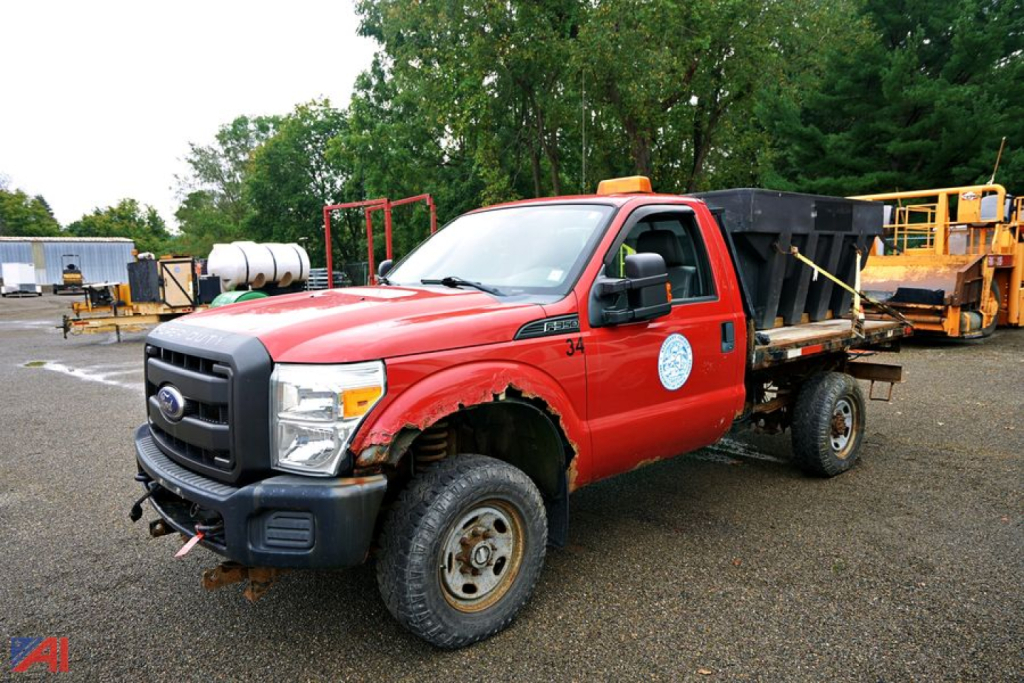
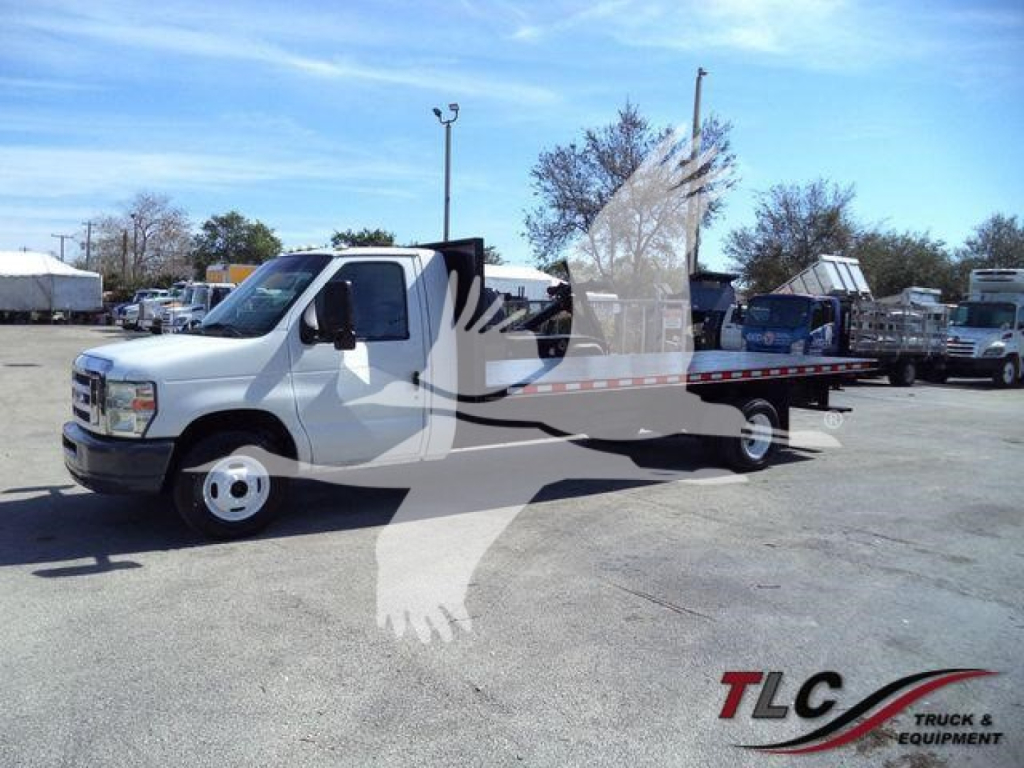
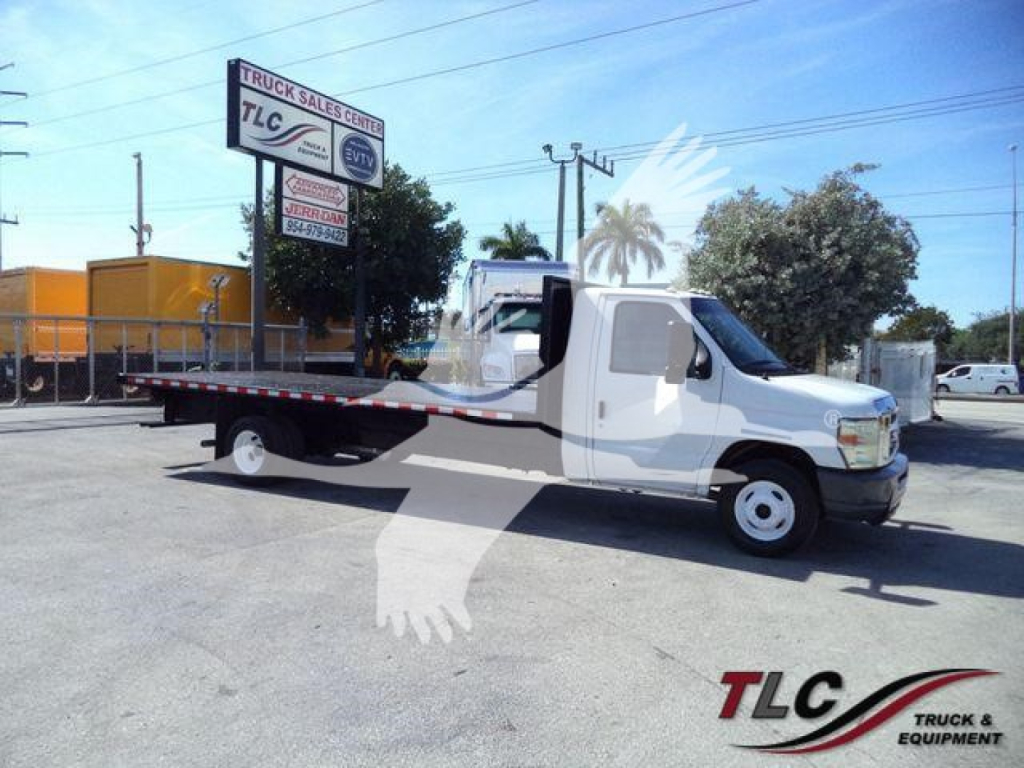
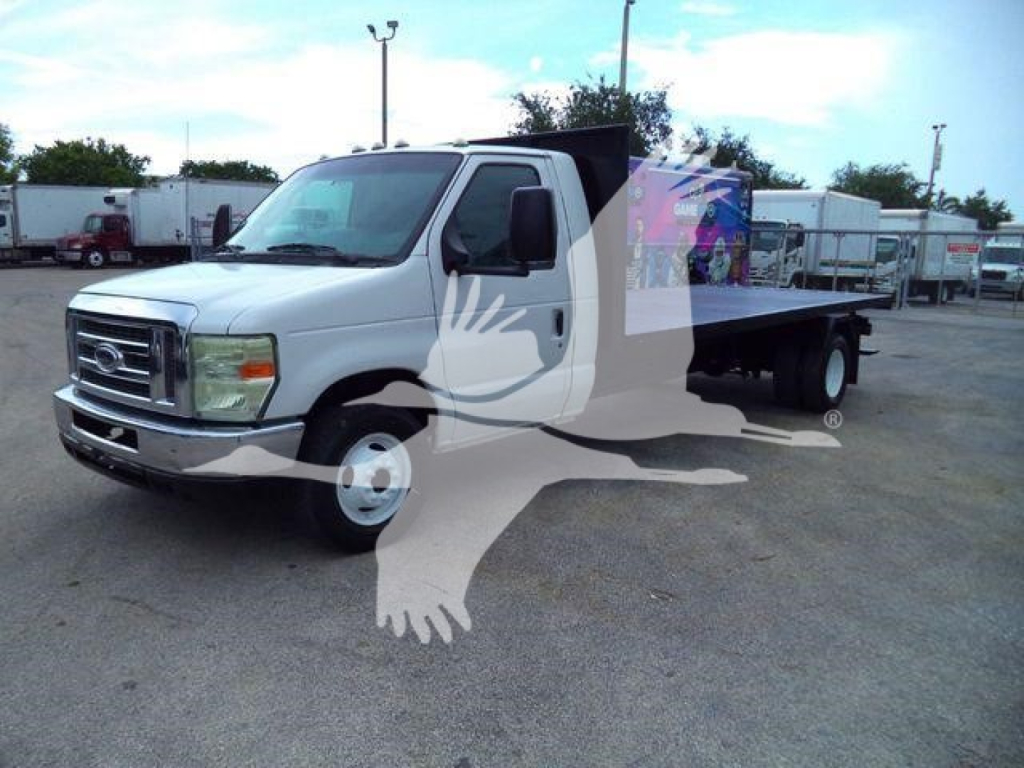
Selling a 2011 flatbed truck? List your 2011 flatbed truck for sale and reach thousands of commercial buyers.
2011 Flatbed Trucks
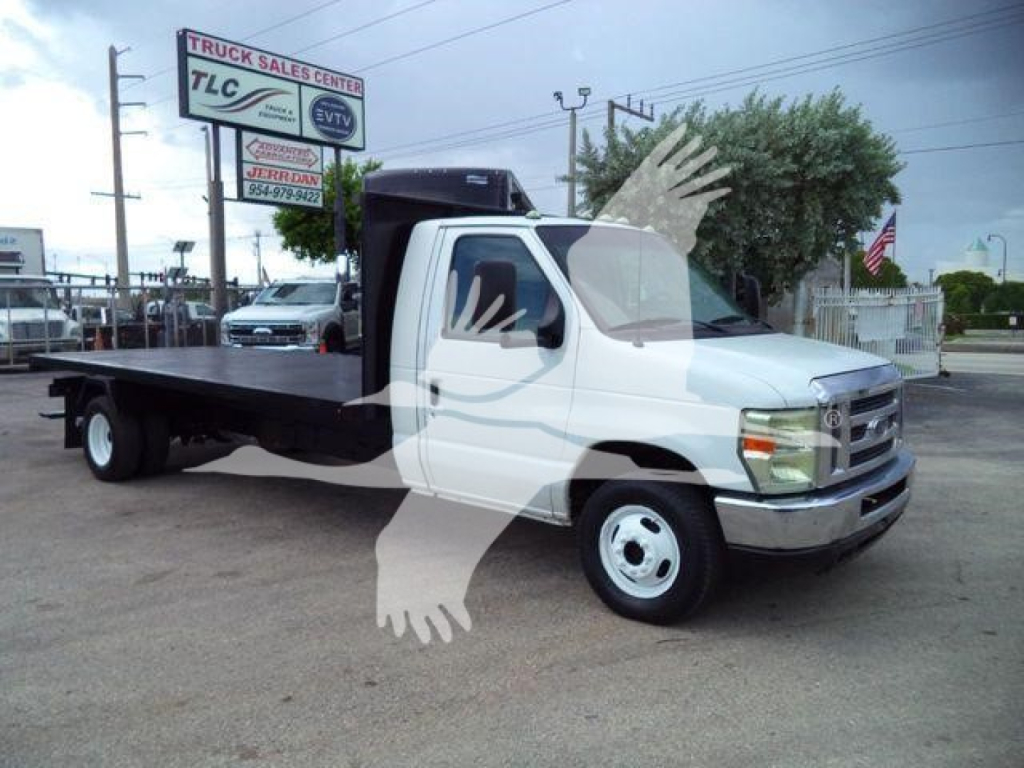
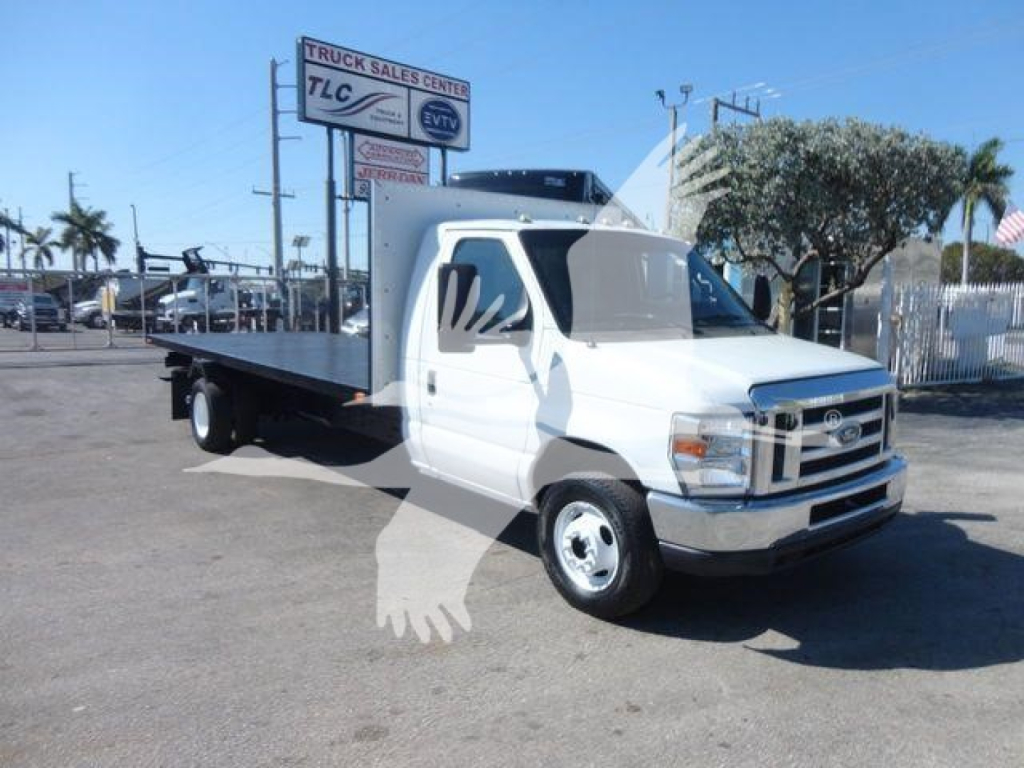
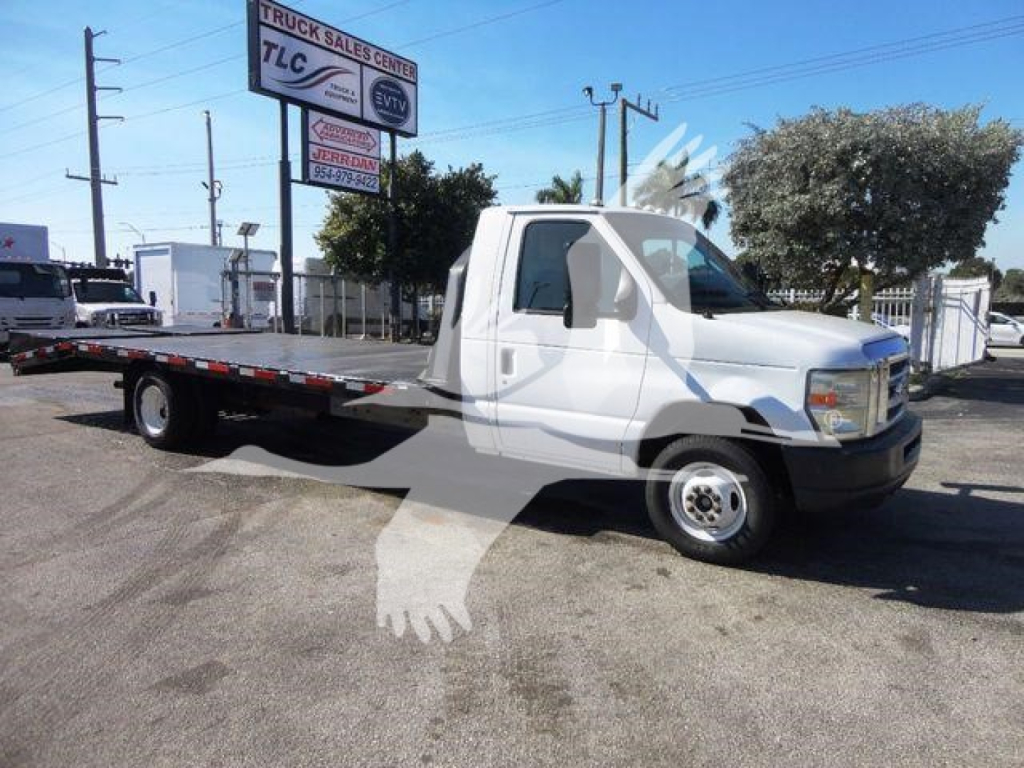
The first decision is usually size and weight rating. Many 2011 flatbed trucks fall into GVWR ranges that affect CDL requirements, payload, and upfit options. Bed lengths commonly run from about 10 to 26 feet depending on wheelbase and chassis class. Steel beds are common for contractor and severe-service use, while aluminum beds reduce tare weight and can improve payload. Useful details include deck height, rub rails, stake pockets, headache rack design, ICC bumper condition, tie-down points, and whether the body has toolboxes, gooseneck access, or a liftgate. If the truck will carry dense materials, axle ratings, rear suspension type, and frame condition matter more than advertised bed length alone.
Powertrain choices on 2011 flatbed trucks vary widely by make and duty class, but diesel engines dominate medium-duty examples because of torque, fuel economy under load, and service life. You will often see automatic transmissions from Allison in medium-duty applications, though some lighter trucks use automatics paired with gas engines. Buyers should pay close attention to wheelbase, rear axle ratio, brake type, and PTO compatibility if the truck may run a knuckleboom, compressor, or other hydraulic equipment. For older work trucks, rust at the bed mounts and crossmembers, uneven tire wear, spring sag, and signs of overloading are more important than cosmetics. A clean cab does not offset a tired chassis.
Flatbed trucks from this era are often selected for straightforward maintenance and broad parts support. A 2011 model can still fit many fleet roles if the spec matches the route and cargo. Local delivery and contractor use may favor a shorter wheelbase for maneuverability, while building supply and equipment hauling usually benefit from longer decks and higher rear axle capacity. Buyers comparing listings should focus on actual payload potential, body construction, securement setup, and drivetrain service history. On a flatbed truck, the right bed and chassis combination determines day-to-day productivity far more than badge alone.
Frequently Asked Questions about 2011 Flatbed Trucks
What should I check first on a used 2011 flatbed truck?
Start with GVWR, axle ratings, wheelbase, and actual bed dimensions because those determine payload and usability. After that, inspect the frame, bed crossmembers, mounts, suspension, tires, brakes, and any signs of overloading or corrosion. On a 2011 work truck, body condition matters, but structural condition and maintenance history matter more.
Are 2011 flatbed trucks usually diesel or gas?
Most medium-duty 2011 flatbed trucks are diesel, especially Class 5 through Class 7 models used for regular hauling. Lighter-duty flatbeds may have gas engines, which can be simpler and cheaper to maintain in lower-mileage service. Diesel is generally preferred for heavier payloads, more frequent towing, and better torque under load.
What bed length is common on a 2011 flatbed truck?
Common bed lengths range from about 10 feet on lighter chassis up to 24 or 26 feet on medium-duty trucks. The right length depends on wheelbase, axle placement, turning radius, and the type of freight being carried. A longer bed adds versatility, but it can also reduce maneuverability and change bridge and axle loading.
Can a 2011 flatbed truck be used for equipment hauling?
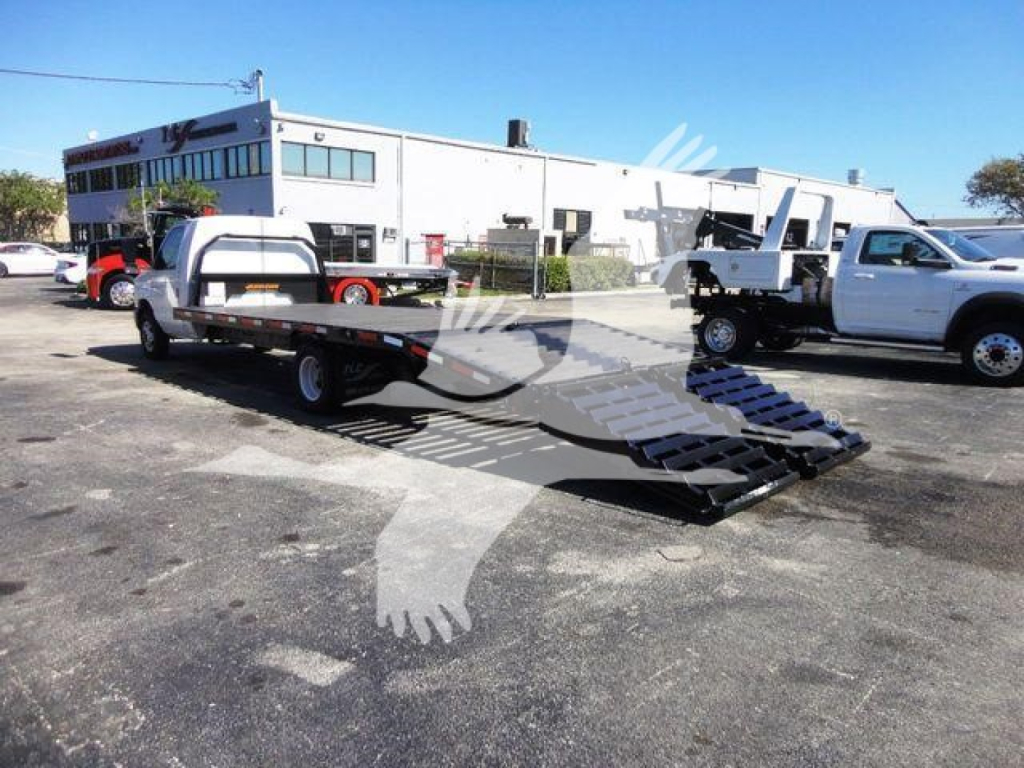
Yes, many can, but suitability depends on deck strength, payload rating, axle capacity, and tie-down setup. Equipment hauling often requires a heavier chassis, strong bed substructure, and proper securement points rather than just an open deck. If ramps, dovetail sections, or winches are needed, those features should be confirmed directly on the truck body spec.
What features add value on a flatbed truck?
Features that typically improve usefulness include rub rails, stake pockets, toolboxes, headache racks, tarp systems, liftgates, PTO capability, and crane-ready or gooseneck-compatible bed designs. Aluminum bodies can add payload capacity, while steel bodies may hold up better in severe-duty environments. The best value comes from a body setup that matches the cargo and loading method used every day.