
2011 Flatbed Trucks For Sale in Florida
Browse 2011 flatbed trucks for sale in Florida. Compare bed lengths, GVWR, powertrains, towing setup, and upfit details for local hauling.
Selling a 2011 flatbed truck? List your 2011 flatbed truck for sale and reach thousands of commercial buyers.
2011 Flatbed Trucks in Florida
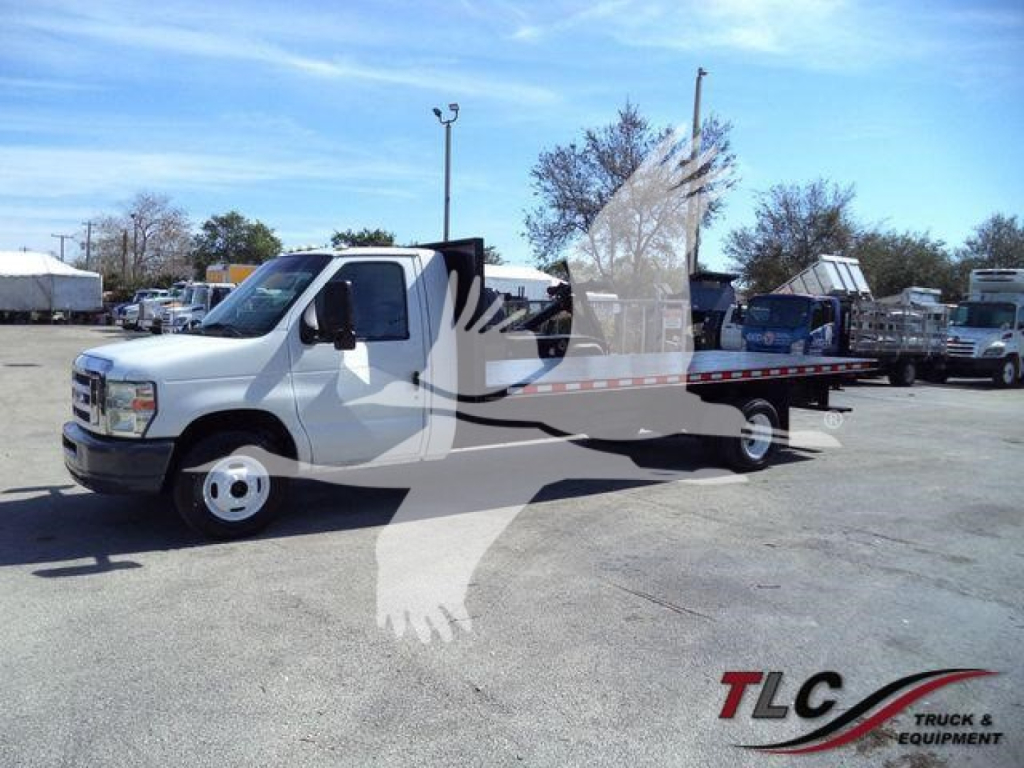
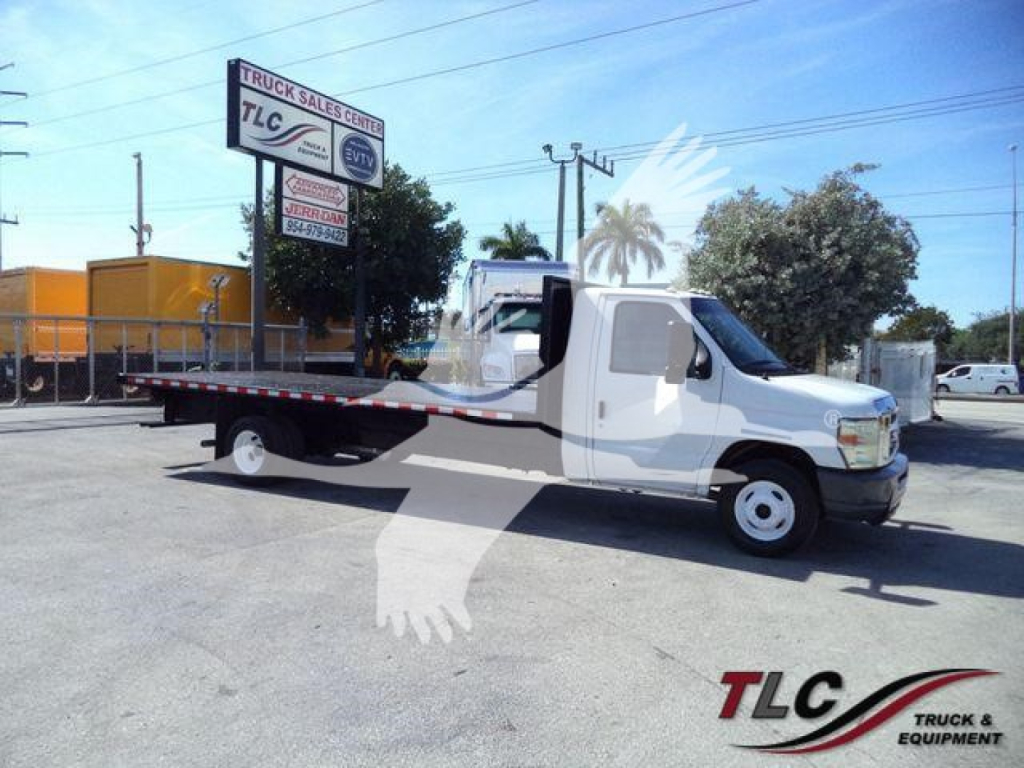
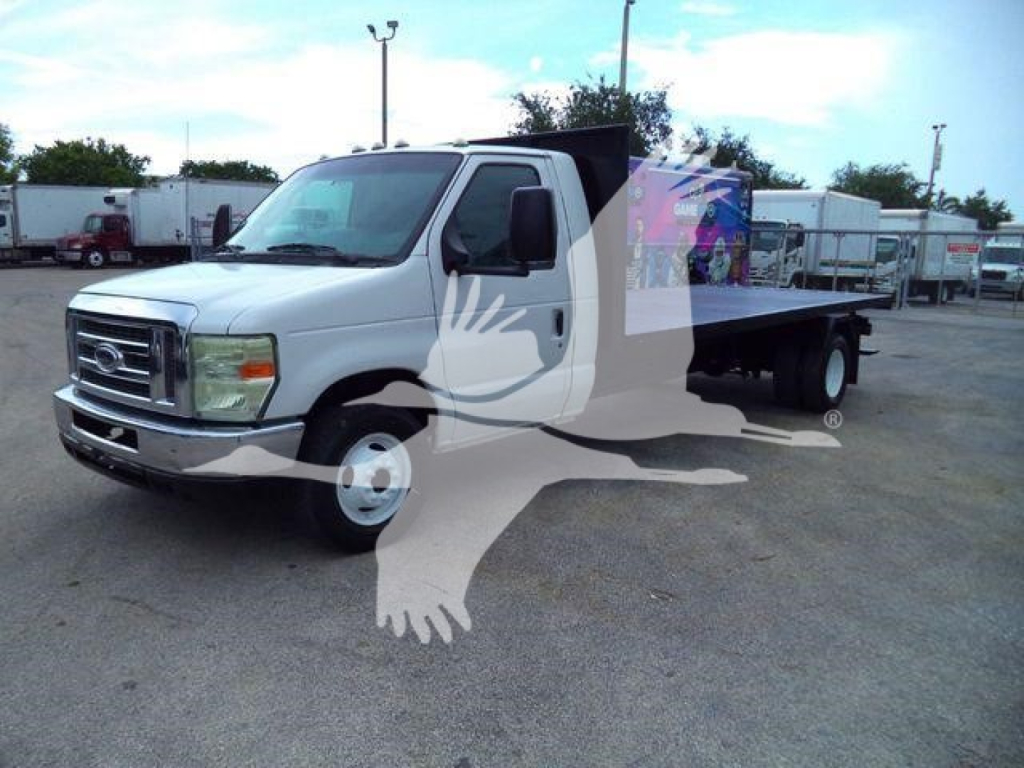
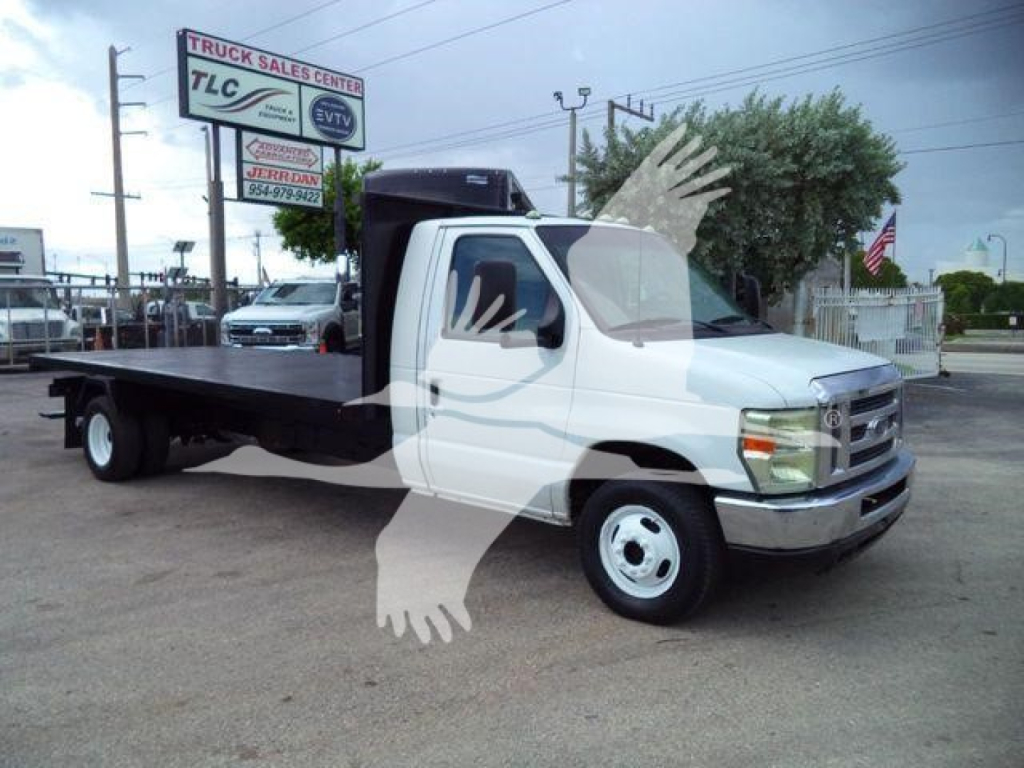
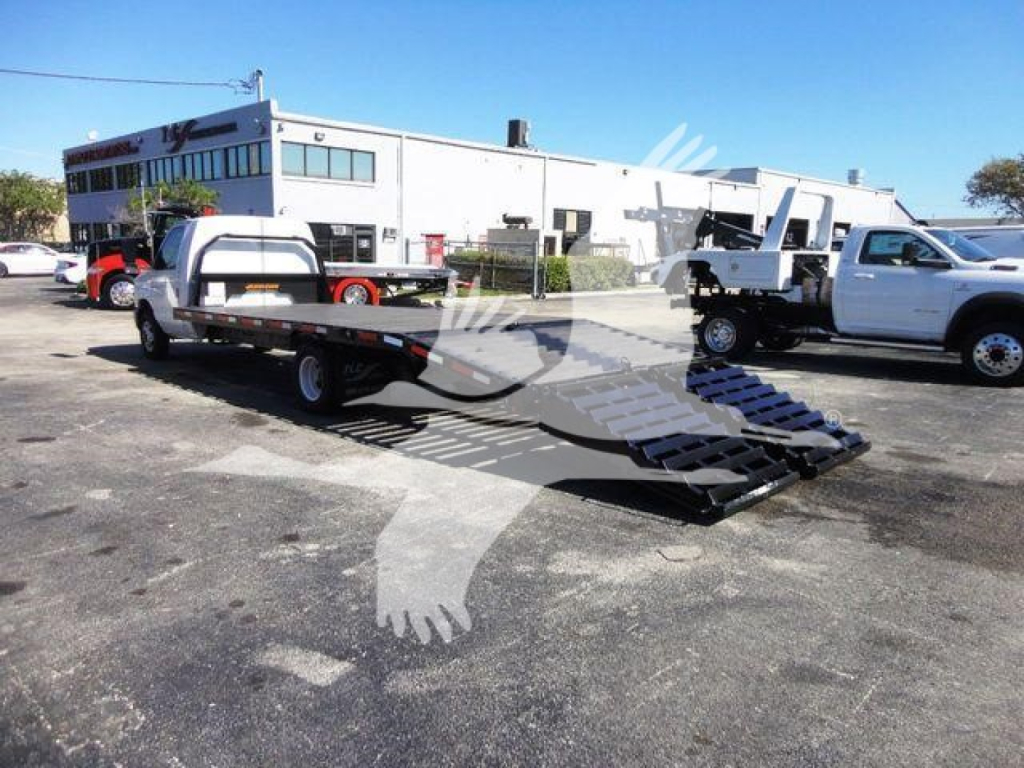
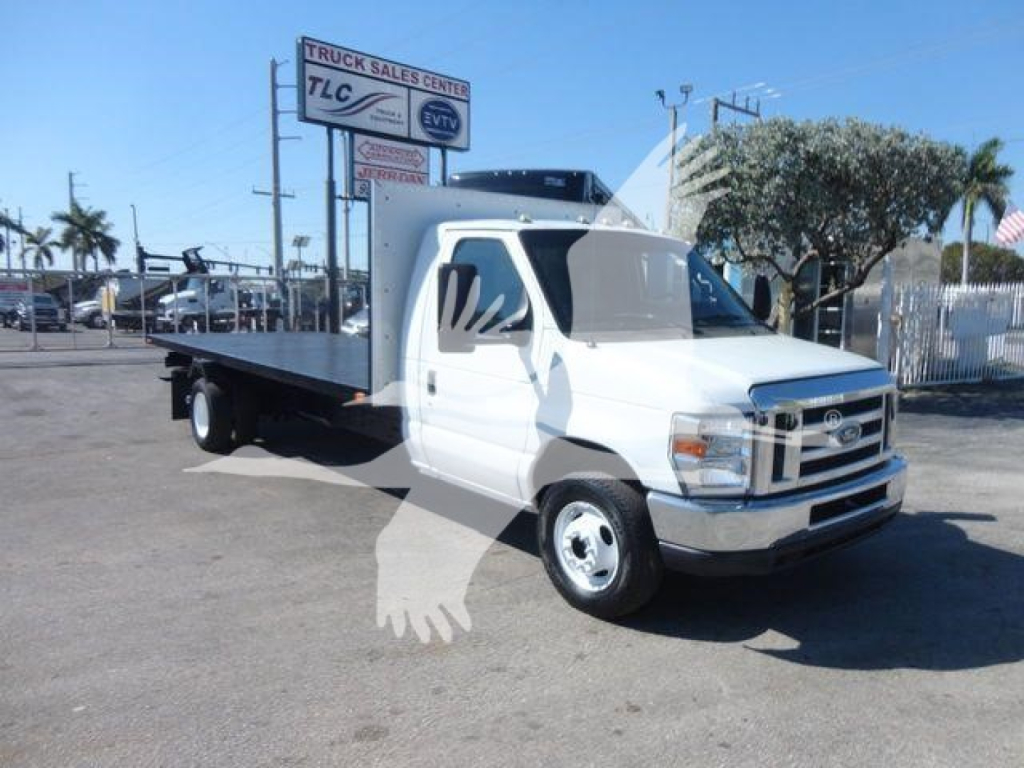
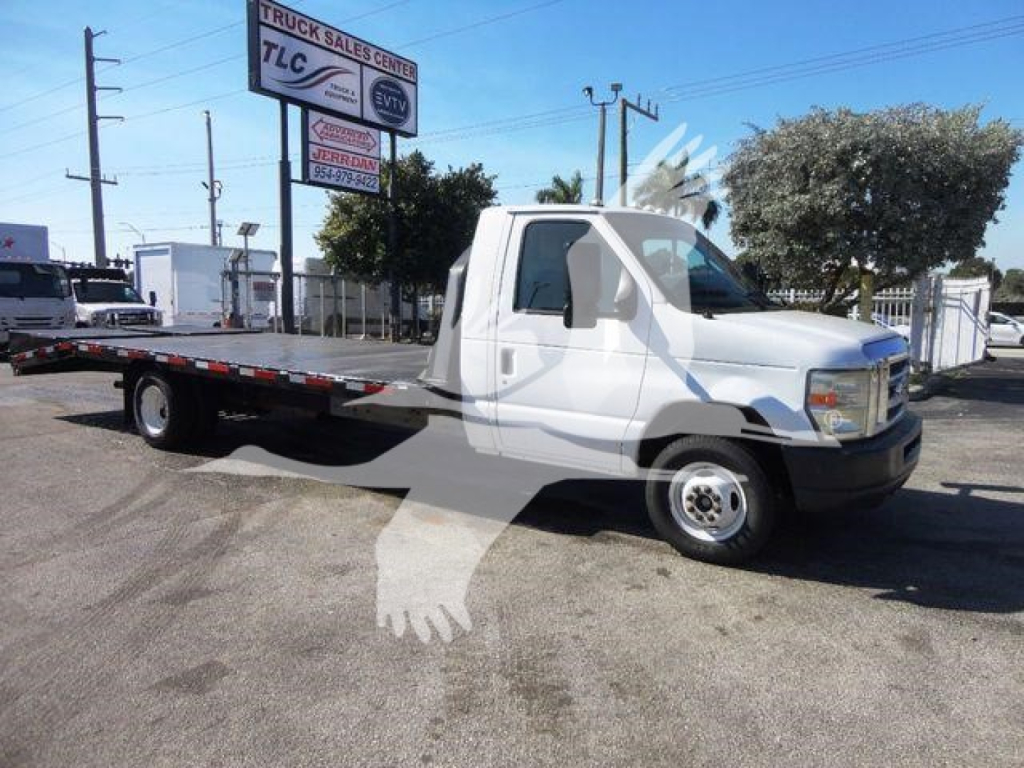
On 2011 flatbed trucks, bed length and payload matter more than badge. Many units in this age range fall into the 9 to 18 foot bed range, while some van-chassis conversions and custom builds stretch longer. Steel beds generally cost less and hold up well in rough service, but they add curb weight and can reduce legal payload. Aluminum beds save weight and resist corrosion, which is a real advantage in Florida humidity and coastal use. Buyers should inspect crossmembers, deck condition, tie-down points, rear hitch rating, and any gooseneck or pintle setup. If the truck has a beavertail and spring-assisted fold-down ramps, confirm ramp rating, hinge wear, and deck angle, especially if it will handle low-clearance equipment.
Powertrain choice on a 2011 flatbed often comes down to operating pattern. Gas engines such as Ford's V10 can be a solid fit for local service, municipal work, and lower annual mileage because maintenance is typically simpler and upfront cost is often lower. Diesel trucks make more sense when the flatbed is used for heavier towing, sustained highway miles, or hotshot-style work where torque and fuel economy become more important. Check axle ratio, wheelbase, cab-to-axle measurement, and transmission service history because these details affect drivability and how well the upfit matches the chassis. On dual rear wheel trucks, tire condition and rear suspension wear deserve close attention, especially on units that have spent years carrying concentrated loads.
Florida buyers should also pay attention to rust in bed hardware, electrical condition in marker and trailer plug circuits, and signs of prolonged sun exposure in interior trim, seals, and wiring. A good 2011 flatbed truck should have an upfit that matches the work: stake sides for material delivery, a clean deck for forklift loading, or towing hardware for trailers and compact equipment. The best value is usually a truck with a clear service record, a properly sized bed, and a chassis rating that leaves margin for real-world payload rather than just the advertised deck capacity.
Frequently Asked Questions about 2011 Flatbed Trucks in Florida
What should I check first on a used 2011 flatbed truck?
Start with the chassis rating and the bed itself. Confirm GVWR, actual payload capacity, bed length, and whether the flatbed upfit matches the truck's wheelbase and cab-to-axle measurement. Then inspect crossmembers, deck surface, headache rack, stake pockets, rub rails, hitch equipment, and trailer wiring. On a 2011 model, service records, brake condition, tire age, and suspension wear are just as important as engine hours or mileage because flatbeds often spend their lives under load.
Is a gas or diesel engine better in a 2011 flatbed truck?
Gas engines are often the better fit for local delivery, contractor use, and lower annual mileage because they usually cost less to buy and maintain. Diesel engines are generally better for heavier towing, frequent highway use, and applications where low-end torque matters. The right answer depends on load weight, trip length, and how often the truck will pull a trailer. A well-maintained gas truck can be the smarter value if the work is local and the payload is moderate.
Are steel or aluminum flatbeds better on 2011 trucks?
Steel flatbeds are durable and commonly used in harder jobsite service, but they add weight and may reduce available payload. Aluminum flatbeds weigh less and resist corrosion better, which can be a real advantage in Florida. Buyers choosing between the two should compare total truck weight, intended cargo, repair costs, and the environment the truck will work in. For payload-sensitive operations, aluminum often has the edge. For impact-heavy use, steel still has strong appeal.
What bed features add the most value on a flatbed truck?
The most useful features depend on the application, but buyers generally look for stake pockets, rub rails, a solid headache rack, quality tie-down points, trailer plug connections, and a hitch rated for the intended load. For equipment hauling, a beavertail and spring-assisted ramps can add significant utility. Lockable toolboxes, LED lighting, and a gooseneck hitch are also valuable when the truck is used for towing or jobsite support.
Why does Florida location matter when buying a 2011 flatbed truck?
Florida use can be easier on frames than northern road-salt regions, but buyers still need to watch for corrosion from humidity and coastal exposure. Electrical connectors, bed hardware, light circuits, and painted surfaces can show wear from moisture and sun. Heat and UV exposure can also affect interior materials, seals, and plastics. A Florida truck should still be inspected carefully, but many buyers see regional value in a chassis that has avoided years of salted winter roads.